GOQii

Blog

  • HOME
  • HEALTHY LIVING
  • FITNESS
  • HEALTHY RECIPES
  • USER STORIES
  • KARMA
  • BUY GOQii

Search Results for: liver

January 3, 2025 By Tabassum Parveen 1 Comment

How to Burn Body Fat & Keep it Off!

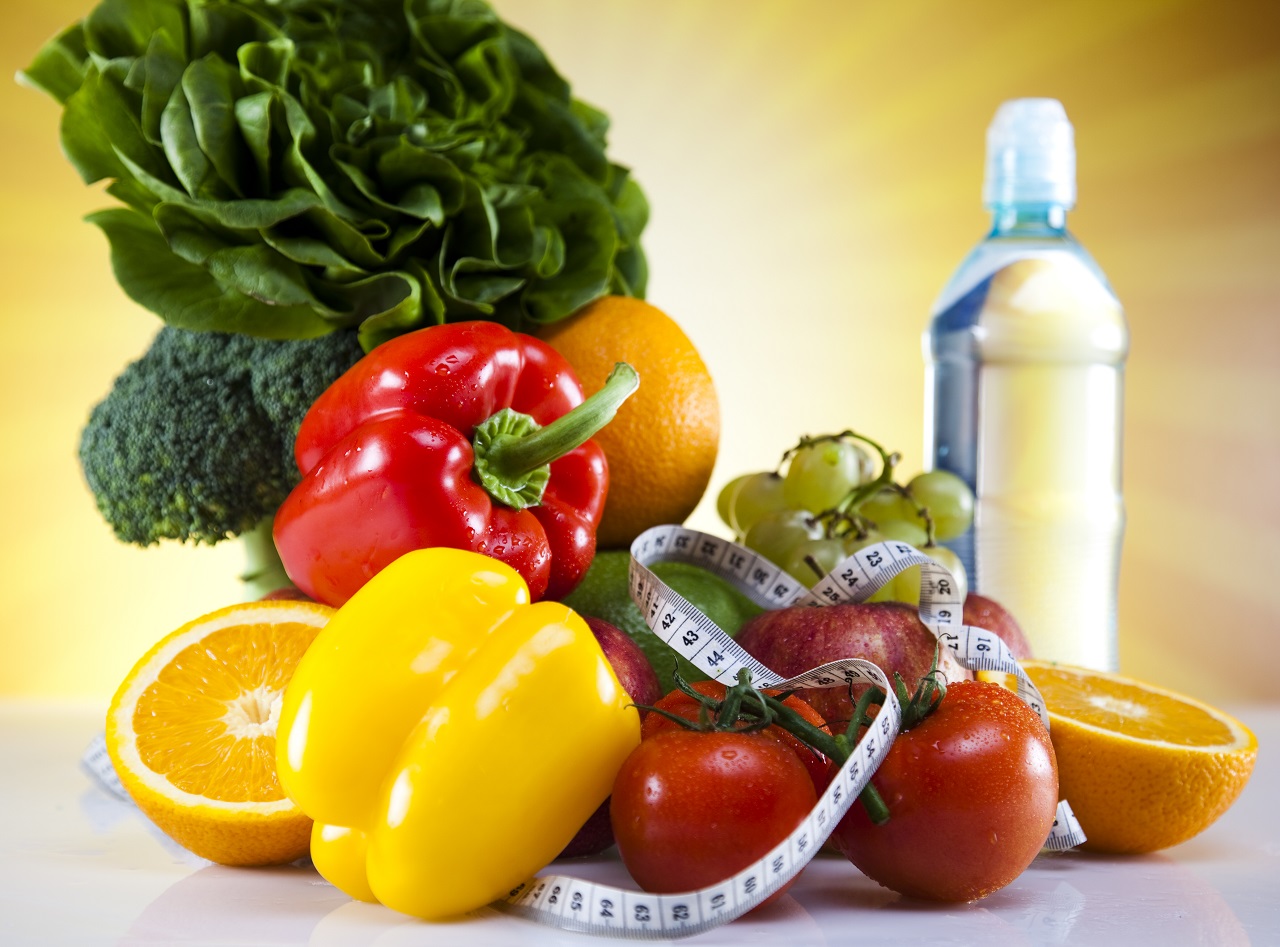
body fatHow many times have we pushed ourselves to our physical limits in order to get rid of excess body fat, only to end up gaining it all over again? Keeping body fat off is a difficult task, but it is not impossible. All you need is the right knowledge and this article has it!

Need to Burn Body Fat

Many articles explain the need to burn body fat. However, they often overlook the fact that muscle behavior changes when body fat is burned. When you’re on a journey to lose weight, it is important to burn body fat as well as restore body muscles to gain control over important body functions.

How to Burn Body Fat

1. Increase Protein Intake:

The theory behind increasing protein intake is that more muscles result in more fat burning. It’s best to start your day with good carbs and proteins, as adding protein to breakfast works on hunger hormones, making you feel fuller for longer.

This is why including protein helps in losing weight and keeping it off. If you don’t have a good protein source, add it. But remember, only consuming protein without good carbs, fiber, vitamins, and minerals may result in weight gain, as extra protein will get deposited.

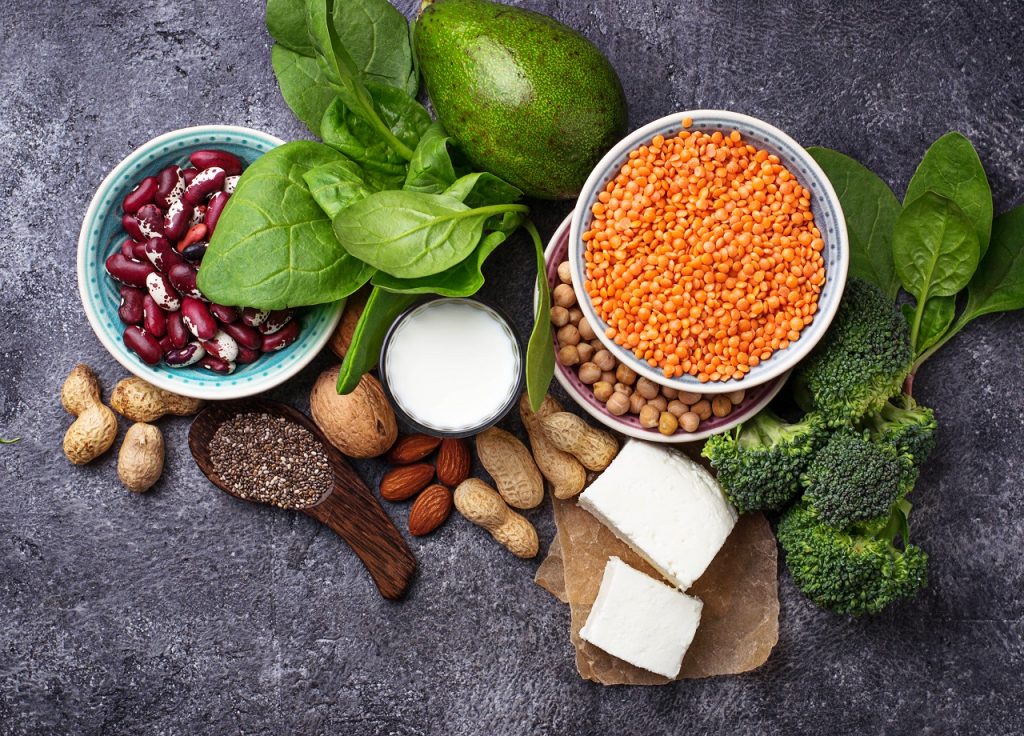
Sources of protein that can be included in your daily lifestyle are quinoa, moringa, peanut butter, almond butter, nuts, seeds, legumes, beans, lean meat, fish, eggs, and dairy products like curd, yogurt, cottage cheese, paneer, and soy products like tofu.

2. Water Intake:

The average water intake of a person is 2.17 liters. Water intake can be increased to 3 liters per day to prevent sunstroke and dehydration, especially in hot weather. Hydration is crucial because your body will not burn fat when it is dehydrated.

Drinking a glass of water before meals acts as an appetite suppressant, helping you keep extra fats from food at bay. Avoid sugary drinks like colas or other carbonated beverages. Instead, carry a chilled bottle of water containing chia seeds or basil seeds, mint leaves, a little salt, and a piece of jaggery to stay hydrated and refreshed!

3. Foods with Fiber:

Gut health is the key to maintaining body weight and shedding extra fat. Fiber helps in maintaining a healthy weight and reducing cholesterol and diabetes levels.

If you’re looking for low-calorie foods, try broccoli, lettuce, cabbage, cauliflower, mushrooms, green beans, zucchini, apples, popcorn, cucumber, spinach, oats, and brown rice. These are good sources of fiber and keep you full for longer.

Psyllium husk (Isapgol) is great for detoxing the system. It also helps eliminate cholesterol and fat globules from the body. However, it needs to be consumed in moderation—half a teaspoon or 2 grams per day is sufficient.

4. Cut down on Salt, Sugar and Refined Carbs:

Everything in excess is harmful. Salt and sugar are basic needs of our lifestyle as they help maintain the pH level of blood. Excess salt results in water retention and can make it difficult to lose weight. Similarly, excess sugar affects your metabolism and can cause joint pain and fatty liver problems.

This doesn’t mean you need to go tasteless! Moderation is the key to a healthier lifestyle. Avoid extra salts and sugars from processed food, junk food, and refined carbs like white bread, white flour, sweetened beverages, and bakery products. Instead, carry healthy snacks like fox nuts, goji berries, dry fruits, mixed seeds, and popcorn. Also, cut off any additional salt in your curds or salads.

Foods That Help in Burning Body Fat Faster

  • Apple Cider Vinegar: Mix 1 or 2 tsp of apple cider vinegar in lukewarm water for a healthy morning drink. It helps burn extra fats.
  • Extra Virgin Coconut Oil: Reducing normal oil intake while consuming extra virgin cold-pressed coconut oil benefits thyroid functioning and increases the body’s metabolic rate due to medium-chain triglycerides. This helps burn fat faster. Add it to your salads or cooked curry (avoid heating it to retain its nutrients).
  • Beverages: Green coffee, black coffee, oolong tea, green tea, chamomile tea, and goji berry tea all improve metabolism and help burn fat faster. However, 2-3 cups a day is advised, as anything in excess is harmful.

Stress and Lack of Sleep Can Result in Weight Gain

Stress and sleep are often neglected during fat-burning journeys. Overindulging in workouts can lead to stress and weight gain. Working out 3-4 times a week is sufficient. Jumping jacks, HIIT, planks, crunches, lunges with stretching, and yoga help maintain body shape without stress while promoting good-quality sleep.

If mediation or deep breathing dosen’t help you relax, try stress-busting foods like dark chocolate, nuts, seeds, bananas, and avocados. Ensure you get enough sleep. Lack of sleep and stress can slow down metabolism and cause weight gain. To sleep peacefully, keep your room dark, avoid heavy workouts before bedtime and stay off screens at least an hour before sleeping.

By working on these small lifestyle changes, you can effectively lose body fat and keep it off!

We hope this article helps you. For more information or tips on weight loss, check out Healthy Reads or speak to an expert by subscribing for GOQii’s Personalised Health Coaching here.

#BeTheForce

Disclaimer: The information provided in this blog is for general awareness and educational purposes only. It is not intended to replace professional medical advice, diagnosis, or treatment. Always consult a qualified healthcare provider for personalised medical guidance or concerns related to your health.

December 26, 2024 By Urvi Gohil 3 Comments

Top 5 Sources of Protein For Vegetarians

Protein For Vegetarians Indian Dietetics Association claimed a few years back that vegetarian diets in our country are 84% protein deficient along with 65% protein deficiency in the diets of non-vegetarians too. Data also suggest that 93% of Indians are not aware of their ideal protein intake per day. Proteins are extremely crucial for the body. The word Protein comes from a Greek word Proteos meaning “First Place” or “Primary”. Some important functions of protein are:

  • Growth and maintenance
  • Structural part of enzymes required for many biochemical reactions
  • Structural part of hormones which are key messengers in the body
  • Providing rigidity and stiffness to cells and tissues all over the body
  • Maintaining ideal pH and balancing fluids
  • Bolster immune health
  • Providing energy  
  • Transporting and storing nutrients

The recommended dietary allowance for protein is 0.8 gram per kg body weight for normal healthy individuals. So, if you are 60 kg, multiply it by 0.8, and your protein intake per day should be around 48 grams. Protein intake will vary based on various stages of life and for athletes, pregnant and lactating mothers, kidney & liver patients.

5 Sources of Protein For Vegetarians 

  1. Sattu (gram flour): Originated from Bihar, Jharkhand, West Bengal and Uttar Pradesh, Sattu is known as the poor man’s protein. But recently, it has gained popularity due to its amazing nutrient profile. It is basically roasted and ground gram flour. You can make Sattu ki roti, traditional Sattu drink with lemon and pink salt, Sattu fortification in dhokla, idli, dosa, etc. Try to take at least 2 tablespoons of Sattu in a meal. Unlike other protein sources, Sattu is easier to digest and suits the elderly too.
  2. Sprouted Pulses: The germinated pulses such as mung, kidney beans, black eyed beans, chana, chickpeas, etc. have more magnesium, protein, folate, minerals, Vitamin C, Vitamin K, manganese and phosphorus as compared to non-sprouted varieties. So increase the consumption of sprouts as it will give better nutrients in the same amount. You can make a fresh batch of sprouts daily and have a small cup with lunch and the same for dinner to enrich your meals with protein. Though you can store the sprouted pulses for 3 days in the fridge using a sealed container. Trying a variety of recipes on a daily basis like aloo-sprouts paratha, sprouts stuffed sandwich, sprouts salad, sprouts soup, etc. will also help.
  3. Paneer: is another amazing, well known source of protein for vegetarians. It is rich in healthy fats, protein and low in carbs. In a controlled portion size, it’s great for diabetics, weight watchers and almost everyone. Try to incorporate paneer in your regular meals like post workout meals, sandwiches, curries, grilled paneer with veggies for meals, etc.
  4. Nuts & Seeds: have an impressive number of protein and healthy fats in a single serving. It’s a great idea to add these to your mid-meal and snack time. Walnuts, hemp seeds, pumpkin seeds, flax seeds, chia seeds, sunflower seeds, etc. are concentrated sources of protein and healthy fats. About 2 tablespoon of them per day can help you in more ways than one.
  5. Hung Curd: is nothing but our homemade curd which has drained off its water. Make curd using low-fat milk or cow milk, tie it in a muslin cloth and hang it for 3-4 hours for all the excess water to be drained. 1 cup of homemade hung curd provides 10-12 grams of protein. It is great for digestion and also for meeting calcium requirements. You can use it for dips, raita, salad dressings or just a plain cup of hung curd with meals.

We hope these food sources of protein for vegetarians helps you! Before you add any of these foods to your diet, please consult your doctor, nutritionist or dietitian.

How do you fill in your daily protein requirement? Let us know in the comments below. For more on proteins, you can check out Healthy Reads or ask a GOQii Coach by subscribing for Personalised Health Coaching here.

#BeTheForce 

November 29, 2024 By Mubasheera Chaiwala Leave a Comment

Stress and You: A Comprehensive Guide to Managing Life’s Challenges-Part-1

India is still stressedPicture yourself about to deliver a crucial presentation at work. Standing before your colleagues, you feel your heart racing, your hands slightly sweaty, and your mind zeroing in on every word you’re about to say. That surge you feel? It’s stress at work—a natural response gearing you up to perform at your best. In this moment, stress isn’t a barrier; it’s a boost, keeping you sharp, focused, and ready to engage.
Stress plays a crucial role in many areas of our lives, whether it’s the drive to excel in an exam, perform well in a major game, or stay alert in a risky situation. However, like a double-edged sword, while stress can provide a helpful boost, excessive stress can start to hold us back. By understanding what stress is and how it impacts us, we can learn to harness it when it’s useful and manage it when it starts to feel overwhelming.

Let us understand what is Stress?

Stress is the body’s natural reaction to any demand or threat. When we sense danger—whether it’s real or perceived—the body triggers an automatic “stress response” designed to protect us, keeping us focused, energized, and alert. In emergencies, stress can even be life-saving, providing extra strength and heightened awareness to face the challenge.

However, stress isn’t always a negative force. It can serve as a motivator, helping us rise to challenges. For example, stress can keep us sharp during a work presentation, boost our focus in a game, or push us to study for an exam rather than indulge in distractions. In this way, stress can empower us to exceed our limits and achieve our goals. But when stress becomes chronic, it can start to affect our health, making it essential to manage it well.

What happens when you’re stressed?

When you experience stress, your nervous system releases a surge of stress hormones, including adrenaline and cortisol, priming your body for action. Your heart beats faster, muscles tense, blood pressure rises, breathing quickens, and your senses sharpen. However, after a certain point, stress ceases to be helpful and can begin to harm your health, mood, productivity, relationships, and overall quality of life.

Common symptoms of stress-

Cognitive symptoms

  1. Memory problems- Inability to concentrate
  2. Constant worrying
  3. Mood swings, irritability, anger

Physical symptoms                                                                              

  1. Chest pain, rapid heart rate
  2. Frequent colds or flu
  3. Aches and pains
  4. Dark circles, skin pigmentation

Behavioral symptoms

  1. Eating more or less
  2. Sleeping too much or too little
  1. Withdrawing from others
  2. Procrastinating or neglecting responsibilities
  3. consuming alcohol, smoking, or drugs to relax, Nervous habits (e.g. nail biting)

Health Problems Related to Stress:

Diabetes

Stress can worsen diabetes in two ways. Hormones like cortisol, cortisone, and hydrocortisone play a major role in the body’s response to stress. Under the influence of cortisol, blood sugar levels are maintained and can even rise during stressful times. These hormones are responsible for converting glycogen into glucose. Any type of stress increases cortisol levels in the blood. Additionally, stress raises the likelihood of unhealthy behaviours, such as poor eating habits and excessive drinking.

Hypertension and Heart Disease

People who are stressed have a higher risk of high blood pressure and heart problems. Stress can directly increase heart rate and blood flow, causing the release of cholesterol and triglycerides into the bloodstream. It’s also possible that stress is linked to other issues—like an increased likelihood of smoking or obesity—that indirectly elevate heart risks.

Things to do to effectively manage stress:

  1. Eat a well-balanced diet, food rich in important vitamins and minerals that help in managing stress (we will discuss the food helping in managing stress in PART 2)
  2. Yoga is a popular physical and mental health enhancer
  3. Exercise can be a great stress reliever. It changes one’s outlook and the day will seem far less tense.
  4. Massage is a form of enforced physical relaxation and mental relaxation to reduce stress.
  5. Being assertive. Assertive people tend to have less conflicts, and are understanding.
  6. Cultivate the power of patience, it will do you a lot of good.
  7. Keep yourself occupied so that your mind doesn’t think of those matter that hurt you. (example if watching news that make you sad .. try not to watch it and watch something funny and light.).
  8. Read books that motivate you.
  9. Try doing things that make you happy. For instance playing your favourite sport, going on a long drive, hanging out with friends or calling them home.

This concludes Part 1 of our comprehensive guide to stress management. We hope this article provided valuable insights into understanding and managing stress effectively. Stay tuned for Part 2, where we’ll delve into the role of nutrition and advanced strategies in stress management.

For more informative articles on health and well-being, explore Healthy Reads. For further guidance on managing stress and lifestyle, speak to a certified expert by subscribing to GOQii’s Personalised Health Coaching here.

#BeTheForce

Disclaimer: The information provided in this blog is for general awareness and educational purposes only. It is not intended to replace professional medical advice, diagnosis, or treatment. Always consult a qualified healthcare provider for personalised medical guidance or concerns related to your health.

November 26, 2024 By Tooney John 1 Comment

4 Essential Vitamins That You Should Consume This Winter

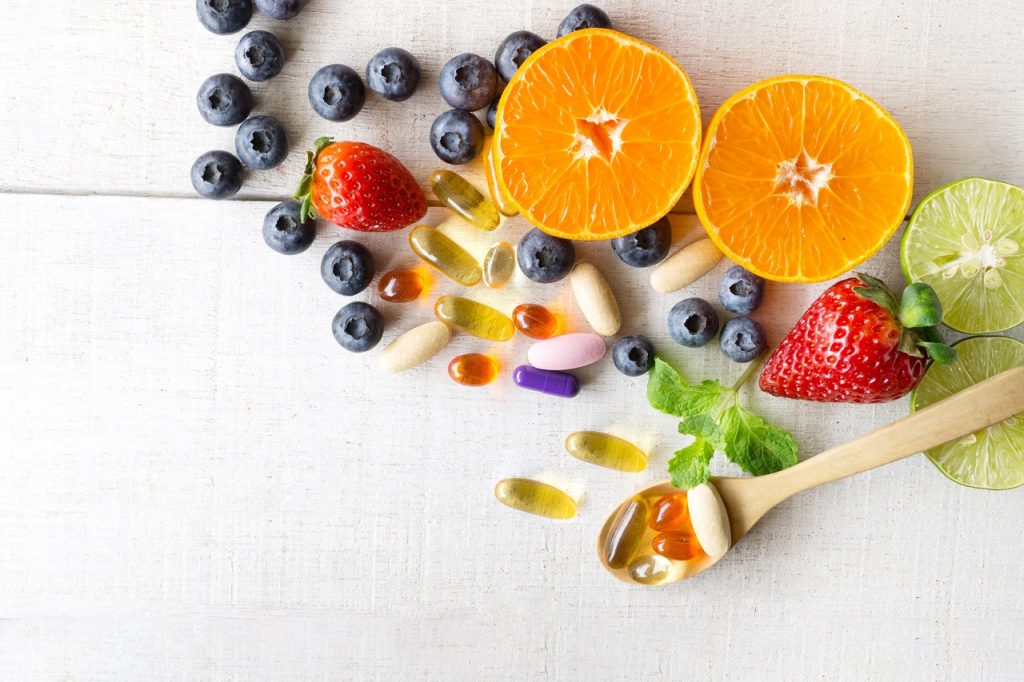
essential vitaminsWhile there are numerous reasons to love winter, it comes along with a few downsides. As there is less exposure to sunlight, it may arise out of weather beaten dry skin. Consumption of vitamin rich food or supplements will balance the effects of winter on the body. There are mainly 4 essential vitamins which should be given priority during winter.



4 Essential Vitamins For Winter 

1. Vitamin C
During winter, due to the changes in climate, we are more prone to cold and fever. So, eating more Vitamin C rich foods helps you to boost immunity. As it is necessary to maintain good body temperature in winter, the consumption of Vitamin C enriched food will aid in maintaining optimum body temperature. The main Vitamin C rich foods are citrus fruits like oranges, lemon and sweet lime. Drinking a glass of lemonade daily will help to boost your immunity level. Apart from citrus fruits, dark green leafy vegetables, tomatoes, pepper, strawberries and Indian gooseberry (amla) are also rich in Vitamin C. So, try to add these kinds of fruits and vegetables to your daily diet this season. 

2. Vitamin D
It is also known as the ‘Sunshine Vitamin’ as the main source of Vitamin D is sunlight. Therefore, diseases generated due to Vitamin D deficiency are most common during winter due to less exposure to sunlight. The main function of Vitamin D is the calcium regulation in our body, which means Vitamin D is essential for the absorption of calcium in the body. The main sources of Vitamin D are eggs, milk, butter, and cod liver oil. During noontime, try to expose yourself to sunlight for at least 10-15 minutes. The best time for exposure to sunlight is 10am to 3pm. Vitamin D plays an important role in heart health and immunity as well.

3. Vitamin B
Also known as the super vitamins, they maintain cell health and keep you energized. Vitamin B is also called as B complex vitamins as there are various subcategories. The B complex Vitamins are B1- Thiamine, B2- Riboflavin, B3- Niacin, B5- Pantothenic acid, B6- Pyridoxine, B7- Biotin, B9- Folic Acid, B12- Cobalamin. These eight B complex vitamins differ in benefits. B1- Thiamine enables the body to use carbohydrate metabolism. B2- Riboflavin helps to break down carbohydrates, fats and proteins. B3- Niacin helps increase the HDL cholesterol and lowers the LDL cholesterol. B5- Pantothenic acid helps in the formation of blood cells. Pyridoxine helps lower the risk for Alzheimer’s disease. B7- Biotin helps in keeping our skin, hair and nervous system healthier. B9- folic acid is a very important vitamin during the pregnancy period because it is essential for the formation of foetus’ brain, skull and development of the spinal cord. In one word, we can say folic acid is important to avoid foetus neural tube defects. B12 Cobalamin helps to treat Anaemia and bone issues like osteoporosis. Food sources include dark green leafy vegetables, meat, fish, egg, milk and cheese.

4. Vitamin E
Vitamin E is a fat-soluble vitamin that also acts as an antioxidant. During winter, Vitamin E plays an important role in caring for our skin because it helps prevent dryness. So, try to have a Vitamin E moisturizer with you. It acts as a skin care hero during winter and it hydrates your skin. Food sources include pumpkin, sunflower seeds and oil, avocado, almonds and spinach. 

Eating a balanced, healthy diet along with a few supplements will improve the negative effects of cold weather.  But it is always advised to take consultation from your doctor, nutritionist or dietician to figure out what dosage is right for you.

We hope this article helps you. Do leave your thoughts in the comments below. For more winter tips, check out Healthy Reads or ask a GOQii Coach by subscribing for Personalised Health Coaching here.

#BeTheForce

  • « Previous Page
  • 1
  • …
  • 9
  • 10
  • 11
  • 12
  • 13
  • …
  • 62
  • Next Page »

Search

Recent Posts

  • The Sleep-Metabolism Connection: Why Rest is Your Best GLP-1 Partner
  • Accelerate Action for Your Health: Why Self-Care Matters This International Women’s Day
  • 4 Reasons Why Affirmations Are Not Working For You
  • The Social Side of GLP-1: Navigating “Food Culture” and Peer Pressure
  • Leaky Gut: Symptoms and Causes

Stay Updated

Archives

  • March 2026 (3)
  • February 2026 (14)
  • January 2026 (14)
  • December 2025 (19)
  • November 2025 (15)
  • October 2025 (20)
  • September 2025 (6)
  • August 2025 (6)
  • July 2025 (12)
  • June 2025 (18)
  • May 2025 (16)
  • April 2025 (22)
  • March 2025 (23)
  • February 2025 (22)
  • January 2025 (25)
  • December 2024 (22)
  • November 2024 (23)
  • October 2024 (21)
  • September 2024 (24)
  • August 2024 (30)
  • July 2024 (21)
  • June 2024 (26)
  • May 2024 (31)
  • April 2024 (27)
  • March 2024 (29)
  • February 2024 (25)
  • January 2024 (21)
  • December 2023 (15)
  • November 2023 (11)
  • October 2023 (19)
  • September 2023 (22)
  • August 2023 (18)
  • July 2023 (22)
  • June 2023 (24)
  • May 2023 (24)
  • April 2023 (23)
  • March 2023 (23)
  • February 2023 (19)
  • January 2023 (15)
  • December 2022 (11)
  • November 2022 (15)
  • October 2022 (15)
  • September 2022 (12)
  • August 2022 (10)
  • July 2022 (17)
  • June 2022 (11)
  • May 2022 (10)
  • April 2022 (6)
  • March 2022 (6)
  • February 2022 (13)
  • January 2022 (11)
  • December 2021 (7)
  • November 2021 (3)
  • October 2021 (6)
  • September 2021 (3)
  • August 2021 (8)
  • July 2021 (7)
  • June 2021 (15)
  • May 2021 (16)
  • April 2021 (10)
  • March 2021 (7)
  • February 2021 (4)
  • January 2021 (4)
  • December 2020 (3)
  • November 2020 (4)
  • October 2020 (10)
  • September 2020 (3)
  • August 2020 (3)
  • July 2020 (2)
  • June 2020 (4)
  • May 2020 (10)
  • April 2020 (12)
  • March 2020 (10)
  • February 2020 (4)
  • January 2020 (4)
  • December 2019 (3)
  • November 2019 (7)
  • October 2019 (5)
  • September 2019 (4)
  • August 2019 (9)
  • July 2019 (9)
  • June 2019 (11)
  • May 2019 (4)
  • April 2019 (8)
  • March 2019 (8)
  • February 2019 (9)
  • January 2019 (8)
  • December 2018 (9)
  • November 2018 (3)
  • October 2018 (3)
  • September 2018 (5)
  • August 2018 (10)
  • July 2018 (6)
  • June 2018 (13)
  • May 2018 (8)
  • April 2018 (18)
  • March 2018 (9)
  • February 2018 (8)
  • January 2018 (15)
  • December 2017 (12)
  • November 2017 (19)
  • October 2017 (13)
  • September 2017 (15)
  • August 2017 (4)
  • July 2017 (8)
  • June 2017 (7)
  • May 2017 (6)
  • April 2017 (8)
  • March 2017 (6)
  • February 2017 (7)
  • January 2017 (9)
  • December 2016 (10)
  • November 2016 (7)
  • October 2016 (7)
  • September 2016 (7)
  • August 2016 (11)
  • July 2016 (9)
  • June 2016 (9)
  • May 2016 (12)
  • April 2016 (17)
  • March 2016 (17)
  • February 2016 (8)
  • January 2016 (6)
  • December 2015 (2)
  • November 2015 (9)
  • October 2015 (7)
  • September 2015 (9)
  • August 2015 (11)
  • July 2015 (9)
  • June 2015 (12)
  • May 2015 (9)
  • April 2015 (13)
  • March 2015 (8)
  • February 2015 (5)
  • January 2015 (12)
  • December 2014 (14)
  • November 2014 (11)
  • October 2014 (6)
  • September 2014 (13)
  • August 2014 (12)
  • July 2014 (6)
  • June 2014 (2)
  • May 2014 (7)
  • April 2014 (4)

From “Laddu Nawin” to Fit and Fierce: How a 25-Year-Old Insurance Advisor Shed 20 Kilos and Gained His Life Back

When 25-year-old Nawin Yadav from Hyderabad walked into his office every morning, he carried more than just his files and policy papers. He had the weight of fatigue, sluggish energy, and an ever-growing belly that was becoming the butt of jokes. “People … [Read More...]

“I’ve Challenged Myself to Live 100 Years” – The Story of Chandubhai Savani’s Second Chance at Life

At 67, most people start slowing down. Not Chandubhai Savani. A resident of Surat, Chandubhai, thought life was on track. “My life was going well till I had my bypass surgery,” he says. That surgery, back in 2021, was a wake-up call.  Medication was routine, but exercise wasn’t. His diet? What he calls ‘normal.’ “I […]

From Shimla’s Slopes to Chandigarh’s Sidewalks: Surinder Kaur Bhalla’s Journey from Chaos to Control

Some journeys start with a plan. Others begin with a stumble literally. Surinder Bhalla, a government professional, born and raised in the scenic hill town of Shimla, had always lived a life of movement. “In Shimla, you walked everywhere,” she reflects. “Walking was never an exercise. It was just life.” But after shifting to Chandigarh, […]

Ananda Mukherjee Health Story

From Terminal Illness To Complete Wellness! Ananda Mukherjee Health Story

As we observe World Cancer Day under the powerful theme ‘United by Unique’ (2025-2027)**, we are reminded that every individual’s journey with cancer is distinct, yet united by shared resilience, hope, and the collective fight against this disease. This theme places people at the centre of care and their stories at the heart of the […]

  • HOME
  • HEALTHY LIVING
  • FITNESS
  • HEALTHY RECIPES
  • USER STORIES
  • KARMA
  • BUY GOQii

Copyright ©2016 GOQii
