GOQii

Blog

  • HOME
  • HEALTHY LIVING
  • FITNESS
  • HEALTHY RECIPES
  • USER STORIES
  • KARMA
  • BUY GOQii

November 6, 2026 By GOQii Leave a Comment

This Dhanteras, Invest in Your Health

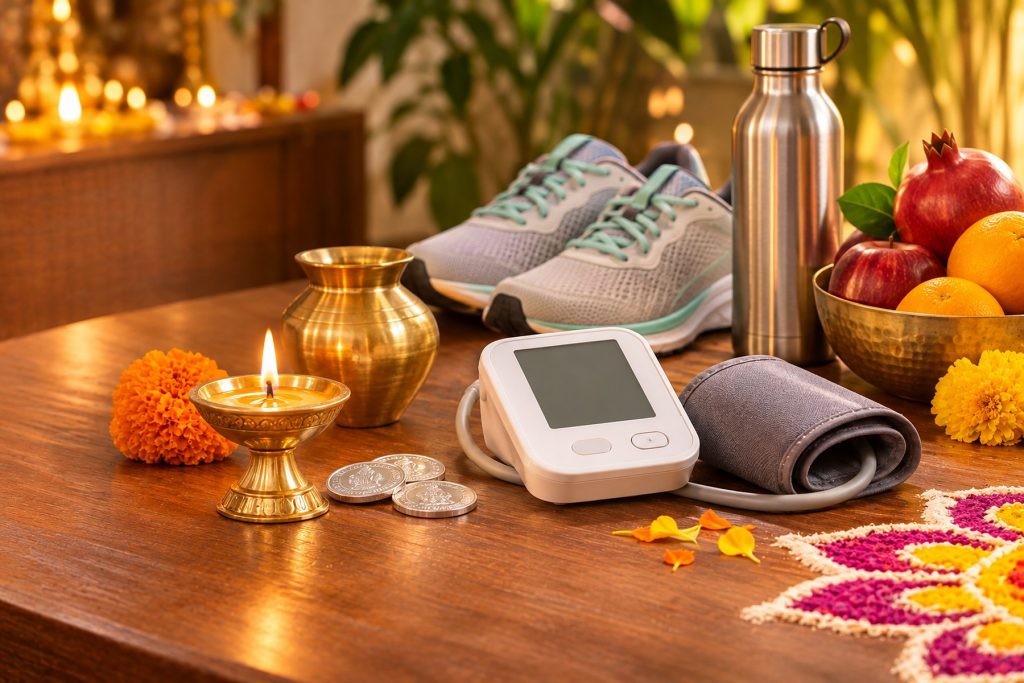
Dhanteras, which falls on Friday 6 November this year, is the day millions of families buy gold, silver, utensils or something new for the home, as a sign of prosperity for the year ahead. But the festival has another meaning that’s easy to forget. It honours Lord Dhanvantari, revered as the physician of the gods and associated with Ayurveda, a reminder that good health is the real wealth.

So this Dhanteras, alongside the coins and kitchenware, why not invest in your health too? It doesn’t have to cost much. Some of the best investments are a few routine tests, a handful of genuinely useful health buys, and habits that cost nothing at all.

At a glance

  • The best returns come from prevention: catching high blood pressure, raised blood sugar or high cholesterol early, before they cause problems.
  • Book the check-ups you’re due for: blood pressure, blood sugar, cholesterol and age-appropriate cancer screening.
  • Buy wisely: a validated upper-arm blood pressure monitor, good walking shoes or a water bottle can be worth more than expensive gadgets or supplements.
  • The free habits matter most: walking, sleep, home-cooked food, staying tobacco-free and time with people you love.
  • Give health as a gift: a check-up voucher, a fruit basket or an activity tracker can go further than another box of sweets.

1. Invest in check-ups

Many of the conditions that lead to heart attacks, strokes and kidney disease, such as high blood pressure, type 2 diabetes and high cholesterol, cause no symptoms for years. A simple test is often the only way to know. And in India, the numbers are large: the national ICMR–INDIAB study found that over 11% of adults have diabetes, 15.3% have prediabetes and 35.5% have high blood pressure, and many don’t know it.

Checks most adults should keep up to date:

Check Who and how often (typical guidance)
Blood pressure Every adult, at least once a year from your 30s, more often if it’s raised
Blood sugar (fasting glucose or HbA1c) From age 30, or earlier if you’re overweight or diabetes runs in your family; repeat every 1–3 years depending on your results
Cholesterol (lipid profile) Every few years from your 20s or 30s, more often if raised or if heart disease runs in your family
Weight and waist Once or twice a year at home or at the doctor
Cancer screening Cervical, breast and bowel screening at the ages your doctor or national programme advises; a mouth check if you use tobacco
Eyes and teeth Regular dental check-ups; an eye test every couple of years, and yearly if you have diabetes

Indians tend to develop diabetes and heart disease at younger ages and at lower body weights than many other populations, so starting checks in your 30s, or earlier with a family history, makes sense.

Where to get them:

  • Government health centres: Ayushman Arogya Mandirs and other government facilities offer screening for adults aged 30 and above for blood pressure, diabetes and oral, breast and cervical cancer.
  • Your employer or health insurance: many company health plans and insurance policies include a free annual check-up. It’s worth checking your policy before you pay for one.
  • Diagnostic labs: most offer home sample collection, which makes it easier to get tests done for older parents.
  • A tax benefit: under the old tax regime, payments for preventive health check-ups for yourself and your family can be claimed under Section 80D, up to ₹5,000 within the overall 80D limit, and even cash payments count. Check with your tax adviser for your situation.

A word on “full-body” packages: big check-up packages with dozens of tests aren’t always better. Unnecessary tests, such as cancer markers or scans in people without symptoms, can cause false alarms and worry. Ask your doctor which tests suit your age and history.

2. Health buys that are worth the money

If you’re shopping this Dhanteras anyway, these purchases can earn their keep:

  • A validated, upper-arm blood pressure monitor. Home readings help you and your doctor spot and manage high blood pressure. The British Heart Foundation advises choosing an independently validated, upper-arm monitor with a cuff that fits snugly, sit quietly with your back supported, and take two readings a few minutes apart.
  • Steel or clay cookware and a good non-stick pan, which let you cook with less oil. Steel and brass utensils are a traditional Dhanteras buy anyway.
  • Comfortable walking shoes. If they get you walking every day, they’re the best fitness equipment you’ll buy.
  • An activity tracker or step counter, if you’ll actually use it. A 2025 review in The Lancet Public Health found that about 7,000 steps a day, compared with 2,000, was linked to a much lower risk of early death, heart disease and dementia. Many of us need the nudge: a Lancet Global Health study found that nearly half of Indian adults (49.4%) weren’t active enough in 2022, rising to 57% among women.
  • A reusable water bottle to help you drink more water and fewer sugary drinks.
  • A digital thermometer and a basic first-aid kit, especially if you have children or older parents at home.
  • For diabetes: a glucometer, if your doctor wants you to check your sugar at home.

Think twice before spending on:

  • Multivitamins and “immunity boosters” for healthy adults. The US Preventive Services Task Force found insufficient evidence that multivitamins prevent heart disease or cancer, and it recommends against beta-carotene and vitamin E supplements. Take supplements only for a specific need your doctor has identified.
  • Detox kits, “fat-burning” products and miracle gadgets that promise quick results.
  • Expensive equipment you won’t use. A treadmill that becomes a clothes rack is no investment.

3. Free habits with the best returns

The biggest health “investments” cost nothing, and like a good savings plan, they pay off when you keep them up.

  • Move every day. The WHO recommends at least 150 minutes of moderate activity a week, such as brisk walking, plus muscle-strengthening on two days. Short bouts count too.
  • Sleep 7–9 hours. Regular sleep supports your weight, mood, blood sugar and immunity.
  • Eat mostly home-cooked food, with plenty of vegetables, fruit, pulses and whole grains, and less salt, sugar and fried food.
  • Stay tobacco-free, and drink less alcohol, or none.
  • Manage stress. A few minutes of slow breathing each day can help; try these breathing exercises to relieve anxiety.
  • Stay connected. Time with family and friends, which festivals are all about, is good for your mental and physical health.

This Diwali season, our guide to maintaining a healthy lifestyle during Diwali has more ideas for enjoying the festivities without overdoing it.

4. Give the gift of health

The Diwali gifting season is a chance to share health, not just sweets:

  • A health check-up voucher for parents or grandparents
  • A fruit and dry-fruit basket instead of another box of mithai
  • Homemade, lighter snacks, such as our baked and air-fried namkeen
  • A blood pressure monitor for an older relative, with a promise to help them use it
  • Walking shoes, a yoga mat or an activity tracker for someone trying to get fitter
  • Your time: a family walk, an evening without screens, or a promise to accompany a parent to their check-up

The bottom line

Dhanteras celebrates prosperity, and there’s no greater wealth than good health. This year, alongside the gold and the new utensils, book the check-up you’ve been putting off, buy something that helps you look after yourself, and commit to one free habit, like a daily walk, that will pay you back for years. That’s an investment worth making.

Pro Tip: Use the GOQii App to track your steps, sleep and blood pressure readings in one place, and set reminders for your next check-up. Your GOQii Personalised Health Coach can help you turn your Dhanteras resolution into a habit that lasts.

Frequently asked questions

What is the health significance of Dhanteras?

Dhanteras honours Lord Dhanvantari, revered as the physician of the gods and associated with Ayurveda. It’s a good reminder that health is the greatest wealth, and a natural time to invest in check-ups and healthy habits.

What health check-ups should I get every year?

Most adults should check their blood pressure at least once a year and keep up with blood sugar and cholesterol tests every few years, more often if results are borderline. Add age-appropriate cancer screening, dental check-ups and eye tests. Your doctor can tailor this to your age and family history.

Is a full-body check-up package worth it?

Not always. Large packages often include tests that aren’t needed for healthy people and can cause false alarms. It’s usually better to ask your doctor which tests suit your age, risk factors and family history.

Which blood pressure monitor should I buy for home use?

Choose an independently validated monitor that measures at the upper arm, with a cuff that fits your arm snugly. Take readings sitting quietly with your back supported and your arm resting on a table.

Should I buy multivitamins for my family?

Most healthy people who eat a varied diet don’t need a multivitamin. There’s insufficient evidence that multivitamins prevent heart disease or cancer. Take supplements only if your doctor finds a specific need, such as low vitamin D, B12 or iron.

How many steps a day should I aim for?

Around 7,000 steps a day is linked to a much lower risk of early death and heart disease than 2,000 steps, and more is generally better. The WHO recommends at least 150 minutes of moderate activity a week.

What are good health gifts for Diwali?

A health check-up voucher, a fruit or dry-fruit basket, homemade lighter snacks, a blood pressure monitor for older relatives, or walking shoes and an activity tracker all make thoughtful gifts.

#BeTheForce

Disclaimer: The information provided in this blog is for general awareness and educational purposes only. It is not intended to replace professional medical advice, diagnosis, or treatment. Always consult a qualified healthcare provider for personalised medical guidance or concerns related to your health.

January 26, 2024 By Dr Akshat Chadha 2 Comments

When Was The Last Time You Had A Complete Health Check?

complete health checkThe week began on a sad note. Monday morning was a morning, I would like to erase out of my memory as soon as possible. I was sitting at the breakfast table with my wife when I got a call from my mom saying that one of my cousins-Raj had suffered a major heart attack and had passed away even before reaching the hospital. It was an untimely death. He was barely 40 years of age, young and happy with no major worries. Nobody in the family had seen this coming, not even his wife.

He displayed no signs of stress, worry or any kind of illness. He was not fat nor did he lead a sedentary lifestyle. Then what happened? This thought kept bothering me ever since I heard of what had happened. Being a Doctor, I was determined to delve deep to find the root cause of the problem. After probing some of the family members, I found that there was a family history of heart disease and diabetes. Despite this, he had not done a single blood check in the last 3 years. Whenever I would enquire about getting a health checkup, he would brush it aside and say, “I am healthy and I do not see a need to get pricked unnecessarily”.

What upsets me more is that we are a family of doctors and within my own family, I have people who think otherwise about health check-ups and feel it is unnecessary to have one done regularly, more so, when you do not display any symptoms of illness. The importance of health checkups is highlighted only when you encounter health problems you really can’t predict. Isn’t it better to be safe than sorry later?

Let me be loud and clear when I say, there is a reason why blood tests have been invented and have a huge diagnostic value. Unfortunately, getting a blood test today, is considered as a money making a source for the Doctor. I don’t want to talk about blood tests today, I just want to emphasize the importance of getting a whole body check-up done once a year, especially if you are over 30 years old. Timely medical checkups could make all the difference between prevention and cure; especially when each decade comes with its own set of lifestyle ailments.

What is the harm I ask? What do you have to lose? If it’s the money, then maybe you can cut down on eating out one weekend or reduce your shopping one month and instead utilize that money to get to know about your health?

A lot changes in 30 days leave alone in 365 days. We go through several ups and downs and our body goes through a lot of wear and tear process be it physical or mental. Our internal organs such as the heart, liver, kidneys are designed to work non-stop and there is no harm in knowing the state of our organs and bones in real time so that the necessary lifestyle changes can be made if needed.

One does not have to necessarily pop pills, more often than not, lifestyle changes can make a huge difference. If a machine works well with regular maintenance and check-ups, then why do we leave the most important machine (our body) to chance? You need to listen to your body, feel the pain when it happens, and address the breakdown in a way to avoid its re-occurrence. You need to give your body a good fighting chance by living a good healthy life which is supported by well-functioning internal organs.

Personally, a good comprehensive screening package including CBC ( Complete Blood Count), Lipids, Renal (Kidney) and Liver profile, Sugar tests, Thyroid and basic Vitamins like D and B12 is a must for every individual once a year even if he or she is absolutely healthy. The Thyrocare Aarogyam C package covers all these tests and is available on the GOQii Health Store here.

Age is not a factor. Anybody at the age of 30 years and above should get their blood tests done once a year at least. This is an excellent comprehensive screening of your entire body including heart, liver, and kidney along with important vitamins. We are putting in a lot of effort taking care of our bodies but, if our organs don’t support it then we will always fall short of results.

The prerequisite for leading a healthy life is a comprehensive health check-up once a year. You don’t even need to step out to get a test done. You can even do it from the convenience of your home! So hurry up, get a complete health check now and stay safe.

#BeTheForce 

March 12, 2018 By Palak Mittal 12 Comments

10 health and diet tips for Women

eating-healthy-and-exercising

March 8th is considered International woman’s day but at GOQii we dedicate this whole month to focus on Women’s health. This month, I want you to sit back and relax and take some time out to focus on your health. I have carved out some easy-to-follow tips that will help you keep up with your health and fitness along with your diet habits.

Here are some of the health and diet tips every woman must follow to remain healthy and fit

  1. Do not cut out any food groups from your diet

If you are dieting, do not think of cutting down on any food groups, be it carbohydrate or fat. Include lean proteins, calcium and other nutritional foods that will help your body function better. All you need to do is to ensure portion control and not go overboard, especially with unhealthy foods. Moderation is the key to a healthy you!

  1. Load up on lots of water

Water is the one solution to all your health problems; it helps flush out the hazardous toxins produced in the body due to poor eating habits, sedentary lifestyle, et al. Drink lots of water or just add some lemon and honey to make it healthier. Not only will it help keep your body hydrated but also will leave your skin glowing.

  1. Kick-start your day with a healthy and heavy breakfast

Breakfast is the most important meal of the day; no matter how busy or caught up you are, take out some time to indulge in a good and healthy breakfast full of proteins to keep you energized through the day.

  1. Do not obsess over dieting

One must not obsess over dieting. It is okay to accept your body as it is; what is important is to ensure eating healthy and keeping yourself physically fit. Focus on building your stamina and engage in exercises.

  1. Feed your skin with healthy and natural ingredients

It shouldn’t be only your overall health but also your skin that needs some attention. For once, toss your chemical-laden commercial skincare products and use natural kitchen ingredients instead. They will help you get a gleaming skin.

  1. Do not forget to engage in at least 30 minutes of exercise

 It is not just your diet that will ensure a healthy body, but also some physical activity or exercise. It is not necessary to spend two hours at the gym, but just 30 minutes of your favourite outdoor sport, gaming, running, walking, et al can help you out.

  1. Get yourself checked every six months

In order to take care of others in the family, we neglect minute health problems we generally go through. Take some time out and get your body checked for any suspicious growth or anything that you think should be flagged before it gets too late. Go in for a comprehensive health check up once in a year.

  1. Do not stop yourself from indulging

Keeping yourself healthy does not mean you forget munching on your favourite foods. Indulge in these foods once in a while to make yourself and your tummy happy and going. Do make sure you don’t overeat only to ruin your diet.

  1. Stop stressing! Include bright coloured foods to up your mood and get going

Nowadays, stress has become synonymous with us humans and one cannot avoid considering the many pressures in personal and professional lives. Load up on de-stressing foods and include more bright coloured fruits and vegetables in your diet that will help liven up your mood instantly.

  1. Avoid smoking and alcohol

While occasional drinking is fine, making it a lifestyle habit is extremely dangerous. Not only do smoking and drinking cut short your lifespan, but also make you look a lot older and dull.

Follow these basic health and diet tips to lead a positive, fit and enduring life!

November 16, 2017 By Dr. Viral Thakkar 2 Comments

A stitch in time saves nine


There are a number of discussions these days on why medical tests should be conducted at all. The veracity of tests is questioned many times by patients or health seekers, and this is what prompts me to write this blog on ‘Significance of Regular Medical Checkup’.

healt check up-diagnosis

‘Health is Wealth’ is a significant phrase and rightly so. Maintaining one’s health is a continuous process. Nature has created this body which is a sophisticated software and gives feedback in case of a major change. Your today’s body and personality is that feedback. When anything is amiss it manifests in the form of symptoms or alteration in the investigations.

You cannot eat healthy, exercise for a week and expect lifelong results. Maintaining one’s health stems from dietary habits, physical activity (including exercises), rest, occupation, exposure to high-risk factors, etc. To measure the above influential parameter, health checkup plays a vital role for every individual. Hence, health checkups including pathological and radiological investigations are useful if used judiciously and under health provider advice.

health check up-image 2

Benefits of a Medical Check

  1. Prevention of disease

People falling into the high-risk category can easily detect the onset of a problem before it occurs.

  1. Prevention / Early detection of incurable diseases

Regular medical checkup ensures catching up with body signals before an incurable disease becomes unmanageable. For instance, cervical cancer, breast cancer can be detected early if clinically examined at regular intervals. Usually, these can be caught during the basic 6 monthly or yearly checkups.

  1. Since every person is different, a health issue might occur specifically due to age, sex, hereditary conditions, etc. Therefore, every individual will have a varied checkup according to the background. A person with a family history of diabetes can start taking early precautions, deliver lifestyle modifications to delay/stop the disease from affecting the body.
  1. Another scenario is where the patient is suffering from a disease and the tests affirm or give indication of a change in the management. For instance, a person suffering from a high blood pressure needs to check his BP (blood pressure) regularly to ensure all is well.
  1. If the disease is detected early and managed appropriately it can avoid the economic burden of long hospitalization.
  1. A wonderful example is the detection of thalassemia minor patient to be careful while choosing a partner.
  1. Investigations also play an essential role in altering one’s habits for good. eg. fired lungs act as a motivation for smokers to quit!

It must be pointed out here that before any test is run, the complete history of the person must be taken to ensure correct tests are recommended.

Commonly advised investigations are;

CBC- Complete Blood Count

ESR- Erythrocyte Sedimentation Rate

LFT- Liver Function Test

RFT- Renal Function Test

Blood sugar fasting and post lunch, HBA1C

B12 and D3

Lipid profile

X-ray Chest

Pap smear for adult female

PSA for prostate adult males

Mammography

Thyroid Profile

Additional investigations might be prescribed depending on the history, age, sex, and other influential factors of the person.

Depending on what stage the disease is one can decide the line of action. Investigations if done under the supervision of a good practitioner can play a major role in the prevention of a disease.

So friends just like there are numerous facets of maintaining good health, ensure you do not forget the role played by a scientific investigation in helping you to be fit, fine and healthy.

Search

Recent Posts

  • Post-Diwali Reset: Getting Back on Track Without Crash Diets
  • Diwali Safety: First Aid for Burns and Firecracker Injuries, and Protecting Your Lungs from Smoke
  • Cancer Screening: Which Tests You Need and When
  • This Dhanteras, Invest in Your Health
  • Jaggery vs Sugar: Is Gur Really Healthier?

Stay Updated

Archives

  • November 2026 (9)
  • October 2026 (23)
  • September 2026 (5)
  • August 2026 (8)
  • July 2026 (24)
  • June 2026 (22)
  • May 2026 (20)
  • April 2026 (24)
  • March 2026 (18)
  • February 2026 (14)
  • January 2026 (14)
  • December 2025 (19)
  • November 2025 (14)
  • October 2025 (17)
  • September 2025 (6)
  • August 2025 (5)
  • July 2025 (9)
  • June 2025 (18)
  • May 2025 (16)
  • April 2025 (22)
  • March 2025 (25)
  • February 2025 (21)
  • January 2025 (25)
  • December 2024 (21)
  • November 2024 (21)
  • October 2024 (15)
  • September 2024 (22)
  • August 2024 (27)
  • July 2024 (14)
  • June 2024 (23)
  • May 2024 (26)
  • April 2024 (27)
  • March 2024 (27)
  • February 2024 (23)
  • January 2024 (21)
  • December 2023 (14)
  • November 2023 (10)
  • October 2023 (18)
  • September 2023 (20)
  • August 2023 (16)
  • July 2023 (16)
  • June 2023 (21)
  • May 2023 (20)
  • April 2023 (19)
  • March 2023 (23)
  • February 2023 (19)
  • January 2023 (15)
  • December 2022 (11)
  • November 2022 (15)
  • October 2022 (15)
  • September 2022 (12)
  • August 2022 (9)
  • July 2022 (17)
  • June 2022 (11)
  • May 2022 (10)
  • April 2022 (6)
  • March 2022 (6)
  • February 2022 (13)
  • January 2022 (11)
  • December 2021 (7)
  • November 2021 (3)
  • October 2021 (6)
  • September 2021 (3)
  • August 2021 (8)
  • July 2021 (7)
  • June 2021 (15)
  • May 2021 (16)
  • April 2021 (10)
  • March 2021 (7)
  • February 2021 (4)
  • January 2021 (4)
  • December 2020 (3)
  • November 2020 (4)
  • October 2020 (10)
  • September 2020 (3)
  • August 2020 (3)
  • July 2020 (2)
  • June 2020 (4)
  • May 2020 (10)
  • April 2020 (12)
  • March 2020 (10)
  • February 2020 (4)
  • January 2020 (4)
  • December 2019 (3)
  • November 2019 (7)
  • October 2019 (5)
  • September 2019 (4)
  • August 2019 (9)
  • July 2019 (9)
  • June 2019 (11)
  • May 2019 (4)
  • April 2019 (8)
  • March 2019 (8)
  • February 2019 (9)
  • January 2019 (8)
  • December 2018 (9)
  • November 2018 (3)
  • October 2018 (3)
  • September 2018 (5)
  • August 2018 (10)
  • July 2018 (6)
  • June 2018 (13)
  • May 2018 (8)
  • April 2018 (17)
  • March 2018 (9)
  • February 2018 (8)
  • January 2018 (15)
  • December 2017 (12)
  • November 2017 (19)
  • October 2017 (13)
  • September 2017 (15)
  • August 2017 (4)
  • July 2017 (8)
  • June 2017 (7)
  • May 2017 (6)
  • April 2017 (8)
  • March 2017 (6)
  • February 2017 (7)
  • January 2017 (9)
  • December 2016 (10)
  • November 2016 (7)
  • October 2016 (7)
  • September 2016 (7)
  • August 2016 (11)
  • July 2016 (9)
  • June 2016 (9)
  • May 2016 (12)
  • April 2016 (17)
  • March 2016 (17)
  • February 2016 (8)
  • January 2016 (6)
  • December 2015 (2)
  • November 2015 (9)
  • October 2015 (7)
  • September 2015 (9)
  • August 2015 (11)
  • July 2015 (9)
  • June 2015 (11)
  • May 2015 (9)
  • April 2015 (13)
  • March 2015 (8)
  • February 2015 (5)
  • January 2015 (12)
  • December 2014 (14)
  • November 2014 (11)
  • October 2014 (6)
  • September 2014 (13)
  • August 2014 (12)
  • July 2014 (6)
  • June 2014 (2)
  • May 2014 (7)
  • April 2014 (4)

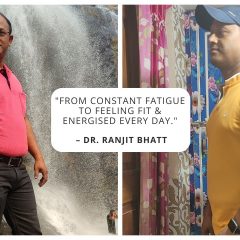
From Burnout to Balance: How Dr. Ranjit Reclaimed His Health

Dr Ranjit Bhatt has spent years tending to others. A practising doctor in Odisha, his days were packed with patients, surgeries, and emergencies. From the outside, it looked like a life lived in service. But on the inside, something wasn’t right. “I had no … [Read More...]

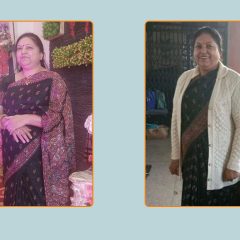
From Shimla’s Slopes to Chandigarh’s Sidewalks: Surinder Kaur Bhalla’s Journey from Chaos to Control

Some journeys start with a plan. Others begin with a stumble literally. Surinder Bhalla, a government professional, born and raised in the scenic hill town of Shimla, had always lived a life of movement. “In Shimla, you walked everywhere,” she reflects. “Walking was never an exercise. It was just life.” But after shifting to Chandigarh, […]

“I’ve Challenged Myself to Live 100 Years” – The Story of Chandubhai Savani’s Second Chance at Life

At 67, most people start slowing down. Not Chandubhai Savani. A resident of Surat, Chandubhai, thought life was on track. “My life was going well till I had my bypass surgery,” he says. That surgery, back in 2021, was a wake-up call.  Medication was routine, but exercise wasn’t. His diet? What he calls ‘normal.’ “I […]

Ananda Mukherjee Health Story

From Terminal Illness To Complete Wellness! Ananda Mukherjee Health Story

As we observe World Cancer Day under the powerful theme ‘United by Unique’ (2025-2027)**, we are reminded that every individual’s journey with cancer is distinct, yet united by shared resilience, hope, and the collective fight against this disease. This theme places people at the centre of care and their stories at the heart of the […]

  • HOME
  • HEALTHY LIVING
  • FITNESS
  • HEALTHY RECIPES
  • USER STORIES
  • KARMA
  • BUY GOQii

Copyright ©2016 GOQii