GOQii

Blog

  • HOME
  • HEALTHY LIVING
  • FITNESS
  • HEALTHY RECIPES
  • USER STORIES
  • KARMA
  • BUY GOQii

Search Results for: immunity

October 8, 2024 By Jigna Sheth 1 Comment

Foods To Eat During Navratri For Better Immunity

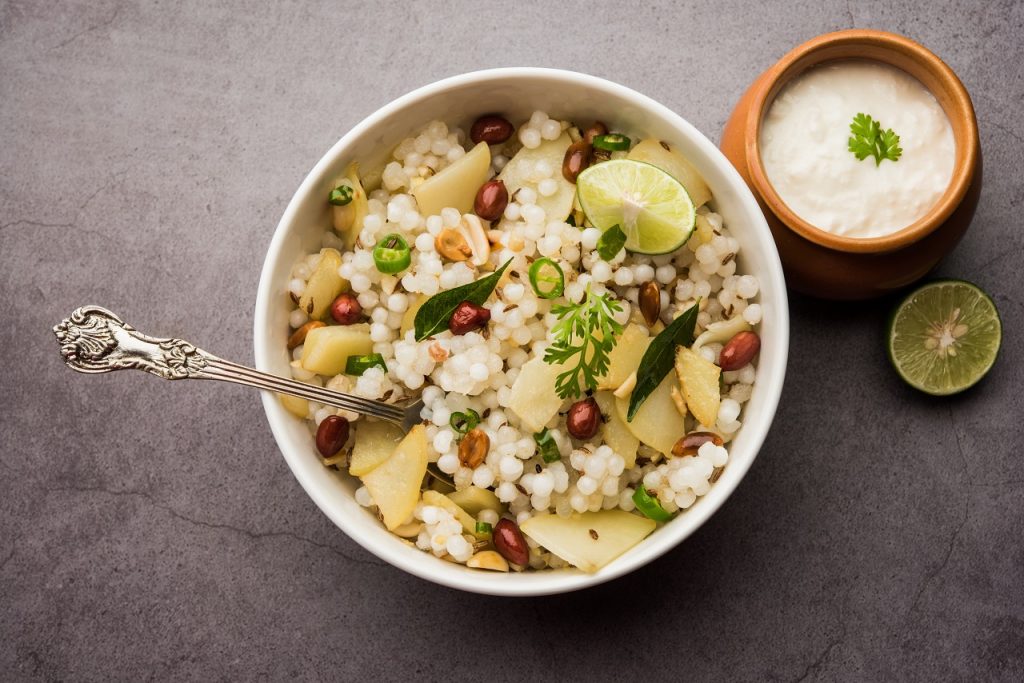
navratri fastingNavratri is one of the most celebrated festivals in India and the ways of celebrating it are different in each part. In North and Western India, 9 days of fasting is kept. In Southern India, fasting is not strictly followed but food is made omitting onion and garlic. In Bengal and other parts of Eastern India, along with fasting, Durga Puja is celebrated on a large scale. Also, the much awaited Gujarati special Dandiya and Garba is celebrated during Navratri. Navratri fasting rules vary in all the communities.

Along with fasting, it’s important to keep an eye on our immunity to ensure we stay healthy. Below is a list of foods that can be consumed during Navratri and will help in boosting immunity at the same time.

Foods For Immunity During Navratri Fasting 

Below is a list of foods which can be consumed during Navratri and will help in boosting immunity at the same time.

  1. Water chestnut flour (Singhare ka atta): Singhara is very beneficial because it has refreshing properties. It is rich in protein, iron and magnesium. It has antioxidant properties, treats urine infection, cures indigestion and nausea, relieves cough, helps to combat hypertension, improves the blood and is beneficial for the skin and hair. 
  2. Special rice for fasting made with Millets (Sama ke chawal): It is high in calcium, potassium, digestible fiber, phosphorus and amino acids. Sama Rice is gluten free and has less calories and sugar. Hence, it can be consumed by a diabetic person. It is also a rich source of minerals and vitamins, providing essential ingredients.
  3. Buckwheat flour (Kuttu ka atta): It is a rich source of B Vitamins which improve the skin health and overall functioning of organs. It is immensely rich in fiber – which is extremely important for cleansing the digestive tract. Rich in essential fatty acids, kuttu helps maintain blood pressure and cholesterol levels. To avoid any side effects because of its warm potency, add curd to its flour.
  4. Amaranth Flour (Rajgira ka atta): It is the only grain which contains Vitamin C. It is full of antioxidants, Vit E, Protein, Iron, magnesium, phosphorus and potassium. Has twice the amount of calcium as milk, thereby reducing the risk of osteoporosis. It is good for Diabetes and improves Cholesterol levels.
  5. Sago (Sabudana): contains an abundance of Calcium and Vitamin K in it. These two contents make it the perfect food for maintaining bone health and building muscle. It helps in treating anemia and controlling High blood pressure. It is a great source of energy, that is why most of the people opt for it during fasting.
  6. Lotus seeds (Makhana): are low in calories and high in fiber. That’s why it is recommended for diabetic patients too. It regulates appetite, controls untimely cravings, improves gut health, and has an anti-ageing effect. 
  7. Colocasia (Arbi): It is rich in Fiber, has anti-cancer properties and reduces risk of heart health. They are an excellent source of Vitamin C and promote eye health. Helps in delaying the aging process, improves the skin and reduces fatigue.
  8. Nuts and seeds: are an amazing source of many nutrients. Loaded with antioxidants, contain good fats and are rich in fiber. Just a handful of them provide a punch of vitamins, minerals and fats, all of which work together to improve overall health. Include flaxseeds, pumpkin seeds, sunflower seeds, peanuts, cashews, etc. but avoid salted or masala variants and do not consume them if you have allergies to nuts.
  9. Milk, curd and yoghurt: Low fat dairy products cut calories, saturated fat and cholesterol, while protein, calcium, and most other vitamins and minerals remain high in them. It is a good source of Vitamin D. It improves both Dental and Bone health. A glass of plain milk is equivalent to one small meal.
  10. Seasonal fruits: are naturally low in fat, sodium, and calories. Neither of them have cholesterol. They are packed with fiber and micronutrients. They are a good source of antioxidants and Vitamin C – which means better immunity! 
  11. Coconut water and fresh lime water: are the best way to prevent dehydration and are nutrient dense at the same time. They are low in calories, high in Potassium, Calcium and Magnesium. They are energy boosters and a great source of Vitamin C.
  12. Sendha namak ( Rock Salt) and Arrowroot flour: Rock salt provides all the essential trace minerals and greatly improves the body’s immune system. It helps in stabilizing blood pressure because of low sodium content. Arrowroot is a gluten free, powerhouse of B Vitamins and it improves digestive health.
  13. Spices and herbs: vary in all the households. Black pepper powder, coriander leaves, green chillies, shredded coconut flakes can be used to maintain good health! 

Before trying the above food, remember that portion control is a must. Too much of anything can have a negative impact even if that food is good for you. Don’t indulge and overeat. Avoid deep frying completely. Shallow frying or pan frying is still permissible. The best method of preparing these foods is steaming, roasting, sauteing and grilling! 

We hope this article on Navratri fasting foods helps you make smarter choices and eat healthy! For more special Navratri articles and recipes, check out Healthy Reads or you can speak directly to a GOQii Coach by subscribing for Personalised Health Coaching here.

#BeTheForce 
September 19, 2024 By Vandana Juneja 6 Comments

Importance of Vitamin D For Boosting Immunity

Vitamin DVitamin D, commonly known as the “sunshine vitamin,” is actually a pro-hormone produced in the body upon exposure to sunlight. This essential nutrient exerts significant influences on multiple systems across the body
Health Benefits of Vitamin D 

  • Promotes Healthy Bones and Teeth: Crucial for calcium absorption, which is essential for maintaining bone health.
  • Supports Immune, Brain, and Nervous System Health: Boosts immune function and supports cognitive and nervous system functions.
  • Regulates Insulin Levels and Aids Diabetes Management: Assists in maintaining normal blood sugar levels.
  • Maintains Healthy Lung Function and Cardiovascular Health: Supports lung function and helps reduce the risk of cardiovascular disease.
  • Influences Gene Expression Related to Cancer: Involved in regulating genes that may be linked to cancer development.

How Does It Improve Immunity Levels?

The human body fights infections using two types of immune systems – the innate system (which provides a quick, general response) and the adaptive system (which produces a slower but highly specific response, such as antibody production). Vitamin D modulates both systems, which explains its wide-ranging effects on the immune system.

Vitamin D deficiency is more common in individuals experiencing seasonal cold and flu outbreaks. During the winter and seasonal changes, there is less sunlight, leading to lower Vitamin D levels and reduced immunity.

Why Do Immune Cells Need Vitamin D?

Vitamin D has a “non-classic” role in modulating the body’s immune responses to illness or infection. Vitamin D receptors are found throughout the body, including in immune cells. T cells, which are crucial for fighting infections, need vitamin D to become activated. Without sufficient vitamin D, T cells remain dormant and unable to protect the body effectively.

How Do You Get Enough Of Vitamin D?

1. Sunlight

Getting enough sunlight is the best way to help the body produce sufficient Vitamin D. Exposing your skin to the sun for 20 to 30 minutes a day ensures enough UVB rays come into contact with the cholesterol in the skin, enabling Vitamin D synthesis.

However, several factors affect Vitamin D production from sunlight:

  • Time of Day: The skin produces more Vitamin D when exposed to the sun during midday (between 10 am to 2 pm) when the sun is at its highest.
  • Sunscreen: Sunscreen blocks UVB rays, limiting Vitamin D production. It is best to allow some direct sun exposure to the skin.
  • Skin Exposure: The more skin you expose, the more Vitamin D your body will produce. Consider wearing short sleeves or shorts when possible.
  • Skin Colour: People with lighter skin produce Vitamin D more quickly than those with darker skin due to lower melanin levels.
  • Geographical Location: Living farther from the equator means less UVB radiation, especially during the winter months in the UK.
  • Always remember: Frequent, moderate sun exposure is beneficial, but prolonged exposure can increase the risk of skin cancer. Balance is key.

2. Food Sources

While sunlight is the best source of Vitamin D, certain foods can help increase levels:

  • Fatty Fish (Salmon, trout, mackerel, and sardines)
  • Egg Yolks
  • Cheese
  • Mushrooms (exposed to sunlight)
  • Fortified Foods (milk, cereals, and juices)

3. Supplements

If you have limited exposure to sunlight or are experiencing symptoms of Vitamin D deficiency (such as frequent illness, fatigue, bone pain, or muscle weakness), consider taking supplements. Health authorities recommend that adults and children over 1 year should consider taking a daily supplement of 10 micrograms (400 IU) of Vitamin D, particularly during autumn and winter.

Note: Always consult with a healthcare professional before starting any supplements.

Hope this article helps you understand the importance of the Sunshine Vitamin, especially to boost immunity. For more tips on boosting your immunity, reach out to a GOQii Coach by subscribing for Personalised Health Coaching here.

#BeTheForce 

Disclaimer: The information provided in this blog is for general awareness and educational purposes only. It is not intended to replace professional medical advice, diagnosis, or treatment. Always consult a qualified healthcare provider for personalised medical guidance or concerns related to your health.

July 6, 2024 By Vaishali Vibhute 4 Comments

Useful Tips To Boost Immunity During Monsoon

boost immunity during monsoonWe all welcome the monsoon every year to find relief from the scorching summer heat. Rains are beautiful and can quickly elevate your mood. Since monsoon weather is damp and humid, it is the perfect environment for microbes to grow and flourish. Thanks to this, people with low immunity are prone to suffer and fall sick frequently during this season. The weather can ruin your immune system and a good immune system is needed during the rainy season. There are a number of ways to build immunity and one of those ways is by eating healthy food! So, let’s look at some useful tips to boost immunity during monsoon! 
Tips To Boost Immunity During Monsoon 

Here’s how you can improve immunity during monsoon by eating the right kind of food to support your immune system. 

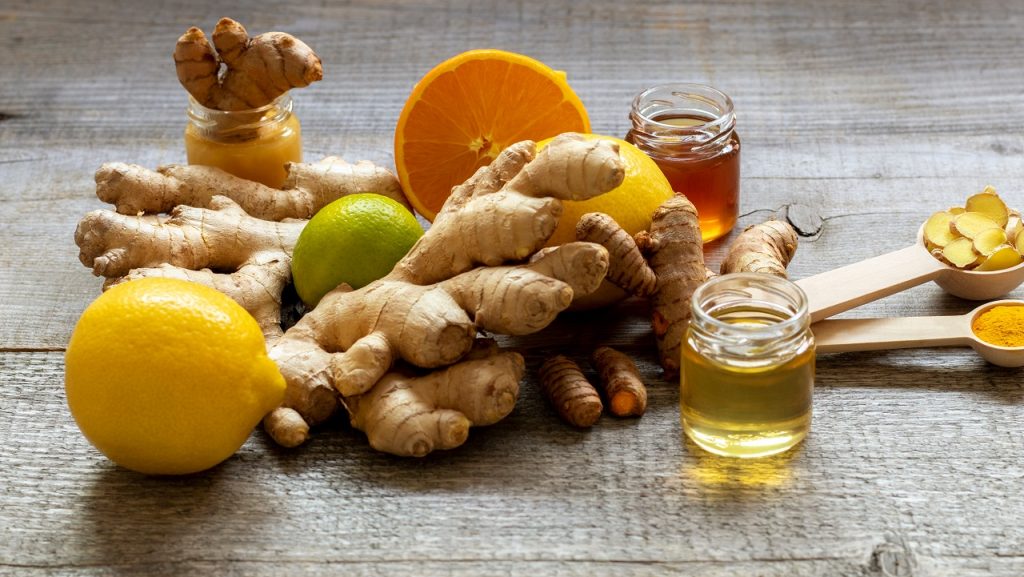
  • Switch to herbal teas: Herbal teas such as Tulsi and ginger tea are your best friends to boost immunity during monsoon. Drinking tea will keep you warm and safe from cold and flu while boosting your immunity. Add a few drops of honey for its antibacterial and anti-inflammatory properties instead of sugar.
  • Stay hydrated: Drink 8-10 glasses of water a day to stay hydrated, as due to colder climate, the water intake is considerably reduced, which is bad for the body. It is the best source to flush out toxins from your body and doesn’t have calories and sugar. Make sure water should be potable to keep waterborne diseases like Jaundice and Diarrhea at bay.
  • Have protein rich food: Protein, a major macronutrient, increases immunity, wound healing and muscle building. Food like dal, pulses, curd, eggs, chicken, paneer, soy, tofu are rich in protein.
  • Have a low salt diet: High blood pressure may weaken the immune system. So, it is always better to have a low salt diet as it prevents high blood pressure and water retention. Fruits like watermelon, muskmelon, cucumber can also lead to water retention. 
  • Prefer curd or yogurt over milk: Curd and yogurt are fermented food, rich in probiotics and the good bacteria present in it can help increase immunity and fight infection and can help your digestive system function well.
  • Include spices: Include more immunity boosting Indian spices in your food like turmeric, fenugreek, cloves, pepper, cinnamon, ginger and curry leaves. They help in digestion and flush out sinus from the body and improve Immunity. Warm water with honey, ginger and black pepper can be a miraculous cure to avoid cold, cough and flu.
  • Improve sunshine vitamin level: Vitamin D or the sunshine vitamin, is an essential micronutrient which can help boost your immune system. It can modulate the innate and adaptive immune response. A deficiency of Vitamin D can make you more prone to common infections. Improve your Vitamin D levels by exposing yourself to morning sunshine and consuming egg, cheese, mushroom and fortified cereals.
  • Eat healthy fats: Include monounsaturated and polyunsaturated fats to your diet. These healthy fats boost your body’s immune response to pathogens as well. These fats are anti-inflammatory and good for your heart too. Nuts, seeds, fish, soy milk, almonds, avocados, walnuts, sunflower, pumpkin, and sesame seeds are prime examples of healthy fats.
  • Eat fruits: Fruits help to build immunity, give energy and are loaded with nutrients such as Vitamin A, C and fiber. Apple, Guava, Banana, Orange, Amla, Papaya, Pomegranate, etc. are the best additions to your diet. Vitamin C helps in iron absorption too.
  • Incorporate vegetables: All vegetables, including green leafy vegetables like cabbage and spinach are good sources of immunity boosting Vitamins A, C, and E as well as folate, antioxidants, and fiber.
  • Limit simple sugar: Most people are aware that eating sugar has negative consequences on their health, leading to things like obesity and diabetes. However, most of them are unaware that it has an effect on the immune system as well. It lowers the ability of white blood cells to fight and destroy bacteria.
  • Avoid outside food: Foods like sandwiches, pani puris, samosas, etc. may seem tempting during monsoons but they may contain bacteria that might cause indigestion. Avoid pre-cut or raw foods/fruits as they could contain germs which may lead to food poisoning and lower your immunity.

Apart from the above food tips, you also require adequate, good quality sleep. Keeping your mind stress-free also helps. Don’t forget to exercise regularly as it boosts your immune system by regenerating your immune cells. 

Underactive and poor immunity can make the body more prone to a host of gastrointestinal problems and monsoon related ailments. Under the current circumstances as well, keeping your immunity level high could be the only way to cherish good health while enjoying the rains.

If these tips to build your immunity during monsoon helped, let us know in the comments below! Find more tips on staying healthy during the monsoon here.

You can also get these tips directly from a GOQii Coach by subscribing to Personalised Health Coaching here.

#BeTheForce 

April 9, 2024 By Meenakshi Sharma 6 Comments

Healthy Eating: Immunity Boosting Ladoos

immunity boosting ladoos

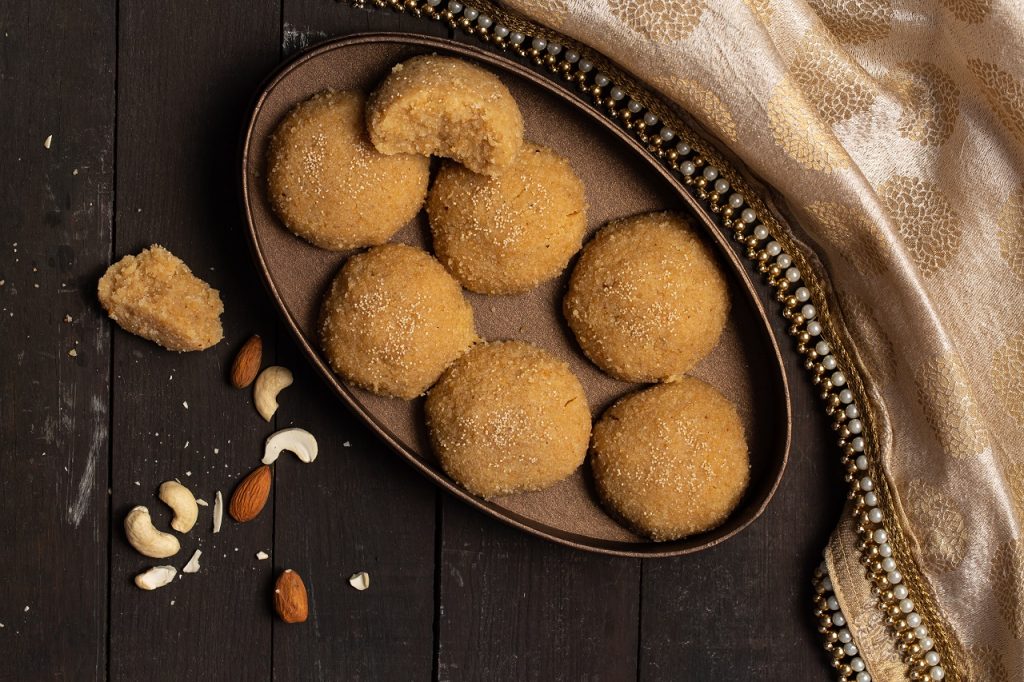
Are you craving for ladoos but hesitate due to the guilt? The question is – why control this craving? Don’t worry. We’ll help you out with an awesome, tasty and delicious immunity boosting ladoos recipe that will rev up your immunity and help you enjoy this treat guilt-free! 

Preparing The Immunity Powder (1 tbsp = 15gm) 

  • Organic Turmeric Powder – 7 tbsp 
  • Cumin Seeds – 4 tbsp 
  • Coriander Seeds – 4 tbsp 
  • Fennel Seeds – 7 tbsp 
  • Whole Black Pepper – 2 tbsp 
  • Cardamom – 3 tbsp 
  • Dry Ginger Powder – 2 tbsp 
  • Cinnamon Powder (Dalchini) – ½ tbsp or 1 stick

Method: Lightly roast all the ingredients (except turmeric powder and dry ginger powder) on a slow flame till you get a nice aroma. Once cooled, transfer them in a grinder and grind them to a powder. Add turmeric and dry ginger powder to it and mix with a dry spoon. Store in a clean, airtight glass or steel jar for 4-6 months.

How To Make The Immunity Boosting Ladoos 

Ingredients (1 cup = 200gm) 

  • Sattu Powder – 1 cup 
  • Ghee – ¼ cup or 3 tbsp 
  • Immunity Powder – 2 tbsp 
  • Grated Jaggery – ½ cup 

Method: 

  1. Heat 1 tbsp ghee in a pan. 
  2. Add 1 cup sattu powder. Mix it and roast it for only 2-4 min on low flame. Shift in a bowl.
  3. Add ½ cup grated jaggery.
  4. Add 2 tbsp. Immunity powder and mix it very well.
  5. Then, add 2 tbsp. ghee (room temperature). Mix it  well.
  6. Shape into ladoos while the mixture is still warm.
  7. Store these immunity ladoos in an airtight steel or glass jar for a week.
  8. Enjoy 1 immunity boosting ladoo daily as a mid-morning snack/ post workout meal/ early morning on empty stomach for energy as well.

Tips while making the Ladoos

  • If you do not have sattu powder then grind roasted chana dal to a fine powder, sieve it and use it.
  • You can also use jaggery powder. If there are granules in jaggery powder, grind it in the mixer grinder to make fine powder.
  • If you are not able to bind ladoos, add a few tsp. ghee as required.
  • If you are allergic to sattu/chana dal flour you can have ½ tsp immunity powder with 1 glass warm water in early morning or with 1tbsp ghee or can be used as garam masala in gravy.

Health Benefits of the Immunity Boosting Ladoos  

  • Sattu is known as the “Poor man’s protein” and is loaded with protein, calcium, fiber, iron and magnesium. It helps in building strength and muscle mass rapidly. 
  • It is excellent for bone health to prevent osteoporosis, cleans out the colon and stomach. Is an excellent cure for constipation and aids fat loss. 
  • It has cooling effects on the body.
  • Ghee is full of fat soluble vitamins, helps to  build strong bones. 
  • Jaggery is loaded with antioxidants, minerals and vitamins. It boosts immunity and guards the body against harmful pathogens.
  • Turmeric aids in the healing of osteoarthritis, CVD, diabetes, asthma, allergies, skin diseases, Alzheimer’s, Parkinson’s and cancer diseases. 
  • Cinnamon helps to improve glucose and lipid levels. 
  • Cardamom, cumin seeds, fennel seeds and coriander seeds are rich in antioxidants and help in relieving digestive issues like bloating and indigestion. Piperine in black pepper can increase absorption of nutrients like selenium, B- complex vitamins, Beta carotene and rich in potassium, manganese and iron. 
  • Dry ginger powder contains thermogenic agents that help burn fat and reduce cholesterol and triglycerides.

We hope you enjoy these immunity boosting ladoos! Do share your experience in the comments below! For more healthy recipes, check out Healthy Reads or speak to a certified expert by subscribing to GOQii’s Personalised Health Coaching here.

#BeTheForce 

  • « Previous Page
  • 1
  • 2
  • 3
  • 4
  • …
  • 72
  • Next Page »

Search

Recent Posts

  • Foods to Manage Blood Sugar Naturally: A Complete Guide to Better Blood Sugar Control
  • The Lazy Person’s Guide to Staying Healthy: 5 Micro-Habits That Take Less Than 2 Minutes
  • Healthy Eating: Comforting Chilli Bean Soup Recipe for the Monsoon
  • The Truth About the ‘Beer Belly’: What Alcohol Really Does to Your Metabolism
  • Benefits of Meditation: How One Daily Habit Can Transform Your Mental Wellbeing

Stay Updated

Archives

  • August 2026 (7)
  • July 2026 (25)
  • June 2026 (22)
  • May 2026 (20)
  • April 2026 (24)
  • March 2026 (18)
  • February 2026 (14)
  • January 2026 (14)
  • December 2025 (19)
  • November 2025 (15)
  • October 2025 (20)
  • September 2025 (6)
  • August 2025 (6)
  • July 2025 (9)
  • June 2025 (18)
  • May 2025 (16)
  • April 2025 (22)
  • March 2025 (26)
  • February 2025 (21)
  • January 2025 (25)
  • December 2024 (22)
  • November 2024 (22)
  • October 2024 (20)
  • September 2024 (22)
  • August 2024 (28)
  • July 2024 (15)
  • June 2024 (23)
  • May 2024 (26)
  • April 2024 (27)
  • March 2024 (27)
  • February 2024 (23)
  • January 2024 (21)
  • December 2023 (14)
  • November 2023 (10)
  • October 2023 (19)
  • September 2023 (21)
  • August 2023 (16)
  • July 2023 (16)
  • June 2023 (21)
  • May 2023 (20)
  • April 2023 (19)
  • March 2023 (23)
  • February 2023 (19)
  • January 2023 (15)
  • December 2022 (11)
  • November 2022 (15)
  • October 2022 (15)
  • September 2022 (12)
  • August 2022 (9)
  • July 2022 (17)
  • June 2022 (11)
  • May 2022 (10)
  • April 2022 (6)
  • March 2022 (6)
  • February 2022 (13)
  • January 2022 (11)
  • December 2021 (7)
  • November 2021 (3)
  • October 2021 (6)
  • September 2021 (3)
  • August 2021 (8)
  • July 2021 (7)
  • June 2021 (15)
  • May 2021 (16)
  • April 2021 (10)
  • March 2021 (7)
  • February 2021 (4)
  • January 2021 (4)
  • December 2020 (3)
  • November 2020 (4)
  • October 2020 (10)
  • September 2020 (3)
  • August 2020 (3)
  • July 2020 (2)
  • June 2020 (4)
  • May 2020 (10)
  • April 2020 (12)
  • March 2020 (10)
  • February 2020 (4)
  • January 2020 (4)
  • December 2019 (3)
  • November 2019 (7)
  • October 2019 (5)
  • September 2019 (4)
  • August 2019 (9)
  • July 2019 (9)
  • June 2019 (11)
  • May 2019 (4)
  • April 2019 (8)
  • March 2019 (8)
  • February 2019 (9)
  • January 2019 (8)
  • December 2018 (9)
  • November 2018 (3)
  • October 2018 (3)
  • September 2018 (5)
  • August 2018 (10)
  • July 2018 (6)
  • June 2018 (13)
  • May 2018 (8)
  • April 2018 (18)
  • March 2018 (9)
  • February 2018 (8)
  • January 2018 (15)
  • December 2017 (12)
  • November 2017 (19)
  • October 2017 (13)
  • September 2017 (15)
  • August 2017 (4)
  • July 2017 (8)
  • June 2017 (7)
  • May 2017 (6)
  • April 2017 (8)
  • March 2017 (6)
  • February 2017 (7)
  • January 2017 (9)
  • December 2016 (10)
  • November 2016 (7)
  • October 2016 (7)
  • September 2016 (7)
  • August 2016 (11)
  • July 2016 (9)
  • June 2016 (9)
  • May 2016 (12)
  • April 2016 (17)
  • March 2016 (17)
  • February 2016 (8)
  • January 2016 (6)
  • December 2015 (2)
  • November 2015 (9)
  • October 2015 (7)
  • September 2015 (9)
  • August 2015 (11)
  • July 2015 (9)
  • June 2015 (11)
  • May 2015 (9)
  • April 2015 (13)
  • March 2015 (8)
  • February 2015 (5)
  • January 2015 (12)
  • December 2014 (14)
  • November 2014 (11)
  • October 2014 (6)
  • September 2014 (13)
  • August 2014 (12)
  • July 2014 (6)
  • June 2014 (2)
  • May 2014 (7)
  • April 2014 (4)

From Burnout to Balance: How Dr. Ranjit Reclaimed His Health

Dr Ranjit Bhatt has spent years tending to others. A practising doctor in Odisha, his days were packed with patients, surgeries, and emergencies. From the outside, it looked like a life lived in service. But on the inside, something wasn’t right. “I had no … [Read More...]

From Shimla’s Slopes to Chandigarh’s Sidewalks: Surinder Kaur Bhalla’s Journey from Chaos to Control

Some journeys start with a plan. Others begin with a stumble literally. Surinder Bhalla, a government professional, born and raised in the scenic hill town of Shimla, had always lived a life of movement. “In Shimla, you walked everywhere,” she reflects. “Walking was never an exercise. It was just life.” But after shifting to Chandigarh, […]

“I’ve Challenged Myself to Live 100 Years” – The Story of Chandubhai Savani’s Second Chance at Life

At 67, most people start slowing down. Not Chandubhai Savani. A resident of Surat, Chandubhai, thought life was on track. “My life was going well till I had my bypass surgery,” he says. That surgery, back in 2021, was a wake-up call.  Medication was routine, but exercise wasn’t. His diet? What he calls ‘normal.’ “I […]

Ananda Mukherjee Health Story

From Terminal Illness To Complete Wellness! Ananda Mukherjee Health Story

As we observe World Cancer Day under the powerful theme ‘United by Unique’ (2025-2027)**, we are reminded that every individual’s journey with cancer is distinct, yet united by shared resilience, hope, and the collective fight against this disease. This theme places people at the centre of care and their stories at the heart of the […]

  • HOME
  • HEALTHY LIVING
  • FITNESS
  • HEALTHY RECIPES
  • USER STORIES
  • KARMA
  • BUY GOQii

Copyright ©2016 GOQii



