GOQii

Blog

  • HOME
  • HEALTHY LIVING
  • FITNESS
  • HEALTHY RECIPES
  • USER STORIES
  • KARMA
  • BUY GOQii

Search Results for: hunger

August 14, 2026 By Rashmi Deshpande Leave a Comment

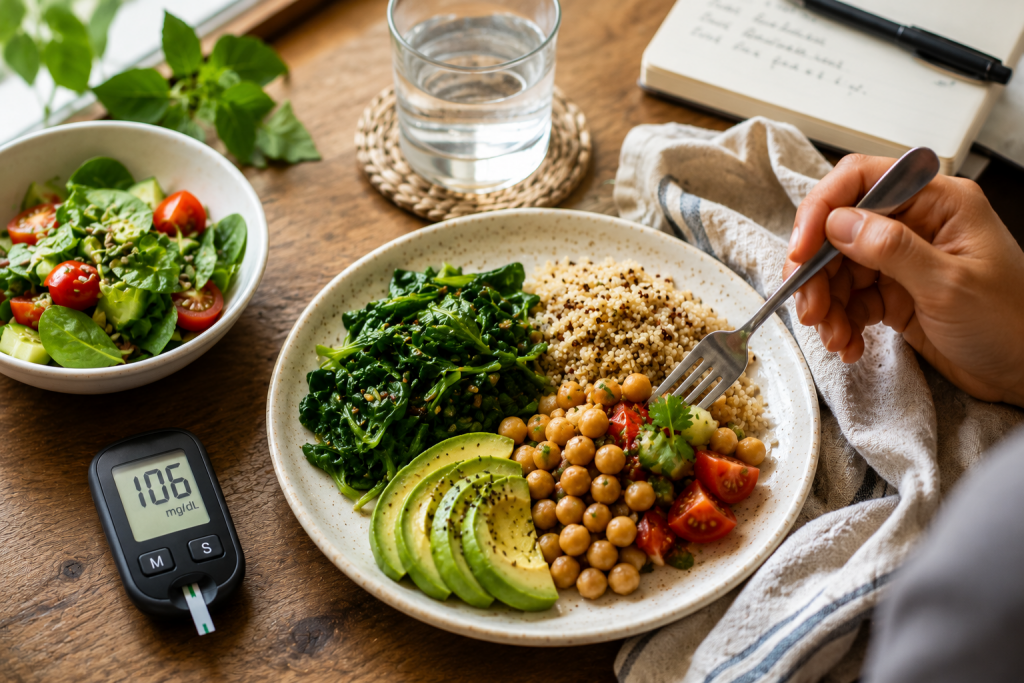
Foods to Manage Blood Sugar Naturally: A Complete Guide to Better Blood Sugar Control

The Big Question – Can the foods you eat every day help improve your blood sugar levels naturally?

If you’ve been diagnosed with prediabetes or Type 2 diabetes—or you’re simply trying to prevent blood sugar spikes you’ve probably wondered whether changing your diet can really make a difference.

The answer is yes.

While food alone isn’t a cure for diabetes, the right dietary choices, combined with regular physical activity, quality sleep, stress management and medical guidance when needed, can significantly improve blood sugar control and support long-term metabolic health.

The good news? You don’t need a restrictive diet or expensive superfoods. Simple, everyday ingredients can help your body manage blood sugar more effectively.

Quick Answer – Which foods help manage blood sugar naturally?

Foods rich in dietary fibre, lean protein, healthy fats and complex carbohydrates help slow digestion and reduce rapid blood sugar spikes. Leafy green vegetables, whole grains, legumes, nuts, seeds, healthy fats and low-glycaemic fruits can all support better blood sugar management when eaten as part of a balanced lifestyle.

Why Blood Sugar Management Matters

Every time you eat, carbohydrates are broken down into glucose, which enters your bloodstream.

Insulin a hormone produced by the pancreas helps move this glucose into your cells where it is used for energy.

In people with insulin resistance or diabetes, this process becomes less efficient, causing glucose to remain in the bloodstream for longer.

Over time, consistently high blood sugar can increase the risk of:

  • Heart disease
  • Kidney disease
  • Vision problems
  • Nerve damage
  • Poor wound healing

Managing blood sugar isn’t just about avoiding sugar it’s about building meals that keep glucose levels steady throughout the day.

8 Foods That Help Manage Blood Sugar Naturally

  1. Leafy Green Vegetables

Spinach, fenugreek (methi), amaranth, kale and other leafy greens are packed with vitamins, minerals, antioxidants and fibre while being naturally low in digestible carbohydrates.

These vegetables also provide vitamin C and antioxidants such as lutein and zeaxanthin, which support eye health particularly important for people living with diabetes.

Easy ways to include them:

  • Vegetable sabzi
  • Soups
  • Salads
  • Stuffed rotis
  • Smoothies
  • Chutneys
  1. Whole Grains and Millets

Refined grains digest quickly and can cause larger blood sugar spikes.

Instead, choose fibre-rich whole grains such as:

  • Oats
  • Brown rice
  • Quinoa
  • Jowar
  • Bajra
  • Ragi
  • Barley

These release glucose more gradually, helping maintain steady energy levels.

  1. Legumes and Pulses

Beans, lentils, chickpeas and rajma are rich in plant protein and fibre.

They digest slowly, improve satiety and support better blood sugar control.

Aim to include legumes several times each week.

  1. Nuts

Nuts provide healthy fats, protein and fibre that slow digestion and help reduce post-meal glucose spikes.

Choose unsalted varieties such as:

  • Almonds
  • Walnuts
  • Pistachios
  • Pecans
  • Hazelnuts

A small handful makes an excellent snack.

  1. Seeds

Seeds are nutritional powerhouses rich in omega-3 fats, fibre and plant protein.

Include:

  • Flaxseeds
  • Chia seeds
  • Pumpkin seeds
  • Sunflower seeds
  • Sesame seeds

They can be sprinkled over oats, yoghurt, salads or smoothies.

  1. Lean Protein

Protein helps keep you fuller for longer while slowing carbohydrate absorption.

Good choices include:

  • Eggs
  • Fish
  • Chicken
  • Paneer
  • Greek yoghurt
  • Tofu
  • Lentils

Try including a protein source in every meal.

  1. Healthy Fats

Healthy fats improve satiety and help slow digestion.

Choose:

  • Avocados
  • Olive oil
  • Groundnuts
  • Walnuts
  • Seeds

Remember that healthy fats are still calorie-dense, so portion control matters.

  1. Low-Glycaemic Fruits

Fruit can absolutely be part of a diabetes-friendly diet.

Choose whole fruits such as:

  • Apples
  • Pears
  • Berries
  • Guava
  • Oranges

Avoid fruit juices, which remove fibre and cause faster blood sugar rises.

Foods to Limit

No food needs to be completely banned, but these are best enjoyed occasionally:

  • Sugary drinks
  • Packaged fruit juices
  • Sweets
  • Cakes and pastries
  • White bread
  • Refined flour products
  • Sugary breakfast cereals
  • Highly processed snacks
  • Deep-fried foods

Small, consistent changes often produce better long-term results than extreme restrictions.

Smart Eating Habits That Help

It’s not only what you eat but how you eat.

Build a Balanced Plate

Aim for:

  • Half your plate: Non-starchy vegetables
  • One-quarter: Lean protein
  • One-quarter: Whole grains or complex carbohydrates

Eat Slowly

Eating slowly gives your body time to recognise fullness, helping prevent overeating.

Don’t Skip Meals

Skipping meals can lead to larger blood sugar fluctuations later in the day.

Regular, balanced meals are generally more effective than long periods without food.

Watch Portion Sizes

Even healthy carbohydrates can raise blood sugar when consumed in excessive amounts.

Moderation remains important.

Lifestyle Habits That Support Blood Sugar Control

Nutrition is only one part of the equation.

Other habits matter just as much.

Stay Active

A 20–30 minute walk after meals helps muscles use glucose more efficiently.

Strength training also improves insulin sensitivity over time.

Sleep Well

Poor sleep affects hormones that regulate blood sugar and appetite.

Aim for 7–9 hours of quality sleep each night.

Manage Stress

Chronic stress raises cortisol, which can increase blood glucose levels.

Meditation, breathing exercises, yoga and regular physical activity can all help.

Stay Hydrated

Water supports healthy circulation and helps your body function optimally.

Choose water over sugary beverages whenever possible.

What If Your Blood Sugar Drops Too Low?

People taking insulin or certain diabetes medications may occasionally experience hypoglycaemia (low blood sugar).

Common symptoms include:

  • Sweating
  • Shaking
  • Hunger
  • Dizziness
  • Confusion

If this happens, follow your healthcare provider’s advice. A commonly recommended approach is the 15-15 rule:

  • Consume approximately 15 grams of fast-acting carbohydrate (such as glucose tablets, fruit juice or regular soft drink).
  • Recheck your blood sugar after 15 minutes.
  • Repeat if necessary.

Always discuss recurring episodes of low blood sugar with your doctor.

Managing blood sugar isn’t about following a perfect diet—it’s about building sustainable habits that support your metabolism every day.

Focus on fibre-rich vegetables, whole grains, lean proteins, healthy fats and regular physical activity.

Small changes, practised consistently, can make a meaningful difference to your long-term health.

Pro Tip – Understanding how your meals affect your blood sugar is the first step towards better metabolic health. Use the GOQii App to track your meals, activity, hydration and sleep. A GOQii Personalised Health Coach can help you build a nutrition plan tailored to your health goals, lifestyle and medical needs.

Frequently Asked Questions (FAQs)

  1. Which foods help lower blood sugar naturally?

Leafy vegetables, legumes, whole grains, nuts, seeds, lean proteins and healthy fats can support better blood sugar management as part of a balanced diet.

  1. Can people with diabetes eat fruit?

Yes. Whole fruits such as apples, berries, guava and oranges provide fibre, vitamins and antioxidants. Portion control is important, and fruit juices should generally be limited.

  1. Are carbohydrates bad for diabetes?

No. The type and quantity of carbohydrates matter more than eliminating them completely. Choosing fibre-rich whole grains over refined carbohydrates helps support steadier blood sugar levels.

  1. Is walking after meals beneficial?

Yes. Even a short walk after eating can help your muscles use glucose more efficiently and reduce post-meal blood sugar spikes.

  1. Can lifestyle changes help prevent Type 2 diabetes?

For many people with prediabetes, healthy eating, regular physical activity, weight management and quality sleep can significantly reduce the risk of developing Type 2 diabetes.

#BeTheForce 

Disclaimer: This article is intended for educational purposes only and should not replace professional medical advice. Dietary needs vary from person to person. If you have diabetes, prediabetes or any other medical condition, consult your physician or a qualified healthcare professional before making significant dietary or lifestyle changes. Continue taking prescribed medications unless advised otherwise by your healthcare provider.


July 27, 2026 By GOQii 1 Comment

How to Improve Sleep Quality Naturally: 12 Science-Backed Tips for Better Sleep

sleepThe Big Question Are you sleeping enough but still waking up tired? Or do you struggle to fall asleep despite feeling exhausted?

Sleep is often the first thing we sacrifice when life gets busy. Between work deadlines, family responsibilities, and endless screen time, many of us don’t get the quality sleep our bodies need. Yet sleep is just as important as eating nutritious food, exercising regularly, and managing stress. It is during sleep that your body repairs tissues, strengthens the immune system, consolidates memories, and restores energy for the day ahead.

If you’re consistently getting poor-quality sleep, it can affect your mood, productivity, metabolism, and long-term health. The good news is that improving your sleep often starts with a few simple lifestyle changes.

How can I improve my sleep quality naturally?

To improve your sleep quality naturally, maintain a consistent sleep schedule (even on weekends), reduce blue light exposure an hour before bed, limit evening caffeine and alcohol, and practice relaxation techniques like deep breathing. Optimising your bedroom for cool, dark, and quiet conditions will also help regulate your body’s natural sleep-wake cycle.

What Is Good Sleep Quality?

Getting enough hours of sleep is important but sleep quality matters just as much. Good sleep generally means:

  • Falling asleep within 20–30 minutes
  • Sleeping through most of the night
  • Waking up feeling refreshed
  • Feeling alert and energetic during the day
  • Sleeping for the recommended duration (7–9 hours for most healthy adults)

Why Quality Sleep Matters

Sleep supports nearly every system in the body. Here are some of its most important benefits:

  • Improves Brain Function: While you sleep, your brain processes and stores new information. Good sleep helps improve learning, memory, concentration, problem-solving, and decision-making.
  • Supports Emotional Wellbeing: Consistently getting enough quality sleep helps improve mood, reduce irritability, lower stress levels, and improve emotional resilience.
  • Strengthens the Immune System: Your immune system performs many important repair and defence functions while you sleep. Especially during seasonal changes, pairing quality rest with natural immunity-boosting kadhas can help your body respond more effectively to infections and support faster recovery.
  • Supports Heart Health: Good sleep helps regulate blood pressure, heart rate, and inflammation.
  • Helps Maintain a Healthy Weight: Sleep influences appetite-regulating hormones. When you lack sleep, ghrelin (the hunger hormone) increases, leptin (the fullness hormone) decreases, and cortisol (the stress hormone) rises increasing cravings for high-calorie foods. Maintaining this hormonal balance is not just vital for sleep, but it is one of the biggest factors in midlife health and longevity as we age.
  • Supports Muscle Recovery: During deep sleep, your body repairs tissues, builds muscle, and releases growth hormone.

12 Science-Backed Ways to Improve Sleep Quality

  1. Follow a Consistent Sleep Schedule Go to bed and wake up at the same time every day—even on weekends. A consistent routine helps regulate your body’s internal clock (circadian rhythm), making it easier to fall asleep naturally.
  2. Create a Relaxing Bedtime Routine Spend the last 30–60 minutes before bed winding down. Try activities like reading a book, gentle stretching, meditation, journaling, or listening to calming music. A predictable routine signals to your brain that it’s time to sleep.
  3. Reduce Screen Time Before Bed Phones, tablets, and televisions emit blue light, which can suppress melatonin—the hormone that helps regulate sleep. Aim to stop using electronic devices at least one hour before bedtime, or use blue-light filters.
  4. Optimise Your Sleep Environment Your bedroom should promote relaxation. Aim for a room that is dark, quiet, cool, and comfortable. Blackout curtains, comfortable bedding, and reducing unnecessary noise can all contribute to better sleep.
  5. Be Mindful of Food and Drinks Heavy meals close to bedtime may interfere with sleep. Try to finish dinner 2–3 hours before bed, limit spicy or very rich meals at night, and stay hydrated without drinking excessive fluids immediately before bedtime.
  6. Limit Caffeine, Alcohol and Nicotine These substances can interfere with sleep quality. Limit caffeine later in the day, and avoid alcohol and nicotine close to bedtime. Even if alcohol initially makes you sleepy, it disrupts sleep later in the night.
  7. Exercise Regularly Regular physical activity can help improve both sleep quality and sleep duration. Aim for at least 150 minutes of moderate-intensity exercise each week. However, avoid vigorous exercise immediately before bedtime if it makes you feel energised.
  8. Practice Deep Breathing or Relaxation Techniques Relaxation exercises help calm the nervous system before sleep. Try deep breathing, progressive muscle relaxation, guided meditation, or gentle, restorative yoga practices. Even 5–10 minutes can make a difference in helping you unwind.
  9. Consider a Warm Shower A warm shower or bath about 1–2 hours before bedtime may help promote relaxation and support better sleep by allowing your body temperature to gradually cool afterwards.
  10. Try Calming Aromatherapy Some people find lavender essential oil relaxing as part of their bedtime routine. While research is mixed, aromatherapy may help create a calming sleep environment for certain individuals.
  11. Include Sleep-Friendly Foods Some foods may support healthy sleep when included as part of an overall balanced diet. Examples include:
    • Tart cherries: Naturally high in melatonin (the sleep hormone).
    • Almonds and Walnuts: Packed with magnesium and melatonin to relax muscles.
    • Kiwi: Rich in serotonin, a brain chemical that helps initiate sleep.
    • Bananas: Contain magnesium and potassium to prevent night-time muscle cramps.
    • Oats: Provide complex carbohydrates that help sleep-inducing amino acids enter the brain.
    • Milk: Contains tryptophan, an amino acid that promotes relaxation.
  1. Don’t Try to “Catch Up” on Sleep Sleeping until noon on weekends might seem tempting after a busy week, but large changes to your sleep schedule can disrupt your body clock. Focus on maintaining a consistent routine throughout the week instead.

When Should You See a Doctor?

Occasional sleepless nights are common. However, consult a healthcare professional if you:

  • Struggle to fall asleep or stay asleep for more than three months
  • Feel excessively sleepy during the day
  • Snore loudly or gasp during sleep
  • Wake up choking or short of breath
  • Experience restless legs that disturb your sleep
  • Feel tired despite getting enough hours of sleep

These symptoms may indicate an underlying sleep disorder such as insomnia or obstructive sleep apnoea that requires medical evaluation.

Quality sleep is one of the most powerful investments you can make in your health. Simple habits—like maintaining a consistent sleep schedule, reducing evening screen time, exercising regularly, and creating a calming bedtime routine—can significantly improve both the quantity and quality of your sleep. Better sleep doesn’t happen overnight, but small, consistent changes can lead to lasting improvements in your energy, mood, and overall wellbeing.

Pro Tip: Want to understand how your daily habits affect your sleep? Use the GOQii App to track your sleep patterns, physical activity, and nutrition. Your GOQii Personalised Health Coach can help you identify lifestyle factors that may be affecting your sleep and create a personalised plan to improve your nightly rest.

Frequently Asked Questions (FAQs)

  1. How many hours of sleep do adults need?
    Most healthy adults need 7–9 hours of sleep each night, although individual needs can vary.
  2. Is taking naps during the day okay?
    Short naps of 20–30 minutes can improve alertness without interfering with nighttime sleep. Long or late-afternoon naps may make it harder to fall asleep at night.
  3. Why do I wake up in the middle of the night?
    Night-time awakenings can be caused by stress, noise, caffeine, alcohol, medical conditions, or an inconsistent sleep schedule. If they become frequent or persistent, consult your healthcare provider.
  4. Does exercise improve sleep?
    Yes. Regular physical activity is associated with better sleep quality, although vigorous exercise immediately before bedtime may not suit everyone.
  5. Is melatonin safe for everyone?
    Melatonin supplements may help certain people with specific sleep problems, but they are not appropriate for everyone. Consult a healthcare professional before taking melatonin or any sleep supplement.

#BeTheForce  

Disclaimer: This article is intended for educational purposes only and should not replace professional medical advice, diagnosis, or treatment. If you have persistent sleep difficulties, excessive daytime sleepiness, or symptoms suggestive of a sleep disorder, consult a qualified healthcare professional for personalised evaluation and treatment.

July 19, 2026 By GOQii Leave a Comment

National Ice Cream Day: A Guide to Mindful & Healthy Indulgence

The Big Question: Can you enjoy your favourite ice cream without compromising your health or fitness goals?

Every year, on the third Sunday of July, ice cream lovers around the world celebrate National Ice Cream Day. Whether it’s a classic scoop of vanilla, decadent chocolate, fruity sorbet or a nostalgic local favourite, ice cream has long been associated with celebrations, childhood memories and simple moments of joy.

For many people, however, enjoying dessert often comes with a side of guilt especially if they’re trying to lose weight, manage diabetes or simply eat healthier. The good news? You don’t have to choose between complete restriction and overindulgence. By making mindful choices and understanding how your body responds to sweet treats, you can celebrate National Ice Cream Day while staying on track with your health goals.

Can Ice Cream Be Part of a Healthy Diet?

Yes, in moderation. Ice cream isn’t a “health food,” but it doesn’t have to be completely off-limits either.

Like many treats, its impact depends heavily on your portion size, how often you eat it, the type of ice cream you choose, your overall eating pattern, and your physical activity levels. A balanced lifestyle isn’t built on one dessert—it reflects the choices you make consistently over time.

Why Is Ice Cream So Easy to Overeat?

Ice cream combines sweetness, creaminess and fat in a way that’s highly enjoyable for many people. These qualities activate the brain’s reward pathways, making it easy to go back for “just one more scoop.”

At the same time, many commercial ice creams are high in added sugars and saturated fats. Eating large portions, particularly on an empty stomach may lead to a larger rise in blood glucose compared with eating dessert after a balanced meal. Understanding these factors can help you enjoy ice cream more consciously instead of eating it mindlessly.

What Does Ice Cream Actually Provide?

Although often considered an indulgence, dairy-based ice cream can contribute small amounts of calcium, protein, vitamin B12, and phosphorus.

However, these nutrients should be viewed alongside its sugar, saturated fat and calorie content. For everyday nutrition, whole foods such as milk, yoghurt, fruits and nuts remain much better sources of these essential nutrients.

5 Smart Ways to Enjoy Ice Cream Mindfully

  1. Serve a Sensible Portion

Avoid eating directly from the tub. Instead, scoop a serving into a small bowl. A typical serving is about ½ cup (65–75 g), although this varies between brands. Using a bowl makes portion sizes easier to recognise and helps prevent accidental overeating.

  1. Enjoy It After a Balanced Meal

Rather than eating ice cream on an empty stomach, enjoy it after a meal that contains protein, fibre, and healthy fats. This combination helps slow down digestion and reduces rapid changes in blood glucose levels compared with eating a dessert alone.

  1. Eat Slowly

Slow down and savour every bite. Avoid eating while watching television or scrolling through your phone. Mindful eating helps you appreciate flavour and texture while giving your body’s hunger and fullness signals time to work.

  1. Choose Toppings Wisely

Toppings can quickly add extra sugar and calories. Swap the sugary additions for nutrient-dense options:

  • Skip: Chocolate syrup, caramel sauce, and crushed cookies.
  • Choose: Fresh berries, chopped almonds, pistachios, and unsweetened cocoa nibs. These options add texture and nutrients without excessive added sugar.
  1. Read the Nutrition Label

Not all ice creams are the same. Always compare the added sugar, calories, saturated fat, protein, and serving size. Sometimes a premium ice cream contains two to three times the calories of a lighter option.

Healthier Frozen Dessert Alternatives

If you’d like to enjoy something frozen more often, consider these nutrient-rich alternatives:

Dessert Main Ingredients Why You’ll Love It
Banana Nice Cream Frozen bananas blended with a splash of milk or plant-based drink. Naturally sweet, creamy and rich in potassium.
Greek Yoghurt Popsicles Greek yoghurt blended with fresh berries. Higher in protein and contains probiotics.
Frozen Greek Yoghurt  Bark    Greek yoghurt topped with fruit and nuts. Crunchy, refreshing and protein-rich.
Fresh Fruit Sorbet Frozen mango, watermelon or berries. Naturally sweet and hydrating.
Berry Smoothie Bowl Frozen berries, yoghurt and seeds. Fibre-rich and packed with antioxidants.

Can People with Diabetes Enjoy Ice Cream?

People living with diabetes don’t necessarily have to avoid ice cream altogether. Smaller portions, occasional consumption and including dessert as part of a balanced meal may help reduce large blood glucose fluctuations. It’s always best to discuss individual dietary choices with your healthcare provider or registered dietitian.

A Simple Trick to Support Blood Sugar

One simple habit that may help after enjoying dessert is taking a 10–15 minute walk. Light physical activity after meals encourages muscles to use glucose for energy and supports healthy blood sugar management.

Healthy eating isn’t defined by one dessert or one day. Enjoying a scoop of ice cream on National Ice Cream Day won’t undo months of healthy habits, just as one healthy meal won’t transform your health overnight.

The key is balance. Enjoy your favourite flavour, savour it mindfully, keep portions reasonable and return to your usual healthy eating pattern afterwards. Consistency not perfection is what supports long-term health.

Pro Tip: Love desserts but want to stay on track? Use the GOQii App to log your meals, monitor your activity and build healthier habits over time. Your GOQii Personalised Health Coach can help you enjoy your favourite foods while creating a nutrition plan that’s realistic, sustainable and tailored to your goals.

Frequently Asked Questions (FAQs)

  1. Can I eat ice cream if I’m trying to lose weight?

Yes. Weight management depends on your overall calorie intake and lifestyle. An occasional small serving of ice cream can fit into a balanced eating plan.

  1. What is banana “nice cream”?

Banana nice cream is a dairy-free frozen dessert made by blending frozen ripe bananas until smooth. You can customise it with cocoa powder, berries or nut butter.

  1. Is sugar-free ice cream healthier?

Not always. While sugar-free varieties may contain less added sugar, some products include sugar alcohols or artificial sweeteners that may cause digestive discomfort in some individuals. Always read the nutrition label.

  1. Is frozen yoghurt healthier than ice cream?

Sometimes. Frozen yoghurt may contain more protein and less fat, but many commercial varieties are still high in added sugar. Compare nutrition labels before choosing.

  1. What’s the best way to reduce a sugar spike after dessert?

Eating dessert after a balanced meal, practising portion control and taking a short walk afterwards may help support a healthier blood glucose response.

#BeTheForce

Disclaimer: This article is intended for educational purposes only and should not replace personalised medical or nutrition advice. If you are living with diabetes, insulin resistance or another metabolic condition, consult your physician or a registered dietitian before making significant dietary changes.

July 10, 2026 By Luke Coutinho 8 Comments

Heal Naturally From Monsoon Illnesses: A Scientific Guide to Seasonal Recovery

heal naturally The Big Question: Why does a sudden change in seasonal weather trigger a wave of respiratory virals, and how can we use our body’s built-in immune mechanics to heal rapidly without over-relying on antibiotics?



With the monsoons here in full swing, most of us worry about catching an infection. As the weather shifts, atmospheric humidity spikes, creating an ideal environment for airborne viruses to stabilize and replicate. The resulting wave of colds, fevers, virals, and sore throats becomes widespread.

A strong, highly responsive immune system is your primary defense line, allowing you to recover quickly and often without the need for heavy suppressive medications. The lower your baseline immunity, the longer the internal healing process stalls, frequently forcing you to resort to antibiotics for secondary bacterial infections. Understanding how to support your biology naturally can accelerate your recovery and strengthen your long-term immune resilience.

The Biology of Seasonal Sickness and Healing

When an airborne viral pathogen enters your respiratory tract, your immune system initiates a highly coordinated defense response. Your body deliberately elevates its core temperature—resulting in a fever—to create an environment where viruses cannot easily replicate, while simultaneously ramping up the production of white blood cells.

During this active immune phase, your body undergoes an acute shift in energy allocation. If you work with these natural defense mechanisms rather than suppressing them immediately with over-the-counter medications, your body can clear the infection cleanly and build robust, long-term immune memory.

6 Proactive Natural Remedies to Accelerate Recovery

  1. The Anti-Inflammatory Phytonutrient Concoction

Nature provides incredibly powerful antiviral and antibacterial compounds within common spices. When compiled correctly, these bio-active ingredients work together to soothe irritated mucous membranes, thin out thick mucus, and block viral replication pathways.

  • The Pathogen-Defense Pathway: Spiced Concoction ⇒ Suppresses Viral Pathogens ⇒ Thins Stubborn Mucus ⇒ Soothes Irritated Respiratory Tract.
  • The Healing-Energy Pathway: Mindful Appetite Rest ⇒ Lowers Digestive Demands ⇒ Redirects Cellular Energy ⇒ Accelerates Immune Recovery.
  • The Herbal Recipe: Take a 1-inch piece of fresh mashed ginger, 1 crushed garlic clove, 3 whole black peppercorns, 2 cloves, 2 cardamoms, and a small cinnamon stick. Boil these ingredients in filtered water until the liquid reduces to half. Strain the mixture into a cup and stir in a teaspoon of raw organic honey once it cools slightly. Drink this warm concoction two to three times a day during acute symptoms.
  1. Respect Your Body’s Natural Fasting Signals

When you fall sick, you will often notice a sudden, sharp decline in your appetite. This is a deliberate, protective biological response. Digesting complex, solid food requires an immense amount of cellular energy.

By naturally lowering your appetite, your brain’s hypothalamus redirects that vital energy away from your digestive tract and routes it entirely toward your immune system to repair cells and fight off pathogens. Listen to your body: avoid forcing heavy meals if you do not feel hungry, and wait until your appetite naturally begins to return.

  1. Maintain Core Body Temperature and Block Thermal Shocks

Vascular constriction occurs when your skin is exposed to sudden cold drops or damp drafts, which can reduce the circulation of protective white blood cells to your upper respiratory tract.

  • The Healthier Habit: Keep your body consistently warm by wearing dry clothing and putting on cotton socks, even while resting in bed. When stepping out into the damp evening air, ensure your head and chest are well covered to prevent sudden changes in body temperature from chilling your airways.
  1. Continuous Warm Hydration

Sipping on hot liquids throughout the day serves as a highly effective mechanical therapy for a congested respiratory system. Warm fluids—whether plain boiled water, herbal teas, or clear vegetable broths—help thin out stubborn mucus blockages, keep your throat tissues hydrated, and flush cellular waste smoothly out of your system.

  1. Maximize Deep Oxygenation Through Breathwork

Most seasonal viruses and anaerobic germs thrive in stagnant, low-oxygen cellular environments. Deep, deliberate diaphragmatic breathing is an excellent natural way to alter your internal chemistry.

By consciously expanding your lung capacity through structured deep breathing exercises multiple times a day, you significantly increase oxygen delivery to your cells, creating an unfavorable environment for multiplying germs.

  1. Protect Absolute Physical Rest

Deep, uninterrupted rest is the ultimate natural cure. When your body is completely at rest, your system can optimize its production of cytokines—specialized signaling proteins that target and destroy viral infections. True cellular healing cannot occur if you try to push through seasonal exhaustion. Honor your body’s call to slow down and sleep.

The Seasonal Illness Recovery Matrix

Active Symptom Profile The Subconscious Lifestyle Mistake The Targeted Natural Alternative
Acute Sore Throat & Congestion Drinking iced water; ignoring environmental drafts. Phytonutrient Decoction: Warm ginger, garlic, and peppercorn infusion to clear pathways.
Loss of Appetite & Nausea Forcing heavy, calorie-dense meals during a fever. Mindful Fasting: Rest the digestive tract; prioritize warm broths until hunger returns.
Chills & Body Aches Staying in damp clothes; exposing extremities to cold. Thermal Protection: Wear warm socks and keep your head covered during damp evenings.

Sickness as an Immune Reboot

It can actually be beneficial to experience a mild seasonal illness once in a while. A minor viral challenge serves as a necessary workout for your immune system. It prompts your bone marrow to replenish its supply of red and white blood cells, updates your antibody library, and sharpens your overall immune response.

Stay positive, keep your spirits high, and trust that your body is executing the exact internal protocols it needs to recover and grow stronger.

True wellness is built by listening to and supporting your body’s natural healing design, rather than forcing it to adapt to a hectic schedule. Seasonal monsoon illnesses are highly treatable when approached with patience, thermal care, targeted botanical infusions, and deep physical rest. By avoiding the immediate use of unprescribed antibiotics and allowing your immune system to do its job naturally, you build a foundation of true, lasting health. Protect your body, rest deeply, and let your natural defenses thrive!

Pro Tip: Navigating seasonal recovery is much easier when you can track your health parameters in real-time. Use the GOQii App to log your symptoms, monitor your daily water intake, and track your restorative sleep cycles. You can seamlessly share this health profile with your GOQii Personalised Health Coach to receive customized lifestyle guidance, recovery meal plans, and immune-support protocols tailored perfectly to your unique body composition!

Frequently Asked Questions (FAQs)

  1. Why does my appetite naturally drop when I catch a monsoon viral fever?

Your appetite decreases during a viral infection because your immune system releases inflammatory signaling proteins called cytokines. These proteins signal your brain to downregulate hunger, shifting your body’s energy consumption away from the energy-heavy process of digestion and redirecting it entirely toward fighting off the virus.

  1. How do the ingredients in the ginger-garlic concoction help treat a sore throat?

Ginger contains gingerol, a powerful compound that reduces tissue inflammation and eases throat pain, while garlic contains allicin, a potent antimicrobial that helps fight respiratory pathogens. Together with the warming effects of black pepper and cloves, this infusion helps break down thick mucus, increases local blood circulation, and forms a protective soothe over irritated airways.

  1. Is it safe to take antibiotics immediately when a monsoon cold or fever starts?

No, taking antibiotics at the immediate onset of a cold or flu is ineffective and can be counterproductive. Colds, flu, and typical monsoon fevers are caused by viral pathogens, and antibiotics are designed to target bacteria exclusively. Misusing antibiotics kills off your beneficial gut microbes—which make up 70% of your immune system—and can contribute to global antibiotic resistance.

  1. Why is keeping my feet warm with socks emphasized during a viral recovery?

Keeping your feet warm helps maintain your core body temperature and prevents sudden, reflexive blood vessel constriction in your upper respiratory tract. Protecting your body from temperature drops ensures that your blood circulation remains active, allowing white blood cells to travel efficiently to your respiratory tissues to fight the infection.

#BeTheForce

Disclaimer: This article is intended for educational and informational purposes only. It is not intended to replace professional medical advice, clinical diagnosis, or personalized treatment plans. Always consult a qualified healthcare provider immediately if your fever remains exceptionally high, if symptoms worsen after 5 days, or if you experience severe difficulty breathing.

  • « Previous Page
  • 1
  • 2
  • 3
  • 4
  • …
  • 35
  • Next Page »

Search

Recent Posts

  • Foods to Manage Blood Sugar Naturally: A Complete Guide to Better Blood Sugar Control
  • The Lazy Person’s Guide to Staying Healthy: 5 Micro-Habits That Take Less Than 2 Minutes
  • Healthy Eating: Comforting Chilli Bean Soup Recipe for the Monsoon
  • The Truth About the ‘Beer Belly’: What Alcohol Really Does to Your Metabolism
  • Benefits of Meditation: How One Daily Habit Can Transform Your Mental Wellbeing

Stay Updated

Archives

  • August 2026 (7)
  • July 2026 (25)
  • June 2026 (22)
  • May 2026 (20)
  • April 2026 (24)
  • March 2026 (18)
  • February 2026 (14)
  • January 2026 (14)
  • December 2025 (19)
  • November 2025 (15)
  • October 2025 (20)
  • September 2025 (6)
  • August 2025 (6)
  • July 2025 (9)
  • June 2025 (18)
  • May 2025 (16)
  • April 2025 (22)
  • March 2025 (26)
  • February 2025 (21)
  • January 2025 (25)
  • December 2024 (22)
  • November 2024 (22)
  • October 2024 (20)
  • September 2024 (22)
  • August 2024 (28)
  • July 2024 (15)
  • June 2024 (23)
  • May 2024 (26)
  • April 2024 (27)
  • March 2024 (27)
  • February 2024 (23)
  • January 2024 (21)
  • December 2023 (14)
  • November 2023 (10)
  • October 2023 (19)
  • September 2023 (21)
  • August 2023 (16)
  • July 2023 (16)
  • June 2023 (21)
  • May 2023 (20)
  • April 2023 (19)
  • March 2023 (23)
  • February 2023 (19)
  • January 2023 (15)
  • December 2022 (11)
  • November 2022 (15)
  • October 2022 (15)
  • September 2022 (12)
  • August 2022 (9)
  • July 2022 (17)
  • June 2022 (11)
  • May 2022 (10)
  • April 2022 (6)
  • March 2022 (6)
  • February 2022 (13)
  • January 2022 (11)
  • December 2021 (7)
  • November 2021 (3)
  • October 2021 (6)
  • September 2021 (3)
  • August 2021 (8)
  • July 2021 (7)
  • June 2021 (15)
  • May 2021 (16)
  • April 2021 (10)
  • March 2021 (7)
  • February 2021 (4)
  • January 2021 (4)
  • December 2020 (3)
  • November 2020 (4)
  • October 2020 (10)
  • September 2020 (3)
  • August 2020 (3)
  • July 2020 (2)
  • June 2020 (4)
  • May 2020 (10)
  • April 2020 (12)
  • March 2020 (10)
  • February 2020 (4)
  • January 2020 (4)
  • December 2019 (3)
  • November 2019 (7)
  • October 2019 (5)
  • September 2019 (4)
  • August 2019 (9)
  • July 2019 (9)
  • June 2019 (11)
  • May 2019 (4)
  • April 2019 (8)
  • March 2019 (8)
  • February 2019 (9)
  • January 2019 (8)
  • December 2018 (9)
  • November 2018 (3)
  • October 2018 (3)
  • September 2018 (5)
  • August 2018 (10)
  • July 2018 (6)
  • June 2018 (13)
  • May 2018 (8)
  • April 2018 (18)
  • March 2018 (9)
  • February 2018 (8)
  • January 2018 (15)
  • December 2017 (12)
  • November 2017 (19)
  • October 2017 (13)
  • September 2017 (15)
  • August 2017 (4)
  • July 2017 (8)
  • June 2017 (7)
  • May 2017 (6)
  • April 2017 (8)
  • March 2017 (6)
  • February 2017 (7)
  • January 2017 (9)
  • December 2016 (10)
  • November 2016 (7)
  • October 2016 (7)
  • September 2016 (7)
  • August 2016 (11)
  • July 2016 (9)
  • June 2016 (9)
  • May 2016 (12)
  • April 2016 (17)
  • March 2016 (17)
  • February 2016 (8)
  • January 2016 (6)
  • December 2015 (2)
  • November 2015 (9)
  • October 2015 (7)
  • September 2015 (9)
  • August 2015 (11)
  • July 2015 (9)
  • June 2015 (11)
  • May 2015 (9)
  • April 2015 (13)
  • March 2015 (8)
  • February 2015 (5)
  • January 2015 (12)
  • December 2014 (14)
  • November 2014 (11)
  • October 2014 (6)
  • September 2014 (13)
  • August 2014 (12)
  • July 2014 (6)
  • June 2014 (2)
  • May 2014 (7)
  • April 2014 (4)

From Burnout to Balance: How Dr. Ranjit Reclaimed His Health

Dr Ranjit Bhatt has spent years tending to others. A practising doctor in Odisha, his days were packed with patients, surgeries, and emergencies. From the outside, it looked like a life lived in service. But on the inside, something wasn’t right. “I had no … [Read More...]

From Shimla’s Slopes to Chandigarh’s Sidewalks: Surinder Kaur Bhalla’s Journey from Chaos to Control

Some journeys start with a plan. Others begin with a stumble literally. Surinder Bhalla, a government professional, born and raised in the scenic hill town of Shimla, had always lived a life of movement. “In Shimla, you walked everywhere,” she reflects. “Walking was never an exercise. It was just life.” But after shifting to Chandigarh, […]

“I’ve Challenged Myself to Live 100 Years” – The Story of Chandubhai Savani’s Second Chance at Life

At 67, most people start slowing down. Not Chandubhai Savani. A resident of Surat, Chandubhai, thought life was on track. “My life was going well till I had my bypass surgery,” he says. That surgery, back in 2021, was a wake-up call.  Medication was routine, but exercise wasn’t. His diet? What he calls ‘normal.’ “I […]

Ananda Mukherjee Health Story

From Terminal Illness To Complete Wellness! Ananda Mukherjee Health Story

As we observe World Cancer Day under the powerful theme ‘United by Unique’ (2025-2027)**, we are reminded that every individual’s journey with cancer is distinct, yet united by shared resilience, hope, and the collective fight against this disease. This theme places people at the centre of care and their stories at the heart of the […]

  • HOME
  • HEALTHY LIVING
  • FITNESS
  • HEALTHY RECIPES
  • USER STORIES
  • KARMA
  • BUY GOQii

Copyright ©2016 GOQii
