GOQii

Blog

  • HOME
  • HEALTHY LIVING
  • FITNESS
  • HEALTHY RECIPES
  • USER STORIES
  • KARMA
  • BUY GOQii

Search Results for: heart

March 30, 2023 By GOQii 3 Comments

Breaking the Ramadan Fast with Healthy Bites

Ramadan Fast

The holy month of Ramadan is auspicious for the Islamic Community across the world. During this period, one practices restraint by fasting from sunrise till sunset, eating one meal before dawn i.e. the ‘suhoor’ or ‘sehri’ and breaking the fast with a meal after sunset i.e. Iftar.

While this sort of fasting comes with a plethora of health benefits, it is important to do it the right way! Balancing nutrition and exercising portion control is key to staying healthy while observing a fast during Ramadan. Here are some foods that will help you do just that!

Foods You Should Eat

  • Drinks: Ideally, the best way to break a fast is by consuming plenty of fluids to replenish your body. You can opt for smoothies, fruit juices or even water which provides hydration without extra calories or sugars. You can also opt for a soup, which is considered traditional in many Arab countries.
  • Fruits and Vegetables: Fruits provide your body with the much needed natural sugars loaded with vitamins and minerals that will boost your energy levels. In addition, adding a serving of vegetables with high fiber content will help you digest your food better and feel full for a longer period of time.
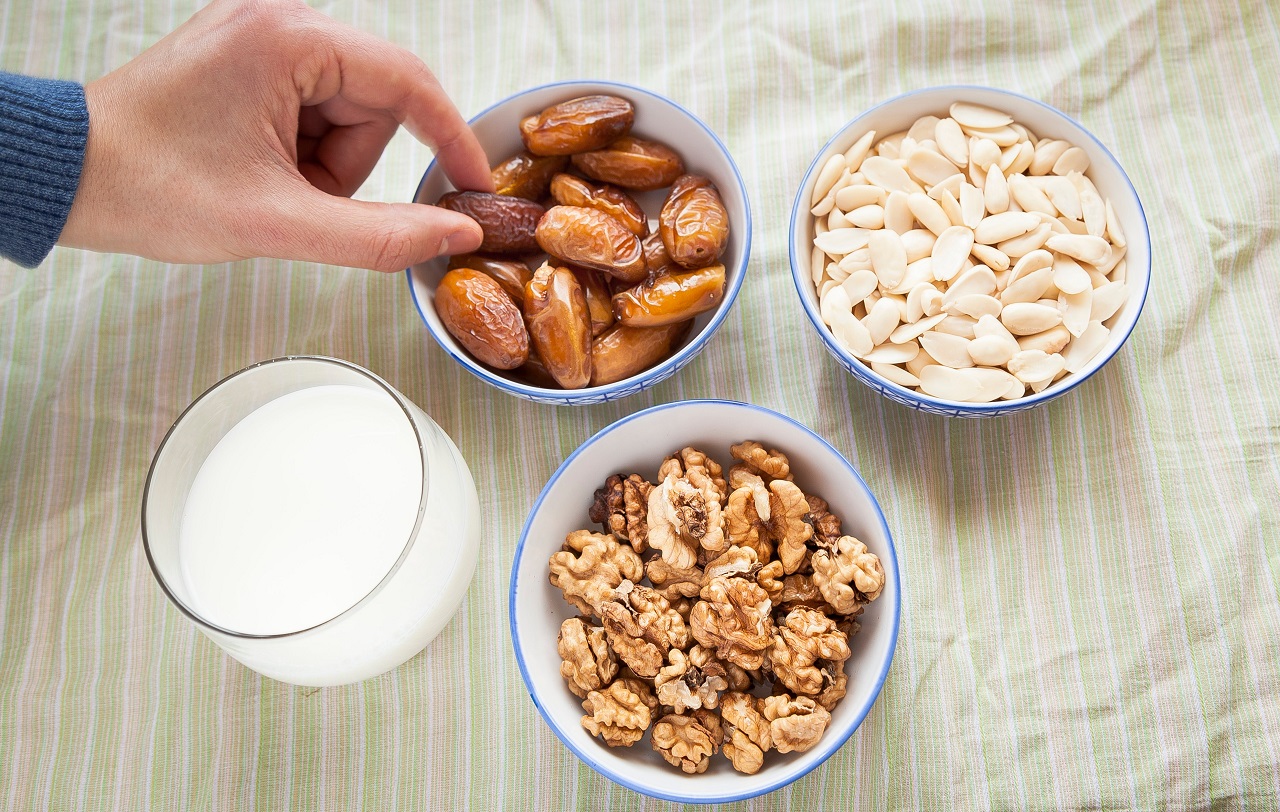
  • Dates & Dry Fruits: have been traditionally eaten to break a fast. You can follow this up with dry fruits.  You can try Jagger Bombs by WeDesi for a healthy and fun twist to dry fruits! Each Jagger Bomb contains dry fruits such as pistas, almonds, foxnuts, cashews bound with organic jaggery, gondh and pure cow ghee to give you all the essential nutrients you need while breaking a fast. You can get them at a discount from the GOQii Health Store within the GOQii App.
  • Rice & Alternatives: Brown rice, black rice, wholegrain noodles, wholegrain pasta or wholemeal bread are complex carbohydrates that provide a slow, stable and sustainable release of energy. Plus, they replenish your body with essential fibers and minerals after fasting.
  • Meat: Choose protein-rich sources such as lean meat, chicken, fish, eggs, etc. Proteins are the building blocks for healthy bones, muscles, cartilage, skin and blood. They also aid to build and repair tissues. It’s a must have when you have fasted for around 18 hours.

Foods You Should Avoid

The foods listed above will help you stay healthy during Ramadan but it is imperative to maintain caution with what you eat. Here are a few foods you can exclude from your meals.

  • Processed/Oily Foods: These contain less nutrients and more fat. This can lead to acidity, nausea, heartburn and indigestion. Consume food with lesser oil and avoid packaged or junk food at all costs.
  • Salty Foods: Avoid anything that is too salty especially during Suhoor. Salty foods increase thirst and can leave you dehydrated.
  • High-Sugar Foods: We all know by now that excess sugar in the body is stored as fat. Consuming high-sugar foods and drinks can lead to weight gain, sluggishness and fatigue.

Caution & Safety

Fasting is good but fasting the right way is equally important. Here are some things you need to watch out for while fasting during Ramadan.

  • Don’t Miss Sehri or Suhoor: Think of this as your breakfast. It is the most important meal of the day as it keeps your energy levels high throughout. This meal stores important nutrients in your body and keeps you going through the day. Skipping this meal can cause digestive discomfort, making your body sluggish. Moreso, it may compel you to overeat while breaking your fast which may lead to acidity, heartburn, bloating and weight gain.
  • If you experience dizziness, are unable to stand or feel disoriented, hydrate yourself immediately. Not doing so may lead to fainting, constipation, or splitting headaches. Dehydration can adversely affect your health.
  • Eat in Moderation: It is easy to get carried after while breaking a fast and overindulging with large portions. Avoid this and keep a constant check on your portion size. Remember to eat and not feast.
  • Limit Exercise: If you have been fasting, doing intense exercises may not be the wisest of choices. Perform extremely light workouts and don’t go overboard as your body needs to conserve energy.

What do you break your fast with? What’s your favorite meal during Ramadan? Did we miss out on anything? Do let us know in the comments below!

If you found these tips useful and want to learn more, speak to a GOQii Coach by subscribing for Personalized Health Coaching here.

#BeTheForce
March 22, 2023 By Poonam Goyal 5 Comments

What Alkaline Water Does To Your Body!


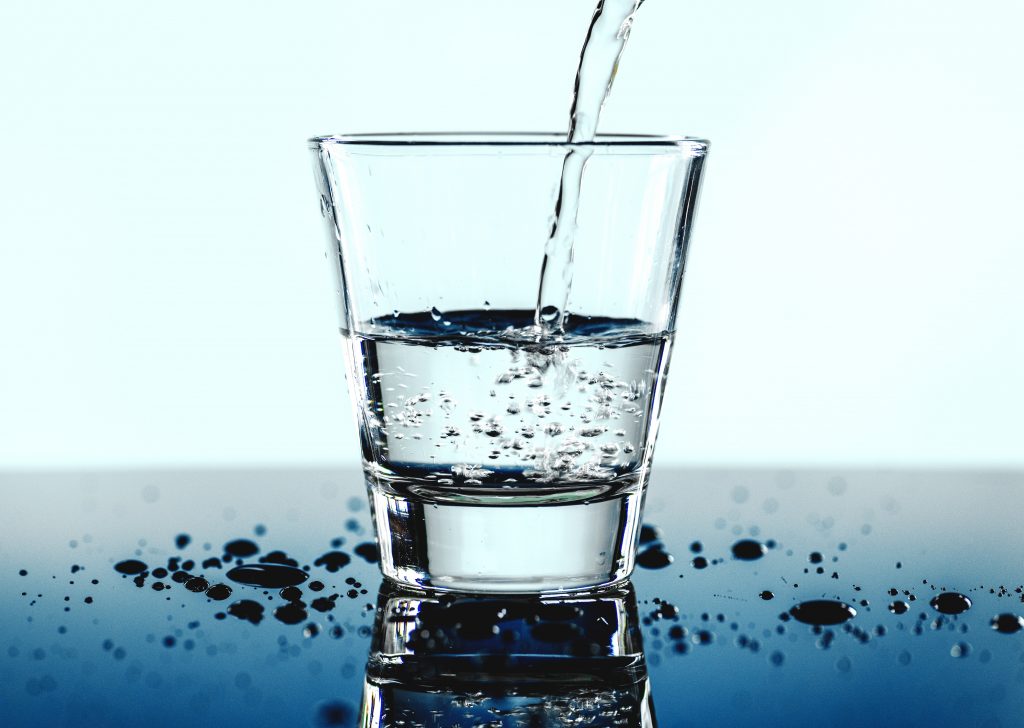
A few days back, I was at a store. I came across water filters that claimed they increase energy and regulate the body’s pH level. It tempted me. To add something more healthy to my regimen, I purchased an expensive filter without knowing what I was really buying. Now that I have read up a little on Alkaline Water, I want to share my thoughts on it.

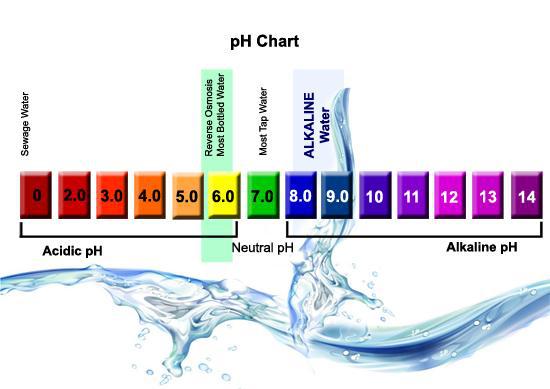
First, let’s understand what Alkaline Water is and how different it is from regular water. Certainly, it boils down to the pH levels. Liquids with a pH closer to 0 are very acidic while liquids with a pH close to 14 are very alkaline. Pure water is neutral and has a pH of 7.0 whereas Alkaline Water has a pH between 7-9.5.

In today’s fast paced world, our gastric acid levels have increased. Due to our dependence on processed foods, artificial additives, refined sugar, increasing stress levels and reduced physical activity, there’s an imbalance in the acid and alkaline environment in our body. So we are moving towards quick fixes like alkaline water.

Advantages Of Alkaline Water

  • The most important health benefit of alkaline water is to fight acid reflux, which is a common health concern these days
  • It makes us feel more energetic as our body is able to absorb it more quickly
  • Healthier gut, as higher pH water protects us from dangerous microorganisms due to its negative oxidation-reduction potential (ORP).
  • Provides antioxidants
  • Protection from contaminated water

Disadvantages Of Alkaline Water

  • Digestive malfunction – drinking alkaline water can cause steep changes in the levels of pH and can hinder the digestion process
  • Can cause a condition called hypochlorhydria, that is the reduced absorption of calcium in our body
  • Presence of too many ions in the body can result in acute dehydration at the cellular level
  • Exert pressure on the kidney to bring the pH level to ideal

Artificial Alkaline Water

Lot of water ionizers are available in the market these days. In essence, what they do is split the water molecules with electricity to create alkaline water. We get them in the form of water filters or filter bottles.

All water found in nature has a pH that perfectly corresponds to the minerals in water. When we drink alkaline water, our body assumes it is receiving alkaline minerals like calcium and magnesium. The problem with ionized water is that the body thinks it is receiving more alkaline minerals than what are actually present in the water.

Before the body is stressed by the artificial alkalinity, the first 30 days might make you feel better due to the presence of antioxidants and hydration. Other side effects can be erratic heart behavior, hypertension, UTI, infections etc.

It is also advised that if we are drinking ionized water or artificially alkaline water, we should measure our bodies pH daily and regulate the consumption accordingly.

Few Interesting Facts About Our Body’s pH

  • Our body regulates blood pH in a very narrow range because all the enzymes are designed to work at pH 7.4. If the pH varies too much it will not be able to function
  • We cannot change the pH of our blood but our diet does affect the pH of our urine. Normally urine is at pH 6, which is acidic but normal and shows our kidney is working fine
  • The pH of the stomach acid or gastric acid is 1.5 – 3.5 which is required for the proper digestion of our food . Alkaline ions might cancel the acid and neutralize it
  • It is the job of the lungs, liver and kidney to maintain a normal pH of our body
  • The most common minerals found in water are calcium, potassium, copper, manganese, magnesium and iron. According to World Health Organisation(WHO), water contributes to 1-20% of the dietary intake of some trace minerals

How to Make Your Body Alkaline Naturally

  • Start your day with a glass of lemon water
  • Add a tsp of natural baking soda to water and drink it the first thing in the morning.  It helps neutralise stomach acids and provides relief from indigestion in adults
  • Add some cucumber slices to water to make it alkaline
  • Store water in a copper vessel and drink it in the morning
  • Drink cumin water or cumin tea. Cumin water generally stimulates the secretion of digestive enzymes and accelerates the digestion process, thus helping you fight gut issues
  • Vegetable juice will not only make your body alkaline but add various nutrients to your diet too
  • Start your day with a glass of water with 1-2 tbsp of Aloe Vera juice added to it. Aloe Vera juice alkalizes the body, balancing overly acidic dietary habits
  • Drink natural coconut water. The pH acidic level in the body turns alkaline when you drink coconut water and that’s why it’s good for acidity
  • Add more fruits and vegetables in your diet. According to the Institute of medicine 20% of water comes from food sources

Naturally occurring alkaline water is undoubtedly good for health but what we get in the present times is water that is artificially made alkaline. If our goal is to be healthy, why would we drink or eat anything artificial?

If you found this article helpful, let us know in the comments below. To explore more, click here. You can also get this information directly from a GOQii Coach. All you need to do is subscribe for Personalised Health Coaching here.

#BeTheForce

March 20, 2023 By Mohammed Tufail Qureshi 20 Comments

Building Muscles With Proper Diet & Exercise

Muscle Building TipsBody building has always fascinated me. My weight training journey began at the age of 16 and since then my goals have been very clear – building muscles and lifting weights! They became my passion. But I realized that just lifting weights to achieve a fit body was not the solution. Anything to do with fitness requires dedication and hard work coupled with smart eating and proper rest. This ultimately helped me achieve the results I was seeking.


You must be wondering how I managed to achieve what I was seeking. Well, the idea germinated in my mind after I watched a movie, ‘Pumping Iron’ starring Arnold Schwarzenegger – my body building idol. Arnold is perhaps the greatest bodybuilder of all time! It was his personality and muscles that I admired and got kicked about lifting weights.

It’s funny – I am half as tall as him, yet I wanted to have a body like him. I set out on the path of building muscles. Within a short period of time, I learned the techniques and secrets of building muscles – which I am about to share with you.

For many of us, gaining muscle would mean spending countless hours in the gym and we seldom think a good diet is important. Remember that our body needs calories and nourishment to feed growing muscle mass and to adjust to varying amounts of activity.

I am going to tell you about building muscles through a three tier process namely proper diet, good exercise and good rest. Each of these tiers is equal and important. Let us take a closer look at each of these processes.

1. Proper Diet

To build muscles you need a proper diet that consists of micro and macro nutrients. Micro nutrients are vitamins and minerals whereas macro nutrients are a combination of protein, carbs and fat. Eating each of these micro and macro nutrients in the right quantity is important to build proper muscle mass.

Just pumping iron or what we call ‘lifting heavy weights’ in the gym does not serve the purpose. One needs to create a proper balance between the two.

1.1 Protein

One needs to eat sufficient amounts of protein to build good muscle. The rule of thumb is that an average person needs one gram of protein per kg of his body weight to maintain his muscle mass, skin and hair. But an individual who is exercising needs almost 1.5 to 2 grams of protein per kg of his body weight to build muscles. For example, if you are 150 lbs(pounds) or 68kg, you should eat between 150 and 225gm of protein each day if you want to consistently gain muscles.

Proteins are found in eggs, meat, fish, cheese, milk and soya beans. Muscles are active tissues, unlike fats. Like every active thing, muscles also need proper maintenance. In order to maintain muscles, the body needs to burn calories and that’s one reason why our basal metabolic rate (BMR) goes up. More the muscle mass in the body, more the BMR level. Increase in BMR level avoids gaining fats in the body and is very helpful for fat loss as well.

1.2 Carbs

Including carbohydrates in your diet in the morning and post workout is essential. The primary function of carbs is to provide energy.  Carbs intake should be monitored very closely. One gram of carbs gives 4 calories. A number of carbs that get utilized as energy and the extra carbs that are still present, get stored as fat.

In order to avoid carbs getting stored as fat, we need to limit their intake. You can get Carbs from Sugar which provides the energy required for daily activities. Sugar may be available in three forms, lactose, fructose, and sucrose obtained from milk, table sugar, and fruits respectively. Carbs from Sugar Starch can be found in rice, beans, peas, and other grains. And lastly, carbs from fibers. Fibrous foods help in quick digestion of food and can found in some green vegetables, whole grains, peas, dry beans, bran, and soya beans etc. Fiber is also good to remove waste from your body.

1.3 Fats

Most people are of the opinion that fat is our enemy. Although, it gives 9 calories per gram. That’s much compared to carbs and proteins. The function of fats is to give energy during an emergency such as when the glucose level of the body dips to a low and there is no source of energy (Adenosine Tri Phosphate) and there is no food available in the body. In such a case, the body uses stored fat as the source of energy for that period of time.

You can get fats from olives, peanuts, sunflower, fish, nuts, flaxseeds and pumpkin seeds, soy products such as tofu or soy milk. Fats build healthy cells. Without a healthy cell membrane, the rest of the cell cannot function. Fats help the body use vitamins. Vitamins A, D, E, and K are fat-soluble vitamins, meaning that the fat in foods helps the intestines absorb these vitamins into the body. Therefore the diets should contain carbs, proteins and fats. You can get vitamins from the inclusion of green vegetables such as spinach and broccoli.

1.4 Water

It is the other important nutrient that is important for our body. One who is exercising should always hydrate himself or herself well. Water provides cushioning and lubrication between joints. Pain problems around joints are a very common among bodybuilders and strength athletes. Maintaining hydration and joint health is a very important part of your training over the long haul.

2. Proper Exercise

The second tier of building muscles is through proper exercise. Without exercise, it will be impossible to build huge muscles.  When we exercise there is a wear and tear process that takes place within the body and the immediate reaction of the body is to repair those muscles.

The greater and deeper the damage to the muscle, the bigger and stronger the muscle will be repaired. It is therefore important to schedule the exercise program in order to achieve great results. Weight training should be done 3-4 days a week and this should be coupled with cardio exercise on the balance days of the week when you are not weight training. With weight training, you will be able to build muscles and get stronger. With cardio, you will be strengthening your lungs and heart and it will help you increase your stamina.

3. Rest and Recovery

This is the last and final tier of building muscles. This aspect is the most neglected tier of the three. You train hard in the gym, nourish your body with proper nutrition but if you do not give enough time for your body to recover through proper rest, the body will not utilize the nutrients in a proper manner to build muscles. After a hard day’s work when you finally go to sleep, that’s when the damaged and tired muscles get repaired. One needs to sleep for at least 7-8 hours to obtain good results.

Muscle can only get stronger and bigger by stimulating it through hard exercise, helping it recover with high-performance nutrition and giving it rest.

Disclaimer: Before making sudden changes in your lifestyle, you may want to consult your doctor and trainer

If you found this article helpful and would like to read more on fitness, click here. Additionally, you can also join a live, interactive workout session with an expert by booking a GOQii PRO class through the GOQii App.

What were your key takeaways from this article? Let us know in the comments below!

#BeTheForce

March 15, 2023 By GOQii Leave a Comment

The Little Known Health Benefits Of Almonds

Health Benefits Of Almonds

An Almond is a type of tree nut that’s commonly consumed as a snack or added to various dishes for flavor and texture. In addition to its delicious taste, it’s also packed with several nutrients and health-promoting compounds. In this article, we will explore the health benefits of almonds and how they can support overall health and wellbeing.

Health Benefits Of Almonds

  • Rich in Nutrients: Almonds are a good source of several important nutrients, including fiber, protein, healthy fats, vitamin E, magnesium, and potassium. A one-ounce serving of almonds (approximately 23 almonds) contains 6 grams of protein, 14 grams of healthy fats, and 3.5 grams of fiber, making them a filling and nutritious snack.
  • May Promote Heart Health: Almonds are rich in healthy fats, particularly monounsaturated and polyunsaturated fats, which have been shown to promote heart health by reducing LDL (bad) cholesterol levels and improving overall cholesterol profiles. Studies have also shown that consuming almonds may help to reduce the risk of heart disease and stroke.
  • May Help with Weight Management: Despite their relatively high calorie content, almonds have been shown to support weight management due to their high protein and fiber content, which can help to increase feelings of fullness and reduce overall calorie intake. Some studies have also suggested that consuming almonds may help reduce belly fat and waist circumference.
  • May Lower Blood Sugar Levels: They are low in carbohydrates but high in healthy fats, fiber, and protein, making them an excellent food for people with diabetes or those at risk of developing diabetes. Studies have shown that consuming almonds may help to lower blood sugar levels and improve insulin sensitivity.
  • May Improve Digestive Health: The fiber content in almonds may help to promote digestive health by supporting regular bowel movements and feeding beneficial gut bacteria. Additionally, some studies have suggested that almonds may help to reduce inflammation in the gut and improve overall gut health.
  • May Improve Brain Function: Almonds are a good source of vitamin E, which has been shown to support brain health and may help to reduce the risk of age-related cognitive decline. Some studies have also suggested that consuming almonds may help to improve memory and cognitive function.

Are There Any Drawbacks To Eating Almonds? 

While they are extremely nutritious and support different aspects of health which include heart health, weight management, digestive health and brain function, it is important to keep portion size in mind. As almonds are relatively high in calories, they can contribute to weight gain if consumed in excess. As always, it is recommended to consult with a healthcare professional before making any significant changes to your diet or nutrition plan.

If reading this article made you want to stock up on almonds, get them here. 

Interested in learning more about nutrition or exploring similar topics? Learn more from these articles written by our experts here.

#BeTheForce 

  • « Previous Page
  • 1
  • …
  • 80
  • 81
  • 82
  • 83
  • 84
  • …
  • 150
  • Next Page »

Search

Recent Posts

  • 6 Health Benefits of Playing Sports
  • Foods to Manage Blood Sugar Naturally: A Complete Guide to Better Blood Sugar Control
  • The Lazy Person’s Guide to Staying Healthy: 5 Micro-Habits That Take Less Than 2 Minutes
  • Healthy Eating: Comforting Chilli Bean Soup Recipe for the Monsoon
  • The Truth About the ‘Beer Belly’: What Alcohol Really Does to Your Metabolism

Stay Updated

Archives

  • August 2026 (8)
  • July 2026 (25)
  • June 2026 (22)
  • May 2026 (20)
  • April 2026 (24)
  • March 2026 (18)
  • February 2026 (14)
  • January 2026 (14)
  • December 2025 (19)
  • November 2025 (15)
  • October 2025 (20)
  • September 2025 (6)
  • August 2025 (6)
  • July 2025 (9)
  • June 2025 (18)
  • May 2025 (16)
  • April 2025 (22)
  • March 2025 (26)
  • February 2025 (21)
  • January 2025 (25)
  • December 2024 (22)
  • November 2024 (22)
  • October 2024 (19)
  • September 2024 (22)
  • August 2024 (27)
  • July 2024 (15)
  • June 2024 (23)
  • May 2024 (26)
  • April 2024 (27)
  • March 2024 (27)
  • February 2024 (23)
  • January 2024 (21)
  • December 2023 (14)
  • November 2023 (10)
  • October 2023 (18)
  • September 2023 (21)
  • August 2023 (16)
  • July 2023 (16)
  • June 2023 (21)
  • May 2023 (20)
  • April 2023 (19)
  • March 2023 (23)
  • February 2023 (19)
  • January 2023 (15)
  • December 2022 (11)
  • November 2022 (15)
  • October 2022 (15)
  • September 2022 (12)
  • August 2022 (9)
  • July 2022 (17)
  • June 2022 (11)
  • May 2022 (10)
  • April 2022 (6)
  • March 2022 (6)
  • February 2022 (13)
  • January 2022 (11)
  • December 2021 (7)
  • November 2021 (3)
  • October 2021 (6)
  • September 2021 (3)
  • August 2021 (8)
  • July 2021 (7)
  • June 2021 (15)
  • May 2021 (16)
  • April 2021 (10)
  • March 2021 (7)
  • February 2021 (4)
  • January 2021 (4)
  • December 2020 (3)
  • November 2020 (4)
  • October 2020 (10)
  • September 2020 (3)
  • August 2020 (3)
  • July 2020 (2)
  • June 2020 (4)
  • May 2020 (10)
  • April 2020 (12)
  • March 2020 (10)
  • February 2020 (4)
  • January 2020 (4)
  • December 2019 (3)
  • November 2019 (7)
  • October 2019 (5)
  • September 2019 (4)
  • August 2019 (9)
  • July 2019 (9)
  • June 2019 (11)
  • May 2019 (4)
  • April 2019 (8)
  • March 2019 (8)
  • February 2019 (9)
  • January 2019 (8)
  • December 2018 (9)
  • November 2018 (3)
  • October 2018 (3)
  • September 2018 (5)
  • August 2018 (10)
  • July 2018 (6)
  • June 2018 (13)
  • May 2018 (8)
  • April 2018 (17)
  • March 2018 (9)
  • February 2018 (8)
  • January 2018 (15)
  • December 2017 (12)
  • November 2017 (19)
  • October 2017 (13)
  • September 2017 (15)
  • August 2017 (4)
  • July 2017 (8)
  • June 2017 (7)
  • May 2017 (6)
  • April 2017 (8)
  • March 2017 (6)
  • February 2017 (7)
  • January 2017 (9)
  • December 2016 (10)
  • November 2016 (7)
  • October 2016 (7)
  • September 2016 (7)
  • August 2016 (11)
  • July 2016 (9)
  • June 2016 (9)
  • May 2016 (12)
  • April 2016 (17)
  • March 2016 (17)
  • February 2016 (8)
  • January 2016 (6)
  • December 2015 (2)
  • November 2015 (9)
  • October 2015 (7)
  • September 2015 (9)
  • August 2015 (11)
  • July 2015 (9)
  • June 2015 (11)
  • May 2015 (9)
  • April 2015 (13)
  • March 2015 (8)
  • February 2015 (5)
  • January 2015 (12)
  • December 2014 (14)
  • November 2014 (11)
  • October 2014 (6)
  • September 2014 (13)
  • August 2014 (12)
  • July 2014 (6)
  • June 2014 (2)
  • May 2014 (7)
  • April 2014 (4)

From Burnout to Balance: How Dr. Ranjit Reclaimed His Health

Dr Ranjit Bhatt has spent years tending to others. A practising doctor in Odisha, his days were packed with patients, surgeries, and emergencies. From the outside, it looked like a life lived in service. But on the inside, something wasn’t right. “I had no … [Read More...]

From Shimla’s Slopes to Chandigarh’s Sidewalks: Surinder Kaur Bhalla’s Journey from Chaos to Control

Some journeys start with a plan. Others begin with a stumble literally. Surinder Bhalla, a government professional, born and raised in the scenic hill town of Shimla, had always lived a life of movement. “In Shimla, you walked everywhere,” she reflects. “Walking was never an exercise. It was just life.” But after shifting to Chandigarh, […]

“I’ve Challenged Myself to Live 100 Years” – The Story of Chandubhai Savani’s Second Chance at Life

At 67, most people start slowing down. Not Chandubhai Savani. A resident of Surat, Chandubhai, thought life was on track. “My life was going well till I had my bypass surgery,” he says. That surgery, back in 2021, was a wake-up call.  Medication was routine, but exercise wasn’t. His diet? What he calls ‘normal.’ “I […]

Ananda Mukherjee Health Story

From Terminal Illness To Complete Wellness! Ananda Mukherjee Health Story

As we observe World Cancer Day under the powerful theme ‘United by Unique’ (2025-2027)**, we are reminded that every individual’s journey with cancer is distinct, yet united by shared resilience, hope, and the collective fight against this disease. This theme places people at the centre of care and their stories at the heart of the […]

  • HOME
  • HEALTHY LIVING
  • FITNESS
  • HEALTHY RECIPES
  • USER STORIES
  • KARMA
  • BUY GOQii

Copyright ©2016 GOQii