
GOQii

Blog

  • HOME
  • HEALTHY LIVING
  • FITNESS
  • HEALTHY RECIPES
  • USER STORIES
  • KARMA
  • BUY GOQii

Search Results for: heart health

September 30, 2024 By Dr. Viral Thakkar Leave a Comment

Your Heart and You 2: Habits for a Healthy Heart

heart healthAakash wondered why every Hollywood and Bollywood movie stressed the “heart”. Some dialogues bothered him:

“My heart aches at the way you have treated your friends.”

“Don’t you feel anything? Are you heartless?”

What Affects Heart Health?

It is interesting to note that a heart attack is usually the result of an emotional outburst or a very emotionally charged situation. While many of us have similar experiences, some are potent to handle such sudden shocks that the heart receives. This depends on the emotional and mental health of a person, dietary habits, sleep quality, the capability of handling stress, faulty habits, etc.

The heart, apart from pumping blood and ensuring every cell receives blood and oxygen, governs largely the emotional and physical well-being of a person (it also overlaps with the Anahat or Hridaya chakra in Indian Vedic understanding). So, a healthy heart depends largely on the emotional and mental well-being of a person as well as nutrition.

It is now a known fact that feelings of stress, anxiety, etc. adversely impact the overall health of a person, especially the heart. As stress increases, the cortisol levels (stress hormone) impacts all the hormones and organs, affecting basic  physiology, including the cardiovascular system.

These emotions create a chain reaction in the body — stress hormone levels increase, blood vessels constrict, blood pressure rises, and the immune system is weakened. If we consistently experience these emotions, it can put a strain on the heart and other organs, and eventually lead to serious health problems.

In my previous article, I spoke about the signs of heart disease to watch out for. Here, let us look at healthy habits for a healthy heart!

Do the Following to Ensure a Healthy Heart

  1. Be happy: If you cannot feel positive and good, simply recall a time when you felt sincere appreciation and try to recreate that feeling. Look at photographs of happier times, keep a diary where you record your positive events and feelings from your life.
  2. Exercise: Get regular with yoga, especially pranayama and exercise. Exercising helps heart muscles become more efficient at pumping blood throughout the body. It allows the body’s tissue (including the heart) to do a better job of pulling oxygen from the blood. This allows your heart to work effectively under stress. It also helps the body make more branches and connections between these blood vessels (collaterals), so there are other routes for the blood to travel if the usual path is blocked by narrow arteries or fatty deposits. Instead of a 45-minute workout, it is best that the body is moving every half an hour! A small 2-minute walk every half an hour is also helpful as, along with the cardiovascular system, it also keeps our lymphatic system active. However, if you have a heart condition, please take the advice of your doctor before taking strenuous exercises or pranayama.
  3. Do what you like doing and stop what you don’t! It will help you keep your stress levels in check and be happy!
  4. Take care of what you eat: Have a good portion of breakfast, followed by small meals, lunch and dinner 2-4 hours before you sleep. Follow the advice of your nutritionist/doctor, if something special has been designed for you!
  5. Vegetarian food is easily digested by the body. It will also help you cut back on higher-calorie foods such as meat, cheese and snack foods. Whole grains play a role in regulating blood pressure and heart health. Add flaxseeds to your diet as they are rich in fiber and omega-3 fatty acids.
  6. Limit unhealthy choices: Reduce or stop refined oils, refined sugar and aerated drinks.
  7. Choose low-fat protein sources like flaxseed, walnuts, soybeans and canola oil. Legumes, beans, peas and lentils are good sources of protein and contain less fat and no cholesterol, making them good substitutes for meat.
  8. Reduce the sodium in your food: You can replace your normal salt with rock salt or pink salt.
  9. Quality is better than quantity: If your body feels fresh and charged after 4-5 hours of sleep, it implies quality sleep. But tiredness even after 6-8 hours of sleep is worrisome. Usually deep breathing before sleep and dinner 4 hours prior to sleep helps one sleep better.

The heart is the biggest miracle which works every moment to keep you alive! Cherish it by living healthy. For more on heart health, check out Healthy Reads or speak to a certified expert by subscribing to GOQii’s Personalised Health Coaching here.

#BeTheForce

Disclaimer: The information provided in this blog is for general awareness and educational purposes only. It is not intended to replace professional medical advice, diagnosis, or treatment. Always consult a qualified healthcare provider for personalised medical guidance or concerns related to your health.
July 5, 2023 By Neha Sharma Leave a Comment

Healthy Heart Diet: 8 Steps to Prevent Heart Disease

Prevent Heart Disease 2The heart plays a very vital role in the well-being of an individual. It supplies oxygenated blood to all organs of the body and also carries nutrients, fuel, hormones, and other components.
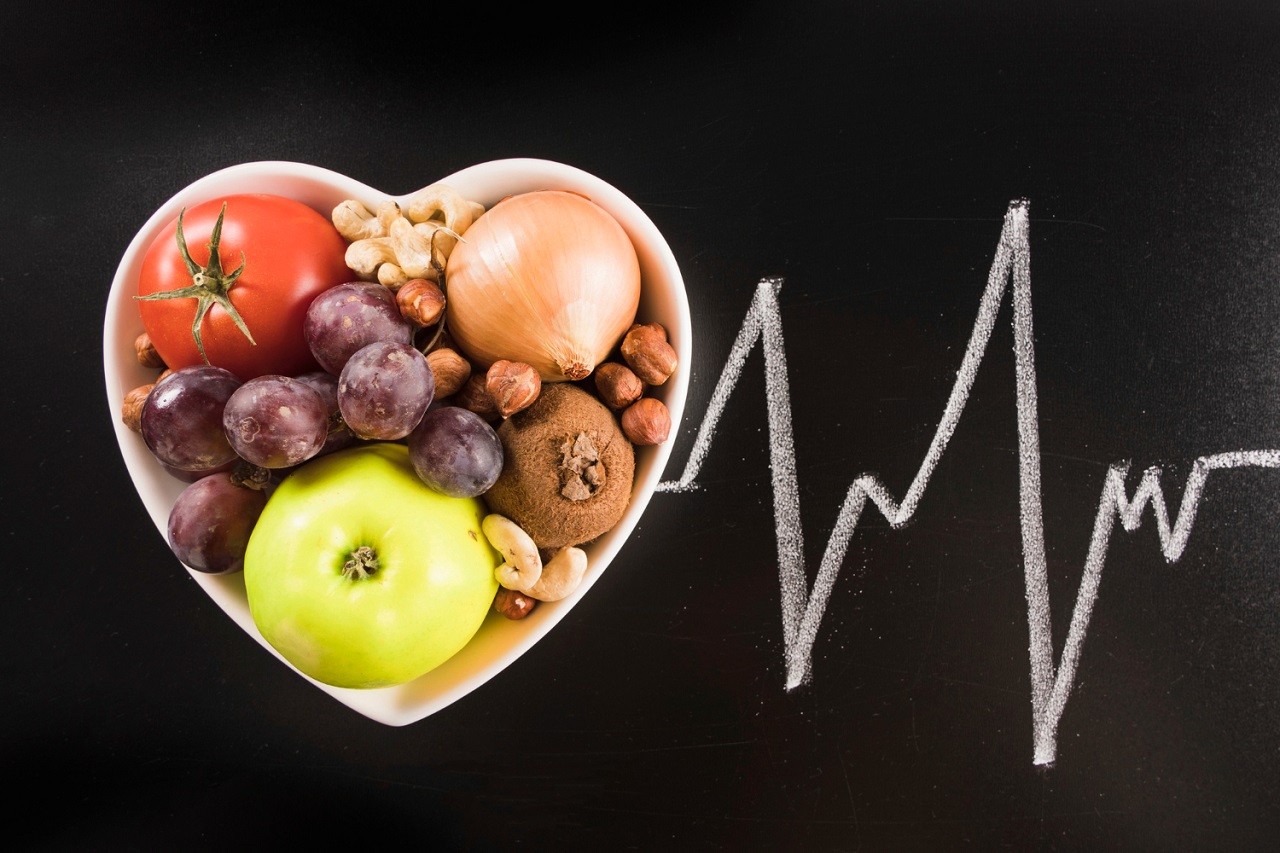
Its tremendous work pressure is never-ending but meritorious. But sometimes, just because of negligence and ignorance, we cannot pay attention to the well-being of our hearts. Lack of proper diet, eating fried foods, inactive lifestyle, smoking, and infection give rise to malfunctioning of the heart.

How Can You Prevent Heart Disease?

Changes in lifestyle and modification of diet are the key factors in improving the functioning of the heart and its long life. By following these 8 simple steps, you can have a healthy heart to lead a healthy life!

1. Include more Fruits, Vegetables and Whole grains

Prevent Heart DiseaseFruits & vegetables are rich in vitamins & minerals and low in calories. They also keep a check on cholesterol levels as they are very rich in dietary fiber. A diet rich in dietary fiber maintains weight as well as the gut. You need to select whole grains over refined grains as whole grains are rich in complex carbohydrates and control blood pressure and are good for the heart. Include quinoa, broken wheat, barley, oats, and whole wheat flour.

2. Keep a Check on Foods Containing Sodium

Sodium plays an important role in elevating blood pressure, increasing the risk of heart disease. Limiting salt intake is very important as in every meal, sodium is introduced and the total count increases unknowingly.

Canned food, pickles, chutneys, sauces, soups, and market mixtures are all loaded with salt and increase the total intake of salt. It’s always advised to keep an eye on evening snacks too, which are generally filled with biscuits, cookies, and mixtures.

Salads and fruits should be taken without salt and as these are rich in potassium – which can help to keep sodium on the lower front. The habit of table salt should be discouraged.

3. Choose Healthy Fats

Healthy fats should be an integral part of a heart-healthy diet. One should limit fat intake to 2-3 tsp per day including visible and non-visible fats. Butter, mayonnaise, and cheese can be replaced with homemade healthy spreads.

Poly and mono-unsaturated fats are good choices over saturated fats but all should be taken in limited amounts as all fats are high in calories. Nuts, seeds, and olive oil are good choices.

4. Make Portion Control a Habit

Portion ControlQuality and quantity both are important while having meals. Portion control is very important as it maintains and controls calories and weight. Utensils are selected for portion control and all food groups should be included to make it a balanced diet.

5. Never Skip Breakfast

Skipping breakfast and having unhealthy foods for breakfast is not at all good. As breakfast is the first meal of the day, it should be healthy and should contain a combination of proteins & complex carbohydrates. Skipping breakfast lowers the metabolism and makes the next meal heavier.  A healthy breakfast makes a healthy heart and mind too.

6. Choose Low-Fat Sources of Protein

Try to incorporate protein in every meal as it maintains weight and as the body is made up of protein, the requirement of protein is more. Pulses, seeds, and nuts are good low-fat sources of protein and should be included in daily routines.

Toned milk & milk products are preferred over whole-fat milk to keep a check on cholesterol levels. Lean meat, poultry, fish & eggs are also some of the best sources of protein that can be taken.

7. Menu Planning Should Be Done Prior & Keep One Day for a Treat

A menu can be made so that all options are at your doorstep and you don’t need to think daily about what to have in meals. Include all veggies, fruits, pulses, grains, nuts, seeds, milk & milk products.

Any one day, you can add a little cheat meal so that overindulgence will not happen and your taste buds will get satisfied as a little fun is important as well.

8. Set a 30 min Physical Activity Goal

To maintain proper functioning of the heart, one should do daily 30 min of physical activity that could be anything including brisk walking, yoga, cardio, or strength training. Walking is an overall exercise that improves blood supply, improves lung capacity and is also good for the gut. Take out 30 min of time for walking either in the evening or morning.

The above points, if kept in accordance with daily routine, will make the heart stronger and happier for a long period of time. If your heart is happy, you are happy!

If this article helped you, let us know in the comments below! Find more tips on living a healthy life here. If you want to make these habits a part of your daily life and need help, reach out to a GOQii Coach by subscribing to Personalised Health Coaching here.

#BeTheForce 

August 8, 2026 By Urvi Gohil Leave a Comment

Healthy Eating: Comforting Chilli Bean Soup Recipe for the Monsoon

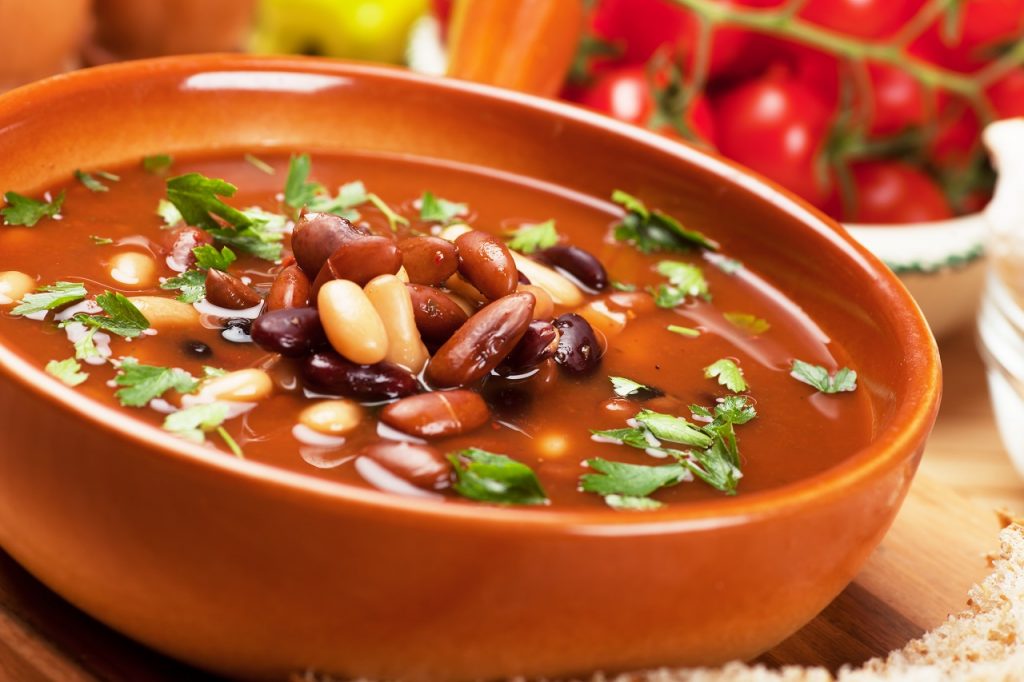
Healthy Eating: Chilli Bean Soup

The Big Question – Looking for a warm, comforting meal that’s both nourishing and satisfying during the rainy season?

Monsoon weather often brings chilly evenings, seasonal fatigue, sore throats, and cravings for comfort food. Unfortunately, many comfort foods are high in refined carbohydrates, unhealthy fats, and excess sodium, leaving you feeling sluggish rather than energized.

The good news? Comfort food can be healthy too.

This hearty Chilli Bean Soup combines protein-rich kidney beans with colourful vegetables, warming spices, and a flavourful broth to create a wholesome meal that keeps you full, supports immunity, and makes rainy days even more enjoyable.

Quick Answer: Why is Chilli Bean Soup an ideal monsoon meal?

Chilli Bean Soup is packed with plant protein, dietary fibre, vitamins, minerals, and antioxidants. Kidney beans provide long-lasting energy, colourful vegetables deliver essential nutrients, while garlic, ginger, and black pepper add natural warmth and flavour. Together, they create a comforting, nutrient-dense meal that’s perfect for cool, rainy days.

Why You’ll Love This Recipe

  • High in plant protein
  • Rich in dietary fibre
  • Naturally filling
  • Great for meal prep
  • Supports digestive health
  • Perfect for rainy evenings
  • Vegetarian and family-friendly

Recipe Snapshot

  • Prep Time: 15 minutes
  • Cook Time: 20 minutes
  • Total Time: 35 minutes
  • Serves: 4
  • Difficulty: Easy

Ingredients

Base

  • 1 cup boiled kidney beans (rajma)
  • 1 medium onion, finely chopped
  • 1 medium tomato, finely chopped
  • ½ cup carrot, chopped
  • ½ cup mixed bell peppers (red, yellow, and green), finely chopped
  • 2 tbsp French beans, chopped

Flavour Builders

  • 1 tbsp ginger-garlic paste
  • 1 green chilli, finely chopped
  • ½ tsp freshly ground black pepper
  • 1 tsp chilli sauce (optional)
  • 1 tsp tomato puree or ketchup
  • Salt to taste

Liquid

  • 2 cups vegetable stock (preferred) or water

Garnish

  • Fresh coriander
  • Freshly cracked pepper
  • Lemon wedge (optional)

Method

  1. Build the Flavour Base: Heat one teaspoon of oil in a deep saucepan. Add the ginger-garlic paste and sauté until fragrant. Add onions and green chilli and cook until the onions become soft and translucent.
  2. Cook the Vegetables: Add tomatoes, carrots, French beans, and bell peppers. Cover and cook for 5–7 minutes until the vegetables begin to soften while still retaining a slight bite.
  3. Add the Protein: Mix in the boiled kidney beans and stir gently to coat them with the vegetable mixture.
  4. Season: Add the black pepper, salt, chilli sauce (optional), and tomato puree. Mix thoroughly.
  5. Simmer: Pour in the vegetable stock. Bring everything to a gentle boil before reducing the heat. Simmer for 8–10 minutes so the flavours combine beautifully.
  6. Finish & Serve: Finish with fresh coriander and a squeeze of lemon juice if desired. Serve immediately while hot.

Why This Soup Is So Nutritious

Ingredient Health Benefit
Kidney Beans Rich in plant protein and fibre that support satiety and steady energy release.
Bell Peppers Excellent source of vitamin C to support immune function.
Carrots Provide beta-carotene, which supports eye health and immunity.
Garlic & Ginger   Naturally rich in compounds known for their anti-inflammatory and antimicrobial properties.
Black Pepper Adds warmth and contains piperine, which may improve nutrient absorption.
Coriander Fresh herbs provide antioxidants while enhancing flavour naturally.

Ways to Make It Even Healthier

Want to customise your soup? Try these simple additions:

  • Stir in spinach during the final two minutes of cooking.
  • Add cooked quinoa for extra fibre and protein.
  • Mix in tofu cubes for a higher-protein vegetarian meal.
  • Use homemade vegetable stock to reduce sodium.
  • Finish with freshly squeezed lemon juice instead of extra salt.

Meal Prep Tips

This soup is ideal for busy weekdays:

  • Refrigerate for up to 3 days in an airtight container.
  • Freeze individual portions for up to 3 months.
  • Reheat gently over low heat, adding a splash of water if required. (The flavours become even richer the following day!)

Monsoon Food Safety Tip

The rainy season increases the risk of food contamination. Always:

  • Wash vegetables thoroughly under running water.
  • Store cooked food promptly in the refrigerator.
  • Avoid leaving soup at room temperature for extended periods.
  • Reheat leftovers until piping hot before serving.

Serving Suggestions

Pair your Chilli Bean Soup with:

  • Whole-grain toast or garlic whole-wheat bread
  • Mixed green salad
  • Roasted seeds
  • Baked sweet potato wedges
  • For a complete meal, add a side of Greek yoghurt or paneer salad.

Healthy comfort food doesn’t have to be bland. This Chilli Bean Soup delivers warmth, flavour, and nutrition in every spoonful. Packed with fibre-rich vegetables and protein-rich kidney beans, it’s a simple recipe that satisfies cravings while supporting your health goals throughout the monsoon season.

Whether you’re looking for a light dinner, a wholesome lunch, or a meal-prep favourite, this soup deserves a place in your kitchen.

Pro Tip: Eating well becomes much easier when your meals are tailored to your lifestyle and health goals. Use the GOQii App to log your meals, monitor your daily nutrition, and connect with a GOQii Personalised Health Coach for customised meal plans, healthy recipes, and expert guidance that fits your unique needs.

Frequently Asked Questions (FAQs)

  1. Is Chilli Bean Soup good for weight management?

Yes. Kidney beans are naturally rich in protein and dietary fibre, helping you stay fuller for longer and reducing unnecessary snacking.

  1. Can I use canned kidney beans?

Absolutely. Rinse canned kidney beans thoroughly under running water to remove excess sodium before adding them to the soup.

  1. Is this soup suitable for meal prep?

Yes. It stores well in the refrigerator for up to three days and freezes beautifully, making it an excellent make-ahead meal.

  1. Can I make this soup vegan?

Yes. Simply use vegetable stock and tomato puree instead of ketchup if preferred. The recipe is naturally vegan when prepared with plant-based ingredients.

  1. Can I increase the protein content?

Certainly. Add tofu, cooked lentils, quinoa, or edamame to make the soup even more protein-rich.

#BeTheForce 

Disclaimer: This recipe is intended for educational and informational purposes only. Individual nutritional requirements vary based on age, activity level, and health conditions. If you have a medical condition requiring a specialised diet, consult your healthcare provider or a registered dietitian before making significant dietary changes.

July 23, 2026 By Apurwa Agrawal 3 Comments

Antenatal Exercises: Your Guide to a Fit and Healthy Pregnancy

safe-pregnancy-exercisesThe Big Question: Is it safe to exercise during pregnancy, and can staying active help ease the aches, pains and challenges that come with expecting a baby?



Pregnancy is one of the most transformative journeys in a woman’s life. Along with the excitement of welcoming a new life, it brings significant physical and emotional changes. For many expectant mothers especially first-time mothers it also raises an important question: Is it safe to exercise during pregnancy?

For most women with an uncomplicated pregnancy, the answer is yes. Regular, moderate physical activity can help reduce common pregnancy discomforts, improve overall fitness, prepare your body for labour, and support both maternal and fetal health. The key is choosing safe activities, exercising at an appropriate intensity, and following your healthcare provider’s advice.

Always consult your obstetrician or healthcare provider before starting or continuing any exercise programme during pregnancy.

Why Does Pregnancy Affect Your Body So Much?

Pregnancy triggers remarkable hormonal and physical changes. One important hormone is relaxin, which helps prepare your body for childbirth by relaxing the ligaments and connective tissues around the pelvis.

While this increased flexibility is essential for delivery, it can also contribute to:

  • Pelvic discomfort
  • Lower back pain
  • Joint instability
  • Changes in posture and balance

As your baby grows, your centre of gravity shifts, placing additional strain on your back, hips, and knees. A well-planned antenatal exercise routine can help your body adapt to these changes more comfortably.

The Benefits of Antenatal Exercise

Current health guidelines recommend that women with an uncomplicated pregnancy aim for at least 150 minutes of moderate-intensity physical activity each week, spread across several days. Here are some of the benefits of staying active during pregnancy:

  • Reduces Aches and Pains: Gentle strengthening and stretching exercises support your muscles and joints, helping reduce back pain, pelvic discomfort, and stiffness.
  • Boosts Energy: Regular movement improves circulation and cardiovascular fitness, helping combat pregnancy-related fatigue.
  • Improves Sleep and Posture: Exercise can help relieve muscle tension, improve posture, and promote better sleep quality.
  • Supports Healthy Weight Gain: Combined with a balanced diet, physical activity helps support healthy weight gain throughout pregnancy.
  • Prepares Your Body for Labour: Maintaining muscular strength, flexibility, and endurance may help prepare your body for the physical demands of labour and recovery after childbirth.
  • May Reduce the Risk of Certain Pregnancy Complications: Regular physical activity has been associated with a lower risk of gestational diabetes, gestational hypertension, and excessive pregnancy weight gain in women with uncomplicated pregnancies.
  • Supports Mental Wellbeing: Exercise stimulates the release of endorphins, which can improve mood and help reduce stress and anxiety during pregnancy.

Safe Exercises During Pregnancy

The safest exercises are generally low-impact and easy to modify as your pregnancy progresses. Good options include:

  • Walking
  • Swimming
  • Water aerobics
  • Stationary cycling
  • Prenatal yoga
  • Prenatal Pilates
  • Light resistance training under professional guidance

Aim for an intensity where you can comfortably carry on a conversation while exercising.

Exercise Through Each Trimester

First Trimester Fatigue and nausea are common. Focus on gentle walks, stretching, breathing exercises, and staying hydrated. If you feel unusually tired, reduce the intensity and listen to your body.

Second Trimester Many women experience improved energy levels. This is often a good time to continue moderate aerobic exercise, improve posture, strengthen your back and hips, and begin pelvic floor exercises if advised. Avoid lying flat on your back for prolonged periods after the first trimester.

Third Trimester As your baby’s weight increases, choose activities that prioritise comfort and mobility. Walking, gentle stretching, pelvic floor exercises, and relaxation techniques can help prepare your body for labour.

Don’t Forget Your Pelvic Floor

Your pelvic floor muscles support the bladder, uterus, and bowel. Pregnancy places additional pressure on these muscles. Regular pelvic floor (Kegel) exercises may help:

  • Support bladder control
  • Improve pelvic stability
  • Prepare for childbirth
  • Aid postpartum recovery

Ask your healthcare provider or physiotherapist how to perform these exercises correctly.

Essential Safety Tips

If your doctor has cleared you for exercise, remember these important guidelines:

  • Always warm up before exercising and cool down afterwards.
  • Drink plenty of water before, during, and after exercise.
  • Avoid exercising in very hot or humid weather.
  • Wear comfortable clothing and supportive footwear.
  • Avoid exercising until exhaustion.
  • Avoid holding your breath during strength exercises.
  • Exercise in a well-ventilated environment.

If you attend prenatal yoga or Pilates classes, make sure your instructor is certified in prenatal fitness and knows which trimester you’re in.

When Should You Seek Medical Advice Before Exercising?

Some pregnancies require additional precautions. Speak to your obstetrician before exercising if you have:

  • Placenta previa after 26 weeks
  • Cervical insufficiency
  • Severe anaemia
  • Significant heart or lung disease
  • Persistent vaginal bleeding
  • Pregnancy-induced hypertension requiring close monitoring
  • A high-risk multiple pregnancy
  • A history of preterm labour

Your healthcare provider will advise which activities are appropriate for you.

Stop Exercising Immediately If You Experience:

Exercise should feel comfortable not distressing. Stop immediately and contact your healthcare provider if you notice:

  • Vaginal bleeding or spotting
  • Leakage of amniotic fluid
  • Painful uterine contractions
  • Chest pain or severe shortness of breath
  • Dizziness or fainting
  • Persistent headache
  • Severe abdominal or pelvic pain
  • Calf pain or swelling
  • Reduced fetal movement (once movements have been established)

Exercise during pregnancy isn’t about maintaining your pre-pregnancy fitness level or trying to lose weight. It’s about supporting your changing body, improving comfort, preparing for labour, and promoting a healthier pregnancy for both you and your baby. With your healthcare provider’s approval, regular antenatal exercise can help you move through pregnancy with greater confidence, strength, and wellbeing.

Pro Tip: Every pregnancy is unique, which is why your exercise routine should be too. Use the Women’s Care feature on the GOQii App to track your pregnancy milestones, activity levels, and overall wellbeing. Your GOQii Personalised Health Coach can work alongside your healthcare provider to help you build safe exercise routines, healthy eating habits, and sustainable lifestyle practices throughout every trimester.

Frequently Asked Questions (FAQs)

  1. Is it safe to start exercising if I wasn’t active before pregnancy?

Yes. After receiving approval from your obstetrician, begin gradually with low-impact activities such as walking or prenatal yoga. Increase activity slowly based on your comfort and fitness level.

  1. What are the safest exercises during pregnancy?

Walking, swimming, stationary cycling, prenatal yoga, prenatal Pilates and supervised light resistance training are generally considered safe for women with uncomplicated pregnancies.

  1. Why do my joints feel looser during pregnancy?

Pregnancy hormones particularly relaxin increase ligament flexibility to prepare your body for childbirth. This may also make your joints feel less stable and contribute to aches and pains.

  1. Can I continue strength training during pregnancy?

Many women can safely continue modified strength training after medical clearance. Avoid heavy lifting that requires breath-holding, and work with a qualified trainer experienced in prenatal exercise.

  1. Which exercises should I avoid during pregnancy?

Avoid contact sports, activities with a high risk of falling, scuba diving, hot yoga and prolonged exercises lying flat on your back after the first trimester unless specifically advised by your healthcare provider.

#BeTheForce 

Disclaimer: The information provided in this article is intended for educational purposes only and should not replace professional medical advice, diagnosis or treatment. Every pregnancy is different. Always consult your obstetrician or qualified healthcare provider before starting, modifying or continuing any exercise programme during pregnancy.

  • « Previous Page
  • 1
  • 2
  • 3
  • 4
  • …
  • 144
  • Next Page »

Search

Recent Posts

  • Foods to Manage Blood Sugar Naturally: A Complete Guide to Better Blood Sugar Control
  • The Lazy Person’s Guide to Staying Healthy: 5 Micro-Habits That Take Less Than 2 Minutes
  • Healthy Eating: Comforting Chilli Bean Soup Recipe for the Monsoon
  • The Truth About the ‘Beer Belly’: What Alcohol Really Does to Your Metabolism
  • Benefits of Meditation: How One Daily Habit Can Transform Your Mental Wellbeing

Stay Updated

Archives

  • August 2026 (7)
  • July 2026 (25)
  • June 2026 (22)
  • May 2026 (20)
  • April 2026 (24)
  • March 2026 (18)
  • February 2026 (14)
  • January 2026 (14)
  • December 2025 (19)
  • November 2025 (15)
  • October 2025 (20)
  • September 2025 (6)
  • August 2025 (6)
  • July 2025 (9)
  • June 2025 (18)
  • May 2025 (16)
  • April 2025 (22)
  • March 2025 (26)
  • February 2025 (21)
  • January 2025 (25)
  • December 2024 (22)
  • November 2024 (22)
  • October 2024 (20)
  • September 2024 (22)
  • August 2024 (28)
  • July 2024 (15)
  • June 2024 (23)
  • May 2024 (26)
  • April 2024 (27)
  • March 2024 (27)
  • February 2024 (23)
  • January 2024 (21)
  • December 2023 (14)
  • November 2023 (10)
  • October 2023 (19)
  • September 2023 (21)
  • August 2023 (16)
  • July 2023 (16)
  • June 2023 (21)
  • May 2023 (20)
  • April 2023 (19)
  • March 2023 (23)
  • February 2023 (19)
  • January 2023 (15)
  • December 2022 (11)
  • November 2022 (15)
  • October 2022 (15)
  • September 2022 (12)
  • August 2022 (9)
  • July 2022 (17)
  • June 2022 (11)
  • May 2022 (10)
  • April 2022 (6)
  • March 2022 (6)
  • February 2022 (13)
  • January 2022 (11)
  • December 2021 (7)
  • November 2021 (3)
  • October 2021 (6)
  • September 2021 (3)
  • August 2021 (8)
  • July 2021 (7)
  • June 2021 (15)
  • May 2021 (16)
  • April 2021 (10)
  • March 2021 (7)
  • February 2021 (4)
  • January 2021 (4)
  • December 2020 (3)
  • November 2020 (4)
  • October 2020 (10)
  • September 2020 (3)
  • August 2020 (3)
  • July 2020 (2)
  • June 2020 (4)
  • May 2020 (10)
  • April 2020 (12)
  • March 2020 (10)
  • February 2020 (4)
  • January 2020 (4)
  • December 2019 (3)
  • November 2019 (7)
  • October 2019 (5)
  • September 2019 (4)
  • August 2019 (9)
  • July 2019 (9)
  • June 2019 (11)
  • May 2019 (4)
  • April 2019 (8)
  • March 2019 (8)
  • February 2019 (9)
  • January 2019 (8)
  • December 2018 (9)
  • November 2018 (3)
  • October 2018 (3)
  • September 2018 (5)
  • August 2018 (10)
  • July 2018 (6)
  • June 2018 (13)
  • May 2018 (8)
  • April 2018 (18)
  • March 2018 (9)
  • February 2018 (8)
  • January 2018 (15)
  • December 2017 (12)
  • November 2017 (19)
  • October 2017 (13)
  • September 2017 (15)
  • August 2017 (4)
  • July 2017 (8)
  • June 2017 (7)
  • May 2017 (6)
  • April 2017 (8)
  • March 2017 (6)
  • February 2017 (7)
  • January 2017 (9)
  • December 2016 (10)
  • November 2016 (7)
  • October 2016 (7)
  • September 2016 (7)
  • August 2016 (11)
  • July 2016 (9)
  • June 2016 (9)
  • May 2016 (12)
  • April 2016 (17)
  • March 2016 (17)
  • February 2016 (8)
  • January 2016 (6)
  • December 2015 (2)
  • November 2015 (9)
  • October 2015 (7)
  • September 2015 (9)
  • August 2015 (11)
  • July 2015 (9)
  • June 2015 (11)
  • May 2015 (9)
  • April 2015 (13)
  • March 2015 (8)
  • February 2015 (5)
  • January 2015 (12)
  • December 2014 (14)
  • November 2014 (11)
  • October 2014 (6)
  • September 2014 (13)
  • August 2014 (12)
  • July 2014 (6)
  • June 2014 (2)
  • May 2014 (7)
  • April 2014 (4)

From Burnout to Balance: How Dr. Ranjit Reclaimed His Health

Dr Ranjit Bhatt has spent years tending to others. A practising doctor in Odisha, his days were packed with patients, surgeries, and emergencies. From the outside, it looked like a life lived in service. But on the inside, something wasn’t right. “I had no … [Read More...]

From Shimla’s Slopes to Chandigarh’s Sidewalks: Surinder Kaur Bhalla’s Journey from Chaos to Control

Some journeys start with a plan. Others begin with a stumble literally. Surinder Bhalla, a government professional, born and raised in the scenic hill town of Shimla, had always lived a life of movement. “In Shimla, you walked everywhere,” she reflects. “Walking was never an exercise. It was just life.” But after shifting to Chandigarh, […]

“I’ve Challenged Myself to Live 100 Years” – The Story of Chandubhai Savani’s Second Chance at Life

At 67, most people start slowing down. Not Chandubhai Savani. A resident of Surat, Chandubhai, thought life was on track. “My life was going well till I had my bypass surgery,” he says. That surgery, back in 2021, was a wake-up call.  Medication was routine, but exercise wasn’t. His diet? What he calls ‘normal.’ “I […]

Ananda Mukherjee Health Story

From Terminal Illness To Complete Wellness! Ananda Mukherjee Health Story

As we observe World Cancer Day under the powerful theme ‘United by Unique’ (2025-2027)**, we are reminded that every individual’s journey with cancer is distinct, yet united by shared resilience, hope, and the collective fight against this disease. This theme places people at the centre of care and their stories at the heart of the […]

  • HOME
  • HEALTHY LIVING
  • FITNESS
  • HEALTHY RECIPES
  • USER STORIES
  • KARMA
  • BUY GOQii

Copyright ©2016 GOQii
