
GOQii

Blog

  • HOME
  • HEALTHY LIVING
  • FITNESS
  • HEALTHY RECIPES
  • USER STORIES
  • KARMA
  • BUY GOQii

Search Results for: diabetes

October 29, 2026 By GOQii Leave a Comment

World Stroke Day 2026: Know the Signs, Act FAST

Your father is at the dinner table and halfway through a sentence his words come out jumbled. One corner of his mouth droops. A minute later he says he feels fine and wants to lie down. What do you do?

For a stroke, what you do next, and how quickly, can decide whether someone recovers or lives with lasting disability. Yet many families in India wait to see if things settle, call a relative first, or give a tablet at home. Precious hours are lost.

World Stroke Day, held every year on 29 October and led by the World Stroke Organization, is about changing that. Its message is simple: learn the signs of a stroke and act fast to get emergency care. This guide explains how to spot a stroke, what to do in the first few minutes, and the everyday steps that can lower your risk.

At a glance

  • Stroke is common: globally, 1 in 4 adults over 25 will have a stroke in their lifetime.
  • India’s burden is rising: India recorded over 25 million new strokes in 2021, about 51% more than in 1990.
  • It isn’t only an older person’s illness: in an ICMR registry, about 1 in 7 stroke patients was under 45.
  • Learn BE FAST: Balance, Eyes, Face, Arms, Speech, Time to call for help.
  • Every minute counts: clot-busting treatment generally works best within 4.5 hours of symptoms starting, but in India only about 1 in 5 patients reaches hospital in that window.
  • Most strokes are linked to risks you can change: high blood pressure is the biggest one, so know your numbers.

What is a stroke?

A stroke happens when the blood supply to part of the brain is cut off. Without oxygen and nutrients, brain cells in that area begin to die within minutes. That’s why a stroke is a medical emergency, in the same way a heart attack is.

There are two main types:

  • Ischaemic stroke: a clot blocks an artery supplying the brain. This is the most common type worldwide. In India’s national stroke registry, it made up about 60% of cases.
  • Haemorrhagic stroke: a blood vessel in or around the brain bursts and bleeds. In the same registry, bleeding inside the brain accounted for about 34% of strokes, a higher share than is typical in many high-income countries.

This difference matters in an emergency. The two types can look identical from the outside, and only a brain scan can tell them apart. Treatments that dissolve a clot could make a bleed worse, which is why nobody should give medicine at home “just in case”.

What about a mini-stroke (TIA)?

A transient ischaemic attack, or TIA, is caused by a temporary blockage. Its symptoms are the same as a stroke but they pass, usually within minutes to a few hours and always within 24 hours.

It’s tempting to brush a TIA off because the person feels normal again. Don’t. The NHS describes a TIA as a warning sign that a full stroke may follow soon. At the time, no one can tell whether symptoms will pass or turn into a stroke, so treat every episode as an emergency. If symptoms have already passed and you didn’t get help, see a doctor the same day.

Know the signs: BE FAST

Stroke symptoms come on suddenly. The best-known memory aid is FAST. Many hospitals now teach an extended version, BE FAST, which adds balance and eye problems that FAST alone can miss.

Letter Look for
B – Balance Sudden dizziness, loss of balance or coordination, trouble walking
E – Eyes Sudden blurred or double vision, or loss of sight in one or both eyes
F – Face One side of the face droops; ask them to smile
A – Arms One arm is weak or numb; ask them to raise both arms and see if one drifts down
S – Speech Slurred or jumbled speech, or difficulty finding or understanding words
T – Time Time to call an ambulance immediately, and note the time symptoms started

Other warning signs

The NHS also lists:

  • sudden weakness or numbness down one side of the body, including a leg
  • confusion or memory loss
  • a sudden, severe headache
  • feeling or being sick

You don’t need all the signs. Even one sudden symptom is enough to act. And if symptoms go away, still get emergency help: it could be a TIA.

Women and younger adults

Women have the classic symptoms too, but a review of studies found they were somewhat more likely to also report headache or fatigue. These less specific symptoms can delay recognition, so don’t let them distract from a drooping face, weak arm or slurred speech.

Younger people often assume a stroke can’t happen to them, and symptoms get put down to stress, migraine or tiredness. In India’s national stroke registry, 13.8% of patients were under 45. Age is no reason to wait.

Why speed matters so much

During a typical untreated ischaemic stroke, the brain is estimated to lose about 1.9 million nerve cells every minute. Doctors sum this up as “time is brain”.

The main emergency treatments are time-limited:

  • Clot-busting medicine (thrombolysis): for suitable patients with an ischaemic stroke, it is usually given within 4.5 hours of symptoms starting, and the earlier the better.
  • Clot removal (thrombectomy): a specialist threads a thin tube through an artery to pull out a large clot. In carefully selected patients, it can help up to 24 hours after symptoms begin, but it’s only available at some hospitals.

Both need a brain scan first to rule out bleeding. This is where India loses most ground. In the ICMR registry, only 20.1% of patients reached hospital within 4.5 hours, 37.8% arrived more than a day later, and just 4.6% of those with an ischaemic stroke received clot-busting treatment. Late arrival was the main reason eligible patients missed out.

What to do if you suspect a stroke

Do

  1. Call an ambulance straight away. In India, dial 108 (the free emergency ambulance service in most states) or 112, the national emergency number. Say clearly that you think it is a stroke.
  2. Note the time symptoms started, or the last time the person was seen well. If they woke up with symptoms, it’s the time they went to sleep. Doctors need this to decide on treatment.
  3. Head for a hospital that can treat stroke. If you have to travel yourself, go to the nearest hospital with a CT scan and emergency stroke care, not a local clinic. It helps to find out now which hospitals near you offer this.
  4. Keep the person safe and comfortable. If they are drowsy or vomiting, lay them on their side with the head slightly raised and loosen tight clothing.
  5. Take their medicines list with you, especially blood thinners, and any recent reports.
  6. Start CPR if they become unresponsive and are not breathing normally.

Don’t

  • Don’t give aspirin or any other medicine. If the stroke is a bleed, a blood thinner could make it worse.
  • Don’t give food or water, not even a sip. A stroke can affect swallowing, and food or liquid can go into the lungs.
  • Don’t wait to see if it passes, or call family members before calling for help.
  • Don’t let the person drive, even if they insist they are fine.
  • Don’t try home remedies, such as pricking fingers or applying pressure points. They waste time that the brain doesn’t have.

Lowering your risk: the factors you can change

Some stroke risks can’t be changed, such as age, family history or a past stroke. But most of the risk lies elsewhere. The Global Burden of Disease study estimates that 84% of the global stroke burden is linked to risk factors that can be modified. The large INTERSTROKE study across 32 countries reached a similar conclusion: ten modifiable factors accounted for about 90% of stroke risk.

1. Blood pressure: the biggest one

High blood pressure is the single most important risk factor for stroke worldwide, and it usually causes no symptoms. In India’s stroke registry, nearly 3 in 4 patients had hypertension. Meanwhile, NFHS-5 found raised blood pressure in about 22.5% of women and around a quarter of men aged 15 and over, and many people don’t know they have it.

What helps: get your blood pressure checked at least once a year from adulthood, and more often if it is raised. If your doctor prescribes medicine, take it every day, even when you feel well. Stopping it on your own is a common, and risky, mistake.

2. Salt

Eating too much salt raises blood pressure. The WHO advises adults to have less than 5 g of salt a day, about one level teaspoon, and most Indians eat well above this. Much of it comes from pickles, papad, namkeen, sauces, instant noodles and restaurant food, not just the salt shaker. Cooking with less salt, tasting before adding more, and using lemon, herbs and spices for flavour all add up.

3. Tobacco in any form

Smoking and smokeless tobacco both damage blood vessels. In the ICMR registry, 22.6% of stroke patients smoked and 28.5% used smokeless tobacco such as gutka or khaini. Quitting lowers your risk, whatever your age, and the national tobacco quitline (1800-11-2356) offers free support.

4. Diabetes and cholesterol

Diabetes was present in over a quarter of patients in the Indian registry, and high LDL (“bad”) cholesterol is among the top five global risk factors. Both can be picked up by simple blood tests. If you have either, keeping them in your target range with your doctor’s guidance lowers stroke risk.

5. An irregular heartbeat

Atrial fibrillation (AF) is an irregular, often fast, heart rhythm that can let clots form in the heart and travel to the brain. It makes a stroke about five times more likely. If you notice palpitations or an irregular pulse, see a doctor; treatment, often with blood thinners, can greatly reduce the risk.

6. Diet, weight and activity

A diet built around vegetables, fruit, whole grains and pulses, with less fried and ultra-processed food, supports healthy blood pressure, cholesterol and weight. Regular movement helps all three. Aim for at least 150 minutes of moderate activity, such as brisk walking, each week; it can lift your mood too.

7. Alcohol and stress

Heavy drinking raises blood pressure and the risk of both types of stroke; less is better, and none is safest. Long-term stress was also among INTERSTROKE’s risk factors, so making time to recover matters.

8. Air pollution

Outdoor and household air pollution are both among the top five global risk factors for stroke, and this is especially relevant in India as winter smog sets in. On high-pollution days, limit outdoor exercise, especially near traffic, and use cleaner cooking fuels where possible.

Life after a stroke

Recovery looks different for everyone. Some people recover within days or weeks; for others, it can take months or years, and some changes may be lasting.

Rehabilitation is part of treatment, not an optional extra. Depending on what the stroke has affected, it may include:

  • physiotherapy to rebuild strength, balance and movement
  • speech and language therapy for speaking, understanding and swallowing
  • occupational therapy to manage daily tasks such as dressing, cooking and getting back to work
  • support for memory, concentration, tiredness, low mood and anxiety, which are common and treatable after a stroke

Ask the treating team for a clear rehab plan before discharge, and keep practising the exercises at home. Progress can continue well after the first few months.

Preventing a second stroke

Anyone who has had a stroke or TIA is at higher risk of another one. The same steps that prevent a first stroke matter even more now: take prescribed medicines (such as blood thinners, blood pressure and cholesterol medicines) regularly, keep follow-up appointments, stop tobacco, and stay as active as you safely can.

For caregivers

In India, much of stroke care happens at home, usually by family. Caring for someone after a stroke can be tiring and lonely. Learn the basics from the therapy team, share tasks within the family, and look after your own sleep, food and health too. If you feel low or overwhelmed, Tele-MANAS (14416) offers free, confidential support.

The bottom line

A stroke gives little warning, but it does give signs. Learn BE FAST and share it with your family, especially older parents and the people who care for them. If you see even one sudden sign, call 108 or 112 straight away, note the time, and don’t give medicine, food or water. Then take care of the risks you can control, starting with knowing your blood pressure. This World Stroke Day, a few minutes spent learning the signs could give someone their life back.

Pro Tip: Use the GOQii App to log your blood pressure, steps, sleep and meals, so you and your doctor can see the trends that matter. Your GOQii Personalised Health Coach can help you build steady habits, from cutting back on salt to moving more and quitting tobacco.

Frequently asked questions

What are the first signs of a stroke?

Stroke symptoms start suddenly. Use BE FAST: loss of Balance, Eye or vision problems, Face drooping, Arm weakness, Speech difficulty, and Time to call an ambulance. Sudden numbness on one side, confusion or a severe headache can also be signs.

What should I do if someone is having a stroke?

Call an ambulance immediately on 108 or 112 and say you suspect a stroke. Note the time symptoms started. Don’t give aspirin, any other medicine, food or water, and don’t wait to see whether symptoms improve.

Should I give aspirin to someone having a stroke?

No. Some strokes are caused by bleeding in the brain, and aspirin could make bleeding worse. Only a brain scan in hospital can show which type of stroke it is, so leave all medicines to the doctors.

What is the golden hour for a stroke?

The sooner treatment starts, the better. Clot-busting medicine is usually given within 4.5 hours of symptoms starting, and some patients can have a clot removed up to 24 hours later. Getting to hospital within the first hour gives the best chance of treatment.

Can young people have a stroke?

Yes. In India’s national stroke registry, about 1 in 7 stroke patients was under 45. High blood pressure, tobacco, diabetes and some heart conditions can cause strokes at younger ages, so never dismiss sudden symptoms because of age.

What is a mini-stroke, and is it serious?

A mini-stroke, or transient ischaemic attack (TIA), causes stroke symptoms that go away within 24 hours. It is serious because it can be a warning that a full stroke may follow soon. Get emergency help even if symptoms pass.

How can I reduce my risk of stroke?

Most stroke risk is linked to factors you can change. Check and control your blood pressure, eat less salt, avoid all tobacco, stay active, limit alcohol, and manage diabetes, cholesterol and any irregular heartbeat with your doctor.

#BeTheForce

Disclaimer: The information provided in this blog is for general awareness and educational purposes only. It is not intended to replace professional medical advice, diagnosis, or treatment. Always consult a qualified healthcare provider for personalised medical guidance or concerns related to your health.
October 28, 2026 By Urvi Gohil Leave a Comment

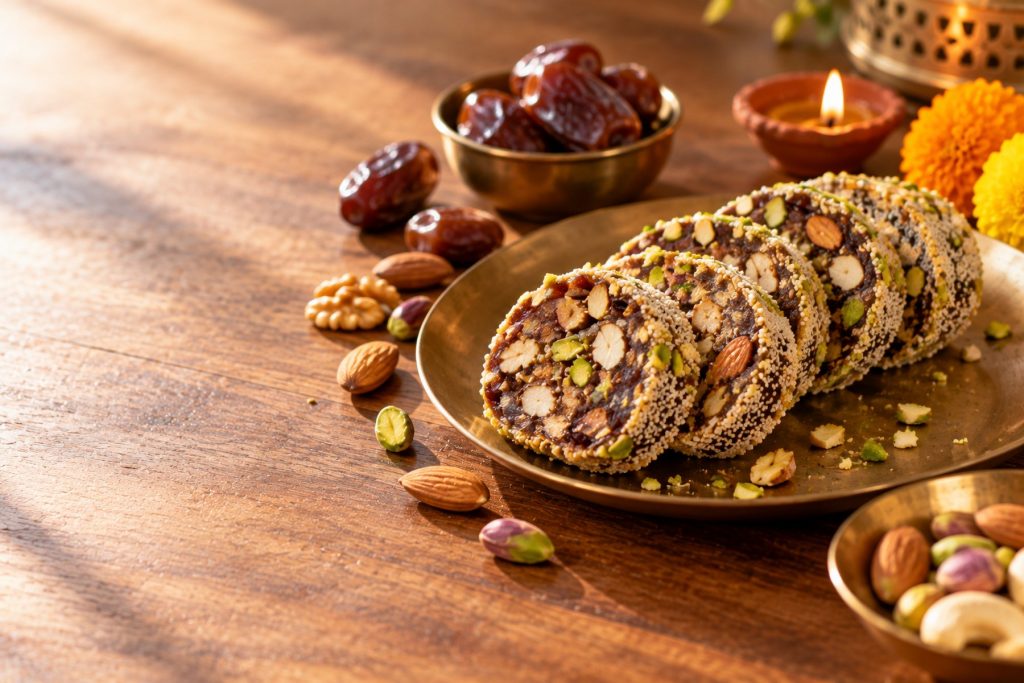
Healthy Diwali Recipe: Dates Roll with Seeds

Diwali and mithai go hand in hand, and that’s part of the joy of the festival. If you’d like something a little lighter on your table or in your gift boxes this year, this dates roll with seeds is a lovely option. It’s sweetened only with dates, packed with nuts and seeds, needs no frying, and slices into pretty rounds that look as festive as any barfi.
We’ve updated our original recipe to use fewer dates and more nuts and seeds, so each slice is better balanced. One thing hasn’t changed: dates are naturally very sweet, so this is still a sweet, best enjoyed one slice at a time.

At a glance

  • Makes: about 28 slices | Time: 25 minutes, plus 2 hours to chill
  • No added sugar: the sweetness comes from dates, which are naturally rich in sugar and fibre.
  • Better balance: nuts and seeds add protein, healthy fats and crunch, and help make a small slice satisfying.
  • Portion matters: one slice has roughly 7 g of sugar (about 1½ teaspoons), so enjoy one or two, not a handful.
  • Diabetes: dates are a low-GI fruit, but they still raise blood sugar. Count a slice as a sweet and check portions with your doctor or dietitian.
  • Keeps well: up to a week in the fridge, which makes it ideal for Diwali gift boxes.

Dates roll with seeds: recipe

Makes: about 28 slices (1 cm thick) | Prep: 15 minutes | Cook: 6–10 minutes | Chill: 2 hours (or overnight)

Ingredients

  • 300 g soft seedless dates (about 2 cups)
  • 30 g walnuts, coarsely chopped (about ¼ cup)
  • 30 g almonds, coarsely chopped (about ¼ cup)
  • 20 g cashews, coarsely chopped (about 2 tbsp heaped)
  • 30 g pistachios, coarsely chopped (about ¼ cup), divided
  • 1 tbsp flaxseeds, roasted and coarsely ground
  • 1 tbsp sunflower or pumpkin seeds, roasted
  • 3 tbsp poppy seeds (khus khus), roasted: 1 tbsp for the mix, 2 tbsp for coating
  • ½ tsp cardamom powder
  • 1 tbsp ghee

Method

  1. Roast the nuts and seeds. Dry-roast the walnuts, almonds, cashews and two-thirds of the pistachios in a heavy pan on low–medium heat for 3–4 minutes, stirring, until fragrant. Tip them out. Lightly roast the flax and sunflower seeds for a minute, then the poppy seeds for just 30–60 seconds, as they burn quickly. Once cool, grind the flaxseeds coarsely.
  2. Make the date paste. If your dates are dry, soak them in warm water for 10 minutes, then drain and pat them completely dry: extra water makes the roll too soft to set. Pulse in a mixer to a coarse, sticky paste.
  3. Cook the paste. Heat the ghee in the same pan, add the date paste and cook on low heat for 4–6 minutes, stirring, until it softens, comes together and starts to leave the sides of the pan.
  4. Turn off the heat. Stir in the roasted nuts, flax, sunflower seeds, 1 tbsp poppy seeds and the cardamom until evenly mixed. Let it cool for 2–3 minutes, just until you can handle it.
  5. Divide the mixture in two. With lightly greased hands, shape each half into a log about 4 cm thick and 15 cm long. Work while the mixture is still warm; it firms up as it cools.
  6. Scatter the remaining poppy seeds and pistachios on a plate or board and roll each log over them, pressing gently so they stick.
  7. Wrap each log tightly in butter paper or foil, twist the ends and refrigerate for at least 2 hours, or overnight for the cleanest slices.
  8. Slice and serve. Unwrap and cut into slices about 1 cm thick with a sharp knife, wiping it between cuts. Each log gives about 14 slices.

Storage: keep in an airtight container in the fridge for up to a week. Bring to room temperature for 10 minutes before serving.

Kitchen notes: if it doesn’t come out right

  • Too crumbly to shape? The dates were too dry. Return the mixture to the pan with 1–2 tsp water or ghee, warm for a minute and press together again.
  • Too soft or sticky to hold a log? There’s too much moisture, usually from soaked dates that weren’t dried. Cook the mixture for another 2–3 minutes, or add a spoonful of extra chopped nuts or roasted seeds.
  • Slices crumbling? Chill longer (ideally overnight) and use a sharp, clean knife, wiping it between cuts.
  • Coating not sticking? Roll the logs while they’re still slightly warm and press the poppy seeds and pistachios in firmly.

How healthy is a dates roll, really?

The good

  • No refined sugar. All the sweetness comes from dates, which also bring fibre and potassium. Dried dates contain about 8 g of fibre and 656 mg of potassium per 100 g, according to US Department of Agriculture data.
  • Nuts and seeds add balance. Walnuts, almonds, pistachios and seeds bring protein, healthy unsaturated fats and crunch, which make a small slice more satisfying than a sugar-syrup sweet. Walnuts and flaxseeds also provide plant omega-3 fats; grinding the flaxseeds helps your body use them.
  • No frying, very little ghee. Dry-roasting the nuts means the whole batch needs just 1 tbsp of ghee.

The honest part: it’s still a sweet

Dates are about 63% sugar by weight. By our calculation, the 300 g in this recipe contain roughly 190 g of sugar, or about 7 g per slice (across about 28 slices), around 1½ teaspoons. And once dates are blended into a paste, NHS guidance counts their sugar as “free sugar”, the kind adults are advised to keep below 30 g a day.

Nuts and seeds are also energy-dense, so the slices add up quickly. That doesn’t make this an unhealthy choice; it makes it a sweet. One or two slices is a sensible portion.

If you have diabetes

Dates have a lower glycaemic index (GI) than many people expect. In a small study of five varieties, dates had GI values of about 44–55 in people with and without type 2 diabetes. But low GI doesn’t mean low sugar: the study used 7–10 dates per serving, and the total amount of carbohydrate still matters. If you have diabetes, count a slice as a sweet within your meal plan, have it after a meal rather than on its own, and check with your doctor or dietitian about portions. Checking your own blood sugar response can also help.

Variations

  • Cocoa and orange: add 1 tbsp unsweetened cocoa powder and the grated zest of an orange to the date mixture.
  • Coconut finish: roll the logs in desiccated coconut instead of poppy seeds and pistachios.
  • Anjeer and dates: replace a third of the dates with soaked dried figs (anjeer) for a softer, less sticky roll.
  • Nut-free: use only seeds, such as pumpkin, sunflower, sesame and melon seeds, plus roasted makhana for crunch.
  • Extra protein: add 2 tbsp roasted chana (bhuna chana) powder or peanut powder to the mixture.

Gifting tips

  • Slice just before packing, and line boxes with butter paper so slices don’t stick.
  • Keep gift boxes in the fridge and tell people to refrigerate them too; homemade rolls have no preservatives.
  • Add a small label listing the nuts and seeds, so anyone with an allergy can check before eating.

Who should take care

  • Nut or seed allergies: this recipe contains tree nuts and seeds. Use the nut-free version if needed, and label gifts clearly.
  • Young children: chop the nuts finely for young children, as pieces of hard nuts can be a choking risk, and keep portions small.
  • Diabetes: see the section above. One slice, counted as a sweet, is a sensible starting point; check with your doctor or dietitian.
  • Kidney disease: dates are high in potassium, so if you’ve been told to limit potassium, check with your doctor before eating them regularly.

For more lighter festive ideas, see our 5-minute healthy snacks for work and home.

The bottom line

This dates roll with seeds is a better festive sweet than many: no refined sugar, no frying, and plenty of nuts and seeds. But it’s still a sweet, with about 1½ teaspoons of natural sugar in every slice. Make it, share it, enjoy a slice or two, and let it be part of a Diwali that feels both festive and balanced.

Pro Tip: Use the GOQii App to log your festive treats alongside your meals and activity, so you can enjoy Diwali without losing track. Your GOQii Personalised Health Coach can help you plan the festive week, including how sweets fit in if you’re managing diabetes or weight.

Frequently asked questions

Is a dates roll healthy?

It’s a better choice than many fried or sugar-syrup sweets, as it has no refined sugar, no frying and plenty of nuts and seeds. But dates are naturally high in sugar, so it’s still a sweet. One or two slices is a sensible portion.

How much sugar is in a slice of dates roll?

In this recipe, each of about 28 slices contains roughly 7 g of sugar, around 1½ teaspoons, almost all of it from the dates. Dried dates are about 63% sugar by weight.

Can people with diabetes eat a dates roll?

Dates had a low glycaemic index in a small study, but they still contain a lot of sugar. If you have diabetes, count one slice as a sweet within your meal plan, have it after a meal, and check portions with your doctor or dietitian.

Is a dates roll sugar-free?

No. It has no added refined sugar, but dates are rich in natural sugar. Once blended into a paste, UK NHS guidance counts that sugar as “free sugar”, the kind adults are advised to keep below 30 g a day.

How long does a dates roll last?

Wrapped well and kept in an airtight container in the fridge, it keeps for up to a week. Let slices sit at room temperature for 10 minutes before serving.

Can I make a dates roll without nuts?

Yes. Replace the nuts with seeds such as pumpkin, sunflower, sesame and melon seeds, and add roasted makhana for crunch. Check every ingredient label if you’re cooking for someone with a severe allergy.

Can I make it without ghee?

Yes. You can cook the date paste in a non-stick pan without any fat, or skip cooking it and simply knead the paste with the roasted nuts and seeds. The roll will be a little stickier but will still set in the fridge.

#BeTheForce

Disclaimer: The information provided in this blog is for general awareness and educational purposes only. It is not intended to replace professional medical advice, diagnosis, or treatment. Always consult a qualified healthcare provider for personalised medical guidance or concerns related to your health.

October 26, 2026 By Trishala Chopra 1 Comment

Essential Vitamins and Minerals for Women

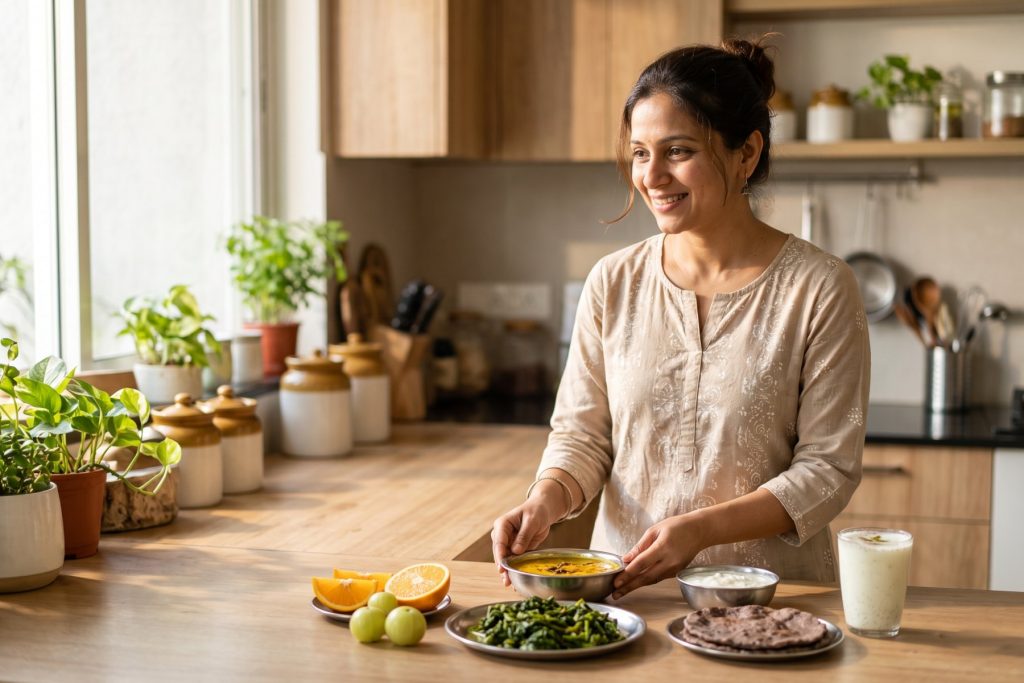
Women’s nutrient needs change across life: with periods, pregnancy, breastfeeding and menopause. In India, some gaps are strikingly common. More than half of women aged 15–49 are anaemic, according to the latest National Family Health Survey, and many women don’t get enough vitamin D, vitamin B12 or calcium.
The good news is that most of these gaps can be closed with everyday Indian foods, with supplements filling in where food alone isn’t enough. Here are the vitamins and minerals that matter most for women, how much you need, where to find them, and when it’s worth talking to your doctor.

At a glance

  • Iron: women need about 29 mg a day, more than men, largely to replace losses from periods. Anaemia affects 57% of Indian women aged 15–49.
  • Folate: 220 µg a day, and a daily folic acid supplement for anyone who could become pregnant, starting before conception.
  • Calcium and vitamin D: 1,000 mg of calcium and 600 IU of vitamin D a day help protect bones, especially around menopause.
  • Vitamin B12: easy to fall short on a vegetarian diet. Milk, curd, paneer and eggs help; some people need a supplement.
  • Iodine: iodised salt is the main source, and needs rise in pregnancy.
  • Food first, test before you supplement: high doses of iron, vitamin A and vitamin D can do harm. Take supplements on medical advice.

The key nutrients for women

The daily amounts below are the Recommended Dietary Allowances (RDAs) for adult women from India’s ICMR–National Institute of Nutrition (2020). They are averages for healthy women; your needs may differ.

1. Iron

Why it matters: iron helps make haemoglobin, which carries oxygen around the body. Women lose iron every month through periods, and need much more during pregnancy. Low iron leads to anaemia, which can cause tiredness, breathlessness, pale skin, poor concentration and lower resistance to infection.

How common is a shortfall? Very. Anaemia affects 57% of Indian women aged 15–49 and 52% of pregnant women, according to NFHS-5 (2019–21).

How much: 29 mg a day for adult women.

Indian food sources: dals, rajma, chana and other pulses; green leafy vegetables such as methi, amaranth (chaulai) and drumstick leaves; garden cress seeds (halim); eggs, chicken, fish and red meat; iron-fortified atta or rice.

Get more from your food: iron from plant foods is less well absorbed than iron from meat and fish. Vitamin C helps: in one study, 100 mg of vitamin C increased iron absorption about four-fold. So add lemon to your dal, or have amla, guava or an orange with meals. Tea and coffee do the opposite, cutting iron absorption by up to 60–80%, so drink them between meals rather than with them.

Not all anaemia is caused by low iron. A study led by ICMR–NIN researchers found that vitamin B12 and folate deficiency, inherited haemoglobin disorders, inflammation and even air pollution also contribute to anaemia in India. Inherited conditions such as thalassaemia trait can look like iron deficiency on a basic blood test but aren’t treated with iron. So if you feel tired or have been told your haemoglobin is low, get properly tested before starting iron tablets on your own.

2. Folate (folic acid)

Why it matters: folate helps make healthy cells, including red blood cells. Before and in early pregnancy, it helps the baby’s brain and spinal cord develop properly and lowers the risk of neural tube defects such as spina bifida. These develop in the first weeks, often before a woman knows she’s pregnant.

How much: 220 µg a day for adult women. Anyone who could become pregnant is advised to take a 400–800 µg folic acid supplement daily, starting at least a month before conception and continuing through the first two to three months of pregnancy. Your doctor may recommend a higher dose in some situations.

Indian food sources: green leafy vegetables, dals and chana, sprouts, beetroot, citrus fruits and fortified cereals.

3. Calcium

Why it matters: calcium builds and maintains bones and teeth. Bones reach their peak density in your 20s and early 30s, and after menopause, falling oestrogen speeds up bone loss: women can lose up to 10% of their bone density in the first five years after menopause.

How much: 1,000 mg a day for adult women. Many Indians get only 300–500 mg a day, so most women need to plan for calcium-rich foods every day.

Indian food sources: milk, curd, buttermilk and paneer; ragi; sesame seeds (til); tofu; small fish eaten with their bones. Green leafy vegetables contain calcium too, but not all of it is absorbed: in one study, people absorbed about 5% of the calcium in spinach, compared with about 28% from milk, because spinach is high in oxalate. Weight-bearing exercise, such as brisk walking, stair climbing and strength training, matters just as much for bones.

4. Vitamin D

Why it matters: vitamin D helps your body absorb calcium and keeps bones and muscles healthy. Long-term low levels can contribute to weak bones (osteomalacia and osteoporosis).

How common is a shortfall? Common, despite plentiful sunshine: indoor lifestyles, covering up and pollution all reduce how much your skin makes. A review of 15 Indian studies estimated that about a third of pregnant women were deficient, though results varied widely between studies.

How much: 600 IU (15 µg) a day for adult women.

Sources: sunlight on your skin is the main source; there’s no single safe amount for everyone, so ask your doctor what suits you. Food sources are limited: egg yolks, oily fish such as salmon, sardines and mackerel, and fortified milk or oil. Many women need a supplement, ideally after a blood test.

5. Vitamin B12

Why it matters: B12 is needed to make red blood cells and keep nerves healthy. A shortfall can cause tiredness, a type of anaemia, tingling or numbness in the hands and feet, and memory or mood changes.

Who’s at risk: B12 comes almost entirely from animal foods, so vegetarians, and especially vegans, are more likely to fall short. A review of studies worldwide found that 17–39% of vegetarian pregnant women were B12-deficient, depending on the trimester. Some long-term medicines, such as metformin for diabetes and certain antacids, can also lower B12 levels.

How much: 2.2 µg a day for adult women.

Sources: milk, curd, buttermilk and paneer; eggs; fish, chicken and meat; B12-fortified foods. Plant foods don’t provide a reliable amount. If you’re vegetarian or vegan and tired all the time, ask your doctor about a B12 test.

6. Iodine

Why it matters: iodine is needed to make thyroid hormones. In pregnancy, deficiency can harm the baby’s brain development and growth and raise the risk of miscarriage and stillbirth, according to India’s National Iodine Deficiency Disorders Control Programme.

How much: 150 µg a day for adult women; needs rise during pregnancy and breastfeeding.

Sources: iodised salt is the main source in India, and selling non-iodised salt for everyday cooking is banned. Rock salt (sendha namak) and many “natural” or sea salts are often not iodised, so if you use them regularly, make sure iodised salt is still your everyday salt. Using iodised salt doesn’t mean using more salt: a small amount is enough. Milk, curd, eggs and seafood also contain some iodine.

7. Other nutrients that matter

These are important too, but most women who eat a varied diet get enough:

Nutrient Daily need (adult women, ICMR–NIN 2020) What it does Good sources
Protein About 0.83 g per kg of body weight (around 46 g for a 55 kg woman) Builds and repairs muscles, bones, skin and hair Dals, chana, rajma, paneer, curd, milk, eggs, fish, chicken, soya
Vitamin A 840 µg Eyesight, especially in dim light; skin; immunity Carrots, pumpkin, sweet potato, papaya, mango, green leafy vegetables, milk, eggs
Magnesium 370 mg Muscle and nerve function, bone health Nuts, seeds, whole grains, millets, pulses, green leafy vegetables
Zinc 13 mg Immunity, wound healing Pulses, nuts, seeds, whole grains, dairy, eggs, meat
Vitamin C 65 mg Wound healing, iron absorption Amla, guava, citrus fruits, tomatoes, capsicum
Vitamin K Varied diet is usually enough Blood clotting, bone health Green leafy vegetables, soybean oil

Vitamin E (nuts, seeds, vegetable oils) and vitamin B6 (pulses, bananas, whole grains) are also needed, but there’s no good evidence that extra amounts “slow ageing” or “boost metabolism”, as is sometimes claimed. For more on plant protein, see our guide to why pulses are good for you.

How needs change through life

Life stage Nutrients to focus on Practical tips
Teens and young women Iron (periods begin), calcium and vitamin D (bones are still building), protein Include dal, leafy greens and dairy daily; get some outdoor activity; don’t skip meals or follow crash diets
Planning a pregnancy Folic acid, iron, iodine, vitamin B12 Start a folic acid supplement at least a month before trying to conceive; ask your doctor about checking haemoglobin and B12
Pregnancy and breastfeeding Folate, iron, iodine, calcium, vitamin B12, protein Take the supplements your doctor or antenatal clinic prescribes; avoid high-dose vitamin A supplements
Menopause and beyond Calcium, vitamin D, vitamin B12, protein Weight-bearing and strength exercise; dairy or other calcium sources daily; ask about a vitamin D and bone health check

Pregnancy needs a closer look

Needs for several nutrients rise sharply in pregnancy. For reference, the US National Institutes of Health sets these daily amounts for pregnancy: iron 27 mg, folate 600 µg, iodine 220 µg and vitamin B12 2.6 µg. These are hard to meet from food alone, which is why India’s antenatal care routinely provides iron and folic acid tablets, and often calcium. Follow the plan your doctor gives you rather than adding extra supplements yourself.

One caution: too much preformed vitamin A (retinol), from high-dose supplements, can harm an unborn baby. Vitamin A from fruit and vegetables (beta-carotene) doesn’t carry this risk. Check any supplement label with your doctor if you’re pregnant or planning to be.

After menopause

As oestrogen falls, bone loss speeds up, so calcium, vitamin D and regular weight-bearing exercise become even more important. Staying active also helps protect muscle, mood and heart health; read more in how exercise impacts mental health.

Food first, supplements when needed

A varied Indian diet, with dals and pulses, whole grains and millets, vegetables and leafy greens, fruit, dairy, nuts and seeds, and eggs, fish or meat if you eat them, covers most needs for most women. Supplements are useful when food isn’t enough or needs are higher, for example:

  • Folic acid if you could become pregnant, and during early pregnancy
  • Iron and folic acid in pregnancy, or if a blood test shows anaemia
  • Vitamin D if a test shows you’re low
  • Vitamin B12 if you’re vegan, eat little dairy, or a test shows you’re low
  • Calcium if you can’t get enough from food, especially after menopause or in pregnancy

Test, don’t guess

Tiredness can have many causes, from anaemia to low B12, thyroid problems, poor sleep or stress. Rather than taking several supplements “just in case”, ask your doctor whether tests such as haemoglobin, ferritin (iron stores), vitamin B12 or vitamin D make sense for you.

More isn’t better

  • Vitamin D: taking large doses of supplements for a long time can raise blood calcium to harmful levels. The Mayo Clinic advises adults not to take more than 4,000 IU a day unless a doctor recommends it.
  • Iron: iron supplements can cause constipation, nausea and stomach upset, and too much iron is harmful. Take iron only if you need it, and keep tablets well out of children’s reach.
  • Vitamin A: high doses of preformed vitamin A are harmful, especially in pregnancy.
  • Timing: calcium can reduce iron absorption, so if you take both, ask your doctor about taking them at different times of day.

When to see a doctor

Speak to a doctor if you have ongoing tiredness, breathlessness or pale skin; very heavy or prolonged periods; tingling or numbness in your hands or feet; or if you’re pregnant, planning a pregnancy, taking regular medicines or living with a long-term condition. Don’t start or stop prescribed supplements without advice.

The bottom line

The nutrients Indian women most often fall short on are iron, folate, vitamin B12, vitamin D, calcium and iodine. A varied diet built around dals, greens, whole grains, dairy and iodised salt goes a long way, and targeted supplements, taken on medical advice, fill the gaps that food can’t, especially before and during pregnancy and after menopause.

Pro Tip: Use the GOQii App to log your meals and spot patterns, such as how often iron-rich foods or dairy make it onto your plate. Your GOQii Personalised Health Coach can help you plan meals that cover these nutrients and work out, with your doctor, whether you need any tests or supplements.

Frequently asked questions

Which vitamins and minerals are most important for women?

Iron, folate, calcium, vitamin D, vitamin B12 and iodine are the nutrients women most often need to pay attention to, especially in India. Needs change with periods, pregnancy, breastfeeding and menopause.

How much iron does a woman need a day?

India’s ICMR–National Institute of Nutrition recommends 29 mg of iron a day for adult women. Needs rise in pregnancy, which is why iron and folic acid tablets are part of routine antenatal care.

What are the signs of iron deficiency in women?

Common signs include tiredness, breathlessness, pale skin, headaches, poor concentration and feeling cold. These can have other causes too, so a blood test is the only way to know for sure.

When should I start taking folic acid?

If you could become pregnant, take a daily folic acid supplement of 400–800 µg, starting at least a month before conception and continuing through the first two to three months of pregnancy. Your doctor may advise a higher dose in some situations.

How can vegetarian women get enough vitamin B12?

Milk, curd, buttermilk, paneer and eggs provide B12, and some foods are fortified with it. Plant foods don’t provide a reliable amount, so vegans and vegetarians who eat little dairy may need a supplement. Ask your doctor about a B12 test if you often feel tired.

How much calcium and vitamin D do women need after 40?

ICMR–NIN recommends 1,000 mg of calcium and 600 IU of vitamin D a day for adult women. Around and after menopause, bone loss speeds up, so getting enough calcium, checking vitamin D levels and doing weight-bearing exercise become even more important.

Should every woman take a multivitamin?

Not necessarily. Most women who eat a varied diet get enough of most nutrients from food. Targeted supplements, such as folic acid before pregnancy, iron for anaemia or vitamin D for deficiency, are more useful than a general multivitamin. Talk to your doctor before starting supplements, especially if you’re pregnant or take regular medicines.

#BeTheForce

Disclaimer: The information provided in this blog is for general awareness and educational purposes only. It is not intended to replace professional medical advice, diagnosis, or treatment. Always consult a qualified healthcare provider for personalised medical guidance or concerns related to your health.

October 24, 2026 By Urvi Gohil Leave a Comment

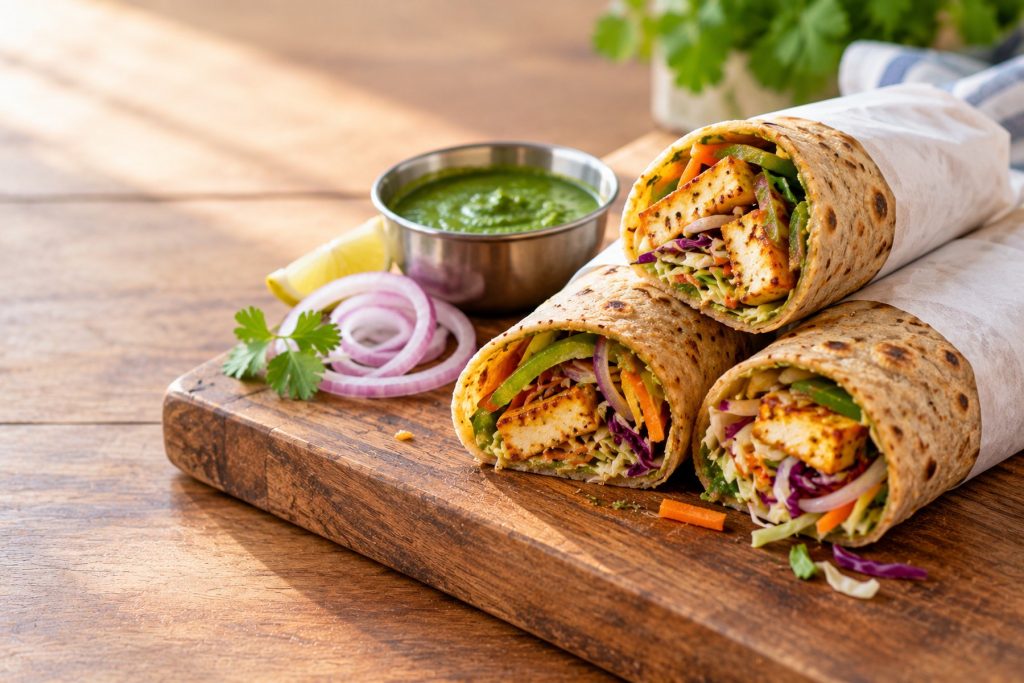
Healthy Eating: Vegetable and Paneer Kathi Roll

The kathi roll started life as Kolkata street food: a flaky, often fried paratha wrapped around skewered fillings. This home version keeps the flavour and the fun, but swaps the paratha for whole wheat chapatis (leftovers work perfectly) and fills them with a colourful mix of vegetables and spiced paneer. It takes about 25 minutes, packs well for lunch, and is the kind of meal both children and adults happily eat.


At a glance

  • Makes: 3 rolls (serves 3 as a light meal, or 2 with a side salad)
  • Time: about 10 minutes to prep and 15 minutes to cook
  • Why it works: whole wheat chapati and vegetables bring fibre; paneer and curd bring protein and calcium.
  • Use up leftovers safely: chapatis that were refrigerated within 2 hours and are a day or two old are ideal. Warm them on a tawa so they fold without cracking.
  • Keep the salt in check: the chutney and chaat masala are already salty, so taste before adding more.
  • Easy swaps: tofu for a dairy-free roll, egg for a classic Kolkata-style roll, or ragi or jowar rotis for a millet twist.

Vegetable and paneer kathi roll recipe

  • Makes: 3 rolls | Prep: 10 minutes | Cook: 15 minutes

    Ingredients

    For the filling

    • 150 g paneer, cut into thin strips or crumbled (about 1 cup)
    • 1 medium onion, thinly sliced (keep a quarter aside, raw, for topping)
    • 1 medium carrot, cut into thin strips
    • 1 medium capsicum, thinly sliced
    • 1 cup shredded cabbage
    • 1 medium tomato, deseeded and sliced
    • 2 tsp oil
    • 1 tsp ginger-garlic paste
    • ½ tsp turmeric (haldi)
    • ½–1 tsp red chilli powder, to taste
    • ½ tsp garam masala
    • 1 tsp roasted cumin (jeera) powder
    • Salt, to taste (go easy: see the tip below)
    • A squeeze of lemon

    For the spread and assembly

    • 3 whole wheat chapatis (leftover or fresh)
    • 3 tbsp mint-coriander chutney
    • 3 tbsp thick curd (hung curd works best)
    • ½ tsp chaat masala

    Method

    1. Make the spread. Mix the chutney and curd in a small bowl. Don’t add salt yet; the chutney usually has enough.
    2. Cook the vegetables. Heat the oil in a wide pan on medium heat. Sauté the ginger-garlic paste for 30 seconds, then add the onion and cook for 2–3 minutes until soft. Add the carrot, capsicum and cabbage and stir-fry for 3–4 minutes, so they soften but keep some crunch.
    3. Add the spices and paneer. Stir in the tomato, turmeric, chilli powder, garam masala and cumin powder. Cook for a minute, then add the paneer and toss gently for 2–3 minutes until heated through. Taste, add a little salt only if needed, and finish with a squeeze of lemon.
    4. Warm the chapatis. Heat each chapati on a hot tawa for 20–30 seconds on each side so it’s soft and pliable.
    5. Spread a third of the chutney-curd mix over each chapati. Spoon a third of the filling in a line slightly off-centre, top with a few raw onion slices and a pinch of chaat masala.
    6. Roll and serve. Fold in the bottom edge, then roll tightly. Wrap the lower half in butter paper or foil to hold it together. Serve warm, with extra chutney or a salad on the side.

What makes this a healthier kathi roll

Whole wheat instead of a fried paratha

Street-style kathi rolls are usually made with a layered paratha cooked in plenty of oil, often with maida. Using a whole wheat chapati keeps the fibre of the whole grain and cuts out most of the added fat, while still giving you a soft, foldable wrap.

A good dose of vegetables

Each roll carries roughly half a cup of cooked vegetables, plus raw onion. Carrots provide beta-carotene, which the body converts to vitamin A; capsicum, tomato and lemon add vitamin C; and cabbage and onion add fibre. Cooking the vegetables only until tender-crisp, and adding raw onion and lemon at the end, helps keep more of the vitamin C, which is sensitive to heat.

Protein from paneer and curd

Paneer is one of the most useful vegetarian protein sources in Indian kitchens, with about 18–20 g of protein per 100 g, based on Indian food composition data. The 150 g in this recipe gives each roll around 9 g of protein from paneer alone, with a little more from the curd and chapati. Protein and fibre together help make a meal more filling than a plain chapati or a vegetable wrap on its own.

Paneer is also a good source of calcium, but full-fat paneer is high in saturated fat, at around 13–15 g per 100 g. That’s no reason to avoid it, but it’s worth keeping the portion moderate and choosing low-fat paneer, made from toned milk, if you’re watching your cholesterol or weight.

Watch the salt

Indians eat on average about 11 g of salt a day, more than twice the WHO limit of 5 g. In this recipe, the chutney, chaat masala and any salt in the filling all add up, so we’ve kept added salt optional. Taste first and add a pinch only if it’s needed.

If you have diabetes

The chapati is the main source of carbohydrate here; the vegetables, paneer and curd around it slow things down and make it a more balanced meal than a roll made with maida or potato filling. One roll with a salad or a bowl of dal is a sensible portion for most people, but needs vary, so check with your doctor or dietitian how it fits your plan.

Swaps and variations

  • Dairy-free: use firm tofu instead of paneer, and a thick plant-based yoghurt or extra chutney instead of curd.
  • Egg kathi roll: cook a thin omelette on the tawa, lay the chapati on top for a few seconds so it sticks, then fill and roll. This is closer to the classic Kolkata egg roll.
  • More plant protein: add a handful of boiled chana, rajma or steamed moong sprouts to the filling. Pulses add both protein and fibre; read more in why pulses are good for you.
  • Millet twist: use ragi or jowar rotis. They’re more fragile, so warm them gently and roll loosely.
  • Extra greens: stir a handful of chopped spinach or methi into the filling at the end.
  • Lighter paneer: use low-fat paneer, or swap half the paneer for crumbled tofu.

Leftover chapatis and lunchboxes: keep it safe

  • Leftover chapatis: cool them and put them in the fridge within 2 hours of cooking, as food safety authorities advise for leftovers, and use them within a day or two, while they’re still soft and fresh. Warm them on a tawa before rolling.
  • For the lunchbox: let the filling cool, then pack it separately from the chapatis and spread, and roll at lunchtime to avoid a soggy wrap. Paneer and curd are perishable, so use an insulated box or an ice pack if the lunch will sit for more than a couple of hours, especially in warm weather. Our meal-prep guide has more ideas for packing healthy lunches.
  • Making ahead: the filling keeps in the fridge for a day. Reheat it until it’s steaming hot all the way through.

Who should take care

  • Milk allergy: paneer and curd are dairy, so use the tofu swap.
  • Young children: cut the roll into smaller pieces and go easy on the chilli.
  • High blood pressure or kidney disease: keep the salt, chaat masala and salty chutney to a minimum, and follow any diet advice from your doctor.
  • Gluten: whole wheat chapatis contain gluten. For coeliac disease, use rotis made from certified gluten-free millet flour.

The bottom line

A kathi roll doesn’t have to be a once-in-a-while street-food treat. Made with whole wheat chapatis, plenty of vegetables, a sensible amount of paneer and a light hand with the salt, it’s a balanced, filling meal that turns yesterday’s chapatis into today’s lunch.

Pro Tip: Use the GOQii App to log your meals and see whether you’re getting enough protein and vegetables across the day. Your GOQii Personalised Health Coach can help you adapt family favourites like this one to your goals, from weight management to blood sugar control.

Frequently asked questions

Is a paneer kathi roll healthy?

It can be. A version made with a whole wheat chapati, plenty of vegetables, a moderate amount of paneer and little added oil and salt is a balanced meal with fibre, protein and calcium. Street-style rolls made with fried, maida-based parathas and heavy sauces are much higher in fat and salt.

How much protein is in a paneer kathi roll?

Paneer has about 18–20 g of protein per 100 g. In this recipe, 150 g of paneer across three rolls gives each roll around 9 g of protein from paneer, plus a little more from the curd and chapati. Adding chana or sprouts to the filling increases it further.

Can I use leftover chapatis?

Yes, leftover chapatis work well. Refrigerate them within 2 hours of cooking, use them within a day or two, and warm them on a tawa before rolling so they’re soft and don’t crack.

Is a kathi roll good for weight loss?

A homemade roll like this one can fit into a weight-loss plan, as fibre and protein help make a meal filling. Keep to one or two rolls, choose low-fat paneer if you like, and go easy on the oil and creamy sauces.

Can people with diabetes eat a kathi roll?

Most people with diabetes can include a roll like this in a balanced meal plan. The chapati is the main carbohydrate, so keep to one roll with a salad or dal, and check with your doctor or dietitian how it fits your plan.

How do I keep a kathi roll from getting soggy in a lunchbox?

Deseed the tomato, let the filling cool completely, and pack the filling, spread and chapatis separately. Roll them just before eating. Use an insulated box or ice pack, as paneer and curd are perishable.

What can I use instead of paneer?

Firm tofu works well for a dairy-free roll. You can also use eggs, boiled chana or rajma, steamed sprouts, or a mix of paneer and tofu.

#BeTheForce

Disclaimer: The information provided in this blog is for general awareness and educational purposes only. It is not intended to replace professional medical advice, diagnosis, or treatment. Always consult a qualified healthcare provider for personalised medical guidance or concerns related to your health.

  • « Previous Page
  • 1
  • …
  • 11
  • 12
  • 13
  • 14
  • 15
  • …
  • 97
  • Next Page »

Search

Recent Posts

  • World AMR Awareness Week 2026: when you need antibiotics, and simple steps to prevent AMR
  • PCOS: diet, exercise and the myths to stop believing
  • Cholesterol numbers explained: LDL, HDL and triglycerides
  • International Men’s Day 2026: why men’s health is everyone’s business
  • World COPD Day 2026: Short of Breath? Think COPD – Why Early Diagnosis Matters

Stay Updated

Archives

  • November 2026 (21)
  • October 2026 (23)
  • September 2026 (5)
  • August 2026 (8)
  • July 2026 (24)
  • June 2026 (22)
  • May 2026 (20)
  • April 2026 (24)
  • March 2026 (18)
  • February 2026 (14)
  • January 2026 (14)
  • December 2025 (19)
  • November 2025 (14)
  • October 2025 (17)
  • September 2025 (6)
  • August 2025 (5)
  • July 2025 (9)
  • June 2025 (18)
  • May 2025 (16)
  • April 2025 (22)
  • March 2025 (25)
  • February 2025 (21)
  • January 2025 (25)
  • December 2024 (21)
  • November 2024 (21)
  • October 2024 (15)
  • September 2024 (22)
  • August 2024 (27)
  • July 2024 (14)
  • June 2024 (23)
  • May 2024 (26)
  • April 2024 (27)
  • March 2024 (27)
  • February 2024 (23)
  • January 2024 (21)
  • December 2023 (14)
  • November 2023 (10)
  • October 2023 (18)
  • September 2023 (20)
  • August 2023 (16)
  • July 2023 (16)
  • June 2023 (21)
  • May 2023 (20)
  • April 2023 (19)
  • March 2023 (23)
  • February 2023 (19)
  • January 2023 (15)
  • December 2022 (11)
  • November 2022 (15)
  • October 2022 (15)
  • September 2022 (12)
  • August 2022 (9)
  • July 2022 (17)
  • June 2022 (11)
  • May 2022 (10)
  • April 2022 (6)
  • March 2022 (6)
  • February 2022 (13)
  • January 2022 (11)
  • December 2021 (7)
  • November 2021 (3)
  • October 2021 (6)
  • September 2021 (3)
  • August 2021 (8)
  • July 2021 (7)
  • June 2021 (15)
  • May 2021 (16)
  • April 2021 (10)
  • March 2021 (7)
  • February 2021 (4)
  • January 2021 (4)
  • December 2020 (3)
  • November 2020 (4)
  • October 2020 (10)
  • September 2020 (3)
  • August 2020 (3)
  • July 2020 (2)
  • June 2020 (4)
  • May 2020 (10)
  • April 2020 (12)
  • March 2020 (10)
  • February 2020 (4)
  • January 2020 (4)
  • December 2019 (3)
  • November 2019 (7)
  • October 2019 (5)
  • September 2019 (4)
  • August 2019 (9)
  • July 2019 (9)
  • June 2019 (11)
  • May 2019 (4)
  • April 2019 (8)
  • March 2019 (8)
  • February 2019 (9)
  • January 2019 (8)
  • December 2018 (9)
  • November 2018 (3)
  • October 2018 (3)
  • September 2018 (5)
  • August 2018 (10)
  • July 2018 (6)
  • June 2018 (13)
  • May 2018 (8)
  • April 2018 (17)
  • March 2018 (9)
  • February 2018 (8)
  • January 2018 (15)
  • December 2017 (12)
  • November 2017 (19)
  • October 2017 (13)
  • September 2017 (15)
  • August 2017 (4)
  • July 2017 (8)
  • June 2017 (7)
  • May 2017 (6)
  • April 2017 (8)
  • March 2017 (6)
  • February 2017 (7)
  • January 2017 (9)
  • December 2016 (10)
  • November 2016 (7)
  • October 2016 (7)
  • September 2016 (7)
  • August 2016 (11)
  • July 2016 (9)
  • June 2016 (9)
  • May 2016 (12)
  • April 2016 (17)
  • March 2016 (17)
  • February 2016 (8)
  • January 2016 (6)
  • December 2015 (2)
  • November 2015 (9)
  • October 2015 (7)
  • September 2015 (9)
  • August 2015 (11)
  • July 2015 (9)
  • June 2015 (11)
  • May 2015 (9)
  • April 2015 (13)
  • March 2015 (8)
  • February 2015 (5)
  • January 2015 (12)
  • December 2014 (14)
  • November 2014 (11)
  • October 2014 (6)
  • September 2014 (13)
  • August 2014 (12)
  • July 2014 (6)
  • June 2014 (2)
  • May 2014 (7)
  • April 2014 (4)

From Burnout to Balance: How Dr. Ranjit Reclaimed His Health

Dr Ranjit Bhatt has spent years tending to others. A practising doctor in Odisha, his days were packed with patients, surgeries, and emergencies. From the outside, it looked like a life lived in service. But on the inside, something wasn’t right. “I had no … [Read More...]

From Shimla’s Slopes to Chandigarh’s Sidewalks: Surinder Kaur Bhalla’s Journey from Chaos to Control

Some journeys start with a plan. Others begin with a stumble literally. Surinder Bhalla, a government professional, born and raised in the scenic hill town of Shimla, had always lived a life of movement. “In Shimla, you walked everywhere,” she reflects. “Walking was never an exercise. It was just life.” But after shifting to Chandigarh, […]

“I’ve Challenged Myself to Live 100 Years” – The Story of Chandubhai Savani’s Second Chance at Life

At 67, most people start slowing down. Not Chandubhai Savani. A resident of Surat, Chandubhai, thought life was on track. “My life was going well till I had my bypass surgery,” he says. That surgery, back in 2021, was a wake-up call.  Medication was routine, but exercise wasn’t. His diet? What he calls ‘normal.’ “I […]

Ananda Mukherjee Health Story

From Terminal Illness To Complete Wellness! Ananda Mukherjee Health Story

As we observe World Cancer Day under the powerful theme ‘United by Unique’ (2025-2027)**, we are reminded that every individual’s journey with cancer is distinct, yet united by shared resilience, hope, and the collective fight against this disease. This theme places people at the centre of care and their stories at the heart of the […]

  • HOME
  • HEALTHY LIVING
  • FITNESS
  • HEALTHY RECIPES
  • USER STORIES
  • KARMA
  • BUY GOQii

Copyright ©2016 GOQii

