GOQii

Blog

  • HOME
  • HEALTHY LIVING
  • FITNESS
  • HEALTHY RECIPES
  • USER STORIES
  • KARMA
  • BUY GOQii

Search Results for: breathing

December 6, 2024 By Dr. Viral Thakkar 3 Comments

MIGRAINE – AN EXPLOSION IN YOUR HEAD

brain-headache-migraine“I don’t want that explosion in my head that my father used to have,” said Ramesh N., an 18-year-old engineering student, during his visit to my clinic. He was distressed by a severe headache that had lasted 5-6 hours, especially with exams around the corner. The throbbing pain made it impossible for him to concentrate.

Headaches are a common reason for visits to physicians, with migraine being the second most common cause of headache globally. Despite its prevalence, migraine often goes unnoticed or misunderstood, especially in childhood and adolescence. Many parents and teachers dismiss it as an excuse to avoid studying or working.

Migraine is a benign, episodic syndrome characterized by headache and accompanying neurological symptoms. A positive family history of migraines is common in those affected.

What Is Migraine?

A migraine attack can last anywhere from 4 to 72 hours. While predicting when an attack will occur is challenging, the pattern of each attack can often be identified. Understanding the stages of a migraine and sharing a detailed history with a doctor can help in diagnosis and treatment, reducing the intensity or frequency of attacks.

Stages of Migraine

Prodormal Phase: This phase includes subtle physical or mental changes like mood swings, thirst, or tiredness. It may last for minutes or hours.

Aura Phase: Neurological symptoms appear during this phase, such as:

    • Visual disturbances (dark spots, colored spots, or zigzag lines)
    • Numbness or weakness
    • Dizziness or vertigo
    • Speech changes or confusion

Attack Phase: The headache begins, often behind the eyes. It is typically severe, throbbing, and unilateral but can sometimes be bilateral. This stage is often accompanied by nausea, vomiting, and sensitivity to light (photophobia) or sound (phonophobia).

Postdromal Phase: After the headache subsides, many experience lingering effects like fatigue or a “hangover” feeling, which can take hours or even days to resolve.

Diagnosing Migraine: A simplified diagnostic criterion includes repeated headaches lasting 4-72 hours with no underlying physical or neurological causes. Migraine symptoms include:

  • Unilateral pain
  • Throbbing sensation
  • Worsening with movement
  • Nausea or vomiting
  • Sensitivity to light and sound

While the exact timing of an episode is unpredictable, lifestyle changes and triggers management can reduce the frequency or severity of attacks.

  1. Identifying and avoiding triggers is one of the most important ways to avoid an attack.
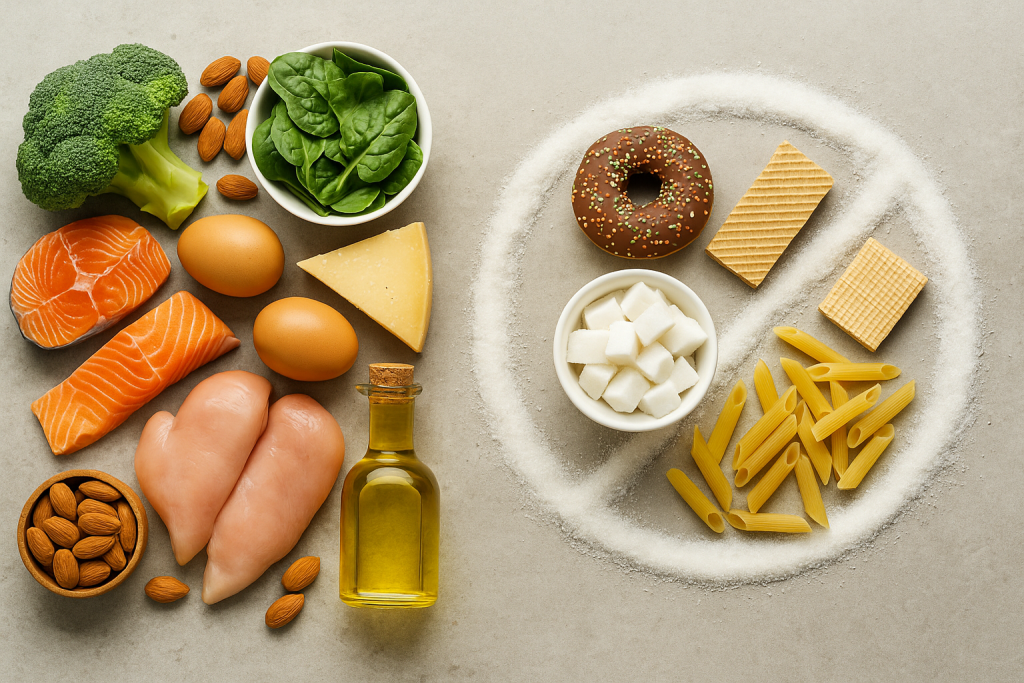
  2. Research shows that foods like nuts, cheese, citrus foods, chocolates, hot and spicy food, fermented, sour foods, alcohol and smoking can trigger a migraine attack.
  3. Untimely meals, irregular sleeping patterns which result in lack of sleep, excessive intake of processed or junk food, overthinking, extended exposure to laptops, mobile phones can all be responsible for triggering an attack.
  4. Increased exposure to direct sunlight is known to cause an attack. If sun exposure cannot be decreased or stopped, one must wear glasses and have to protect oneself. One must also be aware of strong odours and changes in weather.
  5. Being constantly acidic or constipated will always make you prone for repeated attacks.

A lifestyle change with proper sleeping hours, adequate water and the right food intake along with minimum 30minutes exercise will cause wonders in the management of Migraine.

  1. Certain yoga postures are extremely beneficial for migraine. Some of these are moon salutation, boat pose, bow pose (dhanurasan), spinal twist (matsyendrassana), tree pose and standing on toes.
  2. Meditation puts your mind at ease and reduces stress levels which brings a balance in one’s being.
  3. Pranayam (breathing exercises) has a long term impact in maintaining good health.
  4. 5 drops of brahmi ghee in each nostrils sometimes helps relieve the pain.
  5. During an attack it is best that you confine yourself to a closed dark room to avoid any loud sounds and excess light.
  6. You can also try tying a scarf or dupatta around your head if the pain is too much. Place some eye cubes wrapped in a towel on your eyes.
  7. Medicines are available to halt the progression of aura to a full-blown attack or to manage pain during the headache phase. However, always seek a doctor’s advice before taking any medication.

Migraines often improve over time, with many experiencing reduced severity and frequency after early adulthood. Adopting a healthy lifestyle can bring long-term benefits, making migraine episodes less frequent and more manageable.

If this article helped you understand migraines better, share your thoughts in the comments below! For further information or guidance, reach out to our certified experts by subscribing to GOQii’s Personalised Health Coaching here.

#BeTheForce

November 29, 2024 By Mubasheera Chaiwala Leave a Comment

Stress and You: A Comprehensive Guide to Managing Life’s Challenges-Part-1

India is still stressedPicture yourself about to deliver a crucial presentation at work. Standing before your colleagues, you feel your heart racing, your hands slightly sweaty, and your mind zeroing in on every word you’re about to say. That surge you feel? It’s stress at work—a natural response gearing you up to perform at your best. In this moment, stress isn’t a barrier; it’s a boost, keeping you sharp, focused, and ready to engage.

Stress plays a crucial role in many areas of our lives, whether it’s the drive to excel in an exam, perform well in a major game, or stay alert in a risky situation. However, like a double-edged sword, while stress can provide a helpful boost, excessive stress can start to hold us back. By understanding what stress is and how it impacts us, we can learn to harness it when it’s useful and manage it when it starts to feel overwhelming.

Let us understand what is Stress?

Stress is the body’s natural reaction to any demand or threat. When we sense danger—whether it’s real or perceived—the body triggers an automatic “stress response” designed to protect us, keeping us focused, energized, and alert. In emergencies, stress can even be life-saving, providing extra strength and heightened awareness to face the challenge.

However, stress isn’t always a negative force. It can serve as a motivator, helping us rise to challenges. For example, stress can keep us sharp during a work presentation, boost our focus in a game, or push us to study for an exam rather than indulge in distractions. In this way, stress can empower us to exceed our limits and achieve our goals. But when stress becomes chronic, it can start to affect our health, making it essential to manage it well.

What happens when you’re stressed?

When you experience stress, your nervous system releases a surge of stress hormones, including adrenaline and cortisol, priming your body for action. Your heart beats faster, muscles tense, blood pressure rises, breathing quickens, and your senses sharpen. However, after a certain point, stress ceases to be helpful and can begin to harm your health, mood, productivity, relationships, and overall quality of life.

Common symptoms of stress-

Cognitive symptoms

  1. Memory problems- Inability to concentrate
  2. Constant worrying
  3. Mood swings, irritability, anger

Physical symptoms                                                                              

  1. Chest pain, rapid heart rate
  2. Frequent colds or flu
  3. Aches and pains
  4. Dark circles, skin pigmentation

Behavioral symptoms

  1. Eating more or less
  2. Sleeping too much or too little
  1. Withdrawing from others
  2. Procrastinating or neglecting responsibilities
  3. consuming alcohol, smoking, or drugs to relax, Nervous habits (e.g. nail biting)

Health Problems Related to Stress:

Diabetes

Stress can worsen diabetes in two ways. Hormones like cortisol, cortisone, and hydrocortisone play a major role in the body’s response to stress. Under the influence of cortisol, blood sugar levels are maintained and can even rise during stressful times. These hormones are responsible for converting glycogen into glucose. Any type of stress increases cortisol levels in the blood. Additionally, stress raises the likelihood of unhealthy behaviours, such as poor eating habits and excessive drinking.

Hypertension and Heart Disease

People who are stressed have a higher risk of high blood pressure and heart problems. Stress can directly increase heart rate and blood flow, causing the release of cholesterol and triglycerides into the bloodstream. It’s also possible that stress is linked to other issues—like an increased likelihood of smoking or obesity—that indirectly elevate heart risks.

Things to do to effectively manage stress:

  1. Eat a well-balanced diet, food rich in important vitamins and minerals that help in managing stress (we will discuss the food helping in managing stress in PART 2)
  2. Yoga is a popular physical and mental health enhancer
  3. Exercise can be a great stress reliever. It changes one’s outlook and the day will seem far less tense.
  4. Massage is a form of enforced physical relaxation and mental relaxation to reduce stress.
  5. Being assertive. Assertive people tend to have less conflicts, and are understanding.
  6. Cultivate the power of patience, it will do you a lot of good.
  7. Keep yourself occupied so that your mind doesn’t think of those matter that hurt you. (example if watching news that make you sad .. try not to watch it and watch something funny and light.).
  8. Read books that motivate you.
  9. Try doing things that make you happy. For instance playing your favourite sport, going on a long drive, hanging out with friends or calling them home.

This concludes Part 1 of our comprehensive guide to stress management. We hope this article provided valuable insights into understanding and managing stress effectively. Stay tuned for Part 2, where we’ll delve into the role of nutrition and advanced strategies in stress management.

For more informative articles on health and well-being, explore Healthy Reads. For further guidance on managing stress and lifestyle, speak to a certified expert by subscribing to GOQii’s Personalised Health Coaching here.

#BeTheForce

Disclaimer: The information provided in this blog is for general awareness and educational purposes only. It is not intended to replace professional medical advice, diagnosis, or treatment. Always consult a qualified healthcare provider for personalised medical guidance or concerns related to your health.

October 29, 2024 By Shazia Sadruddin Leave a Comment

How a Healthy Lifestyle Can Reduce Your Stroke Risk: The Importance of Exercise, Diet, and Stress Management

stroke

Imagine waking up one morning and feeling a sudden numbness or weakness on one side of your body. Your speech is slurred, and you have trouble understanding others. These are all classic symptoms of a stroke, a medical emergency that can have devastating consequences.

A stroke occurs when a blood vessel that delivers oxygen and nutrients to the brain is either blocked or ruptured. However, the risk of stroke can be greatly reduced through lifestyle changes. By controlling your blood pressure and embracing healthy habits—such as a balanced diet, regular exercise, and effective stress management—you can significantly lower the chances of stroke, disability, or even death. Let’s explore how these changes can enhance your overall well-being.

Keep Moving: The Importance of Exercise

Physical activity is crucial for preventing strokes. It helps improve blood vessel function and tackles several risk factors directly.

 Why Exercise Matters:

  • Manage Risk Factors: Regular exercise can help control conditions like high blood pressure, high cholesterol, diabetes, and obesity. It also reduces the likelihood of binge drinking and smoking.
  • Boost Heart Health: Both moderate and high-intensity workouts can increase levels of good cholesterol (HDL-C), which is beneficial for your heart.

How to Get Started: Aim for at least 30 minutes of moderate exercise three to five times a week. If you’re short on time, try fitting in 10-minute bursts of activity throughout your day, like during breaks between meetings.

Feed Your Body: The Role of Diet

A healthy diet can help control many stroke risk factors, including high inflammation and diabetes. 

What to Include:

  • Fruits and Vegetables: Aim for 4 to 5 servings a day to support heart health and maintain a healthy weight.
  • Omega-3 Fatty Acids: Include flaxseeds, walnuts, or chia seeds, or eat two to three servings of oily fish weekly, like salmon or herring.
  • Fiber-Rich Whole Grains: These provide essential nutrients and fiber that are good for your heart.

What to Avoid:

  • High Sodium: Too much salt can lead to high blood pressure, increasing stroke risk.
  • No Smoking: Quit smoking and avoid secondhand smoke, which can damage your arteries.
  • Alcohol: It is advisable to limit/avoid alcohol

Discover Your Zen: Managing Stress

Stress is a significant factor that can increase stroke risk, both in the short and long term. The good news is that there are effective ways to manage stress.

Mindfulness Matters: Being present and engaged in your surroundings can enhance your mental well-being and reduce stress.

Breathing Techniques:

Deep Breathing: Find a comfortable position, inhale deeply through your nose, hold for a count of five, and then exhale slowly through your nose. Repeat this 3-5 times to calm your mind.

  • Progressive Muscle Relaxation: Tense and then relax each muscle group in your body, beginning with your toes and gradually moving up to your head. This method can aid in releasing tension and fostering a sense of relaxation.
  • Building a Support System
    Creating a strong network of relationships can provide emotional support and help you manage stress more effectively. Surrounding yourself with friends and family who encourage healthy habits can make a significant difference in your lifestyle choices.

Thus, incorporating regular exercise, a balanced diet, and effective stress management into your daily routine can play a crucial role in reducing the risk of stroke. Even small, consistent changes can lead to significant improvements in your overall health. Make your well-being a priority and don’t hesitate to seek support from those around you. Remember, your health is always worth the effort!

If these tips helped, let us know in the comments! For further information or guidance, reach out to our certified experts by subscribing to GOQii’s Personalised Health Coaching here.

#BeTheForce

Disclaimer: The information provided in this blog is for general awareness and educational purposes only. It is not intended to replace professional medical advice, diagnosis, or treatment. Always consult a qualified healthcare provider for personalised medical guidance or concerns related to your health.

October 25, 2024 By Parwage Alam 3 Comments

10 Ways To Eliminate Bad Habits & Embrace Good Ones This Diwali

eliminate bad habits this DiwaliIt’s that month of the year when festivities start. We have just finished with Dusshera, an important Hindu festival, and now we are gearing ourselves for the Festival of Lights. Deepawali is celebrated on the occasion of gaining success over the bad (Ravana) and the returning of goodness. Bad Qualities could be the 10 heads of Ravana namely:

  1. Kama vasana (Lust)
  2. Krodha (Anger)
  3. Moha (Attachment)
  4. Lobha (Greed)
  5. Mada (Pride)
  6. Matsara (Jealousy)
  7. Swartha (Selfishness)
  8. Anyaaya (Injustice)
  9. Amanavta (Cruelty)
  10. Ahankara (Ego)

If we can eliminate the above bad qualities within ourselves, then we, in all likelihood, would end up being better human beings. Today, we have modern day demons in our life, which are making it unhealthy and lead us towards a bad and shorter life. This Diwali, let’s get rid of the modern day and olden days demons together!

10 Modern Day Bad Habits We Need To Eliminate This Diwali 

1. Smoking
I do not think I need to explain what smoking is? Smoking is responsible for several diseases, such as cancer, long-term (chronic) respiratory diseases, and heart disease, as well as premature death. You can read how smoking affects your health in the following articles:

  • Smoking is Injurious to health – http://goqii.com/blog/caution-smoking-is-injurious-to-health/
  • Effects of Smoking on your Muscles – http://goqii.com/blog/effects-of-smoking-on-your-muscles/

2. Alcohol and drugs
Today, most of us are used to late night parties-  be it an office party, a birthday party, a marriage anniversary or the likes. One of the most common beverage in parties is ALCOHOL! In any celebration, you’ll find a number of alcoholic beverages that flow like water and we tend to consume them without much thought. This leads to a number of health complications. These complications have been talked about at length in this article on the Effects of Alcohol on your Health.

3. Stress
Stress is one of the most understated evils of our time hiding under the veils of office work, relationships and other everyday affairs. You can name any lifestyle diseases and one of the reasons behind it, in most cases, is stress. Stress can also lead to weight gain! Keeping stress under control will not only help you stay calm and relaxed but also helps you keep your weight under control and lifestyle diseases at bay! So manage your stress well!

4. Unhealthy Eating Habits
We are well aware that we need to form good eating habits to stay healthy but do we really follow them? Its only after we have put on excess weight that we try to manage our diet or follow some sort of diet plan to reduce weight. Instead of doing that, isn’t it better to eat healthy before things go wrong? While you’re forming healthy eating habits, make sure that you are also aware of the habits that are destroying your health and correct them.

5. Laziness
There is no dearth of excuses to avoid exercises and make ourselves lazy. One does not realize that laziness leads us to a sedentary lifestyle and eventually to a shorter life. You don’t even need to do any strenuous exercises or hit the gym daily. Just basic walking, taking the elevator instead of stairs and moving as much as you can will help you stay healthy. The core idea is to keep yourself active and off the couch. If you still think you’re bogged down by chores and do not have time, you can turn your daily chores into workouts!

6. Denial (about our health – physical or mental)
Another dangerous demon is denial. People will go to any extent to not find out about their health. Most are generally ok not getting a health check up done. This can be quite dangerous. Getting regular health check-ups is imperative because many health conditions can be resolved if detected early.

7. Sleep
For a better health, you need sound sleep of about 6 to 8 hours. If you spend the whole night finishing your pending tasks or binge watching a show, then you are certainly walking into a health hazard waiting to happen. There are too many health related irregularities which are caused by lack of sleep. But, if you have a proper sleep, you can get rid of all your issues. If you find it difficult to fall asleep, try these breathing techniques or follow these tips for better sleep.

8. Environment
While celebrating Diwali, we all try to burst crackers that pollute the environment. If you breathe in such an environment, it will only affect your health. After Diwali, the pollution still persists and can affect the heart and brain. People with existing heart or lung diseases such as asthma, chronic obstructive pulmonary disease, congestive heart disease, or ischemic heart disease are at increased risk of admission to hospitals based on the severity of an already existing problem. Given these issues, it would be nice if we use eco friendly ways of celebrating Diwali.

9. Sweets and Immunity
Most sweets contain refined sugar, which directly impacts our immunity. Sweets are quite pleasurable to eat, but eating too many can negatively impact your health. Sweets often lack beneficial nutrients and are full of detrimental ones, including saturated fat, sugars and artificial sugars. Excessive sweet consumption can increase the risk of Diabetes, Crohn’s Disease and lead to tooth decay. Additionally, it can also reduce HDL cholesterol and bone strength. While you might not be able to avoid sweets, eat them in moderation and be smart about it!

10. Unsafe Sex
And the last demon on our list is unsafe sex! We are a nation that’s very uncomfortable talking about sex and this has led to the state where a lot of people are ignorant about safe sex. Unsafe sex can lead to Sexual Transmitted Diseases like HIV/AIDS or unwanted pregnancies. Always remember that you must use a condom. If you don’t have one at that particular time, use other forms of contraceptives, but remember that other forms of contraceptives do not guard against STDs. Prevention is better than cure!

So we hope you take stock of these modern day demons and eliminate bad habits this Diwali! If you need help conquering these demons, you can always find an ally in our team of experts waiting to guide and motivate you to live a healthier lifestyle. You can start by subscribing for Personalised Health Coaching here.

Wish you all a happy, healthy and safe Diwali!

#BeTheForce

  • « Previous Page
  • 1
  • …
  • 15
  • 16
  • 17
  • 18
  • 19
  • …
  • 57
  • Next Page »

Search

Recent Posts

  • Top 10 Foods For Diabetics: What to Eat to Manage Blood Sugar
  • Why Good Nutrition Before Conception Is Crucial For Your Baby’s Health
  • 6 Tricks To Help You Make Exercise A Habit
  • World Parkinson’s Day 2026: Bridging the Care Gap & Supporting Caregivers
  • Inflammation: The Hidden Fire Behind Most Chronic Disease

Stay Updated

Archives

  • April 2026 (11)
  • March 2026 (18)
  • February 2026 (14)
  • January 2026 (14)
  • December 2025 (19)
  • November 2025 (15)
  • October 2025 (20)
  • September 2025 (6)
  • August 2025 (6)
  • July 2025 (12)
  • June 2025 (18)
  • May 2025 (16)
  • April 2025 (22)
  • March 2025 (28)
  • February 2025 (22)
  • January 2025 (25)
  • December 2024 (22)
  • November 2024 (23)
  • October 2024 (21)
  • September 2024 (23)
  • August 2024 (30)
  • July 2024 (21)
  • June 2024 (25)
  • May 2024 (30)
  • April 2024 (27)
  • March 2024 (27)
  • February 2024 (24)
  • January 2024 (21)
  • December 2023 (14)
  • November 2023 (11)
  • October 2023 (19)
  • September 2023 (22)
  • August 2023 (18)
  • July 2023 (22)
  • June 2023 (23)
  • May 2023 (24)
  • April 2023 (22)
  • March 2023 (23)
  • February 2023 (19)
  • January 2023 (15)
  • December 2022 (11)
  • November 2022 (15)
  • October 2022 (15)
  • September 2022 (12)
  • August 2022 (10)
  • July 2022 (17)
  • June 2022 (11)
  • May 2022 (10)
  • April 2022 (6)
  • March 2022 (6)
  • February 2022 (13)
  • January 2022 (11)
  • December 2021 (7)
  • November 2021 (3)
  • October 2021 (6)
  • September 2021 (3)
  • August 2021 (8)
  • July 2021 (7)
  • June 2021 (15)
  • May 2021 (16)
  • April 2021 (10)
  • March 2021 (7)
  • February 2021 (4)
  • January 2021 (4)
  • December 2020 (3)
  • November 2020 (4)
  • October 2020 (10)
  • September 2020 (3)
  • August 2020 (3)
  • July 2020 (2)
  • June 2020 (4)
  • May 2020 (10)
  • April 2020 (12)
  • March 2020 (10)
  • February 2020 (4)
  • January 2020 (4)
  • December 2019 (3)
  • November 2019 (7)
  • October 2019 (5)
  • September 2019 (4)
  • August 2019 (9)
  • July 2019 (9)
  • June 2019 (11)
  • May 2019 (4)
  • April 2019 (8)
  • March 2019 (8)
  • February 2019 (9)
  • January 2019 (8)
  • December 2018 (9)
  • November 2018 (3)
  • October 2018 (3)
  • September 2018 (5)
  • August 2018 (10)
  • July 2018 (6)
  • June 2018 (13)
  • May 2018 (8)
  • April 2018 (18)
  • March 2018 (9)
  • February 2018 (8)
  • January 2018 (15)
  • December 2017 (12)
  • November 2017 (19)
  • October 2017 (13)
  • September 2017 (15)
  • August 2017 (4)
  • July 2017 (8)
  • June 2017 (7)
  • May 2017 (6)
  • April 2017 (8)
  • March 2017 (6)
  • February 2017 (7)
  • January 2017 (9)
  • December 2016 (10)
  • November 2016 (7)
  • October 2016 (7)
  • September 2016 (7)
  • August 2016 (11)
  • July 2016 (9)
  • June 2016 (9)
  • May 2016 (12)
  • April 2016 (17)
  • March 2016 (17)
  • February 2016 (8)
  • January 2016 (6)
  • December 2015 (2)
  • November 2015 (9)
  • October 2015 (7)
  • September 2015 (9)
  • August 2015 (11)
  • July 2015 (9)
  • June 2015 (11)
  • May 2015 (9)
  • April 2015 (13)
  • March 2015 (8)
  • February 2015 (5)
  • January 2015 (12)
  • December 2014 (14)
  • November 2014 (11)
  • October 2014 (6)
  • September 2014 (13)
  • August 2014 (12)
  • July 2014 (6)
  • June 2014 (2)
  • May 2014 (7)
  • April 2014 (4)

From “Laddu Nawin” to Fit and Fierce: How a 25-Year-Old Insurance Advisor Shed 20 Kilos and Gained His Life Back

When 25-year-old Nawin Yadav from Hyderabad walked into his office every morning, he carried more than just his files and policy papers. He had the weight of fatigue, sluggish energy, and an ever-growing belly that was becoming the butt of jokes. “People … [Read More...]

“I’ve Challenged Myself to Live 100 Years” – The Story of Chandubhai Savani’s Second Chance at Life

At 67, most people start slowing down. Not Chandubhai Savani. A resident of Surat, Chandubhai, thought life was on track. “My life was going well till I had my bypass surgery,” he says. That surgery, back in 2021, was a wake-up call.  Medication was routine, but exercise wasn’t. His diet? What he calls ‘normal.’ “I […]

From Shimla’s Slopes to Chandigarh’s Sidewalks: Surinder Kaur Bhalla’s Journey from Chaos to Control

Some journeys start with a plan. Others begin with a stumble literally. Surinder Bhalla, a government professional, born and raised in the scenic hill town of Shimla, had always lived a life of movement. “In Shimla, you walked everywhere,” she reflects. “Walking was never an exercise. It was just life.” But after shifting to Chandigarh, […]

Ananda Mukherjee Health Story

From Terminal Illness To Complete Wellness! Ananda Mukherjee Health Story

As we observe World Cancer Day under the powerful theme ‘United by Unique’ (2025-2027)**, we are reminded that every individual’s journey with cancer is distinct, yet united by shared resilience, hope, and the collective fight against this disease. This theme places people at the centre of care and their stories at the heart of the […]

  • HOME
  • HEALTHY LIVING
  • FITNESS
  • HEALTHY RECIPES
  • USER STORIES
  • KARMA
  • BUY GOQii

Copyright ©2016 GOQii