GOQii

Blog

  • HOME
  • HEALTHY LIVING
  • FITNESS
  • HEALTHY RECIPES
  • USER STORIES
  • KARMA
  • BUY GOQii

Search Results for: soup

July 2, 2026 By Shaeba Shaikh 1 Comment

5 Foods You Should Avoid Eating During Monsoons

5 Foods You Shouldn't Eat During MonsoonsThe Big Question: Why do our favorite rainy-day comfort foods often act as the primary triggers for severe stomach infections and metabolic sluggishness?

The arrival of the monsoon brings much-needed relief from the intense summer heat. It’s the season of cool breezes, steaming cups of tea, and our favorite comfort foods. But while the rainy season refreshes the environment, it also creates conditions that allow bacteria, viruses, and fungi to thrive. Higher humidity, fluctuating temperatures, and increased moisture make food spoil faster and drastically raise the risk of foodborne illnesses. During this time, your digestive system may also become more sensitive, making food hygiene and smart eating choices more important than ever.

The good news? You don’t have to give up enjoying the monsoon—you simply need to make safer food choices that protect your gut health.

Why Food Choices Matter During the Monsoon

The rainy season often brings a noticeable increase in stomach infections, food poisoning, diarrhea, typhoid, and other waterborne illnesses.

This happens because:

  • Microbial Proliferation: High atmospheric moisture and dampness encourage the rapid growth of bacteria and fungi.
  • Rapid Spoilage: Cooked and raw foods spoil much more quickly in humid weather.
  • Vulnerable Water Supplies: Local drinking water sources face a higher risk of cross-contamination from rainwater runoff.
  • Gastrointestinal Slowdown: Environmental shifts can naturally lower your baseline digestive efficiency, reducing the secretion of essential stomach enzymes.

Choosing freshly prepared, hygienic meals can go a long way in protecting your digestive health and supporting your immune system.

5 Specific Foods to Restrict (And Their Healthy Alternatives)

  1. Deep-Fried Foods

Nothing feels more comforting than hot pakodas, samosas, bhajiyas, or fries while it’s raining outside. However, because your metabolic rate naturally slows down during the monsoon, heavy trans-fats and deeply saturated oils take an exceptionally long time to break down and digest. Eating fried foods frequently can lead to bloating, severe acidity, and uncomfortable indigestion.

  • The Destructive Autopilot Loop: Heavy Fried Fats à Stalled Gastric Emptying à Gastrointestinal Sluggishness à Low Energy.
  • The Mindful Alternative Loop: Roasted or Air-Fried Starches à Smooth Digestion à Balanced Glucose àLight & Active Feeling.
  • Better Choices: Roasted makhana (foxnuts), roasted chana (chickpeas), baked sweet potato wedges, air-fried snacks, or homemade vegetable cutlets cooked with minimal oil.
  1. Open-Air Street Food

Pani puri, bhel puri, dahi puri, chaats, and roadside snacks become even more tempting during the rains. Unfortunately, open-air food stalls are highly exposed to airborne dust, flies, and humid ambient temperatures.

More importantly, the water used to construct the savory mint liquids in pani puri can easily become contaminated with waterborne bacterial spores due to monsoon pipe leaks. This contamination is a primary cause of seasonal dysentery, typhoid, and jaundice.

  • Better Choices: Try making your favorite chaat at home using filtered, boiled water and fresh ingredients. Other safe options include hot, home-cooked soups, freshly prepared hot snacks, and roasted corn on the cob.
  1. Raw Leafy Greens

Leafy vegetables like spinach, lettuce, cabbage, and coriander are packed with dietary fiber, magnesium, and essential vitamins. However, during the monsoon, their intricate folds, damp surfaces, and proximity to moist soil make them a major breeding ground for bacteria, parasites, and fungi that thrive in humid weather. Consuming them raw in salads significantly increases the risk of food poisoning.

  • Better Choices: Do not avoid these nutritious greens entirely—simply focus on proper cleaning and cooking. Wash them thoroughly under running water, soak them in clean water with a pinch of salt for 10 minutes, and choose steamed, blanched, or thoroughly cooked leafy vegetables instead of raw salads.
  1. Cut Fruits Left in the Open

Fresh fruits are an important part of a healthy diet, providing vital Vitamin C and antioxidants. However, fruits that are pre-cut and left exposed on street stalls or kitchen counters can become contaminated quickly, especially in humid weather. The longer fruit slices remain uncovered, the faster airborne bacteria multiply on their sugary surfaces.

  • Better Choices: Buy whole fruits instead. Wash the outer skin thoroughly under running water and cut your fruits immediately before eating. If you have leftovers, store the freshly cut fruits in a sealed container inside the refrigerator right away.
  1. Poorly Stored Seafood

Fish and seafood are excellent sources of lean protein and healthy fats, but freshness is extremely important during this season. The monsoon marks the primary breeding period for most marine life, meaning fresh catch is limited.

Furthermore, water quality fluctuates wildly due to heavy rain runoff, increasing the risk that wild-caught seafood may carry waterborne bacteria. Improper storage and handling at this time can quickly trigger acute gastroenteritis.

  • Better Choices: If you choose to consume seafood, ensure it is sourced from reliable suppliers and cooked thoroughly. Alternatively, fulfill your protein goals with easily digestible, home-cooked staples such as organic eggs, paneer, tofu, sprouts, or mixed lentils and dals.

The Monsoon Food Safety Quick-Reference

Food Item to Limit The Primary Biological Risk The Safe, Healthy Alternative
Deep-Fried Pakodas Causes long digestive delays and extreme lethargy. Roasted chana, foxnuts, or oil-free baked crisps.
Street Pani Puri High vulnerability to contaminated, waterborne bacteria. Homemade chaat using boiled ingredients and filtered water.
Raw Leafy Salads Harbors hidden bacterial spores and micro-parasites. Thoroughly blanched, steamed, or fully cooked greens.
Exposed Cut Fruits Accelerates bacterial growth on sugary surfaces. Whole seasonal fruits washed and cut right before eating.

Foods That Are Great During the Monsoon

Instead of focusing only on what to avoid, fill your plate with nourishing choices that support your digestion and overall well-being:

  • Warm Soups: Lentil, tomato, or chicken soups comfort the throat and digest easily.
  • Therapeutic Spices: Include ginger, garlic, turmeric, and black pepper in your meals to stimulate digestive enzymes.
  • Probiotic Support: Fresh curd or unsweetened yogurt (if well-tolerated) introduces beneficial bacteria to reinforce your gut lining.
  • Herbal Infusions: Hot ginger or tulsi (Holy Basil) tea helps clear out early respiratory congestion.
  • Whole Grains: Oats, millets, and brown rice provide steady, long-lasting daytime energy.

Simple Monsoon Food Safety Tips

Good food choices go hand in hand with consistent daily hygiene habits. Keep these precautions in mind to protect your family:

✔ Wash your hands thoroughly with soap before preparing or eating food.

✔ Drink strictly filtered, boiled, or safe bottled drinking water.

✔ Focus on eating freshly cooked, steaming-hot meals whenever possible.

✔ Refrigerate leftovers promptly in airtight containers to avoid spoilage.

✔ Avoid food items that have been left uncovered or exposed to flies.

The monsoon is a wonderful, refreshing season—but it also demands a little extra care when it comes to your plate. Choosing freshly prepared meals, practicing rigorous food hygiene, and limiting foods that spoil easily can completely protect you from seasonal stomach infections and digestive discomfort. Healthy eating isn’t about avoiding everything you love. It’s about making smarter, mindful choices that allow you to enjoy the rains while keeping your body strong and resilient!

Pro Tip: Managing your seasonal nutrition targets is effortless when you track your choices consistently. Use the GOQii App to log your daily meals, monitor your pure water intake, and record your sleep patterns. You can seamlessly share this information with your GOQii Personalised Health Coach to receive customized monsoon meal plans, immune-boosting recipes, and expert guidance built to support your unique wellness goals!

Frequently Asked Questions (FAQs)

  1. Why do stomach infections become more common during the monsoon?

Stomach infections spike during the monsoon because the high atmospheric humidity and warm moisture create the perfect environment for bacteria, viruses, and fungi to multiply rapidly. When these pathogens contaminate our food or water supplies, they easily bypass our naturally slowed seasonal digestion, resulting in higher rates of gastroenteritis.

  1. Can I safely eat street food during the rainy season?

It is highly recommended to avoid street food during the rainy season. Open stalls are vulnerable to airborne dust, flies, and contaminated water systems. If you find yourself craving tangy chaats, preparing them cleanly at home with boiled ingredients and filtered water is a much safer option.

  1. Should I completely stop eating leafy vegetables during the monsoon?

No, you do not need to eliminate them. Leafy greens are highly nutritious. However, you must change how you prepare them: avoid raw salads entirely. Ensure you wash the leaves thoroughly under running water, soak them in salt water to loosen hidden pests, and steam or cook them completely before eating.

  1. Which foods are best for supporting digestion during the rainy season?

Foods that are warm, light, and easy to break down are ideal. Focus on freshly cooked vegetables, whole grains like millets or oats, warm lentil soups, anti-inflammatory spices (ginger, turmeric, black pepper), and probiotic-rich fresh curd to support your gut flora.

#BeTheForce

Disclaimer: This article is intended for educational and informational purposes only. It is not intended to replace professional medical advice, clinical diagnosis, or personalized dietary treatment. Always consult your primary care physician or a registered dietitian before making major changes to your eating habits, especially if you manage an underlying gastrointestinal condition or chronic metabolic disorder.

June 7, 2026 By GOQii Leave a Comment

Unmasking the Label: What Hidden Additives May Be Doing to Your Gut

The Big Question: How do highly processed foods and hidden additives affect long-term gut health?

The World Food Safety Day 2026 theme, “From burden to solutions – safe food everywhere,” encourages us to think beyond bacterial food contamination and consider the overall biological quality of the food we eat. While food additives help improve texture, shelf life, and consistency, research suggests that certain chemicals commonly found in ultra-processed foods negatively influence gut health, gut barrier function, and the balance of beneficial bacteria in our digestive system. Understanding food labels and choosing minimally processed foods is the ultimate solution to support long-term digestive health and healthy weight management.

Observed globally on June 7th, World Food Safety Day is led by the World Health Organization (WHO) and the Food and Agriculture Organization (FAO) to raise awareness about safe food practices.

Traditionally, food safety has focused on preventing food-borne illnesses, bacterial contamination, and improper food handling. These remain incredibly important concerns. However, modern food environments present another massive challenge: understanding what is actually inside the packaged foods we consume every day.

Many products aggressively marketed as “high protein,” “low fat,” “vegan,” “gluten-free,” or simply “healthy” often contain long ingredient lists filled with stabilisers, emulsifiers, sweeteners, preservatives, and flavour enhancers. While this doesn’t automatically make them acutely toxic, it does raise an important biological question regarding how these ultra-processed foods affect our cellular health over decades.

Safe Food Isn’t Just About What You Avoid

Food safety isn’t only about avoiding spoiled or expired food. It is also about proactively choosing foods that support long-term health and wellbeing.

One of the most useful habits you can build is learning to look beyond the slick marketing claims on the front of a package and paying strict attention to the ingredient list on the back. The shorter and more recognisable the ingredient list, the easier it is to understand exactly what you are putting into your body.

Why Reading the Ingredient List Matters

Food manufacturers use various additives to improve texture, appearance, shelf life, and consistency. Some commonly used chemical ingredients include:

  • Polysorbate 80
  • Carboxymethylcellulose (CMC)
  • Carrageenan
  • Xanthan Gum & Guar Gum
  • Maltodextrin

Many of these ingredients have been approved for use within regulatory guidelines. However, researchers continue to study how frequent consumption of certain additives may affect the human microbiome, particularly when they are consumed regularly through highly processed diets. The concern is often not a single ingredient in isolation, but rather the cumulative, compounding effect of consuming large amounts of ultra-processed foods day after day.

Ultra-Processed Foods and Gut Health

Ultra-processed foods (UPFs) are products that typically contain multiple ingredients and chemicals not commonly used in a standard home kitchen. Examples include packaged snacks, flavoured yogurts, ready-to-drink beverages, protein bars, instant meals, and many convenience foods.

Not all packaged foods are unhealthy. The key question is how heavily processed the product is and whether it still biologically resembles real food. Emerging research suggests that diets high in ultra-processed foods may be associated with reduced microbial diversity, increased systemic inflammation, poorer dietary quality, and severe disruptions to normal digestive function.

Supporting your gut becomes increasingly important in a food environment dominated by convenience products.

Understanding Gut Barrier Function

The digestive tract contains a highly protective mucosal lining that acts as a barrier between the contents of the gut and your bloodstream. This barrier helps absorb microscopic nutrients, support immune function, and maintain digestive health.

Researchers are continuing to explore how dietary patterns, chemical food additives, mindful eating habits, and lifestyle factors may influence gut barrier function. When this barrier becomes compromised, people may experience chronic symptoms such as bloating, digestive discomfort, irregular bowel habits, or sudden increased food sensitivities.

Digestive health is rarely influenced by a single food. Instead, it reflects the combined impact of your diet, lifestyle, sleep, stress management, and overall health habits.

The “Healthy” Packaged Food Trap

One of the biggest misconceptions in modern nutrition is assuming that health claims automatically mean a product is nutritious. A food can be high protein, vegan, low fat, or sugar-free while still being heavily, chemically processed.

Rather than focusing solely on marketing labels, ask yourself: How many ingredients are listed? Can I recognise most of them? Does this product still resemble real food?

Packaged Option

What to Watch For (The Additives)   Simpler Alternative
Flavoured Yogurt Added sugars, stabilisers, artificial dyes Plain curd or unsweetened yogurt with fresh fruit
Protein Bars Syrups, maltodextrin, artificial sweeteners Nuts, seeds, fresh fruit, or boiled eggs
Packaged Plant Milks Long ingredient lists, gums, seed oils Unsweetened varieties with minimal ingredients
Ready-Made Dressings Preservatives, emulsifiers, added sugars Olive oil, fresh lemon juice, and herbs

3 Simple Rules for Everyday Food Safety

  1. Prioritise Whole Foods

Foods that look close to their natural form are often easier to evaluate and generally provide far more nutritional value. Examples include fruits, vegetables, legumes, nuts, seeds, eggs, and minimally processed dairy products. Incorporating clean, single-ingredient foods into your healthy meal prep routine is the fastest way to upgrade your health.

  1. Read Beyond the Front Label

Marketing claims tell only part of the story. The ingredient list provides a much clearer, legally accurate picture of what a product actually contains.

  1. Support Your Gut Daily

A healthy gut thrives on fibre-rich foods, diverse plant foods, fermented foods, proper hydration, daily movement, and adequate sleep. Building strong digestive health organically is usually much more effective than chasing quick-fix “detox” solutions.

Food safety is evolving. Today, it isn’t just about avoiding foodborne illness it is also about understanding how modern, ultra-processed food choices influence your long-term cellular health. While research into food additives and gut health continues to develop, one principle remains consistent: the closer food is to its natural form, the easier it is to understand, evaluate, and incorporate into a healthy lifestyle.

This World Food Safety Day, take a closer look at the labels in your kitchen. Because informed food choices are one of the most practical ways to support both your digestive health and natural immunity!

Pro Tip: Use the GOQii App to track your meals and monitor how different foods affect your digestion, energy levels, and overall wellbeing. Your GOQii Personalised Health Coach can help you identify highly processed foods and suggest practical whole-food alternatives that fit seamlessly into your lifestyle.

Frequently Asked Questions (FAQs)

  1. Are all food additives harmful?

No. Many food additives are approved for use and serve important functions such as preserving freshness (like Vitamin C or citric acid) and improving food safety. The concern is generally around the frequent, cumulative consumption of highly synthetic chemicals in ultra-processed foods rather than any single natural additive.

  1. What are ultra-processed foods (UPFs)?

Ultra-processed foods are products that contain multiple ingredients, artificial additives, flavourings, or industrial processing methods not commonly used in home cooking.

  1. Can highly processed foods affect gut health?

Yes. Emerging clinical research suggests that diets high in ultra-processed foods may heavily influence gut microbiome diversity, trigger systemic inflammation, and impair long-term digestive health.

  1. What is the easiest way to improve gut health?

Focus on eating more fibre-rich whole foods, consuming a wide variety of plant foods, staying hydrated, getting enough quality sleep, and actively managing daily stress.

#BeTheForce

Disclaimer: This article is intended for educational purposes only. If you suffer from chronic gastrointestinal issues, severe bloating, or suspect you have a metabolic disorder, please consult a clinical nutritionist or gastroenterologist for personalized dietary intervention.

May 9, 2026 By Madhu Soni Leave a Comment

Recipes With Seasonal Vegetables

recipes with seasonal vegetablesWhen the temperatures rise and the summer heat sets in, there is a simple, natural way to help your body regulate its temperature and stay nourished: your diet!

Eating seasonal vegetables is one of the best ways to ensure your body gets peak nutritional value. Seasonal produce is naturally loaded with essential micronutrients and high water content. Incorporating these into your daily meals not only helps you stay hydrated but also strengthens your immunity and keeps you feeling light and energetic throughout the day.

Let’s step into the kitchen and try these two delicious, healthy recipes using seasonal vegetables that are easily available in the market right now!

1. Creamy Spiced Pumpkin Soup

pumpkin soupPumpkin is a fantastic seasonal vegetable packed with Vitamin A, which is crucial for eye health and immunity. This spiced soup is comforting, deeply nourishing, and incredibly easy to make.

Ingredients:

  • Olive oil: 2 tbsp
  • Onion: 1 (finely chopped)
  • Leek: 1 (white part only, finely sliced)
  • Garlic: 1 clove (crushed)
  • Ground coriander: ½ tsp
  • Ground cumin: 1 tsp
  • Freshly grated nutmeg: ½ tsp
  • Peeled pumpkin: 1 kg (diced)
  • Potato: 1 kg (peeled and diced)
  • Vegetable liquid stock: 1 Liter
  • Thin cream: ½ cup / 125ml (Healthy Swap: Use coconut milk or unsweetened Greek yogurt!)

Method:

  1. Heat the olive oil in a large saucepan over low heat. Add the chopped onion and leek, cooking for 2-3 minutes until softened but not colored.
  2. Stir in the crushed garlic, ground coriander, and ground cumin. Cook while stirring for about 30 seconds until fragrant.
  3. Add the diced pumpkin, diced potato, and vegetable stock to the pot. Bring the mixture to a gentle boil.
  4. Reduce the heat to low, cover the saucepan, and let it simmer for 30 minutes until the vegetables are completely tender.
  5. Allow the soup to cool slightly, then carefully blend it in batches until smooth and creamy.
  6. Return the blended soup to the pan, stir through the cream (or your healthy alternative), and reheat gently without boiling.
  7. Season with salt and pepper to taste, and add a little more freshly grated nutmeg if desired.

2. Roasted Brinjal Baba Ganoush

baba ganoushBrinjal (eggplant) is incredibly rich in fiber and antioxidants. Baba Ganoush is a classic Middle Eastern dip that transforms the humble brinjal into a smoky, creamy, and highly nutritious snack—perfect for a warm afternoon.

Ingredients:

  • Brinjal (Eggplant): 2 large
  • Garlic: 2-3 cloves
  • Tahini paste: 3-4 tsp (sesame seed paste)
  • Lemon juice: 1 tsp
  • Yogurt: 2 tsp
  • Olive oil: 4-5 tsp
  • Salt: To taste
  • Garnish: Finely chopped parsley, red chili flakes, and olives

Method:

  1. Roast the whole brinjals directly over an open gas flame, turning them occasionally, until the skin is completely charred and the inside is soft and tender.
  2. Allow them to cool slightly, then carefully peel off and discard the charred skin. Mash the roasted inner pulp.
  3. Transfer the mashed pulp to a mixer or food processor. Add the garlic cloves, tahini paste, lemon juice, yogurt, salt, and half of the olive oil.
  4. Pulse until you reach a smooth, creamy consistency.
  5. Transfer the dip to a serving bowl. Drizzle with the remaining olive oil and garnish with finely chopped parsley, red chili flakes, and olives.

Serving Suggestion: Enjoy your Baba Ganoush with toasted multigrain bread, whole-wheat pita, or fresh vegetable sticks (like carrots and cucumbers). You can also top it with finely chopped onions and tomatoes for extra crunch!

We hope you enjoy these recipes with seasonal vegetables. Cooking with seasonal vegetables is a wonderful way to reconnect with your food and nourish your body from the inside out.

Do try them out, upload your pics on social media or the GOQii Arena and tag us! Find more healthy recipes here. 

Need more advice on healthy recipes, balanced nutrition, and diet tips? Subscribe to GOQii’s Personalised Health Coaching in the GOQii App to get expert, one-on-one guidance.

Frequently Asked Questions (FAQs)

  1. Why is it important to eat seasonal vegetables?

Eating seasonal vegetables ensures you are consuming produce at its peak nutritional value and flavor. Because they are harvested at the right time and do not travel long distances or sit in cold storage for months, they retain a higher concentration of essential vitamins, minerals, and antioxidants. Plus, they are usually more affordable!

  1. Can I make the Pumpkin Soup ahead of time and freeze it?

Absolutely! Pumpkin soup is excellent for meal prep. You can store it in an airtight container in the refrigerator for up to 4 days. If you want to freeze it, let the soup cool completely before storing it in freezer-safe containers for up to 3 months. (Pro-tip: If you are freezing it, wait to add the cream until you reheat it!).

  1. What can I use if I don’t have tahini for the Baba Ganoush?

Tahini (which is simply a paste made from toasted sesame seeds and olive oil) gives Baba Ganoush its signature nutty flavor. If you don’t have a jar on hand, you can make a quick substitute by blending toasted sesame seeds with a little olive oil. If you don’t have sesame seeds, you can just leave it out! The dip will still taste wonderfully smoky and garlicky.

Eat Healthy and #BeTheForce 

Disclaimer: This article is intended for educational and informational purposes only. If you have specific dietary restrictions, allergies, or medical conditions, please consult with your doctor or a qualified nutritionist before making significant changes to your diet.healthy recipes

April 15, 2026 By Sunita Arora Leave a Comment

Top 10 Foods For Diabetics: What to Eat to Manage Blood Sugar

Foods For DiabeticsYour food choices matter a lot when you are managing diabetes. While it is difficult to find single foods that completely prevent diabetes complications like heart disease, kidney issues, or sudden sugar spikes, there are powerful, nutrient-dense foods that can help you reduce your overall carbohydrate intake and keep your blood sugar in check.

Let’s take a look at the top 10 dietary additions that can make a massive difference in your daily diabetes management.

Top 10 Foods For Diabetics 

  1. Cinnamon
    This fragrant golden spice helps in controlling sugar, cholesterol, and triglyceride levels in Type 2 Diabetes. It adds a natural, warm flavour to food and can easily be sprinkled on tea, coffee, oatmeal, and smoothies. Studies have shown that just ¼ teaspoon of cinnamon daily can improve fasting blood sugar and boost insulin sensitivity.
  2. Extra Virgin Olive OilExtra-virgin olive oil contains antioxidants called polyphenols which are extremely beneficial for heart health. Olive oil is one of the best sources of MUFA (Monounsaturated Fatty Acids) when it comes to managing diabetes. Several studies have shown that MUFAs help keep blood sugar in check by lowering insulin resistance. It also keeps you full, minimizes spikes, and aids in the absorption of vital nutrients. A healthy daily intake is about 1-2 tsp (5ml-10 ml).
  3. Nuts
    Nuts are the ultimate snacking food for managing diabetes because they are delicious, satisfying, and highly nutritious. Nuts like walnuts, almonds, cashews, and pistachios are a boon because they are low in digestible carbohydrates but high in protein and healthy fats. This unique macronutrient profile helps stabilize blood sugar and reduce LDL (bad) cholesterol. Aim for a small handful (approx. 20-30 gm) daily, but be sure to avoid heavily salted or roasted-in-oil varieties.
  4. Beans
    Beans are complex carbohydrates loaded with fiber and rich in protein, which gives you a prolonged feeling of satiety. They are inexpensive, easily available, and incredibly versatile. Having beans in your diet regularly can control blood sugar and lower blood pressure. You can add approximately one bowl (25-30 gm raw) daily to your salads, soups, or vegetable curries to help regulate your levels.
  5. Quinoa
    Quinoa is considered a complete protein because it contains all nine essential amino acids needed to build muscle, and it is rich in minerals such as iron and magnesium. This protein-rich whole grain is a fantastic substitute for white rice. Because it is rich in fiber, it digests slowly, preventing sudden blood sugar spikes. Taking 20-30 gm of quinoa daily whether in a salad or mixed with vegetables is highly effective for both sugar control and weight loss.
  6. Fenugreek Seeds
    Fenugreek seeds are widely known for their effectiveness in traditional diabetes management. They are incredibly rich in soluble fiber, which lowers blood sugar levels by slowing down the digestion and absorption of carbohydrates. Studies suggest a daily dose of about 10 gm of fenugreek seeds, soaked overnight in water, helps significantly in controlling Type 2 Diabetes.
  7. Oatmeal
    Oatmeal is one of the best breakfast foods as it easily fits into any healthy meal plan. Oats have a low glycemic index and are packed with fiber, doing a miraculous job of regulating blood sugar while providing steady energy. Steel-cut or rolled oats (approx. 20-30 gm daily) made with low-fat milk or cooked with vegetables are the best choice, as they are the least processed.
  8. Garlic
    Garlic is a potent herb that helps reduce inflammation, blood sugar, and LDL cholesterol in people living with Type 2 Diabetes. It is also known to reduce blood pressure and boost overall immunity. You can crush 1-2 cloves of raw garlic and consume them with water early in the morning, or simply use them generously in your daily cooking.
  9. Turmeric
    Turmeric is a powerful spice with numerous health benefits. It contains an active compound called curcumin, which lowers inflammation, reduces blood sugar, and specifically benefits kidney and heart health in diabetics. As a staple in Indian cuisine, it is easy to include. Adding ¼ to ½ tsp in warm water or milk can boost immunity and help regulate your levels.
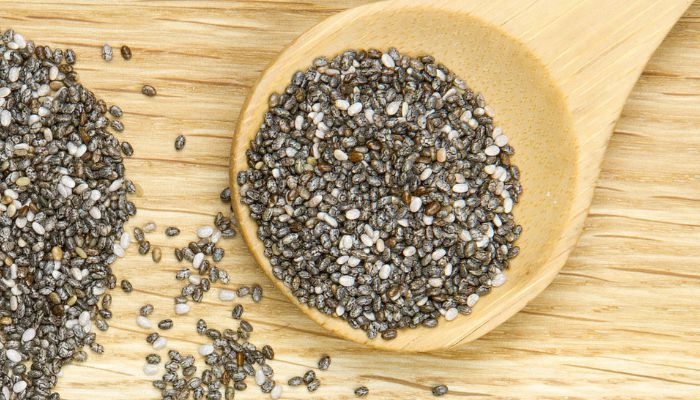
  10. Chia seeds
    Chia seeds are a powerhouse of nutrients and an absolutely wonderful food for managing diabetes. They are exceptionally high in viscous fiber, which lowers blood sugar and helps maintain a healthy weight by keeping you full for hours. They also decrease blood pressure and systemic inflammation. Try adding 10 gm of soaked chia seeds daily to your smoothies, shakes, or a bowl of fresh curd.

Frequently Asked Questions (FAQs)

1. Can I eat all 10 of these foods every day?
While all these foods are excellent for managing diabetes, portion control is key. You don’t need to eat all 10 every single day. Instead, focus on incorporating a variety of them into a balanced weekly diet plan to get a wide range of nutrients without exceeding your daily caloric limits.

2. Are oats good for diabetes, and does the type of oat matter?
Yes, oats are great for diabetes, but the type matters significantly. Steel-cut oats and rolled oats are complex carbohydrates that digest slowly. Avoid highly processed, sugary instant oatmeal packets, as these will cause rapid spikes in your blood sugar.

3. Should I consult a doctor before adding supplements like fenugreek or cinnamon?
Absolutely. If you are already on diabetes medication or insulin, adding potent natural remedies like fenugreek or high doses of cinnamon can sometimes cause your blood sugar to drop too low (hypoglycemia). Always consult your doctor or health coach before making concentrated dietary changes.

We hope incorporating these 10 foods helps you make a wonderful and positive shift toward a healthier life. (Note: Always consult with your doctor, nutritionist, or dietitian before drastically altering your diet.)

For more articles on managing your health, check out our Healthy Reads on Diabetes.

Managing diabetes is easier when you don’t have to do it alone. For the right guidance and daily motivation from certified experts, subscribe to GOQii’s Personalised Health Coaching here.

#BeTheForce 

Disclaimer: The information provided in this article is for educational and general informational purposes only. It is not intended to serve as professional medical advice, diagnosis, or treatment. Always consult with your physician or a certified GOQii health professional before making any drastic changes to your diet, especially if you are on diabetes medication.

  • « Previous Page
  • 1
  • 2
  • 3
  • 4
  • 5
  • …
  • 32
  • Next Page »

Search

Recent Posts

  • The Lazy Person’s Guide to Staying Healthy: 5 Micro-Habits That Take Less Than 2 Minutes
  • Healthy Eating: Comforting Chilli Bean Soup Recipe for the Monsoon
  • The Truth About the ‘Beer Belly’: What Alcohol Really Does to Your Metabolism
  • Benefits of Meditation: How One Daily Habit Can Transform Your Mental Wellbeing
  • Quick No-Equipment Indoor Workout to Stay Active During the Monsoon

Stay Updated

Archives

  • August 2026 (6)
  • July 2026 (25)
  • June 2026 (22)
  • May 2026 (20)
  • April 2026 (24)
  • March 2026 (18)
  • February 2026 (14)
  • January 2026 (14)
  • December 2025 (19)
  • November 2025 (15)
  • October 2025 (20)
  • September 2025 (6)
  • August 2025 (6)
  • July 2025 (9)
  • June 2025 (18)
  • May 2025 (16)
  • April 2025 (22)
  • March 2025 (26)
  • February 2025 (21)
  • January 2025 (25)
  • December 2024 (22)
  • November 2024 (22)
  • October 2024 (20)
  • September 2024 (22)
  • August 2024 (28)
  • July 2024 (15)
  • June 2024 (23)
  • May 2024 (26)
  • April 2024 (27)
  • March 2024 (27)
  • February 2024 (23)
  • January 2024 (21)
  • December 2023 (14)
  • November 2023 (10)
  • October 2023 (19)
  • September 2023 (21)
  • August 2023 (16)
  • July 2023 (16)
  • June 2023 (21)
  • May 2023 (20)
  • April 2023 (19)
  • March 2023 (23)
  • February 2023 (19)
  • January 2023 (15)
  • December 2022 (11)
  • November 2022 (15)
  • October 2022 (15)
  • September 2022 (12)
  • August 2022 (9)
  • July 2022 (17)
  • June 2022 (11)
  • May 2022 (10)
  • April 2022 (6)
  • March 2022 (6)
  • February 2022 (13)
  • January 2022 (11)
  • December 2021 (7)
  • November 2021 (3)
  • October 2021 (6)
  • September 2021 (3)
  • August 2021 (8)
  • July 2021 (7)
  • June 2021 (15)
  • May 2021 (16)
  • April 2021 (10)
  • March 2021 (7)
  • February 2021 (4)
  • January 2021 (4)
  • December 2020 (3)
  • November 2020 (4)
  • October 2020 (10)
  • September 2020 (3)
  • August 2020 (3)
  • July 2020 (2)
  • June 2020 (4)
  • May 2020 (10)
  • April 2020 (12)
  • March 2020 (10)
  • February 2020 (4)
  • January 2020 (4)
  • December 2019 (3)
  • November 2019 (7)
  • October 2019 (5)
  • September 2019 (4)
  • August 2019 (9)
  • July 2019 (9)
  • June 2019 (11)
  • May 2019 (4)
  • April 2019 (8)
  • March 2019 (8)
  • February 2019 (9)
  • January 2019 (8)
  • December 2018 (9)
  • November 2018 (3)
  • October 2018 (3)
  • September 2018 (5)
  • August 2018 (10)
  • July 2018 (6)
  • June 2018 (13)
  • May 2018 (8)
  • April 2018 (18)
  • March 2018 (9)
  • February 2018 (8)
  • January 2018 (15)
  • December 2017 (12)
  • November 2017 (19)
  • October 2017 (13)
  • September 2017 (15)
  • August 2017 (4)
  • July 2017 (8)
  • June 2017 (7)
  • May 2017 (6)
  • April 2017 (8)
  • March 2017 (6)
  • February 2017 (7)
  • January 2017 (9)
  • December 2016 (10)
  • November 2016 (7)
  • October 2016 (7)
  • September 2016 (7)
  • August 2016 (11)
  • July 2016 (9)
  • June 2016 (9)
  • May 2016 (12)
  • April 2016 (17)
  • March 2016 (17)
  • February 2016 (8)
  • January 2016 (6)
  • December 2015 (2)
  • November 2015 (9)
  • October 2015 (7)
  • September 2015 (9)
  • August 2015 (11)
  • July 2015 (9)
  • June 2015 (11)
  • May 2015 (9)
  • April 2015 (13)
  • March 2015 (8)
  • February 2015 (5)
  • January 2015 (12)
  • December 2014 (14)
  • November 2014 (11)
  • October 2014 (6)
  • September 2014 (13)
  • August 2014 (12)
  • July 2014 (6)
  • June 2014 (2)
  • May 2014 (7)
  • April 2014 (4)

From Burnout to Balance: How Dr. Ranjit Reclaimed His Health

Dr Ranjit Bhatt has spent years tending to others. A practising doctor in Odisha, his days were packed with patients, surgeries, and emergencies. From the outside, it looked like a life lived in service. But on the inside, something wasn’t right. “I had no … [Read More...]

From Shimla’s Slopes to Chandigarh’s Sidewalks: Surinder Kaur Bhalla’s Journey from Chaos to Control

Some journeys start with a plan. Others begin with a stumble literally. Surinder Bhalla, a government professional, born and raised in the scenic hill town of Shimla, had always lived a life of movement. “In Shimla, you walked everywhere,” she reflects. “Walking was never an exercise. It was just life.” But after shifting to Chandigarh, […]

“I’ve Challenged Myself to Live 100 Years” – The Story of Chandubhai Savani’s Second Chance at Life

At 67, most people start slowing down. Not Chandubhai Savani. A resident of Surat, Chandubhai, thought life was on track. “My life was going well till I had my bypass surgery,” he says. That surgery, back in 2021, was a wake-up call.  Medication was routine, but exercise wasn’t. His diet? What he calls ‘normal.’ “I […]

Ananda Mukherjee Health Story

From Terminal Illness To Complete Wellness! Ananda Mukherjee Health Story

As we observe World Cancer Day under the powerful theme ‘United by Unique’ (2025-2027)**, we are reminded that every individual’s journey with cancer is distinct, yet united by shared resilience, hope, and the collective fight against this disease. This theme places people at the centre of care and their stories at the heart of the […]

  • HOME
  • HEALTHY LIVING
  • FITNESS
  • HEALTHY RECIPES
  • USER STORIES
  • KARMA
  • BUY GOQii

Copyright ©2016 GOQii