GOQii

Blog

  • HOME
  • HEALTHY LIVING
  • FITNESS
  • HEALTHY RECIPES
  • USER STORIES
  • KARMA
  • BUY GOQii

Search Results for: soup

January 23, 2022 By Urvi Gohil Leave a Comment

Healthy Eating: The Ultimate Winter Soup

ultimate winter soup

With everyone seeking to build their immunity, especially due to the change in weather and the ongoing pandemic, eating the right food is quite essential to our wellbeing. There is nothing that fuels your body with the right nutrients and warms your soul like the way soup does. So here’s the delicious Ultimate Winter Soup that’s loaded with the goodness of vegetables, herbs and protein.

What You Will Need 

  • Finely chopped onion – ½ cup
  • Ginger garlic paste – 1 tbsp
  • Finely chopped carrot – ¼ cup
  • Finely chopped sweet potato – ¼ cup
  • Chopped french beans – ½ cup
  • Finely chopped tomato – ½ cup
  • Soft boiled chick peas – 1 cup
  • Vegetable broth/ water – 5 cups
  • Coriander – ½ cup
  • Oil – 2 tbsp
  • Salt 
  • Black pepper powder – ½ tsp
  • Red chilli paste – 1 tsp
  • Turmeric – ½ tsp

How To Prepare

  1. Heat a pan and add oil. Once the oil is hot, add the onions and allow it to sauté until soft.
  2. Then add the ginger garlic paste, give it a quick stir and allow it to cook for a minute.
  3. Add the carrot, french beans & sweet potato. Let them cook for 2 minutes.
  4. Now add the vegetable broth or water and partially cover the pan with the lid and allow the veggies to cook.
  5. After 10 mins, once you see the carrots are tender, add the tomato and mix everything well. Add the turmeric and salt during this time.
  6. In another small bowl, mash the chick peas with a fork and transfer it to the soup pan. Also add the coriander, red chilli paste and black pepper at the same time. Give it a quick mix and let it cook for 5 more minutes.
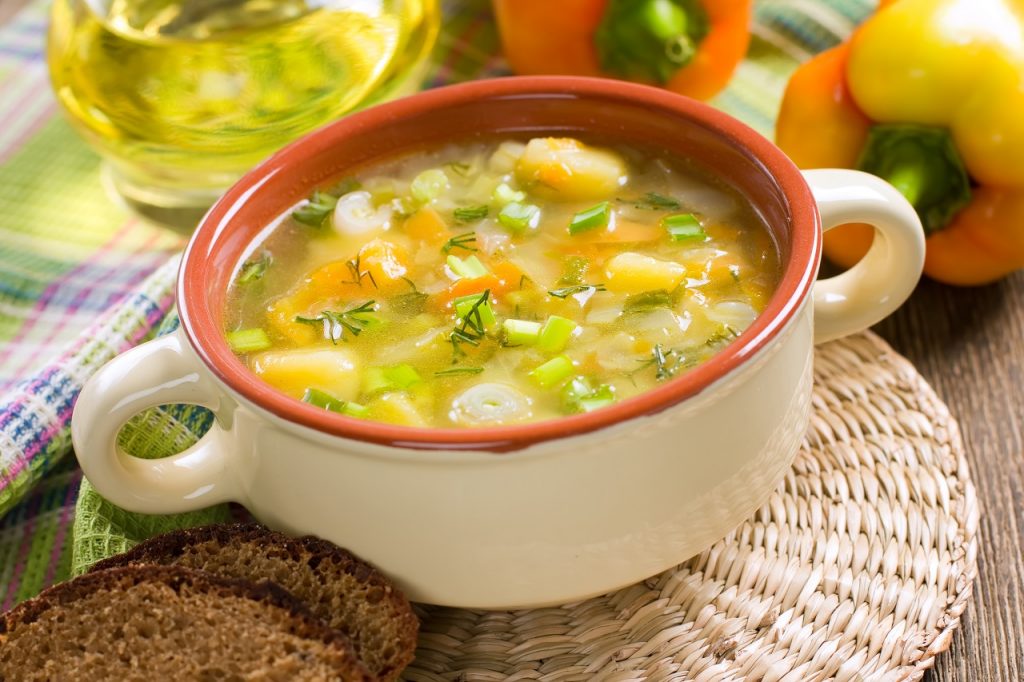
  7. Time to serve the hot colorful looking soup and enjoy.

Note: Instead of chickpeas, you can use any pulse of your choice like chana, sprouts, mung, etc. 

Highlights of the Ultimate Winter Soup

  • An absolute delight for your body, it will boost immunity, heat you up and clear your throat. 
  • Very fulfilling due to the use of a variety of seasonal vegetables. 
  • Great for people healing from any type of viral infections.

We hope you enjoy this Ultimate Winter Soup! Do share your thoughts with us in the comments below. For more healthy recipes, check out Healthy Reads or ask a GOQii Coach by subscribing for personalized health coaching here: https://goqiiapp.page.link/bsr

Eat healthy and #BeTheForce 
July 12, 2017 By TAARIKA ARYA 1 Comment

Dressings/Seasonings : The “MAKE-UP” to your Salads/Soups

salad-dressing

DRESSINGS and SEASONING’S to foods is what make-up is to your face. The wrong types can make you look cakey and fake. Similarly, the wrong choice of toppings to your foods can mask the benefits of your salads, soups or sautéed veggies.

Now the next question rushing through your mind would be: So what’s the swap?
I agree sometimes the condiments make the meal; but the wrong ones are not at all goal friendly.  These 6 swaps can help you slash the fat content and boost nutrients — without sacrificing the flavours !

1. EAT THIS : Avocado / Nut butters , NOT THAT : Butter .

Let’s go natural and explore the benefits of Nature’s butter: Avocado. Factory made butters can mean a lot of saturated fat, sodium and preservatives. The avocado fruit is loaded with good fats   (heart healthy) called MUFA’s. Plus it has loads of Vit E (anti-oxidant) and Potassium (important for cardiac health and muscular contractions). It also can help to de-bloat since it acts as a natural diuretic.

All nuts are rich in omega-3 fatty acids so grinding them can give a buttery texture. Make them into a paste with a slight drizzle of olive oil, sprinkle some Himalayan pink salt/Kosher salt and Voilà ! Walnut, peanut, almond, cashew, hazelnuts. you just name it!

USE: Spread it on your whole wheat toast, add a dollop of it to oatmeal and enjoy the creamy goodness knowing that per tablespoon, it packs 3/4 fewer calories. You could even take a tablespoon of it to stave off afternoon hunger pangs.

2. EAT THIS : Hummus / Thick yoghurt , NOT THAT : Mayo

Is it the white creaminess of mayo that makes you reach out for that jar ? You must try Hummus. This switch results in half the fat for double the amount and since its made from garbanzo beans and garlic, it can boost your intake of protein, minerals and antioxidants.
What more? Add some cilantro or mint leaves for some flavour. You will seriously forget mayo.

Or, blend yogurt, lemon juice, pepper and spices. Yogurt provides a smooth, creamy consistency and it easily absorbs flavors you add to it, so a spoonful or two is sure to be delicious. Its rich in gut friendly bacteria, protein and calcium. Something that the mayo missed out on.

USE : Try it on an open faced sandwich , a whole wheat wrap or as a dressing to a salad.

3. EAT THIS : Vinaigrette  , NOT THAT : Ranch

There is a bonus over here. Vinegar has been shown to control blood sugar levels and curb fat gain. The pectin content in it makes you feel fuller for longer.

Feel free to add variations like: apple cider vinegar, balsamic vinegar, rice vinegar, wine vinegar.  It all becomes even more interesting with the addition of herbs, spices and flavourings. Ginger, garlic, basil, oregano, dill, black pepper, mint and mustard are all perfect examples.

For some reference, you could visit : http://paleoleap.com/salad-dressing-and-vinaigrettes/

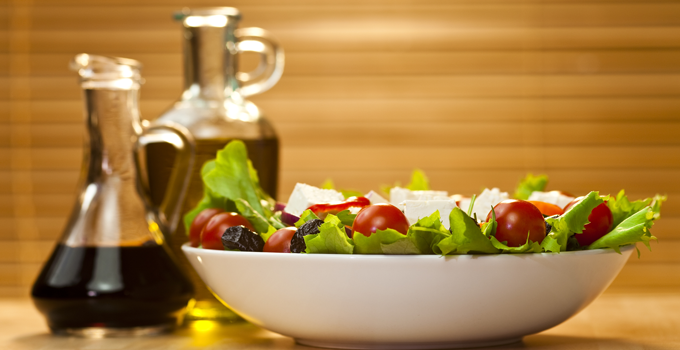
USE: Drizzle it on your salads, marinate the veggies and roast them , in sautéed vegetables , add them to soups.

4. EAT THIS :Spicy Mustard / Home-made Salsa , NOT THAT : Ketchup.

Let us strictly say NO to ketchup. Each tablespoon packs about a teaspoon of HIGH FRUCTOSE CORN SYRUP aka Refined Sugar. It’s said that one fourth of a bottle of ketchup is sugar. Ketchup lovers.. Hope you are listening?
Kick up the flavour with Mustard (commonly Dijon mustard) . The presence of cancer fighting anti-oxidants similar to the ones present in broccoli or cabbage is like an added feather.

Salsa are typically made of tomatoes, onions, chilies and cilantro. It’s rich in cancer fighting lycopene. You can easily make a large batch and let it sit in your fridge for a couple of days.

USE: It’s actually a part of Mexican cuisine, but goes well with sandwiches, lentil pancakes , vegetable dips.

5. EAT THIS : Fruit purées , NOT THAT : Jam/Marmalades 

Not even kids! This one again has a LOT of sugar and preservatives. Cook the fruits from your favourite jams, such as strawberry, apple, guava, in a saucepan at medium heat with water. Add water if you want a spreadable purée. Use fresh mint, lemon rind, cinnamon or nutmeg to enhance flavours without adding sugar.

USE : It can be used very much like the jam, in between breads , as a flavour to yoghurt , breakfast cereals, etc.

6. EAT THIS : Nuts/seeds, NOT THAT : Croutons

Crave for that CRUNCH ? Whether they’re whole-wheat or white, baked or fried, croutons don’t offer much nutritional value. Only fat and bad carbs.
Try tossing crunchy veggies like bell peppers (best if coloured), celery, carrots strips or heart-healthy nuts and seeds. Seeds can be anything like, sunflower, flaxseeds, sesame, pumpkin , watermelon.
USE: Croutons are generally add-ons to salads and soups. So next time you hit the salad bar, skip the croutons (even if it says ‘whole-wheat’) and ask for some nuts/seeds.

This is what I could put up together. I mainly emphasise on Soups, Salads and Whole wheat toasts, since these are trending at the moment in the quest for something healthy to eat when we go out.

Sadly, the Sauces and Seasonings block their nutritional punch and make your efforts go down the drain. So let these swaps still keep you in love with lettuce and at the same time tantalize your taste buds.

(Wondering, how to go about it ? Read this blog on Summer Salads by Coach Manisha :https://goqii.com/blog/tag/summer-salad/ and dress it up taking help from above. )

Disclaimer: People with nut allergy do not try the salad dressing and salads that contain nuts.

March 16, 2017 By Trupti Hingad 1 Comment

Healthy Soups in a Bowl!

1

I still remember those days when I was following a light dinner habit as suggested by one of the health professionals for reducing my fat percentage. I would add lots of raw veggies to keep my stomach full and get the nutrients. But, later on, it got very monotonous and I terribly started disliking the idea of eating raw veggies. That led me to the thought of how these could be incorporated into my daily meal so as to get all the nutrients without putting too much effort of chewing it raw?

Bingo! I came up with several soup ideas. Today, I am sharing some of these soup recipes for the benefit of all.

Soup, a liquid food that can be cold or hot. You can throw in a variety of ingredients such as  meat, veggies mixed with stock, water or other liquids into a slow cooker in the morning before you leave for work or school and return home to a delicious meal in the evening

The wealth of ingredients in a bowl of soup provides a good balance of carbohydrates, protein and fats as well as the vitamins and minerals required to create energy and keep us going without getting tired.

Soup is healthy: Perhaps the easiest way to add vegetables to your daily meals is to have a soup. Eating vegetables is part of a healthy diet so veggie soups are highly recommended.

Soups are slimming and help you lose weight. Of course, that is if you strictly follow a weight-loss plan and exercise well. A bowl of soup packs minimal calories but is very nutritious.

Soup fills you up because it stretches the stomach. You easily feel full so it’s ideal to eat soup at the beginning of every meal.

Soup is easy to make and can make you feel better.

Ever wondered why a soup is recommended to people who are sick? That is because soup is easily digested and good for health.

Here are some hot and cold soup recipes:-

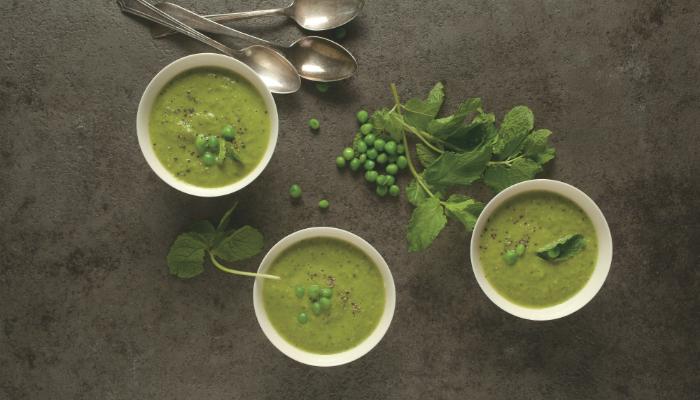
1.  SPRING ONION AND PEAS SOUP

Ingredients:
Spring Onion/Scallions – 1 bunch
Peas – 2 Cup boiled
Onion – 1 Medium chopped
Garlic – 1 Pod chopped
Olive Oil – 2 tsp
Vegetable Stock/Water – 3-4 Cups
Salt & Pepper – To taste

 Pea Soup

Method:

Heat 1 tsp oil in a pan sauté chopped onions, garlic and 1.5 cup boiled peas for 2-3mins.

Add finely chopped spring onion bulbs to this and sauté for 2-3mins.

Remove from the stove and let it cool for a while.

Blend it all to make a paste.

Heat 1 tsp of oil in a vessel, add chopped spring onion greens and ½ cup peas and stir fry for 2-3mins.

Add puree and veg stock and seasoning.

Cook until 1 boil & serve piping hot.

Serve with soup sticks or toasted brown bread slice.

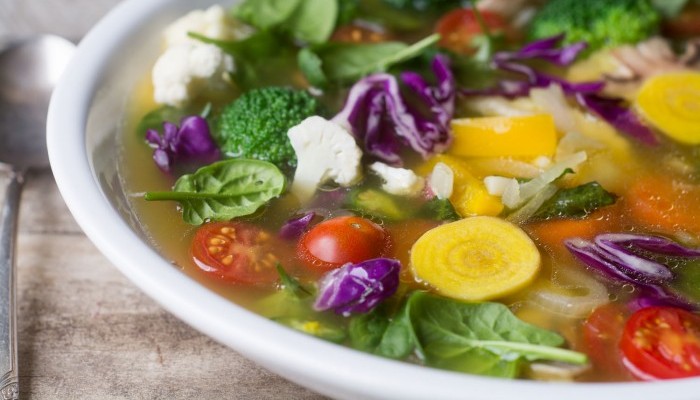
2. DETOX SOUP

Ingredients

Tomato- 2 in nos

Pumpkin- 100gms

Carrot- 1 in no

Cabbage-100gms

Broccoli- ½ cup florets

Bell pepper- cut into julienne (red, yellow, green)

Ginger, garlic and chilli paste- 1 tsp

Olive oil- ½ tsp

detox-soup-7988-January-09-2016

Method:

Pressure cook tomato, pumpkin, carrot, cabbage, ginger garlic & blend to make a puree.

SauteBroccoli florets, bell pepper in olive oil.

Add the puree to it and water to make the soup consistency.

Serve piping hot.

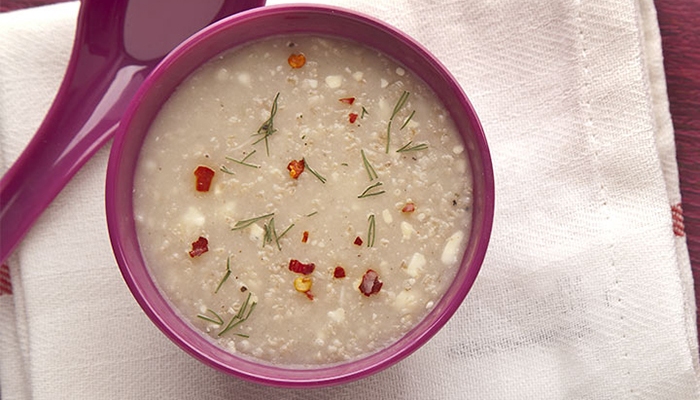
3. HERBAL OATS SOUP

Ingredients     
Oats – 4 tablespoons
Garlic – 1 pod

Celery and Parsley- 1 stalk each
Pepper – 1/2 teaspoon
Salt to taste
Vegetable-Oats-Soup

Method

Roast oats in a heated vessel.

Add chopped garlic, celery and parsley.

Add 2 cups of water, salt and pepper and simmer for 5 minutes. Serve hot.

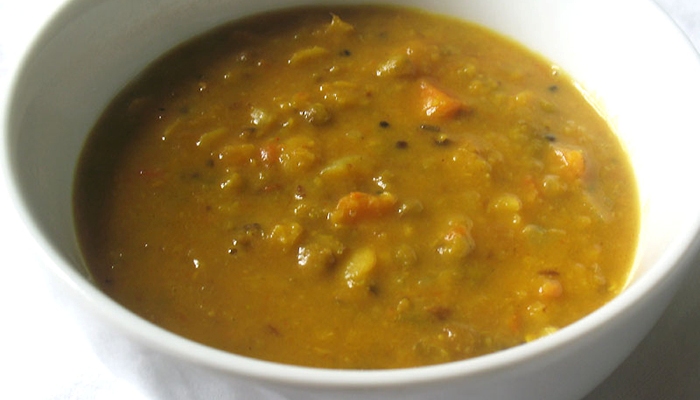
4. Green Gram (MOONG) SOUP WITH Cottage Cheese (PANEER)

Ingredients:

¾ cup Moong (Green Gram)

2tbsp Paneer( Cottage Cheese) chopped

1 tsp lemon juice

1 tspJeera (Cumin seeds )mustard

1/4thtsp, hing (Fenugreek), pepper.

2 tbsp ghee (Clarified Butter)

Salt to taste.

mung_toor_dal_soup1

METHOD:

Soak Green Gran (Moong) for 6hrs. Cook in a pressure cooker. Blend it and strain.

Heat clarified butter (ghee) in a pan, add cumin seeds, mustard, fenugreek seeds and green gram liquid.

Add lemon, salt, pepper, cottage cheese and cook for 2 min

Serve piping hot.(This is a high protein soup)

5. SUNSHINE DELIGHT.

Ingredients

Yellow Squash (pumpkin) – 100gms

White squash (pumpkin) – 100gms

Carrot- 1 in no

Onion- 1 in no

Ginger- a small piece

Garlic- 1 pod

287689-pumpkin-soup-halloween

Seasoning:

Salt & pepper- according to taste

Lime juice- 1 tsp

Method:

Pressure cook all veggies and then blend to make a Puree.  Add 1 cup water and cook until it comes to boil. Add seasoning and garnish with shredded carrot and pumpkin seeds.

Serve piping hot.

6. AVOCADO SOUP

Ingredients

½ seedless cucumber

1 medium avocado

1 shallot

2 tbsp. plain yogurt

2 tbsp. fresh mint

1 sprig fresh mint

4 tsp. fresh lime juice

1½ tsp. salt

¼ tsp. ground black pepper

¼ tsp. ground cumin

1 radish

s01-sweet-potato-avocado-soup-sort

Method:

Place the cucumber, avocado, shallot, yoghurt, 2 tablespoons mint, lime juice, salt, pepper, cumin, and 1 cup cold water in a blender, and process until smooth.

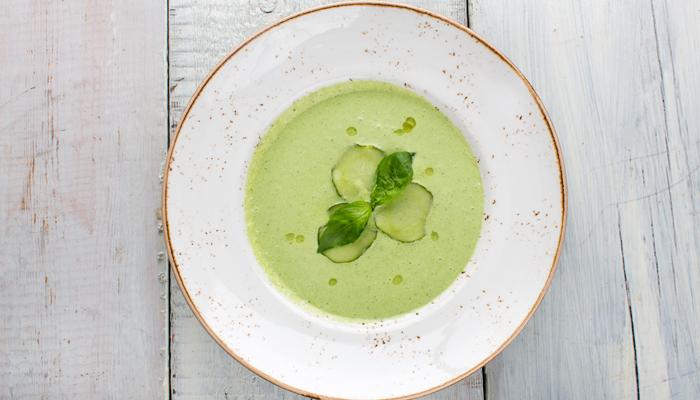
Chill for at least 1 hour. Serve garnished with the radish and remaining mint leaves. Perfect soup for this summer.

7. COLD CUCUMBER SOUP

Ingredients

3 medium seedless cucumbers

¾ c. Thinly sliced green onions

1 tbsp. lemon juice

1 tsp. lemon zest

1 tsp. Sea Salt

½ tsp. Freshly ground pepper

1½ c. vegetable broth

½ c. sour cream

cuke

Method:

Place cucumbers, green onions, lemon juice, lemon zest, sea salt, pepper, and vegetable broth in a blender or food processor and puree.

Stir in sour cream and chill until very cold, about 1 hour.

Serve topped with additional chopped cucumber, green onion, and lemon zest.

8. WATERMELON GAZPACHO

Ingredients:

About 8 cups watermelon, cubed

1 medium cucumber
1 medium tomato
2 medium shallots¼ cup loosely packed basil leaves
2 tablespoons red wine vinegar
¼ teaspoon salt
No-Cook-Gazpacho-Recipe-Platted-e1434139708782

Chop the watermelon into rough cubes. Place it in a blender and blend (the blended amount should fill a 1 ½ quart blender). Pour into a bowl or container, and set aside.

Cut the cucumber in half; remove the seeds by scooping them out with a spoon. Peel the cucumber halves, then roughly chop them into a few smaller pieces. Roughly chop the tomato into quarters. Cut off the ends of the two shallots and peel them; cut them into quarters.

Place the cucumber, tomato, shallots, and ¼ cup loosely packed basil leaves into the pitcher of the blender. Blend until smooth. Pour the mixture into the container with the watermelon mixture and mix them with a spoon until fully combined.

Stir in 2 tablespoons red wine vinegar, ¼ teaspoon kosher salt, Place in the refrigerator and chill for about 2 to 3 hours, until cold.  If desired, garnish with a few drops of olive oil.

Try some of these soups and drink your wealth of nutrients with this bowl.

July 4, 2026 By GOQii 3 Comments

Why High-Fibre Foods Are Essential for Better Health

high fiber mealsThe Big Question: Why should we view dietary fibre not merely as an optional remedy for constipation, but as a crucial biological manager that regulates our metabolic, cardiovascular, and immune health?

When you think of dietary fibre, constipation relief is probably the first thing that comes to mind. While fibre certainly supports healthy digestion, its benefits go far beyond keeping your bowel movements regular. A fibre-rich diet can help maintain healthy blood sugar levels, support heart health, improve gut health, aid weight management, and even strengthen your immune system.

Unfortunately, modern diets filled with refined grains, sugary snacks, and ultra-processed foods often fall short of the fibre our bodies need. The good news? Adding more fibre-rich foods to your meals doesn’t require a complete diet overhaul. A few simple changes can make a significant difference to your overall health. Let’s explore why fibre deserves a place on every plate.

What Is Dietary Fibre?

Dietary fibre is a type of carbohydrate found naturally in plant-based foods. Unlike other carbohydrates, fibre isn’t completely digested by the body. Instead, it passes through the digestive system, supporting several important functions along the way.

There are two main types of fibre:

Soluble Fibre

Soluble fibre dissolves in water to form a thick, gel-like substance that slows digestion. This helps regulate blood sugar levels, lowers bad cholesterol, and keeps you feeling full for longer.

  • Good sources include: Oats, apples, citrus fruits, barley, beans, lentils, flaxseeds, and chia seeds.

Insoluble Fibre

Insoluble fibre does not dissolve in water. Instead, it adds physical bulk to your stool and helps food move more efficiently through the digestive tract, promoting regular bowel movements.

  • Good sources include: Whole wheat, brown rice, wheat bran, broccoli, cauliflower, carrots, green beans, and nuts.

Both types of fibre are essential, and eating a colorful variety of plant-based foods helps ensure your body receives the right biological balance.

5 Critical Benefits of Eating High-Fibre Foods

  1. Supports Healthy Digestion and Peristalsis

One of fibre’s most well-known benefits is keeping your digestive system functioning smoothly. Insoluble fibre acts as a natural bulking agent, drawing moisture into the large intestine to soften and add structure to the stool. This mechanical action stimulates regular contraction waves (peristalsis), making bowel movements easier and helping prevent chronic constipation. A healthy digestive system also creates the ideal environment for optimal nutrient absorption.

  1. Helps Manage Blood Sugar Levels and Prevents Insulin Spikes

When you consume refined, stripped carbohydrates, your digestive system breaks them down almost instantly. This rapid absorption floods your bloodstream with glucose, forcing your pancreas to release massive amounts of insulin.

  • The Destructive Autopilot Loop: Refined Grains ⇒ Rapid Glucose Surge ⇒ Insulin Spike ⇒ Fat Storage & Energy Crash.
  • The Mindful Alternative Loop: High-Fibre Whole Foods ⇒ Gel Matrix Formation ⇒ Delayed Glucose Release ⇒ Stable Energy & Metabolic Protection.

Soluble fibre creates a gel-like barrier in the intestines that slows the digestion and absorption of carbohydrates, helping prevent sudden spikes in blood sugar after meals. This is especially helpful for people living with diabetes or those looking to reduce their risk of developing Type 2 diabetes.

  1. Supports Healthy Weight Management and Natural Satiety

Achieving a balanced body composition is much easier when you work with your body’s natural fullness signals. It takes your digestive tract roughly 20 minutes to synthesize and send chemical satiety signals to the brain’s hypothalamus.

Because high-fibre foods require significant mechanical chewing and take longer to digest, they naturally slow your eating pace, giving your brain enough time to register that you are full. This can naturally reduce unnecessary snacking and overeating without making you feel deprived.

  1. Promotes Heart Health and Lowers LDL Cholesterol

Soluble fibre plays a direct, protective role in your cardiovascular system. As it moves through your small intestine, it binds to cholesterol-rich bile acids, trapping them within its gel matrix so they can be eliminated from the body through the stool.

To replace these lost bile acids, your liver pulls circulating LDL (“bad”) cholesterol out of your bloodstream, naturally lowering your total cholesterol profile. A diet rich in fibre has also been associated with better blood pressure management, significantly lowering long-term cardiovascular risks.

  1. Nourishes Your Gut Microbiome and Boosts Immunity

Your digestive system is home to trillions of beneficial bacteria that play an important role in digestion, immunity, and overall health. Many fibre-rich foods act as prebiotics, providing mandatory nourishment for these beneficial gut bacteria.

When these friendly microbes ferment soluble fibre in your colon, they produce health-boosting metabolites called Short-Chain Fatty Acids (SCFAs), like butyrate. These SCFAs help maintain the structural integrity of the intestinal barrier, prevent harmful pathogens from entering the bloodstream, and contribute to overall immune system resilience.

The High-Fibre Nutrient Synergy Matrix

Food Group Component Primary Fiber Type Key Biological Target Preventative Health Outcome
Beans & Lentils Soluble Fibre Intestinal Lining & Liver Lowers circulating LDL cholesterol and supports muscle repair.
Millets & Oats Soluble & Insoluble Blood Glucose Curves Slows down carbohydrate digestion and provides steady energy.
Cruciferous Vegetables Insoluble Fibre Digestive Motility & Colon Softens stool structure to naturally prevent chronic constipation.
Flax & Chia Seeds Soluble (Mucilage) Gut Microbiome & Vascular Feeds beneficial bacteria to synthesize anti-inflammatory SCFAs.

How Much Fibre Do You Need?

Most adults living in urban environments consume less than half of their recommended daily fibre needs. As a general clinical guide:

  • Women: Around 25 grams of fibre per day
  • Men: Around 30–38 grams of fibre per day

Rather than focusing on strict numbers alone, aim to build a colorful, varied plate that naturally includes whole grains, legumes, fruits, vegetables, nuts, and seeds throughout the day.

Simple Ways to Eat More Fibre Every Day

Increasing your daily fibre intake should be a gradual, consistent process to allow your digestive tract time to adapt comfortably. Try these practical lifestyle tips:

  • Start your day with whole oats, millets, or whole-grain breakfast cereals.
  • Replace white rice with brown rice, red rice, or ancient grains occasionally.
  • Include a generous serving of lightly cooked or steamed vegetables with lunch and dinner.
  • Snack on whole seasonal fruits, raw nuts, or roasted chana (chickpeas) instead of packaged, processed snacks.
  • Add beans, sprouts, or lentils to your daily soups, salads, and curries.
  • Sprinkle ground flaxseeds or chia seeds over yogurt or healthy smoothies.
  • Choose whole fruits instead of drinking strained fruit juices, as juicing strips away the essential fiber matrix.

Dietary fibre is one of the most important nutrients for long-term health, yet it’s often overlooked in modern, convenience-driven diets. From supporting healthy digestion and maintaining stable blood sugar levels to promoting heart health, weight management, and a thriving gut microbiome, fibre plays a vital role in keeping your body functioning at its best.

The best part? Getting more fibre doesn’t require expensive supplements or complicated diets. By choosing more unrefined whole grains, fruits, vegetables, legumes, nuts, and seeds, you can naturally increase your fibre intake and enjoy lasting health benefits. Every fibre-rich meal is a step towards better health!

Pro Tip: Building healthier eating habits becomes easier when you monitor your daily nutrition. Use the GOQii App to track your meals, macro balance, and daily water intake. You can seamlessly share this health data with your GOQii Personalised Health Coach to receive customized meal plans, fiber-rich recipes, and expert lifestyle guidance tailored perfectly to help you include more whole foods in your everyday diet!

Frequently Asked Questions (FAQs)

  1. What are the best high-fibre foods to add to my daily diet?

Some of the most nutrient-dense high-fibre foods include steel-cut oats, black beans, lentils, chickpeas, apples, pears, guavas, broccoli, carrots, flaxseeds, chia seeds, raw almonds, walnuts, brown rice, and ancient millets.

  1. How exactly does dietary fibre help with weight management?

Fibre slows down the physical rate of digestion and expands within your stomach, which triggers mechanical stretch receptors that signal fullness to your brain. This naturally prolongs satiety, stabilizes blood glucose curves, and reduces unnecessary snacking and overeating without making you feel restricted.

  1. Can eating more fibre improve chronic digestion and bloating issues?

Yes. Fibre adds necessary bulk and softness to the stool, promoting regular bowel movements and preventing constipation. However, to avoid temporary gas or bloating when increasing your intake, you must add fibre to your diet gradually and accompany it with adequate fluid intake.

  1. Should I explicitly drink more water when increasing my daily fibre intake?

Yes, absolutely. Fibre acts like a natural sponge inside your digestive tract. Insoluble fibre requires water to soften stool structure, while soluble fibre needs fluids to form its protective, gel-like matrix. Increasing your fibre intake without drinking enough water can cause the waste to harden in your colon, leading to bloating, gas, and worsening constipation. Aim for 2 to 3 liters of water daily.

#BeTheForce

Disclaimer: This article is intended for educational and informational purposes only. It is not intended to replace professional medical advice, clinical nutrition diagnosis, or personalized dietary treatment. Always consult your primary care physician or a registered dietitian before making major changes to your eating habits, especially if you manage an underlying gastrointestinal condition or chronic metabolic disorder.

  • « Previous Page
  • 1
  • 2
  • 3
  • 4
  • …
  • 32
  • Next Page »

Search

Recent Posts

  • The Lazy Person’s Guide to Staying Healthy: 5 Micro-Habits That Take Less Than 2 Minutes
  • Healthy Eating: Comforting Chilli Bean Soup Recipe for the Monsoon
  • The Truth About the ‘Beer Belly’: What Alcohol Really Does to Your Metabolism
  • Benefits of Meditation: How One Daily Habit Can Transform Your Mental Wellbeing
  • Quick No-Equipment Indoor Workout to Stay Active During the Monsoon

Stay Updated

Archives

  • August 2026 (6)
  • July 2026 (25)
  • June 2026 (22)
  • May 2026 (20)
  • April 2026 (24)
  • March 2026 (18)
  • February 2026 (14)
  • January 2026 (14)
  • December 2025 (19)
  • November 2025 (15)
  • October 2025 (20)
  • September 2025 (6)
  • August 2025 (6)
  • July 2025 (9)
  • June 2025 (18)
  • May 2025 (16)
  • April 2025 (22)
  • March 2025 (26)
  • February 2025 (21)
  • January 2025 (25)
  • December 2024 (22)
  • November 2024 (22)
  • October 2024 (20)
  • September 2024 (22)
  • August 2024 (28)
  • July 2024 (15)
  • June 2024 (23)
  • May 2024 (26)
  • April 2024 (27)
  • March 2024 (27)
  • February 2024 (23)
  • January 2024 (21)
  • December 2023 (14)
  • November 2023 (10)
  • October 2023 (19)
  • September 2023 (21)
  • August 2023 (16)
  • July 2023 (16)
  • June 2023 (21)
  • May 2023 (20)
  • April 2023 (19)
  • March 2023 (23)
  • February 2023 (19)
  • January 2023 (15)
  • December 2022 (11)
  • November 2022 (15)
  • October 2022 (15)
  • September 2022 (12)
  • August 2022 (9)
  • July 2022 (17)
  • June 2022 (11)
  • May 2022 (10)
  • April 2022 (6)
  • March 2022 (6)
  • February 2022 (13)
  • January 2022 (11)
  • December 2021 (7)
  • November 2021 (3)
  • October 2021 (6)
  • September 2021 (3)
  • August 2021 (8)
  • July 2021 (7)
  • June 2021 (15)
  • May 2021 (16)
  • April 2021 (10)
  • March 2021 (7)
  • February 2021 (4)
  • January 2021 (4)
  • December 2020 (3)
  • November 2020 (4)
  • October 2020 (10)
  • September 2020 (3)
  • August 2020 (3)
  • July 2020 (2)
  • June 2020 (4)
  • May 2020 (10)
  • April 2020 (12)
  • March 2020 (10)
  • February 2020 (4)
  • January 2020 (4)
  • December 2019 (3)
  • November 2019 (7)
  • October 2019 (5)
  • September 2019 (4)
  • August 2019 (9)
  • July 2019 (9)
  • June 2019 (11)
  • May 2019 (4)
  • April 2019 (8)
  • March 2019 (8)
  • February 2019 (9)
  • January 2019 (8)
  • December 2018 (9)
  • November 2018 (3)
  • October 2018 (3)
  • September 2018 (5)
  • August 2018 (10)
  • July 2018 (6)
  • June 2018 (13)
  • May 2018 (8)
  • April 2018 (18)
  • March 2018 (9)
  • February 2018 (8)
  • January 2018 (15)
  • December 2017 (12)
  • November 2017 (19)
  • October 2017 (13)
  • September 2017 (15)
  • August 2017 (4)
  • July 2017 (8)
  • June 2017 (7)
  • May 2017 (6)
  • April 2017 (8)
  • March 2017 (6)
  • February 2017 (7)
  • January 2017 (9)
  • December 2016 (10)
  • November 2016 (7)
  • October 2016 (7)
  • September 2016 (7)
  • August 2016 (11)
  • July 2016 (9)
  • June 2016 (9)
  • May 2016 (12)
  • April 2016 (17)
  • March 2016 (17)
  • February 2016 (8)
  • January 2016 (6)
  • December 2015 (2)
  • November 2015 (9)
  • October 2015 (7)
  • September 2015 (9)
  • August 2015 (11)
  • July 2015 (9)
  • June 2015 (11)
  • May 2015 (9)
  • April 2015 (13)
  • March 2015 (8)
  • February 2015 (5)
  • January 2015 (12)
  • December 2014 (14)
  • November 2014 (11)
  • October 2014 (6)
  • September 2014 (13)
  • August 2014 (12)
  • July 2014 (6)
  • June 2014 (2)
  • May 2014 (7)
  • April 2014 (4)

From Burnout to Balance: How Dr. Ranjit Reclaimed His Health

Dr Ranjit Bhatt has spent years tending to others. A practising doctor in Odisha, his days were packed with patients, surgeries, and emergencies. From the outside, it looked like a life lived in service. But on the inside, something wasn’t right. “I had no … [Read More...]

From Shimla’s Slopes to Chandigarh’s Sidewalks: Surinder Kaur Bhalla’s Journey from Chaos to Control

Some journeys start with a plan. Others begin with a stumble literally. Surinder Bhalla, a government professional, born and raised in the scenic hill town of Shimla, had always lived a life of movement. “In Shimla, you walked everywhere,” she reflects. “Walking was never an exercise. It was just life.” But after shifting to Chandigarh, […]

“I’ve Challenged Myself to Live 100 Years” – The Story of Chandubhai Savani’s Second Chance at Life

At 67, most people start slowing down. Not Chandubhai Savani. A resident of Surat, Chandubhai, thought life was on track. “My life was going well till I had my bypass surgery,” he says. That surgery, back in 2021, was a wake-up call.  Medication was routine, but exercise wasn’t. His diet? What he calls ‘normal.’ “I […]

Ananda Mukherjee Health Story

From Terminal Illness To Complete Wellness! Ananda Mukherjee Health Story

As we observe World Cancer Day under the powerful theme ‘United by Unique’ (2025-2027)**, we are reminded that every individual’s journey with cancer is distinct, yet united by shared resilience, hope, and the collective fight against this disease. This theme places people at the centre of care and their stories at the heart of the […]

  • HOME
  • HEALTHY LIVING
  • FITNESS
  • HEALTHY RECIPES
  • USER STORIES
  • KARMA
  • BUY GOQii

Copyright ©2016 GOQii