GOQii

Blog

  • HOME
  • HEALTHY LIVING
  • FITNESS
  • HEALTHY RECIPES
  • USER STORIES
  • KARMA
  • BUY GOQii

Search Results for: hormone

July 27, 2026 By GOQii 1 Comment

How to Improve Sleep Quality Naturally: 12 Science-Backed Tips for Better Sleep

sleepThe Big Question Are you sleeping enough but still waking up tired? Or do you struggle to fall asleep despite feeling exhausted?

Sleep is often the first thing we sacrifice when life gets busy. Between work deadlines, family responsibilities, and endless screen time, many of us don’t get the quality sleep our bodies need. Yet sleep is just as important as eating nutritious food, exercising regularly, and managing stress. It is during sleep that your body repairs tissues, strengthens the immune system, consolidates memories, and restores energy for the day ahead.

If you’re consistently getting poor-quality sleep, it can affect your mood, productivity, metabolism, and long-term health. The good news is that improving your sleep often starts with a few simple lifestyle changes.

How can I improve my sleep quality naturally?

To improve your sleep quality naturally, maintain a consistent sleep schedule (even on weekends), reduce blue light exposure an hour before bed, limit evening caffeine and alcohol, and practice relaxation techniques like deep breathing. Optimising your bedroom for cool, dark, and quiet conditions will also help regulate your body’s natural sleep-wake cycle.

What Is Good Sleep Quality?

Getting enough hours of sleep is important but sleep quality matters just as much. Good sleep generally means:

  • Falling asleep within 20–30 minutes
  • Sleeping through most of the night
  • Waking up feeling refreshed
  • Feeling alert and energetic during the day
  • Sleeping for the recommended duration (7–9 hours for most healthy adults)

Why Quality Sleep Matters

Sleep supports nearly every system in the body. Here are some of its most important benefits:

  • Improves Brain Function: While you sleep, your brain processes and stores new information. Good sleep helps improve learning, memory, concentration, problem-solving, and decision-making.
  • Supports Emotional Wellbeing: Consistently getting enough quality sleep helps improve mood, reduce irritability, lower stress levels, and improve emotional resilience.
  • Strengthens the Immune System: Your immune system performs many important repair and defence functions while you sleep. Especially during seasonal changes, pairing quality rest with natural immunity-boosting kadhas can help your body respond more effectively to infections and support faster recovery.
  • Supports Heart Health: Good sleep helps regulate blood pressure, heart rate, and inflammation.
  • Helps Maintain a Healthy Weight: Sleep influences appetite-regulating hormones. When you lack sleep, ghrelin (the hunger hormone) increases, leptin (the fullness hormone) decreases, and cortisol (the stress hormone) rises increasing cravings for high-calorie foods. Maintaining this hormonal balance is not just vital for sleep, but it is one of the biggest factors in midlife health and longevity as we age.
  • Supports Muscle Recovery: During deep sleep, your body repairs tissues, builds muscle, and releases growth hormone.

12 Science-Backed Ways to Improve Sleep Quality

  1. Follow a Consistent Sleep Schedule Go to bed and wake up at the same time every day—even on weekends. A consistent routine helps regulate your body’s internal clock (circadian rhythm), making it easier to fall asleep naturally.
  2. Create a Relaxing Bedtime Routine Spend the last 30–60 minutes before bed winding down. Try activities like reading a book, gentle stretching, meditation, journaling, or listening to calming music. A predictable routine signals to your brain that it’s time to sleep.
  3. Reduce Screen Time Before Bed Phones, tablets, and televisions emit blue light, which can suppress melatonin—the hormone that helps regulate sleep. Aim to stop using electronic devices at least one hour before bedtime, or use blue-light filters.
  4. Optimise Your Sleep Environment Your bedroom should promote relaxation. Aim for a room that is dark, quiet, cool, and comfortable. Blackout curtains, comfortable bedding, and reducing unnecessary noise can all contribute to better sleep.
  5. Be Mindful of Food and Drinks Heavy meals close to bedtime may interfere with sleep. Try to finish dinner 2–3 hours before bed, limit spicy or very rich meals at night, and stay hydrated without drinking excessive fluids immediately before bedtime.
  6. Limit Caffeine, Alcohol and Nicotine These substances can interfere with sleep quality. Limit caffeine later in the day, and avoid alcohol and nicotine close to bedtime. Even if alcohol initially makes you sleepy, it disrupts sleep later in the night.
  7. Exercise Regularly Regular physical activity can help improve both sleep quality and sleep duration. Aim for at least 150 minutes of moderate-intensity exercise each week. However, avoid vigorous exercise immediately before bedtime if it makes you feel energised.
  8. Practice Deep Breathing or Relaxation Techniques Relaxation exercises help calm the nervous system before sleep. Try deep breathing, progressive muscle relaxation, guided meditation, or gentle, restorative yoga practices. Even 5–10 minutes can make a difference in helping you unwind.
  9. Consider a Warm Shower A warm shower or bath about 1–2 hours before bedtime may help promote relaxation and support better sleep by allowing your body temperature to gradually cool afterwards.
  10. Try Calming Aromatherapy Some people find lavender essential oil relaxing as part of their bedtime routine. While research is mixed, aromatherapy may help create a calming sleep environment for certain individuals.
  11. Include Sleep-Friendly Foods Some foods may support healthy sleep when included as part of an overall balanced diet. Examples include:
    • Tart cherries: Naturally high in melatonin (the sleep hormone).
    • Almonds and Walnuts: Packed with magnesium and melatonin to relax muscles.
    • Kiwi: Rich in serotonin, a brain chemical that helps initiate sleep.
    • Bananas: Contain magnesium and potassium to prevent night-time muscle cramps.
    • Oats: Provide complex carbohydrates that help sleep-inducing amino acids enter the brain.
    • Milk: Contains tryptophan, an amino acid that promotes relaxation.
  1. Don’t Try to “Catch Up” on Sleep Sleeping until noon on weekends might seem tempting after a busy week, but large changes to your sleep schedule can disrupt your body clock. Focus on maintaining a consistent routine throughout the week instead.

When Should You See a Doctor?

Occasional sleepless nights are common. However, consult a healthcare professional if you:

  • Struggle to fall asleep or stay asleep for more than three months
  • Feel excessively sleepy during the day
  • Snore loudly or gasp during sleep
  • Wake up choking or short of breath
  • Experience restless legs that disturb your sleep
  • Feel tired despite getting enough hours of sleep

These symptoms may indicate an underlying sleep disorder such as insomnia or obstructive sleep apnoea that requires medical evaluation.

Quality sleep is one of the most powerful investments you can make in your health. Simple habits—like maintaining a consistent sleep schedule, reducing evening screen time, exercising regularly, and creating a calming bedtime routine—can significantly improve both the quantity and quality of your sleep. Better sleep doesn’t happen overnight, but small, consistent changes can lead to lasting improvements in your energy, mood, and overall wellbeing.

Pro Tip: Want to understand how your daily habits affect your sleep? Use the GOQii App to track your sleep patterns, physical activity, and nutrition. Your GOQii Personalised Health Coach can help you identify lifestyle factors that may be affecting your sleep and create a personalised plan to improve your nightly rest.

Frequently Asked Questions (FAQs)

  1. How many hours of sleep do adults need?
    Most healthy adults need 7–9 hours of sleep each night, although individual needs can vary.
  2. Is taking naps during the day okay?
    Short naps of 20–30 minutes can improve alertness without interfering with nighttime sleep. Long or late-afternoon naps may make it harder to fall asleep at night.
  3. Why do I wake up in the middle of the night?
    Night-time awakenings can be caused by stress, noise, caffeine, alcohol, medical conditions, or an inconsistent sleep schedule. If they become frequent or persistent, consult your healthcare provider.
  4. Does exercise improve sleep?
    Yes. Regular physical activity is associated with better sleep quality, although vigorous exercise immediately before bedtime may not suit everyone.
  5. Is melatonin safe for everyone?
    Melatonin supplements may help certain people with specific sleep problems, but they are not appropriate for everyone. Consult a healthcare professional before taking melatonin or any sleep supplement.

#BeTheForce  

Disclaimer: This article is intended for educational purposes only and should not replace professional medical advice, diagnosis, or treatment. If you have persistent sleep difficulties, excessive daytime sleepiness, or symptoms suggestive of a sleep disorder, consult a qualified healthcare professional for personalised evaluation and treatment.

July 23, 2026 By Apurwa Agrawal 3 Comments

Antenatal Exercises: Your Guide to a Fit and Healthy Pregnancy

safe-pregnancy-exercisesThe Big Question: Is it safe to exercise during pregnancy, and can staying active help ease the aches, pains and challenges that come with expecting a baby?

Pregnancy is one of the most transformative journeys in a woman’s life. Along with the excitement of welcoming a new life, it brings significant physical and emotional changes. For many expectant mothers especially first-time mothers it also raises an important question: Is it safe to exercise during pregnancy?

For most women with an uncomplicated pregnancy, the answer is yes. Regular, moderate physical activity can help reduce common pregnancy discomforts, improve overall fitness, prepare your body for labour, and support both maternal and fetal health. The key is choosing safe activities, exercising at an appropriate intensity, and following your healthcare provider’s advice.

Always consult your obstetrician or healthcare provider before starting or continuing any exercise programme during pregnancy.

Why Does Pregnancy Affect Your Body So Much?

Pregnancy triggers remarkable hormonal and physical changes. One important hormone is relaxin, which helps prepare your body for childbirth by relaxing the ligaments and connective tissues around the pelvis.

While this increased flexibility is essential for delivery, it can also contribute to:

  • Pelvic discomfort
  • Lower back pain
  • Joint instability
  • Changes in posture and balance

As your baby grows, your centre of gravity shifts, placing additional strain on your back, hips, and knees. A well-planned antenatal exercise routine can help your body adapt to these changes more comfortably.

The Benefits of Antenatal Exercise

Current health guidelines recommend that women with an uncomplicated pregnancy aim for at least 150 minutes of moderate-intensity physical activity each week, spread across several days. Here are some of the benefits of staying active during pregnancy:

  • Reduces Aches and Pains: Gentle strengthening and stretching exercises support your muscles and joints, helping reduce back pain, pelvic discomfort, and stiffness.
  • Boosts Energy: Regular movement improves circulation and cardiovascular fitness, helping combat pregnancy-related fatigue.
  • Improves Sleep and Posture: Exercise can help relieve muscle tension, improve posture, and promote better sleep quality.
  • Supports Healthy Weight Gain: Combined with a balanced diet, physical activity helps support healthy weight gain throughout pregnancy.
  • Prepares Your Body for Labour: Maintaining muscular strength, flexibility, and endurance may help prepare your body for the physical demands of labour and recovery after childbirth.
  • May Reduce the Risk of Certain Pregnancy Complications: Regular physical activity has been associated with a lower risk of gestational diabetes, gestational hypertension, and excessive pregnancy weight gain in women with uncomplicated pregnancies.
  • Supports Mental Wellbeing: Exercise stimulates the release of endorphins, which can improve mood and help reduce stress and anxiety during pregnancy.

Safe Exercises During Pregnancy

The safest exercises are generally low-impact and easy to modify as your pregnancy progresses. Good options include:

  • Walking
  • Swimming
  • Water aerobics
  • Stationary cycling
  • Prenatal yoga
  • Prenatal Pilates
  • Light resistance training under professional guidance

Aim for an intensity where you can comfortably carry on a conversation while exercising.

Exercise Through Each Trimester

First Trimester Fatigue and nausea are common. Focus on gentle walks, stretching, breathing exercises, and staying hydrated. If you feel unusually tired, reduce the intensity and listen to your body.

Second Trimester Many women experience improved energy levels. This is often a good time to continue moderate aerobic exercise, improve posture, strengthen your back and hips, and begin pelvic floor exercises if advised. Avoid lying flat on your back for prolonged periods after the first trimester.

Third Trimester As your baby’s weight increases, choose activities that prioritise comfort and mobility. Walking, gentle stretching, pelvic floor exercises, and relaxation techniques can help prepare your body for labour.

Don’t Forget Your Pelvic Floor

Your pelvic floor muscles support the bladder, uterus, and bowel. Pregnancy places additional pressure on these muscles. Regular pelvic floor (Kegel) exercises may help:

  • Support bladder control
  • Improve pelvic stability
  • Prepare for childbirth
  • Aid postpartum recovery

Ask your healthcare provider or physiotherapist how to perform these exercises correctly.

Essential Safety Tips

If your doctor has cleared you for exercise, remember these important guidelines:

  • Always warm up before exercising and cool down afterwards.
  • Drink plenty of water before, during, and after exercise.
  • Avoid exercising in very hot or humid weather.
  • Wear comfortable clothing and supportive footwear.
  • Avoid exercising until exhaustion.
  • Avoid holding your breath during strength exercises.
  • Exercise in a well-ventilated environment.

If you attend prenatal yoga or Pilates classes, make sure your instructor is certified in prenatal fitness and knows which trimester you’re in.

When Should You Seek Medical Advice Before Exercising?

Some pregnancies require additional precautions. Speak to your obstetrician before exercising if you have:

  • Placenta previa after 26 weeks
  • Cervical insufficiency
  • Severe anaemia
  • Significant heart or lung disease
  • Persistent vaginal bleeding
  • Pregnancy-induced hypertension requiring close monitoring
  • A high-risk multiple pregnancy
  • A history of preterm labour

Your healthcare provider will advise which activities are appropriate for you.

Stop Exercising Immediately If You Experience:

Exercise should feel comfortable not distressing. Stop immediately and contact your healthcare provider if you notice:

  • Vaginal bleeding or spotting
  • Leakage of amniotic fluid
  • Painful uterine contractions
  • Chest pain or severe shortness of breath
  • Dizziness or fainting
  • Persistent headache
  • Severe abdominal or pelvic pain
  • Calf pain or swelling
  • Reduced fetal movement (once movements have been established)

Exercise during pregnancy isn’t about maintaining your pre-pregnancy fitness level or trying to lose weight. It’s about supporting your changing body, improving comfort, preparing for labour, and promoting a healthier pregnancy for both you and your baby. With your healthcare provider’s approval, regular antenatal exercise can help you move through pregnancy with greater confidence, strength, and wellbeing.

Pro Tip: Every pregnancy is unique, which is why your exercise routine should be too. Use the Women’s Care feature on the GOQii App to track your pregnancy milestones, activity levels, and overall wellbeing. Your GOQii Personalised Health Coach can work alongside your healthcare provider to help you build safe exercise routines, healthy eating habits, and sustainable lifestyle practices throughout every trimester.

Frequently Asked Questions (FAQs)

  1. Is it safe to start exercising if I wasn’t active before pregnancy?

Yes. After receiving approval from your obstetrician, begin gradually with low-impact activities such as walking or prenatal yoga. Increase activity slowly based on your comfort and fitness level.

  1. What are the safest exercises during pregnancy?

Walking, swimming, stationary cycling, prenatal yoga, prenatal Pilates and supervised light resistance training are generally considered safe for women with uncomplicated pregnancies.

  1. Why do my joints feel looser during pregnancy?

Pregnancy hormones particularly relaxin increase ligament flexibility to prepare your body for childbirth. This may also make your joints feel less stable and contribute to aches and pains.

  1. Can I continue strength training during pregnancy?

Many women can safely continue modified strength training after medical clearance. Avoid heavy lifting that requires breath-holding, and work with a qualified trainer experienced in prenatal exercise.

  1. Which exercises should I avoid during pregnancy?

Avoid contact sports, activities with a high risk of falling, scuba diving, hot yoga and prolonged exercises lying flat on your back after the first trimester unless specifically advised by your healthcare provider.

#BeTheForce 

Disclaimer: The information provided in this article is intended for educational purposes only and should not replace professional medical advice, diagnosis or treatment. Every pregnancy is different. Always consult your obstetrician or qualified healthcare provider before starting, modifying or continuing any exercise programme during pregnancy.

July 22, 2026 By Swati Savla Leave a Comment

Managing Type 2 Diabetes: Dietary Choices and Lifestyle Adjustments for Better Blood Sugar Control

The Big Question: If you’ve been diagnosed with prediabetes or Type 2 diabetes, can lifestyle changes really improve your blood sugar or are medications your only option?
A diagnosis of Type 2 diabetes can feel overwhelming, but it doesn’t mean you’ve lost control of your health. While medications play an important role for many people, everyday choices around food, physical activity, sleep, and stress management can significantly improve blood sugar control and reduce the risk of long-term complications.

For some people particularly those diagnosed early who achieve meaningful weight loss under medical supervision Type 2 diabetes may even go into clinical remission. However, remission isn’t possible for everyone, and maintaining healthy habits remains essential regardless of medication use.

The goal isn’t perfection it’s building sustainable habits that help you live well with diabetes.

Understanding Type 2 Diabetes

Type 2 diabetes is a chronic metabolic condition in which the body becomes resistant to insulin or doesn’t produce enough insulin to maintain healthy blood sugar levels.

Over time, persistently elevated blood glucose can increase the risk of complications affecting the:

  • Heart
  • Kidneys
  • Eyes
  • Nerves
  • Blood vessels

The encouraging news is that many of these risks can be significantly reduced through good blood sugar management and proactive lifestyle choices.

Build Your Plate for Better Blood Sugar

Food remains one of the most powerful tools for managing diabetes. Rather than eliminating entire food groups, focus on choosing foods that provide steady energy, adequate nutrition, and sustained fullness.

Complex Carbohydrates – Choose carbohydrates that are naturally rich in fibre. Compared with refined grains, these foods generally produce a slower rise in blood glucose because they contain more fibre and digest more gradually:

  • Oats
  • Brown rice
  • Millets
  • Buckwheat
  • Quinoa
  • Whole wheat

Lean Protein- Protein helps increase satiety and supports muscle maintenance. Good choices include:

  • Eggs, fish, and skinless chicken
  • Lentils, beans, and chickpeas
  • Low-fat paneer and tofu
  • Unsweetened Greek yoghurt
  • Nuts and seeds (Fatty fish such as salmon, sardines, and mackerel also provide omega-3 fatty acids that support cardiovascular health.)

Non-Starchy Vegetables – Fill at least half your plate with vegetables such as:

  • Spinach, broccoli, and cauliflower
  • Capsicum, cucumber, and zucchini
  • Bottle gourd, ridge gourd, and mushrooms (These foods are naturally rich in fibre, vitamins, and minerals while being relatively low in carbohydrates. Starchy vegetables like potatoes, corn, and sweet potatoes can still be included but in appropriately controlled portions.)

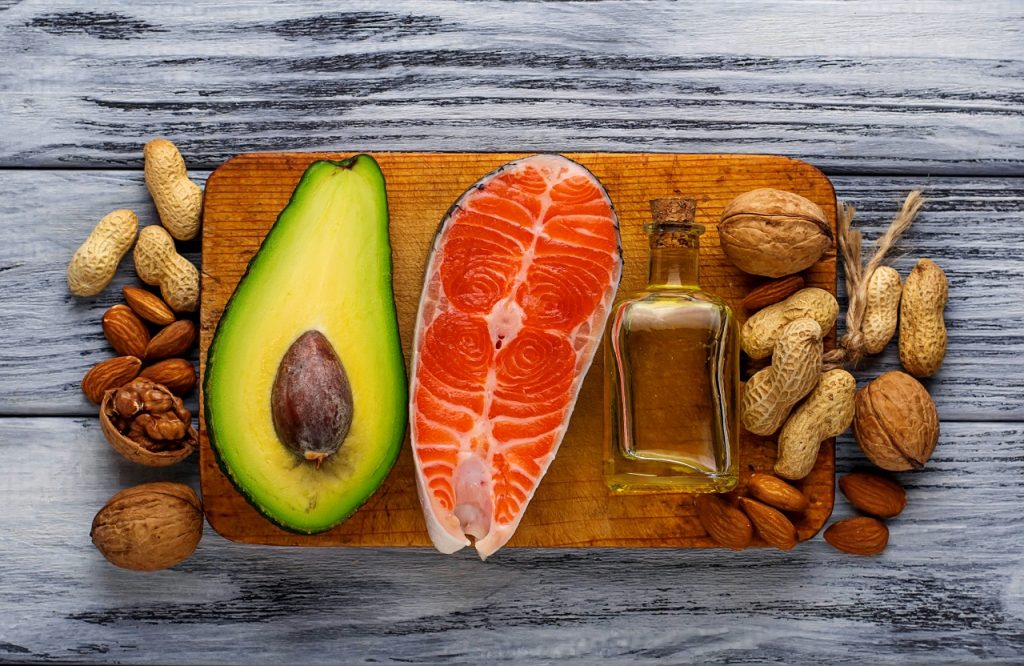
Healthy Fats – Healthy fats support overall nutrition and make meals more satisfying. Although nutritious, these foods are calorie-dense, so portion size still matters. Include foods such as:

  • Avocados and olive oil
  • Walnuts, almonds, and pistachios
  • Flaxseeds and chia seeds

Fruits – People living with diabetes do not need to avoid fruit completely. Instead:

  • Choose: Apples, pears, berries, guava, and oranges.
  • Eat fruit whole rather than as juice to preserve its fibre.
  • Pair fruit with a protein source such as Greek yoghurt, cottage cheese, or unsalted nuts. This combination may help slow digestion and improve satiety.

The Diabetes Plate Method

One of the simplest ways to plan balanced meals is the Diabetes Plate Method. This approach naturally increases fibre intake while helping manage portion sizes. Fill your plate with:

  • 🥦 50% Non-starchy vegetables
  • 🍗 25% Lean protein
  • 🌾 25% Whole grains or other healthy carbohydrates
  • 🥜 Add a small serving of healthy fats

Portion Size Still Matters

Even nutritious foods can raise blood glucose when eaten in large quantities. Helpful strategies include:

  • Eat slowly.
  • Use smaller plates.
  • Avoid second servings unless genuinely hungry.
  • Stop eating when comfortably satisfied rather than overly full.

Is Meal Timing Important?

Consistency often matters more than rigid rules. Some people do well with three balanced meals each day, while others benefit from smaller meals depending on their medication schedule, activity levels, and individual preferences. Work with your healthcare provider or dietitian to find a meal pattern that supports stable blood sugar throughout the day.

Can Certain Spices Help?

Several commonly used spices are being studied for their potential role in metabolic health:

  • Cinnamon: Some studies suggest cinnamon may modestly improve insulin sensitivity in certain individuals, although results remain mixed. It should never replace prescribed diabetes treatment.
  • Garlic: Garlic contains bioactive compounds with antioxidant properties and can be an excellent part of an overall healthy eating pattern.
  • Turmeric: Curcumin, the active compound in turmeric, has anti-inflammatory properties that continue to be studied for their potential role in metabolic health.

Lifestyle Matters Just As Much As Diet

Managing diabetes goes far beyond food choices alone.

Stay Physically Active – Physical activity helps muscles use glucose more efficiently and supports insulin sensitivity. Aim for:

  • At least 150 minutes of moderate-intensity activity each week.
  • 2–3 sessions of strength training weekly.
  • Light movement or a 10–15 minute walk after meals whenever possible.

Prioritise Sleep – Poor sleep can make blood sugar management more difficult. Aim for:

  • 7–9 hours of quality sleep.
  • A consistent bedtime.
  • Reduced screen time before bed.

Manage Stress – Chronic stress may contribute to higher blood glucose in some people. Helpful strategies include:

  • Yoga and meditation.
  • Walking and spending time outdoors.
  • Deep breathing exercises.
  • Connecting with family and friends.

Monitor Your Numbers & Protect Your Feet

Regular Monitoring – Regular monitoring helps you understand how your lifestyle affects your diabetes. Tracking trends over time is often more useful than focusing on a single reading. Discuss these targets with your healthcare provider:

  • HbA1c and fasting blood glucose
  • Post-meal blood glucose
  • Blood pressure and cholesterol
  • Waist circumference and body weight

Don’t Forget Foot Care – High blood sugar can affect circulation and nerve function. Protect your feet by:

  • Checking them daily for cuts or blisters.
  • Wearing properly fitting footwear.
  • Keeping feet clean and dry.
  • Seeking prompt medical attention for wounds that don’t heal.

Managing Type 2 diabetes isn’t about following a perfect diet or eliminating every favourite food. It’s about creating sustainable habits that support healthy blood sugar, protect your organs, and improve your quality of life. Small, consistent improvements in nutrition, physical activity, sleep, and stress management can make a meaningful difference over time. Remember, diabetes management is a journey—and every healthy choice counts.

Pro Tip: Understanding how your meals, activity, and sleep affect your blood sugar is the first step towards better diabetes management. Use the GOQii App to track your nutrition, daily movement, and sleep patterns. Your GOQii Personalised Health Coach can help you interpret your progress, build balanced meal plans, and stay motivated with practical, personalised guidance.

#BeTheForce 

Frequently Asked Questions (FAQs)

  1. Can Type 2 diabetes be reversed?
    Type 2 diabetes may go into clinical remission for some people, particularly with significant weight loss and sustained lifestyle changes under medical supervision. However, remission isn’t guaranteed, and ongoing healthy habits remain essential.
  2. Can people with diabetes eat fruit?
    Yes. Whole fruits provide fibre, vitamins, and antioxidants. Choose whole fruits over fruit juice and enjoy them in appropriate portions.
  3. Can people with diabetes eat rice?
    Yes. Portion size matters more than completely avoiding rice. Brown rice, hand-pounded rice, and millets may provide more fibre than polished white rice. Pair rice with vegetables and protein for a more balanced meal.
  4. Why do sleep and stress affect blood sugar?
    Poor sleep and chronic stress can influence hormones that affect insulin sensitivity and glucose regulation, making blood sugar management more challenging.
  5. Are all vegetables equally good for diabetes?
    Most vegetables are nutritious. Non-starchy vegetables generally have less impact on blood glucose, while starchy vegetables such as potatoes and corn should be eaten in appropriate portions as part of a balanced meal.

Disclaimer: The information provided in this blog is for general awareness and educational purposes only. It is not intended to replace professional medical advice, diagnosis, or treatment. Always consult a qualified healthcare provider for personalised medical guidance or concerns related to your health.

July 6, 2026 By Mamta Joshi 4 Comments

Circadian Rhythm Diet: How Eating at the Right Time Can Improve Your Health

circadian rhythm dietThe Big Question: What if the secret to permanent metabolic health and deep sleep isn’t strictly what you eat, but the precise time that you eat it?

Most of us pay close attention to what we eat—but have you ever thought about when you eat? Emerging research suggests that meal timing can influence how our body uses energy, regulates blood sugar, supports digestion, and even affects sleep quality. This idea forms the basis of the Circadian Rhythm Diet, also known as the Body Clock Diet.

Rather than focusing on calorie counting or restrictive food rules, this approach encourages eating in sync with your body’s natural biological clock. The goal is simple: enjoy most of your meals during the day, when your body is naturally more active, and give your digestive system enough time to rest overnight.

What Is the Circadian Rhythm?

Your circadian rhythm is your body’s internal 24-hour clock that is controlled by a master pacemaker in the brain. This internal clock responds primarily to natural light and darkness, regulating a vast array of critical daily processes:

  • Sleep and wake cycles
  • Hormone production (like cortisol and melatonin)
  • Digestive enzyme secretions
  • Core body temperature fluctuations
  • Cellular repair and energy levels
  • Baseline metabolic rate

During the day, your body prepares for activity, digestion, and energy use. As evening approaches, it gradually shifts into rest and recovery mode. Eating in harmony with this natural rhythm helps support optimal metabolic health.

What Is the Circadian Rhythm Diet?

The Circadian Rhythm Diet is a form of time-based eating that encourages consuming most of your daily calories during daylight hours and avoiding late-night eating whenever possible. Unlike many popular fad diets, it doesn’t eliminate entire food groups or require strict calorie restriction.

  • The Destructive Autopilot Loop: Late-Night Snacks ⇒ Melatonin Suppression ⇒ High Overnight Glucose ⇒ Stalled Fat Burning & Poor Sleep.
  • The Mindful Alternative Loop: Daylight Meal Windows ⇒ High Insulin Sensitivity ⇒ Early Clean Digestion ⇒ Deep Overnight Cellular Repair.

Instead, it focuses on building a simple daily routine that supports your body’s natural biological rhythm: eating a balanced breakfast after waking up, making breakfast and lunch your larger meals, keeping dinner light, and finishing it 2–3 hours before bed.

Why Does Meal Timing Matter?

Our bodies don’t process food exactly the same way throughout the day. Research suggests that earlier in the day, the body is significantly better equipped to digest food efficiently, regulate blood sugar, and use glucose for active energy.

As the day progresses and we prepare for sleep, insulin sensitivity naturally drops and digestion slows. Consuming large, late-night meals forces your digestive system to work when it should be resting, which can disrupt your sleep architecture, impair digestion, and alter appetite regulation the following morning.

5 Benefits of the Circadian Rhythm Diet

  1. Supports Healthy Weight Management

Eating larger meals earlier in the day and limiting late-night snacking helps optimize appetite regulation by balancing your hunger hormones, ghrelin and leptin. Combined with regular physical activity and a whole-food diet, aligning your eating window with daylight hours helps your body use calories for immediate fuel rather than storing them as fat.

  1. Helps Maintain Stable Blood Sugar Levels

Your body handles glucose far more efficiently during daylight hours. By eating your carbohydrate-rich meals earlier in the day when insulin sensitivity is at its peak, you avoid the severe blood sugar spikes and subsequent crashes that stress the pancreas. This is incredibly helpful for optimizing long-term metabolic health and reducing the risk of Type 2 diabetes.

  1. Supports Better Digestion

Large meals eaten close to bedtime put a heavy strain on a slowing gastrointestinal tract. Allowing at least 2–3 hours between dinner and sleep gives your stomach ample opportunity to process food comfortably, eliminating common issues like chronic bloating, gas, and nighttime acid reflux.

  1. May Improve Sleep Quality

Late-night eating—especially meals high in refined fats or sugars—interferes with your body’s ability to enter deep, restorative sleep phases. Finishing your final meal early ensures that your body can route its energy away from heavy digestion and toward tissue repair, growth hormone release, and metabolic recovery while you sleep.

  1. Encourages Consistent Healthy Habits

One of the biggest strengths of the Circadian Rhythm Diet is its simplicity. Following regular, predictable meal timings creates a positive domino effect, naturally encouraging better sleep schedules, more mindful eating practices, and a drastic reduction in impulsive, emotional late-night snacking.

The Circadian Timing Matrix

Eating Window Phase Ambient Light Status Primary Endocrine Focus Dominant Metabolic State
Morning Activation Sunrise / Early Light High Cortisol; Low Melatonin High digestive enzyme availability; peak insulin sensitivity.
Mid-Day Peak Bright Daylight Stable Cortisol & Metabolism Optimal calorie utilization; ideal for your largest meal.
Evening Wind-Down Sunset / Fading Light Falling Cortisol; Rising Melatonin Digestion slows; optimal window for a light, easily digested dinner.
Overnight Recovery Darkness Peak Melatonin; Low Insulin Active cellular repair, tissue rejuvenation, and fat-burning.

How to Follow the Circadian Rhythm Diet

Shifting your lifestyle habits is most sustainable when done progressively. Start with these foundational steps:

  • Eat a balanced breakfast within a couple of hours of waking up to set your metabolic baseline.
  • Try to keep your meal schedules consistent throughout the week to anchor your internal clock.
  • Make lunch your most substantial meal of the day whenever your routine allows.
  • Keep your dinner portions significantly lighter than your lunch.
  • Secure a strict fasting buffer of 2–3 hours between your last bite of dinner and bedtime.
  • Avoid mindless, late-night snacking after dinner to protect your overnight healing window.

Foods That Work Well with Your Body Clock

While the primary focus of this lifestyle is when you eat, what you put on your plate still matters profoundly for long-term vitality. Build your daylight meals around nutrient-dense whole foods:

  • Fiber-Rich Whole Grains: Oats, millets, and brown rice for steady, slow-release daytime energy.
  • Clean Proteins: Eggs, pulses, paneer, tofu, fish, or lean chicken to support tissue repair and satiety.
  • Healthy Fats: Raw nuts, seeds, avocados, and cold-pressed oils to maintain cell membrane health.
  • Probiotic Support: Fresh curd or unsweetened yogurt to feed a resilient, balanced gut microbiome.

Who Should Be Careful?

Because metabolic rates and medical needs vary, the Circadian Rhythm Diet may not be suitable for everyone without professional, customized adjustments. Speak with your doctor or a registered dietitian before altering your eating schedule if you:

  • Have Type 1 or Type 2 diabetes and take glucose-lowering medications or insulin.
  • Are pregnant or currently breastfeeding.
  • Work permanent night shifts or rotating lifestyle shifts.
  • Have a history of disordered eating or restrictive eating patterns.
  • Manage a specific clinical condition that requires strict, frequent meal timings.

The Circadian Rhythm Diet isn’t about eating less—it’s about eating smarter. By aligning your meals with your body’s natural daily rhythm, you give your systems the exact environment they need to optimize digestion, balance blood sugar, manage weight, and improve sleep quality. While meal timing alone won’t replace the foundational importance of balanced nutrition and regular physical movement, it serves as an incredibly powerful, natural tool for lifelong wellness.

Pro Tip: Building a sustainable daily routine becomes effortless when you track your habits accurately. Use the GOQii App to log your meal timings, monitor your fluid intake, and track your sleep stages. You can seamlessly share this data with your GOQii Personalised Health Coach to co-create a personalized lifestyle plan that complements your doctor’s guidance and keeps you moving toward your long-term health goals!

Frequently Asked Questions (FAQs)

  1. What exactly is the Circadian Rhythm Diet?

The Circadian Rhythm Diet is an intentional eating pattern focused on aligning your meal times with your body’s internal 24-hour biological clock. It encourages consuming the majority of your calories and larger meals during daylight hours when metabolism is high, while enforcing a fasting window at night to allow your digestive tract to rest.

  1. Can I eat any food I want on this diet since the focus is only on timing?

While timing is the primary pillar of this approach, food quality remains critical for cellular health. To achieve optimal weight management and sustained energy, you should focus on a balanced diet rich in vegetables, fruits, clean proteins, whole grains, and healthy fats, while actively minimizing highly processed foods and sugary drinks.

  1. Do I strictly need to eat between a rigid schedule like 7 AM and 7 PM?

Not necessarily. There is no single universal schedule that works for everyone. The goal is simply to maintain a consistent daytime eating window that matches your personal daily routine, allows for a substantial overnight digestive rest, and ensures dinner is completely finished 2–3 hours before you sleep.

  1. How does the Circadian Rhythm Diet support healthy weight loss?

Consuming your larger meals earlier in the day takes advantage of your peak metabolic rates and highest insulin sensitivity. This ensures your body uses food efficiently for daytime energy rather than storing it as fat. Additionally, eliminating late-night snacking helps lower your total daily calorie intake and promotes overnight fat-burning.

#BeTheForce 

Disclaimer: This article is intended for educational and informational purposes only. It is not intended to replace professional medical advice, clinical diagnosis, or personalized dietary treatment. Always consult your primary care physician or a qualified healthcare specialist before making major changes to your eating patterns, especially if you manage an underlying chronic health condition.

  • « Previous Page
  • 1
  • 2
  • 3
  • 4
  • …
  • 72
  • Next Page »

Search

Recent Posts

  • The Lazy Person’s Guide to Staying Healthy: 5 Micro-Habits That Take Less Than 2 Minutes
  • Healthy Eating: Comforting Chilli Bean Soup Recipe for the Monsoon
  • The Truth About the ‘Beer Belly’: What Alcohol Really Does to Your Metabolism
  • Benefits of Meditation: How One Daily Habit Can Transform Your Mental Wellbeing
  • Quick No-Equipment Indoor Workout to Stay Active During the Monsoon

Stay Updated

Archives

  • August 2026 (6)
  • July 2026 (25)
  • June 2026 (22)
  • May 2026 (20)
  • April 2026 (24)
  • March 2026 (18)
  • February 2026 (14)
  • January 2026 (14)
  • December 2025 (19)
  • November 2025 (15)
  • October 2025 (20)
  • September 2025 (6)
  • August 2025 (6)
  • July 2025 (9)
  • June 2025 (18)
  • May 2025 (16)
  • April 2025 (22)
  • March 2025 (26)
  • February 2025 (21)
  • January 2025 (25)
  • December 2024 (22)
  • November 2024 (22)
  • October 2024 (20)
  • September 2024 (22)
  • August 2024 (28)
  • July 2024 (15)
  • June 2024 (23)
  • May 2024 (26)
  • April 2024 (27)
  • March 2024 (27)
  • February 2024 (23)
  • January 2024 (21)
  • December 2023 (14)
  • November 2023 (10)
  • October 2023 (19)
  • September 2023 (21)
  • August 2023 (16)
  • July 2023 (16)
  • June 2023 (21)
  • May 2023 (20)
  • April 2023 (19)
  • March 2023 (23)
  • February 2023 (19)
  • January 2023 (15)
  • December 2022 (11)
  • November 2022 (15)
  • October 2022 (15)
  • September 2022 (12)
  • August 2022 (9)
  • July 2022 (17)
  • June 2022 (11)
  • May 2022 (10)
  • April 2022 (6)
  • March 2022 (6)
  • February 2022 (13)
  • January 2022 (11)
  • December 2021 (7)
  • November 2021 (3)
  • October 2021 (6)
  • September 2021 (3)
  • August 2021 (8)
  • July 2021 (7)
  • June 2021 (15)
  • May 2021 (16)
  • April 2021 (10)
  • March 2021 (7)
  • February 2021 (4)
  • January 2021 (4)
  • December 2020 (3)
  • November 2020 (4)
  • October 2020 (10)
  • September 2020 (3)
  • August 2020 (3)
  • July 2020 (2)
  • June 2020 (4)
  • May 2020 (10)
  • April 2020 (12)
  • March 2020 (10)
  • February 2020 (4)
  • January 2020 (4)
  • December 2019 (3)
  • November 2019 (7)
  • October 2019 (5)
  • September 2019 (4)
  • August 2019 (9)
  • July 2019 (9)
  • June 2019 (11)
  • May 2019 (4)
  • April 2019 (8)
  • March 2019 (8)
  • February 2019 (9)
  • January 2019 (8)
  • December 2018 (9)
  • November 2018 (3)
  • October 2018 (3)
  • September 2018 (5)
  • August 2018 (10)
  • July 2018 (6)
  • June 2018 (13)
  • May 2018 (8)
  • April 2018 (18)
  • March 2018 (9)
  • February 2018 (8)
  • January 2018 (15)
  • December 2017 (12)
  • November 2017 (19)
  • October 2017 (13)
  • September 2017 (15)
  • August 2017 (4)
  • July 2017 (8)
  • June 2017 (7)
  • May 2017 (6)
  • April 2017 (8)
  • March 2017 (6)
  • February 2017 (7)
  • January 2017 (9)
  • December 2016 (10)
  • November 2016 (7)
  • October 2016 (7)
  • September 2016 (7)
  • August 2016 (11)
  • July 2016 (9)
  • June 2016 (9)
  • May 2016 (12)
  • April 2016 (17)
  • March 2016 (17)
  • February 2016 (8)
  • January 2016 (6)
  • December 2015 (2)
  • November 2015 (9)
  • October 2015 (7)
  • September 2015 (9)
  • August 2015 (11)
  • July 2015 (9)
  • June 2015 (11)
  • May 2015 (9)
  • April 2015 (13)
  • March 2015 (8)
  • February 2015 (5)
  • January 2015 (12)
  • December 2014 (14)
  • November 2014 (11)
  • October 2014 (6)
  • September 2014 (13)
  • August 2014 (12)
  • July 2014 (6)
  • June 2014 (2)
  • May 2014 (7)
  • April 2014 (4)

From Burnout to Balance: How Dr. Ranjit Reclaimed His Health

Dr Ranjit Bhatt has spent years tending to others. A practising doctor in Odisha, his days were packed with patients, surgeries, and emergencies. From the outside, it looked like a life lived in service. But on the inside, something wasn’t right. “I had no … [Read More...]

From Shimla’s Slopes to Chandigarh’s Sidewalks: Surinder Kaur Bhalla’s Journey from Chaos to Control

Some journeys start with a plan. Others begin with a stumble literally. Surinder Bhalla, a government professional, born and raised in the scenic hill town of Shimla, had always lived a life of movement. “In Shimla, you walked everywhere,” she reflects. “Walking was never an exercise. It was just life.” But after shifting to Chandigarh, […]

“I’ve Challenged Myself to Live 100 Years” – The Story of Chandubhai Savani’s Second Chance at Life

At 67, most people start slowing down. Not Chandubhai Savani. A resident of Surat, Chandubhai, thought life was on track. “My life was going well till I had my bypass surgery,” he says. That surgery, back in 2021, was a wake-up call.  Medication was routine, but exercise wasn’t. His diet? What he calls ‘normal.’ “I […]

Ananda Mukherjee Health Story

From Terminal Illness To Complete Wellness! Ananda Mukherjee Health Story

As we observe World Cancer Day under the powerful theme ‘United by Unique’ (2025-2027)**, we are reminded that every individual’s journey with cancer is distinct, yet united by shared resilience, hope, and the collective fight against this disease. This theme places people at the centre of care and their stories at the heart of the […]

  • HOME
  • HEALTHY LIVING
  • FITNESS
  • HEALTHY RECIPES
  • USER STORIES
  • KARMA
  • BUY GOQii

Copyright ©2016 GOQii