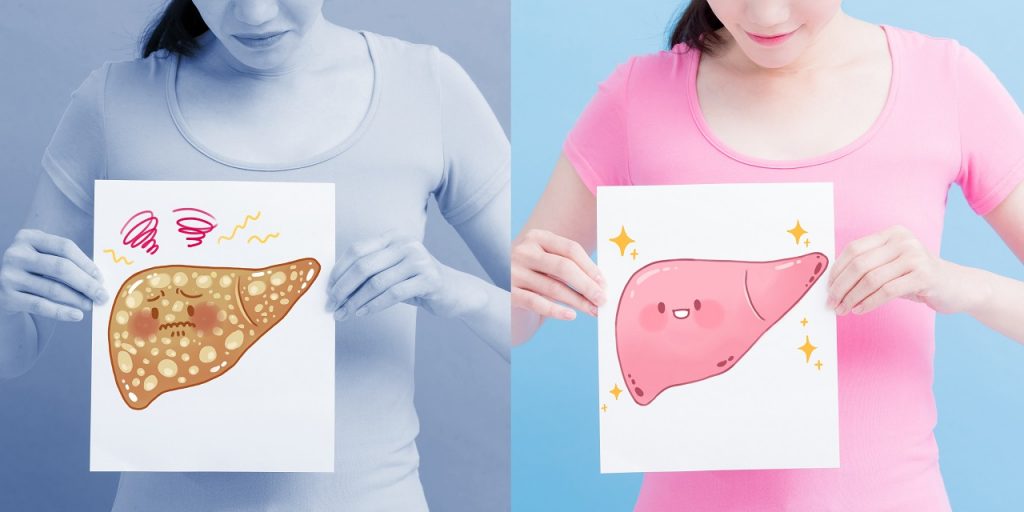
Lifestyle diseases are chronic health conditions that are caused by the way people live their lives. These illnesses develop over time and are largely caused due to leading an unhealthy lifestyle which consists of a poor diet, lack of exercise, etc. Diabetes, High Cholesterol , High Blood Pressure and Thyroid disorders are the four most common lifestyle problems among people in 2022 according to the IndiaFit Report 2022 – 2023.
The World Health Organization estimates that these lifestyle diseases are responsible for 80% of all deaths worldwide. They are the leading cause of death in the developed world, and the numbers are increasing. Poor lifestyle choices are the main reason for these lifestyle illnesses which in turn result in the majority of these deaths.
High Blood Pressure Is Still A Major Lifestyle Concern
The report indicates that high blood pressure is still a cause for concern as it is still the most common ailment, which affects 24% of those polled. This might be attributed to factors such as unhealthy diets, lack of physical activity and stress. Additionally, there is a lack of awareness regarding the risk factors associated with high blood pressure and the importance of regular monitoring.
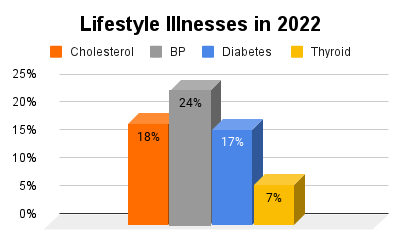
High Cholesterol is in second place affecting 18% of the population. This might be due to poor eating habits, lack of exercise, being overweight, smoking, consuming alcohol or family history.
Diabetes is the third most common disease, affecting 17% of the population. Diabetes can be caused by excess weight, inactivity, sedentary lifestyle, junk food consumption, lack of sleep or a family history of the disease. When compared to its rivals, Thyroid disorders have a lower proportion of 7%. Iodine deficiency or any autoimmune illness might cause this sickness.
Lifestyle Diseases On The Rise
The GOQii IndiaFit Report 2022 – 2023 indicates that Lifestyle Illnesses over the last 3 years are consistently on the rise. The percentage of people with high blood pressure has increased from 23% in 2020 to 24% in 2022. High Blood Pressure still tops the chart.
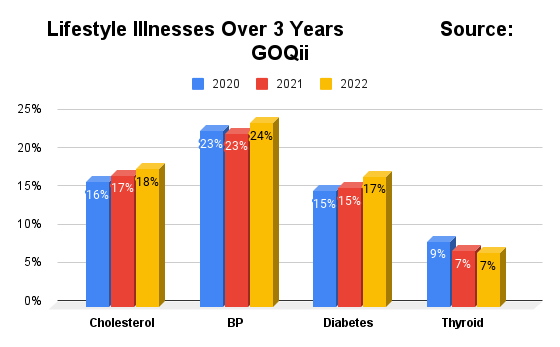
High Cholesterol is another silent killer which has seen an increase. People with high cholesterol have increased from 16% in 2020 to 18% in 2022. People with Diabetes have increased from 15% in 2020 to 17% in 2022. The report indicates that 7% of people are suffering from Thyroid-related issues, out of which women are more affected by it than men. This has not changed over the years.
To know more about how Lifestyle Diseases are impacting different age groups and cities within India, download the IndiaFit Report 2022 – 2023 for a detailed breakdown here.
#BeTheForce
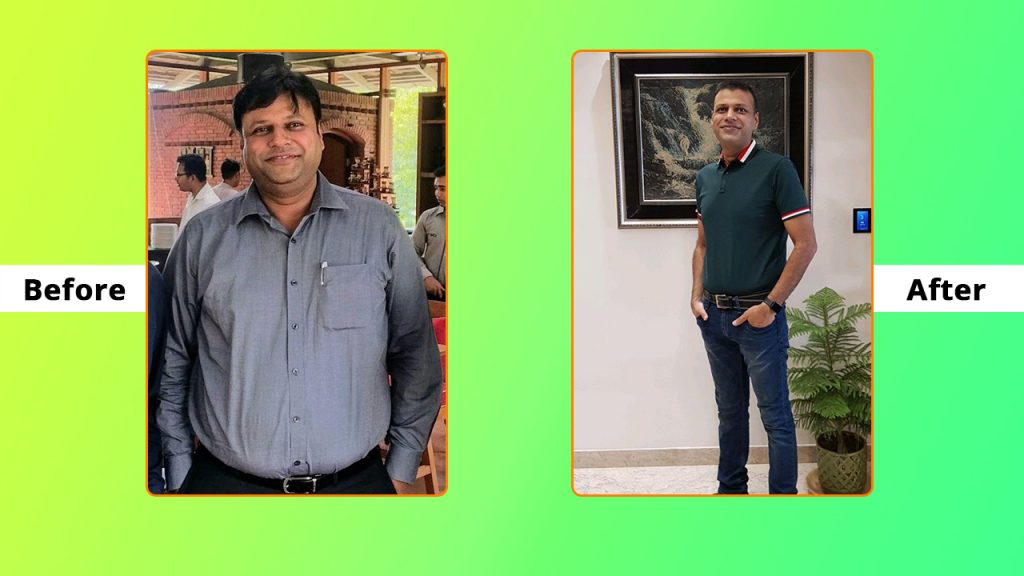 When we think of weight loss, the first thing that comes to mind is to eat less and exercise. Theoretically, this is the right way to go about it. But, this is not as easy as it sounds. It requires a great level of determination and willpower. However, once the decision to succeed is made, you will achieve your goal. Roadblocks in fitness and health can come in many ways – excuses, laziness, busy etc. Today, we bring to you one such story of determination and will power from our player Achal Agarwal.
  Apple Cider Vinegar (ACV) is gaining popularity these days as a wonder cure for diabetes, weight loss, heart disease and much more. The question however is – Is there science behind these claims or is it a classic case of excellent marketing? Vinegar has been used as a medical therapy for thousands of years. Recorded vinegar history starts around 5000 BC when the Babylonians were using the fruit of the date palm to make wine and vinegar. Vinegar residues have been found in ancient Egyptian urns traced to 3000 BC. As well, recorded vinegar history in China starts from texts that date back to 1200 BC.