GOQii

Blog

  • HOME
  • HEALTHY LIVING
  • FITNESS
  • HEALTHY RECIPES
  • USER STORIES
  • KARMA
  • BUY GOQii

Search Results for: disease

April 10, 2026 By GOQii Leave a Comment

Inflammation: The Hidden Fire Behind Most Chronic Disease

Most people track cholesterol.
Many monitor blood sugar.

Very few think about inflammation.

And yet, chronic low-grade inflammation is now recognised as one of the most important underlying drivers of modern disease linking heart disease, diabetes, fatty liver, arthritis and even cognitive decline.

Think of it as a slow, internal fire.
Not something you feel immediately but something that quietly damages tissues over time.

What Is Chronic Inflammation?

Inflammation, in itself, is not the problem.

It is a natural defence mechanism. When you cut your finger or fight an infection, inflammation helps the body heal.

The issue begins when this response does not switch off.

Poor sleep, chronic stress, excess abdominal fat, smoking and diets high in ultra-processed foods can keep the body in a constant low-grade inflammatory state. This is often silent. There are no obvious symptoms.

But over time, the cumulative effect increases the risk of chronic disease.

What Does CRP Actually Tell You?

C-reactive protein (CRP) is a widely used blood marker that reflects inflammation in the body.

A more sensitive version, high-sensitivity CRP (hs-CRP), is commonly used to assess cardiovascular risk.

In general terms:

  • Below 1 mg/L → low risk
  • 1–3 mg/L → moderate risk
  • Above 3 mg/L → higher inflammatory burden

CRP does not diagnose a specific condition.
It indicates that the body is under physiological stress.

For meaningful interpretation, CRP should always be viewed alongside other markers such as blood glucose, lipid profile and body composition not in isolation.

Visceral Fat: More Than Stored Energy

Not all body fat behaves the same way.

Visceral fat- the fat stored deep around internal organs is metabolically active. It releases inflammatory chemicals directly into the bloodstream.

This is why central fat accumulation is strongly associated with:

  • cardiovascular disease
  • insulin resistance
  • type 2 diabetes

Importantly, you do not need to appear overweight to carry excess visceral fat. Even individuals with a “normal” weight may have elevated metabolic risk if they are sedentary or have poor lifestyle habits.

Reducing visceral fat is one of the most effective ways to lower chronic inflammation.

Ultra-Processed Foods and Oxidative Stress

Diet plays a central role in inflammation.

Ultra-processed foods typically high in refined carbohydrates, industrial oils and additives can lead to repeated blood sugar spikes and increased oxidative stress.

Oxidative stress damages cells and perpetuates inflammation.

Frequent consumption of:

  • packaged snacks
  • sugary beverages
  • deep-fried foods

combined with low physical activity creates a cycle that reinforces metabolic dysfunction over time.

Simple, Evidence-Based Ways to Reduce Inflammation

You do not need extreme interventions.
Consistency matters more than intensity.

  1. Walk after meals
    A 10–15 minute walk improves glucose regulation and reduces post-meal metabolic stress.
  2. Strength train regularly
    Resistance training improves insulin sensitivity and helps reduce visceral fat.
  3. Focus on whole foods
    Prioritise vegetables, fruits, lentils, nuts and seeds.
  4. Use traditional anti-inflammatory ingredients
    Turmeric, ginger and garlic offer well-documented benefits.
  5. Include omega-3 fats
    Sources such as fatty fish, flaxseeds and walnuts support both cardiovascular and cognitive health.
  6. Protect your sleep
    Poor sleep is a major driver of inflammation and hormonal imbalance.

Why This Matters

Chronic disease does not develop overnight.
It builds gradually often through processes like inflammation that go unnoticed for years.

Understanding inflammation helps connect the dots between conditions that are often treated separately:

  • heart disease
  • diabetes
  • obesity
  • cognitive decline

In many cases, they share the same underlying mechanisms.

The goal is not to eliminate inflammation entirely that is neither possible nor necessary.

The goal is to reduce the constant internal load.

To lower the heat.
Gradually. Consistently.

Because long-term health is not defined by one decision,
but by the patterns you repeat every day.

We hope this article helps you understand the silent signals your body might be sending. Do you have questions about managing inflammation, or have you noticed positive changes after adopting any of these habits? Drop your thoughts in the comments below! For personalized guidance on interpreting your health markers and building an anti-inflammatory lifestyle, speak to a certified expert by subscribing to GOQii’s Personalised Health Coaching here.

Frequently Asked Questions (FAQs)

1. What are the most common symptoms of chronic inflammation?
Unlike acute inflammation (which shows as visible redness or swelling), chronic inflammation is often “silent” and internal. However, common subtle warning signs include persistent fatigue, unexplained joint or muscle pain, stubborn weight gain (especially visceral fat around the belly), frequent digestive issues like bloating, and brain fog.

2. What is the best blood test to check for inflammation in the body?
The most common and reliable blood marker used by doctors to assess systemic inflammation and cardiovascular risk is the High-sensitivity C-reactive protein (hs-CRP) test. Generally, an hs-CRP level below 1 mg/L indicates low risk, while a level above 3 mg/L suggests a high inflammatory burden.

3. What foods cause the most inflammation?
Ultra-processed foods are the primary dietary drivers of chronic inflammation. This includes items high in refined sugars, high-fructose corn syrup, refined carbohydrates (like white bread and pastries), deep-fried foods, and industrial seed oils. These foods trigger rapid blood sugar spikes and oxidative stress, keeping the body’s inflammatory response constantly active.

4. How fast can you reduce inflammation with diet and lifestyle changes?
While chronic inflammation builds up over years, your body responds quickly to positive changes. Simple interventions—like taking a 15-minute walk after meals to control blood sugar, cutting out sugary beverages, and prioritizing 7-8 hours of sleep—can begin lowering inflammatory markers like hs-CRP within a few weeks to a few months.

5. Can regular exercise help reduce inflammation?
Yes. While intense, over-training can temporarily increase acute stress, regular and moderate exercise is highly anti-inflammatory. Strength training specifically helps burn away metabolically active visceral fat (which actively releases inflammatory chemicals), while daily movement improves insulin sensitivity and circulation.

#BeTheForce

Disclaimer: The information provided in this article is for educational and general informational purposes only and is not intended to serve as professional medical advice, diagnosis, or treatment. Inflammatory markers like hs-CRP must be interpreted by a qualified medical professional in the context of your overall health profile. Always consult with your doctor, physician, or a registered clinical dietitian before making significant changes to your diet, starting a new exercise routine, or if you are experiencing symptoms of chronic illness.

April 6, 2026 By GOQii Leave a Comment

5 Essential Biomarkers Every Indian Should Monitor for Disease Reversal

Most lifestyle diseases do not begin with symptoms they begin with silent metabolic shifts.

You may feel “fine”, but beneath the surface, insulin resistance, inflammation, and vascular stress may already be progressing. By the time symptoms appear, the condition is often well established.

Disease reversal is not guesswork, it is biomarker-driven.

If you want to move from reactive treatment to proactive health, you need to measure what truly matters.

What Are Biomarkers and Why Do They Matter?

Biomarkers are measurable indicators of how your body is functioning internally.

They allow you to:

  • Detect risk early
  • Understand root causes
  • Track whether your lifestyle is improving or worsening your health

You cannot reverse what you do not measure.

The 5 Essential Biomarkers for Disease Reversal

  1. HbA1c (Chronic Blood Glucose Exposure)

HbA1c reflects your average blood glucose levels over the past 2–3 months.

However, it is important to understand:

HbA1c often rises after metabolic dysfunction has already begun.

Why it matters

  • Identifies pre-diabetes and diabetes
  • Reflects long-term glucose exposure
  • Indicates risk for nerve, kidney, and vascular damage

Optimal Range

  • Below 5.7%
  1. Fasting Insulin (The Earliest Warning Signal)

Fasting insulin measures how hard your body is working to control blood sugar.

High insulin is often the first sign of metabolic dysfunction, long before glucose rises.

Why it matters

  • Detects insulin resistance early
  • Identifies metabolic stress before diabetes develops
  • Helps guide dietary and lifestyle interventions

Optimal Range

  • Ideally below 8–10 µIU/mL
  1. Triglyceride-to-HDL Ratio (Metabolic Health Indicator)

Instead of focusing on total cholesterol, this ratio provides deeper insight into metabolic health.

A high triglyceride-to-HDL ratio is a strong marker of insulin resistance and cardiovascular risk.

Why it matters

  • Reflects how your body processes fats and carbohydrates
  • Predicts risk of heart disease
  • Indicates metabolic syndrome

Healthy Markers

  • Triglycerides: <150 mg/dL
  • HDL: >40 (men), >50 (women)
  • Ratio ideally below 2
  1. Blood Pressure (Vascular Stress Marker)

Blood pressure reflects the force exerted on your blood vessels.

Elevated blood pressure is not just a heart issue it is a whole-body stress signal.

Why it matters

  • Predicts cardiovascular events
  • Impacts brain, kidney, and vascular health
  • Tracks response to lifestyle changes

Optimal Range

  • Around 120/80 mmHg
  1. Waist Circumference (Visceral Fat Indicator)

Body weight alone does not define health. Fat distribution matters more.

Visceral fat stored around organs is metabolically active and strongly linked to disease risk.

Why it matters

  • Strong predictor of diabetes and fatty liver
  • Linked to inflammation and hormonal imbalance
  • Reflects lifestyle risk more accurately than BMI

Target

Waist should be less than half your height

Why This Matters More for Indians

South Asians have a unique metabolic profile:

  • Higher insulin resistance
  • Greater visceral fat at lower BMI
  • Earlier onset of metabolic diseases

Standard “healthy” markers often underestimate risk in Indian populations.

This makes early and regular biomarker tracking even more critical.

From Numbers to Action

Biomarkers are not just diagnostic they are directional.

They tell you:

  • Whether your diet is working
  • Whether your activity levels are sufficient
  • Whether your stress and sleep are impacting your health

Improvement in biomarkers is the clearest sign that disease reversal is underway.

Turning Biomarkers into Meaningful Action

Tracking biomarkers is only the first step. The real challenge lies in interpreting what those numbers mean for you and what to do next.

Two people with the same HbA1c or cholesterol levels may require completely different interventions based on their lifestyle, stress levels, sleep patterns, and activity levels.

Data without interpretation leads to confusion.
Data with guidance leads to change.

How GOQii Enables Data-Driven Disease Reversal

At GOQii, biomarker tracking is not treated as a standalone activity it is part of an integrated, personalised health system.

The platform combines:

Continuous Tracking

  • Daily activity, sleep, nutrition, and habits
  • Real-time behavioural data that complements lab biomarkers

Expert Coaching

  • Personalised guidance from certified coaches
  • Interpretation of biomarker trends in the context of your lifestyle
  • Ongoing accountability to ensure consistency

Actionable Insights

  • Connecting biomarker changes to daily behaviour
  • Identifying root causes not just symptoms
  • Designing targeted interventions for sustainable improvement

The goal is not just to monitor numbers but to move them in the right direction.

From Awareness to Transformation

Biomarkers tell you where you stand.
But transformation comes from what you do next.

When data, coaching, and daily behaviour come together, disease reversal becomes measurable and achievable.

With the right system in place, you are no longer guessing. You are:

  • Tracking progress
  • Adjusting intelligently
  • Improving consistently

Your health is not defined by a diagnosis it is defined by the direction your biomarkers are moving.

And with the right guidance, that direction can change.

#BeTheForce

Disclaimer: The information provided in this article is for educational purposes only and is not intended as a substitute for professional medical advice, diagnosis, or treatment. Always consult your doctor before making significant changes to your health monitoring or lifestyle routines.

July 7, 2025 By GOQii Leave a Comment

Reframing Obesity as a Disease: From Blame to Biology

“Just eat less and move more.” It’s a phrase people living with obesity have heard far too often. It sounds simple. And that’s the problem.

This outdated, oversimplified narrative continues to frame obesity as a failure of willpower, a personal shortcoming, a lifestyle choice. But science tells us a very different story, one that calls for a global shift in mindset, medicine, and policy.

Obesity Isn’t a Choice. It’s a Chronic Disease.

Obesity is not about laziness or lack of discipline. It’s a complex, chronic condition shaped by biology, environment, genetics, metabolism, hormones, and more. And like any other disease, it requires medical attention, structured care, and above all, empathy.

Way back in 2011, The Lancet laid out five clear messages to tackle the obesity crisis:

  1. Government leadership is non-negotiable.
  2. Business as usual will lead to rising costs and falling health.
  3. Quick-fix weight loss assumptions are deeply flawed.
  4. Accurate monitoring and evaluation are critical.
  5. A multi-sectoral, systemic response is the only way forward.

A decade later, not much has changed, except the numbers. They’ve only grown worse.

A Global Crisis with Unequal Burden

Today, over 1 billion people are living with obesity, and the numbers are rising fast, not just in high-income countries, but across India, Brazil, China, and Sub-Saharan Africa. Often, those hardest hit are also the ones with the least access to healthcare, support, or treatment.

The 2013 Global Burden of Disease Study showed a 28% rise in obesity among adults and a staggering 47% rise among children since 1980. And this trend hasn’t slowed.

Obesity isn’t just a weight issue. It’s a health time bomb, closely linked to:

  • Type 2 diabetes
  • Hypertension
  • Cardiovascular disease
  • Certain cancers
  • Depression and anxiety

Despite this, many health systems still don’t officially classify obesity as a disease, an omission with real consequences for diagnosis, insurance coverage, and stigma.

Why Defining Obesity as a Disease Matters

When we call obesity a disease, we shift the narrative:

  • From shame to science
  • From blame to biology
  • From “try harder” to evidence-based treatment

This means acknowledging that:

  • Weight gain isn’t always voluntary.
  • Weight loss is often biologically resisted.
  • Genetics and environment play a major role.
  • Medical interventions—like GLP-1 receptor agonists, nutrition therapy, behavioural counselling, and even bariatric surgery—must be on the table.

And yet, even in clinical settings, people with obesity face discrimination. Studies show they often receive less time, less empathy, and less evidence-based care from healthcare providers.

From Individual Burden to Systemic Action

If obesity is a disease, the solution cannot rest solely on the individual. We need:

  • Urban design that encourages active living
  • Policy reform to restrict junk food marketing to children
  • Inclusive school programs that promote health without body shaming
    Affordable access to obesity care, mental health support, and treatment, regardless of postcode or income

We also need to stop equating weight with worth. Health is more than a number on a scale.

A Matter of Equity

Obesity disproportionately affects:

  • Low- and middle-income populations
  • Women and girls
  • Communities experiencing food insecurity

Reframing obesity as a disease is not just a medical imperative; it’s a moral and equity imperative. It pushes systems to deliver care, not judgment. It ensures that treatment becomes a right, not a luxury.

We don’t tell people with cancer to “try harder.”
We don’t shame people with asthma for needing medication.
So why do we still treat obesity with blame instead of care?

The Time for Change Is Now

We need to reframe obesity not just in our medical textbooks, but in our minds, our policies, and our everyday conversations.

-It’s time to stop shaming and start treating.

– To move from bias to biology.

– To recognise that no one should have to fight a disease and a stigma.

Only when we treat obesity like a chronic disease, it is can we begin to build a world that heals.

#BeTheForce

Disclaimer: The information provided in this blog is for general awareness and educational purposes only. It is not intended to replace professional medical advice, diagnosis, or treatment. Always consult a qualified healthcare provider for personalised medical guidance or concerns related to your health. Images shown are for representation purposes only and may not depict the exact recommendations or outcomes.

April 17, 2025 By Uzma Salam Leave a Comment

Role of Plant-Based Diets for Chronic Kidney Disease

Chronic Kidney Disease (CKD) affects millions globally and is one of the leading contributors to long-term health complications and premature deaths. CKD is marked by a gradual loss of kidney function, and in advanced stages, it can result in the build-up of fluids, toxins, and electrolytes—putting immense strain on the body.

While medication and medical monitoring are essential, diet plays a pivotal role in preventing and managing the progression of CKD. Emerging research points to the power of a plant-based diet, especially plant-based proteins, in helping slow down kidney damage and supporting overall well-being. Here’s how making some intentional dietary shifts can positively impact kidney health.

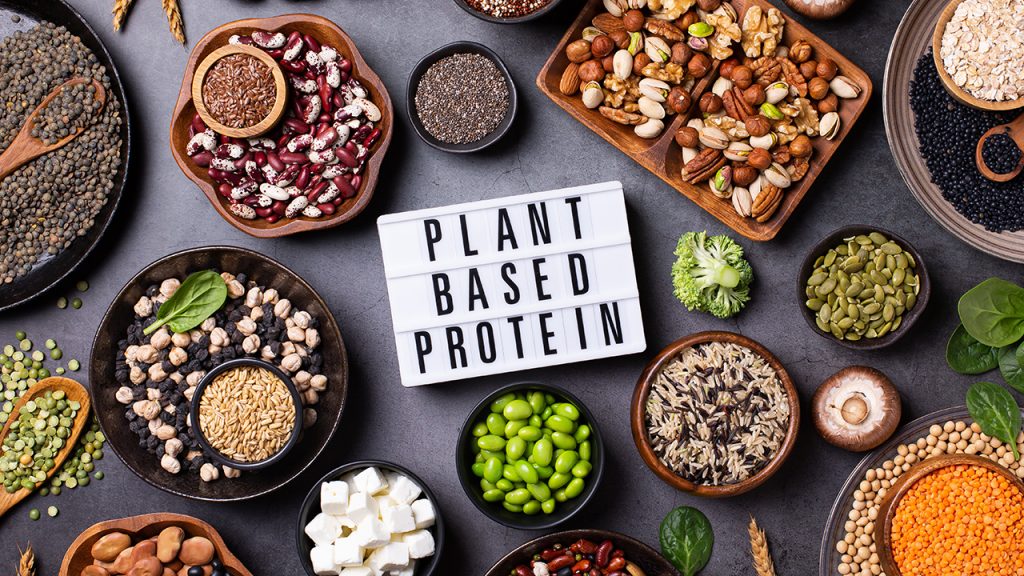
What Counts as Plant-Based Protein?

When most people think of protein, their minds go straight to animal sources like meat, fish, or eggs. But there’s a wide variety of plant-based foods rich in protein that offer just as much (if not more) benefit—without the downsides of saturated fat and cholesterol.

Common Plant-Based Protein Sources:

  • Lentils, chickpeas, green peas
  • Quinoa, oats, barley, rice with beans
  • Almonds, walnuts, peanuts
  • Chia seeds, pumpkin seeds
  • Potatoes

These foods are not only nutrient-dense but are also packed with fibre, antioxidants, vitamins and minerals.

Why Consider Plant-Based Proteins for CKD?

Proteins are essential for everything from muscle repair and hormone production to immune function. However, the source of your protein matters a great deal, especially for those with kidney conditions.

Animal proteins—particularly processed meats and red meats—are associated with:

  • Increased inflammation
  • Higher acid load
  • Elevated risk of heart disease and CKD progression

Plant-based proteins, on the other hand:

  • Are low in saturated fat
  • Contain natural antioxidants
  • Provide fibre, which supports gut health and blood sugar regulation
  • May improve blood pressure and cholesterol levels

Contribute to lowering the risk of diabetes—a major contributor to CKD

Pros and Cons of a Plant-Based Diet for CKD

Pros:

  • Reduces inflammation and acid load on kidneys
  • Helps manage blood pressure, blood sugar, and cholesterol
  • Supports gut health and overall digestive function
  • Associated with lower risk of CKD-related mortality
  • High in beneficial nutrients like magnesium, calcium, and vitamin C

Cons:

  • Many plant proteins are incomplete (they may lack one or more essential amino acids)
  • Risk of Vitamin B12 deficiency, which can lead to anaemia or neurological issues
  • Lower absorption rates than animal proteins—so quantity and variety matter
  • Some individuals may need supplementation or careful meal planning to meet protein needs

Kidneys work silently in the background—filtering blood, regulating blood pressure, and supporting vital body functions. With CKD, even small lifestyle shifts like embracing more plant-based proteins can delay progression, reduce complications, and improve quality of life.

If you’re exploring plant-based eating:

  • Diversify your sources (e.g., combine legumes with whole grains to get complete proteins)
  • Be mindful of any deficiencies, especially B12
  • Monitor portion sizes and nutrients—not all plant-based options are equally kidney-friendly

You don’t have to go fully vegan—but a gradual move towards plant-forward meals can make a real difference.

#BeTheForce

Disclaimer: The information provided in this blog is for general awareness and educational purposes only. It is not intended to replace professional medical advice, diagnosis, or treatment. Always consult a qualified healthcare provider for personalised medical guidance or concerns related to your health.

  • 1
  • 2
  • 3
  • …
  • 138
  • Next Page »

Search

Recent Posts

  • Train Hard, Sleep Well: The Recovery Secret Most People Ignore
  • World Blood Donor Day: The Lifesaving Gift That Science Still Cannot Create
  • From Shimla’s Slopes to Chandigarh’s Sidewalks: Surinder Kaur Bhalla’s Journey from Chaos to Control
  • Yoga and Hormonal Health: What the Science Says
  • Are You Overtraining? 6 Signs Your Body Needs More Recovery

Stay Updated

Archives

  • June 2026 (14)
  • May 2026 (20)
  • April 2026 (24)
  • March 2026 (18)
  • February 2026 (14)
  • January 2026 (14)
  • December 2025 (19)
  • November 2025 (15)
  • October 2025 (20)
  • September 2025 (6)
  • August 2025 (6)
  • July 2025 (11)
  • June 2025 (18)
  • May 2025 (16)
  • April 2025 (22)
  • March 2025 (27)
  • February 2025 (21)
  • January 2025 (25)
  • December 2024 (22)
  • November 2024 (23)
  • October 2024 (20)
  • September 2024 (23)
  • August 2024 (30)
  • July 2024 (20)
  • June 2024 (25)
  • May 2024 (28)
  • April 2024 (27)
  • March 2024 (27)
  • February 2024 (23)
  • January 2024 (21)
  • December 2023 (14)
  • November 2023 (10)
  • October 2023 (19)
  • September 2023 (22)
  • August 2023 (18)
  • July 2023 (22)
  • June 2023 (23)
  • May 2023 (20)
  • April 2023 (19)
  • March 2023 (23)
  • February 2023 (19)
  • January 2023 (15)
  • December 2022 (11)
  • November 2022 (15)
  • October 2022 (15)
  • September 2022 (12)
  • August 2022 (10)
  • July 2022 (17)
  • June 2022 (11)
  • May 2022 (10)
  • April 2022 (6)
  • March 2022 (6)
  • February 2022 (13)
  • January 2022 (11)
  • December 2021 (7)
  • November 2021 (3)
  • October 2021 (6)
  • September 2021 (3)
  • August 2021 (8)
  • July 2021 (7)
  • June 2021 (15)
  • May 2021 (16)
  • April 2021 (10)
  • March 2021 (7)
  • February 2021 (4)
  • January 2021 (4)
  • December 2020 (3)
  • November 2020 (4)
  • October 2020 (10)
  • September 2020 (3)
  • August 2020 (3)
  • July 2020 (2)
  • June 2020 (4)
  • May 2020 (10)
  • April 2020 (12)
  • March 2020 (10)
  • February 2020 (4)
  • January 2020 (4)
  • December 2019 (3)
  • November 2019 (7)
  • October 2019 (5)
  • September 2019 (4)
  • August 2019 (9)
  • July 2019 (9)
  • June 2019 (11)
  • May 2019 (4)
  • April 2019 (8)
  • March 2019 (8)
  • February 2019 (9)
  • January 2019 (8)
  • December 2018 (9)
  • November 2018 (3)
  • October 2018 (3)
  • September 2018 (5)
  • August 2018 (10)
  • July 2018 (6)
  • June 2018 (13)
  • May 2018 (8)
  • April 2018 (18)
  • March 2018 (9)
  • February 2018 (8)
  • January 2018 (15)
  • December 2017 (12)
  • November 2017 (19)
  • October 2017 (13)
  • September 2017 (15)
  • August 2017 (4)
  • July 2017 (8)
  • June 2017 (7)
  • May 2017 (6)
  • April 2017 (8)
  • March 2017 (6)
  • February 2017 (7)
  • January 2017 (9)
  • December 2016 (10)
  • November 2016 (7)
  • October 2016 (7)
  • September 2016 (7)
  • August 2016 (11)
  • July 2016 (9)
  • June 2016 (9)
  • May 2016 (12)
  • April 2016 (17)
  • March 2016 (17)
  • February 2016 (8)
  • January 2016 (6)
  • December 2015 (2)
  • November 2015 (9)
  • October 2015 (7)
  • September 2015 (9)
  • August 2015 (11)
  • July 2015 (9)
  • June 2015 (11)
  • May 2015 (9)
  • April 2015 (13)
  • March 2015 (8)
  • February 2015 (5)
  • January 2015 (12)
  • December 2014 (14)
  • November 2014 (11)
  • October 2014 (6)
  • September 2014 (13)
  • August 2014 (12)
  • July 2014 (6)
  • June 2014 (2)
  • May 2014 (7)
  • April 2014 (4)

From Shimla’s Slopes to Chandigarh’s Sidewalks: Surinder Kaur Bhalla’s Journey from Chaos to Control

Some journeys start with a plan. Others begin with a stumble literally. Surinder Bhalla, a government professional, born and raised in the scenic hill town of Shimla, had always lived a life of movement. “In Shimla, you walked everywhere,” she reflects. … [Read More...]

From “Laddu Nawin” to Fit and Fierce: How a 25-Year-Old Insurance Advisor Shed 20 Kilos and Gained His Life Back

When 25-year-old Nawin Yadav from Hyderabad walked into his office every morning, he carried more than just his files and policy papers. He had the weight of fatigue, sluggish energy, and an ever-growing belly that was becoming the butt of jokes. “People had even started calling me Laddu Nawin,” he says with a laugh, but […]

From Burnout to Balance: How Dr. Ranjit Reclaimed His Health

Dr Ranjit Bhatt has spent years tending to others. A practising doctor in Odisha, his days were packed with patients, surgeries, and emergencies. From the outside, it looked like a life lived in service. But on the inside, something wasn’t right. “I had no control over my schedule. I’d sleep late, eat at odd hours, […]

Ananda Mukherjee Health Story

From Terminal Illness To Complete Wellness! Ananda Mukherjee Health Story

As we observe World Cancer Day under the powerful theme ‘United by Unique’ (2025-2027)**, we are reminded that every individual’s journey with cancer is distinct, yet united by shared resilience, hope, and the collective fight against this disease. This theme places people at the centre of care and their stories at the heart of the […]

  • HOME
  • HEALTHY LIVING
  • FITNESS
  • HEALTHY RECIPES
  • USER STORIES
  • KARMA
  • BUY GOQii

Copyright ©2016 GOQii