GOQii

Blog

  • HOME
  • HEALTHY LIVING
  • FITNESS
  • HEALTHY RECIPES
  • USER STORIES
  • KARMA
  • BUY GOQii

April 2, 2024 By Mamta Joshi 2 Comments

Is it Safe to Include Grains in Your Diet?

grainsCan you imagine a plate of food without grains? It has been a staple for us since forever! There’s always that crushing sense of dissatisfaction if grain-based foods are missing from our plates even for a single day. As a large component of our diet for the longest time, why is it that most people are now moving towards a ‘no grains’ diet or keeping it to a minimum? One of the reasons people avoid grains is due to digestive issues – common ones being acid reflux, bloating, gas, abdominal cramps, flatulence, etc.

Are Grain Really Hard to Digest?  

Studies and various researches have revealed that there are some factors listed here which make grains hard to digest.

  • Fiber: Insoluble Fiber is that part of the grain that the body can’t break down and digest into a simpler form. Instead, it passes through the body undigested. On one hand, insoluble fibers are good for us as they work as cleaning agents of our digestive system and on the other, they may cause gastrointestinal discomfort in some with weak digestive health.
  • Anti-Nutrients: Grains also contain anti-nutrients like Phytic acid and lectins which reduce the absorption of minerals like calcium, iron, magnesium, copper and zinc from a meal and may cause mineral deficiency. Humans need minerals to perform various functions, from building bones to transmitting nerve impulses, to make hormones and maintain a normal heartbeat.
  • Enzyme Inhibitors: Various types of enzyme inhibitors are found in grains including protease inhibitors and amylase inhibitors. Enzyme inhibitors can block enzymes action. Enzymes kick-start the digestion process. Presence of enzyme inhibitors confines the digestion process to act properly and timely. This results in rotting of such food which further leads to situations such as bloating, gas trouble and cramps.
  • Disaccharides: Simple sugars or monosaccharides are directly absorbed into the bloodstream, while disaccharides are two single sugars that are linked together. Grains contain disaccharide that needs to be broken down first before being absorbed in the bloodstream. Disaccharide is broken down into monosaccharide by enzymes called disaccharidases which are present in the brush like border called villi of the small intestine wall. Any kind of inflammatory damage to the cells in the small intestine lead to disaccharidase enzyme not being produced and lead to disaccharide intolerance. Disaccharide intolerance is the inability to break apart the disaccharide into two single sugars and absorb them. This often leads to uncomfortable digestive symptoms.
  • Complex Protein: Grains contain the complex protein Gluten that the body can’t easily break down. The human body needs food to be in the simplest form in order to absorb and use it. While most people won’t have much difficulty digesting whole grains, some with conditions such as gluten intolerance may experience adverse effects when eating gluten-containing grains. Gluten intolerance causes digestive issues such as bloating, gas and diarrhoea. Celiac disease is a more serious condition in which gluten causes the immune system to attack the small intestine. Gluten is also known to cause Leaky Gut. Gluten is present in barley, rye and wheat.

Tips to Make Grains Digestion Friendly

  1. Fiber absorbs water. One should drink plenty of liquids to ensure that the fiber absorbs enough water to pass through the system easily.
  2. Most of the anti-nutrients are found in the skin and anti-nutrients are water-soluble. Hence, soaking grains reduces the anti-nutrients effect. It’s recommended that grains must be soaked in water and should be washed before cooking (e.g. rice) so that the anti-nutrients are separated.
  3. Sprouting or germination reduces phytate in grains and degrades lectins and protease inhibitors.
  4. Fermentation of grains leads to a significant reduction in phytate and lectins (idli, sourdough bread). Fermenting helps break down the tough outer cover of a grain, making it easier to digest and reinforce the gut flora with pro-digestive microbes.
  5. Incorporate probiotics like yogurt, kimchi, kombucha and kefir along with grain-based foods to improve overall digestion and heal the gut.
  6. Chewing is the first step of digestion. The more you chew, the more saliva gets secreted that has digestive enzyme amylase present in it which makes digestion easier. Chewing makes food small enough for the digestive juices in the stomach to further digest it effectively.
  7. In case of gluten sensitivity, avoid gluten-containing grains such as wheat, barley and rye. Go for gluten-free grains like oats, quinoa, rice and sorghum to subside the symptoms. When the gut heals, the symptoms subside. 

While you may experience issues with some grains, that doesn’t mean you should avoid the entire food group. Maintaining a diet diary can help find the trigger and then you can consult a medical professional, dietician, a nutritionist for changes or speak to a certified expert by subscribing to GOQii’s Personalised Health Coaching here.

We hope this article helps you make a positive change in your eating habits.

#BeTheForce 

March 31, 2024 By Madhu Soni 2 Comments

The Power of the Indian Gooseberry

Indian Gooseberry Benefits

In a fast-paced world that rapidly drains us of energy, it is extremely important to be in the best of shape! In that pursuit, we are constantly searching for an elixir that will give us good health with least efforts.

What if we told you that you can have more energy, focus and overall good health? What if that magic elixir exists? More so, what if it is a fruit that you already know?

If you haven’t guessed it already, we are talking about the Indian Gooseberry or as it is popularly known – “Amla”. Since ancient times, it is used to cure various ailments, even if it is something as simple as aiding digestion to something as complex as fighting Diabetes and Heart Disease.

The Indian Gooseberry (Emblica officinalis or phyllanthus emblica) derives its name from the Sanskrit word “Amalaki”. This tree is a native of India and the neighboring South East Asian countries. The fruit is sour in taste but leaves a sweet aftertaste.

Let’s take a look at how it impacts health!

  • Boost Immunity: The Indian Gooseberry is a powerhouse of Vitamin C and A. It greatly increases white blood cells in our body and is an excellent antioxidant, anti-inflammatory and anti-carcinogenic. It is like a powerful soldier that shields our body against various foreign toxins.
  • Fights Cancer: It has the potential to restrict the growth of cancer cells by keeping harmful free radicals at bay. The Indian Gooseberry also counter-attacks the side effects of anti-cancer drugs, radiation and chemotherapy.
  • Keeps Diabetes in Check: It helps regulate blood sugar levels in many ways. The chromium present in it is responsible for the pancreas to produce sufficient insulin and the polyphenol keeps the oxidative stress low, thus making the body more responsive to insulin.
  • Good for the Heart: The cardio protective properties of the Indian Gooseberry due to the presence of Vitamin A and C, the chromium and iron help reduce cholesterol, increase HDL (Good cholesterol) and reduce LDL (bad cholesterol) and strengthen the heart muscles.
  • Protects the Eyes: Regular use of the Indian Gooseberry can protect our eyes from cataract and short-sightedness. The impressive carotene content in it can keep night blindness away.
  • Promotes a Healthy Liver: It is diuretic in nature, which means that it increases the volume and frequency of urine and fosters regular bowel movement. It also helps in eliminating toxic metals and the ill effects of excessive medication. Thus, it protects the liver. It also provides relief in the case of urinary tract infection.
  • Fountain of Youth: The Indian Gooseberry supports longevity, helps smoothen wrinkles, fortifies the skin, prevents hair loss and greying and provides lustrous hair. Besides beauty, it is also a brain tonic which promotes clarity of thought and boosts memory.

The Not So Good Part of the Indian Gooseberry! 

Since it is high in ascorbic acid, taking excessive quantities at night may erode the enamel in the teeth just like any other citrus fruit. Since it reduces Diabetes, sugar levels may drop, so keep your doctor informed about it. He may change your medication. Being diuretic, excess amla consumption may cause constipation to a few.

How to Eat the Indian Gooseberry

  • The best way to have it would be raw. You can add rock salt and pepper to kill the sourness
  • Powder and tablets are a convenient way to have it, but to be taken under medical supervision
  • Indian Gooseberry juice either freshly made at home or store bought are great options
  • Chawanprash: a healthy way to include it. 1-2 tsp can be taken daily
  • Amla Murabba: Since it has a good amount of sugar, which acts as a preservative, you can wash off the excess sugar syrup just before eating
  • Eat it as a chutney, pickle or you can even opt for Amla Candies

To put it all in a nutshell, taken in any form, it is a simple yet effective way to good health. It is worth its weight in gold and this information shouldn’t be ignored but passed on to the next generation!

Want to know more about the Indian Gooseberry? Let us know in the comments below! For further information or guidance, reach out to our certified experts by subscribing to GOQii’s Personalised Health Coaching here.

#BeTheForce
March 17, 2024 By Chhavi Goel Manglik 4 Comments

All you need to know about Vitamin K

Vitamin-k-foods

Most of us are aware of Vitamin A, B, C, D and E. But do you know there is Vitamin K as well?  Yes there is Vitamin K which is an essential vitamin for our body.

Vitamin K is a fat soluble Vitamin is founded by Henrick Dam in 1934. It is also referred as antihemorrhagic factor or coagulation vitamin which has been derived from the Danish word Koagulations.

It is available in two forms

Vitamin K1, also known as phylloquinone, phytomenadione, or phytonadione. It is largely found in green leafy vegetables.

Vitamin K2 is known as menaquinones and is mainly found in the bacteria of colon (Large intestine).

FUNCTIONS

  1. It helps in maintaining bone matrix (bone mineralization)
  2. It helps in cellular growth
  3. It acts as a co factor for enzyme that validates protein to bind calcium
  4. It is important for normal clotting of blood
  5. It helps in synthesis of protein in plasma, bone and kidney
  6. It reduces the risk of cardio vascular diseases
  7. It lowers down the risk of type 2 diabetes
  8. It helps in the maintaining the bone health
  9. Ministry of Japan used it in treating osteoporosis
  10. It lowers the risk of liver cancer
  11. It diminishes the risk of non-Hodgkin lymphoma
  12. It is used in treatment of Alzheimer’s disease
  13. It’s antidote treatment of poisoning byrodenticide

Daily Dietary Recommendations

Infants

  • 0-6 months: 2 mcg
  • 6-12 months: 2.5 mcg

Toddlers 

  • 1-3 years: 30 mcg
  • 4-8 years: 55 mcg
  • 9-12 years: 60 mcg 

Teenagers

  • 13 years: 60 mcg
  • 14-18 years: 75 mcg

Adults

  • 19+ years, Female: 90 mcg
  • 19+ years, Male: 120 mcg

Pregnacy and lactation

  • Pregnant or lactating women, 14-18 years: 75 mcg
  • Pregnant or lactating women, 19+ years: 90 mcg 

Food sources for K1

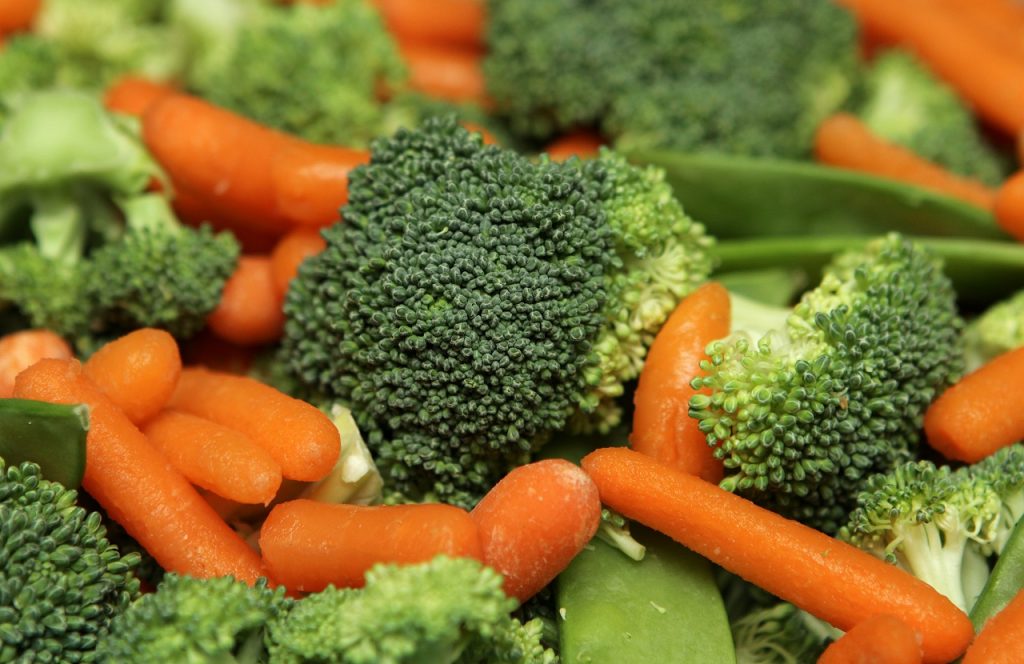
Spinach, alfalfa, cabbage, kale, mustard leaves, collard greens, lettuce, Brussels greens, turnip greens, broccoli, parsley

Food sources for K2

Egg yolk, egg white, chicken, cheddar cheese, salmon, goose liver, bacon

Necessary as supplements for

1.   It is rare in adults but common in new born

2.   People suffering from

a.  Crohn’s disease

b.   Celiac disease

c.   Malnutrition

d.  Gall bladder diseases

e.  Cystic fibrosis

f.   Burn patients

g.  On hemodialysis

3.   People who are alcoholic.

4.   People on thinners

a.  Warfarin (Coumadin)

5.  People on drug (antibiotics) that interferes with vitamin K metabolism

a.   Cefamandole (Mandol)

b.  Cefoperazone (Cefobid)

c.  Cefmetazole (Zefazone)

d.  Cefotetan (Cefotan)

6. People on anticonvulsants

a. Phenytoin (Dilantin)

7. People on cholesterol lowering medications

a. Cholestyramine (Questran)

b. Colestipol (Colestid)

c. Colsevelam (Welchol)

Deficiencies & Toxicity

The deficiency of Vitamin K results in hemorrhage and lowering of blood clotting process. Whereas, steatorrhea may occur in the case of Vitamin K toxicity, though very rare.

Understanding the importance of Vitamin K in maintaining bone health, supporting blood clotting, and reducing the risk of various diseases is crucial for overall wellness. Incorporate Vitamin K-rich foods into your diet and consult with certified expert by subscribing to GOQii’s Personalised Health Coaching here, to ensure optimal levels of this essential nutrient.

#BeTheForce

March 7, 2024 By Dr. Viral Thakkar 10 Comments

Vitamin B12: The Energy Nutrient many of you should be thinking about!

cc

As a medical practitioner, I am appalled by the number of patients suffering from B12 deficiency. Patients complain about fatigue, vague pains, tingling, numbness, loss of concentration. Many tests are conducted with no results and the one missed is the test for vitamin B12. Vitamin B12 is the only vitamin that contains a trace element – cobalt – which gives this vitamin its chemical name – cobalamin – which is at the centre of its molecular structure.

B12 is required

  • For the manufacture of red blood cells; deficiency leads to a characteristic kind of anemia
  • To support the normal function of nerve cells, and to manufacture myelin, the insulating material that surrounds some of our nerve cells and speeds neural transmission. B12 deficiency impairs brain function. Advanced B12 deficiency causes dementia resembling Alzheimer’s.
  • The deficiency leads to difficulty in regeneration of new healthy cells- mimics all of the effects of aging.
  • B12 is involved in the metabolism of every cell of the human body, especially affecting DNA synthesis, fatty acid and amino acid metabolism.

Vitamin B12 is produced by some species of bacteria in colon. The colon is followed by the small intestine & is a part of large intestine and hence the B12 produced there is not absorbed which results in the need of supplementation.

Who should be concerned about B12 deficiency?

  1. If you are or were a vegetarians / a vegan – get yourself tested
  2. Babies born to mothers who are vegetarians
  3. Risk of B12 deficiency increases with age. So test yourself and fortify your meals
  4. Pernicious anaemia – is an autoimmune condition that affects your stomach. In your stomach, Vitamin B12 is combined with a protein called intrinsic factor. This mix of Vitamin B12 and intrinsic factor is then absorbed into the body in part of the gut called the distal ileum. Pernicious anaemia causes your immune system to attack the cells in your stomach that produce the intrinsic factor, which means your body is unable to absorb Vitamin B12.
  5. Conditions affecting your intestines – E.g. Crohn’s disease (a long-term condition that causes inflammation of the lining of the digestive system)
  6. Some types of medicine – E.g. proton pump inhibitors (PPIs) –a medication sometimes used to treat indigestion – can make a Vitamin B12 deficiency worse.
  7. People suffering from Atrophic Gastritis (the stomach line becomes thin)
  8. Surgery where a part of the stomach is removed, including weight loss surgery like bariatric surgery.
  9. Smoking, drinking & stress increases the requirement of B12
  10. Few autoimmune disorders
  11. Chronic illnesses leads to a deficiency of this diseases

Move towards a B12 rich diet if you have the following symptoms

  • Weakness, tiredness, dizziness or lightheadedness
  • Smooth tongue
  • Palpitations and dyspnea
  • Pale skin
  • Constipation, diarrhea, a loss of appetite, or dyspepsia
  • Nerve problems – numbness or tingling, muscle weakness,
  • Loss of weight
  • Mental problems – memory loss, or behavioral changes, confusions
  • Glove & stocking neuropathy (tingling of palms & forearms, feet till knees) – in this scenario B12 deficiency is the majorly deficient apart from other nutrients

Untitled

Sources of B12

Sources of B12 are animal products (meat, fish, and dairy products), fortified foods. Ensure sufficient quantities of these foods to maintain your B12 levels. If your count is low, consider oral or injectable forms of the vitamin. But why reach that stage?

Have the above mentioned foods in your routine.  The best part of this Energy Nutrient is that the excess is excreted by the body or stored in the liver for use when supplies are scarce. Stores of B12 can last for up to a year. Unfortunately sometimes catching the B12 deficiency late can result in permanent damage. Any neurological damage due to B12 deficiency cannot be reversed. Ensure that your B12 levels are maintained at levels 200 to 900 picograms per milliliter (pg/mL).

#BeTheForce

  • « Previous Page
  • 1
  • …
  • 14
  • 15
  • 16
  • 17
  • 18
  • …
  • 68
  • Next Page »

Search

Recent Posts

  • The New Annual Health Check: Tests That Actually Matter After 35
  • 10 Tips for a Blissful Night Sleep
  • World Liver Day 2026: Solid Habits, Strong Liver
  • Prebiotics and Probiotics: What’s the Difference?
  • Social Health and Longevity: Why Relationships Matter as Much as Diet

Stay Updated

Archives

  • April 2026 (16)
  • March 2026 (18)
  • February 2026 (14)
  • January 2026 (14)
  • December 2025 (19)
  • November 2025 (15)
  • October 2025 (20)
  • September 2025 (6)
  • August 2025 (6)
  • July 2025 (12)
  • June 2025 (18)
  • May 2025 (16)
  • April 2025 (22)
  • March 2025 (28)
  • February 2025 (22)
  • January 2025 (25)
  • December 2024 (22)
  • November 2024 (23)
  • October 2024 (21)
  • September 2024 (23)
  • August 2024 (30)
  • July 2024 (21)
  • June 2024 (25)
  • May 2024 (30)
  • April 2024 (27)
  • March 2024 (27)
  • February 2024 (24)
  • January 2024 (21)
  • December 2023 (14)
  • November 2023 (10)
  • October 2023 (19)
  • September 2023 (22)
  • August 2023 (18)
  • July 2023 (22)
  • June 2023 (23)
  • May 2023 (24)
  • April 2023 (21)
  • March 2023 (23)
  • February 2023 (19)
  • January 2023 (15)
  • December 2022 (11)
  • November 2022 (15)
  • October 2022 (15)
  • September 2022 (12)
  • August 2022 (10)
  • July 2022 (17)
  • June 2022 (11)
  • May 2022 (10)
  • April 2022 (6)
  • March 2022 (6)
  • February 2022 (13)
  • January 2022 (11)
  • December 2021 (7)
  • November 2021 (3)
  • October 2021 (6)
  • September 2021 (3)
  • August 2021 (8)
  • July 2021 (7)
  • June 2021 (15)
  • May 2021 (16)
  • April 2021 (10)
  • March 2021 (7)
  • February 2021 (4)
  • January 2021 (4)
  • December 2020 (3)
  • November 2020 (4)
  • October 2020 (10)
  • September 2020 (3)
  • August 2020 (3)
  • July 2020 (2)
  • June 2020 (4)
  • May 2020 (10)
  • April 2020 (12)
  • March 2020 (10)
  • February 2020 (4)
  • January 2020 (4)
  • December 2019 (3)
  • November 2019 (7)
  • October 2019 (5)
  • September 2019 (4)
  • August 2019 (9)
  • July 2019 (9)
  • June 2019 (11)
  • May 2019 (4)
  • April 2019 (8)
  • March 2019 (8)
  • February 2019 (9)
  • January 2019 (8)
  • December 2018 (9)
  • November 2018 (3)
  • October 2018 (3)
  • September 2018 (5)
  • August 2018 (10)
  • July 2018 (6)
  • June 2018 (13)
  • May 2018 (8)
  • April 2018 (18)
  • March 2018 (9)
  • February 2018 (8)
  • January 2018 (15)
  • December 2017 (12)
  • November 2017 (19)
  • October 2017 (13)
  • September 2017 (15)
  • August 2017 (4)
  • July 2017 (8)
  • June 2017 (7)
  • May 2017 (6)
  • April 2017 (8)
  • March 2017 (6)
  • February 2017 (7)
  • January 2017 (9)
  • December 2016 (10)
  • November 2016 (7)
  • October 2016 (7)
  • September 2016 (7)
  • August 2016 (11)
  • July 2016 (9)
  • June 2016 (9)
  • May 2016 (12)
  • April 2016 (17)
  • March 2016 (17)
  • February 2016 (8)
  • January 2016 (6)
  • December 2015 (2)
  • November 2015 (9)
  • October 2015 (7)
  • September 2015 (9)
  • August 2015 (11)
  • July 2015 (9)
  • June 2015 (11)
  • May 2015 (9)
  • April 2015 (13)
  • March 2015 (8)
  • February 2015 (5)
  • January 2015 (12)
  • December 2014 (14)
  • November 2014 (11)
  • October 2014 (6)
  • September 2014 (13)
  • August 2014 (12)
  • July 2014 (6)
  • June 2014 (2)
  • May 2014 (7)
  • April 2014 (4)

From “Laddu Nawin” to Fit and Fierce: How a 25-Year-Old Insurance Advisor Shed 20 Kilos and Gained His Life Back

When 25-year-old Nawin Yadav from Hyderabad walked into his office every morning, he carried more than just his files and policy papers. He had the weight of fatigue, sluggish energy, and an ever-growing belly that was becoming the butt of jokes. “People … [Read More...]

“I’ve Challenged Myself to Live 100 Years” – The Story of Chandubhai Savani’s Second Chance at Life

At 67, most people start slowing down. Not Chandubhai Savani. A resident of Surat, Chandubhai, thought life was on track. “My life was going well till I had my bypass surgery,” he says. That surgery, back in 2021, was a wake-up call.  Medication was routine, but exercise wasn’t. His diet? What he calls ‘normal.’ “I […]

From Shimla’s Slopes to Chandigarh’s Sidewalks: Surinder Kaur Bhalla’s Journey from Chaos to Control

Some journeys start with a plan. Others begin with a stumble literally. Surinder Bhalla, a government professional, born and raised in the scenic hill town of Shimla, had always lived a life of movement. “In Shimla, you walked everywhere,” she reflects. “Walking was never an exercise. It was just life.” But after shifting to Chandigarh, […]

Ananda Mukherjee Health Story

From Terminal Illness To Complete Wellness! Ananda Mukherjee Health Story

As we observe World Cancer Day under the powerful theme ‘United by Unique’ (2025-2027)**, we are reminded that every individual’s journey with cancer is distinct, yet united by shared resilience, hope, and the collective fight against this disease. This theme places people at the centre of care and their stories at the heart of the […]

  • HOME
  • HEALTHY LIVING
  • FITNESS
  • HEALTHY RECIPES
  • USER STORIES
  • KARMA
  • BUY GOQii

Copyright ©2016 GOQii