GOQii

Blog

  • HOME
  • HEALTHY LIVING
  • FITNESS
  • HEALTHY RECIPES
  • USER STORIES
  • KARMA
  • BUY GOQii

October 18, 2024 By Navnee Garg 3 Comments

When Not Eating Becomes a Disease: What Anorexia Really Does to You or Someone You Love

Anorexia Nervosa

Following healthy habits is good. It’s always nice to have a plan for healthy eating and follow it steadily with discipline. But what happens when you overindulge in a dieting plan? As we all know, anything in excess is bad and the same goes for dieting or having an unhealthy obsession with losing weight which may make one do things that can cause more damage than good. Having said that, I’d like to highlight an eating disorder that I recently came across called Anorexia Nervosa.

What is Anorexia Nervosa?

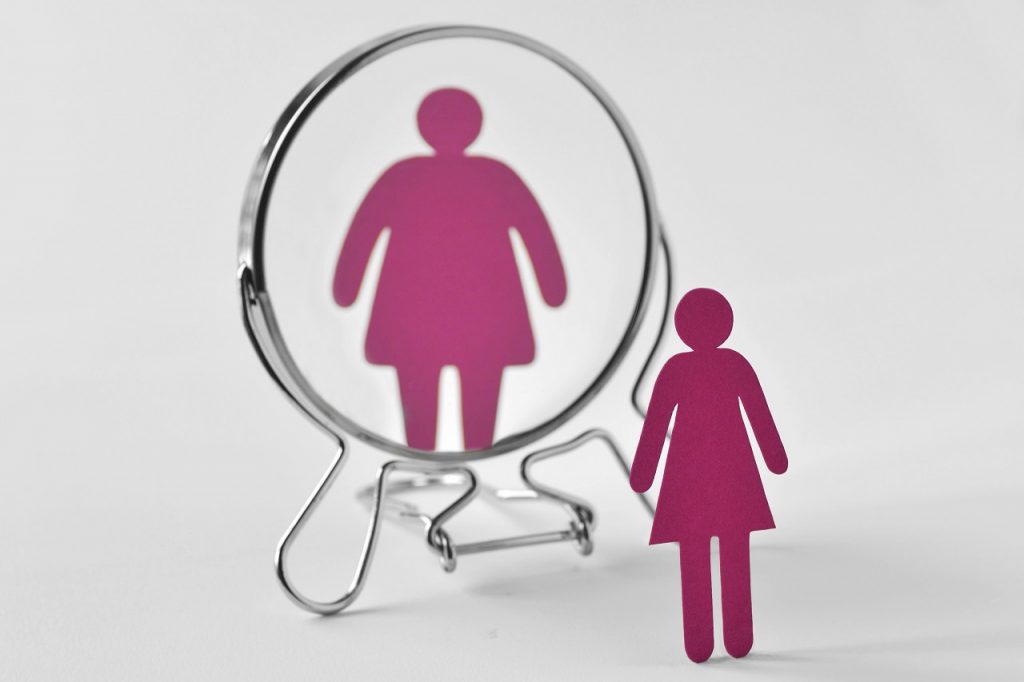
Anorexia Nervosa is an eating disorder which is characterized by low body weight, fear of gaining weight, and a distorted perception of weight. This means that despite having normal body weight, these people feel that they are overweight, or even if they will eat a bite extra, they feel that they will suddenly gain weight. So they prefer being on a very low calorie diet, prefer restricted foods, focusing excessively on the portion they eat. They also try to control their weight by vomiting after eating, or misusing laxatives, diet aids, diuretics or even enemas. At times, they also try to lose weight by excessive exercising just post consuming meals.

Nervosa is not about calorie counting, it is more about one’s psychological aspect which can be extremely dangerous or even life threatening to try to cope up with emotional distress. Anorexic people often tend to equate thinness with self worth.

What Are The Symptoms?

The most evident physical symptom of Nervosa is Starvation, and let us not confuse it with conscious eating. Apart from it, it also includes some emotional and behavioural issues which include unrealistic perception of one’s own body in terms of being fat or fear of gaining weight.

It is difficult to notice the signs and symptoms among the people, but there are few alarming signs which can be noticed by near and dear ones like low body weight, or thin appearance, abnormal blood counts, fatigue, dizziness, and insomnia, thinning of hair, blue discoloration of fingers, irregular bowel movements, irregular heart rhythms, and dehydration.

Also some emotional and behavioural symptoms would include:

  • Skipping meals or refusing to eat
  • Making excuses like denial for hunger, or unwell
  • Avoiding to eat in public
  • Social withdrawal
  • Irritability and Insomnia

Diagnosis 

Though it is difficult to diagnose Anorexia Nervosa at an early stage, the American Psychiatric Association’s (APA’s) Diagnostic and Statistical Manual of Mental Disorders has set diagnosis criteria for people prone to being Anorexic.

  1. Restricted calorie intake as per the requirement of the body in terms of age, height, gender and physical health.
  2. Misconception of being overweight, despite being actually underweight.
  3. A full medical history can also help to reach the outcome

Treatment and Recovery

Treatment includes some medications, nutritional counseling, psychotherapy and family counseling as well which would depend on one’s level of being anorexic. Generally people refuse to accept that they fall in the category but a proper counseling session can help one recover soon.

There is no harm in Being Picky about putting food in your mouth, but this should be done in certain limits by working on calorie counting, or choosing the healthiest option and not in excessive fear to gain weight. The body needs fuel as well to work its system out. The correct way to lose weight is by eating healthy and exercising regularly, and not “DIETING”. Long term anorexia nervosa can lead to serious medical issues like low bone density, anemia, or some gastrointestinal issues as well.

So, if you feel any such symptoms, or you know someone prone to it, do share the article with them, and we at GOQii are always there to help you recover in whatever best way possible.

Did you find this article helpful? Do leave your thoughts and queries in the comments below and do share it on the GOQii Arena in the GOQii app with your friends! 

#BeTheForce 

Disclaimer: The information provided in this blog is for general awareness and educational purposes only. It is not intended to replace professional medical advice, diagnosis, or treatment. Always consult a qualified healthcare provider for personalised medical guidance or concerns related to your health.

October 4, 2024 By Anusha Subramanian Leave a Comment

A ‘Smile’ a day keeps the ‘Blues’ away

The benefit of smiling is a subject which isn’t discussed much. You might be wondering, how a smile can have an impact on your health, considering that it is just an expression you make. Today, we are going to find out how a smile can bring about a change in our lives and how it contributes to our well being.



  1. Mood Enhancer:

Did you know that smiling releases endorphins into the brain? Endorphins fight pain and stress just like morphine and other painkillers. They boost your mood and take your mind away from whatever it is that’s distracting you. The best part is that it is totally free of cost, nobody can charge for cracking a smile. So stop investing in drugs and smile more often, for a free of cost mood enhancer.

  1. Heart Friendly:

Are you someone who has a history of heart diseases? Is your blood pressure high? If yes, smiling is an excellent companion for you. Studies show that smiling reduces the heart rate and helps the body to relax. This enables the heart to work without putting much strain. So smile more often and be the proud owner of a healthy heart.

  1. Productivity Accelerator:

Ever wondered why those silly internet memes or funny videos between work, helps you relax and work faster later on? You smile when you see them and it accelerates your productivity. Smiling more often is believed to increase your productivity at work or any other areas of life. Are you someone who enjoys whistling while you work? This is very similar. Now you know what to do when you feel like you are slowing down.

  1. Induces Empathy:

We find ourselves in embarrassing situations on a regular basis. Whether you are at home or work, these situations are always lurking in every corner. The first response to an embarrassing moment is a smile. This helps in breaking the ice and makes others be more lenient about what they think of you, thereby inducing a sense of empathy in them.

  1. Natural Painkiller:

As I mentioned earlier, smiling releases endorphins into the brain which helps in reducing the sensation of pain and also lifting our mood. The next time you hurt yourself, try to keep a smile on your face and the pain will start reducing.

  1. Builds Immunity:

Smiling helps the body to relax and this helps the immune system to react better when invaders come knocking at the door. Add some smile to your daily dose of proteins and vitamins, for a strong immunity system.

  1. Lasting Longevity:

Taking all the above factors into consideration, we can easily conclude that people who smile more, live longer because it reduces stress, helps your heart and does much more in keeping you healthier for a longer time. Smile more and live longer!

In summary, the impact of a smile is truly remarkable. It serves as a natural mood enhancer, contributes to heart health, boosts productivity, fosters empathy, acts as a natural painkiller, strengthens immunity, and even promotes longevity. So, make it a daily practice to curve those lips upwards. A smile a day not only keeps the blues at bay but could also be your recipe for a healthier, happier life!

#BeTheForce

Disclaimer: The information provided in this blog is for general awareness and educational purposes only. It is not intended to replace professional medical advice, diagnosis, or treatment. Always consult a qualified healthcare provider for personalised medical guidance or concerns related to your health.

September 27, 2024 By Neha Morche 1 Comment

Aloe Vera- Wonders of the spiky green plant

AloeVeraCleopatra is known for her beauty, and one of the reasons for her immaculate beauty can be credited to the spiky green plant Aloe Vera, which she is understood to have used daily in gel form as part of her beauty regime. Today, this very plant is used in several personal care products and medicines. Dubbed affectionately as the ‘Plant of immortality’ by the Egyptians 6000 years ago, Aloe Vera has rejuvenating and healing properties. The ancient Greeks used it to cure everything from baldness to insomnia.

Aloe Vera, also known as a Wonder Plant, has tremendous benefits. No wonder it is wildly used in cosmetics, herbal remedies, and food supplements.

If you have observed the leaf of Aloe Vera closely, there is yellow latex found just under the skin and white-colored gel inside the leaf. Both of these have medicinal properties. It is rich in calcium, sodium, potassium, iron, zinc, manganese, folic acid, amino acid and Vitamin A, C, E, B1, B2, and B6.

Benefits :

  • Aloe Vera’s white gel contains enzymes, fiber, and amino acids, which help with digestion and digestive disorders like colitis and irritable bowel syndrome.
  • It has anti-bacterial, anti-viral properties to help boost the immune system and maintain oral hygiene.
  • It has laxative properties to relieve constipation.
  • Aloe Vera is anti-inflammatory and helps reduce inflammation of Rheumatoid Arthritis, an auto-immune disease affecting the entire body. The immune system attacks body tissues, especially the membranes lining the joint.
  • Aloe Vera juice can be used for lowering sugar levels. However, consult your doctor before consuming Aloe Vera juice
  • It has anti-carcinogenic properties to fight cancer.
  • Aloe Vera is rich in magnesium lactate, which works very well for chest congestion.
  • Vitamin C present in Aloe Vera is an excellent natural source to fight against cold and coughs.

Aloe Vera for the Skin :

  • Suitable for all skin types.
  • Aloe Vera gel has a soothing effect, reducing skin irritation when applied to the affected area.
  • Its anti-microbial properties help in curing acne, pimples and lightening the skin.

Aloe Vera for the Hair:

  • It contains Proteolitic enzymes, which help remove dead skin from the scalp and excess sebum to promote hair growth.
  • Its alkaline properties maintains the pH balance of the scalp to keep hair moisturized.
  • The anti-fungal property of Aloe Vera helps in reducing dandruff.
  • To keep hair soft and smooth, Aloe Vera gel can be added to regular conditioner and used daily.

Word of Caution:

Aloe Vera is packed with nutrients to treat the body naturally. However, certain treatments may cause adverse effects if not taken under supervision. Excessive intake may cause diarrhea and lower blood sugar, leading to potassium loss. It may also inhibit some drug reactions internally and cause allergic reactions on the skin.

With its numerous benefits for health, skin, and hair, Aloe Vera truly stands out as a wonder plant. Whether you use it topically or consume it in moderation, its natural properties can enhance your overall well-being. However, it’s essential to use it wisely and consult a healthcare professional if needed. Have you experienced the benefits of Aloe Vera? Let us know in the comments below! For more natural health tips, speak to a certified expert by subscribing to GOQii’s Personalised Health Coaching here.

#BeTheForce

Disclaimer: The information provided in this blog is for general awareness and educational purposes only. It is not intended to replace professional medical advice, diagnosis, or treatment. Always consult a qualified healthcare provider for personalised medical guidance or concerns related to your health.

September 23, 2024 By Hardika Vira 180 Comments

Uric acid and seven ways to reduce it

uric acid

You may have heard people mention they suffer from ‘Gout.’ Gout is a condition marked by abnormal metabolism of uric acid, leading to excessive amounts of uric acid in the tissues and blood.

Uric acid is a byproduct of the metabolic breakdown of purine nucleotides. High levels of uric acid in the bloodstream can result in gout. It is also linked to other health issues, such as kidney stones and diabetes.

Normal uric acid levels range between 3.5 and 7.2 milligrams per deciliter of blood (mg/dL).

Here are seven tips to help reduce uric acid levels:

  1. Increase Water Intake – Staying hydrated is key to flushing out uric acid. When your body is well-hydrated, uric acid crystals are less likely to form. Drink at least 3-4 liters of water daily to help eliminate uric acid from your system. You can also include buttermilk, coconut water, lemon water, and green tea to boost your overall fluid intake.
  2. Reduce Purine-Rich Foods – Uric acid is formed by the breakdown of purines, a type of protein. While purines are naturally produced by the body, they are also found in foods like red meat, mushrooms, baked goods containing yeast, and fermented products. Opt for foods like lentils, split dals, milk, and egg whites to maintain healthy protein intake.
  3. Eat High Fiber Food – Fiber helps absorb uric acid in the bloodstream, allowing it to be easily eliminated through the kidneys. Good sources of fiber include fruits, vegetables, whole grains, and whole grain products, which should be chosen over refined products.
  4. Avoid Caffeine and Alcohol – Caffeine (found in coffee, tea, and certain soft drinks) and alcohol hinder the excretion of uric acid by binding to it. Reducing your intake of these can improve uric acid removal from your system.
  5. Consume Vitamin C-Rich Foods – Vitamin C aids in the excretion of uric acid. Citrus fruits, bell peppers, cabbage, amla (Indian gooseberry), and guava are excellent sources of Vitamin C and can help lower uric acid levels.
  6. Limit Sugar Intake – Excess sugar can interfere with the excretion of uric acid. Studies have shown that drinking 300 ml of sweetened beverages daily can increase the risk of gout by 13%.
  7. Try Apple Cider Vinegar – Apple cider vinegar contains acetic acid, which turns alkaline in the body, helping to dissolve uric acid crystals and preventing them from recurring. It also reduces joint inflammation and swelling, improving joint flexibility.

Reducing uric acid levels is crucial for managing gout and preventing associated health issues like kidney stones and diabetes. By making these simple lifestyle adjustments, you can lower your uric acid naturally and maintain better overall health. Do try these tips and share your thoughts in the comments below! For more health tips, speak to a certified expert by subscribing to GOQii’s Personalised Health Coaching here.

#BeTheForce

Disclaimer: The information provided in this blog is for general awareness and educational purposes only. It is not intended to replace professional medical advice, diagnosis, or treatment. Always consult a qualified healthcare provider for personalised medical guidance or concerns related to your health.

  • « Previous Page
  • 1
  • …
  • 4
  • 5
  • 6
  • 7
  • 8
  • …
  • 78
  • Next Page »

Search

Recent Posts

  • Navigating the Maze of Nutrition: Finding Clarity Amidst Confusion
  • Get children active and keep them healthy
  • What Gestational Diabetes Can Do To You & Your Unborn Child
  • Breathing – A Forgotten Art
  • The Incredible Benefits Of Milk You Might Not Know

Stay Updated

Archives

  • December 2025 (3)
  • November 2025 (15)
  • October 2025 (20)
  • September 2025 (6)
  • August 2025 (6)
  • July 2025 (12)
  • June 2025 (18)
  • May 2025 (16)
  • April 2025 (23)
  • March 2025 (23)
  • February 2025 (22)
  • January 2025 (26)
  • December 2024 (26)
  • November 2024 (25)
  • October 2024 (22)
  • September 2024 (24)
  • August 2024 (31)
  • July 2024 (21)
  • June 2024 (26)
  • May 2024 (31)
  • April 2024 (27)
  • March 2024 (29)
  • February 2024 (26)
  • January 2024 (25)
  • December 2023 (15)
  • November 2023 (11)
  • October 2023 (22)
  • September 2023 (22)
  • August 2023 (20)
  • July 2023 (22)
  • June 2023 (24)
  • May 2023 (24)
  • April 2023 (24)
  • March 2023 (23)
  • February 2023 (20)
  • January 2023 (16)
  • December 2022 (12)
  • November 2022 (15)
  • October 2022 (15)
  • September 2022 (12)
  • August 2022 (10)
  • July 2022 (17)
  • June 2022 (11)
  • May 2022 (10)
  • April 2022 (6)
  • March 2022 (6)
  • February 2022 (13)
  • January 2022 (12)
  • December 2021 (7)
  • November 2021 (3)
  • October 2021 (6)
  • September 2021 (3)
  • August 2021 (8)
  • July 2021 (7)
  • June 2021 (15)
  • May 2021 (16)
  • April 2021 (10)
  • March 2021 (7)
  • February 2021 (4)
  • January 2021 (4)
  • December 2020 (3)
  • November 2020 (4)
  • October 2020 (10)
  • September 2020 (3)
  • August 2020 (3)
  • July 2020 (2)
  • June 2020 (4)
  • May 2020 (10)
  • April 2020 (12)
  • March 2020 (10)
  • February 2020 (4)
  • January 2020 (4)
  • December 2019 (3)
  • November 2019 (7)
  • October 2019 (5)
  • September 2019 (4)
  • August 2019 (9)
  • July 2019 (9)
  • June 2019 (11)
  • May 2019 (4)
  • April 2019 (9)
  • March 2019 (8)
  • February 2019 (9)
  • January 2019 (8)
  • December 2018 (9)
  • November 2018 (3)
  • October 2018 (3)
  • September 2018 (5)
  • August 2018 (10)
  • July 2018 (6)
  • June 2018 (13)
  • May 2018 (8)
  • April 2018 (18)
  • March 2018 (9)
  • February 2018 (8)
  • January 2018 (15)
  • December 2017 (12)
  • November 2017 (19)
  • October 2017 (13)
  • September 2017 (15)
  • August 2017 (4)
  • July 2017 (8)
  • June 2017 (7)
  • May 2017 (6)
  • April 2017 (8)
  • March 2017 (6)
  • February 2017 (7)
  • January 2017 (9)
  • December 2016 (10)
  • November 2016 (7)
  • October 2016 (7)
  • September 2016 (7)
  • August 2016 (11)
  • July 2016 (9)
  • June 2016 (9)
  • May 2016 (12)
  • April 2016 (17)
  • March 2016 (17)
  • February 2016 (8)
  • January 2016 (6)
  • December 2015 (2)
  • November 2015 (9)
  • October 2015 (7)
  • September 2015 (9)
  • August 2015 (11)
  • July 2015 (9)
  • June 2015 (12)
  • May 2015 (9)
  • April 2015 (13)
  • March 2015 (8)
  • February 2015 (5)
  • January 2015 (12)
  • December 2014 (14)
  • November 2014 (11)
  • October 2014 (6)
  • September 2014 (13)
  • August 2014 (12)
  • July 2014 (6)
  • June 2014 (2)
  • May 2014 (7)
  • April 2014 (5)

From “Laddu Nawin” to Fit and Fierce: How a 25-Year-Old Insurance Advisor Shed 20 Kilos and Gained His Life Back

When 25-year-old Nawin Yadav from Hyderabad walked into his office every morning, he carried more than just his files and policy papers. He had the weight of fatigue, sluggish energy, and an ever-growing belly that was becoming the butt of jokes. “People … [Read More...]

“I’ve Challenged Myself to Live 100 Years” – The Story of Chandubhai Savani’s Second Chance at Life

At 67, most people start slowing down. Not Chandubhai Savani. A resident of Surat, Chandubhai, thought life was on track. “My life was going well till I had my bypass surgery,” he says. That surgery, back in 2021, was a wake-up call.  Medication was routine, but exercise wasn’t. His diet? What he calls ‘normal.’ “I […]

From Shimla’s Slopes to Chandigarh’s Sidewalks: Surinder Kaur Bhalla’s Journey from Chaos to Control

Some journeys start with a plan. Others begin with a stumble literally. Surinder Bhalla, a government professional, born and raised in the scenic hill town of Shimla, had always lived a life of movement. “In Shimla, you walked everywhere,” she reflects. “Walking was never an exercise. It was just life.” But after shifting to Chandigarh, […]

Ananda Mukherjee Health Story

From Terminal Illness To Complete Wellness! Ananda Mukherjee Health Story

As we observe World Cancer Day under the powerful theme ‘United by Unique’ (2025-2027)**, we are reminded that every individual’s journey with cancer is distinct, yet united by shared resilience, hope, and the collective fight against this disease. This theme places people at the centre of care and their stories at the heart of the […]

  • HOME
  • HEALTHY LIVING
  • FITNESS
  • HEALTHY RECIPES
  • USER STORIES
  • KARMA
  • BUY GOQii

Copyright ©2016 GOQii