GOQii

Blog

  • HOME
  • HEALTHY LIVING
  • FITNESS
  • HEALTHY RECIPES
  • USER STORIES
  • KARMA
  • BUY GOQii

December 21, 2024 By GOQii Leave a Comment

4 Healthy Recipes For Christmas & New Year Celebrations!

4 Healthy Recipes For Christmas & New Year Celebrations!Festivities always cause a dilemma in terms of what to eat, what to avoid and how much to eat. It’s often hard to resist good food. But if you have health goals to adhere to and are looking for something nutritious, we’ve got you covered! Here are 4 healthy recipes for Christmas and New Year that you can try. They are easy to cook, delicious and absolutely healthy!

Let’s get started!

4 Healthy Recipes For Christmas & New Year

1. Gourmet Almond Eyes (Almond Cookies)

Whether it’s for someone you love, your granny or your family and friends, these nutritious almond, jam-filled cookie bites will show your loved ones how much you care about them and their health.

Ingredients (For about 40 cookies)

  • 1/4 organic lemon
  • 200g (8 oz) all-purpose flour
  • 150g (6 oz) butter
  • 100g (4 oz) sugar
  • 1/2 pack vanilla sugar
  • 1 egg
  • 100g (4 oz) ground almonds
  • 175g (7 oz) jam

Method:

  1. Grate the lemon rind. Knead it with flour, butter, sugar, vanilla sugar, egg and almonds to form a smooth dough.
  2. Pre-heat the oven to 180°C (350°F, gas 4). Roll out the dough thinly in portions between two sheets of grease-proof paper. Cut out the biscuits. Cut out holes in the center of half of them. Bake on a baking tray lined with grease-proof paper for about 12 minutes.
  3. After they cool off, spread jam (e.g. strawberry jam) on those without holes. Place the biscuits with the holes on top. Optionally, sprinkle with icing sugar.

Facts:
Preparation: 45 minutes
Baking: 12 minutes
Calories per cookie: 60 kcal

2. Christmas Apple Cake

Eating an apple a day in winter provides many benefits for our health. The yellowish flesh in apples is rich in bioflavonoids, especially carotenoids. These pigments are antioxidants that can help protect you against cancer and other diseases by reducing the cellular damage caused when the body burns oxygen. The antioxidant in apples, which includes Vitamin A, Vitamin C and beta-carotene can help prevent cancer, including oral cancer.

Apple also aid weight loss – they are low in calorie fruit, making them perfect for people who want to lose weight. They contain fewer calories with no saturated fat, and the fiber in apples suppress hunger.

If you are wondering what to make this Christmas or for your New Year’s Eve party, here is a recipe for Apple Cake that is moist, yummy and comes with a rich, sweet butter sauce.

Ingredients:

  • 1/2 cup brown sugar
  • 1/4 teaspoon salt
  • 1 cup sugar
  • 1/2 cup butter
  • 1/2 cup chopped walnuts
  • 1/2 teaspoon ground cinnamon
  • 2 medium tart apples, peeled and grated.
  • 1 teaspoon baking soda
  • 1 teaspoon vanilla extract
  • 1/2 cup cream
  • 1/4 teaspoon ground nutmeg
  • 1 cup all-purpose flour
  • 1 egg

Method:

  1. In a mixing bowl, put cream, butter and sugar and then beat in an egg and vanilla.
  2. Combine the flour, baking soda, cinnamon, salt and nutmeg. Gradually add to the creamed mixture.
  3. Stir in apples and walnuts. Pour into a greased 8-inch square baking dish.
  4. Bake at 350 degrees F for 40-45 minutes or until a toothpick inserted near the center comes out clean.
  5. Meanwhile, in a saucepan, melt butter. Stir in sugars and cream.
  6. Bring to a boil over medium heat, stirring constantly.
  7. Reduce heat and let it simmer, uncovered for 15 minutes, stirring occasionally. Serve over warm cake.

3. Chicken and Bell Pepper Tomato Chilli Stir Fry

Ingredients: 

  • 2 Chicken breast
  • Salt and pepper (as per taste)
  • All-purpose flour (for coating)
  • 1 Red chili pepper
  • 2 teaspoon Vegetable oil
  • 1 tablespoon Vinegar
  • 2 tablespoon Sweet chilli sauce
  • 2 tablespoon Ketchup
  • Bell peppers

Methods: 

  1. Chop the chicken into bite-sized pieces and sprinkle with salt and pepper. Coat the chicken in flour.
  2. Heat a frying pan with vegetable oil, add the red chilli pepper and fry the chicken until golden.
  3. Add vinegar and steam the chicken.
  4. Chop the bell peppers into 2 cm pieces, add to the frying pan and fry.
  5. Season with the sweet chilli sauce and ketchup.

Benefits of Chicken: Chicken is a great low-fat source of protein and the B Vitamin niacin. Protein is essential for maintaining muscle mass and is commonly included in weight-loss diets.

4. Christmas Baked Brown Rice Pudding

Rice pudding is for those who love homemade comfort food!

Ingredients:

  • 1 teaspoon vanilla extract
  • 2 cups milk
  • 3 beaten eggs
  • 1/3 cups raisins
  • 1 cup uncooked brown rice
  • 1/2 cup white sugar
  • 1 pinch ground nutmeg
  • 1/2 teaspoon salt

Method:

  1. Place uncooked rice in a 3-quart saucepan, and add water. Bring to a boil.
  2. Reduce heat and simmer for 25 to 30 minutes.
  3. Preheat the oven to 325 degrees F (165 degrees C).
  4. In a large bowl, combine beaten eggs, milk, sugar, vanilla extract, and salt. Mix well.
  5. Stir in rice and raisins.
  6. Pour into a baking dish. Bake uncovered for 30 minutes. Stir the pudding and sprinkle with nutmeg.
  7. Bake for an additional 30 minutes or until a knife inserted halfway between the edge and the center comes out clean.
  8. Enjoy your warm pudding.

Benefits of brown rice:

  • Lowers the risk of developing diabetes
  • High in fiber
  • Good source of magnesium and selenium
  • Prevents weight gain
  • Lower cholesterol
  • Offers cardiovascular benefits
  • Reduces the risk of childhood asthma
  • Promotes bone health

And that’s all! Do try these healthy recipes for Christmas and New Year’s and share your pictures with us on social media by tagging GOQii. Let us know your thoughts in the comments below. For more healthy recipes, check out Healthy Reads or ask a GOQii Coach by subscribing for Personalised Health Coaching here.

#BeTheForce 

December 10, 2024 By GOQii Leave a Comment

Feeding Your Emotions? Why You Need To Stop Emotional Eating

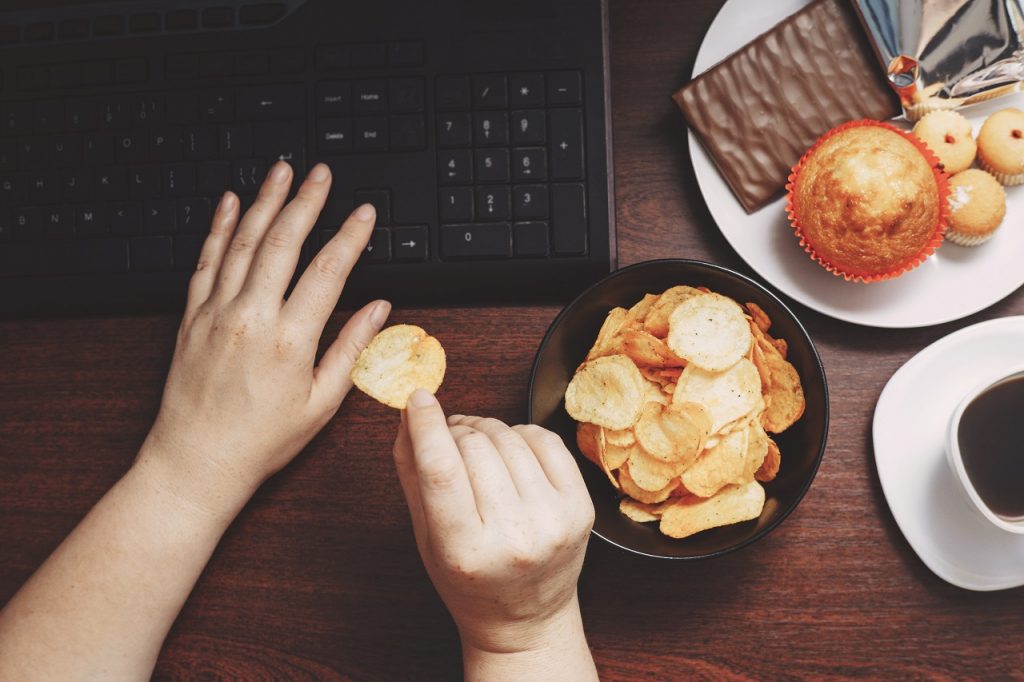
Feeding Your Emotions? Why You Need To Stop Emotional EatingRemember the old adage – Eat to Live and not Live to Eat? We don’t always eat simply to satisfy hunger. Sometimes, we turn to food for comfort, stress relief, or as a reward. It becomes an activity we do out of habit, like nail-biting, hair twirling, or finger tapping. Recent trends show that we often turn to food in response to certain emotions. For instance, eating chocolates or sweets when we’re sad or depressed. Whether you feel angry, sad, bored, or even excited—food can act as a buffer against these emotions. But is emotional eating good for you?

Emotional eaters know it’s easier to suppress feelings with each bite rather than confront them. Unfortunately, emotional eating doesn’t solve emotional problems. It usually makes you feel worse. Afterwards, not only does the original emotional issue remain, but you also feel guilty for overeating. This compounds the problem, as you stop learning healthier ways to deal with your emotions, struggle to control your weight, and feel increasingly powerless over both food and your feelings.

Where Do You Start To Stop Emotional Eating?

Before addressing how to stop emotional eating, have you ever wondered why we turn to food when emotionally distressed? When we eat, certain chemicals are released in the body which significantly impact our emotional health. Food and mood are intricately connected. For instance, we feel sadder when hungry due to lack of neurochemicals in the brain. Through eating, we experience changes in serotonin, endorphins and dopamine levels – all of which influence mood. Sugar, for example, increases serotonin in the brain, helping us feel more balanced and stable. Anti-depressants work on a similar chemical mechanism to improve mood. So, coming back to the point – what can you do to address this?

Recognize What Triggers You To Eat Emotionally

As mentioned earlier, people eat for many reasons. Which situations, places or feelings make you turn to food for comfort? Each time you feel a craving, ask yourself, “Am I really hungry, or am I responding to something else?” If hunger isn’t the reason, identifying the real cause can be challenging.

By tracking your food intake and associated emotions regularly, you might notice patterns, such as a tendency to overeat on Mondays. Ask yourself, “What is it about Mondays that leads to overeating? Stress from getting the kids to school? Frustration over returning to work? Lack of holidays?” Notice if you tend to snack in the evenings. Is it out of boredom, loneliness, anger, sadness, anxiety, or an unhappy relationship? Once you identify your emotional eating triggers, the next step is finding healthier ways to manage your feelings.

Find Ways To Fulfill Yourself Emotionally

Understanding the cycle of emotional eating and identifying triggers is only the beginning. The next step is finding healthier alternatives to fulfill yourself emotionally.

Here are some options to try:

  • Call someone who always makes you feel better
  • Play with your kids or pets
  • Look at a favorite photo or cherished memento whenever you feel low, depressed or lonely
  • If you’re anxious, expend your energy by dancing to your favorite song or squeezing a stress ball
  • Take a brisk walk for fresh air
  • If you’re exhausted, treat yourself to a hot cup of tea, take a bath, go to a spa for a massage, or light some scented candles and wrap yourself in a warm blanket
  • Take a break or go on a weekend getaway
  • If you’re bored, read a good book, watch a show, explore the outdoors, or try an enjoyable activity like painting or playing an instrument.

Form Healthier Habits

Last step to deal emotional eating requires long term modification i.e. healthy lifestyle habits. When you’re physically strong, relaxed, and well rested, you’re able to handle the challenges that life throws at you in a better way. But, when you’re already exhausted and overwhelmed, any little hiccup has the potential to send you off the rails and straight towards the kitchen>refrigerator>food. Exercise, sleep, and other healthy lifestyle habits will help you get through difficult times without emotional eating. Make daily exercise a priority.

Physical activity does wonders for your mood and your energy levels, and it’s also a powerful stressbuster. Give yourself permission to take at least 30 minutes every day to relax, decompress, and unwind. This is your time to take a break from your responsibilities and recharge your batteries for the next day. Connect with others. Don’t underestimate the importance of close relationships and social activities. Spending time with positive people who enhance your life will help protect you from the negative effects of stress.

With an arsenal of activities like trekking, journaling, or exploring hobbies, you can gradually overcome emotional eating. Success won’t come overnight, but accepting your mistakes and moving forward is key to breaking the cycle.

If you need help dealing with emotional eating, our experts are hereto guide you. Speak to a GOQii Coach to overcome emotional eating and achieve you weight loss goals. Subscribe for Personalised Health Coaching here.

For more tips on weight loss, explore Healthy Reads. If this article helped you or someone you know, let us know your thoughts in the comments below!

#BeTheForce

December 2, 2024 By Neha Sharma 3 Comments

Easy and Effective Tabata Routine For Beginners

effective tabata routineWhen it comes to getting active and losing weight, people generally get confused about where to start. So, let’s look at this effective Tabata routine which is simple and easy. TABATA (also called Tabata protocol) is a type of HIIT (high intensity interval training). It originated when a Japanese Scientist Dr. Izumi Tabata and his team from The National Institute of Fitness and Sports at Kagoshima, Japan were working on the fact that shorter high intensity workouts followed by a shorter period of rest can impact the body better rather than longer periods of continuous workout.

The structure of program is like: 

  • Exercise hard for 20 seconds
  • Rest for 10 seconds
  • Complete 8 rounds

A combination of any exercise can be used in Tabata. It targets a wider range of muscles and helps in burning fat during and after workouts. 

Three major health benefits of this Effective Tabata routine are:

  1. Helps in burning more fat in a shorter period of time
  2. Helps in increasing endurance
  3. As it is high intensity training, it needs to be focused & attentive, thus, increases efficiency.

Before You Begin, Keep in Mind:  

  • A beginner has to first check his/her flexibility, efficiency and endurance before picking up the sets of exercises
  • Make sure to complete a dynamic warm up before you begin this easy and effective Tabata routine.
  • You can choose a group of 3-4 exercises for a week and then add some other exercises one by one depending upon your stamina.
  • Don’t do exercises in a hurry. Rather do it in proper posture and manner.
  • Always keep a stopwatch with you.

Exercise To Include In Your Tabata Routine  

There are basic 10 exercises which you can include in your Tabata protocol when you are planning to start. These are:

  1. Burpees: Toughest among all exercises and increases endurance, strength & power. It is most effective but for a beginner can be placed at last.
  2. Lunges: Can be included in beginners protocol & difficulty level can be increased once you are comfortable in traditional lunges.
  3. Jump Rope: It is an effective and portable form of exercise and can be included in the beginners list.
  4. Squat Jack: It combines two bodyweight exercises which are squats and jumping jacks. Can be safely included in the list.
  5. Tabata Sprints: It starts with 20 seconds of sprints followed by 10 seconds of walking, jogging or rest.
  6. Push Ups: One of the most simple and familiar exercises which can be included in the list.
  7. Super man: This will strengthen the back and core muscles and can be included in the list.
  8. Plank jack: These are simple. The difficulty level can be increased at one’s comfort ability.
  9. Mountain Climbers: Very effective for legs and most suitable for beginners.
  10. Windshield Wipers: Easy to do and can be included in the list and variations can be done later.

From the list above, you can choose any 4-5 exercises and start practicing according to the Tabata protocol and always start with high energy and not in a hurry.

For more effective workouts and to learn more about fitness, check out Healthy Reads or tune in to our live, interactive classes on GOQii PRO, where our experts will guide and motivate you in real time. Book a class now from the GOQii App.

#BeTheForce 

November 14, 2024 By Jigna Sheth 13 Comments

Manage Diabetes With These Lifestyle and Nutritional Tips

By this point, we are all well aware of the silent killer known as Diabetes. It is the leading cause of blindness, kidney failure, neurological and cardiovascular disorders. Diabetes Mellitus is a condition in which our body’s ability to utilize glucose from the blood lowers down. It is a disorder of carbohydrate metabolism characterized by impaired ability of the body to produce or respond to insulin. Glucose is the main source of energy to the body’s cells and insulin is a hormone (which is produced by pancreas) that controls the level of glucose in the blood.

Types of Diabetes

  1. Type 1 Diabetes referred to as Insulin Dependent Diabetes Mellitus, is a condition in which the pancreas produce little or no insulin. Such individuals require daily insulin injections. This type of diabetes generally affects children or adolescents.
  2. Type 2 Diabetes referred to as Non-Insulin Dependent Diabetes Mellitus, is a condition in which the insulin production may be normal or even high but the insulin produced is not as effective as normal insulin. This type of diabetes generally affects overweight or obese adults.
  3. Gestational Diabetes develops during pregnancy and usually disappears after giving birth. Women with Gestational Diabetes are at a higher risk of developing Type 2 Diabetes later in life.

Factors Which Cause Diabetes

In order to manage Diabetes or eliminate it from our lives, we must understand the factors that cause it.

  • Obesity: Being overweight or obese has been identified as the number one risk factor for Diabetes. In fact, 80% of people diagnosed with Type 2 Diabetes are overweight.
  • Cigarette Smoking: Cigarette smoke elevates the level of inflammation in your body. This increases the risk of diabetes in smokers as opposed to non-smokers. Smoking can also elevate the level of blood glucose in your body and hence, worsen your insulin resistance.
  • Physical Inactivity: It can increase your risk of diabetes, even if you are not overweight or obese. On the other hand, in case you are overweight or obese – physical activity can help you reduce your risk of diabetes.

Tips to Manage Diabetes

  • Medication: The first line of action to treat Type 2 diabetes is anti-diabetic medications, and/or oral or IV insulin administration. Generally, insulin therapy is prescribed for type 1 diabetes. However, only medicines will not be able to control your diabetes. There are several other attached conditions, which we will discuss further.
  • Quality Sleep: Sleep is extremely important to effectively manage diabetes. Reduced sleep or insomnia can result in hormone fluctuations which in turn leads to a spike in the blood glucose levels, leading to weight gain.
  • Regular Examination: If possible, monitor blood glucose levels regularly in order to ensure that everything is under control. Medication, stress, physical activity, other illnesses and the foods we eat can all impact our blood glucose levels.
  • Stress Management: Physical or mental stress can aggravate diabetes. The degree at which stress impacts our blood glucose levels varies from one person to another. Studies show that almost all kinds of stress leads to a blood sugar spike.
  • Regular Exercise: It not only has a multifold impact on controlling and even reversing diabetes, but also helps in burning fat and maintaining an optimum weight. Practicing any kind of exercise for at least thirty minutes a day can improve insulin sensitivity, help in maintaining blood glucose levels and even diminish the risk of developing heart diseases. Brisk walking, running, cycling, dancing, swimming and biking are some of the recommended exercises that can elevate heart rate and control diabetes.
  • Quit Smoking: Smoking increases the risk of diabetes as it narrows blood vessels, raises blood glucose levels and leads to inflammations.

Nutritional Strategy to Manage Diabetes

Try these nutritional tips and strategies to manage Diabetes effectively

  • The distribution of carbohydrates, fats and protein in the diet should be such that it maintains blood glucose and reduces the risk of cardiovascular diseases
  • Replacing saturated fat with healthy fats such as avocados, nuts and olive oil can reduce insulin resistance and consume lean proteins.
  • Take small frequent meals at regular intervals. Avoid large jumbo-sized meals.
  • Keep a watch on portion size as having too much food can also lead to weight gain and related problems.
  • 1 tsp of overnight soaked Fenugreek seeds or Fenugreek powder should be consumed every day in the morning or can be added with food.
  • Consume more complex carbohydrates than simple sugars as they breakdown and release glucose slowly in the bloodstream.
  • Fiber rich food like whole fruits, whole cereals, whole pulses, salads, sprouts, and green leafy vegetables to be added to the daily diet. Be sure to pick whole fruits over juices.
  • Avoid prepackaged, processed and sugar sweetened beverages completely.
  • Recent study shows consumption of Moringa Leaves, fruits, seeds or powder lowers Blood Sugar levels which in turn helps in reducing Cardiovascular Diseases. Roots of Moringa are to be avoided because of the toxic content.
  • Glycemic Index (GI) of foods is important in deciding whether to include them in the diet or not. Low GI foods are to be consumed to maintain blood glucose levels.

Food Selection As Per Glycemic Index

Food Groups Foods With Low GI

(Permitted in prescribed amount)

Foods With High GI

(To be restricted)

Cereals Whole wheat flour, wheat bran, Pearl Millet (bajra), Sorghum (jowar), oats, Finger Millet (ragi), Cracked Wheat (dalia), brown rice, barley, whole wheat pasta, multigrain & whole wheat bread. Polished rice, white bread, Sago, All purpose flour, noodles, pasta, corn flakes, puffed rice.
Pulses All pulses can be consumed moderately. –
Vegetables Green leafy vegetables, tomatoes, cucumber, radish, cauliflower, broccoli, cabbage, mushroom, onion, green beans, carrot, green peas, capsicum, gourds, etc. Potato, Beetroot, sweet potato, yam, pumpkin, colocasia (arbi).
Fruits Apple, guava, orange, sweet lime, peach, papaya, pineapple, pomegranate, muskmelon etc. Dates, watermelon, plum, grapes, banana, sapodilla, mango, custard apple, canned fruits.
Nuts & oil seeds All nuts & oil seeds can be consumed but in moderate proportion. –
Milk & milk products Skim milk, cow’s milk, curd, buttermilk. Buffalo milk, full fat milk, cheese, cream.
Fats & oils MUFA-PUFA-SFA in the ratio 1:1:1 to be consumed but not more than 4 tsp/day.

MUFA- groundnut, mustard, linseed, olive, rice bran oil

PUFA- sunflower, safflower, soyabean, corn oil

SFA- Clarified Butter (ghee), butter, coconut oil

Hydrogenated Vegetable Oil (Vanaspati), Margarine, Mayonnaise.
Sugars – Sugar, honey, jaggery, sugarcane.
Snacks & desserts Roasted bengal gram (chana), makhana, popcorn (low fat), American corn, air fry snacks, steamed snacks. Ice cream, cold drink, pastries, patties, waffles, doughnuts, potato wafers, muffins, all fried and baked items

Diabetes is a disease which can be controlled if we are fully aware of its complications and by following strict dietary and lifestyle protocol. Our priority should be to monitor blood glucose, blood pressure and cholesterol levels and ensure they are in control on a periodic basis to avoid complications in the future.

We hope this article helps you make a shift to a healthier lifestyle and manage diabetes effectively! Leave your thoughts in the comments below! For more articles on managing Diabetes, check out Healthy Reads.

For further guidance and motivation by certified experts, join the GOQii Diabetes Care program. It’s India’s only diabetes program that is driven by Smart Science and Personal Coaching to improve Fasting Blood Sugar (FBS), Postprandial Blood Sugar (PP), and reduce HbA1c levels. You can subscribe here.

#BeTheForce

  • « Previous Page
  • 1
  • …
  • 6
  • 7
  • 8
  • 9
  • 10
  • …
  • 29
  • Next Page »

Search

Recent Posts

  • Best Foods To Alleviate Irritable Bowel Syndrome
  • ALL ABOUT VERTIGO!
  • PCOS and Anxiety: Discover Relief with the 54321 Technique
  • Navigating the Maze of Nutrition: Finding Clarity Amidst Confusion
  • Get children active and keep them healthy

Stay Updated

Archives

  • December 2025 (6)
  • November 2025 (15)
  • October 2025 (20)
  • September 2025 (6)
  • August 2025 (6)
  • July 2025 (12)
  • June 2025 (18)
  • May 2025 (16)
  • April 2025 (23)
  • March 2025 (23)
  • February 2025 (22)
  • January 2025 (26)
  • December 2024 (26)
  • November 2024 (25)
  • October 2024 (22)
  • September 2024 (24)
  • August 2024 (31)
  • July 2024 (21)
  • June 2024 (26)
  • May 2024 (31)
  • April 2024 (27)
  • March 2024 (29)
  • February 2024 (26)
  • January 2024 (25)
  • December 2023 (15)
  • November 2023 (11)
  • October 2023 (22)
  • September 2023 (22)
  • August 2023 (20)
  • July 2023 (22)
  • June 2023 (24)
  • May 2023 (24)
  • April 2023 (24)
  • March 2023 (23)
  • February 2023 (20)
  • January 2023 (16)
  • December 2022 (12)
  • November 2022 (15)
  • October 2022 (15)
  • September 2022 (12)
  • August 2022 (10)
  • July 2022 (17)
  • June 2022 (11)
  • May 2022 (10)
  • April 2022 (6)
  • March 2022 (6)
  • February 2022 (13)
  • January 2022 (12)
  • December 2021 (7)
  • November 2021 (3)
  • October 2021 (6)
  • September 2021 (3)
  • August 2021 (8)
  • July 2021 (7)
  • June 2021 (15)
  • May 2021 (16)
  • April 2021 (10)
  • March 2021 (7)
  • February 2021 (4)
  • January 2021 (4)
  • December 2020 (3)
  • November 2020 (4)
  • October 2020 (10)
  • September 2020 (3)
  • August 2020 (3)
  • July 2020 (2)
  • June 2020 (4)
  • May 2020 (10)
  • April 2020 (12)
  • March 2020 (10)
  • February 2020 (4)
  • January 2020 (4)
  • December 2019 (3)
  • November 2019 (7)
  • October 2019 (5)
  • September 2019 (4)
  • August 2019 (9)
  • July 2019 (9)
  • June 2019 (11)
  • May 2019 (4)
  • April 2019 (9)
  • March 2019 (8)
  • February 2019 (9)
  • January 2019 (8)
  • December 2018 (9)
  • November 2018 (3)
  • October 2018 (3)
  • September 2018 (5)
  • August 2018 (10)
  • July 2018 (6)
  • June 2018 (13)
  • May 2018 (8)
  • April 2018 (18)
  • March 2018 (9)
  • February 2018 (8)
  • January 2018 (15)
  • December 2017 (12)
  • November 2017 (19)
  • October 2017 (13)
  • September 2017 (15)
  • August 2017 (4)
  • July 2017 (8)
  • June 2017 (7)
  • May 2017 (6)
  • April 2017 (8)
  • March 2017 (6)
  • February 2017 (7)
  • January 2017 (9)
  • December 2016 (10)
  • November 2016 (7)
  • October 2016 (7)
  • September 2016 (7)
  • August 2016 (11)
  • July 2016 (9)
  • June 2016 (9)
  • May 2016 (12)
  • April 2016 (17)
  • March 2016 (17)
  • February 2016 (8)
  • January 2016 (6)
  • December 2015 (2)
  • November 2015 (9)
  • October 2015 (7)
  • September 2015 (9)
  • August 2015 (11)
  • July 2015 (9)
  • June 2015 (12)
  • May 2015 (9)
  • April 2015 (13)
  • March 2015 (8)
  • February 2015 (5)
  • January 2015 (12)
  • December 2014 (14)
  • November 2014 (11)
  • October 2014 (6)
  • September 2014 (13)
  • August 2014 (12)
  • July 2014 (6)
  • June 2014 (2)
  • May 2014 (7)
  • April 2014 (5)

From “Laddu Nawin” to Fit and Fierce: How a 25-Year-Old Insurance Advisor Shed 20 Kilos and Gained His Life Back

When 25-year-old Nawin Yadav from Hyderabad walked into his office every morning, he carried more than just his files and policy papers. He had the weight of fatigue, sluggish energy, and an ever-growing belly that was becoming the butt of jokes. “People … [Read More...]

“I’ve Challenged Myself to Live 100 Years” – The Story of Chandubhai Savani’s Second Chance at Life

At 67, most people start slowing down. Not Chandubhai Savani. A resident of Surat, Chandubhai, thought life was on track. “My life was going well till I had my bypass surgery,” he says. That surgery, back in 2021, was a wake-up call.  Medication was routine, but exercise wasn’t. His diet? What he calls ‘normal.’ “I […]

From Shimla’s Slopes to Chandigarh’s Sidewalks: Surinder Kaur Bhalla’s Journey from Chaos to Control

Some journeys start with a plan. Others begin with a stumble literally. Surinder Bhalla, a government professional, born and raised in the scenic hill town of Shimla, had always lived a life of movement. “In Shimla, you walked everywhere,” she reflects. “Walking was never an exercise. It was just life.” But after shifting to Chandigarh, […]

Ananda Mukherjee Health Story

From Terminal Illness To Complete Wellness! Ananda Mukherjee Health Story

As we observe World Cancer Day under the powerful theme ‘United by Unique’ (2025-2027)**, we are reminded that every individual’s journey with cancer is distinct, yet united by shared resilience, hope, and the collective fight against this disease. This theme places people at the centre of care and their stories at the heart of the […]

  • HOME
  • HEALTHY LIVING
  • FITNESS
  • HEALTHY RECIPES
  • USER STORIES
  • KARMA
  • BUY GOQii

Copyright ©2016 GOQii