GOQii

Blog

  • HOME
  • HEALTHY LIVING
  • FITNESS
  • HEALTHY RECIPES
  • USER STORIES
  • KARMA
  • BUY GOQii

November 13, 2026 By GOQii Leave a Comment

World Kindness Day 2026: How Kindness and Helping Others Benefit Your Health

Holding a door, checking in on an elderly neighbour, sending a message to a friend who’s been quiet: small kindnesses are easy to overlook. Research suggests they matter more than we think, and not only to the person on the receiving end.

World Kindness Day falls on 13 November. It was started by the World Kindness Movement, a coalition of kindness organisations formed in Tokyo in 1997, and has been marked on the same date since 1998. There’s no single official theme each year; the idea is simply to notice and practise kindness, in whatever way suits your community.

It comes at a useful moment. In 2025 the WHO Commission on Social Connection reported that about 1 in 6 people worldwide is affected by loneliness, and linked loneliness to more than 871,000 deaths a year. Kindness is one of the simplest ways to build the connections that protect health, for others and for ourselves.

This guide looks at what the research actually says about kindness and health, where the evidence is strong and where it’s still thin, and gives practical ideas you can start with today.

At a glance

  • Being kind is linked to small but real boosts in wellbeing. A meta-analysis of 27 studies found acts of kindness give a small-to-medium lift to the wellbeing of the person being kind. It won’t transform your life, but it can nudge it in a good direction.
  • Volunteering is linked to better health in later life. In a study of nearly 13,000 adults over 50, those who volunteered about two hours a week had a lower risk of dying over four years, and were more active and less lonely.
  • Generosity may help the heart. In one small experiment, people with high blood pressure who spent money on others saw their blood pressure fall.
  • Connection is the likely link. Kindness builds relationships, a sense of purpose and a buffer against stress, all of which protect health.
  • Small, regular acts count. A phone call, a shared meal, a compliment or an hour of volunteering.
  • Be kind to yourself too. Helping others shouldn’t come at the cost of your own health. Carers in particular need support and rest.

What the research says

There’s a lot of enthusiasm online about the health benefits of kindness, and some exaggeration. Here’s what the better-quality evidence shows.

Kindness and happiness: a small, real effect

A meta-analysis led by researchers at the University of Oxford, published in the Journal of Experimental Social Psychology in 2018, combined 27 studies involving more than 4,000 people. It found that performing acts of kindness had a small-to-medium positive effect on the wellbeing of the person being kind. The effect was similar for men and women, across ages, and across different kinds of kind acts.

That’s an honest, useful finding: kindness isn’t a cure for unhappiness, but it’s a free, low-risk habit that tends to help.

Volunteering and healthy ageing

The strongest evidence comes from studies of volunteering in later life. A Harvard-led study of nearly 13,000 adults over 50, published in the American Journal of Preventive Medicine in 2020, found that people who volunteered at least 100 hours a year (about two hours a week) had a substantially reduced risk of death over four years, compared with those who didn’t volunteer. They were also less likely to develop physical limitations, more physically active, and reported more purpose and optimism and less loneliness, depression and hopelessness.

Two important caveats: this kind of study shows a link, not proof that volunteering causes better health, because healthier people may be more able to volunteer. And the same study found no clear effect on chronic conditions such as diabetes, high blood pressure, heart disease or stroke.

Generosity and blood pressure

In two studies published in Health Psychology, researchers looked at adults with high blood pressure. In the first, people who spent more on others had lower blood pressure two years later. In the second, a small experiment with 73 people, those given money to spend on others over six weeks saw their blood pressure fall more than those who spent it on themselves. The studies were small, so this is a promising finding rather than a treatment, and it doesn’t replace blood pressure medicine or lifestyle changes.

The other side: loneliness harms health

The clearest health message may be the reverse. The WHO reports that loneliness and social isolation raise the risk of stroke, heart disease, diabetes, cognitive decline and early death, and that lonely people are twice as likely to become depressed. Kindness, whether you give it or receive it, is one of the most direct ways to build the social connection that protects against these risks.

Why kindness may be good for you

Scientists are still working out exactly how kindness affects health, and it’s likely a mix of factors rather than a single “kindness hormone”. The most plausible explanations are:

  • Stronger relationships. Kind acts build trust and closeness, and social connection is one of the best-established protectors of health. The WHO notes that connection reduces inflammation and the risk of serious illness.
  • A sense of purpose. Helping others can give your days meaning, and in the volunteering study, volunteers reported more purpose in life and more optimism.
  • A break from your own worries. Focusing on someone else for a while can interrupt rumination and put problems in perspective.
  • More movement. Many kind acts, from volunteering to running errands for a neighbour, get you up and about. Volunteers in the Harvard study were more physically active.
  • A buffer against stress. Feeling connected and useful may help soften the body’s response to stress, although this is harder to measure.

You may have heard of a “helper’s high”, the warm feeling after doing something kind. Many people do feel it, but claims that a single act of kindness floods your body with specific hormones go further than the evidence. The more reliable benefits come from kindness as a regular part of life.

Practical ways to be kinder, starting today

Kindness doesn’t need money, a plan or a special day. The WHO’s own suggestions for building connection are refreshingly simple: reach out to a friend, put your phone away during conversations, greet a neighbour, join a local group or volunteer.

Small, everyday acts

  • Call or message someone you haven’t spoken to in a while, especially an older relative or a friend who lives alone.
  • Give a specific, genuine compliment or thank someone properly, including the security guard, delivery rider or cleaner you see every day.
  • Listen fully, without checking your phone.
  • Share food: a dabba for a neighbour, a hot meal for someone recovering from illness.
  • Offer practical help, such as carrying shopping, helping an older person with an app or a form, or giving up your seat.

At work

  • Notice and name a colleague’s good work.
  • Help a new team member find their feet.
  • Respect people’s time off, and keep meetings and messages considerate.
  • Invite someone who often eats alone to join you for lunch or a walk.

In the family

  • Make time for one unhurried meal together without screens.
  • Share the load at home, especially with whoever does most of the caring or cooking.
  • Model kindness for children. They learn far more from what they see than from what they’re told.

In your community

  • Volunteer regularly, even an hour or two a week, with a cause you care about: teaching, a food bank, an animal shelter, an elder-care home or a local clean-up.
  • Donate blood if you’re eligible. A single donation can help patients in hospital.
  • Check in on neighbours, especially older people, during heatwaves, cold spells or high-pollution days.

In the volunteering study, the health links were seen at around two hours a week. Regular, modest commitment is likely to do more for you, and for the cause, than one big gesture a year.

Don’t forget to be kind to yourself

Kindness that leaves you exhausted isn’t good for anyone. If you’re caring for a parent, a partner or a child with health needs, it’s easy to put yourself last.

  • Set limits. Saying no to some requests lets you say yes properly to others.
  • Ask for and accept help. It gives others the chance to be kind too.
  • Protect the basics: sleep, regular meals, movement and time with friends. Our guide to improving sleep quality can help.
  • Talk to yourself as you would a friend. Harsh self-criticism rarely helps you change; a kinder inner voice often does.
  • Take a few minutes to breathe. These breathing exercises can help on stressful days.

If you’re feeling persistently low, lonely or overwhelmed, reach out to someone you trust or a professional. In India, Tele-MANAS offers free mental health support on 14416 or 1-800-891-4416.

The bottom line

Kindness won’t cure illness or transform your life overnight, and the research is honest about that. But small, regular acts of kindness are linked to a modest lift in wellbeing, volunteering is linked to healthier ageing, and the connections that kindness builds protect against loneliness, one of the biggest and most overlooked health risks of our time. This World Kindness Day, pick one small act today, one person to check in on this week, and one way to be a little kinder to yourself.

Pro Tip: Try a “one kind act a day” challenge this week, and use the GOQii App to keep an eye on your sleep, activity and mood as you go. Your GOQii Personalised Health Coach can help you build habits that support your mental wellbeing, from staying connected to managing stress.

Frequently asked questions

Is being kind good for your health?

Research links kindness and helping others to better wellbeing, and volunteering to healthier ageing and a lower risk of early death in older adults. The effects are modest and most studies show links rather than proof of cause, but kindness is a low-cost, low-risk habit that strengthens social connection, which protects health.

Does kindness make you happier?

Yes, modestly. A 2018 meta-analysis of 27 studies involving more than 4,000 people, led by researchers at the University of Oxford, found that performing acts of kindness has a small-to-medium positive effect on the wellbeing of the person being kind.

What are the health benefits of volunteering?

In a study of nearly 13,000 adults over 50, people who volunteered about two hours a week had a lower risk of dying over four years and were more physically active, more optimistic and less lonely than non-volunteers. The study found no clear effect on chronic conditions such as diabetes or heart disease.

Can kindness lower blood pressure?

One small study found that adults with high blood pressure who spent money on others over six weeks saw their blood pressure fall. The evidence is limited, and kindness doesn’t replace blood pressure medicine, a healthy diet or exercise.

How much volunteering is good for you?

The health links in research have been seen at around 100 hours a year, or about two hours a week. Regular, modest commitment seems to matter more than occasional big efforts.

What are simple acts of kindness I can do every day?

Call someone who lives alone, give a genuine compliment, listen without checking your phone, share a meal, help a neighbour with errands, or thank the people who serve you every day.

Why is self-kindness important?

Helping others shouldn’t come at the cost of your own health. Setting limits, accepting help, protecting your sleep and speaking to yourself kindly help prevent burnout, especially for carers.

#BeTheForce

Disclaimer: The information provided in this blog is for general awareness and educational purposes only. It is not intended to replace professional medical advice, diagnosis, or treatment. Always consult a qualified healthcare provider for personalised medical guidance or concerns related to your health.
October 10, 2026 By GOQii Leave a Comment

World Mental Health Day: Simple Daily Habits to Protect Your Peace of Mind

The Big Question

We track our daily steps, monitor our protein intake, and hit the gym to build our physical strength. But how often do we purposefully check in on our minds?

In today’s hyper-connected, fast-paced world, chronic stress, anxiety, and burnout are often accepted as simply “part of the job.” But it shouldn’t be that way. Every year on October 10, World Mental Health Day serves as a global reminder that mental health is a universal human right. It is not a luxury; it is the very foundation of your overall well-being.

Yet, when life gets busy, our mental health is usually the first thing we neglect. So, how do we break the cycle and start giving our minds the care they deserve?

Quick Answer: How can you protect your mental health daily?

Protecting your mental health requires intentional daily habits. You can build mental resilience by setting strict boundaries with your digital devices, prioritizing 7-8 hours of quality sleep, using physical movement to boost endorphins, and most importantly, breaking the stigma by talking openly about your feelings and seeking professional help when overwhelmed.

The Undeniable Mind-Body Connection

You cannot have true physical health without mental health. The two are deeply intertwined.

When you are chronically stressed or anxious, your body remains in a constant state of “fight or flight.” This triggers a steady release of cortisol (the stress hormone), which over time can lead to high blood pressure, weakened immunity, digestive issues, and severe sleep disruption. Conversely, poor physical health or chronic pain can heavily impact your mood and lead to depression.

Treating them as two separate systems is a mistake. Caring for your mind is caring for your body.

4 Ways to Prioritize Your Mental Health Every Day

  1. Set Firm Digital Boundaries

We consume more information in a single day than our ancestors did in a lifetime. Constant notifications, news cycles, and the comparison trap of social media drain our mental energy.

  • The Fix: Implement a “digital sunset.” Turn off work emails and social media at least one hour before bed to let your brain decompress.
  1. Use Movement as Medicine

Exercise is not just about weight loss or muscle building; it is one of the most effective, natural mood boosters available.

  • The Fix: Physical activity releases endorphins and serotonin (the “feel-good” chemicals). You don’t need intense gym sessions—a 20-minute brisk walk in nature, a light yoga flow, or even dancing in your living room can significantly reduce anxiety.
  1. Protect Your Sleep at All Costs

Sleep is the time when your brain clears out toxins and processes the emotions of the day. Sleep deprivation drastically amplifies anxiety and reduces your ability to handle stress.

  • The Fix: Aim for 7 to 8 hours of uninterrupted sleep. Create a calming bedtime routine, keep your bedroom cool and dark, and avoid caffeine in the late afternoon.
  1. Break the Stigma and Speak Up

The heaviest burden is the one you carry alone. For decades, mental health struggles were stigmatized, forcing people to suffer in silence.

  • The Fix: Normalize talking about how you feel. Whether it is opening up to a trusted friend, a family member, or seeking the guidance of a professional therapist, verbalizing your struggles is the first step toward healing.

Start Small

Improving your mental health doesn’t mean you need to meditate for two hours a day or achieve total enlightenment. It starts with small, compassionate choices. Take a deep breath before answering an email. Say “no” to a commitment you don’t have the energy for. Forgive yourself for having an unproductive day.

Pro Tip: Managing stress and building healthy routines can feel overwhelming to do alone. Use the GOQii App to track your sleep patterns and physical activity, and subscribe to GOQii’s Personalised Health Coaching! A GOQii Coach can help you build practical, customized stress-management routines, while GOQii Play offers excellent guided meditation and yoga sessions to help you unwind.

Frequently Asked Questions (FAQs)

  1. When is World Mental Health Day?

World Mental Health Day is observed annually on October 10. It is a day dedicated to raising global awareness of mental health issues and mobilizing efforts in support of mental well-being.

  1. Why is mental health just as important as physical health?

Mental health affects how we think, feel, and act. It determines how we handle stress, relate to others, and make choices. Poor mental health can directly cause physical ailments like heart disease, chronic fatigue, and weakened immunity.

  1. What are the common signs of burnout?

Burnout often presents as chronic exhaustion, feelings of cynicism or detachment from your work or personal life, irritability, lack of motivation, and frequent unexplained headaches or stomach issues.

  1. How does physical activity improve mental health?

Exercise stimulates the release of endorphins (natural painkillers and mood elevators) and helps regulate your nervous system. It also reduces levels of the body’s stress hormones, such as adrenaline and cortisol.

  1. How can I help a friend who is struggling with their mental health?

The best thing you can do is listen without judgment. Don’t immediately try to “fix” their problems. Validate their feelings, check in on them regularly, and gently encourage them to seek professional help if they are struggling to cope.

#BeTheForce

Disclaimer: This article is intended for educational and informational purposes only and should not replace professional medical or psychological advice. If you or someone you know is experiencing severe distress, depression, or a mental health crisis, please reach out to a qualified mental health professional or a local helpline immediately.

March 8, 2026 By GOQii Leave a Comment

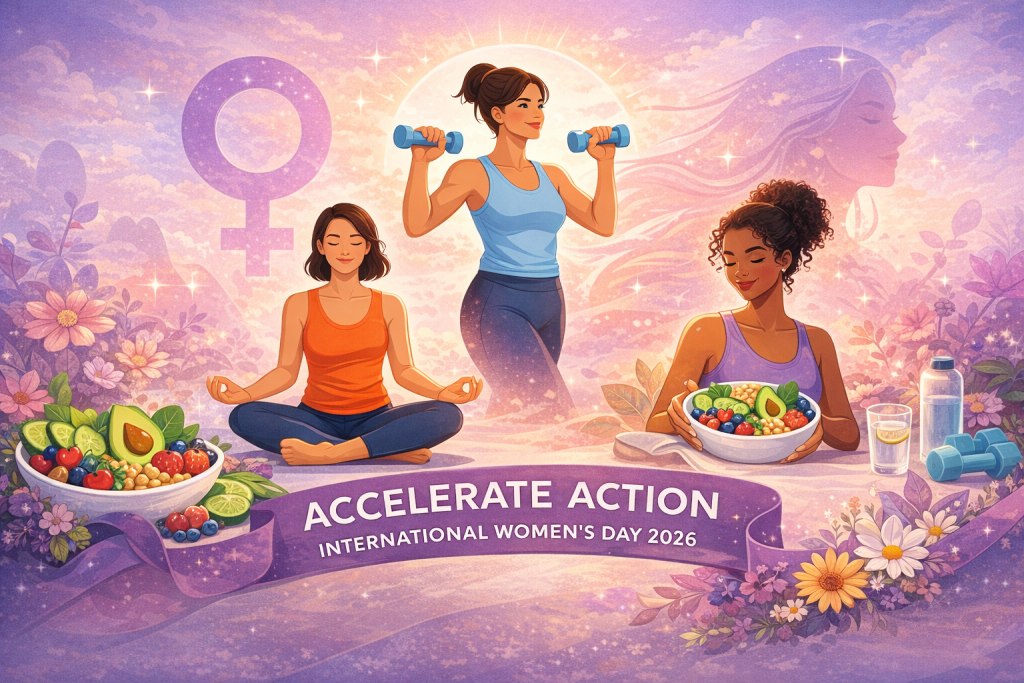
Accelerate Action for Your Health: Why Self-Care Matters This International Women’s Day

Every year, International Women’s Day is an opportunity to celebrate progress and reflect on the work that still needs to be done to achieve gender equality.

The 2026 theme, championed by UN Women, calls on individuals, institutions and communities around the world to Accelerate Action toward gender equality.

While policy change, education and economic opportunity remain critical drivers of equality, one powerful yet often overlooked area where women can accelerate progress is their own health and well-being.

Prioritising self-care for women’s health is not a luxury. It is a foundation for empowerment. When women invest in preventive health, they gain the strength, clarity and resilience needed to lead families, workplaces and communities.

At GOQii, we believe that women’s health empowerment begins with preventive care, mindful living and consistent lifestyle habits.

What Is the International Women’s Day 2026 Theme?

The theme for International Women’s Day 2026 is “Accelerate Action.”

The campaign highlights the urgency of making faster progress toward gender equality by encouraging individuals, organisations and governments to take meaningful steps that support and empower women.

One of the most powerful ways women can accelerate progress in their own lives is by taking proactive steps to protect and strengthen their health.

After all, sustainable empowerment requires energy, resilience and well-being.

Why Self-Care Matters for Women’s Health

Across cultures and generations, women have often been conditioned to place the needs of others before their own. Between professional responsibilities, caregiving roles and family commitments, personal health frequently moves to the bottom of the priority list.

However, this pattern carries long-term consequences.

Health research consistently shows that many women delay regular health check-ups, ignore early warning signs of stress or burnout, and postpone lifestyle changes because they feel they “don’t have time.”

The reality is simple:

You cannot pour from an empty cup.

Self-care is not selfish. It is strategic. When women invest in their own health, they build the physical and mental capacity needed to support others and pursue their ambitions with confidence.

Accelerating action toward equality must also mean accelerating action toward better health.

3 Ways Women Can Accelerate Action for Their Health

Empowerment does not require drastic transformation. It often begins with small, consistent actions that build long-term resilience.

Here are three practical ways women can prioritise preventive health and strengthen their well-being.

  1. Give to Your Nutrition, Gain Vitality

When life becomes busy or stressful, nutrition is often the first thing to suffer. Quick snacks, processed foods and skipped meals may seem convenient, but they gradually reduce energy levels and affect overall health.

The Action

Focus on simple, balanced meals that prioritise local, seasonal and home-cooked foods. Include a variety of colourful fruits and vegetables, whole grains, healthy proteins and adequate hydration throughout the day.

The Gain

Balanced nutrition improves immunity, stabilises energy levels and helps the body manage stress more effectively. When your body is properly nourished, you gain the vitality needed to handle professional demands, family responsibilities and personal goals without feeling drained.

  1. Give to Your Body, Gain Strength

Physical strength plays a critical role in long-term health, yet it is often underestimated when discussing women’s wellness.

Muscle strength, bone density and mobility help protect the body against lifestyle diseases, injuries and age-related decline.

The Action

Aim for daily movement. Walking 8,000–10,000 steps a day is a great start. Complement this with basic strength training, yoga or resistance exercises two to three times per week.

The Gain

Strength improves metabolism, enhances mobility and reduces the risk of chronic diseases such as diabetes, osteoporosis and cardiovascular issues. Most importantly, it builds physical resilience, allowing you to maintain independence and energy as you age.

  1. Give to Your Mind, Gain Peace

Modern lifestyles often require women to juggle multiple roles simultaneously. Without intentional pauses, this constant pressure can lead to chronic stress, sleep disruption and hormonal imbalance.

The Action

Create boundaries around your personal time. Begin your day with 10–15 minutes of mindfulness, meditation or quiet reflection. Protect your sleep schedule and aim for 7–8 hours of quality rest each night.

The Gain

Mental clarity improves emotional resilience, focus and decision-making. When the mind is calm and balanced, everyday challenges become easier to navigate and productivity naturally improves.

Small Steps Create Powerful Momentum

Accelerating action toward gender equality is a collective effort, but it is also built on individual momentum.

Every healthy choice you make choosing nourishing foods, prioritising movement, protecting your sleep or seeking guidance from a health coach contributes to a stronger foundation for the future.

Empowered women are not defined solely by professional success or social recognition. They are defined by their ability to sustain their energy, nurture their well-being and live with intention.

#BeTheForce: Take Charge of Your Wellness

When women are healthy, energised and supported, they become catalysts for change across families, workplaces and entire communities.

But transformation begins with one simple decision: prioritising your own well-being.

This International Women’s Day, take a moment to reflect on your health journey.

Schedule that pending health check-up.
Step outside for a walk.
Reconnect with your wellness goals.
Speak to your GOQii coach and take the next step toward preventive health.

Small actions today can unlock stronger possibilities tomorrow.

Stay active. Stay healthy. And #BeTheForce.

Disclaimer: The information provided in this blog is for general awareness and educational purposes only. It is not intended to replace professional medical advice, diagnosis, or treatment. Always consult a qualified healthcare provider for personalised medical guidance or concerns related to your health. Images shown are for representation purposes only and may not depict the exact recommendations or outcomes.

May 8, 2025 By GOQii Leave a Comment

Finding Inner Strength: 12 Ways to Manage Health and Stress

Managing a medical condition such as diabetes or hypertension can be both mentally and physically taxing. Whether you’re navigating daily health challenges or recovering post-surgery, it’s essential to find ways to support your overall well-being. Embracing these practices is about nurturing both body and spirit.


Incorporating relaxation techniques into your daily routine can significantly enhance your quality of life and empower you to manage your health more effectively. Here are some practical strategies to help you feel stronger and more in control:

  1. Tailor Your Diet to Your Mood: When you’re feeling low, it’s tempting to reach for sugary snacks. Instead, opt for protein-rich foods like lean meats, eggs, cheese, and seeds. These have a minimal impact on blood sugar and aid in producing dopamine and serotonin—chemicals in the brain that promote well-being.
  2. Embrace ‘Good Enough’: Striving for perfection can lead to burnout. Recognise that doing your best is sufficient. Allowing yourself to accept ‘good enough’ frees up mental energy, enabling you to focus more on self-care. This aligns with the value of approaching life’s challenges with balance and patience (Sabr).

  3. Prioritise Quality Sleep: Restorative sleep is crucial for healing. Aim for 7-9 hours of quality sleep each night to help your body repair, reduce inflammation, and strengthen your immune system.
  4. Soak Up Some Sunlight: Exposure to natural light, especially in the morning, can boost your mood and provide a healthy dose of vitamin D. A gentle stroll can also help regulate your body clock, leading to better sleep.
  5. Incorporate Physical Activity: Engaging in activities like yoga or deep-breathing exercises can reduce stress hormones and increase endorphins, enhancing both physical healing and mental well-being.
  6. Dedicate Time to Relaxation Daily: Set aside moments each day for activities that relax you, such as engaging in prayer or Dhikr (remembrance), listening to calming sounds, practising mindfulness, or meditating. These practices can alleviate anxiety and improve concentration.
  7. Combine Music with Movement: Dancing or moving to your favourite tunes can make exercise enjoyable. Whether it’s stretching at home or walking to a lively playlist, combining music with movement can enhance your exercise experience.
  8. Plan Enjoyable Activities: Having events to look forward to can provide motivation. Arrange coffee catch-ups with friends or plan a movie night to break the routine and uplift your spirits.
  9. Laugh Often: Laughter is a natural stress reliever. It reduces stress hormones, strengthens the immune system, and fosters connections with others. Share a joke or watch a comedy.
  10. Explore New Hobbies: Trying something new can stimulate your mind and boost confidence. Whether it’s learning a skill or experimenting with a new recipe, novelty can elevate your mood.
  11. Consider Pet Companionship: If circumstances allow, having a pet can offer companionship, structure, and unconditional love—all of which can reduce stress and enhance emotional well-being.
  12. Practise Gratitude: Each day, reflect on three things you’re grateful for. This practice is at the heart of the powerful Islamic concept of Shukr, which deepens our connection to blessings. This simple exercise can shift your focus from challenges to positives, fostering a more hopeful outlook.

No matter the medical condition you’re facing, managing stress can profoundly impact your health. These strategies are about thriving, finding joy, and empowering yourself to live fully. Take small steps, cultivate supportive habits, and remember: you’re not alone on this journey. Find strength in your faith, your community, and your own resilience.

Disclaimer: The information provided in this blog is for general awareness and educational purposes only. It is not intended to replace professional medical advice, diagnosis, or treatment. Always consult a qualified healthcare provider for personalised medical guidance.

  • 1
  • 2
  • Next Page »

Search

Recent Posts

  • Children’s Day 2026: Healthy Lunchboxes and Screen-Time Habits for Happier, Healthier Kids
  • World Diabetes Day 2026: Early Action on Diabetes – Know Your Risk, Get Tested, Reverse Prediabetes
  • World Kindness Day 2026: How Kindness and Helping Others Benefit Your Health
  • World Pneumonia Day 2026: Warning Signs, Who Is at Risk and the Vaccines That Protect
  • The Early Signs & Symptoms of Diabetes

Stay Updated

Archives

  • November 2026 (15)
  • October 2026 (23)
  • September 2026 (5)
  • August 2026 (8)
  • July 2026 (24)
  • June 2026 (22)
  • May 2026 (20)
  • April 2026 (24)
  • March 2026 (18)
  • February 2026 (14)
  • January 2026 (14)
  • December 2025 (19)
  • November 2025 (14)
  • October 2025 (17)
  • September 2025 (6)
  • August 2025 (5)
  • July 2025 (9)
  • June 2025 (18)
  • May 2025 (16)
  • April 2025 (22)
  • March 2025 (25)
  • February 2025 (21)
  • January 2025 (25)
  • December 2024 (21)
  • November 2024 (21)
  • October 2024 (15)
  • September 2024 (22)
  • August 2024 (27)
  • July 2024 (14)
  • June 2024 (23)
  • May 2024 (26)
  • April 2024 (27)
  • March 2024 (27)
  • February 2024 (23)
  • January 2024 (21)
  • December 2023 (14)
  • November 2023 (10)
  • October 2023 (18)
  • September 2023 (20)
  • August 2023 (16)
  • July 2023 (16)
  • June 2023 (21)
  • May 2023 (20)
  • April 2023 (19)
  • March 2023 (23)
  • February 2023 (19)
  • January 2023 (15)
  • December 2022 (11)
  • November 2022 (15)
  • October 2022 (15)
  • September 2022 (12)
  • August 2022 (9)
  • July 2022 (17)
  • June 2022 (11)
  • May 2022 (10)
  • April 2022 (6)
  • March 2022 (6)
  • February 2022 (13)
  • January 2022 (11)
  • December 2021 (7)
  • November 2021 (3)
  • October 2021 (6)
  • September 2021 (3)
  • August 2021 (8)
  • July 2021 (7)
  • June 2021 (15)
  • May 2021 (16)
  • April 2021 (10)
  • March 2021 (7)
  • February 2021 (4)
  • January 2021 (4)
  • December 2020 (3)
  • November 2020 (4)
  • October 2020 (10)
  • September 2020 (3)
  • August 2020 (3)
  • July 2020 (2)
  • June 2020 (4)
  • May 2020 (10)
  • April 2020 (12)
  • March 2020 (10)
  • February 2020 (4)
  • January 2020 (4)
  • December 2019 (3)
  • November 2019 (7)
  • October 2019 (5)
  • September 2019 (4)
  • August 2019 (9)
  • July 2019 (9)
  • June 2019 (11)
  • May 2019 (4)
  • April 2019 (8)
  • March 2019 (8)
  • February 2019 (9)
  • January 2019 (8)
  • December 2018 (9)
  • November 2018 (3)
  • October 2018 (3)
  • September 2018 (5)
  • August 2018 (10)
  • July 2018 (6)
  • June 2018 (13)
  • May 2018 (8)
  • April 2018 (17)
  • March 2018 (9)
  • February 2018 (8)
  • January 2018 (15)
  • December 2017 (12)
  • November 2017 (19)
  • October 2017 (13)
  • September 2017 (15)
  • August 2017 (4)
  • July 2017 (8)
  • June 2017 (7)
  • May 2017 (6)
  • April 2017 (8)
  • March 2017 (6)
  • February 2017 (7)
  • January 2017 (9)
  • December 2016 (10)
  • November 2016 (7)
  • October 2016 (7)
  • September 2016 (7)
  • August 2016 (11)
  • July 2016 (9)
  • June 2016 (9)
  • May 2016 (12)
  • April 2016 (17)
  • March 2016 (17)
  • February 2016 (8)
  • January 2016 (6)
  • December 2015 (2)
  • November 2015 (9)
  • October 2015 (7)
  • September 2015 (9)
  • August 2015 (11)
  • July 2015 (9)
  • June 2015 (11)
  • May 2015 (9)
  • April 2015 (13)
  • March 2015 (8)
  • February 2015 (5)
  • January 2015 (12)
  • December 2014 (14)
  • November 2014 (11)
  • October 2014 (6)
  • September 2014 (13)
  • August 2014 (12)
  • July 2014 (6)
  • June 2014 (2)
  • May 2014 (7)
  • April 2014 (4)

From Burnout to Balance: How Dr. Ranjit Reclaimed His Health

Dr Ranjit Bhatt has spent years tending to others. A practising doctor in Odisha, his days were packed with patients, surgeries, and emergencies. From the outside, it looked like a life lived in service. But on the inside, something wasn’t right. “I had no … [Read More...]

From Shimla’s Slopes to Chandigarh’s Sidewalks: Surinder Kaur Bhalla’s Journey from Chaos to Control

Some journeys start with a plan. Others begin with a stumble literally. Surinder Bhalla, a government professional, born and raised in the scenic hill town of Shimla, had always lived a life of movement. “In Shimla, you walked everywhere,” she reflects. “Walking was never an exercise. It was just life.” But after shifting to Chandigarh, […]

“I’ve Challenged Myself to Live 100 Years” – The Story of Chandubhai Savani’s Second Chance at Life

At 67, most people start slowing down. Not Chandubhai Savani. A resident of Surat, Chandubhai, thought life was on track. “My life was going well till I had my bypass surgery,” he says. That surgery, back in 2021, was a wake-up call.  Medication was routine, but exercise wasn’t. His diet? What he calls ‘normal.’ “I […]

Ananda Mukherjee Health Story

From Terminal Illness To Complete Wellness! Ananda Mukherjee Health Story

As we observe World Cancer Day under the powerful theme ‘United by Unique’ (2025-2027)**, we are reminded that every individual’s journey with cancer is distinct, yet united by shared resilience, hope, and the collective fight against this disease. This theme places people at the centre of care and their stories at the heart of the […]

  • HOME
  • HEALTHY LIVING
  • FITNESS
  • HEALTHY RECIPES
  • USER STORIES
  • KARMA
  • BUY GOQii

Copyright ©2016 GOQii