GOQii

Blog

  • HOME
  • HEALTHY LIVING
  • FITNESS
  • HEALTHY RECIPES
  • USER STORIES
  • KARMA
  • BUY GOQii

July 23, 2026 By Apurwa Agrawal 3 Comments

Antenatal Exercises: Your Guide to a Fit and Healthy Pregnancy

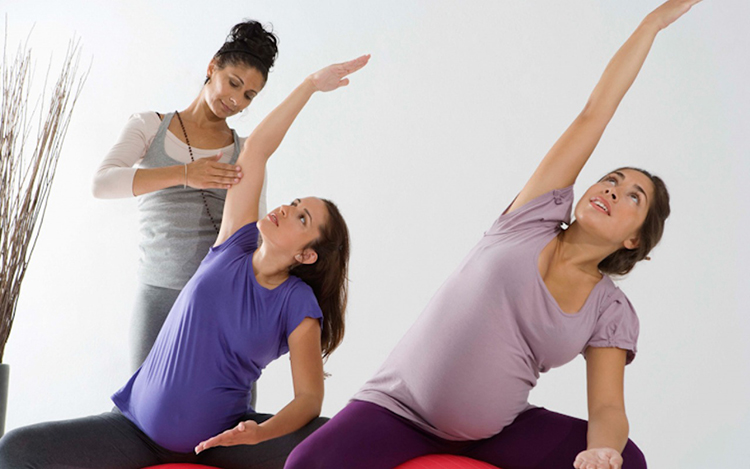
safe-pregnancy-exercisesThe Big Question: Is it safe to exercise during pregnancy, and can staying active help ease the aches, pains and challenges that come with expecting a baby?

Pregnancy is one of the most transformative journeys in a woman’s life. Along with the excitement of welcoming a new life, it brings significant physical and emotional changes. For many expectant mothers especially first-time mothers it also raises an important question: Is it safe to exercise during pregnancy?

For most women with an uncomplicated pregnancy, the answer is yes. Regular, moderate physical activity can help reduce common pregnancy discomforts, improve overall fitness, prepare your body for labour, and support both maternal and fetal health. The key is choosing safe activities, exercising at an appropriate intensity, and following your healthcare provider’s advice.

Always consult your obstetrician or healthcare provider before starting or continuing any exercise programme during pregnancy.

Why Does Pregnancy Affect Your Body So Much?

Pregnancy triggers remarkable hormonal and physical changes. One important hormone is relaxin, which helps prepare your body for childbirth by relaxing the ligaments and connective tissues around the pelvis.

While this increased flexibility is essential for delivery, it can also contribute to:

  • Pelvic discomfort
  • Lower back pain
  • Joint instability
  • Changes in posture and balance

As your baby grows, your centre of gravity shifts, placing additional strain on your back, hips, and knees. A well-planned antenatal exercise routine can help your body adapt to these changes more comfortably.

The Benefits of Antenatal Exercise

Current health guidelines recommend that women with an uncomplicated pregnancy aim for at least 150 minutes of moderate-intensity physical activity each week, spread across several days. Here are some of the benefits of staying active during pregnancy:

  • Reduces Aches and Pains: Gentle strengthening and stretching exercises support your muscles and joints, helping reduce back pain, pelvic discomfort, and stiffness.
  • Boosts Energy: Regular movement improves circulation and cardiovascular fitness, helping combat pregnancy-related fatigue.
  • Improves Sleep and Posture: Exercise can help relieve muscle tension, improve posture, and promote better sleep quality.
  • Supports Healthy Weight Gain: Combined with a balanced diet, physical activity helps support healthy weight gain throughout pregnancy.
  • Prepares Your Body for Labour: Maintaining muscular strength, flexibility, and endurance may help prepare your body for the physical demands of labour and recovery after childbirth.
  • May Reduce the Risk of Certain Pregnancy Complications: Regular physical activity has been associated with a lower risk of gestational diabetes, gestational hypertension, and excessive pregnancy weight gain in women with uncomplicated pregnancies.
  • Supports Mental Wellbeing: Exercise stimulates the release of endorphins, which can improve mood and help reduce stress and anxiety during pregnancy.

Safe Exercises During Pregnancy

The safest exercises are generally low-impact and easy to modify as your pregnancy progresses. Good options include:

  • Walking
  • Swimming
  • Water aerobics
  • Stationary cycling
  • Prenatal yoga
  • Prenatal Pilates
  • Light resistance training under professional guidance

Aim for an intensity where you can comfortably carry on a conversation while exercising.

Exercise Through Each Trimester

First Trimester Fatigue and nausea are common. Focus on gentle walks, stretching, breathing exercises, and staying hydrated. If you feel unusually tired, reduce the intensity and listen to your body.

Second Trimester Many women experience improved energy levels. This is often a good time to continue moderate aerobic exercise, improve posture, strengthen your back and hips, and begin pelvic floor exercises if advised. Avoid lying flat on your back for prolonged periods after the first trimester.

Third Trimester As your baby’s weight increases, choose activities that prioritise comfort and mobility. Walking, gentle stretching, pelvic floor exercises, and relaxation techniques can help prepare your body for labour.

Don’t Forget Your Pelvic Floor

Your pelvic floor muscles support the bladder, uterus, and bowel. Pregnancy places additional pressure on these muscles. Regular pelvic floor (Kegel) exercises may help:

  • Support bladder control
  • Improve pelvic stability
  • Prepare for childbirth
  • Aid postpartum recovery

Ask your healthcare provider or physiotherapist how to perform these exercises correctly.

Essential Safety Tips

If your doctor has cleared you for exercise, remember these important guidelines:

  • Always warm up before exercising and cool down afterwards.
  • Drink plenty of water before, during, and after exercise.
  • Avoid exercising in very hot or humid weather.
  • Wear comfortable clothing and supportive footwear.
  • Avoid exercising until exhaustion.
  • Avoid holding your breath during strength exercises.
  • Exercise in a well-ventilated environment.

If you attend prenatal yoga or Pilates classes, make sure your instructor is certified in prenatal fitness and knows which trimester you’re in.

When Should You Seek Medical Advice Before Exercising?

Some pregnancies require additional precautions. Speak to your obstetrician before exercising if you have:

  • Placenta previa after 26 weeks
  • Cervical insufficiency
  • Severe anaemia
  • Significant heart or lung disease
  • Persistent vaginal bleeding
  • Pregnancy-induced hypertension requiring close monitoring
  • A high-risk multiple pregnancy
  • A history of preterm labour

Your healthcare provider will advise which activities are appropriate for you.

Stop Exercising Immediately If You Experience:

Exercise should feel comfortable not distressing. Stop immediately and contact your healthcare provider if you notice:

  • Vaginal bleeding or spotting
  • Leakage of amniotic fluid
  • Painful uterine contractions
  • Chest pain or severe shortness of breath
  • Dizziness or fainting
  • Persistent headache
  • Severe abdominal or pelvic pain
  • Calf pain or swelling
  • Reduced fetal movement (once movements have been established)

Exercise during pregnancy isn’t about maintaining your pre-pregnancy fitness level or trying to lose weight. It’s about supporting your changing body, improving comfort, preparing for labour, and promoting a healthier pregnancy for both you and your baby. With your healthcare provider’s approval, regular antenatal exercise can help you move through pregnancy with greater confidence, strength, and wellbeing.

Pro Tip: Every pregnancy is unique, which is why your exercise routine should be too. Use the Women’s Care feature on the GOQii App to track your pregnancy milestones, activity levels, and overall wellbeing. Your GOQii Personalised Health Coach can work alongside your healthcare provider to help you build safe exercise routines, healthy eating habits, and sustainable lifestyle practices throughout every trimester.

Frequently Asked Questions (FAQs)

  1. Is it safe to start exercising if I wasn’t active before pregnancy?

Yes. After receiving approval from your obstetrician, begin gradually with low-impact activities such as walking or prenatal yoga. Increase activity slowly based on your comfort and fitness level.

  1. What are the safest exercises during pregnancy?

Walking, swimming, stationary cycling, prenatal yoga, prenatal Pilates and supervised light resistance training are generally considered safe for women with uncomplicated pregnancies.

  1. Why do my joints feel looser during pregnancy?

Pregnancy hormones particularly relaxin increase ligament flexibility to prepare your body for childbirth. This may also make your joints feel less stable and contribute to aches and pains.

  1. Can I continue strength training during pregnancy?

Many women can safely continue modified strength training after medical clearance. Avoid heavy lifting that requires breath-holding, and work with a qualified trainer experienced in prenatal exercise.

  1. Which exercises should I avoid during pregnancy?

Avoid contact sports, activities with a high risk of falling, scuba diving, hot yoga and prolonged exercises lying flat on your back after the first trimester unless specifically advised by your healthcare provider.

#BeTheForce 

Disclaimer: The information provided in this article is intended for educational purposes only and should not replace professional medical advice, diagnosis or treatment. Every pregnancy is different. Always consult your obstetrician or qualified healthcare provider before starting, modifying or continuing any exercise programme during pregnancy.
March 15, 2025 By Dr Manali Rao 5 Comments

Hypertension in Pregnancy: What Every Mother-to-Be Should Know

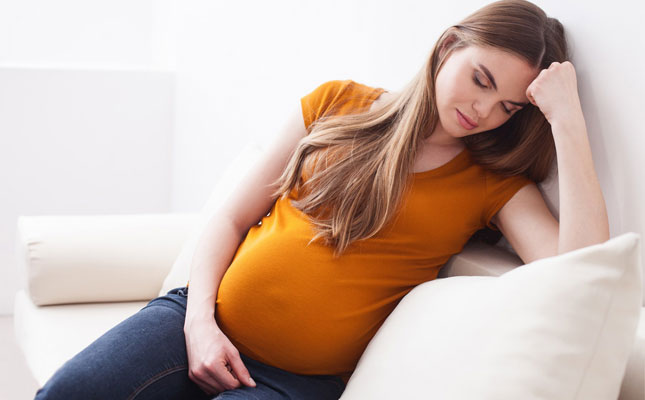
pregnant-womenPregnancy is a beautiful journey, but it also comes with its share of challenges. Among them, high blood pressure (hypertension) is one of the most common concerns for expectant mothers. Whether it’s your first pregnancy or you’ve experienced complications before, understanding hypertension during pregnancy can help you stay in control and safeguard both your health and your baby’s well-being.
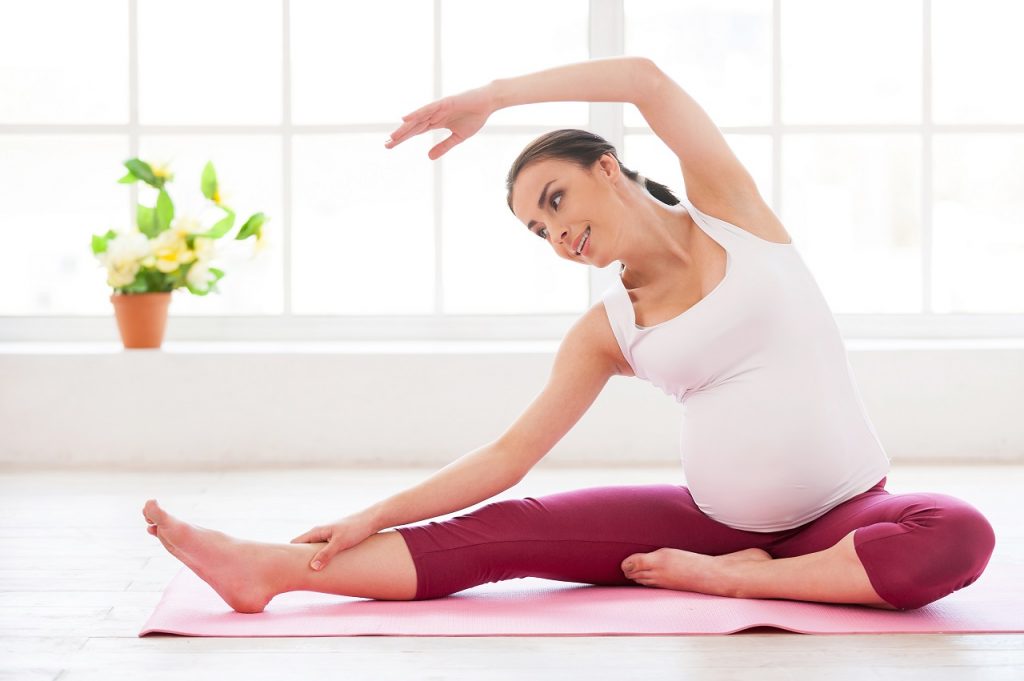
Some women experience pregnancy-induced hypertension (PIH), which can develop after 20 weeks of pregnancy. If left unchecked, it can lead to complications such as pre-eclampsia, placental abruption, or preterm delivery. However, with early detection, lifestyle changes, and medical support, most women can manage their blood pressure effectively and have a healthy pregnancy.

What is Pregnancy Induced Hypertension (PIH)?

PIH refers to newly developed hypertension during pregnancy, without the presence of protein in the urine or other symptoms of pre-eclampsia. Hypertension is defined as blood pressure higher than 140/90 mmHg. It can have serious effects on both mother and baby if not monitored properly.

Causes & Risk Factors of PIH

There is no single cause of PIH, but several factors can increase your risk:

  • Being overweight or obese
  • Lack of physical activity
  • Smoking or alcohol consumption
  • Family history of hypertension or PIH
  • Previous history of PIH in past pregnancies
  • Multiple pregnancy (twins or more)
  • Maternal age (below 18 or over 35 years old)
  • Pre-existing diabetes, kidney disease, or high blood pressure
  • Living with a single kidney
  • IVF pregnancies
  • Placental abnormalities

Types of Hypertension in Pregnancy

  • Gestational Hypertension:​
    Develops after 20 weeks of pregnancy, with high blood pressure but no protein in the urine or organ damage. Some women with gestational hypertension may develop pre-eclampsia later in pregnancy.
  • Chronic Hypertension:​
    High blood pressure present before pregnancy or occurring before 20 weeks of gestation. This type may go undiagnosed if regular BP checks were not done before pregnancy.
  • Chronic Hypertension with Superimposed Pre-Eclampsia:
    Women with chronic hypertension who develop worsening blood pressure, protein in the urine, or other complications during pregnancy.
  • Pre-Eclampsia:​
    A serious pregnancy complication that includes high blood pressure, proteinuria (protein in the urine), and signs of organ damage. If left untreated, it can lead to severe complications for both mother and baby.
  • Eclampsia:
    A severe form of pre-eclampsia that leads to seizures, which can be life-threatening for both mother and baby.

Symptoms of PIH & Pre-Eclampsia

Look out for the following warning signs:

  • Severe headaches
  • Blurred vision or sensitivity to light
  • Pain in the upper abdomen (under the ribs, right side)
  • Nausea or vomiting
  • Sudden swelling in the face, hands, or feet
  • Decreased urine output
  • Shortness of breath (fluid in the lungs)
  • Dizziness or fainting spells
  • Spots or flashes before your eyes
  • Blood in urine
  • Decreased levels of platelets in your blood (thrombocytopenia)
  • Impaired liver function

If you experience any of the symptoms mentioned, immediately report to your Gynecologist or health care provider.

Complications of PIH

If left unmanaged, hypertension in pregnancy can lead to:

  1. Preterm Labour: Premature birth due to complications.
  2. Placental Abruption: The placenta partially or completely separates from the uterus before birth, depriving the baby of oxygen and nutrients.
  3. Intrauterine Growth Restriction (IUGR): The baby may have restricted growth due to reduced blood supply.
  4. Organ Damage: Liver, kidney, and blood clotting issues.
  5. Stillbirth (IUD – Intrauterine Death): In severe, untreated cases.
  6. Postpartum Hypertension: Some women may continue to experience high blood pressure after delivery, requiring continued medical care.

Managing PIH for a Healthy Pregnancy

  • Follow Your Doctor’s Advice – Attend all antenatal appointments and take prescribed medications as directed.
  • Rest as Advised – Your doctor may recommend bed rest depending on your blood pressure.
  • Manage Stress – Meditation, deep breathing, and engaging in relaxing activities can help.
  • Reduce Salt Intake – Cut down on processed foods, salty snacks, and added table salt.
  • Eat a Nutritious Diet – Prioritise whole grains, fruits, vegetables, lean proteins, and healthy fats.
  • Stay Active – Engage in light exercises such as walking or prenatal yoga if approved by your doctor.
  • Stay Hydrated – Drink plenty of water to maintain proper circulation.
  • Monitor Your Blood Pressure – Regularly check your BP at home and report any concerns to your doctor.

Maintaining a healthy blood pressure throughout pregnancy is crucial for both maternal and foetal well-being. Early detection, lifestyle modifications, and regular medical check-ups can help prevent complications.

  1. Start healthy habits before pregnancy to reduce your risk of PIH.
  2. Listen to your body and report any unusual symptoms to your doctor.
  3. Prioritise a balanced lifestyle with a nutritious diet, regular movement, and stress management.
  4. Remember, a Healthy Mother = a Healthy Baby!

💬 Have you experienced hypertension during pregnancy? Share your experience in the comments below!

#BeTheForce 

Disclaimer: The information provided in this blog is for general awareness and educational purposes only. It is not intended to replace professional medical advice, diagnosis, or treatment. Always consult a qualified healthcare provider for personalised medical guidance or concerns related to your health.

January 10, 2025 By GOQii 221 Comments

Important Exercises & Yoga Poses To Be Done During Pregnancy

yoga during pregnancyIn one of my articles, we explored how beneficial it is to follow yoga during pregnancy. In this article, I will highlight the prenatal yoga poses that can help you stay fit during pregnancy and support a smooth post-delivery recovery. Let’s dive right in!

Exercises & Yoga Poses To Do During Pregnancy

Start With Breathing Exercises
Before beginning, practice some mindful breathing:

  1. Sit comfortably, with your knees bent and your shoulders, head, and neck relaxed.
  2. Place one hand on your upper chest and the other just below your rib cage. This will allow you to feel your diaphragm move as you breathe.
  3. Inhale through your nose and exhale through your mouth. Continue for 3-5 minutes.

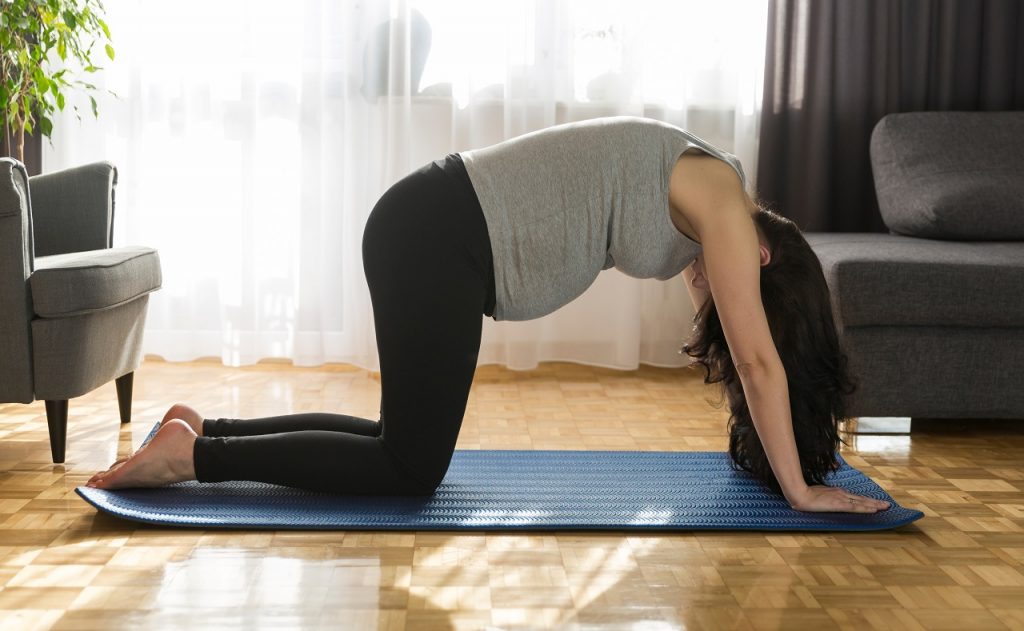
1. Cat and Camel Pose

cat and camel

  1. Begin on your hands and knees, with your knees under your hips and your hands under your shoulders.
  2. Round your back towards the ceiling, tucking in your buttocks and slightly lowering your head.
  3. Return to a neutral position.
  4. Let your belly lower towards the floor, creating an arch in your back. Keep your head slightly raised, with your eyes looking forward.
  5. Alternate between these poses.

Tip: Use a folded towel under your knees if they hurt, or place fists instead of palms on the floor for wrist support.

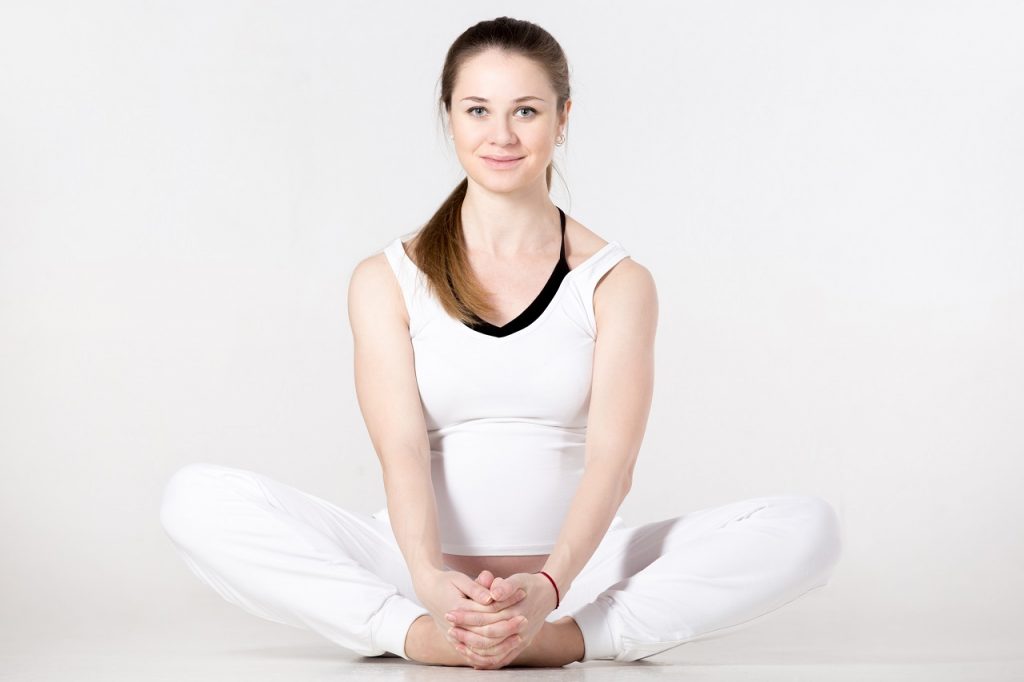
2. Butterfly Pose

butterfly pose yoga during pregnancy

  • Sit with your spine and neck straight.
  • Bend both knees and bring the soles of your feet together, as close to the groin as possible.
  • Hold your feet firmly with your hands and keep your heels on the ground.
  • Place your elbows on your thighs.
  • Inhale deeply and press your thighs downward using your elbows.
  • Exhale as you raise your knees without support and release the pose.

3. Kegel’s Exercises

This exercise strengthens the pelvic floor muscles.

How to Perform:

  • Sit, stand, or lie down comfortably.
  • Contract your pelvic floor muscles as if stopping the flow of urine for 5 seconds.
  • Relax the muscles for 3 seconds.
  • Perform 5-10 repetitions per session, twice a day. Ensure you breathe normally throughout.

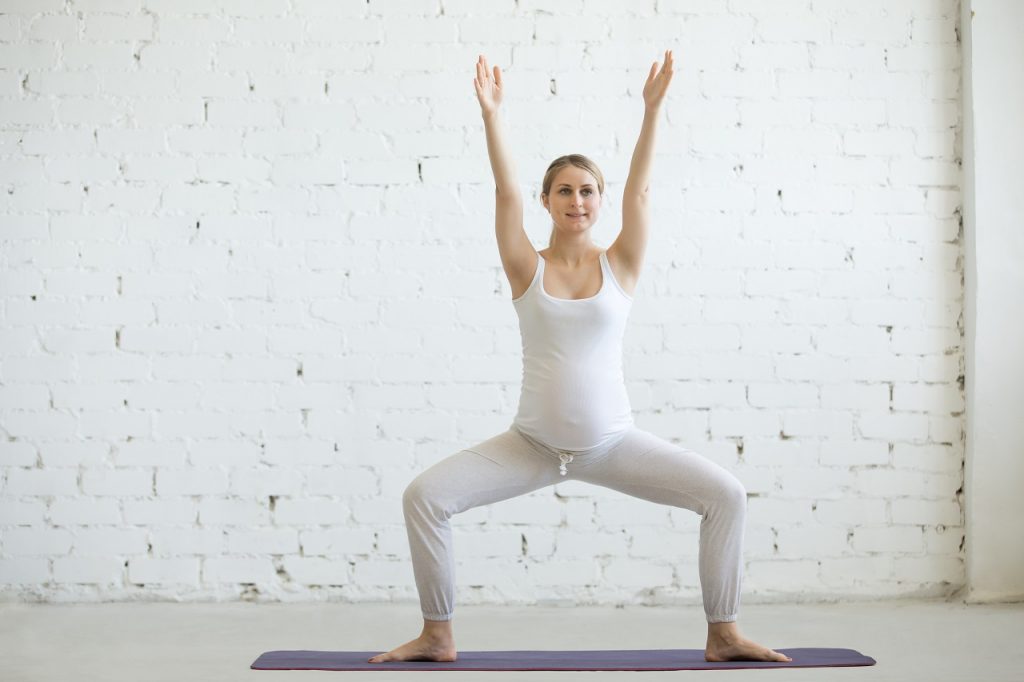
4. Goddess Pose

goddess pose pregnancy

  • Step your right foot back to a stride length and turn your toes out at a 45-degree angle.
  • Bend your knees deeply and lower your hips until they align with your knees.
  • Extend your arms to shoulder height and bend your elbows so that your fingertips point upwards.
  • Engage your core, draw your tailbone towards the floor, and keep your spine long.
  • Hold the pose for 30 seconds to 1 minute.

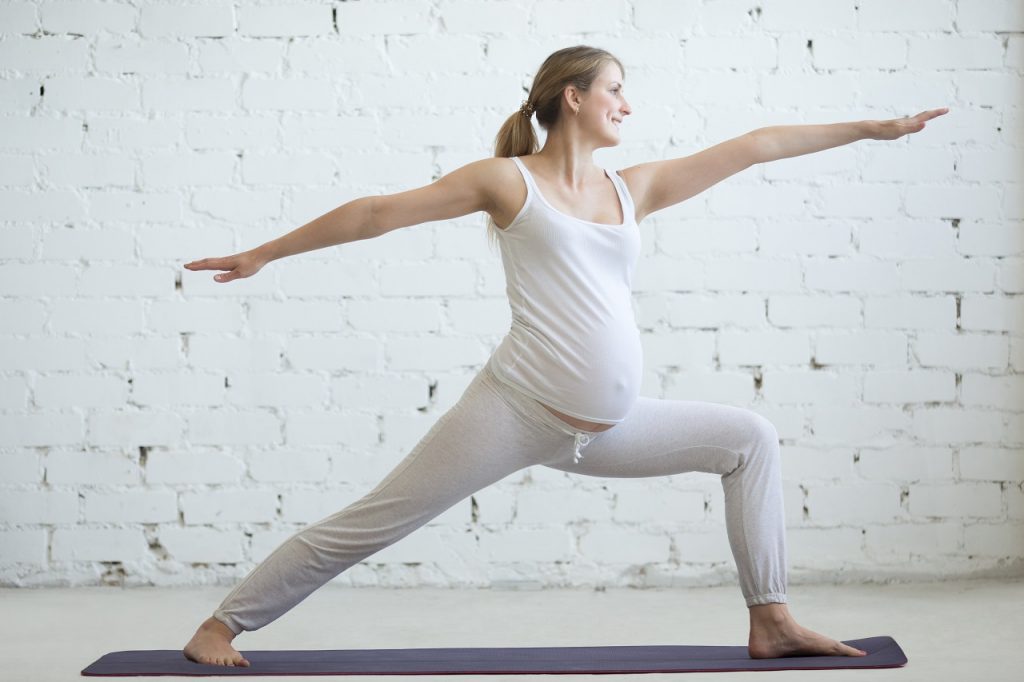
5. Warrior Pose

warrior pose yoga during pregnancy

  • Stand with your feet roughly three feet apart.
  • Place your right foot in front of your left foot.
  • Extend your arms out to the sides, keeping them straight and palms facing down.
  • Turn your left foot out to the side and your right foot inward.
  • Lunge forward, bending your left knee, and keep your right leg straight.
  • Hold the pose, then return to the starting position and switch legs.

6. Walking

Walking is an excellent cardiovascular exercise for expecting mothers.

Tips:

  • Start with slow walks if you’re new to physical activity.
  • Walk for 30 minutes, three times a week.
  • Pair walking with other light exercises for better results.

If this article helped you, share your thoughts in the comments below. Explore more articles on Women’s Care here. To keep a track of your pregnancy, you can also download the GOQii App and access the Women’s Care Feature.

For more tips on how to manage your health during pregnancy, reach out to your GOQii Coach by subscribing for Personalised Health Coaching here.

#BeTheForce 

Disclaimer: The information provided in this blog is for general awareness and educational purposes only. It is not intended to replace professional medical advice, diagnosis, or treatment. Always consult a qualified healthcare provider for personalised medical guidance or concerns related to your health.

November 13, 2016 By Niti Nirvan Leave a Comment

Customized Postnatal Health Plan with GOQii

GOQii

Being a mom in today’s world, involves juggling a job, your chores, errands and ofcourse your family. Squeezing in some “me time” among the hustle and bustle seems close to impossible with all tasks already laid out on your schedule. But as the tale goes, catering to your health and throwing in some exercise goes a long way in assisting you with all that is lined up in your daily to – do list. We can help you build a customized postnatal health plan for shedding weight, which includes a diet and exercise plan. You will be able to interact with a doctor, who will be able to assist you with your postnatal health.

Making You A Part Of Your Day

Formulating a good exercise regime is vital to attain fitness goals. It is always good to get in your daily routine first thing in the morning. While a day is full with meetings, and other household tasks, there is a very good chance you may neglect a workout or find an excuse to skip it. Working out in the morning, not only gets your daily exercise out of the way, also sets up your tone for the rest of the day. It boosts metabolism and also the endorphin released helps to spike up your mood and increase energy levels.

Another important fact to keep in mind is that a nutritious diet assists in reaching your fitness goals. Finding time to prepare meals to attain a balanced nutrition is sometimes difficult. You should incorporate essential nutrients in every meal that you take. After delivery it is often paramount to lose the additional pounds you have packed on during pregnancy. In the first few months post delivery, the weight sheds off quite effectively, couple in breastfeeding, and moms note a constant reduction in their weight. However, with time a plateau is attained, and pushing forward to lose more weight is where new moms struggle the most.

A diet conducive to weight loss consists of minimally processed carbohydrates and fat, and a diet rich in fibre, protein and high energy carbohydrates. While the former provides almost zero nutrition, the latter is packed with energy boosting components. This usually includes food like fruits, fresh green vegetables, high fibre carbohydrates in the form of brown rice, pasta and bread and  protein sources include eggs, lean chicken, fish and legumes.

While all these are essential, putting plans into action is where the real conflict lies. A few tips include:

  • Setting a plan in writing: This makes you accountable and more likely to complete it. Noting it down as a task rather than a lingering thought will help you accomplish it daily.
  • Enlisting assistance: It is never a shameful thing to admit that you need help. Ask your spouse, friends and family, to help you with household chores and looking after your little one. Making time for yourself is crucial in order to look after your family.
  • Set realistic goals: While we all wish we looked a certain way, having a clear idea of what is achievable goes a long way. Start with a kilogram a week, and in no time you will find that you are able to achieve more than you set out to in the first place.
  • Choose what works for you: Be it a fitness regime or a diet, use what works for you. There are a plethora of options out there, when it comes to food as well as exercise regimes. Feel free to experiment and mix it up. Ultimately you will find something that suits you.

GOQii is teaming up with Babygogo 

We are giving 10 lucky moms a chance to win GOQii 3 Month subscription with free fitness tracker band. To become a contender, starting from the 14th of November; you will have to be the mom with the best answer of the day on the Babygogo app. Answering the queries with the most informative answer automatically puts you in the running to become the mom with the best answer for the day. So go ahead and send in your answers to the queries on the Babygogo app, and stand a chance to win this exciting opportunity towards a healthy and happy you.

Search

Recent Posts

  • 9 Hidden Benefits of Coffee You May Not Know
  • Best Foods to Support Liver Health & Reduce Fatty Liver Risk
  • Choose the right activity to stay fit
  • Prevent Workplace Injuries: Simple Tips to Stay Pain-Free at Work
  • Healthy Eating: Oats Sprouts and Vegetable Uttapam

Stay Updated

Archives

  • October 2026 (1)
  • September 2026 (5)
  • August 2026 (8)
  • July 2026 (25)
  • June 2026 (22)
  • May 2026 (20)
  • April 2026 (24)
  • March 2026 (18)
  • February 2026 (14)
  • January 2026 (14)
  • December 2025 (19)
  • November 2025 (15)
  • October 2025 (20)
  • September 2025 (6)
  • August 2025 (5)
  • July 2025 (9)
  • June 2025 (18)
  • May 2025 (16)
  • April 2025 (22)
  • March 2025 (25)
  • February 2025 (21)
  • January 2025 (25)
  • December 2024 (22)
  • November 2024 (22)
  • October 2024 (16)
  • September 2024 (22)
  • August 2024 (27)
  • July 2024 (15)
  • June 2024 (23)
  • May 2024 (26)
  • April 2024 (27)
  • March 2024 (27)
  • February 2024 (23)
  • January 2024 (21)
  • December 2023 (14)
  • November 2023 (10)
  • October 2023 (18)
  • September 2023 (20)
  • August 2023 (16)
  • July 2023 (16)
  • June 2023 (21)
  • May 2023 (20)
  • April 2023 (19)
  • March 2023 (23)
  • February 2023 (19)
  • January 2023 (15)
  • December 2022 (11)
  • November 2022 (15)
  • October 2022 (15)
  • September 2022 (12)
  • August 2022 (9)
  • July 2022 (17)
  • June 2022 (11)
  • May 2022 (10)
  • April 2022 (6)
  • March 2022 (6)
  • February 2022 (13)
  • January 2022 (11)
  • December 2021 (7)
  • November 2021 (3)
  • October 2021 (6)
  • September 2021 (3)
  • August 2021 (8)
  • July 2021 (7)
  • June 2021 (15)
  • May 2021 (16)
  • April 2021 (10)
  • March 2021 (7)
  • February 2021 (4)
  • January 2021 (4)
  • December 2020 (3)
  • November 2020 (4)
  • October 2020 (10)
  • September 2020 (3)
  • August 2020 (3)
  • July 2020 (2)
  • June 2020 (4)
  • May 2020 (10)
  • April 2020 (12)
  • March 2020 (10)
  • February 2020 (4)
  • January 2020 (4)
  • December 2019 (3)
  • November 2019 (7)
  • October 2019 (5)
  • September 2019 (4)
  • August 2019 (9)
  • July 2019 (9)
  • June 2019 (11)
  • May 2019 (4)
  • April 2019 (8)
  • March 2019 (8)
  • February 2019 (9)
  • January 2019 (8)
  • December 2018 (9)
  • November 2018 (3)
  • October 2018 (3)
  • September 2018 (5)
  • August 2018 (10)
  • July 2018 (6)
  • June 2018 (13)
  • May 2018 (8)
  • April 2018 (17)
  • March 2018 (9)
  • February 2018 (8)
  • January 2018 (15)
  • December 2017 (12)
  • November 2017 (19)
  • October 2017 (13)
  • September 2017 (15)
  • August 2017 (4)
  • July 2017 (8)
  • June 2017 (7)
  • May 2017 (6)
  • April 2017 (8)
  • March 2017 (6)
  • February 2017 (7)
  • January 2017 (9)
  • December 2016 (10)
  • November 2016 (7)
  • October 2016 (7)
  • September 2016 (7)
  • August 2016 (11)
  • July 2016 (9)
  • June 2016 (9)
  • May 2016 (12)
  • April 2016 (17)
  • March 2016 (17)
  • February 2016 (8)
  • January 2016 (6)
  • December 2015 (2)
  • November 2015 (9)
  • October 2015 (7)
  • September 2015 (9)
  • August 2015 (11)
  • July 2015 (9)
  • June 2015 (11)
  • May 2015 (9)
  • April 2015 (13)
  • March 2015 (8)
  • February 2015 (5)
  • January 2015 (12)
  • December 2014 (14)
  • November 2014 (11)
  • October 2014 (6)
  • September 2014 (13)
  • August 2014 (12)
  • July 2014 (6)
  • June 2014 (2)
  • May 2014 (7)
  • April 2014 (4)

From Burnout to Balance: How Dr. Ranjit Reclaimed His Health

Dr Ranjit Bhatt has spent years tending to others. A practising doctor in Odisha, his days were packed with patients, surgeries, and emergencies. From the outside, it looked like a life lived in service. But on the inside, something wasn’t right. “I had no … [Read More...]

From Shimla’s Slopes to Chandigarh’s Sidewalks: Surinder Kaur Bhalla’s Journey from Chaos to Control

Some journeys start with a plan. Others begin with a stumble literally. Surinder Bhalla, a government professional, born and raised in the scenic hill town of Shimla, had always lived a life of movement. “In Shimla, you walked everywhere,” she reflects. “Walking was never an exercise. It was just life.” But after shifting to Chandigarh, […]

“I’ve Challenged Myself to Live 100 Years” – The Story of Chandubhai Savani’s Second Chance at Life

At 67, most people start slowing down. Not Chandubhai Savani. A resident of Surat, Chandubhai, thought life was on track. “My life was going well till I had my bypass surgery,” he says. That surgery, back in 2021, was a wake-up call.  Medication was routine, but exercise wasn’t. His diet? What he calls ‘normal.’ “I […]

Ananda Mukherjee Health Story

From Terminal Illness To Complete Wellness! Ananda Mukherjee Health Story

As we observe World Cancer Day under the powerful theme ‘United by Unique’ (2025-2027)**, we are reminded that every individual’s journey with cancer is distinct, yet united by shared resilience, hope, and the collective fight against this disease. This theme places people at the centre of care and their stories at the heart of the […]

  • HOME
  • HEALTHY LIVING
  • FITNESS
  • HEALTHY RECIPES
  • USER STORIES
  • KARMA
  • BUY GOQii

Copyright ©2016 GOQii