
GOQii

Blog

  • HOME
  • HEALTHY LIVING
  • FITNESS
  • HEALTHY RECIPES
  • USER STORIES
  • KARMA
  • BUY GOQii

April 27, 2026 By Parwage Alam 3 Comments

Sitting Too Much? Here’s How It’s Shortening Your Life

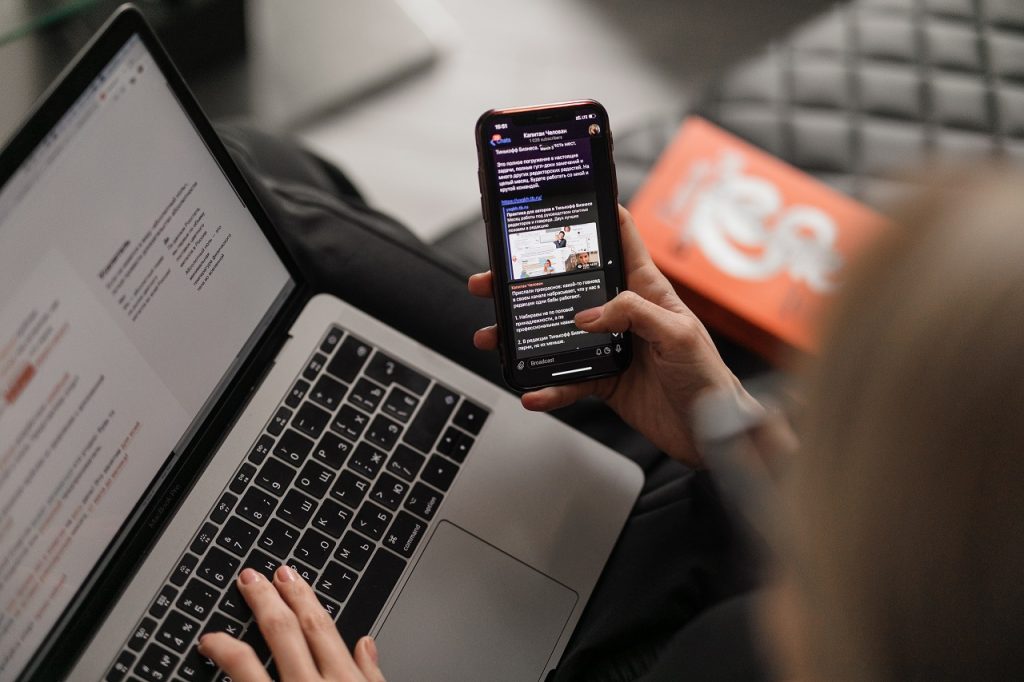
How sitting for long hours at work can shorten your lifeSam logs into his 9:30 AM status call with a fresh cup of coffee. “I’ll just clear these emails quickly,” he tells himself as the meeting ends. The next time he looks up from his screen, his stomach is rumbling, and the clock says 2:15 PM. As he finally pushes his chair back to stand, a dull, familiar ache shoots across his lower back, his neck feels incredibly stiff, and his legs are heavy. He hasn’t moved from that chair in nearly five hours.

Does this sound familiar?

Sam isn’t alone. In fact, he represents the new normal. We often hear the phrase “Sitting is the new smoking”, and for good reason. Research suggests that excessive sitting can be just as dangerous as smoking, increasing your risk of serious health issues even if you manage to work out for an hour a day.

According to the GOQii India Fit Report 2026, a staggering 50% of Indians now spend 5 to 8 hours a day sitting down, and a further 26% sit for more than 8 hours. With the modern workplace being largely desk-based, it’s crucial to understand how this creeping stillness affects your body and what you can do to counteract it.

How Sitting For Long Hours Can Affect Your Health

Sitting doesn’t hurt in the moment, which is exactly what makes it so deceptive. Over time, physical stillness translates to metabolic decline. Here is what happens to your body when you sit for too long:

  • Poor Blood Circulation: Sitting for long periods slows down blood flow, pooling blood in your legs and increasing the risk of blood clots and varicose veins.
  • Increased Risk of Diabetes & Heart Disease: Studies show that prolonged sitting doubles the risk of diabetes. The GOQii India Fit Report highlights that heart disease affects over 55% of individuals with prolonged sedentary habits.
  • Eye Strain & Digital Fatigue: Constantly staring at screens causes dry eyes, blurred vision, and persistent tension headaches.
  • Back, Neck & Joint Pain: Poor posture and a lack of movement contribute to chronic pain in the lower back, neck, and hip joints.
  • Weakened Heart & Lung Function: Sitting too long reduces your overall cardiovascular efficiency, making your heart and lungs work much harder during normal physical activities.
  • Digestive Problems: Slouching compresses your abdomen and slows down digestion, leading to bloating, acid reflux, and constipation.
  • Mental Fatigue & Mood Changes: Reduced movement doesn’t just drain the body; it affects mental health, leading to increased stress, anxiety, and a feeling of constant brain fog.

How Can You Stay Active At Your Workplace? 

While it may not be possible to completely avoid your desk, you can incorporate small, intentional changes into your routine to break the cycle of stillness.

  • Take Small & Frequent Breaks – Set a timer to stand up and stretch every 30-45 minutes. This instantly improves circulation and prevents muscle stiffness.
  • Use the Stairs Instead of the Lift – This is a quick and highly effective way to get your heart rate up and strengthen your leg muscles.
  • Take a Walk After Lunch – Even a simple 5-10 minute walk after eating helps regulate blood sugar, aids digestion, and boosts your afternoon energy.
  • Blink & Rinse Your Eyes Regularly – Combat screen fatigue by strictly following the 20-20-20 rule: look away from the screen every 20 minutes, for 20 seconds, at something 20 feet away.
  • Try Simple Desk Exercises – Stretch your neck, roll your shoulders backwards, and extend your legs under the desk to relieve built-up tension.
  • Adjust Your Chair for Better Posture – Keep your back straight, feet flat on the floor, and screen exactly at eye level to avoid the dreaded “tech neck” slouch.
  • Consider a Standing Desk – Alternate between sitting and standing throughout the day to reduce constant compression on your lower spine.
  • Move While You Work – Take your phone calls while pacing around the room, or swap your office chair for a stability ball for an hour a day to engage your core.

Try to avoid it by taking short breaks and being active! If you experience any pain, here’s what you can do to avoid any further injuries.

Sitting for long hours is unavoidable for many, but small lifestyle adjustments can make a massive difference. By being more aware of your sitting habits and actively injecting movement into your daily routine, you can protect your health and drastically improve your overall well-being.

💡 Takeaway: Stand more, move more, and prioritise an active lifestyle to reduce the hidden risks associated with prolonged sitting.

💬 What’s your favourite way to stay active at work? Share your tips in the comments!

Frequently Asked Questions (FAQs)

  1. Why is sitting called “the new smoking”?
    Prolonged sitting is often compared to smoking because of the severe long-term health risks associated with it. Even if you exercise daily, sitting continuously for 8 to 10 hours drastically increases your risk of chronic conditions like heart disease, type 2 diabetes, obesity, and premature death.
  2. How often should I take a break from sitting at my desk?
    Health experts recommend standing up, stretching, or walking around every 30 to 45 minutes. Even a brief 2-minute movement break helps reset your posture, improves blood circulation, and reduces the strain on your back and neck.
  3. Does sitting affect mental health?
    Yes. A sedentary lifestyle is strongly linked to mental fatigue, increased stress, and anxiety. Physical movement releases endorphins and improves blood flow to the brain; without it, you are more likely to experience low moods, brain fog, and emotional exhaustion.

#BeTheForce

Disclaimer: The content provided in this blog is for educational and informational purposes only and should not be construed as professional medical advice, diagnosis, or treatment. Always consult with a qualified healthcare provider or a certified medical professional before making significant changes to your physical activity or if you are experiencing chronic pain or health issues related to a sedentary lifestyle.
April 25, 2026 By Sonal Pradhan Leave a Comment

Everything You Need to Know About Malaria

Malaria causes, symptoms and preventionEvery year on April 25th, the globe comes together to observe World Malaria Day. For 2026, the theme is a powerful call to action: “Driven to End Malaria: Now We Can. Now We Must.” With modern tools, treatments, and preventive measures, ending malaria in our lifetime is no longer just a hopeit is a tangible reality. However, defeating this disease requires all of us to stay informed, vigilant, and proactive.


Whether you are travelling, living in a high-risk area, or simply want to protect your family, here is everything you need to know about malaria.

What is Malaria?

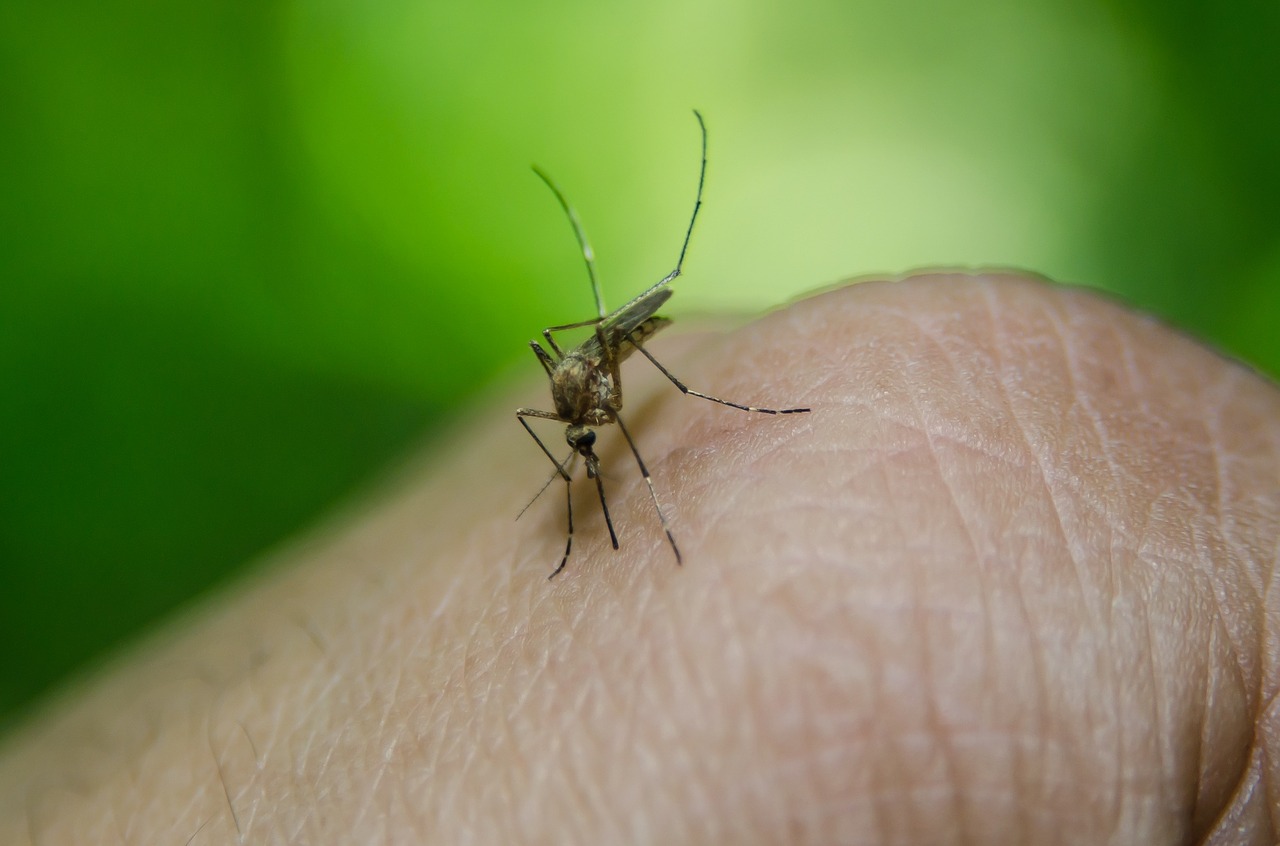
Malaria is a serious, life-threatening, and sometimes fatal disease spread by infected female Anopheles mosquitoes. The disease is caused by a single-celled parasite called Plasmodium.

There are five species of Plasmodium that can infect humans:

  1. Plasmodium falciparum (P. falciparum): The most dangerous strain. Severe infections can lead to liver and kidney failure, convulsions, and even coma. It is widely found across most parts of India.
  2. Plasmodium vivax (P. vivax): Also common in India. While generally less severe than falciparum, these parasites can remain dormant in the liver for months, causing symptoms to reappear long after the initial infection.
  3. Plasmodium malariae (P. malariae): Commonly found among tribal populations and in forested or hilly regions of India.
  4. Plasmodium ovale (P. ovale): Also causes dormant liver infections, though it is generally not found in India.
  5. Plasmodium knowlesi (P. knowlesi): A zoonotic malaria that primarily affects macaques but can infect humans.

Spotting the Symptoms

Malaria presents a wide spectrum of symptoms that usually begin 10 to 15 days after the mosquito bite.

Common Symptoms:

  • High fever accompanied by shaking chills and heavy sweating
  • Persistent headache and body aches
  • General weakness and fatigue
  • Nausea and vomiting

Severe Complications: If left untreated, complicated malaria can affect major body systems, leading to severe anaemia, kidney failure, seizures, cardiovascular collapse, or dangerously low blood sugar.

Modes of Transmission

The primary way humans contract malaria is through the bites of infected female Anopheles mosquitoes.

However, because the malaria parasite directly affects red blood cells, it can also be transmitted through exposure to infected blood. This includes:

  • Transmission from a mother to her unborn child during pregnancy.
  • Through contaminated blood transfusions or shared needles.

Treatment and Recovery

Malaria is highly treatable if caught early. It is treated with specific prescription anti-malarial drugs designed to kill the parasite. The type of medication and the duration of the treatment depend heavily on:

  • The specific type of malaria parasite causing the infection.
  • The severity of the symptoms.
  • Whether the patient is pregnant.

Pro-Tip: People recovering from malaria should drink plenty of fluids. While hydration will not cure the disease, it significantly reduces the severe side effects associated with fever-induced dehydration.

Preventive Measures: How to Protect Yourself 

Undeniably, the best way to treat malaria is to never catch it in the first place. Avoiding contact with mosquitoes is crucial. Here are simple yet highly effective ways to protect yourself:

  • Use Insecticide-Treated Nets (ITNs): Sleeping under a treated net drastically reduces nighttime mosquito contact.
  • Indoor Residual Spraying (IRS): Spraying the inside of housing structures with insecticides once or twice a year is a powerful way to reduce community transmission.
  • Apply Insect Repellent: Use EPA-registered repellents on all exposed skin.
  • Dress Defensively: Wear clothing that covers most of your skin and opt for closed shoes. Tuck your shirt into your pants, and your pants into your socks to avoid bites around the ankles. Treating clothes with insecticides like permethrin offers even more protection.
  • Eliminate Breeding Grounds: Ensure water is not allowed to stagnate in or around your house, as this is where mosquitoes breed. Keep your surroundings dry and clean.

The WHO ‘ABCD’ Tool for Travellers

The World Health Organization (WHO) has developed a simple, 4-letter tool to help travellers safely prepare for ventures in any corner of the world:

  • A – Awareness of Risk: Before you travel, research if your destination has a risk of malaria.
  • B – Bite Prevention: Whether headed to a high or low-risk area, take proactive steps to avoid mosquito bites.
  • C – Chemoprophylaxis: In high-risk areas, consult your doctor about taking anti-malarial medication before you travel to reduce your risk of contracting the disease if bitten.
  • D – Diagnosis: Prompt diagnosis ensures you get the right treatment exactly when you need it, ultimately improving your chances of a full recovery.

Although malaria can be a deadly disease, illness and death can usually be prevented if you are prepared for it.

Did we miss out on anything? Would you like to know more? Then subscribe for personalised health coaching and get the right guidance and information from a certified expert here.

Frequently Asked Questions (FAQs)

  1. What are the most common symptoms of malaria?
    Common symptoms of malaria include high fever, shaking chills, heavy sweating, persistent headache, body aches, general weakness, nausea, and vomiting. Symptoms usually appear 10 to 15 days after an infected mosquito bite.
  2. How is malaria transmitted?
    Malaria is primarily transmitted through the bites of infected female Anopheles mosquitoes. Because the parasite lives in red blood cells, it can also be transmitted through exposure to infected blood, such as from a mother to her unborn child or through contaminated blood transfusions.
  3. What is the WHO ABCD tool for malaria?
    The WHO ABCD tool is a checklist for travellers: Awareness of Risk (know your destination’s risk level), Bite Prevention (use nets and repellents), Chemoprophylaxis (take preventative anti-malarial medication if advised by a doctor), and Diagnosis (seek prompt testing if symptoms appear).

#BeTheForce

Disclaimer: The content provided in this blog is for educational and general informational purposes only and should not be construed as professional medical advice, diagnosis, or treatment. Malaria is a serious and potentially life-threatening disease. Always consult with a qualified healthcare provider or a certified medical professional before travelling to malaria-endemic areas, starting any preventive medication (chemoprophylaxis), or if you experience any symptoms such as high fever, chills, or body aches. Do not ignore professional medical advice or delay in seeking it because of something you have read in this blog.

April 24, 2026 By Divya Thampi 1 Comment

3 Super Simple Ways to Overcome Anxiety Induced Procrastination

overcome anxiety induced procrastination

procrastination

/prə(ʊ)ˌkrastɪˈneɪʃ(ə)n/

(noun) the action of delaying or postponing something.

Amit wakes up with a feeling of dread. Even before his mind can tell him what is wrong, he can feel anxiety and guilt start to overpower him. Then it registers. He’s woken up late! Yet again!!

He was supposed to wake up at 6:00 AM, do his yoga, meditate, get a few chores done, and get started with work at 8:30 AM. Instead, here he was, staring at the hands of the clock insisting that it was 8:30 AM, and feeling miserable.

“I have ruined the day before it even started!!” he moans.

Trying to salvage the rest of his day, he quickly brushes his teeth, rushes through part of his morning routine, and sits down at his desk at 10:00 AM. As he starts wondering what tasks he needs to get done during the day, his mind comes up with one really important task.

As soon as he gets ready to work on the first task, his mind reminds him about the deadline for sending in suggestions for his team meeting. So he closes the file he had opened and goes on to open his email. And before he can get to the email with the attachment he is looking for, he is greeted by a deluge of new, unread emails waiting to be opened. His heart beats faster, his breath gets quicker, and despite the cool morning, his palms get clammy with perspiration.overcome anxiety induced procrastination

The Spiral of Self-Talk

As he tries to quickly skim through the unread emails, his mind keeps reminding him that he is already behind with the things he’s supposed to get done today. It simultaneously points out that had he woken up on time, he would have been done with at least two of these tasks.

Once again, he experiences a surge of hopelessness. Guilt and shame wash through him. He gives into the routine of berating himself, thinking of all the times he has done this before, and hears his mind say things like:

“Who are you trying to fool? You know very well that this is who you really are—this lazy, undisciplined, good-for-nothing failure who is never going to amount to much! Stop telling yourself that you will somehow turn a new leaf, become disciplined overnight, and transform into the epitome of efficiency. Just accept that this is never going to change.”

Inexplicably, Amit feels exhausted. He turns to his phone and thoughtlessly opens up Instagram. He scrolls down thinking that he will just check out a couple of posts. But the next time he looks at the clock, it is already 12:00 noon. Feeling totally dejected, he decides to have some snacks and polishes off a large packet of wafers in no time. He spends the rest of the day feeling lethargic and getting very little done.

The Real Root of the Problem

Does all this sound familiar? If it does, you are not alone. Even the most capable and intelligent people experience this every once in a while, and more people than you could imagine deal with this regularly.

But let’s take a closer look at what’s going on here. If you are thinking that the issue is Amit’s habit of waking up late, you are wrong. That is not the primary issue.

While good sleep habits are important and need to be managed, life will invariably throw you curveballs that will disrupt your plan one way or the other. In this case, waking up late led to Amit losing about an hour of personal preparation time and 90 minutes of work time, which totals 150 minutes. If he had gone on to use the rest of the day well, he would have lost only about 2.5 hours of productive time.

But the issue was that anxiety, guilt, and shame overpowered him and made it impossible for him to utilise the rest of his time. He lost over 5 hours instead of 2.5.

The biggest problem in most situations is not the interruption of plans, but our inability to manage our self-talk and the resultant anxiety. Here are 3 simple steps you can take to overcome anxiety-induced procrastination.

3 Simple Steps To Overcome Anxiety Induced Procrastination 

  1. Identify Three Top Tasks for the Next Day: Before you finish for the day, write down the things that you’d like to get done the next day. Now, circle the three most important things on the list.
  • Be Specific: Instead of writing “Get started on the report,” you could write “Have the first draft of the report ready.” * Rank and Estimate: Rank them in the order you’d like to get them done and write down an approximate amount of time you expect each task to take.

When you are ready to start in the morning, your mind is in action mode. If you give it the job of deciding what to do, it takes up precious energy and working memory space, leaving very little focus to actually get the job done. However, at the end of the day when your mind is still in work mode, it is far easier to plan. The next morning, you can channel all your enthusiasm straight into execution.

  1. Tackle the Anxiety Head-On: If things aren’t panning out the way you planned them to, take a few minutes to become aware of the self-talk trying to thrash you. Acknowledge the need behind the anxiety: the need to get things done.
  • Ground Yourself: Focus on your breath for a few minutes. Remind yourself that plans getting waylaid is a common occurrence. Ditch the “All or Nothing” thinking.
  • Schedule “Worry Time”: If you were to stay calm, you could still achieve a big part of what you set out to do. If you notice the anxiety reappearing, schedule 30 minutes of “worry time” towards the evening—a slot of time where you give free rein to your anxiety. Each time anxious thoughts return during the day, remind your mind that you will do the worrying during the allocated half-hour, not before or after.
  1. Time Your Tasks and Take Breaks: Look at your task list and start with Task No. 1, with a timer set to 30 minutes by your side.
  • Manage Distractions: If your mind comes up with distractive thoughts while you are at the task, note the thought down in a physical or digital notepad so you can look at it later.
  • Handle Interruptions: Getting a phone call? Send a text that you will call them back in half an hour. Reminded of an email response? Jot down a reminder and get back to the task.
  • The 30/5 Rule: When you have put in a solid half-hour of focus, take a 5-minute break. Do any quick calls or messaging from your notepad list, then get back to working for another 30 minutes with a timer. This will help your mind remain super focused.

You Are Not Lazy

Whether you are a working professional, a student, a consultant, a homemaker, or an entrepreneur, these steps are applicable to you. Procrastination is not caused by laziness; rather, it is the mind’s way of coping with increasing anxiety.

The steps above are healthier ways to overcome anxiety-induced procrastination, making it possible to take action and progress toward your goals.

We hope this article on 3 simple ways to overcome anxiety-induced procrastination helps you! Do let us know your thoughts in the comments below. For more articles like this, check out Healthy Reads.

Frequently Asked Questions (FAQs)

  1. Is procrastination a sign of laziness?
    No, procrastination is rarely about laziness. It is usually the mind’s way of coping with increasing anxiety, overwhelm, or negative self-talk. When a task feels daunting or when plans go wrong, the brain seeks immediate relief from the negative emotions by avoiding the task altogether.
  2. How can I stop procrastinating when I feel anxious?
    The best way to stop is to ground yourself and structure your time. Acknowledge your anxious thoughts, ditch “all or nothing” thinking, and break your work into 30-minute timed intervals with 5-minute breaks. Keep a notepad nearby to jot down any distracting thoughts so you can address them later.
  3. Why should I plan my tasks the night before?
    In the morning, your brain is ready for execution. If you force it to decide what to do, you drain precious mental energy and working memory. By picking your top three specific tasks the night before, you allow your morning brain to dive straight into action without decision fatigue.

#BeTheForce 

Disclaimer: The content provided in this blog is for educational and informational purposes only and should not be construed as professional medical or mental health advice, diagnosis, or treatment. Everyone’s mental health journey is unique. Always consult with a qualified mental health professional, therapist, or healthcare provider before making significant changes to your wellness routine or if you are struggling with severe anxiety, depression, or chronic procrastination.

April 18, 2026 By GOQii 1 Comment

Prebiotics and Probiotics: What’s the Difference?

Prebiotics and Probiotics - what's the difference You may have heard of prebiotics and probiotics, but do you know the difference between the two? While they sound similar, prebiotics and probiotics have different roles in promoting gut health. In this article, we’ll break down the key differences between prebiotics and probiotics, and how they work together to support your digestive system.

What Are Prebiotics?

Prebiotics are a type of dietary fiber that the human body can’t digest. Instead, they serve as food for the beneficial bacteria that live in your gut, helping to promote the growth and activity of these microbes. When prebiotics are fermented by the bacteria in your gut, they produce short-chain fatty acids (SCFAs), which are important for maintaining gut health and supporting immune function.

Some examples of common prebiotics include inulin, fructooligosaccharides (FOS), and galactooligosaccharides (GOS). These are found in a variety of foods such as bananas, onions, garlic, asparagus, artichokes, whole grains, and legumes. Prebiotics are often used in conjunction with probiotics to promote a healthy balance of gut bacteria.

What Are Probiotics?

Probiotics are live bacteria and yeasts that are beneficial to your gut health. These microbes can be found in certain foods or supplements, and are also naturally present in your gut. Probiotics help to promote the growth and activity of beneficial bacteria in your gut, while also inhibiting the growth of harmful bacteria.

Some examples of common probiotics include Lactobacillus acidophilus, Bifidobacterium Lactis, and Saccharomyces Boulardii. Probiotics are often added to foods such as yogurt, kefir, and fermented vegetables, or can be taken in supplement form.

How Do Prebiotics and Probiotics Work Together?

Prebiotics and Probiotics work together to promote a healthy gut microbiome. Prebiotics provide the food that Probiotics need to thrive and multiply, while Probiotics help to balance the ratio of beneficial and harmful bacteria in your gut. By consuming both Prebiotics and Probiotics, you can support the growth of beneficial bacteria, improve digestion, and enhance immune function.

It’s worth noting that not all Probiotics and Prebiotics are created equal. Different strains of Probiotics and types of Prebiotics can have different effects on the gut microbiome, so it’s important to choose high-quality supplements such as these to improve your gut constitution.

If this article helped you, let us know your thoughts in the comments below! You can find more articles on nutrition and improving gut health here. 

You can also get this information and a lot more directly from a GOQii Coach by subscribing for Personalised Health Coaching here. 

#BeTheForce 

  • « Previous Page
  • 1
  • 2
  • 3
  • 4
  • 5
  • …
  • 16
  • Next Page »

Search

Recent Posts

  • Why Good Nutrition Matters: Benefits of Healthy Eating for a Healthy Life
  • Monsoon Health Tips: How to Boost Your Immunity During Seasonal Changes
  • Yoga for Healthy Ageing: Simple Practices to Add Life to Your Years
  • Calming Your Mind: Breathing Techniques for ADHD
  • Healthy Oats & Besan Pancake Recipe for a Nutritious Breakfast

Stay Updated

Archives

  • June 2026 (21)
  • May 2026 (20)
  • April 2026 (24)
  • March 2026 (18)
  • February 2026 (14)
  • January 2026 (14)
  • December 2025 (19)
  • November 2025 (15)
  • October 2025 (20)
  • September 2025 (6)
  • August 2025 (6)
  • July 2025 (11)
  • June 2025 (18)
  • May 2025 (16)
  • April 2025 (22)
  • March 2025 (27)
  • February 2025 (21)
  • January 2025 (25)
  • December 2024 (22)
  • November 2024 (23)
  • October 2024 (20)
  • September 2024 (23)
  • August 2024 (29)
  • July 2024 (20)
  • June 2024 (25)
  • May 2024 (26)
  • April 2024 (27)
  • March 2024 (27)
  • February 2024 (23)
  • January 2024 (21)
  • December 2023 (14)
  • November 2023 (10)
  • October 2023 (19)
  • September 2023 (22)
  • August 2023 (18)
  • July 2023 (21)
  • June 2023 (23)
  • May 2023 (20)
  • April 2023 (19)
  • March 2023 (23)
  • February 2023 (19)
  • January 2023 (15)
  • December 2022 (11)
  • November 2022 (15)
  • October 2022 (15)
  • September 2022 (12)
  • August 2022 (10)
  • July 2022 (17)
  • June 2022 (11)
  • May 2022 (10)
  • April 2022 (6)
  • March 2022 (6)
  • February 2022 (13)
  • January 2022 (11)
  • December 2021 (7)
  • November 2021 (3)
  • October 2021 (6)
  • September 2021 (3)
  • August 2021 (8)
  • July 2021 (7)
  • June 2021 (15)
  • May 2021 (16)
  • April 2021 (10)
  • March 2021 (7)
  • February 2021 (4)
  • January 2021 (4)
  • December 2020 (3)
  • November 2020 (4)
  • October 2020 (10)
  • September 2020 (3)
  • August 2020 (3)
  • July 2020 (2)
  • June 2020 (4)
  • May 2020 (10)
  • April 2020 (12)
  • March 2020 (10)
  • February 2020 (4)
  • January 2020 (4)
  • December 2019 (3)
  • November 2019 (7)
  • October 2019 (5)
  • September 2019 (4)
  • August 2019 (9)
  • July 2019 (9)
  • June 2019 (11)
  • May 2019 (4)
  • April 2019 (8)
  • March 2019 (8)
  • February 2019 (9)
  • January 2019 (8)
  • December 2018 (9)
  • November 2018 (3)
  • October 2018 (3)
  • September 2018 (5)
  • August 2018 (10)
  • July 2018 (6)
  • June 2018 (13)
  • May 2018 (8)
  • April 2018 (18)
  • March 2018 (9)
  • February 2018 (8)
  • January 2018 (15)
  • December 2017 (12)
  • November 2017 (19)
  • October 2017 (13)
  • September 2017 (15)
  • August 2017 (4)
  • July 2017 (8)
  • June 2017 (7)
  • May 2017 (6)
  • April 2017 (8)
  • March 2017 (6)
  • February 2017 (7)
  • January 2017 (9)
  • December 2016 (10)
  • November 2016 (7)
  • October 2016 (7)
  • September 2016 (7)
  • August 2016 (11)
  • July 2016 (9)
  • June 2016 (9)
  • May 2016 (12)
  • April 2016 (17)
  • March 2016 (17)
  • February 2016 (8)
  • January 2016 (6)
  • December 2015 (2)
  • November 2015 (9)
  • October 2015 (7)
  • September 2015 (9)
  • August 2015 (11)
  • July 2015 (9)
  • June 2015 (11)
  • May 2015 (9)
  • April 2015 (13)
  • March 2015 (8)
  • February 2015 (5)
  • January 2015 (12)
  • December 2014 (14)
  • November 2014 (11)
  • October 2014 (6)
  • September 2014 (13)
  • August 2014 (12)
  • July 2014 (6)
  • June 2014 (2)
  • May 2014 (7)
  • April 2014 (4)

From Shimla’s Slopes to Chandigarh’s Sidewalks: Surinder Kaur Bhalla’s Journey from Chaos to Control

Some journeys start with a plan. Others begin with a stumble literally. Surinder Bhalla, a government professional, born and raised in the scenic hill town of Shimla, had always lived a life of movement. “In Shimla, you walked everywhere,” she reflects. … [Read More...]

From “Laddu Nawin” to Fit and Fierce: How a 25-Year-Old Insurance Advisor Shed 20 Kilos and Gained His Life Back

When 25-year-old Nawin Yadav from Hyderabad walked into his office every morning, he carried more than just his files and policy papers. He had the weight of fatigue, sluggish energy, and an ever-growing belly that was becoming the butt of jokes. “People had even started calling me Laddu Nawin,” he says with a laugh, but […]

From Burnout to Balance: How Dr. Ranjit Reclaimed His Health

Dr Ranjit Bhatt has spent years tending to others. A practising doctor in Odisha, his days were packed with patients, surgeries, and emergencies. From the outside, it looked like a life lived in service. But on the inside, something wasn’t right. “I had no control over my schedule. I’d sleep late, eat at odd hours, […]

Ananda Mukherjee Health Story

From Terminal Illness To Complete Wellness! Ananda Mukherjee Health Story

As we observe World Cancer Day under the powerful theme ‘United by Unique’ (2025-2027)**, we are reminded that every individual’s journey with cancer is distinct, yet united by shared resilience, hope, and the collective fight against this disease. This theme places people at the centre of care and their stories at the heart of the […]

  • HOME
  • HEALTHY LIVING
  • FITNESS
  • HEALTHY RECIPES
  • USER STORIES
  • KARMA
  • BUY GOQii

Copyright ©2016 GOQii