GOQii

Blog

  • HOME
  • HEALTHY LIVING
  • FITNESS
  • HEALTHY RECIPES
  • USER STORIES
  • KARMA
  • BUY GOQii

June 25, 2026 By GOQii Leave a Comment

10 Everyday Habits That Could Be Hurting Your Health

10 bad habits destroying your healthThe Big Question: Why do we often feel tired, sluggish, or unwell despite occasionally exercising or trying to eat clean?

The answer frequently lies in the small, automated actions we perform on autopilot. Our daily routines have a profound impact on our long-term wellness. While some micro-habits keep us sharp and energetic, others quietly disrupt our metabolism, compromise our digestion, fragment our sleep, and drain our vitality without us even realizing it.

The good news is that your biology is incredibly resilient. By identifying these sub-optimal patterns early and replacing them with conscious, lifestyle-focused alternatives, you can optimize your daily energy, lower your risk of chronic lifestyle diseases, and unlock a vastly superior quality of life.

10 Common Habits Sabotaging Your Health (And How to Fix Them)

  1. Skipping Breakfast Without a Structured Daily Plan

Breakfast provides your body with essential macronutrients and glucose after a prolonged overnight fast. Regularly skipping your morning meal without structuring your day can leave your blood sugar unstable, causing acute afternoon fatigue, cognitive irritability, and an intense surge in hunger hormones that almost guarantees overeating later in the day.

  • The Destructive Autopilot Loop: Unplanned Meal Skipping à Blood Sugar Crash àCortisol Spike à Overeating Later.
  • The Mindful Alternative Loop: Planned Balanced Meal à Flat Insulin Curve à Stable Leptin à Sustained Fullness.
  • The Healthier Habit: If you lack an appetite first thing in the morning, do not force a heavy meal, but do plan a light, macro-balanced block of fuel when you are ready to eat. Prioritize high-quality protein, complex whole grains, and fresh fruit for sustained cellular energy.
  1. Rushing and Eating Too Fast

In our fast-paced modern routines, many of us consume food while answering emails, scrolling through smartphones, or rushing between meetings. Eating too quickly bypasses the critical mechanical breakdown of food in the mouth and prevents saliva from mixing essential digestive enzymes into your meal. It takes your digestive tract roughly 20 minutes to synthesize and send chemical satiety signals (like leptin) to your brain.

  • The Healthier Habit: Intentionally slow down your pacing, chew your food thoroughly, and dedicate at least 20 minutes to enjoying your meal away from digital screens. This simple shift optimizes nutrient absorption and completely eliminates post-meal bloating and indigestion.
  1. Chronically Drinking Too Little Water

Even mild, sub-clinical dehydration thickens your blood volume, forcing your cardiovascular system to work harder. This delays cellular waste removal, impairs focus, slows down your metabolic rate, and leaves you feeling physically exhausted. Furthermore, because the signals for hunger and thirst sit right next to each other in the brain’s hypothalamus, we frequently confuse a basic cellular cry for water with an intense craving for food.

  • The Healthier Habit: Maintain a disciplined fluid intake throughout the day. While exact requirements vary based on your local climate and physical movement, carrying a reusable water bottle serves as an excellent visual reminder to secure a steady baseline of hydration.
  1. Over-Relying on Ultra-Processed Convenience Foods

Packaged convenience foods are systematically engineered to be hyper-palatable while being completely stripped of their natural fiber, vitamins, and minerals. They are typically loaded with refined white flour, hidden corn syrups, high sodium preservatives, and industrial trans-fats. Consuming these ingredients forces your pancreas to overproduce insulin, which can lead to systemic insulin resistance, visceral fat storage, and cellular inflammation.

  • The Healthier Habit: Prioritize home-cooked meals whenever possible. Build your daily food architecture around whole, unprocessed foods like colorful vegetables, fruits, unrefined grains, sprouted pulses, raw nuts, and clean proteins.
  1. Leaving Exceptionally Long Gaps Between Meals

Going 6 to 7 hours without eating can cause a severe drop in your blood glucose, causing your brain to sense a potential food shortage. In response, your body can downregulate its Basal Metabolic Rate (BMR) to conserve energy. This prolonged deprivation spikes your hunger hormones, driving intense cravings and poor food choices during your next meal interface.

  • The Healthier Habit: Structure a regular, predictable eating pattern. If your professional schedule demands long windows between main meals, pack a handful of healthy, low-glycemic snacks to keep your daytime energy trends completely flat and steady.
  1. Eating Heavy, Calorie-Dense Meals Late at Night

Your body is biologically programmed to lower its core temperature and slow down its metabolic efficiency as darkness falls. Consuming a massive, complex meal right before bedtime forces your digestive system to work heavily when it should be resting. This can cause acid reflux, disrupt your heart rate variability (HRV), and severely fragment your deep sleep cycles.

  • The Healthier Habit: Shift your daily schedule to finish dinner at least 2 to 3 hours before you hit the pillow. Keep your evening meals light, lean, and balanced rather than overly rich or heavy.
  1. Mindless, Distracted Snacking

Consuming snacks while watching television, working on a laptop, or scrolling through your phone prevents your brain from registering the actual volume of food entering your system. This mindless consumption introduces thousands of uncounted empty calories into your week without providing true psychological or physical satisfaction.

  • The Healthier Habit: Turn snacking into a conscious, intentional event. Portions should be placed in a small bowl rather than eaten straight out of a large bag, and you should choose nutrient-dense options like roasted chana (chickpeas), fresh fruits, raw nuts, or plain yogurt.
  1. Prolonged Sitting for Consecutive Hours

Modern professional life keeps us pinned to office desks, car seats, and couches for hours at a time. This lack of movement causes a severe drop in an essential fat-burning enzyme called lipoprotein lipase (LPL). It also leads to poor spinal alignment, tight hip flexors, reduced blood flow, and a stagnant metabolic rate.

  • The Healthier Habit: Break up your sedentary time by standing up or moving every 30 to 60 minutes. Setting a silent haptic reminder on your smartwatch to complete a 2-minute stretch or a quick walk around the office can completely restart your fat-burning enzymes.
  1. Failing to Secure Quality Sleep

Sleep is a fundamental neurobiological requirement. Chronic sleep restriction cripples your prefrontal cortex—the area of your brain responsible for willpower and decision-making—while sending your hunger hormones into overdrive. Over time, poor sleep architecture compromises your immune system, disrupts your mood, and drastically increases the risk of chronic health conditions.

  • The Healthier Habit: Prioritize 7 to 9 hours of uninterrupted, quality sleep every single night. Maintain a regular sleep schedule by waking up and going to bed at the exact same time, even on weekends, to lock in your circadian rhythm.
  1. Completely Ignoring Visual Portion Sizes

Even the most nutrient-dense, healthy ingredients like avocados, extra virgin olive oil, nuts, and whole grains—contain high caloric densities. Consuming these items in unrestricted quantities can quietly push you into a chronic caloric surplus, stalling your weight management goals.

  • The Healthier Habit: Learn to construct a balanced plate visually. Fill half your plate with non-starchy vegetables, allocate one-quarter to clean proteins, reserve one-quarter for whole complex grains, and treat fats as a precise accent rather than an unmeasured addition.

The Behavioral Transformation Matrix

Sub-Optimal Autopilot Habit The Biological Consequence The Mindful Alternative
Distracted, Fast Eating Bypasses satiety lag; causes bloating. Take a full 20 minutes to chew mindfully.
Prolonged Seated Hours Shuts down fat-burning LPL enzymes. Stand up and complete a stretch every 45 minutes.
Heavy Late-Night Dinners Restricts deep sleep; elevates fat storage. Consume a light, balanced dinner 3 hours before bed.
Mindless Snack Scrolling Bypasses fullness signals; adds empty calories. Snack intentionally from a pre-portioned bowl.

Small Changes Lead to Big Results

Transforming your long-term health span does not require you to aggressively overhaul your entire life overnight. Attempting to change everything at once creates immense psychological stress, leading to burnout. Instead, pick a single habit from this list today.

Once that choice becomes a natural, automated part of your daily routine, layer on the next. Over weeks, months, and years, these small, conscious micro-improvements accumulate into compound interest for your physical frame. Consistency will always beat perfection.

Your health is the direct, ultimate shape of the small choices you make every single day. Simple, unglamorous habits—such as drinking enough clean water, protecting your meal timings, staying physically active hourly, sleeping deeply, and practicing mindful portion control—have a far greater impact on your well-being than any quick-fix supplement trend. Take a mindful pause today to accurately look at your daily routine. Replacing just one sub-optimal habit could be the exact catalyst your mind and body have been waiting for!

Pro Tip: Successfully replacing deep-seated daily habits requires objective self-awareness. Use the GOQii App to log your fluid intake, record your meal timings, monitor your step counts, and track your sleep stages. You can share this baseline health data with your GOQii Personalised Health Coach to identify habits that are holding you back and co-create an easy, highly sustainable behavioral blueprint tailored perfectly to your lifestyle!

Frequently Asked Questions (FAQs)

  1. Which specific unhealthy habit has the single most destructive impact on my health?

There is no single habit that is universally the most harmful for every individual, as genetics and bio-individuality play a massive role. However, from a preventative medicine standpoint, the combination of a highly processed, nutrient-deficient diet, chronic lack of physical movement, and persistent sleep deprivation forms the primary driving force behind the global rise in lifestyle-related metabolic disorders.

  1. Is skipping breakfast always inherently unhealthy for everyone?

Not necessarily. While many individuals benefit from a structured morning breakfast to stabilize their daytime glucose and prevent late-day binging, nutritional requirements are highly personal. If you practice a planned, structured routine like intermittent fasting, skipping breakfast can be safe and effective—provided that when you do eat your remaining meals, you ensure you are meeting your body’s total macro and micronutrient requirements.

  1. Exactly how much water should I drink on a daily basis for optimal health?

Fluid requirements fluctuate based on your age, body weight, local climate, physical activity levels, and general health conditions. As a general clinical baseline, most healthy adults thrive on an intake of around 2 to 3 liters of fluids daily. A great way to verify your personal hydration status is to check the color of your urine; it should ideally be a pale, clear straw-like yellow.

  1. How long does it realistically take to break an old habit and build a healthier one?

Behavioral psychology indicates that the time required to automate a new habit varies drastically depending on the complexity of the behavior and your environmental triggers. Rather than focusing on a rigid timeline, focus entirely on daily consistency. Small, easy-to-perform lifestyle adjustments that carry low resistance are far more likely to seamlessly transform into lifetime habits.

#BeTheForce

Disclaimer: This article is intended for educational and informational purposes only. It is not intended to replace professional medical advice, clinical diagnosis, or specialized behavioral therapy. Always consult your primary care physician or a qualified healthcare specialist before making major alterations to your diet, sleep, or exercise architecture, especially if you have an underlying chronic health condition.

June 6, 2026 By GOQii 14 Comments

5 Healthy Smoothies to Support Weight Loss: The Power of Fiber

Juices for weight lossThe Big Question: Are liquid blends actually effective for weight loss?

While no single drink can directly cause weight loss, nutrient-dense smoothies are a highly effective tool when used correctly. The key is to blend whole fruits and vegetables rather than juicing them. Blending retains the essential dietary fiber, which prevents rapid blood sugar spikes, promotes early satiety, and supports healthy digestion. When combined with a balanced diet and regular movement, these high-fiber smoothies provide vital hydration and micronutrients while safely supporting a caloric deficit.

One of the absolute simplest ways to increase your daily intake of fresh fruits and vegetables is through homemade smoothies.

However, a common pitfall in many weight-loss journeys is relying heavily on commercially extracted fruit juices. Traditional juicing strips away the fibrous pulp, leaving you with a highly concentrated glass of fructose that can spike your blood sugar and stall your progress.

Smoothies, on the other hand, retain the whole plant. This means you consume all the gut-friendly fiber, keeping you full and stabilizing your energy levels. Here are five nutrient-rich, healthy smoothie recipes that perfectly complement an active lifestyle and support sustainable weight management.

The Smoothie Quick Guide

Smoothie Key Ingredients Primary Health Benefit
1. Clean & Green Kale, Celery, Apple, Basil High fiber; excellent for daily hydration and antioxidants.
2. The Red Engine Beetroot, Carrot, Strawberry Vitamin C boost; provides natural energy for active days.
3. Hydration Station Watermelon, Mint, Kale Highly hydrating; mint adds a refreshing, light finish.
4. Green Lemon Spinach, Lemon, Apple Lemon provides a low-calorie flavor boost alongside essential iron.
5. Kiwi Cooler Kiwi, Cucumber, Lemon High water content; helps you feel fuller for longer.

5 Nutrient-Rich Blends for Your Journey

1. Clean & Green Smoothie

juices for weight lossThis smoothie is packed with fiber, antioxidants, and hydration-supporting ingredients. The apple adds a touch of natural sweetness, while the kale and basil contribute valuable, leafy micronutrients.

Ingredients:

  • 1 Apple
  • 1 cup Kale
  • 1 Celery stalk
  • 1/2 Cucumber
  • A handful of fresh Basil leaves
  • 1/4 cup Water

Method:

  1. Wash and roughly chop the produce.
  2. Add all ingredients to a blender.
  3. Blend on high until completely smooth. Add extra water or ice to adjust the consistency to your liking.

2. Beetroot, Carrot & Strawberry Smoothie

Beetroot and carrots provide excellent dietary fiber and earthy antioxidants, while the strawberries add a burst of Vitamin C and natural sweetness. This brightly colored smoothie is a fantastic, energizing addition to an active lifestyle.

Ingredients:

  • 1 small Beetroot
  • 2 Carrots
  • 5 to 6 Strawberries
  • 1/4 cup Water

Method:

  1. Peel and chop the beetroot and carrots into small pieces to help them blend easily.
  2. Add the chopped root vegetables, strawberries, and water to a blender.
  3. Blend until smooth, adding ice if you prefer a chilled drink.

3. Mint, Watermelon and Kale Smoothie

Watermelon is naturally hydrating and serves as a fantastic, low-calorie liquid base. The mint adds a crisp freshness, while the kale ensures you are sneaking in a serving of dark leafy greens. It is a brilliant, light option for warmer days.

Ingredients:

  • 1.5 to 2 cups Watermelon
  • A handful of fresh Mint leaves
  • 3 Kale leaves
  • 1/4 cup Water

Method:

  1. Wash the kale and mint thoroughly.
  2. Chop the watermelon and remove any hard black seeds.
  3. Blend all ingredients together until perfectly smooth.

4. Green Spinach Lemonade Smoothie

Spinach provides a massive dose of essential nutrients, while the apple (keep the skin on!) adds pectin fiber and natural sweetness. The lemon juice adds a zesty, refreshing flavor without adding any excess calories.

Ingredients:

  • Juice of 1/2 Lemon
  • 1 cup Spinach
  • 1 Apple (with skin)
  • 1/2 cup Water

Method:

  1. Core and chop the apple.
  2. Add the spinach, freshly squeezed lemon juice, apple, and water to the blender.
  3. Blend until smooth, adding extra water if the mixture is too thick.

5. Cucumber Kiwi Smoothie

This smoothie is incredibly light, hydrating, and rich in Vitamin C. Because cucumbers have such a high water content, this blend helps physically fill your stomach, signaling early satiety without breaking your caloric goals.

Ingredients:

  • 2 Kiwis
  • 1 Cucumber
  • Juice of 1/2 Lemon
  • 1/4 cup Water

Method:

  1. Peel and chop both the kiwis and the cucumber.
  2. Place them in a blender along with the fresh lemon juice and water.
  3. Blend until smooth and serve chilled over ice.

Smoothies are a highly convenient way to increase your intake of plant foods, but they work best when combined with a balanced diet, regular exercise, adequate sleep, and healthy stress management. Remember, sustainable weight loss is not about quick fixes or liquid diets, it is about building foundational habits that you can maintain for the long term.

Pro Tip: To make your smoothies more filling and balance your blood sugar, consider adding a source of protein and healthy fats! Dropping in a scoop of Greek yogurt, unsweetened curd, tofu, or a handful of chia seeds and walnuts will drastically improve satiety and support your weight management goals.

Which recipe did you like the most? Leave your thoughts in the comments below! Get more healthy recipes here. To get more tips and guidance on your weight loss journey, speak with a GOQii Coach by subscribing for Personalised Health Coaching here.

Frequently Asked Questions (FAQs)

  1. Is it better to juice or blend my fruits and vegetables?

For weight management and metabolic health, blending is superior. Juicing removes the fibrous pulp, leaving you with concentrated natural sugars that can spike your blood glucose. Blending keeps the whole food intact, providing the dietary fiber necessary to keep you full and support digestion.

  1. When is the best time to drink these smoothies?

These blends are fantastic as a mid-morning snack or an hour before a workout. The natural carbohydrates provide an excellent energy boost, while the fiber keeps you satiated until your next full meal.

  1. Can I use these smoothies as a complete meal replacement?

No. While these specific recipes are highly nutritious, they lack the adequate protein and complex carbohydrates required to constitute a full, balanced meal. If you want to use them as a meal, you must add a substantial protein source (like whey, tofu, or Greek yogurt) and a healthy fat (like almonds or flaxseeds).

#BeTheForce

Disclaimer: This article is intended for educational purposes only. If you have any food allergies, irritable bowel syndrome (IBS), or are managing a metabolic condition like diabetes, please consult your physician or a clinical nutritionist before altering your diet.

June 12, 2025 By Roopa Tandur 5 Comments

11 Fat Burning Foods You Should Try For Weight Loss!

fat burning foodsYou’ve been exercising, eating in measured quantities, counting your calorie intake, controlling cravings, and drinking plenty of water. Yet, even after 5–6 weeks of doing everything right, the scale refuses to budge. You start to wonder—could it be your food choices? Quite possibly. But don’t worry—try these fat-burning foods which may boost your metabolism and support your weight loss journey.

Fat Burning Foods For Weight Loss

  1. Eggs:
    Often called a nutritional powerhouse, eggs top the list as a complete food. High in protein and healthy fats, they keep you fuller for longer. People who include eggs in their breakfast tend to experience fewer cravings throughout the day, along with improved waist circumference and body fat reduction.
  2. Green Tea:
    A potent antioxidant, green tea triggers fat cells to release stored fat for energy. It may also reduce body fat and lower cholesterol. Its flavonoids and phytochemicals are known to boost metabolism and aid recovery after intense workouts.
  3. Nuts & Seeds:
    Almonds, walnuts, flaxseeds, and pumpkin seeds are rich in micronutrients like magnesium, selenium, and zinc. These healthy fats curb hunger and may help reduce belly fat. Flaxseeds are particularly high in fibre and mucilage, creating a sense of satiety when soaked in water.
  4. Fatty Fish:
    Fish like salmon, herring, sardines, and mackerel are rich in omega-3 fatty acids, which help reduce inflammation. Their high-quality protein supports lean muscle mass, increases metabolism, and enhances fat burning—even at rest.
  5. Avocados:
    Packed with monounsaturated fats and minerals like potassium and magnesium, avocados reduce bloating, aid nutrient absorption, and support digestion. Their healthy fats and fibre also help you feel full for longer.
     
  6. Leafy Greens:
    Kale, spinach, and collard greens are loaded with magnesium and iron, which reduce stress and aid oxygen flow. Stress is often linked with weight gain, so leafy greens can indirectly support weight loss while being easy to incorporate into your meals.
  7. Probiotics like Yoghurt:
    Probiotics improve gut health, reduce bloating, enhance immunity, and promote better nutrient absorption. A balanced gut may lead to a faster metabolism. Natural yoghurt (unsweetened) is a widely available probiotic option in the UK.
     
  8. Spices (Pepper & Cinnamon):
    Pepper contains capsaicin, which burns belly fat and boosts energy conversion. Cinnamon helps cells absorb glucose more efficiently. Both may help reduce water retention and salt cravings while supporting fat metabolism.
  9. Apple Cider Vinegar (ACV):
    Taking ACV before meals may slow carb digestion and reduce blood sugar spikes—one of the causes of fat storage. It also supports digestion and helps you feel full sooner.
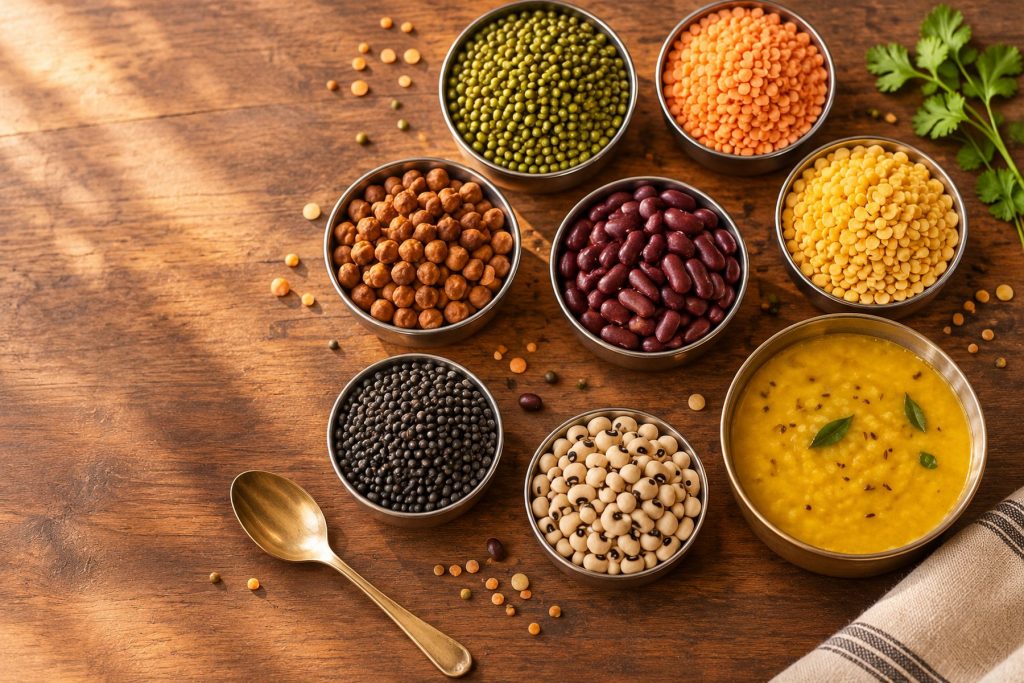
  10. Legumes:
    Beans, peas, chickpeas, and lentils offer protein, fibre, and complex carbs. They support muscle formation and slow the release of sugars into the bloodstream, promoting sustained energy and fat loss.
  11. Healthy Oils (Coconut & Olive Oil):
    Coconut oil contains MCTs that suppress hunger and aid fat burning, while olive oil improves insulin sensitivity and helps regulate blood sugar levels. Both can support metabolism and satiety when used in moderation.

Add these foods to your weight loss plan mindfully. Always consult your GP, dietitian, or nutritionist—especially if you have any allergies or pre-existing health conditions.

Want more tips on sustainable weight loss? Explore our articles here or subscribe to GOQii’s Personalised Health Coaching here.

#BeTheForce 

Disclaimer: The information provided in this blog is for general awareness and educational purposes only. It is not intended to replace professional medical advice, diagnosis, or treatment. Always consult a qualified healthcare provider for personalised medical guidance or concerns related to your health. Images shown are for representation purposes only and may not depict the exact recommendations or outcomes.
June 5, 2025 By Anusha Subramanian Leave a Comment

Exercise and dieting helps you lose belly fat

Loss Belly FatHere are some effective strategies to lose belly fat and improve overall health:

Discover effective strategies to lose belly fat and improve your overall health. Learn about proven methods to reduce visceral fat and achieve your goals.

  1. Create a calorie deficit: To lose belly fat, you need to consume fewer calories than you burn. Calculate your daily calorie needs and ensure that you eat in a calorie deficit. Focus on nutrient-dense, whole foods or consider following a structured diet plan.
  2. Regular exercise: Incorporate cardiovascular exercises such as running, swimming or cycling into your routine to burn calories and fat. Additionally, include strength training exercises like squats, lunges and planks to build muscle and increase your metabolism.
  3. Reduce refined carbohydrates: Limit your intake of refined carbohydrates such as white bread, pasta and sugary snacks. These foods can lead to weight gain and increased belly fat.
  4. Increase protein intake: Including protein-rich foods such as lean meats, fish, beans and lentils in your diet can aid weight loss and promote feelings of fullness.
  5. Eat more fruits and vegetables: These low-calorie, high-fibre foods help keep you satisfied while providing essential vitamins and minerals. They can also aid in reducing belly fat by supporting healthy digestion.
  6. Mindful eating: Pay attention to your hunger and fullness cues while eating. Avoid distractions and savour each bite. This can help prevent overeating and improve digestion.
  7. Manage stress levels: High levels of stress can contribute to weight gain, particularly around the waistline. Engage in stress-reducing activities such as meditation, yoga or any hobby that helps you relax.
  8. Limit alcohol consumption: Alcoholic beverages are high in empty calories and can contribute to weight gain, especially around the abdominal area. Cut back on how much you drink or opt for lower-calorie options.
  9. Get quality sleep: A lack of quality sleep can lead to weight gain and an increase in visceral fat. Aim for 7–9 hours of uninterrupted sleep each night to support your weight loss efforts.
  10. Stay consistent and be patient: Losing belly fat takes time and commitment. Stay consistent with your healthy eating and exercise habits, and be patient with the process. Remember — slow and steady progress is more sustainable in the long run.

Note: It’s always a good idea to consult a healthcare professional or registered dietitian before making significant changes to your diet or exercise routine.

Conclusion: Effective Ways to Lose Belly Fat and Achieve a Healthier Body

In conclusion, there are several effective ways to lose belly fat and achieve a healthier body. The first step is to commit to a healthy lifestyle that includes regular exercise and a balanced diet. Exercise is crucial in burning calories and reducing overall body fat, which in turn helps target belly fat. Incorporating both cardiovascular exercises, such as running or swimming, and strength training exercises, such as weightlifting or pilates, can help build lean muscle mass and boost metabolism.

Additionally, focusing on eating a diet rich in whole foods — like fruits, vegetables, lean proteins and whole grains — while limiting processed and sugary foods, can greatly contribute to reducing belly fat. It is important to stay consistent and patient, as losing belly fat takes time and effort.

Lastly, remember that everyone’s body is different, so it’s important to listen to your own body and make necessary adjustments to find what works best for you in achieving a healthier body and losing belly fat.

#BeTheForce

Disclaimer: The information provided in this blog is for general awareness and educational purposes only. It is not intended to replace professional medical advice, diagnosis, or treatment. Always consult a qualified healthcare provider for personalised medical guidance or concerns related to your health. Images shown are for representation purposes only and may not depict the exact recommendations or outcomes.

  • 1
  • 2
  • 3
  • …
  • 7
  • Next Page »

Search

Recent Posts

  • 10 Everyday Habits That Could Be Hurting Your Health
  • Why Good Nutrition Matters: Benefits of Healthy Eating for a Healthy Life
  • Monsoon Health Tips: How to Boost Your Immunity During Seasonal Changes
  • Yoga for Healthy Ageing: Simple Practices to Add Life to Your Years
  • Calming Your Mind: Breathing Techniques for ADHD

Stay Updated

Archives

  • June 2026 (22)
  • May 2026 (20)
  • April 2026 (24)
  • March 2026 (18)
  • February 2026 (14)
  • January 2026 (14)
  • December 2025 (19)
  • November 2025 (15)
  • October 2025 (20)
  • September 2025 (6)
  • August 2025 (6)
  • July 2025 (11)
  • June 2025 (18)
  • May 2025 (16)
  • April 2025 (22)
  • March 2025 (27)
  • February 2025 (21)
  • January 2025 (25)
  • December 2024 (22)
  • November 2024 (23)
  • October 2024 (20)
  • September 2024 (23)
  • August 2024 (29)
  • July 2024 (20)
  • June 2024 (25)
  • May 2024 (26)
  • April 2024 (27)
  • March 2024 (27)
  • February 2024 (23)
  • January 2024 (21)
  • December 2023 (14)
  • November 2023 (10)
  • October 2023 (19)
  • September 2023 (22)
  • August 2023 (18)
  • July 2023 (21)
  • June 2023 (23)
  • May 2023 (20)
  • April 2023 (19)
  • March 2023 (23)
  • February 2023 (19)
  • January 2023 (15)
  • December 2022 (11)
  • November 2022 (15)
  • October 2022 (15)
  • September 2022 (12)
  • August 2022 (10)
  • July 2022 (17)
  • June 2022 (11)
  • May 2022 (10)
  • April 2022 (6)
  • March 2022 (6)
  • February 2022 (13)
  • January 2022 (11)
  • December 2021 (7)
  • November 2021 (3)
  • October 2021 (6)
  • September 2021 (3)
  • August 2021 (8)
  • July 2021 (7)
  • June 2021 (15)
  • May 2021 (16)
  • April 2021 (10)
  • March 2021 (7)
  • February 2021 (4)
  • January 2021 (4)
  • December 2020 (3)
  • November 2020 (4)
  • October 2020 (10)
  • September 2020 (3)
  • August 2020 (3)
  • July 2020 (2)
  • June 2020 (4)
  • May 2020 (10)
  • April 2020 (12)
  • March 2020 (10)
  • February 2020 (4)
  • January 2020 (4)
  • December 2019 (3)
  • November 2019 (7)
  • October 2019 (5)
  • September 2019 (4)
  • August 2019 (9)
  • July 2019 (9)
  • June 2019 (11)
  • May 2019 (4)
  • April 2019 (8)
  • March 2019 (8)
  • February 2019 (9)
  • January 2019 (8)
  • December 2018 (9)
  • November 2018 (3)
  • October 2018 (3)
  • September 2018 (5)
  • August 2018 (10)
  • July 2018 (6)
  • June 2018 (13)
  • May 2018 (8)
  • April 2018 (18)
  • March 2018 (9)
  • February 2018 (8)
  • January 2018 (15)
  • December 2017 (12)
  • November 2017 (19)
  • October 2017 (13)
  • September 2017 (15)
  • August 2017 (4)
  • July 2017 (8)
  • June 2017 (7)
  • May 2017 (6)
  • April 2017 (8)
  • March 2017 (6)
  • February 2017 (7)
  • January 2017 (9)
  • December 2016 (10)
  • November 2016 (7)
  • October 2016 (7)
  • September 2016 (7)
  • August 2016 (11)
  • July 2016 (9)
  • June 2016 (9)
  • May 2016 (12)
  • April 2016 (17)
  • March 2016 (17)
  • February 2016 (8)
  • January 2016 (6)
  • December 2015 (2)
  • November 2015 (9)
  • October 2015 (7)
  • September 2015 (9)
  • August 2015 (11)
  • July 2015 (9)
  • June 2015 (11)
  • May 2015 (9)
  • April 2015 (13)
  • March 2015 (8)
  • February 2015 (5)
  • January 2015 (12)
  • December 2014 (14)
  • November 2014 (11)
  • October 2014 (6)
  • September 2014 (13)
  • August 2014 (12)
  • July 2014 (6)
  • June 2014 (2)
  • May 2014 (7)
  • April 2014 (4)

From Shimla’s Slopes to Chandigarh’s Sidewalks: Surinder Kaur Bhalla’s Journey from Chaos to Control

Some journeys start with a plan. Others begin with a stumble literally. Surinder Bhalla, a government professional, born and raised in the scenic hill town of Shimla, had always lived a life of movement. “In Shimla, you walked everywhere,” she reflects. … [Read More...]

From “Laddu Nawin” to Fit and Fierce: How a 25-Year-Old Insurance Advisor Shed 20 Kilos and Gained His Life Back

When 25-year-old Nawin Yadav from Hyderabad walked into his office every morning, he carried more than just his files and policy papers. He had the weight of fatigue, sluggish energy, and an ever-growing belly that was becoming the butt of jokes. “People had even started calling me Laddu Nawin,” he says with a laugh, but […]

From Burnout to Balance: How Dr. Ranjit Reclaimed His Health

Dr Ranjit Bhatt has spent years tending to others. A practising doctor in Odisha, his days were packed with patients, surgeries, and emergencies. From the outside, it looked like a life lived in service. But on the inside, something wasn’t right. “I had no control over my schedule. I’d sleep late, eat at odd hours, […]

Ananda Mukherjee Health Story

From Terminal Illness To Complete Wellness! Ananda Mukherjee Health Story

As we observe World Cancer Day under the powerful theme ‘United by Unique’ (2025-2027)**, we are reminded that every individual’s journey with cancer is distinct, yet united by shared resilience, hope, and the collective fight against this disease. This theme places people at the centre of care and their stories at the heart of the […]

  • HOME
  • HEALTHY LIVING
  • FITNESS
  • HEALTHY RECIPES
  • USER STORIES
  • KARMA
  • BUY GOQii

Copyright ©2016 GOQii