GOQii

Blog

  • HOME
  • HEALTHY LIVING
  • FITNESS
  • HEALTHY RECIPES
  • USER STORIES
  • KARMA
  • BUY GOQii

September 9, 2024 By GOQii 6 Comments

7 Tips To Prevent Diarrhea During Monsoons

prevent diarrhea during monsoonsMonsoons entice you and increase your cravings for street food. But these cravings can come at a cost. During monsoons, food and water are the two things that get contaminated easily. This eventually leads to diseases such as diarrhea, since this season is a time for germs and bacteria to breed in large numbers. To help you out, here are some tips to help you prevent diarrhea during monsoons.
Tips To Prevent Diarrhea During Monsoons 

  1. Drink boiled water
  2. Wash your hands before you eat
  3. Avoid outside food and go for homemade hygienic food.
  4. If you are eating in a restaurant, avoid leafy vegetables as you can’t be sure if it is cleaned properly
  5. Always eat well cleaned and washed vegetables and avoid leftover food
  6. Do not eat fish as it is breeding time and there are chances that you might get a stomach upset or an infection
  7. Avoid getting wet in the rains as much as you can to avoid all the bacteria around you

As our body is susceptible to infections, taking some precautions is good, but in case you do get diarrhea, here are few things you can do:

  • Boil water and drink throughout day as diarrhea dehydrates the body
  • Do not have solid food. Eat clear, liquid food initially
  • In case of less severe diarrhea, cooked rice and curd can be included gradually after a liquid diet
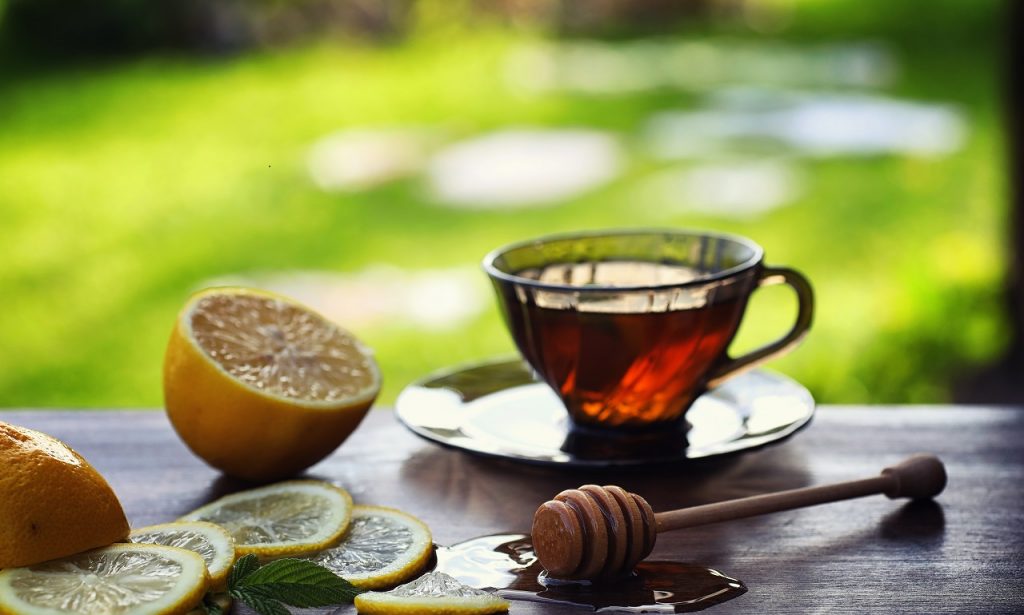
  • Drink lots of warm herbal teas, especially with antibacterial properties such as basil leaves, ginger, pepper and honey
  • Digestion process is slow during monsoon because of the humidity in atmosphere, so eat moderately only when you are hungry
  • Include antioxidant rich foods such as green tea, fresh fruits and nuts to fight against infections

We hope this article helps you. Do let us know your thoughts in the comments below. For more tips on getting healthier during monsoons, check out Healthy Reads or get these tips directly from your GOQii Coach by subscribing for Personalised Health Coaching here.

#BeTheForce 

September 4, 2024 By Navnee Garg 1 Comment

8 Home Remedies For Dry Cough

remedies for dry coughWith the increasing pollution levels, exposure to chemicals, and the unpleasant viral infections & flu, it’s no surprise if you’re searching for home remedies for dry cough. A dry cough is a nonproductive cough that doesn’t produce phlegm or mucus and is generally caused by viral infections and allergies. It is crucial to consult a doctor to find the underlying cause of cough. Along with prescribed medications and treatment, you can also try a couple of home remedies to find relief.



  1. Golden Milk (Turmeric Latte): Also known as Haldi ka Doodh in India, this traditional drink is now popular globally and can often be found as a turmeric latte in cafés. It combines turmeric’s powerful anti-inflammatory and antibacterial properties with warm milk, offering relief from dry cough symptoms. Drink a cup before bed for best results.
  2. Honey Tea: Honey is a key ingredient in many home remedies due to its anti-inflammatory properties that help soothe the throat. You can use honey in various ways, such as adding a teaspoon to warm milk or water. You can also just have a spoonful before going to bed.
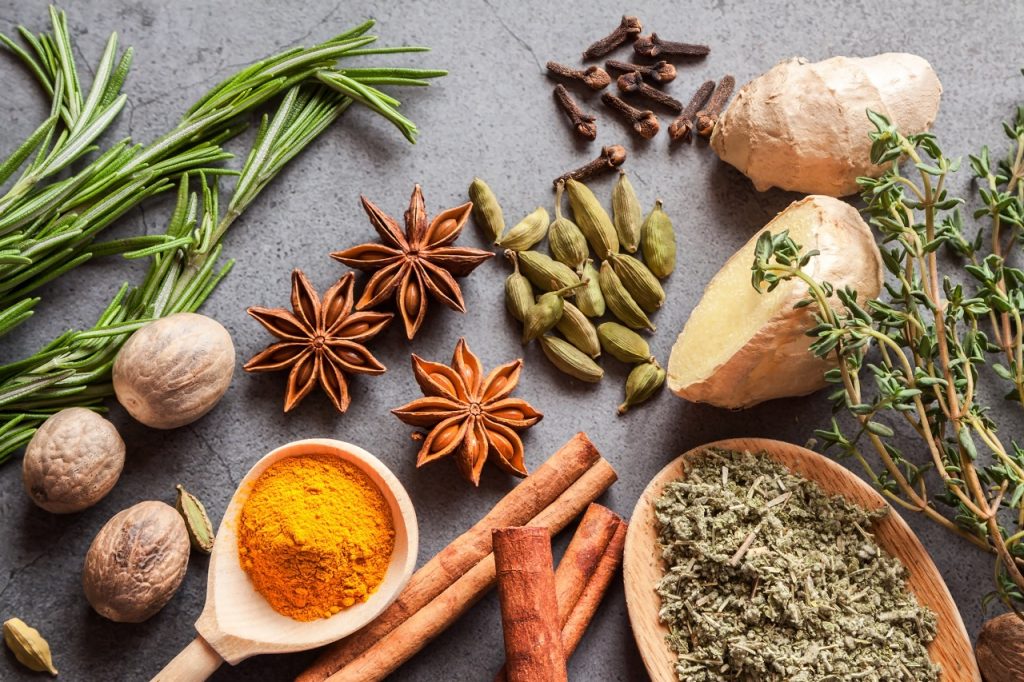
  3. Spiced Tea (Masala Chai): This traditional Indian beverage combines black tea with warming spices like cinnamon, cardamom, cloves, and black pepper. It’s not just comforting—it has antioxidant and anti-inflammatory properties that can help soothe a dry, irritated throat. The spices also help combat the effects of pollution and seasonal changes.
  4. Ginger: Ginger eases a dry or asthmatic cough due to its anti-inflammatory properties. It also relieves nausea and pain. Prepare a soothing ginger tea by adding 20–40g of fresh ginger slices to a cup of boiling water. Allow it to steep for a few minutes before sipping. Add honey or lemon juice to improve the taste and further soothe the cough.
  5. Lukewarm Salt-Water Gargle: Gargling is one of the most common home remedies for dry cough. For relief, try gargling with lukewarm salt water. This soothes the throat by adding moisture to it. Add half a teaspoon of salt to a cup of lukewarm water until it dissolves completely. Let the mixture sit at the back of the throat for a few seconds before spitting it out. Gargle with salt water three times a day until the cough improves.
  6. Eucalyptus Oil: Eucalyptus oil has natural healing properties that can help relieve dry coughs. Use eucalyptus oil to decongest your throat. This oil promotes vitality and helps treat infections. Add eucalyptus oil to a cotton cloth piece and keep it near your nose and mouth. Alternatively, add 2-3 drops to hot water and inhale the steam.
  7. Bromelain: Bromelain is an enzyme found in pineapples. It has anti-inflammatory properties and may also have mucolytic properties, meaning it can break down mucus and remove it from the body. Drink pineapple juice daily to reduce mucus in the throat and suppress coughing.

Warm liquids to Find Relief from Dry Cough

Staying hydrated is essential when you have a dry cough. Warm liquids can reduce the symptoms of a sore throat and cough, providing immediate relief. Hot beverages that may be helpful include:

  • Clear broths
  • Herbal teas
  • Decaffeinated black tea
  • Warm water

If you haven’t noticed any improvement in your dry cough even after 7 days, it is necessary to consult your doctor. Home remedies for dry cough can be an added measure but not a permanent solution for a persistent cough.

We hope these home remedies for dry cough help you find relief! Is there a personal home remedy that works for you? Share it with us in the comments below!

To know more home remedies, ask your GOQii Coach by subscribing for Personalised Health Coaching here.

#BeTheForce

September 2, 2024 By Vandana Juneja 1 Comment

Strength Training Benefits For Aging Bodies

strength trainingStrength training is essential for everyone, serving not just to enhance muscle strength but also to bolster overall health regardless of age. Whether you are 25 or 65, incorporating some form of strength training into your daily routine is beneficial, though the specifics of the exercises may vary depending on one’s age group.

In this blog post, I will discuss the changes that begin to occur in our bodies as we enter our thirties and forties—changes that are often less than welcome. More importantly, I’ll explore how strength training plays a crucial role in counteracting these changes and significantly enhancing the quality of our lives.

I have experienced the positive changes, that my body has undergone over the last 4-5 years, just by incorporating a strength training routine in the form of workouts with weights, and using my own body weight, as I do in my yoga practice. One can even use resistance bands, the various gym equipment, or own body weight for resistance, by doing push-ups, pull-ups, crunches, leg squats or push-ups against a wall etc.

What Happens As We Age?

The human body goes through changes as we age, and some of the effects are obvious, as we cross middle age. Even healthy, normal ageing includes:

  • A Slower metabolism
  • Decreased muscle mass and strength
  • Increased body fat
  • Reduced bone density
  • Increased bone porosity
  • Stiff joints
  • Slower reflexes and reaction times
  • Decreased aerobic capacity

These are normal changes that we may experience as we age, though the severity varies from person to person. One of the most important reasons to exercise, and specifically include strength training, is to slow and minimize these changes.  

Benefits of Strength Training

1. Increases Muscle Mass
As you age, muscle mass gradually decreases – a condition known as Sarcopenia. Individuals who are less active can expect to lose between 3% to 5% of their muscle mass each decade after turning 30, with this rate accelerating after age 65. By age of 70, the average adult may have lost up to 25% of their muscle mass primarily due to disuse and inactivity. However, this loss isn’t irreversible. Engaging in any form of exercise can help regain muscle mass and strength, but weight lifting, strength training, and resistance training are particularly effective. Research shows that after just six months of strength training twice a week, the biochemical, physiological, and genetic characteristics of older muscles can be rejuvenated by nearly 15 to 20 years.

2. Improves Bone Health
Bone fractures and breaks are quite prevalent among older adults due to decreased bone density and osteoporosis. While there are various causes of osteoporosis that may require medical intervention, substantial evidence suggests that exercise can significantly enhance bone density. Moreover, osteoporosis can be both prevented and managed through strength training. Just as muscles grow stronger with activity, bones also gain strength when engaged in physical exercise. Weight-bearing exercises, in particular, bolster bone health by stimulating the production of new cells.

3. Improves Functional Ability/Movement
Increasing strength through training is crucial for enhancing everyday functionality. Regular strength training enables older adults to enhance their mobility, walk longer distances, and potentially decrease their reliance on assistive devices such as canes and walkers.

Additionally, building strength supports a variety of functional movements, including walking, sitting down and standing up from chairs or beds, climbing stairs or escalators, and carrying groceries. These improvements in physical capabilities make daily life more manageable and empower individuals to engage in a wider range of activities that they desire to pursue.

4. Increases Metabolism
Strength training is highly effective for enhancing your metabolism, which is the rate at which your body burns calories while at rest. Engaging in strength training causes your body to require more energy based on the intensity of the exercise. This not only leads to calories being burned during the workout but also increases calorie burn after the workout as your body returns to a resting state. Additionally, hormones like Testosterone and DHEA, which are vital for strength and energy, naturally decrease with age. However, regular strength training can significantly boost these hormone levels within 8-12 weeks.

5. Improves Brain Health
Aging can increase the risk of loneliness, social isolation, depression, and other mental health challenges. However, building strength enhances mobility and functionality, which can significantly improve overall health, elevate mood, and enhance the quality of life. Additionally, resistance training has been shown to slow cognitive decline associated with aging. Studies indicate that lifting weights can improve memory, attention span, and conflict resolution skills.

6. Improves Health Conditions
Type 2 Diabetes: Strength training effectively lowers blood sugar levels and enhances insulin sensitivity. This improvement helps facilitate the transport of blood sugar into cells, thereby optimizing how the body utilizes glucose.

Cardiovascular Health: When properly executed, strength training benefits both the muscular and cardiovascular systems. Strengthened muscles reduce the workload on the heart, enabling the lungs to process oxygen more efficiently with less effort. This efficiency leads to the heart pumping more blood with fewer beats, which in turn increases the blood supply to the muscles.

How Often Should You Do It? 

It is recommended to engage in strength training three to five times per week for 20 to 30 minutes at a moderate intensity or two to three times per week for 15 to 20 minutes at a high intensity. However, always consult your doctor before starting any workout regimen, particularly if you have any pre-existing medical conditions, and seek professional guidance to ensure the correct technique. This helps in preventing injuries and maximizing the benefits of your workouts, especially when focusing on larger muscle groups which offer greater returns.

Let’s move beyond using age as an excuse and start prioritizing muscle health to enhance both our physical health and psychological well-being!

We hope this article helps you care for your muscles a little more and helps you improve your physical and psychological well-being as well. If you’re about to begin your strength training routine or need help, speak to a certified expert by subscribing to GOQii’s Personalised Health Coaching here.

Want to explore more articles on fitness? Click here.

#BeTheForce

August 27, 2024 By Roopa Tandur 1 Comment

6 Good Cholesterol Foods You Must Eat

good cholesterol foods

When someone mentions cholesterol, we often think of bad cholesterol and heart disease. However, there are also good cholesterol foods that are vital for our body. Functions like the synthesis of Vitamin D and hormones, as well as the formation and structure of cell membranes, rely on good cholesterol. 

What is Good Cholesterol? 

Good cholesterol refers to High-Density Lipoprotein (HDL), which helps remove bad cholesterol, known as Low-Density Lipoprotein (LDL). HDL helps transport LDL to the liver for removal from the body. Consuming foods high in saturated fats can increase LDL levels, raising the risk of heart disease and stroke.

While exercising, sleep, stress management, limiting alcohol intake and quitting smoking are essential for maintaining healthy cholesterol levels, certain foods also help. Let’s take a look at some good cholesterol foods!

  1. Nuts and Seeds: They are high in healthy fats like monounsaturated and polyunsaturated fats (Omega 3 and Omega 6) and low on saturated fats, which help lower LDL cholesterol. They are rich in Alpha-Linoleic acid, which reduces inflammation and improves overall fat composition. These foods prevent oxidation of LDL cholesterol by free radicals, reducing plaque formation. They are also an excellent source of plant-based protein and fiber which give you a feeling of fullness. They also have a good amount of micronutrients which make them an ideal post-workout meal. However if you have allergies to nuts and seeds, avoid them. 
  2. Avocados: They are both tasty and nutrient-rich. They contain a high amount of Oleic acid, a monounsaturated fat that helps reduce inflammation and the risk of heart disease. Studies show that avocados can lower LDL cholesterol by 10% and total cholesterol by 8%. Additionally, avocados are high in fiber and healthy fats, which help you feel full for longer.
  3. Fatty Fish: Salmon, mackerel, tuna and sardines are rich in Omega 3 fatty acids, which benefit vital organs like the heart, brain and lungs. They also contain Vitamin D and A, essential for good bone and eye health. These fish are particularly effective in reducing death rates due to myocardial infarction and arrhythmia. They also help lowering plaque build-up in arteries and reducing the risk of cardiovascular disease. However, these fish contain contaminants, so cleaning them thoroughly before consuming is crucial.
  4. Eggs: They have a bad reputation due to their fat content, but not all fat in eggs are harmful. Eggs contain monounsaturated and polyunsaturated fats, which are heart healthy, along with saturated and trans fats, which raise bad cholesterol levels. One egg can easily provide a quarter of your daily fat serving. So including eggs in breakfast easily helps you include healthy fats in your diet. It also supports weight loss by preventing cravings throughout the day. Egg is a complete food, rich in both macro and most micronutrients and a good source of protein. Helps improve Vitamin D levels by aiding in its absorption. Having whole eggs by people who are already at risk of high cholesterol levels may worsen the condition, so include egg white as most of the fat and cholesterol in eggs comes from its yolk.
  5. Complex Carbs: Whole grain cereals like millets, wheat bran, oats, brown rice, fruit and vegetables contain longer chains of sugar that take longer to digest and convert into glucose, which the body uses for energy. Including 2 servings of whole grain cereals can help lower bad cholesterol, as the fiber in these foods aids in its removal from the body and improves HDL cholesterol levels.
  6. Lentils and Pulses: Including these in your diet is an easy and inexpensive way to get both macro and micronutrients. Lentils are a good source of polyphenols, which reduce inflammation and prevent many life threatening diseases, including some types of cancer. Proteins in lentils help prevent blood vessel constriction, improve HDL levels and reduce LDL levels. Lentils are also rich in folate, which prevents the accumulation of homocysteine, a trigger factor for heart disease. 

We hope this article helps you understand the difference between bad cholesterol and good cholesterol foods, as well as what to eat to stay healthy. For more tips, check out Healthy Reads or ask an expert by subscribing for GOQii’s Personalised Health Coaching here.

#BeTheForce 

Disclaimer: The information provided in this blog is for general awareness and educational purposes only. It is not intended to replace professional medical advice, diagnosis, or treatment. Always consult a qualified healthcare provider for personalised medical guidance or concerns related to your health.

  • « Previous Page
  • 1
  • …
  • 5
  • 6
  • 7
  • 8
  • 9
  • …
  • 24
  • Next Page »

Search

Recent Posts

  • PCOS and Anxiety: Discover Relief with the 54321 Technique
  • Navigating the Maze of Nutrition: Finding Clarity Amidst Confusion
  • Get children active and keep them healthy
  • What Gestational Diabetes Can Do To You & Your Unborn Child
  • Breathing – A Forgotten Art

Stay Updated

Archives

  • December 2025 (4)
  • November 2025 (15)
  • October 2025 (20)
  • September 2025 (6)
  • August 2025 (6)
  • July 2025 (12)
  • June 2025 (18)
  • May 2025 (16)
  • April 2025 (23)
  • March 2025 (23)
  • February 2025 (22)
  • January 2025 (26)
  • December 2024 (26)
  • November 2024 (25)
  • October 2024 (22)
  • September 2024 (24)
  • August 2024 (31)
  • July 2024 (21)
  • June 2024 (26)
  • May 2024 (31)
  • April 2024 (27)
  • March 2024 (29)
  • February 2024 (26)
  • January 2024 (25)
  • December 2023 (15)
  • November 2023 (11)
  • October 2023 (22)
  • September 2023 (22)
  • August 2023 (20)
  • July 2023 (22)
  • June 2023 (24)
  • May 2023 (24)
  • April 2023 (24)
  • March 2023 (23)
  • February 2023 (20)
  • January 2023 (16)
  • December 2022 (12)
  • November 2022 (15)
  • October 2022 (15)
  • September 2022 (12)
  • August 2022 (10)
  • July 2022 (17)
  • June 2022 (11)
  • May 2022 (10)
  • April 2022 (6)
  • March 2022 (6)
  • February 2022 (13)
  • January 2022 (12)
  • December 2021 (7)
  • November 2021 (3)
  • October 2021 (6)
  • September 2021 (3)
  • August 2021 (8)
  • July 2021 (7)
  • June 2021 (15)
  • May 2021 (16)
  • April 2021 (10)
  • March 2021 (7)
  • February 2021 (4)
  • January 2021 (4)
  • December 2020 (3)
  • November 2020 (4)
  • October 2020 (10)
  • September 2020 (3)
  • August 2020 (3)
  • July 2020 (2)
  • June 2020 (4)
  • May 2020 (10)
  • April 2020 (12)
  • March 2020 (10)
  • February 2020 (4)
  • January 2020 (4)
  • December 2019 (3)
  • November 2019 (7)
  • October 2019 (5)
  • September 2019 (4)
  • August 2019 (9)
  • July 2019 (9)
  • June 2019 (11)
  • May 2019 (4)
  • April 2019 (9)
  • March 2019 (8)
  • February 2019 (9)
  • January 2019 (8)
  • December 2018 (9)
  • November 2018 (3)
  • October 2018 (3)
  • September 2018 (5)
  • August 2018 (10)
  • July 2018 (6)
  • June 2018 (13)
  • May 2018 (8)
  • April 2018 (18)
  • March 2018 (9)
  • February 2018 (8)
  • January 2018 (15)
  • December 2017 (12)
  • November 2017 (19)
  • October 2017 (13)
  • September 2017 (15)
  • August 2017 (4)
  • July 2017 (8)
  • June 2017 (7)
  • May 2017 (6)
  • April 2017 (8)
  • March 2017 (6)
  • February 2017 (7)
  • January 2017 (9)
  • December 2016 (10)
  • November 2016 (7)
  • October 2016 (7)
  • September 2016 (7)
  • August 2016 (11)
  • July 2016 (9)
  • June 2016 (9)
  • May 2016 (12)
  • April 2016 (17)
  • March 2016 (17)
  • February 2016 (8)
  • January 2016 (6)
  • December 2015 (2)
  • November 2015 (9)
  • October 2015 (7)
  • September 2015 (9)
  • August 2015 (11)
  • July 2015 (9)
  • June 2015 (12)
  • May 2015 (9)
  • April 2015 (13)
  • March 2015 (8)
  • February 2015 (5)
  • January 2015 (12)
  • December 2014 (14)
  • November 2014 (11)
  • October 2014 (6)
  • September 2014 (13)
  • August 2014 (12)
  • July 2014 (6)
  • June 2014 (2)
  • May 2014 (7)
  • April 2014 (5)

From “Laddu Nawin” to Fit and Fierce: How a 25-Year-Old Insurance Advisor Shed 20 Kilos and Gained His Life Back

When 25-year-old Nawin Yadav from Hyderabad walked into his office every morning, he carried more than just his files and policy papers. He had the weight of fatigue, sluggish energy, and an ever-growing belly that was becoming the butt of jokes. “People … [Read More...]

“I’ve Challenged Myself to Live 100 Years” – The Story of Chandubhai Savani’s Second Chance at Life

At 67, most people start slowing down. Not Chandubhai Savani. A resident of Surat, Chandubhai, thought life was on track. “My life was going well till I had my bypass surgery,” he says. That surgery, back in 2021, was a wake-up call.  Medication was routine, but exercise wasn’t. His diet? What he calls ‘normal.’ “I […]

From Shimla’s Slopes to Chandigarh’s Sidewalks: Surinder Kaur Bhalla’s Journey from Chaos to Control

Some journeys start with a plan. Others begin with a stumble literally. Surinder Bhalla, a government professional, born and raised in the scenic hill town of Shimla, had always lived a life of movement. “In Shimla, you walked everywhere,” she reflects. “Walking was never an exercise. It was just life.” But after shifting to Chandigarh, […]

Ananda Mukherjee Health Story

From Terminal Illness To Complete Wellness! Ananda Mukherjee Health Story

As we observe World Cancer Day under the powerful theme ‘United by Unique’ (2025-2027)**, we are reminded that every individual’s journey with cancer is distinct, yet united by shared resilience, hope, and the collective fight against this disease. This theme places people at the centre of care and their stories at the heart of the […]

  • HOME
  • HEALTHY LIVING
  • FITNESS
  • HEALTHY RECIPES
  • USER STORIES
  • KARMA
  • BUY GOQii

Copyright ©2016 GOQii