GOQii

Blog

  • HOME
  • HEALTHY LIVING
  • FITNESS
  • HEALTHY RECIPES
  • USER STORIES
  • KARMA
  • BUY GOQii

July 8, 2026 By Urvi Gohil 1 Comment

Your Guide to a Happy Gut: Simple Ways to Beat Bloating, Acidity and Heartburn

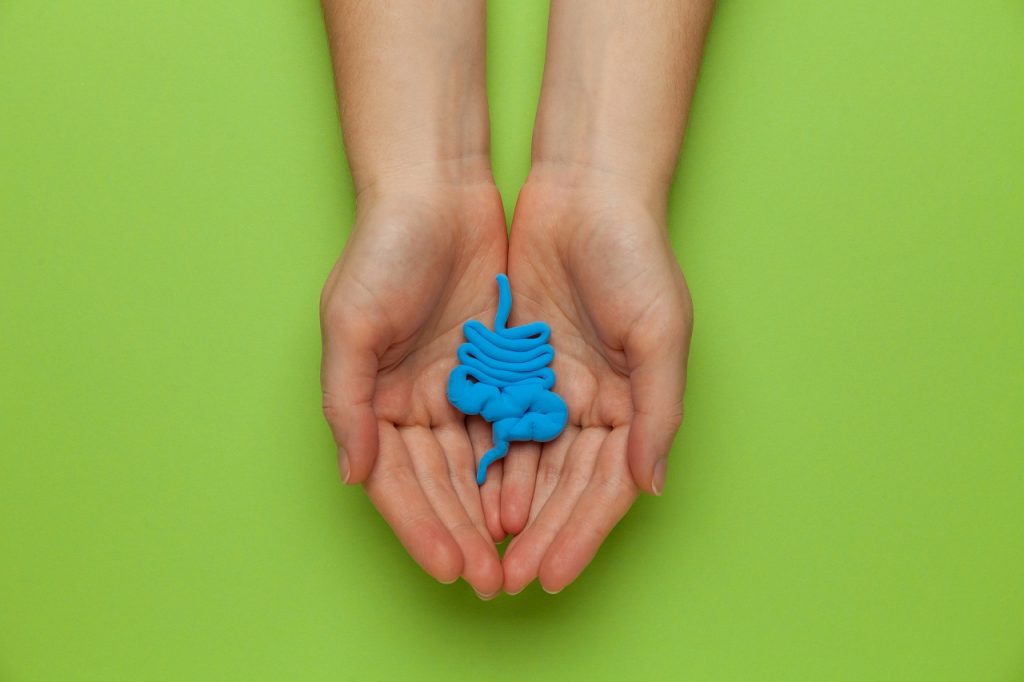
Gut health The Big Question: Why should we view occasional episodes of bloating, acidity, and heartburn not merely as minor temporary inconveniences, but as direct warnings that our metabolic and gut ecosystems are off balance?

Our digestive system works quietly in the background every day breaking down food, absorbing nutrients and supporting countless functions that keep us healthy. So when symptoms like bloating, acidity or heartburn begin to appear, it’s easy to dismiss them as occasional inconveniences. However, recurring digestive discomfort can be your body’s way of telling you that something needs attention.

Your gut is home to trillions of microorganisms that influence digestion, metabolism and even immune function. In fact, a significant portion of the body’s immune cells are located within the Gut-Associated Lymphoid Tissue (GALT), highlighting the critical relationship between gut health and overall well-being. The good news? Small, consistent lifestyle changes can go a long way in supporting digestive health and reducing common gastrointestinal symptoms.

Why Do Bloating, Acidity and Heartburn Happen?

Digestive discomfort doesn’t usually have a single cause. Instead, it often results from a combination of dietary habits, lifestyle factors and underlying structural gut mechanics.

Bloating

Bloating typically occurs when excess gas builds up in the digestive tract. When digestion slows or certain carbohydrates aren’t fully broken down, gut bacteria ferment them, producing gas that leads to abdominal distress. Common contributors include:

  • Eating too quickly or overeating
  • Chronic constipation
  • Carbonated beverages
  • Food intolerances or sudden changes in gut microflora

Acidity and Heartburn

Heartburn occurs when stomach contents flow back into the esophagus, irritating its delicate mucosal lining. This often happens when the Lower Esophageal Sphincter (LES)—the muscle that acts as a structural valve between the stomach and esophagus—relaxes inappropriately or becomes weak under stress. Common triggers include:

  • Large, calorie-dense meals
  • Lying down soon after eating
  • Fatty, deeply fried, or overly spicy foods
  • Excess caffeine, smoking, or chronic stress

⚠️ Clinical Note: If heartburn occurs frequently (more than twice a week), it may indicate Gastroesophageal Reflux Disease (GERD) and should be formally evaluated by a healthcare professional.

9 Natural Ways to Support a Healthy Gut

  1. Fennel Seeds (Saunf)

Fennel seeds have a long history of traditional use to support digestion. They contain anethole, a natural volatile compound with documented antispasmodic properties. Anethole helps relax the smooth digestive muscles of the intestinal tract, helping release trapped gas and ease post-meal bloating.

  • How to use: Chew a teaspoon of raw fennel seeds thoroughly after major meals, or steep them in warm water to make a soothing tea.
  1. Basil Seeds (Sabja)

When soaked, basil seeds absorb water rapidly and form a cooling, gel-like coating exceptionally rich in soluble mucilage fiber. This fiber matrix supports optimal intestinal hydration, improves bowel regularity, and promotes smooth digestive transitions.

  • How to use: Soak basil seeds in water for 2–3 hours before adding them to your drinking water, morning smoothies, or probiotic yogurt.
  1. Fenugreek Seeds (Methi)

Fenugreek seeds are loaded with soluble fiber and natural antioxidants that support regular bowel movements. They form a protective layer over irritated stomach linings, helping to soothe mild digestive discomfort.

  • How to use: Soak one teaspoon of fenugreek seeds in a cup of water overnight, and consume the seeds and the water the following morning.

⚠️ Caution: Individuals who are pregnant or taking medications for diabetes or blood thinning should consult their healthcare provider before consuming fenugreek regularly.

  1. Therapeutic Ginger and Lemon Water

Ginger contains powerful, naturally occurring compounds such as gingerol, which accelerates gastric emptying and supports normal stomach motility, helping to reduce nausea and heaviness. While lemon itself does not directly neutralize stomach acid, a warm dilution works beautifully to refresh the palate and stimulate digestive pathways after heavy meals.

  • The Destructive Autopilot Loop: Overeating / Fast Eating ⇒ Delayed Gastric Emptying ⇒ Bacterial Fermentation ⇒ Trapped Gas & Severe Bloating.
  • The Mindful Alternative Loop: Warm Ginger Lemon Water ⇒ Accelerated Stomach Motility ⇒ Stimulated Salivary Secretions ⇒ Light, Comfortable Digestion.
  • How to use: Add one teaspoon each of fresh ginger juice and lemon juice to a glass of lukewarm water post-meals.
  1. Raw Apple Cider Vinegar (ACV)

Some individuals report noticeable relief from digestive discomfort after consuming diluted apple cider vinegar before meals. Many episodes of mild heartburn are actually caused by low stomach acid rather than excess acid; raw ACV helps optimize the stomach’s pH environment to stimulate proper acid secretion.

  • How to use: If well-tolerated, dilute one tablespoon of raw ACV with “The Mother” in approximately 300 ml of water before your largest meal.

⚠️ Caution: Discontinue use immediately if ACV consistently aggravates your symptoms, and never consume it undiluted, as it can irritate the esophagus and erode tooth enamel.

  1. Stay Well Hydrated

Water is the foundational medium for all human digestion. It plays a vital role by helping dissolve essential nutrients, supporting structural bowel movements, and maintaining a healthy stool consistency. Aim for approximately 2–2.5 liters of clean water daily, adjusting your intake upwards based on local climate fluctuations and physical activity levels.

  1. Fill Half Your Plate with Vegetables

Vegetables and whole fruits provide dietary fiber that acts as a vital prebiotic to nourish beneficial gut bacteria. These microbes ferment the fiber to produce Short-Chain Fatty Acids (SCFAs), such as butyrate, which help maintain the integrity of the intestinal barrier and lower systemic inflammation. Choose a vibrant variety of seasonal vegetables and whole fruits rather than drinking strained juices.

  1. Move Your Body Every Day

Regular physical activity stimulates the enteric nervous system and encourages normal bowel motility (peristalsis), drastically reducing the likelihood of chronic constipation. Aim for at least 30–45 minutes of moderate activity such as brisk walking, cycling, yoga, or swimming on most days of the week.

  1. Cut Back on Ultra-Processed Foods

Diets high in added sugars, refined white flour (maida), and industrial trans-fats have been systematically associated with negative changes in the gut microbiome (dysbiosis) and increased intestinal inflammation. Whenever possible, swap out packaged goods for unrefined whole grains, fresh produce, nuts, seeds, legumes, and healthy fats.

Everyday Habits That Protect Your Gut

Alongside healthy food choices, practicing mindful lifestyle habits can improve your baseline digestion:

  • The Destracted Eating Loop: Digital Screen Scrolling ⇒ Rapid Swallowing ⇒ Air Ingestion ⇒ Bloating.
  • The Mindful Eating Loop: Screen-Free Table ⇒ Thorough Chewing ⇒ Salivary Amylase Mix ⇒ Easy Nutrient Absorption.
  • Protect the Sleep Window: Secure 7–9 hours of quality sleep each night and finish your final meal 2–3 hours before bedtime to allow the gut lining to rest and repair.
  • Manage Stress: High mental stress floods the body with cortisol, which downregulates blood flow to the gut. Dedicate a few minutes daily to deep breathing, yoga, or meditation.

Common Digestive Symptoms and Lifestyle Measures

Symptom Common Contributors Targeted Lifestyle Measure
Bloating Eating quickly, overeating, carbonated drinks, gas-producing foods. Chew thoroughly, stay hydrated, take a light walk after meals.
Heartburn Large meals, lying down post-eating, spicy foods, high chronic stress. Eat smaller portions, keep dinner light, finish meals 3 hours before sleep.
Constipation Low dietary fiber, dehydration, prolonged sitting. Increase fiber gradually, drink 2–2.5L water, move for 30–45 minutes daily.

When Should You See a Doctor?

Occasional digestive discomfort is common. However, you should seek professional medical advice immediately if you experience any of the following warning signs:

  • Heartburn occurring more than twice a week
  • Difficulty or pain when swallowing (dysphagia)
  • Blood in vomit or stool, or persistent black stools
  • Chronic, unexplained weight loss or severe abdominal pain
  • Gastrointestinal symptoms lasting longer than 2 to 3 weeks despite positive lifestyle adjustments

A happy, healthy gut is built through consistent everyday habits rather than quick-fix supplement trends. While occasional bloating, acidity, or heartburn can happen to anyone, persistent symptoms deserve mindful attention. Eating a balanced whole-food diet, staying physically active, protecting your sleep, managing chronic stress, and maintaining good hydration all work seamlessly together to support healthy digestion and a thriving gut microbiome. Listening to your body—and responding with conscious choices—is the simplest investment you can make in your long-term health span!

Pro Tip: Building healthy routines becomes effortless when you can track them consistently. Use the GOQii App to log your meals, water intake, physical activity minutes, and digestive symptoms. Your GOQii Personalised Health Coach can help you identify hidden patterns, recommend practical lifestyle modifications, and guide you toward sustainable habits that support better long-term digestive health!

Frequently Asked Questions (FAQs)

  1. Why is gut health considered so vital for my overall health?

Your gut is responsible for breaking down food, absorbing nutrients, and eliminating metabolic waste. Furthermore, because a vast majority of your body’s immune cells reside in the Gut-Associated Lymphoid Tissue (GALT) along the intestinal walls, a balanced gut microbiome is directly associated with strong immunity, stable metabolic health, reduced systemic inflammation, and positive mental well-being through the gut-brain axis.

  1. Can fennel seeds genuinely help reduce abdominal bloating?

Yes. Fennel seeds contain a primary bioactive compound called anethole, which possesses documented antispasmodic properties. Anethole acts as a natural muscle relaxant for the smooth walls of the digestive tract. By reducing intestinal spasms, it allows trapped gas to dissipate smoothly, relieving immediate bloating and cramping after heavy meals.

  1. Is apple cider vinegar universally effective for treating heartburn?

Scientific evidence supporting the routine use of ACV for heartburn remains limited. While some individuals with low stomach acid find relief by taking diluted ACV before meals to optimize their stomach’s pH, others with active ulcers or high acid levels may find their symptoms worsen. Always dilute ACV extensively and discontinue use immediately if it increases your discomfort.

  1. How does regular exercise actively improve daily digestion?

Engaging in regular physical activity increases blood flow to your internal organs and stimulates the enteric nervous system. This mechanical movement encourages regular, wave-like muscular contractions (peristalsis) within your colon, which naturally moves waste material through the digestive tract smoothly and prevents chronic constipation.

#BeTheForce

Disclaimer: This article is intended for educational and informational purposes only and should not be considered medical advice. It is not a substitute for professional diagnosis, treatment, or personalized healthcare recommendations. If you have persistent digestive symptoms or an existing gastrointestinal condition, consult a qualified healthcare professional before making significant dietary or lifestyle changes.

July 6, 2026 By Mamta Joshi 4 Comments

Circadian Rhythm Diet: How Eating at the Right Time Can Improve Your Health

circadian rhythm dietThe Big Question: What if the secret to permanent metabolic health and deep sleep isn’t strictly what you eat, but the precise time that you eat it?

Most of us pay close attention to what we eat—but have you ever thought about when you eat? Emerging research suggests that meal timing can influence how our body uses energy, regulates blood sugar, supports digestion, and even affects sleep quality. This idea forms the basis of the Circadian Rhythm Diet, also known as the Body Clock Diet.

Rather than focusing on calorie counting or restrictive food rules, this approach encourages eating in sync with your body’s natural biological clock. The goal is simple: enjoy most of your meals during the day, when your body is naturally more active, and give your digestive system enough time to rest overnight.

What Is the Circadian Rhythm?

Your circadian rhythm is your body’s internal 24-hour clock that is controlled by a master pacemaker in the brain. This internal clock responds primarily to natural light and darkness, regulating a vast array of critical daily processes:

  • Sleep and wake cycles
  • Hormone production (like cortisol and melatonin)
  • Digestive enzyme secretions
  • Core body temperature fluctuations
  • Cellular repair and energy levels
  • Baseline metabolic rate

During the day, your body prepares for activity, digestion, and energy use. As evening approaches, it gradually shifts into rest and recovery mode. Eating in harmony with this natural rhythm helps support optimal metabolic health.

What Is the Circadian Rhythm Diet?

The Circadian Rhythm Diet is a form of time-based eating that encourages consuming most of your daily calories during daylight hours and avoiding late-night eating whenever possible. Unlike many popular fad diets, it doesn’t eliminate entire food groups or require strict calorie restriction.

  • The Destructive Autopilot Loop: Late-Night Snacks ⇒ Melatonin Suppression ⇒ High Overnight Glucose ⇒ Stalled Fat Burning & Poor Sleep.
  • The Mindful Alternative Loop: Daylight Meal Windows ⇒ High Insulin Sensitivity ⇒ Early Clean Digestion ⇒ Deep Overnight Cellular Repair.

Instead, it focuses on building a simple daily routine that supports your body’s natural biological rhythm: eating a balanced breakfast after waking up, making breakfast and lunch your larger meals, keeping dinner light, and finishing it 2–3 hours before bed.

Why Does Meal Timing Matter?

Our bodies don’t process food exactly the same way throughout the day. Research suggests that earlier in the day, the body is significantly better equipped to digest food efficiently, regulate blood sugar, and use glucose for active energy.

As the day progresses and we prepare for sleep, insulin sensitivity naturally drops and digestion slows. Consuming large, late-night meals forces your digestive system to work when it should be resting, which can disrupt your sleep architecture, impair digestion, and alter appetite regulation the following morning.

5 Benefits of the Circadian Rhythm Diet

  1. Supports Healthy Weight Management

Eating larger meals earlier in the day and limiting late-night snacking helps optimize appetite regulation by balancing your hunger hormones, ghrelin and leptin. Combined with regular physical activity and a whole-food diet, aligning your eating window with daylight hours helps your body use calories for immediate fuel rather than storing them as fat.

  1. Helps Maintain Stable Blood Sugar Levels

Your body handles glucose far more efficiently during daylight hours. By eating your carbohydrate-rich meals earlier in the day when insulin sensitivity is at its peak, you avoid the severe blood sugar spikes and subsequent crashes that stress the pancreas. This is incredibly helpful for optimizing long-term metabolic health and reducing the risk of Type 2 diabetes.

  1. Supports Better Digestion

Large meals eaten close to bedtime put a heavy strain on a slowing gastrointestinal tract. Allowing at least 2–3 hours between dinner and sleep gives your stomach ample opportunity to process food comfortably, eliminating common issues like chronic bloating, gas, and nighttime acid reflux.

  1. May Improve Sleep Quality

Late-night eating—especially meals high in refined fats or sugars—interferes with your body’s ability to enter deep, restorative sleep phases. Finishing your final meal early ensures that your body can route its energy away from heavy digestion and toward tissue repair, growth hormone release, and metabolic recovery while you sleep.

  1. Encourages Consistent Healthy Habits

One of the biggest strengths of the Circadian Rhythm Diet is its simplicity. Following regular, predictable meal timings creates a positive domino effect, naturally encouraging better sleep schedules, more mindful eating practices, and a drastic reduction in impulsive, emotional late-night snacking.

The Circadian Timing Matrix

Eating Window Phase Ambient Light Status Primary Endocrine Focus Dominant Metabolic State
Morning Activation Sunrise / Early Light High Cortisol; Low Melatonin High digestive enzyme availability; peak insulin sensitivity.
Mid-Day Peak Bright Daylight Stable Cortisol & Metabolism Optimal calorie utilization; ideal for your largest meal.
Evening Wind-Down Sunset / Fading Light Falling Cortisol; Rising Melatonin Digestion slows; optimal window for a light, easily digested dinner.
Overnight Recovery Darkness Peak Melatonin; Low Insulin Active cellular repair, tissue rejuvenation, and fat-burning.

How to Follow the Circadian Rhythm Diet

Shifting your lifestyle habits is most sustainable when done progressively. Start with these foundational steps:

  • Eat a balanced breakfast within a couple of hours of waking up to set your metabolic baseline.
  • Try to keep your meal schedules consistent throughout the week to anchor your internal clock.
  • Make lunch your most substantial meal of the day whenever your routine allows.
  • Keep your dinner portions significantly lighter than your lunch.
  • Secure a strict fasting buffer of 2–3 hours between your last bite of dinner and bedtime.
  • Avoid mindless, late-night snacking after dinner to protect your overnight healing window.

Foods That Work Well with Your Body Clock

While the primary focus of this lifestyle is when you eat, what you put on your plate still matters profoundly for long-term vitality. Build your daylight meals around nutrient-dense whole foods:

  • Fiber-Rich Whole Grains: Oats, millets, and brown rice for steady, slow-release daytime energy.
  • Clean Proteins: Eggs, pulses, paneer, tofu, fish, or lean chicken to support tissue repair and satiety.
  • Healthy Fats: Raw nuts, seeds, avocados, and cold-pressed oils to maintain cell membrane health.
  • Probiotic Support: Fresh curd or unsweetened yogurt to feed a resilient, balanced gut microbiome.

Who Should Be Careful?

Because metabolic rates and medical needs vary, the Circadian Rhythm Diet may not be suitable for everyone without professional, customized adjustments. Speak with your doctor or a registered dietitian before altering your eating schedule if you:

  • Have Type 1 or Type 2 diabetes and take glucose-lowering medications or insulin.
  • Are pregnant or currently breastfeeding.
  • Work permanent night shifts or rotating lifestyle shifts.
  • Have a history of disordered eating or restrictive eating patterns.
  • Manage a specific clinical condition that requires strict, frequent meal timings.

The Circadian Rhythm Diet isn’t about eating less—it’s about eating smarter. By aligning your meals with your body’s natural daily rhythm, you give your systems the exact environment they need to optimize digestion, balance blood sugar, manage weight, and improve sleep quality. While meal timing alone won’t replace the foundational importance of balanced nutrition and regular physical movement, it serves as an incredibly powerful, natural tool for lifelong wellness.

Pro Tip: Building a sustainable daily routine becomes effortless when you track your habits accurately. Use the GOQii App to log your meal timings, monitor your fluid intake, and track your sleep stages. You can seamlessly share this data with your GOQii Personalised Health Coach to co-create a personalized lifestyle plan that complements your doctor’s guidance and keeps you moving toward your long-term health goals!

Frequently Asked Questions (FAQs)

  1. What exactly is the Circadian Rhythm Diet?

The Circadian Rhythm Diet is an intentional eating pattern focused on aligning your meal times with your body’s internal 24-hour biological clock. It encourages consuming the majority of your calories and larger meals during daylight hours when metabolism is high, while enforcing a fasting window at night to allow your digestive tract to rest.

  1. Can I eat any food I want on this diet since the focus is only on timing?

While timing is the primary pillar of this approach, food quality remains critical for cellular health. To achieve optimal weight management and sustained energy, you should focus on a balanced diet rich in vegetables, fruits, clean proteins, whole grains, and healthy fats, while actively minimizing highly processed foods and sugary drinks.

  1. Do I strictly need to eat between a rigid schedule like 7 AM and 7 PM?

Not necessarily. There is no single universal schedule that works for everyone. The goal is simply to maintain a consistent daytime eating window that matches your personal daily routine, allows for a substantial overnight digestive rest, and ensures dinner is completely finished 2–3 hours before you sleep.

  1. How does the Circadian Rhythm Diet support healthy weight loss?

Consuming your larger meals earlier in the day takes advantage of your peak metabolic rates and highest insulin sensitivity. This ensures your body uses food efficiently for daytime energy rather than storing it as fat. Additionally, eliminating late-night snacking helps lower your total daily calorie intake and promotes overnight fat-burning.

#BeTheForce 

Disclaimer: This article is intended for educational and informational purposes only. It is not intended to replace professional medical advice, clinical diagnosis, or personalized dietary treatment. Always consult your primary care physician or a qualified healthcare specialist before making major changes to your eating patterns, especially if you manage an underlying chronic health condition.

July 4, 2026 By GOQii 3 Comments

Why High-Fibre Foods Are Essential for Better Health

high fiber mealsThe Big Question: Why should we view dietary fibre not merely as an optional remedy for constipation, but as a crucial biological manager that regulates our metabolic, cardiovascular, and immune health?

When you think of dietary fibre, constipation relief is probably the first thing that comes to mind. While fibre certainly supports healthy digestion, its benefits go far beyond keeping your bowel movements regular. A fibre-rich diet can help maintain healthy blood sugar levels, support heart health, improve gut health, aid weight management, and even strengthen your immune system.

Unfortunately, modern diets filled with refined grains, sugary snacks, and ultra-processed foods often fall short of the fibre our bodies need. The good news? Adding more fibre-rich foods to your meals doesn’t require a complete diet overhaul. A few simple changes can make a significant difference to your overall health. Let’s explore why fibre deserves a place on every plate.

What Is Dietary Fibre?

Dietary fibre is a type of carbohydrate found naturally in plant-based foods. Unlike other carbohydrates, fibre isn’t completely digested by the body. Instead, it passes through the digestive system, supporting several important functions along the way.

There are two main types of fibre:

Soluble Fibre

Soluble fibre dissolves in water to form a thick, gel-like substance that slows digestion. This helps regulate blood sugar levels, lowers bad cholesterol, and keeps you feeling full for longer.

  • Good sources include: Oats, apples, citrus fruits, barley, beans, lentils, flaxseeds, and chia seeds.

Insoluble Fibre

Insoluble fibre does not dissolve in water. Instead, it adds physical bulk to your stool and helps food move more efficiently through the digestive tract, promoting regular bowel movements.

  • Good sources include: Whole wheat, brown rice, wheat bran, broccoli, cauliflower, carrots, green beans, and nuts.

Both types of fibre are essential, and eating a colorful variety of plant-based foods helps ensure your body receives the right biological balance.

5 Critical Benefits of Eating High-Fibre Foods

  1. Supports Healthy Digestion and Peristalsis

One of fibre’s most well-known benefits is keeping your digestive system functioning smoothly. Insoluble fibre acts as a natural bulking agent, drawing moisture into the large intestine to soften and add structure to the stool. This mechanical action stimulates regular contraction waves (peristalsis), making bowel movements easier and helping prevent chronic constipation. A healthy digestive system also creates the ideal environment for optimal nutrient absorption.

  1. Helps Manage Blood Sugar Levels and Prevents Insulin Spikes

When you consume refined, stripped carbohydrates, your digestive system breaks them down almost instantly. This rapid absorption floods your bloodstream with glucose, forcing your pancreas to release massive amounts of insulin.

  • The Destructive Autopilot Loop: Refined Grains ⇒ Rapid Glucose Surge ⇒ Insulin Spike ⇒ Fat Storage & Energy Crash.
  • The Mindful Alternative Loop: High-Fibre Whole Foods ⇒ Gel Matrix Formation ⇒ Delayed Glucose Release ⇒ Stable Energy & Metabolic Protection.

Soluble fibre creates a gel-like barrier in the intestines that slows the digestion and absorption of carbohydrates, helping prevent sudden spikes in blood sugar after meals. This is especially helpful for people living with diabetes or those looking to reduce their risk of developing Type 2 diabetes.

  1. Supports Healthy Weight Management and Natural Satiety

Achieving a balanced body composition is much easier when you work with your body’s natural fullness signals. It takes your digestive tract roughly 20 minutes to synthesize and send chemical satiety signals to the brain’s hypothalamus.

Because high-fibre foods require significant mechanical chewing and take longer to digest, they naturally slow your eating pace, giving your brain enough time to register that you are full. This can naturally reduce unnecessary snacking and overeating without making you feel deprived.

  1. Promotes Heart Health and Lowers LDL Cholesterol

Soluble fibre plays a direct, protective role in your cardiovascular system. As it moves through your small intestine, it binds to cholesterol-rich bile acids, trapping them within its gel matrix so they can be eliminated from the body through the stool.

To replace these lost bile acids, your liver pulls circulating LDL (“bad”) cholesterol out of your bloodstream, naturally lowering your total cholesterol profile. A diet rich in fibre has also been associated with better blood pressure management, significantly lowering long-term cardiovascular risks.

  1. Nourishes Your Gut Microbiome and Boosts Immunity

Your digestive system is home to trillions of beneficial bacteria that play an important role in digestion, immunity, and overall health. Many fibre-rich foods act as prebiotics, providing mandatory nourishment for these beneficial gut bacteria.

When these friendly microbes ferment soluble fibre in your colon, they produce health-boosting metabolites called Short-Chain Fatty Acids (SCFAs), like butyrate. These SCFAs help maintain the structural integrity of the intestinal barrier, prevent harmful pathogens from entering the bloodstream, and contribute to overall immune system resilience.

The High-Fibre Nutrient Synergy Matrix

Food Group Component Primary Fiber Type Key Biological Target Preventative Health Outcome
Beans & Lentils Soluble Fibre Intestinal Lining & Liver Lowers circulating LDL cholesterol and supports muscle repair.
Millets & Oats Soluble & Insoluble Blood Glucose Curves Slows down carbohydrate digestion and provides steady energy.
Cruciferous Vegetables Insoluble Fibre Digestive Motility & Colon Softens stool structure to naturally prevent chronic constipation.
Flax & Chia Seeds Soluble (Mucilage) Gut Microbiome & Vascular Feeds beneficial bacteria to synthesize anti-inflammatory SCFAs.

How Much Fibre Do You Need?

Most adults living in urban environments consume less than half of their recommended daily fibre needs. As a general clinical guide:

  • Women: Around 25 grams of fibre per day
  • Men: Around 30–38 grams of fibre per day

Rather than focusing on strict numbers alone, aim to build a colorful, varied plate that naturally includes whole grains, legumes, fruits, vegetables, nuts, and seeds throughout the day.

Simple Ways to Eat More Fibre Every Day

Increasing your daily fibre intake should be a gradual, consistent process to allow your digestive tract time to adapt comfortably. Try these practical lifestyle tips:

  • Start your day with whole oats, millets, or whole-grain breakfast cereals.
  • Replace white rice with brown rice, red rice, or ancient grains occasionally.
  • Include a generous serving of lightly cooked or steamed vegetables with lunch and dinner.
  • Snack on whole seasonal fruits, raw nuts, or roasted chana (chickpeas) instead of packaged, processed snacks.
  • Add beans, sprouts, or lentils to your daily soups, salads, and curries.
  • Sprinkle ground flaxseeds or chia seeds over yogurt or healthy smoothies.
  • Choose whole fruits instead of drinking strained fruit juices, as juicing strips away the essential fiber matrix.

Dietary fibre is one of the most important nutrients for long-term health, yet it’s often overlooked in modern, convenience-driven diets. From supporting healthy digestion and maintaining stable blood sugar levels to promoting heart health, weight management, and a thriving gut microbiome, fibre plays a vital role in keeping your body functioning at its best.

The best part? Getting more fibre doesn’t require expensive supplements or complicated diets. By choosing more unrefined whole grains, fruits, vegetables, legumes, nuts, and seeds, you can naturally increase your fibre intake and enjoy lasting health benefits. Every fibre-rich meal is a step towards better health!

Pro Tip: Building healthier eating habits becomes easier when you monitor your daily nutrition. Use the GOQii App to track your meals, macro balance, and daily water intake. You can seamlessly share this health data with your GOQii Personalised Health Coach to receive customized meal plans, fiber-rich recipes, and expert lifestyle guidance tailored perfectly to help you include more whole foods in your everyday diet!

Frequently Asked Questions (FAQs)

  1. What are the best high-fibre foods to add to my daily diet?

Some of the most nutrient-dense high-fibre foods include steel-cut oats, black beans, lentils, chickpeas, apples, pears, guavas, broccoli, carrots, flaxseeds, chia seeds, raw almonds, walnuts, brown rice, and ancient millets.

  1. How exactly does dietary fibre help with weight management?

Fibre slows down the physical rate of digestion and expands within your stomach, which triggers mechanical stretch receptors that signal fullness to your brain. This naturally prolongs satiety, stabilizes blood glucose curves, and reduces unnecessary snacking and overeating without making you feel restricted.

  1. Can eating more fibre improve chronic digestion and bloating issues?

Yes. Fibre adds necessary bulk and softness to the stool, promoting regular bowel movements and preventing constipation. However, to avoid temporary gas or bloating when increasing your intake, you must add fibre to your diet gradually and accompany it with adequate fluid intake.

  1. Should I explicitly drink more water when increasing my daily fibre intake?

Yes, absolutely. Fibre acts like a natural sponge inside your digestive tract. Insoluble fibre requires water to soften stool structure, while soluble fibre needs fluids to form its protective, gel-like matrix. Increasing your fibre intake without drinking enough water can cause the waste to harden in your colon, leading to bloating, gas, and worsening constipation. Aim for 2 to 3 liters of water daily.

#BeTheForce

Disclaimer: This article is intended for educational and informational purposes only. It is not intended to replace professional medical advice, clinical nutrition diagnosis, or personalized dietary treatment. Always consult your primary care physician or a registered dietitian before making major changes to your eating habits, especially if you manage an underlying gastrointestinal condition or chronic metabolic disorder.

July 3, 2026 By Mrinali Dwivedi 2 Comments

Pre & Post Workout Shots You Can Try At Home

pre & post workout shotsWhether you’re working out indoors or outdoors, hydration is imperative throughout a workout and especially before and after! Here’s how you can improve your hydration game to the optimum benefits on your performance and outcomes of exercising with these pre & post workout shots! 

Pre & Post Workout Shots For Home! 

1. Shot of Beetroot Juice for Pre Workout
Beetroot Juice is a supplement with a high nitrate content, that is said to improve physical performance secondary to nitric oxide, which is a component of human blood that helps dilate your blood vessels and aid faster blood circulation, as to provide greater oxygen supply. Supplementation or dietary ingestion of nitrates is known to reduce oxygen requirements during exercise and reduce VO2 max (which indicates better stamina). In measures of time taken to reach exhaustion, beetroot juice showed an association with a fatigue delay effect and exercise performance enhancement.

A short term supplementation with beetroot juice may reduce VO2, giving an ergogenic effect, at less than or equal to VO2 max intensity that makes it possible to enable increased time-to-exhaustion. In addition to improving efficiency and performance, chronic supplementation with beetroot juice may improve cardiorespiratory performance as well. Consumption of Beetroot juice should be initiated in a period of 90 minutes before athletic effort, since the peak value of nitrates occurs within 2-3 hour after ingestion. At least 6-8 mmol of nitrate i.e. juice of 5 medium sized beetroots intake is required to observe an improvement in athletic performance.

2. Shot of Amla (Indian Gooseberry) Juice for Post Workout
Amla Juice is a reservoir of Vitamin C and essential electrolytes that are of utmost importance for post workout recovery. Post workout is an immunocompromised state where the body is concentrating more on muscle recovery and storage. This makes it imperative to supplement with immune boosting nutrients and electrolytes that may be lost due to sweating, right after a workout session.

Supplementing with amla juice has shown to reduce infection rate in athletes and heavy working out individuals. It also lowers down duration of muscle soreness significantly, which aids early mitigation of muscle cramps. Vitamin C being an antioxidant, reduces inflammation in the body, which is a common after effect of exercising. Chronic supplementation with amla juice is shown to build stronger immunity and improve gut health as well as strengthening the respiratory system.

Intake of amla juice should be initiated within 20 minutes of finishing physical activity as that is when the recovery and restorative activities of the body begin. Juice of 4 medium sized amlas ensures the supply of adequate amounts of Vitamin C and electrolytes.

We hope these pre & post workout shots help you get the most out of your exercises! Do let us know your experience in the comments below.

#BeTheForce 

Disclaimer: The information provided in this blog is for general awareness and educational purposes only. It is not intended to replace professional medical advice, diagnosis, or treatment. Always consult a qualified healthcare provider for personalised medical guidance or concerns related to your health.

  • « Previous Page
  • 1
  • 2
  • 3
  • 4
  • 5
  • …
  • 202
  • Next Page »

Search

Recent Posts

  • Immunity-Boosting Kadhas: Why Natural Defense Matters During the Monsoon
  • Healthy Eating: Crispy Monsoon Corn Tikkis
  • Antenatal Exercises: Your Guide to a Fit and Healthy Pregnancy
  • Managing Type 2 Diabetes: Dietary Choices and Lifestyle Adjustments for Better Blood Sugar Control
  • Hormones and Longevity: Why Midlife Health Depends on Hormonal Balance

Stay Updated

Archives

  • July 2026 (22)
  • June 2026 (22)
  • May 2026 (20)
  • April 2026 (24)
  • March 2026 (18)
  • February 2026 (14)
  • January 2026 (14)
  • December 2025 (19)
  • November 2025 (15)
  • October 2025 (20)
  • September 2025 (6)
  • August 2025 (6)
  • July 2025 (10)
  • June 2025 (18)
  • May 2025 (16)
  • April 2025 (22)
  • March 2025 (26)
  • February 2025 (21)
  • January 2025 (25)
  • December 2024 (22)
  • November 2024 (22)
  • October 2024 (20)
  • September 2024 (22)
  • August 2024 (28)
  • July 2024 (16)
  • June 2024 (23)
  • May 2024 (26)
  • April 2024 (27)
  • March 2024 (27)
  • February 2024 (23)
  • January 2024 (21)
  • December 2023 (14)
  • November 2023 (10)
  • October 2023 (19)
  • September 2023 (22)
  • August 2023 (16)
  • July 2023 (18)
  • June 2023 (21)
  • May 2023 (20)
  • April 2023 (19)
  • March 2023 (23)
  • February 2023 (19)
  • January 2023 (15)
  • December 2022 (11)
  • November 2022 (15)
  • October 2022 (15)
  • September 2022 (12)
  • August 2022 (9)
  • July 2022 (17)
  • June 2022 (11)
  • May 2022 (10)
  • April 2022 (6)
  • March 2022 (6)
  • February 2022 (13)
  • January 2022 (11)
  • December 2021 (7)
  • November 2021 (3)
  • October 2021 (6)
  • September 2021 (3)
  • August 2021 (8)
  • July 2021 (7)
  • June 2021 (15)
  • May 2021 (16)
  • April 2021 (10)
  • March 2021 (7)
  • February 2021 (4)
  • January 2021 (4)
  • December 2020 (3)
  • November 2020 (4)
  • October 2020 (10)
  • September 2020 (3)
  • August 2020 (3)
  • July 2020 (2)
  • June 2020 (4)
  • May 2020 (10)
  • April 2020 (12)
  • March 2020 (10)
  • February 2020 (4)
  • January 2020 (4)
  • December 2019 (3)
  • November 2019 (7)
  • October 2019 (5)
  • September 2019 (4)
  • August 2019 (9)
  • July 2019 (9)
  • June 2019 (11)
  • May 2019 (4)
  • April 2019 (8)
  • March 2019 (8)
  • February 2019 (9)
  • January 2019 (8)
  • December 2018 (9)
  • November 2018 (3)
  • October 2018 (3)
  • September 2018 (5)
  • August 2018 (10)
  • July 2018 (6)
  • June 2018 (13)
  • May 2018 (8)
  • April 2018 (18)
  • March 2018 (9)
  • February 2018 (8)
  • January 2018 (15)
  • December 2017 (12)
  • November 2017 (19)
  • October 2017 (13)
  • September 2017 (15)
  • August 2017 (4)
  • July 2017 (8)
  • June 2017 (7)
  • May 2017 (6)
  • April 2017 (8)
  • March 2017 (6)
  • February 2017 (7)
  • January 2017 (9)
  • December 2016 (10)
  • November 2016 (7)
  • October 2016 (7)
  • September 2016 (7)
  • August 2016 (11)
  • July 2016 (9)
  • June 2016 (9)
  • May 2016 (12)
  • April 2016 (17)
  • March 2016 (17)
  • February 2016 (8)
  • January 2016 (6)
  • December 2015 (2)
  • November 2015 (9)
  • October 2015 (7)
  • September 2015 (9)
  • August 2015 (11)
  • July 2015 (9)
  • June 2015 (11)
  • May 2015 (9)
  • April 2015 (13)
  • March 2015 (8)
  • February 2015 (5)
  • January 2015 (12)
  • December 2014 (14)
  • November 2014 (11)
  • October 2014 (6)
  • September 2014 (13)
  • August 2014 (12)
  • July 2014 (6)
  • June 2014 (2)
  • May 2014 (7)
  • April 2014 (4)

From Burnout to Balance: How Dr. Ranjit Reclaimed His Health

Dr Ranjit Bhatt has spent years tending to others. A practising doctor in Odisha, his days were packed with patients, surgeries, and emergencies. From the outside, it looked like a life lived in service. But on the inside, something wasn’t right. “I had no … [Read More...]

From Shimla’s Slopes to Chandigarh’s Sidewalks: Surinder Kaur Bhalla’s Journey from Chaos to Control

Some journeys start with a plan. Others begin with a stumble literally. Surinder Bhalla, a government professional, born and raised in the scenic hill town of Shimla, had always lived a life of movement. “In Shimla, you walked everywhere,” she reflects. “Walking was never an exercise. It was just life.” But after shifting to Chandigarh, […]

“I’ve Challenged Myself to Live 100 Years” – The Story of Chandubhai Savani’s Second Chance at Life

At 67, most people start slowing down. Not Chandubhai Savani. A resident of Surat, Chandubhai, thought life was on track. “My life was going well till I had my bypass surgery,” he says. That surgery, back in 2021, was a wake-up call.  Medication was routine, but exercise wasn’t. His diet? What he calls ‘normal.’ “I […]

Ananda Mukherjee Health Story

From Terminal Illness To Complete Wellness! Ananda Mukherjee Health Story

As we observe World Cancer Day under the powerful theme ‘United by Unique’ (2025-2027)**, we are reminded that every individual’s journey with cancer is distinct, yet united by shared resilience, hope, and the collective fight against this disease. This theme places people at the centre of care and their stories at the heart of the […]

  • HOME
  • HEALTHY LIVING
  • FITNESS
  • HEALTHY RECIPES
  • USER STORIES
  • KARMA
  • BUY GOQii

Copyright ©2016 GOQii