GOQii

Blog

  • HOME
  • HEALTHY LIVING
  • FITNESS
  • HEALTHY RECIPES
  • USER STORIES
  • KARMA
  • BUY GOQii

June 6, 2025 By Luke Coutinho 6 Comments

Digestion: The Secret to Losing Weight

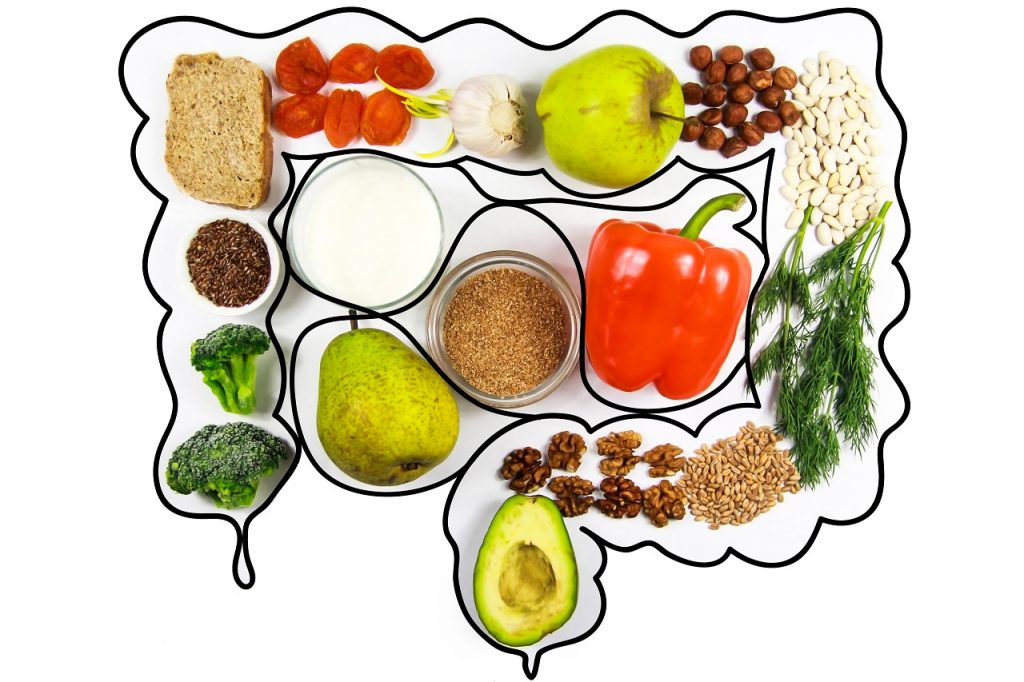
digestionHow often are you worried about that sneaky fat creeping up around your mid-section, a bloated belly after meals or low energy sabotaging your workout? What do all of these have in common? They reflect the direct relationship between sluggish digestion, slow metabolism, and weight gain. Overeating during the holidays and less physical activity means this process can really snowball in the winter.

The Good News!

By increasing digestive efficiency through diet, lifestyle and targeted supplements, we can effectively shed excess fat, boost metabolism and support nearly every other aspect of health in the process.

Good digestion goes beyond the idea that “You are what you eat”.

Digestion is at the very centre of our core health. It lays the foundation for health, happiness, and wellbeing. We now have greater insight into the many roles digestion plays in immunity, hormone balance and even mental and emotional health.

Traditional healing systems, especially those from Asia, have long recognised these relationships. In fact, many Eastern medical systems treat nearly every condition by first addressing the digestive system. Often, when we optimise it, everything else falls into place – especially the bathroom scale.

Herbs & Supplements For Digestion 

The relationship between herbs and supplements is clear – many nutrients and herbs that support digestion also boost metabolism. They do this by promoting mitochondrial function while improving the breakdown and absorption of nutrients.

Some digestive-supporting herbs and ingredients also increase enzyme activity, improve circulation, and help soothe inflammation in the digestive tract and beyond.

Black Pepper & Other Spices

Pungent culinary herbs and spices have long been recognised as digestive aids. Their strong aromas and spicy flavours stimulate the production of digestive enzymes for better food breakdown. They also bring warmth and circulation to the system, helping to reduce stagnation.

Their antimicrobial properties help maintain a healthy digestive environment. Researchers now confirm that these long-cherished spices also support healthy weight. For example, black pepper, known for aiding digestion, has been found to block the formation of fat cells at a genetic level – helping to manage weight. It’s often paired with curcumin (from turmeric) to further support metabolism and fat burning.

Probiotics

Another key factor in digestive health is probiotics. These friendly bacteria have evolved with us and offer countless benefits — especially for digestion. New research continues to uncover their broader role in health.

Around the world, fermented probiotic foods such as sauerkraut, kimchi and miso have been consumed for their health benefits. In the UK, kefir, live yoghurt (unsweetened), and kombucha are increasingly popular options.

Probiotics help break down food into usable nutrients, manage inflammation, support immunity, and produce digestive enzymes. A specific probiotic strain — Lactobacillus gasseri — has even been shown to reduce visceral fat by up to 9% over three months.

Cinnamon, Cardamom, Turmeric (Curcumin) & Ginger

These spices have long been used in traditional medicine to support digestion, metabolism, and reduce inflammation. In Asian systems, ginger is commonly used for stomach discomfort and is generally safe in small amounts (1–3 grams daily).

These herbs help warm the digestive system, ease occasional discomfort, and enhance nutrient absorption.

Stress, Exercise & Eating Habits

Because digestion and metabolism are connected to other body systems, a holistic approach is key for healthy weight management. Stress can severely disrupt both digestion and metabolism.

Mind-body practices like yoga, Tai Chi, or regular meditation can reduce inflammation, boost energy, and improve digestive efficiency. In fact, any consistent physical activity contributes to better digestion.

Our mothers were right — don’t skip breakfast. Doing so can disrupt metabolism and trigger fat storage.

Chew Slowly

Chewing food thoroughly and eating at a relaxed pace supports digestion and weight in two ways. First, it helps break food down more effectively, improving nutrient absorption. Second, it allows time for satiety signals to register — preventing overeating.

The Bottom Line

Whether you eat to live or live to eat, better digestion brings ripple effects across all aspects of health – not just weight. Improved energy, reduced bloating, less water retention, more regular elimination, and a general sense of wellbeing are among the first signs that your digestion is on track.

If this article helped you, let us know your thoughts in the comments below! Find more articles on weight loss here or get these tips directly from a GOQii Coach by subscribing to Personalised Health Coaching here.

#BeTheForce

Disclaimer: The information provided in this blog is for general awareness and educational purposes only. It is not intended to replace professional medical advice, diagnosis, or treatment. Always consult a qualified healthcare provider for personalised medical guidance or concerns related to your health. Images shown are for representation purposes only and may not depict the exact recommendations or outcomes.
November 4, 2024 By GOQii 2 Comments

The Weight Loss Link You May Be Missing – Dietary Minerals

dietary minerals and weight lossThe most challenging case for a Dietitian is perhaps – Weight Loss! Why – because, each case is unique and the most important task is to find out the root cause of weight gain (which, contrary to popular belief, is not always overeating or lack of physical activity). It is prudent that the underlying cause be identified and targeted, not only to ensure sustainable weight loss but also because these reasons are linked to diseases in waiting as well. Genetic predisposition, low BMR, stress, lack of sleep, hormonal disturbance, chronic mild dehydration, lack of certain dietary minerals, etc. are few recognized causes of weight gain.

However, if adjusting your diet, water intake, exercising more and controlling your stress and sleep hasn’t helped you reach a healthy body weight, check your mineral status. Mineral deficiency often happens slowly over time and can be caused by an increased need for one or more dietary minerals, lack of dietary minerals in the diet, or difficulty absorbing minerals from food. You may be suffering from deficiencies because the nutritional value of the produce has been steadily degrading for the last couple of decades. Increased intake of processed foods is another reason which deprives you of not only fiber, but many vitamins and minerals.

4 Major Dietary Minerals Associated With Weight

Since the deficiency symptoms of these minerals are largely general, they go unnoticed and hence get overlooked while diagnosing unexplained weight. Let’s discuss four major dietary minerals (or their deficiencies) that are directly or indirectly associated with your weight.

1. Chromium
It is an essential mineral that regulates insulin action and its effects on metabolism. Insulin is essentially the fat-loss gatekeeper, so anything that improves Insulin efficiency is great for fat loss. Chromium determines the way our body uses Insulin. The Glucose Tolerance Factor (GTF) interacts with Insulin and regulates how much Glucose (sugar) enters a cell. GTF encourages energy production (burns calories) and may also curb feelings of hunger.

Identifying the link between Chromium and weight loss is crucial because someone who is overweight is often at high risk of becoming Insulin Resistant (Diabetic). Chromium is lost in the process of refining foods. For example, when sugarcane is refined into white sugar, 93% of Chromium is lost. Because our soils are depleted of Chromium and because we consume more processed foods nowadays, Chromium deficiency is becoming increasingly prevalent.

2. Iodine
The Thyroid Gland depends on Iodine to manufacture the Thyroid Hormone. The Thyroid’s main function is to manage the body’s metabolism. A shortage of Iodine can cause changes to the Thyroid Gland and an underactive Thyroid Gland slows your metabolism; you thus burn dramatically fewer calories and feel sluggish. Also, an underactive Thyroid Gland promotes excess weight and cellulite by causing water retention.

Inadequate intake of Iodine was once a recognized problem that was solved by universal Iodization of Salt. Salt was fortified with Potassium Iodate to ensure controlled consumption by all sections of society. Once this was done, the obvious symptoms of severe Iodine Deficiency disappeared from view, and little further thought was given to the matter, though sub-clinical symptoms remained. Today’s health conscious consumers have lowered their salt intake and now fail to get even that small amount of Iodine in their diets. Presence of Goitrogens in certain foods is another cause of Iodine deficiency arising from inadequate Iodine utilization.

3. Magnesium
It is needed to extract nutrients from food and for optimal Insulin function. The more nutrients you extract from food, the less you have to eat to feel full. When we aren’t getting what we need from our diet, the body will crave more food in an effort to obtain those vital nutrients. Magnesium is also a vital nutrient for reducing stress, which is one of the most important keys in fighting obesity.

It supports healthy Adrenal Glands that control the release of Adrenaline and Cortisol – two hormones related to stress response. While these hormones are vital to living, too much of them can cause weight gain and other health problems. Magnesium helps regulate these hormones so they are not overproduced.

One of the major causes of Magnesium deficiency is over-medicating with pharmaceutical drugs. They prevent the body from absorbing magnesium.

4. Iron
It is a critical nutrient because it is essential for the synthesis of Hemoglobin – a metalloprotein that carries oxygen from lungs to all the tissues in body. Diminished oxygen carrying capacity can leave you feeling very fatigued, lethargic and irritable. In this state, your body signals you to slow down physical activity and you may find yourself seeking opportunities to sit or lie down, thus leading to weight gain.

Also, low Iron promotes fat storage and cause abnormal blood sugar elevation. Reasons responsible for iron deficiency can be dietary as well as non-dietary. Your excess body weight too can contribute to Iron deficiency. Inflammation associated with excess body weight elevates a hormone Hepcidin, which has the net effect of reducing Iron absorption from digestive tract.

Now, before you finish reading this article and jump to quick fix by googling for these mineral supplements, a word of caution – Overdose of these minerals, especially from synthetic sources, are extremely harmful. Do not take these minerals as supplements without professional guidance. Consult a doctor, nutritionist or a dietitian before making any changes to your diet or taking any supplements.

You may improve your mineral intake by following the golden rule – Go low on processed foods and buy your foods fresh, local and seasonal to remove any possible degradation in nutrient quality. Don’t eat less, eat right and live a healthy and active life!

We hope this article on dietary minerals helps you. For further guidance on nutritional deficiencies and to lose weight in a sustainable manner, reach out to an expert by subscribing for GOQii’s Personalised Health Coaching here.

For more articles on weight loss, check out Healthy Reads.

#BeTheForce

Disclaimer: The information provided in this blog is for general awareness and educational purposes only. It is not intended to replace professional medical advice, diagnosis, or treatment. Always consult a qualified healthcare provider for personalised medical guidance or concerns related to your health.

June 30, 2023 By Palak Mittal 11 Comments

How To Break a Weight Loss Plateau

weight loss plateau

You have been working hard on your weight loss journey by following a healthy, low-calorie diet and improving your exercise habits. Your reward has been watching your weight go down on the weighing scale. Now, at some point, your weight stops decreasing! The weighing scale doesn’t tip in your favor anymore and you’re left frustrated! Don’t worry. You’ve just hit a weight loss plateau.

It’s pretty common and nothing to get discouraged about. It is normal for weight loss to slow down and even stall. But, by understanding what causes a weight loss plateau, you can decide how to respond and avoid backsliding on your new healthy habits.

Here are some ways you can overcome a weight loss plateau to stay on track and keep going!

How Can You Overcome a Weight Loss Plateau?

When you reach a plateau, you may have lost all of the weight you can on your current diet and exercise plan. Ask yourself if you’re satisfied with your current weight or if you want to lose more. In which case, you’ll need to adjust your weight loss program.

If you’re committed to lose more weight, try these tips for getting past the plateau:

1. Drop Your Calorie Intake

To cut down fat, a calorie deficit diet is needed. Consume fewer calories than you burn per day. Maintain a food journal to track your calories. Then slowly reduce your calorie intake by 500 calories per day to boost fat loss. Fat percentage can be measured either by using callipers or with the BCA machine.

2. Rotate Your Workout Routine

Have you been addicted to the treadmill and cross training for the past 4 months? It’s time to switch! Once your muscles become familiar with the same old workout, it makes your regular routine less effective. To see a change in body fat, you have to get outside your fitness comfort zone. Introduce High Intensity Interval Training (HIIT) to burn body fat effectively. Try a total-body circuit. Instead of a basic sprint interval, you’ll work your entire body which will boost your metabolism. Also note that you need to progress slowly and deliberately when incorporating high-intensity exercise into your routine. Doing too much too fast can leave you too sore, tired or even injured.

3. Eat More Protein

Weight Loss Plateau - Eat more proteinProtein is essential to fat loss, as it maintains your muscle during a calorie deficit. It keeps you satiated, which prevents overeating and snacking on junk food. Also, it boosts your calorie burn throughout the day because takes more energy to digest as compared to carbs or fat. Eat at least one gram of protein per pound of bodyweight every day and get your protein from whole sources like nuts, eggs, lean meats, yogurts, and quality protein powders.

4. Eat More Healthy Fats

To lose more fat, eat more fat. This might seem absurd but healthy fats such as animal fats, real butter, coconut oil, nuts, and avocados actually make you leaner and more muscular—they keep you full & maintain your good testosterone levels. Eating healthy fats force you to lower your carbohydrate intake. Get at least 30 percent of your calories from good sources of fat and never consume artificial fats, which can cause health problems like heart disease.

5. Stay Hydrated

Hydration is important as your body often craves food even when you are mildly dehydrated. We are often confused whether we are thirsty or hungry because the symptoms of hunger and thirst are similar. Aim to drink 2-3L of water per day plus additional fluids lost during activity.

6. Try Intermittent Fasting

Intermittent fasting increases fat oxidation, which promotes more fat loss. Also, fasting along with exercise boosts the insulin sensitivity, helping your body send nutrients to muscle rather than fat. Fasting during a calorie-restricted diet can lead to weight loss.

7. Get Plenty of Sleep

Insufficient sleep can interfere with weight loss by reducing your metabolic rate and shifting your hormone levels to promote hunger and fat storage. Hence, have at least 7-8hrs of good quality sleep.

8. Eat Your Veggies

Breaking weight loss - Eat more veggiesVegetables are loaded with important nutrients and are low in calories and carbs. The fiber in your greens aids digestion and also provide your body the essential antioxidants it needs. Including them might help you break through the weight loss plateau.



9. Don’t Rely on a Weighing Scale

The numbers flashing on your weighing scale might be misleading because it does not reflect the loss of body fat. Instead, focus on how you feel, whether your old clothes fit you or if your measurements have changed.

10. Check for Medical Conditions

If you’re still stuck on the weight loss plateau despite all your efforts, then you might need to check for a medical condition. Check your thyroid levels, hormonal imbalance, PCOD, or for Vitamin deficiencies such as Vitamin D or B12. You will first need to correct a medical issue to lose more weight.

Stress also plays a part in weight loss as it raises the level of cortisol in the body which in turn increases weight. Most important of all, don’t get demotivated and work towards your goals. The weight loss plateau is a part of the journey and with the right direction, you can overcome it!

If this article helped you, let us know your thoughts in the comments below! You can also find more articles on weight loss here. If you want to overcome a weight loss plateau and need some advice or guidance, reach out to our experts by subscribing to GOQii’s Personalised Health Coaching here.

#BeTheForce

March 12, 2023 By Neha Sharma 1 Comment

Lose Body Fat by Changing What You Eat

lose body fat

There are many of us who lead demanding and hectic lifestyles which are marred with extensive working hours, early mornings and late nights. In fact, late-night shifts affect our eating patterns a lot!

Due to erratic working patterns, processed foods, instant food items and junk food are in trend as they are easy to carry and can be ordered or eaten anywhere! People don’t carry home food as much and always eat food at work in a hurry, knowing that they are gulping their food without chewing.

If we pay a little attention to what we are eating and how we are eating it, it makes a big difference. The statement, “Lose body fat by changing what you eat” holds true in this context.

Can You Lose Body Fat with Food?

First of all, you have to see the natural foods around you which have the capability to help you lose body fat. Try including some of the following option in your daily meals.

  1. Whole Grains: contain a good amount of fiber and as they are complex in nature, they release carbohydrates slowly in the body. They need energy from the body to breakdown and in turn, help you lose fat. So, include brown rice, whole wheat flour, rolled oats, Ragi, Jowar, and Bajra over refined flour like maida, suji and white rice.
  2. Pulses & Legumes: are an excellent source of fiber and vegetable protein. Protein gives you a feeling of satiety which stops you from overeating and decreases your total calorie intake resulting in fat loss. Choose whole pulses like white & black chana, cow pea, kidney bean, sprouts and have them in at least two meals.
  3. Vegetables & Fruits: are excellent sources of fiber and are low in calories. They require a lot of energy to breakdown and some fibers don’t digest in human bodies. They need to be excreted and absorb fat from the body while doing so, thereby reducing fat and cutting down total calorie intake. Have at least 2-3 servings of fruits & vegetables. Their way of cooking can be changed like sautéing, steaming, baking, shallow frying, or roasting instead of deep-frying.
  4. Healthy Fats: can be obtained through nuts, fish & seeds to improve omega 3 fatty acid which is anti-inflammatory and helps in controlling visceral fat accumulation. Cut down your intake of all types of visible fats such as butter, ghee, oils and avoid refined oils. Instead, use soybean oil, sesame oil, mustard & groundnut oil.
  5. Water: increases the metabolism of the body by flushing out toxins and cleansing the liver. The best part? It has zero calories. Drink at least 2-3 litres of water a day.
  6. Tea: Replacing your tea with green, turmeric or lemon tea and avoiding or minimizing visible intake of sugar [1tsp of sugar (5gm) = 20 calories] helps you lose weight.

Meal timings are also crucial in shedding extra fat. This is because the metabolism of the body slows down as the day progresses. That’s why late-night eaters are prone to weight gain. Low calorie and nutrient-dense food can be chosen by late eaters.

Chewing your food properly also increases the rate of absorption of nutrients and avoids extra accumulation of fat. Practicing mindful eating i.e. eating by paying attention and noticing each sip or bite, tasting your food, teaches you to control your hunger and actually helps in weight loss.

We hope these tips help you lose body fat. For more on how adjusting food habits can help you lose weight, ask a GOQii Coach for guidance by subscribing for personalised health coaching here: https://goqiiapp.page.link/bsr

#BeTheForce 

  • « Previous Page
  • 1
  • 2
  • 3
  • Next Page »

Search

Recent Posts

  • Healthy Eating: Paneer Stuffed Palak Paratha
  • 5 Simple Lifestyle Changes To Manage Hypertension
  • Vegging Out: My Unexpected Journey to Veganism
  • Natural Skincare For Healthy, Glowing Skin!
  • The Early Signs & Symptoms of Diabetes

Stay Updated

Archives

  • November 2025 (3)
  • October 2025 (20)
  • September 2025 (6)
  • August 2025 (6)
  • July 2025 (12)
  • June 2025 (18)
  • May 2025 (16)
  • April 2025 (23)
  • March 2025 (24)
  • February 2025 (23)
  • January 2025 (26)
  • December 2024 (26)
  • November 2024 (26)
  • October 2024 (22)
  • September 2024 (24)
  • August 2024 (31)
  • July 2024 (22)
  • June 2024 (27)
  • May 2024 (31)
  • April 2024 (27)
  • March 2024 (29)
  • February 2024 (26)
  • January 2024 (26)
  • December 2023 (17)
  • November 2023 (15)
  • October 2023 (23)
  • September 2023 (23)
  • August 2023 (21)
  • July 2023 (22)
  • June 2023 (24)
  • May 2023 (25)
  • April 2023 (24)
  • March 2023 (23)
  • February 2023 (20)
  • January 2023 (16)
  • December 2022 (12)
  • November 2022 (15)
  • October 2022 (15)
  • September 2022 (13)
  • August 2022 (11)
  • July 2022 (17)
  • June 2022 (11)
  • May 2022 (10)
  • April 2022 (6)
  • March 2022 (6)
  • February 2022 (13)
  • January 2022 (12)
  • December 2021 (7)
  • November 2021 (3)
  • October 2021 (6)
  • September 2021 (3)
  • August 2021 (8)
  • July 2021 (7)
  • June 2021 (15)
  • May 2021 (16)
  • April 2021 (10)
  • March 2021 (7)
  • February 2021 (4)
  • January 2021 (4)
  • December 2020 (3)
  • November 2020 (4)
  • October 2020 (10)
  • September 2020 (3)
  • August 2020 (3)
  • July 2020 (2)
  • June 2020 (4)
  • May 2020 (10)
  • April 2020 (12)
  • March 2020 (10)
  • February 2020 (4)
  • January 2020 (4)
  • December 2019 (3)
  • November 2019 (7)
  • October 2019 (5)
  • September 2019 (4)
  • August 2019 (9)
  • July 2019 (9)
  • June 2019 (11)
  • May 2019 (4)
  • April 2019 (9)
  • March 2019 (8)
  • February 2019 (9)
  • January 2019 (8)
  • December 2018 (9)
  • November 2018 (3)
  • October 2018 (3)
  • September 2018 (5)
  • August 2018 (10)
  • July 2018 (6)
  • June 2018 (13)
  • May 2018 (8)
  • April 2018 (18)
  • March 2018 (9)
  • February 2018 (8)
  • January 2018 (15)
  • December 2017 (12)
  • November 2017 (19)
  • October 2017 (13)
  • September 2017 (15)
  • August 2017 (4)
  • July 2017 (8)
  • June 2017 (7)
  • May 2017 (6)
  • April 2017 (8)
  • March 2017 (6)
  • February 2017 (7)
  • January 2017 (9)
  • December 2016 (10)
  • November 2016 (7)
  • October 2016 (7)
  • September 2016 (7)
  • August 2016 (11)
  • July 2016 (9)
  • June 2016 (9)
  • May 2016 (12)
  • April 2016 (17)
  • March 2016 (17)
  • February 2016 (8)
  • January 2016 (6)
  • December 2015 (2)
  • November 2015 (9)
  • October 2015 (7)
  • September 2015 (9)
  • August 2015 (11)
  • July 2015 (9)
  • June 2015 (12)
  • May 2015 (9)
  • April 2015 (13)
  • March 2015 (8)
  • February 2015 (5)
  • January 2015 (12)
  • December 2014 (14)
  • November 2014 (11)
  • October 2014 (6)
  • September 2014 (13)
  • August 2014 (12)
  • July 2014 (6)
  • June 2014 (2)
  • May 2014 (7)
  • April 2014 (5)

From “Laddu Nawin” to Fit and Fierce: How a 25-Year-Old Insurance Advisor Shed 20 Kilos and Gained His Life Back

When 25-year-old Nawin Yadav from Hyderabad walked into his office every morning, he carried more than just his files and policy papers. He had the weight of fatigue, sluggish energy, and an ever-growing belly that was becoming the butt of jokes. “People … [Read More...]

“I’ve Challenged Myself to Live 100 Years” – The Story of Chandubhai Savani’s Second Chance at Life

At 67, most people start slowing down. Not Chandubhai Savani. A resident of Surat, Chandubhai, thought life was on track. “My life was going well till I had my bypass surgery,” he says. That surgery, back in 2021, was a wake-up call.  Medication was routine, but exercise wasn’t. His diet? What he calls ‘normal.’ “I […]

From Shimla’s Slopes to Chandigarh’s Sidewalks: Surinder Kaur Bhalla’s Journey from Chaos to Control

Some journeys start with a plan. Others begin with a stumble literally. Surinder Bhalla, a government professional, born and raised in the scenic hill town of Shimla, had always lived a life of movement. “In Shimla, you walked everywhere,” she reflects. “Walking was never an exercise. It was just life.” But after shifting to Chandigarh, […]

Ananda Mukherjee Health Story

From Terminal Illness To Complete Wellness! Ananda Mukherjee Health Story

As we observe World Cancer Day under the powerful theme ‘United by Unique’ (2025-2027)**, we are reminded that every individual’s journey with cancer is distinct, yet united by shared resilience, hope, and the collective fight against this disease. This theme places people at the centre of care and their stories at the heart of the […]

  • HOME
  • HEALTHY LIVING
  • FITNESS
  • HEALTHY RECIPES
  • USER STORIES
  • KARMA
  • BUY GOQii

Copyright ©2016 GOQii