GOQii

Blog

  • HOME
  • HEALTHY LIVING
  • FITNESS
  • HEALTHY RECIPES
  • USER STORIES
  • KARMA
  • BUY GOQii

May 30, 2024 By Zehra Fatima 8 Comments

STEVIA (A 0 calorie, 0 carbs, 0 protein and 0 fats natural sweetener)

Yes, you have read right! A null nutritional value sweetener which is sweeter than sugar. Stevia has 0 kcal energy, 0gms of carbohydrates, 0 gms of proteins, 0 gms of fats yet a very sweet product and gained popularity in foreign countries. Let’s find out more about Stevia.

What is stevia?

Stevia is a sweetener and sugar substitute extracted from the leaves of the plant species Stevia Rebaudiana.

The active compounds of stevia are steviol glycosides (mainly stevioside and rebaudioside), which have up to 150 times the sweetness of sugar, are heat-stable, pH-stable, and not fermentable. Stevia’s taste has a slower onset and longer duration than that of sugar, and some of its extracts may have a bitter or liquorice-like aftertaste at high concentrations.

Benefits of Stevia

Apart from using it as a replacement for Sugar it has additional benefits like

  • IN DIABETES: Research has shown that stevia sweeteners do not contribute calories or carbohydrates to the diet and do not affect blood glucose or insulin response, which allows people with diabetes to consume a wider variety of foods and comply with a healthful meal plan.
  • IN WEIGHT MANAGEMENT: The intake of added sugars has been shown to contribute an average of 16 percent of the total calories in the American diet and has been linked to weight gain and adverse effects on glycemic control. Plant-based, zero calorie stevia can be part of a well-balanced diet to help reduce energy intake without sacrificing taste.
  • IN BLOOD PRESSURE: Certain glycosides in stevia extract have been found to dilate blood vessels, increase sodium excretion, and urine output. In higher doses, stevia could potentially help lower blood pressure. The plant may have cardiotonic actions, which normalize blood pressure and regulate heartbeat.

Good and bad Stevia

Stevia’s green leaves are naturally sweet. However, those white powder and clear drops we find in groceries have very little to do with stevia leaves. They aren’t really stevia at all. They’re an extract that’s been super-refined using toxic chemicals, bleach, and marketed as “healthy”. Everybody is looking for a non-addictive, healthy sweetener. But, beware of any sugar-free sweetener that gives you the illusion of a “free ride”, because you may just be deepening your addiction.

Green leaf stevia is the least processed of the stevia types. The leaves are basically just dried and ground into powder form. This is the type of stevia that’s been used in South America and Japan for centuries as a natural sweetener and health remedy. This type of stevia is about 30–40 times sweeter than sugar.

The best stevia is the kind you can grow yourself. When it’s alive you know it’s REAL! Stevia plants grow beautifully in a pot, a garden, a window box, or on your kitchen window sill. Just pull off a leaf when you need to sweeten something. This way you can be sure it’s organic, and the soil is healthy.

We hope this article helps you understand the incredible benefits of Stevia as a natural sweetener. Have you tried incorporating Stevia into your diet? Let us know in the comments below. For more tips on diet and nutrition, speak to a certified expert by subscribing to GOQii’s Personalised Health Coaching here.

#BeTheForce

May 28, 2024 By Prachi Aggarwal 1 Comment

Have A Healthy Summer With These Safety Tips!

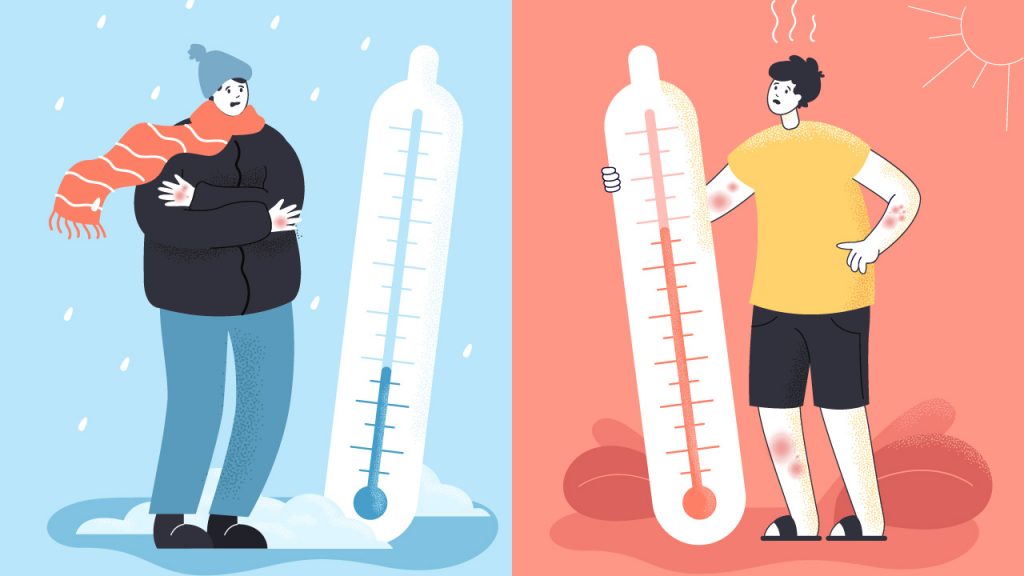
healthy summerSummer is officially here and it often indicates fun and sunshine. Unfortunately, that also brings unbearable heat induced illnesses such as sunburn, heat exhaustion, stroke, etc. Therefore, a variation in weather calls for the change in our routine, dietary habits and activity that suits the weather. So, here are some tips to help you enjoy a healthy summer! 

Safety Tips For a Healthy Summer

  1. Hydration: Heat and sweat in summers may lead to dehydration causing sleep issues, and headaches. So, no matter what time of the day it is, water is very important to prevent dehydration. Keep the body hydrated and drink a minimum of 2-3 litres (8-12 glasses) per day. In addition to water, buttermilk, lemon juice, aloe vera juice, mint and amla (Indian Gooseberry) juice with rock salt can also be included (prefer fresh ingredients). 
  2. Have healthy and light meals: One’s appetite decreases in summers because of the excessive heat but it is important to provide nutrition to the body. Prefer light, small and frequent meals which can be easily digested by the body. Prefer more fresh fruits and veggies with high water content such as melons, oranges, cucumber and tomatoes. 
  3. Avoid caffeine and fizzy drinks: Caffeine (tea, coffee) and fizzy drinks (soft drinks) dehydrate the body and also cause gastritis. Try to reduce the consumption of these products for a healthy summer! If you do have them, pair them with nuts, unsalted popcorn, plain peanuts, fox nuts, etc. 
  4. Wear the right clothes: Always prefer to wear loose and light clothes in summers as they allow the free flow of air, speed up the evaporation process and carry off the excess heat from the body, keeping it cool. 
  5. Be active: Exercise for a minimum of 30 minutes, 5 times a week. It’s the best way to keep the body active. It also improves blood circulation in the body, preventing headaches and migraine attacks during summer. One can opt for indoor activities like swimming, yoga, dancing, aerobics or outdoor activities like walking, jogging, running or cycling. The best time for outdoor activities is before 8.00 am or after 6.00 pm 

We hope this article helps you have a healthy summer! Do leave your thoughts in the comments below! For more summer tips, check out Healthy Reads or speak to a certified expert by subscribing to GOQii’s Personalised Health Coaching here.

Beat the heat and #BeTheForce 

May 27, 2024 By Geetika Patni 7 Comments

Mindful Eating: Slow down and enjoy your meal – 2

Untitled-1

In my previous blog, I talked about the concept of Mindful Eating and how often we instead of being mindful become mindless. (https://goqii.com/blog/mindful-eating-the-best-habit-ever/). Mindless eating is when we overeat, eat fast, do some emotional eating while we are not really hungry and disconnect with food. The first blog summarised the fact that it is extremely important to make the ‘connect’ with your food choices. Attempt to learn or acknowledge the ingredients of the dish you are eating, which food group it belongs to, combining it in ways you can enhance (or deplete) it’s nutritional quotient, and most importantly how you truly feel having it. 

Today, I am going to talk about the art of eating slow. Eating is a biologically natural and pleasurable act of nourishment.

More often than not, most of us may not even recall everything that we ate in last few hours, let alone-the sensation associated with it. That is largely because we indulge in other things most times along with eating – working, driving, reading, watching television, surfing the net, social networking or simultaneously feeding a child, a pet or an emotion.

This act of mindless eating –lack of awareness of the food we are consuming- may becontributing to the national obesity epidemic and the lifestyle diseases and disorders prevalent around.

Mindful eating is nothing but, an act of eating our food with attention. Sensing the flavours, recognizing the ingredients and enjoying the dish and thus feeling gratitude towards the meal. Following mindful eating pattern you will not only reverse your weight issues, but also fix them up for life.

chew-slowly

Eating fast is a habit in disorder. If you eat fast, you are just one step away from digestive troubles, weight gain and other metabolic dysfunctions. Here is what happens when you eat fast?

One is you skip the first step of digestion of the food, which happens when enzymes in the saliva break down the morsels when you are chewing them. This Bolus which is softened food morsel is much easier to get digested by the acids of the stomach.

Second – since you are rushing through – large chunks of undigested food is filling up your stomach – too much and too quickly. The stretch receptors of your stomach are slow acting fibres (can’t help -that is how they are made!) so when they can’t match up with the speed, the spill over happens, leading to acid reflux, burn in the chest, food regurgitation, and acid after taste in mouth.

What is supposed to be an act of pleasure turns out to be a painful experience!

Third – The delicate hormonal cross talk which happens between hunger, satiety and fullness hormones doesn’t happen that smoothly when you are gobbling down your meal, leaving one having more food but yet not satisfied.

That is why adopting slow eating as a good habit for life is necessary, to eliminate the digestive disorders, fix up weight struggles and feel satisfied with our meals, with our life.

In this article, I’ll share ways to build up your innate capability to eat slowly. As you’ll go down the pointers, pick up only one or two that you can follow easily and when you return back to this article, gradually learn more ways to practice slow eating as way of life.

Here are some tips to help you eat slowly 

  • Chew well: Digestion of your food begins from the mouth. Gulping down your food will prevent your stomach to match up with your tongue. And, do you also know that you can’t taste your food until its mixed with saliva. Hence chewing your food thoroughly not only improves digestion but enhances perceptibility of the flavor of your food as well.

To practice chewing well and long, take smaller bites and designate number of chew per bite. Anything more than your current number till you reach over 20 is perfect. 20 seconds to every chew is also a wise idea.

  • Engage all your sense while eating: Sniffing the food morsel before putting it in your mouth and appreciating its taste brings in more satisfaction from the food. Also notice colours in your food and feel its texture in your mouth. Chew well then and you’ll find yourself turning into a slow eater automatically.
  • Deep breathe after every few bites: By following this tip, you’ll buy some more time for your tummy to assimilate all the previous morsels. The excess O2 taken in by extra breathing will also aid in better oxidation of the fats in the food.
  • Add fibers to your meal: They take a long time to chew. Crunching salads after every few bites will additionally supply raw enzymes to digest cooked portions of your meals.
  • Take intermission break: Put down your spoon and fork once your done with half your meal. This break can last till you have finished a mini conversation or taken 24-30 breaths.

# Or push away from table, get up for the second helping, take some sips of water in between, to take a break.

  • Pace with a slow eater: Rather than a ferocious one. We unconsciously imitate people we are close to. So eating with a slow eater will also slow you down.
  • Use non dominant hand to eat or use chopsticks for a week: If you make the task difficult it automatically forces you to pace down.
  • Eat with a baby spoon/fork: By law of volume metrics, eating with a baby spoon will put a speed breaker on your food ride.
  • Work up your food: Shell your pistachios or peanuts or seeds and peel your oranges yourself. Shelling, peeling or individual unwrapping of your snack will also help slow you down and reduce the tendency to over consume any snack.
  • Refuel-every 3-4 hours: Keeping long gaps between meals will prevent you from following slow eating, as mind is weak in the knees when we are famished. Hence, eat frequently to prevent over eating and practice slow eating at any meal time.

Practicing slow eating takes time. If you are a super fast eater, and you are trying these methods to change your habit for good, don’t punish yourself if you don’t succeed in the first few weeks. Try and try till you succeed. And, if you still fail, take help of your coach, to make you practice and push towards rewiring your old habit into a new one of slow mindful eating.

In my next blog in this five part series, I will be talking about Portion Control. I shall share some good tricks and hacks which will help you prevent over eating and the need to diet ever.

To be continued …………..

#BeTheForce 

May 26, 2024 By Geetika Patni 8 Comments

Mindful Eating: The best habit ever!

Mindful-eating

Most humans eat more than their bodies require. Especially with the massive choice of culinary delights available, the eye appealing desserts, the way food is plated etc…it works on our minds to a level that we crave it. And that’s OK. Everyone loves good food too, who doesn’t.

The problem is, we eat too much of it and there reaches a point when the body does not know what to do with the crazy amounts of food we eat, so when you see your belly/tummy, mid riff, waist starting to expand, that’s your body telling you, ‘you are eating too much’. 

What next? Fad Diets? Time and again it has been proved that fad diets don’t work. With a fad diet plan, you will lose weight – and gain it back eventually, and in between you may end up even damaging your metabolism, digestion and your wonderful relationship with food.

But then isn’t it true? that ‘Abs are made in the Kitchen’ and that ‘Weight Management is 70% nutrition’. Indeed it is! The hidden answer to this dilemma lies in – Mindful Eating.

mindful-eating

Technical definition says, “Mindful eating is allowing yourself to become aware of the positive and nurturing opportunities that are available through food selection and preparation by respecting your own inner wisdom”. 

In easier terms – It is an art of staying aware of, not only-what you are eating, but also how you are eating. In this article, I’ll help you understand the broad prospects of nurturing yourself with the art of mindful eating. And to do so, let’s first understand the contradiction – Mindless eating.

You are eating mindless when you are –

1) Overeating (Unable to practice portion control) –

Over eating is the most common act of mindless eating and in my experience, 90% of the players who want to lose weight – overeat during one or the other meal.

Portion control is very important but why is practicing portion control so difficult? That’s because we miss recognizing the internal cues our body provides (and yes it does send those signals!) to make us stop eating when it’s time. And why does this happen? That’s because we fail to pay attention to the task we are doing, in this context it is – eating. Implementing simple habits like keeping away gadgets while eating, using smaller plates, and taking a deep breath before you start your meal, can help you to practice portion control effectively.

2) Eating Fast

This one doesn’t need an example. If you are a fast eater you know it. Eating at your best speed to win a 1 minute food challenge is entirely different than doing it every day for every meal. Eating fast can also lead to weight gain and metabolic disorders like insulin resistance and arthritis. Small discomforts such as teeth bites and ulcers in the mouth, dental cavities, and acne outbursts can also be traced back to the habit of eating fast. And you may be blaming your gassy gut to your food choices, but do ponder upon if it’s related to your speed of eating too. Ideally you must aim to finish every meal in 20 minutes. This is the time range for our fullness hormones – Leptin, Ghrelin and some neuropeptides – to reach our brain and signal the satiety centre to feel full and stop eating.

Tricks like taking an intermission break after every few bites, using your non dominant hand to eat, chewing every bite thoroughly (32 times is dramatic, I know, 20 will do), using chopsticks for a change and/or using baby forks/spoons to finish your meal, can help you learn the art of eating slow and mindfully.

3) Emotional Eating

Emotional eating is as simple as the term sounds – eating to fulfil an emotion and not the stomach. It is also termed as ‘Head hunger’. If your hunger feels sudden and urgent and you have a craving for only fries or sugary treats, you can’t stop yourself to eat and then feel guilty afterwards, it is Head hunger – caused by emotions like boredom, anger, frustration, anxiety etc.

On the other hand if you are ‘Stomach Hungry’ you will know it easily for it will come gradually and you can still postpone it. There will be a stomach growl and it will get satisfied with any food (yes even salads!) You won’t feel guilty even after eating it heartily. And best part is you’ll know when to stop when you are feeding your body (but cannot- when fuelling your emotions).

Staying mindful of your hunger triggers and enjoying the meals to nourish your system, rather than feelings, is important, as this can make or break your relationship with food. Emotional eating whereas can cultivate poor self-esteem, unwanted weight gain and the plethora of troubles related to Obesity. Overcoming emotional eating requires a good amount of practice, patience and discipline and some tricks like distraction through work to pass off the emotional storm.

4) Disconnecting 

Eating each and every food that you can lay your hands on, without making a choice is what I call as ‘Disconnecting’. That’s odd! This doesn’t correlate.

Let me explain – If you belong to a club excelling in eating each and every ‘thing’ without knowing what it can do to you, where it came from and without acknowledging the feelings it produces in you (whether good or bad) you are disconnected from your foods, your meals and your nourishment – the very thing which helps you run your day and which prevents you from sufferings and sicknesses.

Disconnecting is a very subtle mindless eating practice but has profound effect on your weight and most importantly on your vital organs and their metabolic functioning. (Like a seemingly harmless can of diet-coke can wreak havoc on your pancreas and production of Insulin!)

Moreover, as we age, the mindless habit of Disconnecting does rapid harm to our system, to the extent of jeopardizing our longevity!

Hence, it is extremely important to make the ‘connect’ with your food choices. Attempt to learn or acknowledge the ingredients of the dish you are eating, which food group it belongs to, combining it in ways you can enhance (or deplete) it’s nutritional quotient, and most importantly how you truly feel having it.

In this 5 part series on ‘Mindful Eating’, I will take you through all the aspects of Mindful eating. In the second part tomorrow I will talk about slowing down while eating, how helpful can it be and some tips to help you eat slowly.

In essence, food is meant to be enjoyed and to nourish you. Adding the seasoning of Mindful eating to it, will pique up your health and wellness quotient.

To be Continued…………………

#BeTheForce 

  • « Previous Page
  • 1
  • …
  • 58
  • 59
  • 60
  • 61
  • 62
  • …
  • 96
  • Next Page »

Search

Recent Posts

  • ALL ABOUT VERTIGO!
  • PCOS and Anxiety: Discover Relief with the 54321 Technique
  • Navigating the Maze of Nutrition: Finding Clarity Amidst Confusion
  • Get children active and keep them healthy
  • What Gestational Diabetes Can Do To You & Your Unborn Child

Stay Updated

Archives

  • December 2025 (5)
  • November 2025 (15)
  • October 2025 (20)
  • September 2025 (6)
  • August 2025 (6)
  • July 2025 (12)
  • June 2025 (18)
  • May 2025 (16)
  • April 2025 (23)
  • March 2025 (23)
  • February 2025 (22)
  • January 2025 (26)
  • December 2024 (26)
  • November 2024 (25)
  • October 2024 (22)
  • September 2024 (24)
  • August 2024 (31)
  • July 2024 (21)
  • June 2024 (26)
  • May 2024 (31)
  • April 2024 (27)
  • March 2024 (29)
  • February 2024 (26)
  • January 2024 (25)
  • December 2023 (15)
  • November 2023 (11)
  • October 2023 (22)
  • September 2023 (22)
  • August 2023 (20)
  • July 2023 (22)
  • June 2023 (24)
  • May 2023 (24)
  • April 2023 (24)
  • March 2023 (23)
  • February 2023 (20)
  • January 2023 (16)
  • December 2022 (12)
  • November 2022 (15)
  • October 2022 (15)
  • September 2022 (12)
  • August 2022 (10)
  • July 2022 (17)
  • June 2022 (11)
  • May 2022 (10)
  • April 2022 (6)
  • March 2022 (6)
  • February 2022 (13)
  • January 2022 (12)
  • December 2021 (7)
  • November 2021 (3)
  • October 2021 (6)
  • September 2021 (3)
  • August 2021 (8)
  • July 2021 (7)
  • June 2021 (15)
  • May 2021 (16)
  • April 2021 (10)
  • March 2021 (7)
  • February 2021 (4)
  • January 2021 (4)
  • December 2020 (3)
  • November 2020 (4)
  • October 2020 (10)
  • September 2020 (3)
  • August 2020 (3)
  • July 2020 (2)
  • June 2020 (4)
  • May 2020 (10)
  • April 2020 (12)
  • March 2020 (10)
  • February 2020 (4)
  • January 2020 (4)
  • December 2019 (3)
  • November 2019 (7)
  • October 2019 (5)
  • September 2019 (4)
  • August 2019 (9)
  • July 2019 (9)
  • June 2019 (11)
  • May 2019 (4)
  • April 2019 (9)
  • March 2019 (8)
  • February 2019 (9)
  • January 2019 (8)
  • December 2018 (9)
  • November 2018 (3)
  • October 2018 (3)
  • September 2018 (5)
  • August 2018 (10)
  • July 2018 (6)
  • June 2018 (13)
  • May 2018 (8)
  • April 2018 (18)
  • March 2018 (9)
  • February 2018 (8)
  • January 2018 (15)
  • December 2017 (12)
  • November 2017 (19)
  • October 2017 (13)
  • September 2017 (15)
  • August 2017 (4)
  • July 2017 (8)
  • June 2017 (7)
  • May 2017 (6)
  • April 2017 (8)
  • March 2017 (6)
  • February 2017 (7)
  • January 2017 (9)
  • December 2016 (10)
  • November 2016 (7)
  • October 2016 (7)
  • September 2016 (7)
  • August 2016 (11)
  • July 2016 (9)
  • June 2016 (9)
  • May 2016 (12)
  • April 2016 (17)
  • March 2016 (17)
  • February 2016 (8)
  • January 2016 (6)
  • December 2015 (2)
  • November 2015 (9)
  • October 2015 (7)
  • September 2015 (9)
  • August 2015 (11)
  • July 2015 (9)
  • June 2015 (12)
  • May 2015 (9)
  • April 2015 (13)
  • March 2015 (8)
  • February 2015 (5)
  • January 2015 (12)
  • December 2014 (14)
  • November 2014 (11)
  • October 2014 (6)
  • September 2014 (13)
  • August 2014 (12)
  • July 2014 (6)
  • June 2014 (2)
  • May 2014 (7)
  • April 2014 (5)

From “Laddu Nawin” to Fit and Fierce: How a 25-Year-Old Insurance Advisor Shed 20 Kilos and Gained His Life Back

When 25-year-old Nawin Yadav from Hyderabad walked into his office every morning, he carried more than just his files and policy papers. He had the weight of fatigue, sluggish energy, and an ever-growing belly that was becoming the butt of jokes. “People … [Read More...]

“I’ve Challenged Myself to Live 100 Years” – The Story of Chandubhai Savani’s Second Chance at Life

At 67, most people start slowing down. Not Chandubhai Savani. A resident of Surat, Chandubhai, thought life was on track. “My life was going well till I had my bypass surgery,” he says. That surgery, back in 2021, was a wake-up call.  Medication was routine, but exercise wasn’t. His diet? What he calls ‘normal.’ “I […]

From Shimla’s Slopes to Chandigarh’s Sidewalks: Surinder Kaur Bhalla’s Journey from Chaos to Control

Some journeys start with a plan. Others begin with a stumble literally. Surinder Bhalla, a government professional, born and raised in the scenic hill town of Shimla, had always lived a life of movement. “In Shimla, you walked everywhere,” she reflects. “Walking was never an exercise. It was just life.” But after shifting to Chandigarh, […]

Ananda Mukherjee Health Story

From Terminal Illness To Complete Wellness! Ananda Mukherjee Health Story

As we observe World Cancer Day under the powerful theme ‘United by Unique’ (2025-2027)**, we are reminded that every individual’s journey with cancer is distinct, yet united by shared resilience, hope, and the collective fight against this disease. This theme places people at the centre of care and their stories at the heart of the […]

  • HOME
  • HEALTHY LIVING
  • FITNESS
  • HEALTHY RECIPES
  • USER STORIES
  • KARMA
  • BUY GOQii

Copyright ©2016 GOQii