
GOQii

Blog

  • HOME
  • HEALTHY LIVING
  • FITNESS
  • HEALTHY RECIPES
  • USER STORIES
  • KARMA
  • BUY GOQii

September 29, 2024 By Dr. Viral Thakkar 2 Comments

Your Heart and You: Signs of Heart Disease to Watch Out For

heart diseaseMishita, 55 years old, had been feeling low and depressed for a few months. For the past 2 days, she began experiencing slight restlessness, palpitations, and a suffocating feeling followed by mild chest pain radiating to her left shoulder. Being alone, she called her daughter to share these symptoms. Her daughter immediately alerted a neighbour who had basic knowledge about heart symptoms and helped save Mishita from a major heart attack. Early signs of arteriosclerosis were detected, and with lifestyle changes, Mishita is now happy, healthy, and almost off medication!

How & When Does Heart Disease Develop?

Heart disease often develops over time due to an unhealthy lifestyle. Early signs or symptoms can manifest long before a serious heart issue arises. In my practice, I have seen that the body, including the heart, will give several signs before it deteriorates. It’s up to you how much you listen to your body.

Heart disease describes a range of conditions affecting the heart. It could relate to blood vessels, such as coronary artery disease—especially arteriosclerosis (narrowing of the arteries that supply blood to the heart, which can lead to myocardial infarction)—or arrhythmias (irregular heartbeats due to issues with the heart’s electrical system). Some people are born with heart conditions, such as congenital heart defects. Two major factors that affect heart health are a person’s physiological and emotional constitution.

Psychoneuroimmunology has proven that individuals who are sad, depressed, unhealthy, or unhappy are at greater risk for heart attacks and other diseases. Emotional, mental, and physical well-being are key to leading a healthy life.

Signs To Watch Out For

I’ll be discussing common symptoms of a heart attack, as the number of people affected continues to rise. If you experience any of the following symptoms at any age, it’s crucial to seek medical advice:

  • Chest Pain: Discomfort or pain in the chest, which can be felt on the left, center, or sometimes even the right side, and may radiate to the left shoulder, upper back, jaw, or chin. There are many causes of chest pain unrelated to the heart, but it remains the most common symptom of poor blood flow to the heart cells, leading to a heart attack (myocardial infarction).
  • It can feel like crushing pain or mild discomfort.
  • It might feel heavy, or like the heart is being squeezed. Some may feel a sharp, burning sensation in the chest or upper stomach area.
  • Chest pain may occur during activity, after emotional experiences, or at rest, and may improve with rest or nitroglycerin.
  • Bad indigestion can also cause chest pain, but it doesn’t necessarily indicate heart trouble. However, any symptoms are the body’s way of communicating, so do not ignore them.

Additional symptoms to be aware of include extreme anxiety, fainting, dizziness, nausea, vomiting, palpitations (feeling like your heart is beating too fast or irregularly), shortness of breath, and heavy sweating.

For individuals with comorbidities such as diabetes, hypertension, or high cholesterol, symptoms may include fatigue, shortness of breath, general weakness, or changes in skin color.

Symptoms That Need Cardiac Attention

  1. Shortness of Breath: When the heart can’t pump blood as well as it should, blood backs up in the veins that go from the lungs to the heart. Fluid leaks into the lungs and causes shortness of breath. This is a symptom of heart failure. One may notice shortness of breath during activity, while resting or when lying flat on the back – it might wake you up from sleep.
  2. Continuous coughing or wheezing could be a sign that the fluid is building up in the lungs. One may also cough up mucus that is pink or bloody.
  3. Swelling in the Legs, Ankles, or Feet: because the blood flow slows and backs up in the veins in the legs. This causes fluid to build up in the tissues. One may also experience swelling in the stomach or notice some weight gain. This is mostly seen in congestive cardiac failure.
  4. Narrowed Blood Vessels could mean a higher risk of a heart attack & can occur when cholesterol and other fatty material (plaque) builds upon the walls of the arteries. It is also the cause of hypertension.
  5. Fatigue: Tiredness can have many causes. It could be a sign of heart trouble when one feels so tired that regular activities are not conducted or when the feeling is sudden and leads to severe weakness
  6. Palpitations: If the heart can’t pump blood normally, it may beat faster to try to keep up. It might feel that the heart is racing or throbbing. A fast or uneven heartbeat can also be a sign of arrhythmia. This is a problem with your heart rate or rhythm.

The heart is an organ that never rests until you do. Maintaining a healthy lifestyle is essential for maintaining heart health. Your diet, sleep, stress levels, emotional state, and physical activity all play key roles in your heart’s well-being. If you experience any of the symptoms mentioned above, seek medical attention immediately.

Don’t let the rhythm of your heart be disturbed. In most heart-related cases, prevention is the only cure!

Watch out for Part 2 of this article. For more on heart health, check out Healthy Reads or speak to a certified expert by subscribing to GOQii’s Personalised Health Coaching here.

#BeTheForce

Disclaimer: The information provided in this blog is for general awareness and educational purposes only. It is not intended to replace professional medical advice, diagnosis, or treatment. Always consult a qualified healthcare provider for personalised medical guidance or concerns related to your health.
September 12, 2024 By Pradnya Shinde Leave a Comment

Dealing with Menopausal Hot Flushes and Night Sweats

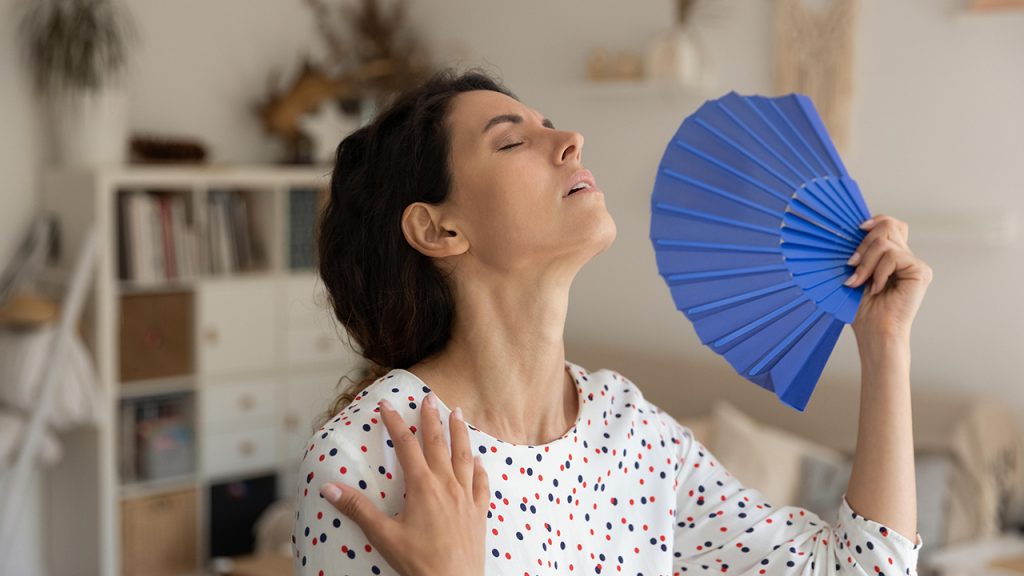
“A sharp sensation of heat suddenly rises to my head. I go red in my face, but after a few minutes, its gone”.


“I begin to perspire. My clothes and hair start to get drenched as though I’ve just run few kms. Suddenly, after a while, it vanishes. Then, I’m not sure when this will occur again.

The above are statements made to me by women who experienced hot flashes for a long time. It is ANNOYING and EMBARRASSING.

This is a typical problem that women face during menopause. In order to escape this awkward circumstance, a lot of women even have a tendency to quit their jobs. Let us understand this issue a little more better.

Understanding Hot Flushes

A hot flush, commonly experienced as a sudden and intense sensation of heat affecting the upper body, primarily impacts the face, neck, chest, back, and arms. This phenomenon is characterized by visible redness and can lead to heavy perspiration. In some cases, the sensation may extend throughout the entire body.

The duration of a hot flush can vary significantly, lasting from a few seconds to as long as ten minutes. The frequency of these episodes also varies widely among individuals, occurring several times within an hour, a few times daily, or even just once weekly.

Hot flushes that occur during the night are referred to as night sweats. These can significantly disrupt sleep and are often troublesome. Typically beginning at the onset of menopause, hot flushes may persist for a decade or longer, affecting each individual differently.

Understanding Hot Flushes: Causes, Triggers, and Management

What Causes a Hot Flush?
Hot flushes commonly occur during perimenopause, a phase marked by the onset of irregular menstrual cycles. This period is characterized by significant fluctuations in estrogen levels, which disrupt the brain’s temperature regulation system. As a result, the body attempts to cool down through sweating.

What Triggers a Hot Flush?
Several factors can trigger hot flushes, including dietary and environmental influences, as well as lifestyle habits. Common triggers include:

  • Spicy foods
  • Caffeine
  • Smoking
  • Alcohol consumption
  • Wearing tight clothing
  • Obesity
  • Stress
  • Exposure to warm environments or consuming warm or icy foods

Managing Hot Flushes:

It is essential to consult a healthcare provider annually for reproductive health issues. During these consultations, doctors can offer guidance on managing symptoms of perimenopause, including hot flushes. Treatment options may include hormonal therapies, which help stabilize hormone levels, or non-hormonal strategies, which can alleviate symptoms without using hormone replacement therapies.

Lifestyle Adjustments to Manage Hot Flushes Effectively

To reduce the frequency and intensity of hot flushes, consider making several key lifestyle changes:

Avoid Triggers: Steer clear of known triggers like spicy foods, caffeine, and tobacco. Opt for decaffeinated coffee, limit alcohol intake to one drink at a time, and control smoking habits to minimize occurrences.

Increase Omega-3 Intake: Omega-3 fatty acids, known for their anti-inflammatory properties, may help alleviate hot flushes. Sources include fatty fish like salmon, tuna, and mackerel, as well as vegan options such as flax seeds, chia seeds, and hemp seeds.

Incorporate Plant-Based Estrogens: Consuming foods rich in isoflavones and phytoestrogens, such as soy, tofu, chickpeas, and lentils, may help manage symptoms by mimicking estrogen.

Try Seed Cycling: This technique involves consuming specific seeds at different times of the month to balance hormone levels. For the first 14 days, eat two tablespoons of pumpkin and flax seeds, followed by two tablespoons of sesame and sunflower seeds for the next 15 days. These seeds also offer healthy fats, fiber, and nutrients.

Opt for Natural Fabrics: Wear comfortable undergarments and clothing made from natural fibers like cotton, linen, and bamboo, which are breathable. Dress in layers to easily adjust to temperature changes, and consider light, loose-fitting clothing for additional comfort.

Manage Body Temperature: Start your day with a cold shower to decrease the likelihood of hot flushes. Carry a portable or neck fan when outdoors. For night sweats, use breathable cotton bedding, cooling blankets, or cooling pillows, and keep your sleeping environment cool with air conditioning or fans.

Maintain a Healthy Weight: Address obesity by adhering to a nutritious diet and regular exercise routine. Aim for 30 minutes of mild exercise daily to help manage weight and reduce hot flush occurrences.

Practice Stress-Relief Techniques: Engage in relaxation practices such as yoga, mindfulness, and meditation. Simple deep breathing exercises can also be effective—inhale slowly through the nose, hold your hand on your belly to feel it rise, and exhale slowly through the mouth.

Consider Cognitive Behavioral Therapy (CBT): CBT can be beneficial for reducing anxiety related to hot flushes. It helps in identifying and reforming anxiety-triggering thoughts. Discuss the possibility of CBT with your therapist for tailored advice.

Implementing these strategies can significantly improve your management of hot flushes, enhancing comfort and overall quality of life.

Embracing Menopause with Confidence
Now that you have a better understanding of how to manage and mitigate hot flushes and night sweats, it’s important to remember that menopause is a natural phase of life, not a disease. With the right strategies and care, you can continue to lead a fulfilling and normal life.

We hope this article provides valuable insights for managing menopausal hot flushes and night sweats, helping you maintain a comfortable and balanced life. If you found this information useful, share your thoughts in the comments below. For personalised guidance and support, connect with our certified experts by subscribing to GOQii’s Personalised Health Coaching here.

#BeTheForce

Disclaimer: The information provided in this blog is for general awareness and educational purposes only. It is not intended to replace professional medical advice, diagnosis, or treatment. Always consult a qualified healthcare provider for personalised medical guidance or concerns related to your health.

August 27, 2024 By Roopa Tandur 1 Comment

6 Good Cholesterol Foods You Must Eat

good cholesterol foods

When someone mentions cholesterol, we often think of bad cholesterol and heart disease. However, there are also good cholesterol foods that are vital for our body. Functions like the synthesis of Vitamin D and hormones, as well as the formation and structure of cell membranes, rely on good cholesterol. 

What is Good Cholesterol? 

Good cholesterol refers to High-Density Lipoprotein (HDL), which helps remove bad cholesterol, known as Low-Density Lipoprotein (LDL). HDL helps transport LDL to the liver for removal from the body. Consuming foods high in saturated fats can increase LDL levels, raising the risk of heart disease and stroke.

While exercising, sleep, stress management, limiting alcohol intake and quitting smoking are essential for maintaining healthy cholesterol levels, certain foods also help. Let’s take a look at some good cholesterol foods!

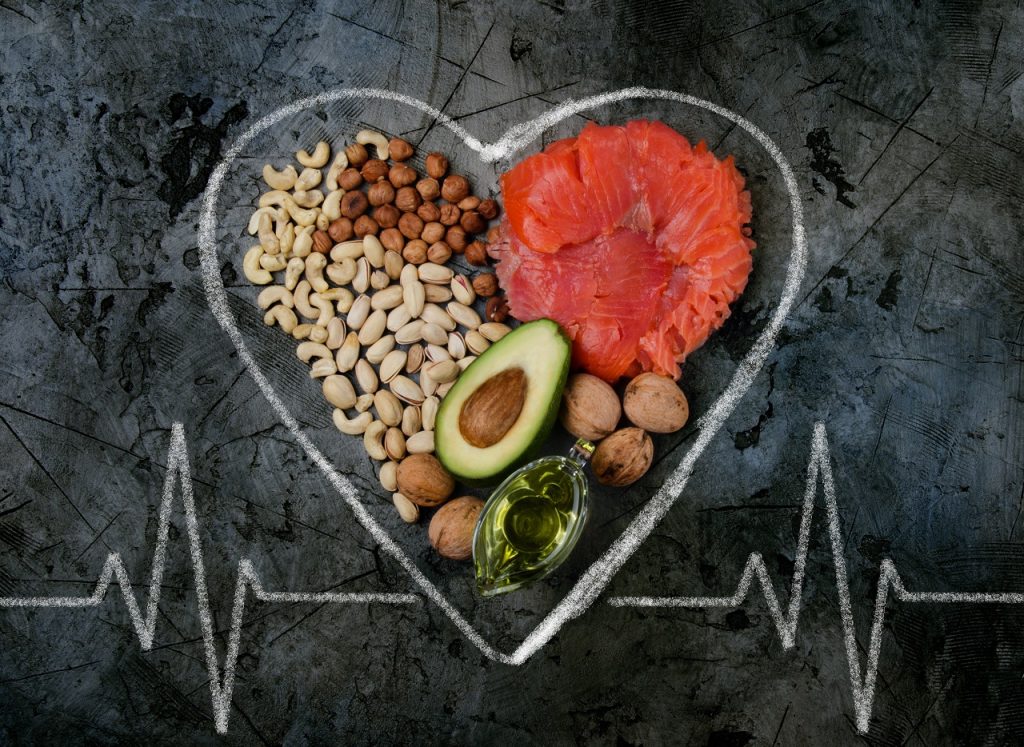
  1. Nuts and Seeds: They are high in healthy fats like monounsaturated and polyunsaturated fats (Omega 3 and Omega 6) and low on saturated fats, which help lower LDL cholesterol. They are rich in Alpha-Linoleic acid, which reduces inflammation and improves overall fat composition. These foods prevent oxidation of LDL cholesterol by free radicals, reducing plaque formation. They are also an excellent source of plant-based protein and fiber which give you a feeling of fullness. They also have a good amount of micronutrients which make them an ideal post-workout meal. However if you have allergies to nuts and seeds, avoid them. 
  2. Avocados: They are both tasty and nutrient-rich. They contain a high amount of Oleic acid, a monounsaturated fat that helps reduce inflammation and the risk of heart disease. Studies show that avocados can lower LDL cholesterol by 10% and total cholesterol by 8%. Additionally, avocados are high in fiber and healthy fats, which help you feel full for longer.
  3. Fatty Fish: Salmon, mackerel, tuna and sardines are rich in Omega 3 fatty acids, which benefit vital organs like the heart, brain and lungs. They also contain Vitamin D and A, essential for good bone and eye health. These fish are particularly effective in reducing death rates due to myocardial infarction and arrhythmia. They also help lowering plaque build-up in arteries and reducing the risk of cardiovascular disease. However, these fish contain contaminants, so cleaning them thoroughly before consuming is crucial.
  4. Eggs: They have a bad reputation due to their fat content, but not all fat in eggs are harmful. Eggs contain monounsaturated and polyunsaturated fats, which are heart healthy, along with saturated and trans fats, which raise bad cholesterol levels. One egg can easily provide a quarter of your daily fat serving. So including eggs in breakfast easily helps you include healthy fats in your diet. It also supports weight loss by preventing cravings throughout the day. Egg is a complete food, rich in both macro and most micronutrients and a good source of protein. Helps improve Vitamin D levels by aiding in its absorption. Having whole eggs by people who are already at risk of high cholesterol levels may worsen the condition, so include egg white as most of the fat and cholesterol in eggs comes from its yolk.
  5. Complex Carbs: Whole grain cereals like millets, wheat bran, oats, brown rice, fruit and vegetables contain longer chains of sugar that take longer to digest and convert into glucose, which the body uses for energy. Including 2 servings of whole grain cereals can help lower bad cholesterol, as the fiber in these foods aids in its removal from the body and improves HDL cholesterol levels.
  6. Lentils and Pulses: Including these in your diet is an easy and inexpensive way to get both macro and micronutrients. Lentils are a good source of polyphenols, which reduce inflammation and prevent many life threatening diseases, including some types of cancer. Proteins in lentils help prevent blood vessel constriction, improve HDL levels and reduce LDL levels. Lentils are also rich in folate, which prevents the accumulation of homocysteine, a trigger factor for heart disease. 

We hope this article helps you understand the difference between bad cholesterol and good cholesterol foods, as well as what to eat to stay healthy. For more tips, check out Healthy Reads or ask an expert by subscribing for GOQii’s Personalised Health Coaching here.

#BeTheForce 

Disclaimer: The information provided in this blog is for general awareness and educational purposes only. It is not intended to replace professional medical advice, diagnosis, or treatment. Always consult a qualified healthcare provider for personalised medical guidance or concerns related to your health.

August 18, 2024 By Apurwa Agrawal 3 Comments

Antenatal Exercises for a good pregnancy

safe-pregnancy-exercises

One of the most beautiful experiences a woman can have is that of being pregnant. However, a first-time pregnancy often brings with it a lot of uncertainty and hesitancy. To ease this pressure, I decided to share my experience of pregnancy and how I overcame the uncertainties and other challenges.

Ideally, a woman should enjoy her pregnancy, indulging herself without being overly concerned with the weighing scale. I understand that the body undergoes several changes during this period, which can create mental and physical stress. Hormonal changes also occur, with one of the major hormones, RELAXIN, causing joint to become hypermobile and increasing ligament laxity, which can lead to pain and inflammation.

How Do We Balance This Situation with Recommendations for Pregnancy?

Just two words – Prenatal Exercises

Yes, you heard it right!

A sensible workout plan and willpower during pregnancy were key for me. Being open to maintaining self-control and moderation with indulging truly made all the difference.

It is recommended that women who have normal, healthy pregnancy should get 30 minutes of exercise on most days of the week (at least 5 days).

Let’s take a look at how these exercises help during pregnancy:

  • Reduces aches and pains during pregnancy
  • Improves stamina and provides more energy to cope with the growing demands of pregnancy
  • Improves posture and sleeping patterns
  • Helps in more controlled weight gain
  • Increases the chance of a normal delivery
  • Enhances psychological well-being
  • Increases circulation, thereby reducing swelling and edema
  • Reduces the risk of gestational diabetes and pregnancy-induced hypertension

Keep these tips in mind while exercising:

  • Always warm up before exercising, and cool down afterward
  • Avoid any strenuous exercise in hot weather
  • Drink plenty of water and other fluids
  • If you attend exercise classes, make sure your instructor is properly qualified and knows that you’re pregnant including how many weeks pregnant you are
  • Swimming is a good cardio exercise as the water supports your increased weight, but it should be done under the supervision of a professional trainer.

If you’ve never worked out before, start slowly. Listen to your body and proceed accordingly. There’s no point in rushing and risking injury. Additionally, there are certain situations in which you should stop exercising immediately:

  • Excessive shortness of breath
  • Chest pain or palpitations
  • Pre-syncope or dizziness
  • Painful uterine contractions or preterm labour
  • Leakage of amniotic fluid
  • Vaginal bleeding
  • Excessive fatigue
  • Abdominal pain, particularly in back or pubic area
  • Reduced fetal movement.

I hope this blog encourages you to maintain or increase your fitness level during pregnancy. I’ll be sharing my workout routine in my next blog for you to use as a reference or adopt if you feel so inclined. Until then, stay tuned, and feel free to comment if you have any questions and don’t forget to share it with someone who may need it. You can find more articles on Women’s Health here. You can also use the Women’s Care feature in the GOQii App to track your menstrual cycles, pregnancy and more. Download the app now.

#BeTheForce 

Disclaimer: The information provided in this blog is for general awareness and educational purposes only. It is not intended to replace professional medical advice, diagnosis, or treatment. Always consult a qualified healthcare provider for personalised medical guidance or concerns related to your health.

  • « Previous Page
  • 1
  • …
  • 7
  • 8
  • 9
  • 10
  • 11
  • Next Page »

Search

Recent Posts

  • India Leads in Longevity: GOQii Sanjeevini Named Top 40 in $101M XPRIZE
  • The Importance Of Knowing If You’re Thirsty Or Hungry
  • Best Foods To Alleviate Irritable Bowel Syndrome
  • ALL ABOUT VERTIGO!
  • PCOS and Anxiety: Discover Relief with the 54321 Technique

Stay Updated

Archives

  • December 2025 (8)
  • November 2025 (15)
  • October 2025 (20)
  • September 2025 (6)
  • August 2025 (6)
  • July 2025 (12)
  • June 2025 (18)
  • May 2025 (16)
  • April 2025 (23)
  • March 2025 (23)
  • February 2025 (22)
  • January 2025 (26)
  • December 2024 (26)
  • November 2024 (25)
  • October 2024 (22)
  • September 2024 (24)
  • August 2024 (31)
  • July 2024 (21)
  • June 2024 (26)
  • May 2024 (31)
  • April 2024 (27)
  • March 2024 (29)
  • February 2024 (26)
  • January 2024 (25)
  • December 2023 (15)
  • November 2023 (11)
  • October 2023 (20)
  • September 2023 (22)
  • August 2023 (20)
  • July 2023 (22)
  • June 2023 (24)
  • May 2023 (24)
  • April 2023 (24)
  • March 2023 (23)
  • February 2023 (20)
  • January 2023 (16)
  • December 2022 (12)
  • November 2022 (15)
  • October 2022 (15)
  • September 2022 (12)
  • August 2022 (10)
  • July 2022 (17)
  • June 2022 (11)
  • May 2022 (10)
  • April 2022 (6)
  • March 2022 (6)
  • February 2022 (13)
  • January 2022 (12)
  • December 2021 (7)
  • November 2021 (3)
  • October 2021 (6)
  • September 2021 (3)
  • August 2021 (8)
  • July 2021 (7)
  • June 2021 (15)
  • May 2021 (16)
  • April 2021 (10)
  • March 2021 (7)
  • February 2021 (4)
  • January 2021 (4)
  • December 2020 (3)
  • November 2020 (4)
  • October 2020 (10)
  • September 2020 (3)
  • August 2020 (3)
  • July 2020 (2)
  • June 2020 (4)
  • May 2020 (10)
  • April 2020 (12)
  • March 2020 (10)
  • February 2020 (4)
  • January 2020 (4)
  • December 2019 (3)
  • November 2019 (7)
  • October 2019 (5)
  • September 2019 (4)
  • August 2019 (9)
  • July 2019 (9)
  • June 2019 (11)
  • May 2019 (4)
  • April 2019 (9)
  • March 2019 (8)
  • February 2019 (9)
  • January 2019 (8)
  • December 2018 (9)
  • November 2018 (3)
  • October 2018 (3)
  • September 2018 (5)
  • August 2018 (10)
  • July 2018 (6)
  • June 2018 (13)
  • May 2018 (8)
  • April 2018 (18)
  • March 2018 (9)
  • February 2018 (8)
  • January 2018 (15)
  • December 2017 (12)
  • November 2017 (19)
  • October 2017 (13)
  • September 2017 (15)
  • August 2017 (4)
  • July 2017 (8)
  • June 2017 (7)
  • May 2017 (6)
  • April 2017 (8)
  • March 2017 (6)
  • February 2017 (7)
  • January 2017 (9)
  • December 2016 (10)
  • November 2016 (7)
  • October 2016 (7)
  • September 2016 (7)
  • August 2016 (11)
  • July 2016 (9)
  • June 2016 (9)
  • May 2016 (12)
  • April 2016 (17)
  • March 2016 (17)
  • February 2016 (8)
  • January 2016 (6)
  • December 2015 (2)
  • November 2015 (9)
  • October 2015 (7)
  • September 2015 (9)
  • August 2015 (11)
  • July 2015 (9)
  • June 2015 (12)
  • May 2015 (9)
  • April 2015 (13)
  • March 2015 (8)
  • February 2015 (5)
  • January 2015 (12)
  • December 2014 (14)
  • November 2014 (11)
  • October 2014 (6)
  • September 2014 (13)
  • August 2014 (12)
  • July 2014 (6)
  • June 2014 (2)
  • May 2014 (7)
  • April 2014 (5)

From “Laddu Nawin” to Fit and Fierce: How a 25-Year-Old Insurance Advisor Shed 20 Kilos and Gained His Life Back

When 25-year-old Nawin Yadav from Hyderabad walked into his office every morning, he carried more than just his files and policy papers. He had the weight of fatigue, sluggish energy, and an ever-growing belly that was becoming the butt of jokes. “People … [Read More...]

“I’ve Challenged Myself to Live 100 Years” – The Story of Chandubhai Savani’s Second Chance at Life

At 67, most people start slowing down. Not Chandubhai Savani. A resident of Surat, Chandubhai, thought life was on track. “My life was going well till I had my bypass surgery,” he says. That surgery, back in 2021, was a wake-up call.  Medication was routine, but exercise wasn’t. His diet? What he calls ‘normal.’ “I […]

From Shimla’s Slopes to Chandigarh’s Sidewalks: Surinder Kaur Bhalla’s Journey from Chaos to Control

Some journeys start with a plan. Others begin with a stumble literally. Surinder Bhalla, a government professional, born and raised in the scenic hill town of Shimla, had always lived a life of movement. “In Shimla, you walked everywhere,” she reflects. “Walking was never an exercise. It was just life.” But after shifting to Chandigarh, […]

Ananda Mukherjee Health Story

From Terminal Illness To Complete Wellness! Ananda Mukherjee Health Story

As we observe World Cancer Day under the powerful theme ‘United by Unique’ (2025-2027)**, we are reminded that every individual’s journey with cancer is distinct, yet united by shared resilience, hope, and the collective fight against this disease. This theme places people at the centre of care and their stories at the heart of the […]

  • HOME
  • HEALTHY LIVING
  • FITNESS
  • HEALTHY RECIPES
  • USER STORIES
  • KARMA
  • BUY GOQii

Copyright ©2016 GOQii


