GOQii

Blog

  • HOME
  • HEALTHY LIVING
  • FITNESS
  • HEALTHY RECIPES
  • USER STORIES
  • KARMA
  • BUY GOQii

Search Results for: weight

November 15, 2024 By Subarna Ghosal 5 Comments

Rice Bran Oil and its 7 benefits

Rice Bran Oil and its 7 benefits‘Good health is a boon’ According to the World Health Organisation (WHO), Health is “a state of mental, physical and social well-being, not merely the absence of any disease or infirmity”. What we eat, how it’s prepared, and when we consume it all play vital roles in our health. Oil, a key ingredient in Indian cuisine, greatly influences our health depending on the type and amount used. Choosing the right oil is especially important for those with busy lifestyles. As the second-largest rice producer globally, India produces around 100 MMT of rice annually. Rice bran oil, extracted from rice husk and germ, has a high smoke point of 232°C (450°F), a long shelf life, and a mild flavor, making it ideal for high-temperature cooking like stir-frying and deep-frying. According to the latest recommendations by the National Institute of Nutrition (NIN) and the Indian Council of Medical Research (ICMR), the ideal oil composition is 27-33% saturated fat, 33-40% monounsaturated fat, and 27-33% polyunsaturated fat. Rice bran oil closely matches this recommendation with a composition of SFA (24%), MUFA (42%), and PUFA (34%), offering a balanced fatty acid profile.

Health Benefits of Rice Bran Oil:

Rice bran oil contains essential nutrients that benefit health in numerous ways:

  1. Rich in Vitamin E Rice bran oil contains tocopherols and tocotrienols, forms of Vitamin E with natural antioxidant properties that help neutralize free radicals—by-products of cellular metabolism that can cause cellular damage and mutations. These antioxidants support neurological health and hormonal balance.
  2. Improves Skin Health Squalene, an antioxidant in rice bran oil, acts as a natural moisturizer, protecting skin from wrinkles, delaying signs of aging, and reducing sun damage.
  3. Promotes Heart Health Oryzanol, another antioxidant found in rice bran oil, helps lower cholesterol levels in the blood and liver. Using rice bran oil in a low-carb diet can help reduce triglycerides, lower LDL cholesterol, and improve the HDL-to-LDL ratio, essential for heart health. WHO recommends rice bran oil as one of the best choices for improving cholesterol levels.
  4. Hypoallergenic Properties Being hypoallergenic, rice bran oil is unlikely to cause allergic reactions, making it a suitable choice for people with food sensitivities. It may also reduce general allergic responses, lessening sensitivity to other allergens.
  5. Relieves Menopausal Symptoms Gamma-oryzanol in rice bran oil has shown effectiveness in reducing menopausal symptoms like hot flashes. A study titled Rice Bran Oil-‘The Age Old Oil’ authored by Maulishree Jhawer, Dr Enozia Vakil and Medically reviewed by Dr Simi Paknikar abd Dr Nithin Jayan found that 90%of women who were taking rice bran oil daily found relief in menopausal symptoms by improving hormonal balance (http://www.medindia.net/patients/lifestyleandwellness/rice-bran-oil-benefits.htm)
  6. Aids in Blood Pressure Management I conducted a 60-day study in New Delhi with 300 participants with mild to moderate hypertension, divided into three groups. One group took a common blood pressure medication, another used rice bran oil, and the third used both. The results were impressive: blood pressure dropped an average of 14 points in the oil-only group, 16 points in the medication group, and 36 points in the combined group. Diastolic pressure also decreased significantly in all groups.
  7. Supports Weight Management Despite its high calorie and fat content, rice bran oil can help control weight. Its viscosity prevents it from being fully absorbed by food, reducing the caloric value while retaining flavor and nutrients. Like any other oil, rice bran oil should be consumed in moderation. NIN recommends adults with a sedentary lifestyle limit oils and fats to 25 grams per day, while those with physically demanding jobs may need 30-40 grams. Young children and adolescents should have 30-50 grams daily. Rice bran oil can also be used for post-pregnancy massages, though pregnant women should consult their doctor before using it in their diet. We hope this article helps you, let us know in the comments below. For further information or guidance, reach out to our certified experts by subscribing to GOQii’s Personalised Health Coaching here. #BeTheForce

November 14, 2024 By Jigna Sheth 13 Comments

Manage Diabetes With These Lifestyle and Nutritional Tips

By this point, we are all well aware of the silent killer known as Diabetes. It is the leading cause of blindness, kidney failure, neurological and cardiovascular disorders. Diabetes Mellitus is a condition in which our body’s ability to utilize glucose from the blood lowers down. It is a disorder of carbohydrate metabolism characterized by impaired ability of the body to produce or respond to insulin. Glucose is the main source of energy to the body’s cells and insulin is a hormone (which is produced by pancreas) that controls the level of glucose in the blood.

Types of Diabetes

  1. Type 1 Diabetes referred to as Insulin Dependent Diabetes Mellitus, is a condition in which the pancreas produce little or no insulin. Such individuals require daily insulin injections. This type of diabetes generally affects children or adolescents.
  2. Type 2 Diabetes referred to as Non-Insulin Dependent Diabetes Mellitus, is a condition in which the insulin production may be normal or even high but the insulin produced is not as effective as normal insulin. This type of diabetes generally affects overweight or obese adults.
  3. Gestational Diabetes develops during pregnancy and usually disappears after giving birth. Women with Gestational Diabetes are at a higher risk of developing Type 2 Diabetes later in life.

Factors Which Cause Diabetes

In order to manage Diabetes or eliminate it from our lives, we must understand the factors that cause it.

  • Obesity: Being overweight or obese has been identified as the number one risk factor for Diabetes. In fact, 80% of people diagnosed with Type 2 Diabetes are overweight.
  • Cigarette Smoking: Cigarette smoke elevates the level of inflammation in your body. This increases the risk of diabetes in smokers as opposed to non-smokers. Smoking can also elevate the level of blood glucose in your body and hence, worsen your insulin resistance.
  • Physical Inactivity: It can increase your risk of diabetes, even if you are not overweight or obese. On the other hand, in case you are overweight or obese – physical activity can help you reduce your risk of diabetes.

Tips to Manage Diabetes

  • Medication: The first line of action to treat Type 2 diabetes is anti-diabetic medications, and/or oral or IV insulin administration. Generally, insulin therapy is prescribed for type 1 diabetes. However, only medicines will not be able to control your diabetes. There are several other attached conditions, which we will discuss further.
  • Quality Sleep: Sleep is extremely important to effectively manage diabetes. Reduced sleep or insomnia can result in hormone fluctuations which in turn leads to a spike in the blood glucose levels, leading to weight gain.
  • Regular Examination: If possible, monitor blood glucose levels regularly in order to ensure that everything is under control. Medication, stress, physical activity, other illnesses and the foods we eat can all impact our blood glucose levels.
  • Stress Management: Physical or mental stress can aggravate diabetes. The degree at which stress impacts our blood glucose levels varies from one person to another. Studies show that almost all kinds of stress leads to a blood sugar spike.
  • Regular Exercise: It not only has a multifold impact on controlling and even reversing diabetes, but also helps in burning fat and maintaining an optimum weight. Practicing any kind of exercise for at least thirty minutes a day can improve insulin sensitivity, help in maintaining blood glucose levels and even diminish the risk of developing heart diseases. Brisk walking, running, cycling, dancing, swimming and biking are some of the recommended exercises that can elevate heart rate and control diabetes.
  • Quit Smoking: Smoking increases the risk of diabetes as it narrows blood vessels, raises blood glucose levels and leads to inflammations.

Nutritional Strategy to Manage Diabetes

Try these nutritional tips and strategies to manage Diabetes effectively

  • The distribution of carbohydrates, fats and protein in the diet should be such that it maintains blood glucose and reduces the risk of cardiovascular diseases
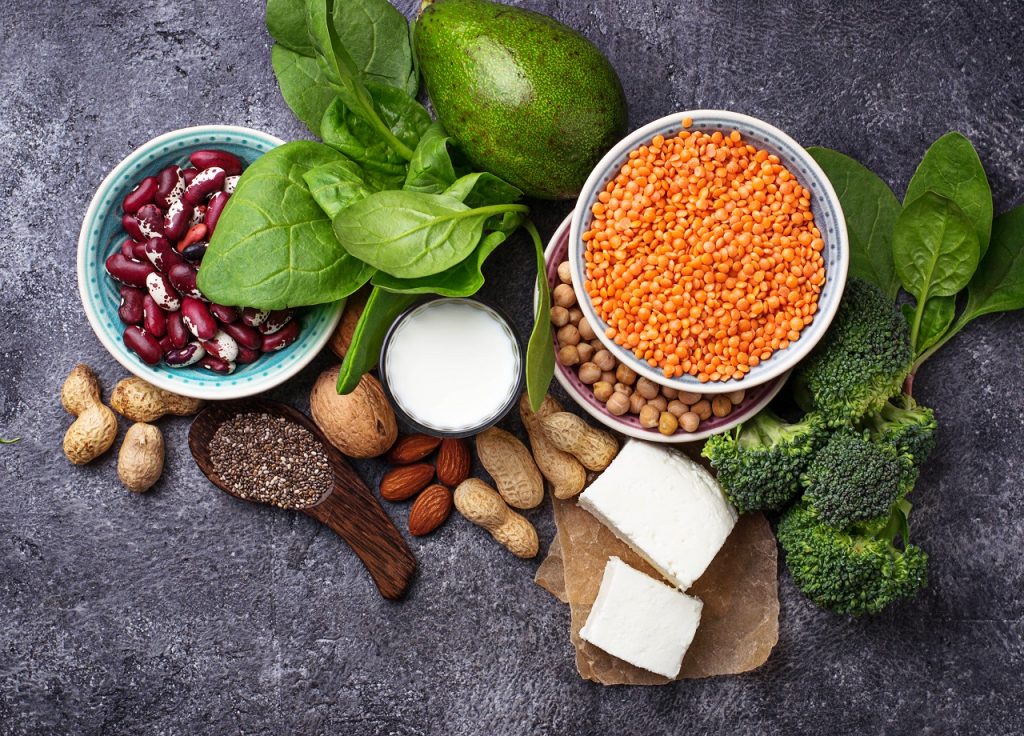
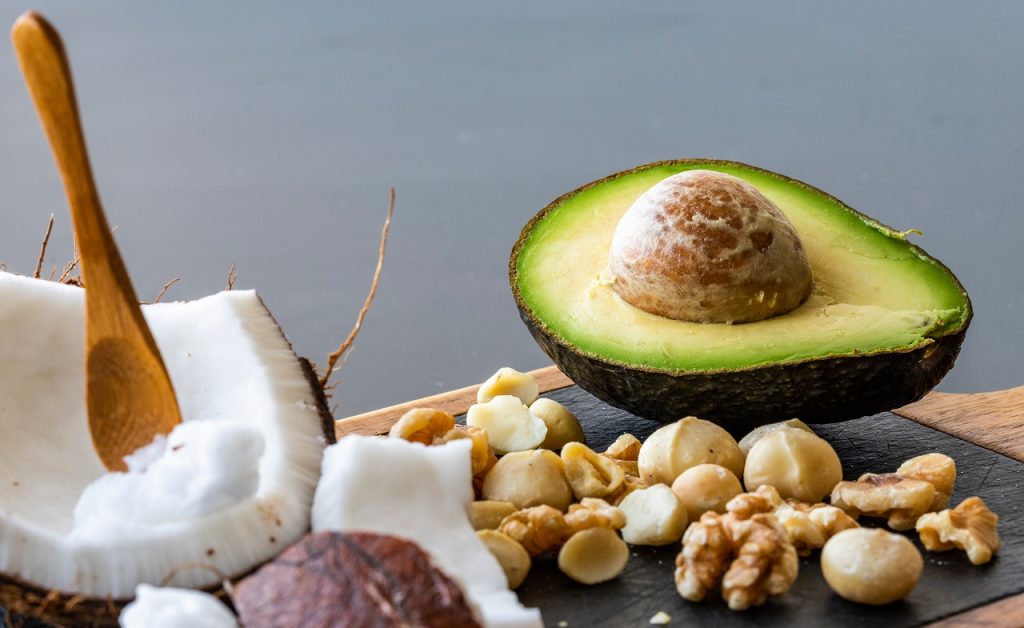
  • Replacing saturated fat with healthy fats such as avocados, nuts and olive oil can reduce insulin resistance and consume lean proteins.
  • Take small frequent meals at regular intervals. Avoid large jumbo-sized meals.
  • Keep a watch on portion size as having too much food can also lead to weight gain and related problems.
  • 1 tsp of overnight soaked Fenugreek seeds or Fenugreek powder should be consumed every day in the morning or can be added with food.
  • Consume more complex carbohydrates than simple sugars as they breakdown and release glucose slowly in the bloodstream.
  • Fiber rich food like whole fruits, whole cereals, whole pulses, salads, sprouts, and green leafy vegetables to be added to the daily diet. Be sure to pick whole fruits over juices.
  • Avoid prepackaged, processed and sugar sweetened beverages completely.
  • Recent study shows consumption of Moringa Leaves, fruits, seeds or powder lowers Blood Sugar levels which in turn helps in reducing Cardiovascular Diseases. Roots of Moringa are to be avoided because of the toxic content.
  • Glycemic Index (GI) of foods is important in deciding whether to include them in the diet or not. Low GI foods are to be consumed to maintain blood glucose levels.

Food Selection As Per Glycemic Index

Food Groups Foods With Low GI

(Permitted in prescribed amount)

Foods With High GI

(To be restricted)

Cereals Whole wheat flour, wheat bran, Pearl Millet (bajra), Sorghum (jowar), oats, Finger Millet (ragi), Cracked Wheat (dalia), brown rice, barley, whole wheat pasta, multigrain & whole wheat bread. Polished rice, white bread, Sago, All purpose flour, noodles, pasta, corn flakes, puffed rice.
Pulses All pulses can be consumed moderately. –
Vegetables Green leafy vegetables, tomatoes, cucumber, radish, cauliflower, broccoli, cabbage, mushroom, onion, green beans, carrot, green peas, capsicum, gourds, etc. Potato, Beetroot, sweet potato, yam, pumpkin, colocasia (arbi).
Fruits Apple, guava, orange, sweet lime, peach, papaya, pineapple, pomegranate, muskmelon etc. Dates, watermelon, plum, grapes, banana, sapodilla, mango, custard apple, canned fruits.
Nuts & oil seeds All nuts & oil seeds can be consumed but in moderate proportion. –
Milk & milk products Skim milk, cow’s milk, curd, buttermilk. Buffalo milk, full fat milk, cheese, cream.
Fats & oils MUFA-PUFA-SFA in the ratio 1:1:1 to be consumed but not more than 4 tsp/day.

MUFA- groundnut, mustard, linseed, olive, rice bran oil

PUFA- sunflower, safflower, soyabean, corn oil

SFA- Clarified Butter (ghee), butter, coconut oil

Hydrogenated Vegetable Oil (Vanaspati), Margarine, Mayonnaise.
Sugars – Sugar, honey, jaggery, sugarcane.
Snacks & desserts Roasted bengal gram (chana), makhana, popcorn (low fat), American corn, air fry snacks, steamed snacks. Ice cream, cold drink, pastries, patties, waffles, doughnuts, potato wafers, muffins, all fried and baked items

Diabetes is a disease which can be controlled if we are fully aware of its complications and by following strict dietary and lifestyle protocol. Our priority should be to monitor blood glucose, blood pressure and cholesterol levels and ensure they are in control on a periodic basis to avoid complications in the future.

We hope this article helps you make a shift to a healthier lifestyle and manage diabetes effectively! Leave your thoughts in the comments below! For more articles on managing Diabetes, check out Healthy Reads.

For further guidance and motivation by certified experts, join the GOQii Diabetes Care program. It’s India’s only diabetes program that is driven by Smart Science and Personal Coaching to improve Fasting Blood Sugar (FBS), Postprandial Blood Sugar (PP), and reduce HbA1c levels. You can subscribe here.

#BeTheForce

November 13, 2024 By Dr. Viral Thakkar 3 Comments

Sleep Well Without Electronics

Sleep Well Without ElectronicsI am not here to quote articles to tell you that radiation from electronics wrecks sleep. I am here to tell you that it really does. Period. And for the current generation, it is a bad scenario!

Why Should You Believe Me?

Well, after reading this article, put off your WiFi, network and call connection for 2 hours before going to bed. Try and gauge the quality of your sleep. Ask yourself, if you slept deep or if you were disturbed during bedtime? It’s tried and tested, you sleep much deeper and better.

Using TVs, tablets, smartphones, laptops or other electronic devices before bed delays the body’s internal clock & might suppress the release of melatonin which induces sleep.

Radiation from mobile phones delays reduces sleep and causes headaches and confusion. The “glow” from electronics is at work against quality shut-eye. The small amounts of light from these devices pass through the retina into a part of the hypothalamus (the area of the brain that controls several sleep activities) and delay the release of the sleep-inducing hormone, melatonin.

Many of us are into binge-watching television shows. Research shows that those who are identified as binge-watchers report more fatigue, symptoms of insomnia, poorer sleep quality and greater alertness prior going to bed. Further analysis found that binge-watchers had a 98% higher likelihood of having poor sleep quality compared to those who did not consider themselves to be binge-watchers.

Gaming is the worst of all for all age groups. Video games appeared to contribute to sleep problems as well, even if the kids watched or played them during the daytime. Activities like TV, gaming, etc. gets you excited, and in many cases, you end up sleeping late, with disturbed sleeping patterns. In case you’re in your 20s and 30s and manage to sleep well with this scenario, my suggestion is to stop now. TV and computer monitors can keep melatonin levels from rising normally because of the brightness of the screens. Around bedtime, adults and the young should be winding down.

 Why Should Anyone Bother About Good Quality Sleep?

Sleep is important because it enables the body to repair, be fit and ready for another day. Getting adequate rest may also help prevent excess weight gain, heart disease, and increased illness duration. It is extremely essential part of healing well. 

Am I suggesting that we all stop using electronics? Hell No! However, you can do the following

  1. Put your WiFi off 4-5 hours before sleeping
  2. Try to decrease and eventually stop using all electronic items 4-5 hours before bed. Get back to the landline maybe!
  3. Gaming & play outside the house is a YES, and on the phone is a NO for all age groups
  4. Read a book, a newspaper or chat up with friends
  5. Meditating is one of the best options before bed as it induces your healing process and recuperates your body, mind and emotions.

If you really want to experience perfect sleep try to be away from technology for those 6 to 8 hours so you spend 16-18 hours of the other part of the day where you really need it!

We hope this article helps you sleep well. Do leave your thoughts in the comments below! For more on sleep, check out Healthy Reads or ask a GOQii Coach directly by subscribing for Personalized Health Coaching here.

#BeTheForce

Disclaimer: The information provided in this blog is for general awareness and educational purposes only. It is not intended to replace professional medical advice, diagnosis, or treatment. Always consult a qualified healthcare provider for personalised medical guidance or concerns related to your health.

November 5, 2024 By Madhu Soni 7 Comments

Easy Hacks To Control Hunger Pangs

control hunger pangs

Hunger is an important signal that should not be ignored, but how often have you felt that this is a genuine one? Although growling and gurgling in the stomach are real signals to watch out for, here are some simple and effective hacks to control hunger pangs.

Effective Ways To Control Hunger Pangs

  1. Chew Well: This advice has probably been repeated several times since childhood but is often ignored. Mindful eating begins by sniffing the aroma and savoring every bite. When we chew the food properly, the flavors linger in the mouth, bringing about a satiety value and a feeling of fullness. This helps curb binge eating.
  2. Stay Hydrated: Quite often, our body signals hydration, but we end up eating instead. Getting confused between thirst and hunger is very common. Drinking water from earthen pots quenches thirst more effectively than refrigerated water. You can add lemon water and buttermilk to your diet. Summer coolants like aam panna and kokum sherbet are also great.
  3. Adequate Protein: If, despite eating breakfast, you find yourself eagerly waiting for lunch, you may need to look at the protein content in your diet. Research has shown that adequate amounts of protein help keep you full for a longer period. Ghrelin, an appetite-stimulating hormone that signals you to eat, is lower with high-protein intake.
  4. Soup: is a great rescue from the immense hunger pangs, especially in the evening. The high water content, along with fiber from the veggies, helps control hunger. Having a warm soup surprisingly reduces the appetite. Stick to broth-based soups rather than creamy ones.
  5. Spice It Up: Major Hunger pangs occur due to bland and unsatisfying food. Adding a few spices not only curbs your appetite but aids digestion. Spicy food is known to increase satiety. A simple salad can become interesting if you add a dash of lemon, sprinkle some chaat masala, or throw in some mint dip!
  6. Healthy Snacking: What you eat when hungry during odd hours plays an important role in controlling hunger pangs. Having a small mid-meal snack is good, but watch out for the quantity and quality. Seasonal fruits will keep you full and healthy. Nuts and seeds, being rich in proteins, are good as well. 
  7. Limit Excessive Sugar: There is a direct link between sugar consumption and increased hunger pangs. Besides keeping a check on high-sugar food intake, watch for hidden sugars in food labels. Opt for natural sugar sources like jaggery, dry fruits and fresh fruits.
  8. Exercise: Many people believe that exercise increases appetite. However, with regular aerobic exercise, appetite actually decreases
  9. Sleep: Lack of sleep can impact our eating patterns. Inadequate sleep leads to low energy levels. To compensate for this, we often choose sugary foods, leading to a cycle of empty calories and overeating.

And that’s it! Follow these hacks to control hunger pangs. If, despite these tips, you still feel ravenous, consider consulting a doctor. Check out other articles for healthy recipes and more topics on hunger, food, nutrition and health. For further information or guidance, reach out to our certified experts by subscribing to GOQii’s Personalised Health Coaching here.

#BeTheForce! 

  • « Previous Page
  • 1
  • …
  • 44
  • 45
  • 46
  • 47
  • 48
  • …
  • 265
  • Next Page »

Search

Recent Posts

  • Best Foods To Alleviate Irritable Bowel Syndrome
  • ALL ABOUT VERTIGO!
  • PCOS and Anxiety: Discover Relief with the 54321 Technique
  • Navigating the Maze of Nutrition: Finding Clarity Amidst Confusion
  • Get children active and keep them healthy

Stay Updated

Archives

  • December 2025 (6)
  • November 2025 (15)
  • October 2025 (20)
  • September 2025 (6)
  • August 2025 (6)
  • July 2025 (12)
  • June 2025 (18)
  • May 2025 (16)
  • April 2025 (23)
  • March 2025 (23)
  • February 2025 (22)
  • January 2025 (26)
  • December 2024 (26)
  • November 2024 (25)
  • October 2024 (22)
  • September 2024 (24)
  • August 2024 (31)
  • July 2024 (21)
  • June 2024 (26)
  • May 2024 (31)
  • April 2024 (27)
  • March 2024 (29)
  • February 2024 (26)
  • January 2024 (25)
  • December 2023 (15)
  • November 2023 (11)
  • October 2023 (22)
  • September 2023 (22)
  • August 2023 (20)
  • July 2023 (22)
  • June 2023 (24)
  • May 2023 (24)
  • April 2023 (24)
  • March 2023 (23)
  • February 2023 (20)
  • January 2023 (16)
  • December 2022 (12)
  • November 2022 (15)
  • October 2022 (15)
  • September 2022 (12)
  • August 2022 (10)
  • July 2022 (17)
  • June 2022 (11)
  • May 2022 (10)
  • April 2022 (6)
  • March 2022 (6)
  • February 2022 (13)
  • January 2022 (12)
  • December 2021 (7)
  • November 2021 (3)
  • October 2021 (6)
  • September 2021 (3)
  • August 2021 (8)
  • July 2021 (7)
  • June 2021 (15)
  • May 2021 (16)
  • April 2021 (10)
  • March 2021 (7)
  • February 2021 (4)
  • January 2021 (4)
  • December 2020 (3)
  • November 2020 (4)
  • October 2020 (10)
  • September 2020 (3)
  • August 2020 (3)
  • July 2020 (2)
  • June 2020 (4)
  • May 2020 (10)
  • April 2020 (12)
  • March 2020 (10)
  • February 2020 (4)
  • January 2020 (4)
  • December 2019 (3)
  • November 2019 (7)
  • October 2019 (5)
  • September 2019 (4)
  • August 2019 (9)
  • July 2019 (9)
  • June 2019 (11)
  • May 2019 (4)
  • April 2019 (9)
  • March 2019 (8)
  • February 2019 (9)
  • January 2019 (8)
  • December 2018 (9)
  • November 2018 (3)
  • October 2018 (3)
  • September 2018 (5)
  • August 2018 (10)
  • July 2018 (6)
  • June 2018 (13)
  • May 2018 (8)
  • April 2018 (18)
  • March 2018 (9)
  • February 2018 (8)
  • January 2018 (15)
  • December 2017 (12)
  • November 2017 (19)
  • October 2017 (13)
  • September 2017 (15)
  • August 2017 (4)
  • July 2017 (8)
  • June 2017 (7)
  • May 2017 (6)
  • April 2017 (8)
  • March 2017 (6)
  • February 2017 (7)
  • January 2017 (9)
  • December 2016 (10)
  • November 2016 (7)
  • October 2016 (7)
  • September 2016 (7)
  • August 2016 (11)
  • July 2016 (9)
  • June 2016 (9)
  • May 2016 (12)
  • April 2016 (17)
  • March 2016 (17)
  • February 2016 (8)
  • January 2016 (6)
  • December 2015 (2)
  • November 2015 (9)
  • October 2015 (7)
  • September 2015 (9)
  • August 2015 (11)
  • July 2015 (9)
  • June 2015 (12)
  • May 2015 (9)
  • April 2015 (13)
  • March 2015 (8)
  • February 2015 (5)
  • January 2015 (12)
  • December 2014 (14)
  • November 2014 (11)
  • October 2014 (6)
  • September 2014 (13)
  • August 2014 (12)
  • July 2014 (6)
  • June 2014 (2)
  • May 2014 (7)
  • April 2014 (5)

From “Laddu Nawin” to Fit and Fierce: How a 25-Year-Old Insurance Advisor Shed 20 Kilos and Gained His Life Back

When 25-year-old Nawin Yadav from Hyderabad walked into his office every morning, he carried more than just his files and policy papers. He had the weight of fatigue, sluggish energy, and an ever-growing belly that was becoming the butt of jokes. “People … [Read More...]

“I’ve Challenged Myself to Live 100 Years” – The Story of Chandubhai Savani’s Second Chance at Life

At 67, most people start slowing down. Not Chandubhai Savani. A resident of Surat, Chandubhai, thought life was on track. “My life was going well till I had my bypass surgery,” he says. That surgery, back in 2021, was a wake-up call.  Medication was routine, but exercise wasn’t. His diet? What he calls ‘normal.’ “I […]

From Shimla’s Slopes to Chandigarh’s Sidewalks: Surinder Kaur Bhalla’s Journey from Chaos to Control

Some journeys start with a plan. Others begin with a stumble literally. Surinder Bhalla, a government professional, born and raised in the scenic hill town of Shimla, had always lived a life of movement. “In Shimla, you walked everywhere,” she reflects. “Walking was never an exercise. It was just life.” But after shifting to Chandigarh, […]

Ananda Mukherjee Health Story

From Terminal Illness To Complete Wellness! Ananda Mukherjee Health Story

As we observe World Cancer Day under the powerful theme ‘United by Unique’ (2025-2027)**, we are reminded that every individual’s journey with cancer is distinct, yet united by shared resilience, hope, and the collective fight against this disease. This theme places people at the centre of care and their stories at the heart of the […]

  • HOME
  • HEALTHY LIVING
  • FITNESS
  • HEALTHY RECIPES
  • USER STORIES
  • KARMA
  • BUY GOQii

Copyright ©2016 GOQii