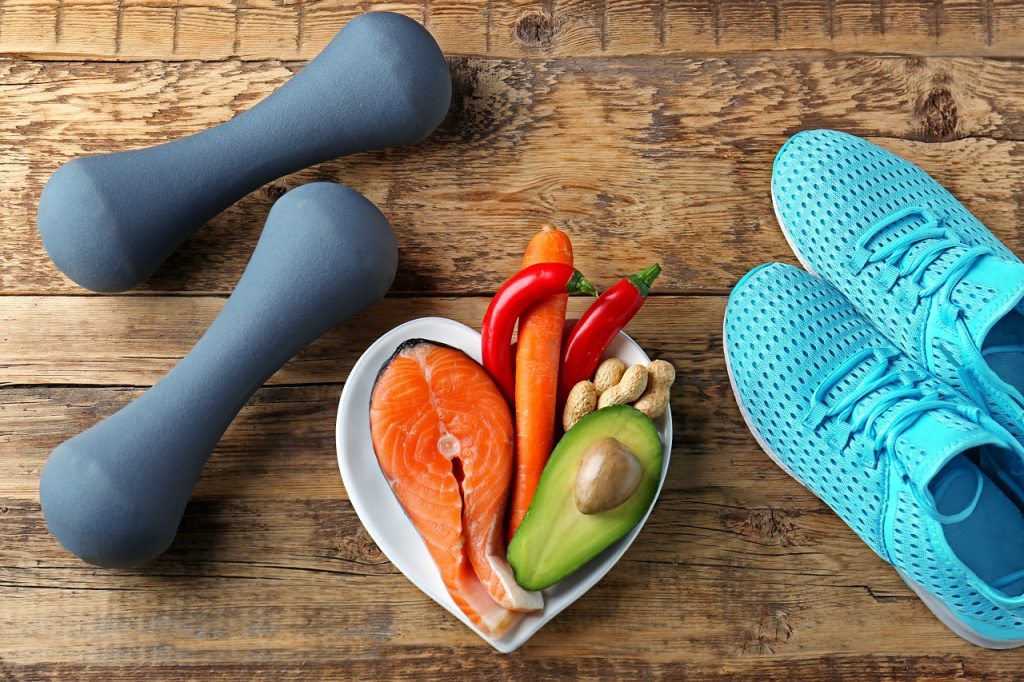
 As a lifestyle coach and weight management expert, I often meet individuals who find themselves stuck on their weight loss journey. In a previous article, I shared insights on 11 Unhealthy Habits That Are Destroying Your Health. Today, let’s focus on what you can do. With small, consistent changes to your daily routine, weight loss becomes more sustainable and far less overwhelming.
Here are 11 simple habits that can help you take control of your health and shed excess weight-without drastic measures.
11 Habits For a Healthier You
- Read Food Labels: Understanding nutrition labels empowers you to make better food choices. This is especially important if you’re managing conditions such as diabetes, high blood pressure, or high cholesterol. Look at the ingredients list – the greatest quantities are listed first. So, if sugar or corn syrup appears near the top, it’s best to steer clear.
- Maintain a Food Journal: Still not seeing results? Start logging your meals. A food journal helps you identify patterns and track where excess calories may be sneaking in. It’s an excellent self-awareness tool that puts you back in charge of your choices.
- Begin Your Day With Protein: We can’t emphasise this enough – don’t skip breakfast! A high-protein breakfast stabilises blood sugar, curbs mid-morning cravings, and jump-starts your metabolism. Think Greek yoghurt, eggs, oats, cottage cheese, or a handful of nuts and seeds.
- Eat Slow and Chew More: Digestion begins in the mouth. Eating too quickly can lead to overeating. Chewing your food properly and taking your time allows you to feel full with less, while also improving nutrient absorption.
- Let Dinner Be Your Final Meal: Late-night snacking often stems from boredom or emotional triggers rather than hunger. If you truly need something after dinner, opt for light, high-fibre snacks like air-popped popcorn, hummus with veg sticks, or a small portion of unsweetened yoghurt. Otherwise, aim to make dinner your last meal of the day.
- Don’t Skip Meals: Skipping meals can slow your metabolism and lead to poor food choices later in the day. Regular meals support muscle maintenance, bone health, and immune function. When you under-eat, fatigue, hair loss, and low immunity can follow.
- Avoid Screens While Eating: Watching TV or using your phone while eating can distract you from recognising fullness cues. Mindful eating allows you to enjoy your food more, make healthier decisions, and prevent overeating.
- Use Smaller Plates: Visual cues influence our appetite. Using smaller plates encourages portion control, while larger plates often trick the brain into thinking you need more food than necessary. When dining out, ask for a half portion or share your meal – your waistline will thank you.
- Aim For 8 Hours of Sleep: Sleep deprivation leads to higher calorie consumption and poor food decisions. Prioritise 7-9 hours of quality sleep. Without it, planning meals, exercising and resisting cravings becomes harder. A consistent sleep routine supports long-term weight management.
- Stay Hydrated: Drinking enough water helps flush toxins, reduce cravings, and promote a feeling of fullness. Aim for 2-3 litres a day, adjusting for weather and activity level. Often, what we interpret as hunger is actually thirst.
- Move More: Daily movement is just as important as planned workouts. Walking, cycling, taking the stairs, or dancing in your kitchen-all count. Physical activity not only burns calories, but also boosts metabolism, improves strength, and supports mental wellbeing.
Weight loss doesn’t require extreme dieting or intense workouts. By adopting these small yet impactful habits, you can build a healthier, more sustainable lifestyle. Want support along the way? Explore more articles on Healthy Reads or chat with a certified GOQii Health Coach by subscribing to personalised coaching here.
#BeTheForce
Disclaimer: The information provided in this blog is for general awareness and educational purposes only. It is not intended to replace professional medical advice, diagnosis, or treatment. Always consult a qualified healthcare provider for personalised medical guidance or concerns related to your health. Images shown are for representation purposes only and may not depict the exact recommendations or outcomes.
 Has your scale been stuck at the same number? No matter how hard you try, it doesn’t budge? Staying motivated becomes difficult when you’re eating healthy, exercising regularly, and still not seeing results. There may be several hidden factors working against your weight loss journey. Let’s explore them.
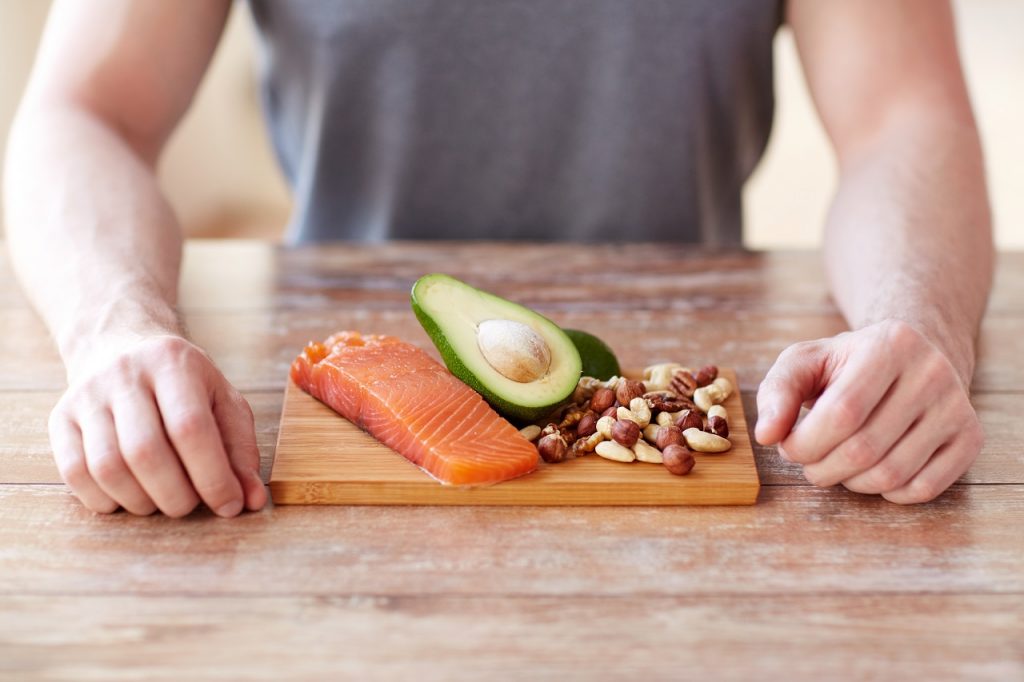 You’ve been exercising, eating in measured quantities, counting your calorie intake, controlling cravings, and drinking plenty of water. Yet, even after 5–6 weeks of doing everything right, the scale refuses to budge. You start to wonder—could it be your food choices? Quite possibly. But don’t worry—try these fat-burning foods which may boost your metabolism and support your weight loss journey.


