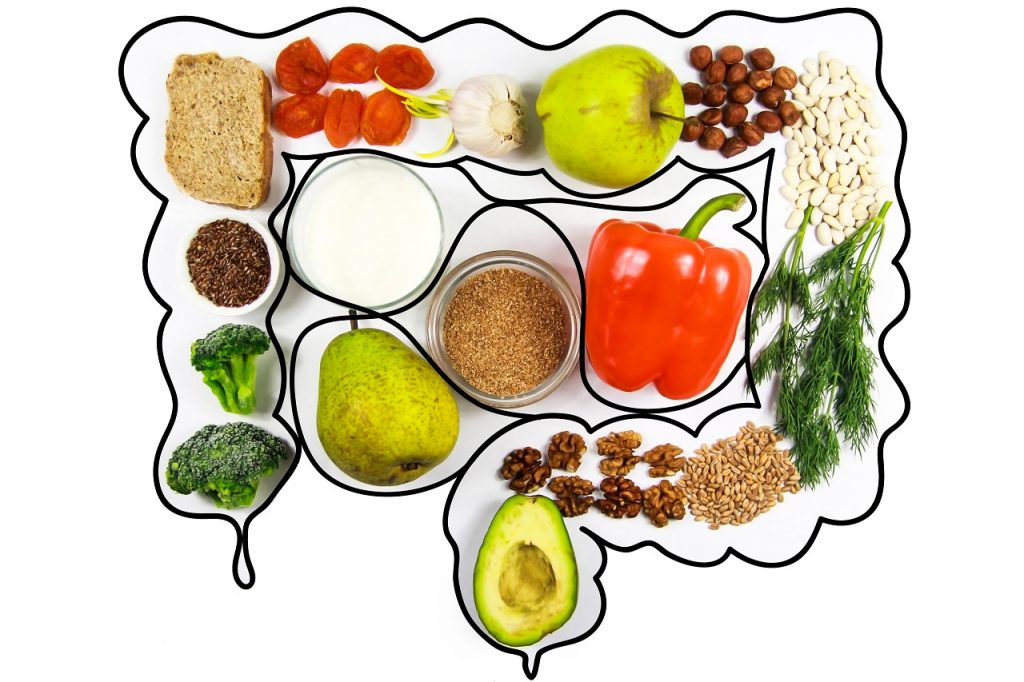
 How often are you worried about that sneaky fat creeping up around your mid-section, a bloated belly after meals or low energy sabotaging your workout? What do all of these have in common? They reflect the direct relationship between sluggish digestion, slow metabolism, and weight gain. Overeating during the holidays and less physical activity means this process can really snowball in the winter.
The Good News!
By increasing digestive efficiency through diet, lifestyle and targeted supplements, we can effectively shed excess fat, boost metabolism and support nearly every other aspect of health in the process.
Good digestion goes beyond the idea that “You are what you eat”.
Digestion is at the very centre of our core health. It lays the foundation for health, happiness, and wellbeing. We now have greater insight into the many roles digestion plays in immunity, hormone balance and even mental and emotional health.
Traditional healing systems, especially those from Asia, have long recognised these relationships. In fact, many Eastern medical systems treat nearly every condition by first addressing the digestive system. Often, when we optimise it, everything else falls into place – especially the bathroom scale.
Herbs & Supplements For Digestion
The relationship between herbs and supplements is clear – many nutrients and herbs that support digestion also boost metabolism. They do this by promoting mitochondrial function while improving the breakdown and absorption of nutrients.
Some digestive-supporting herbs and ingredients also increase enzyme activity, improve circulation, and help soothe inflammation in the digestive tract and beyond.
Black Pepper & Other Spices
Pungent culinary herbs and spices have long been recognised as digestive aids. Their strong aromas and spicy flavours stimulate the production of digestive enzymes for better food breakdown. They also bring warmth and circulation to the system, helping to reduce stagnation.
Their antimicrobial properties help maintain a healthy digestive environment. Researchers now confirm that these long-cherished spices also support healthy weight. For example, black pepper, known for aiding digestion, has been found to block the formation of fat cells at a genetic level – helping to manage weight. It’s often paired with curcumin (from turmeric) to further support metabolism and fat burning.
Probiotics
Another key factor in digestive health is probiotics. These friendly bacteria have evolved with us and offer countless benefits — especially for digestion. New research continues to uncover their broader role in health.
Around the world, fermented probiotic foods such as sauerkraut, kimchi and miso have been consumed for their health benefits. In the UK, kefir, live yoghurt (unsweetened), and kombucha are increasingly popular options.
Probiotics help break down food into usable nutrients, manage inflammation, support immunity, and produce digestive enzymes. A specific probiotic strain — Lactobacillus gasseri — has even been shown to reduce visceral fat by up to 9% over three months.
Cinnamon, Cardamom, Turmeric (Curcumin) & Ginger
These spices have long been used in traditional medicine to support digestion, metabolism, and reduce inflammation. In Asian systems, ginger is commonly used for stomach discomfort and is generally safe in small amounts (1–3 grams daily).
These herbs help warm the digestive system, ease occasional discomfort, and enhance nutrient absorption.
Stress, Exercise & Eating Habits
Because digestion and metabolism are connected to other body systems, a holistic approach is key for healthy weight management. Stress can severely disrupt both digestion and metabolism.
Mind-body practices like yoga, Tai Chi, or regular meditation can reduce inflammation, boost energy, and improve digestive efficiency. In fact, any consistent physical activity contributes to better digestion.
Our mothers were right — don’t skip breakfast. Doing so can disrupt metabolism and trigger fat storage.
Chew Slowly
Chewing food thoroughly and eating at a relaxed pace supports digestion and weight in two ways. First, it helps break food down more effectively, improving nutrient absorption. Second, it allows time for satiety signals to register — preventing overeating.
The Bottom Line
Whether you eat to live or live to eat, better digestion brings ripple effects across all aspects of health – not just weight. Improved energy, reduced bloating, less water retention, more regular elimination, and a general sense of wellbeing are among the first signs that your digestion is on track.
If this article helped you, let us know your thoughts in the comments below! Find more articles on weight loss here or get these tips directly from a GOQii Coach by subscribing to Personalised Health Coaching here.
#BeTheForce
Disclaimer: The information provided in this blog is for general awareness and educational purposes only. It is not intended to replace professional medical advice, diagnosis, or treatment. Always consult a qualified healthcare provider for personalised medical guidance or concerns related to your health. Images shown are for representation purposes only and may not depict the exact recommendations or outcomes.
 Are you struggling to lose weight? Have you tried everything from fad diets to exercise routines and health clubs but found no lasting results? Perhaps you’ve even regained the kilos as quickly as you lost them. So, when it comes to weight loss—what actually works?
 A Science-Based Shift from Shame to Strength