GOQii

Blog

  • HOME
  • HEALTHY LIVING
  • FITNESS
  • HEALTHY RECIPES
  • USER STORIES
  • KARMA
  • BUY GOQii

Search Results for: tea

October 30, 2018 By Richa Athavale 22 Comments

How to include proteins to your Breakfast?

179739-curd

All of us are well aware that breakfast is the first important meal of the day. The second most important thing is to have frequent meals to keep our metabolism high. Our body goes into the rest mode for almost 8 to 10 hours after dinner when we are sleeping through the night. Hence, it becomes essential to eat a good, balanced meal which has the right proportion of carbohydrates, protein, fats, vitamins, minerals, fibres, anti- oxidants etc.in the morning. More often than not it is a difficult task to incorporate all these nutrients in the morning breakfast due to our rush to get to work.But, one can always try to incorporate as many nutrients as we can out of the above if not all.

It is advised to include proteins in every meal. The inclusion of proteins to your breakfast becomes a challenging task especially if you are a vegetarian. Lacto- Ovo vegetarian breakfast can easily get proteins through the milk and eggs. The tough task is for vegetarians and vegans (those who limit dairy products).

Common Indian breakfast items are Poha (cooked Puffed Rice with some veggies), flat breadsUpma, Idli and Dosa (steamed Rice pancakes), flatbreads(Chaapti), Rice, Porridgeetc. Today, I am going to tell you how we add proteins in our 1st meal of the day – breakfast.

Whenever we have options like steamed rice pancakes (Idlisambhar) or bread omelette we’re obviously getting proteins from the dish.  When we have options like Cooked Puff Rice, Upma, rice, cooked Wheat Flat breads (Chappati)  etc. without any side dish we need to add some proteins to it.

Here are few items which you can add:

  1. Peanuts/ Groundnuts: A humble source of proteins and MUFA (mono unsaturated fatty acids) will add to proteins in breakfast. We can use in different forms as peanut butter, chutney etc. spread it on your bread or chapatti. Excellent to be added in pre workout meal.
  • 100 g of Dry roasted peanuts will give 24-26 g of proteins.
  1. Roasted Chana: Simple, easily available and can be stored. Just add a handful of black (Kabuli)or brown Chana to your plate or have it on the go post breakfast. If you couple it up with peanuts it will be even better.
  1. Mixed Sprouts: This one will need some preparation. Soak the sprouts for 6-8 hours, then drain the water and tie in the cloth for sprouts to come. Add handful of it either raw or steamed. Raw will give you good enzymes as compared to cooked ones. Whereas steamed will be easier to digest. Following are the rough values for sprouted and steamed sprouts.
  • Moong/ Green gram 2-3 g
  • Matki/ Moth bean 8 g
  • Chana/ Chick peas 9 g
  1. Green peas: It is very to incorporate peas in any dish. Add it to your upma, poha, rice liberally. They will taste good as well as increase the protein value. Its green colour also add to the visual effect.
  • 100 g of fresh green peas contain 5 g of protein
  1. Nuts like (almond, walnut, cashew nut): Again a very handy option. Just adding them to your bowl of breakfast is very easy. They are rich in minerals like calcium, good fats like MUFA, omega 3 fatty acids. Don’t forget to soak and peel almond to avoid anti nutritional factors in the peel.
  • Almond 21.2 g
  • Walnut 15.2 g
  1. Sesame, flax, sunflower, pumpkin seeds: Dry roasted seeds can serve as a protein quotient of the meal. You can easily stock it in cool and dry place. You can have them as it is or grind to make into chutney. Dips like tahini can be made from sesame seeds.
  1. Milk: You can just add a glass of milk to complete the protein quota of the meal. It goes well with roti, chapati, bread, cereals etc. It is better to go for low fat milk. If having cow’s milk make sure it is Desi cow’s milk. Make sure you’re not having it with salty or savoury as milk and salt is not recommended to have together.1 cup of milk gives you 8 g protein on an average.
  1. Curds/ Yogurt: Add a bowl of curds or yogurt to make your breakfast not only protein rich but yummy. We can mix poha, rice with it to give a better texture and taste. Fruits with yogurt can be another hit option and light still complete meal. 1 cup gives you 10-11 g proteins on an average.
  1. Buttermilk: It is the best bet in summer. Having it post breakfast will help in digestion. It has good water content and therefore it will not be a concentrated source. Unlike milk it can be coupled with salty and savoury options as well.
  1. Cheese: I am yet to come across a person who doesn’t like cheese unless of course you are a vegan. We can add it with breads, chapatti, pancakes etc. You can use different varieties like cheese spread, cubes, and slices or just grate some cheese on your dish. People who are targeting weight gain can have it on regular basis. Those who are trying to lose weight should limit it once or twice in a week. 100 g will give approx. 20 g of proteins.

September 8, 2018 By Anusha Subramanian 1 Comment

IT’S NEVER TOO LATE TO MAKE YOUR DREAMS COME TRUE

We are all at some point in life restricted by many emotional barricades. They stop us from progressing further in life and affect’s your morale drastically. Shripavan’s tells a story similar to that and he has successfully ended it by proving that it’s never too late to achieve what you want in life.

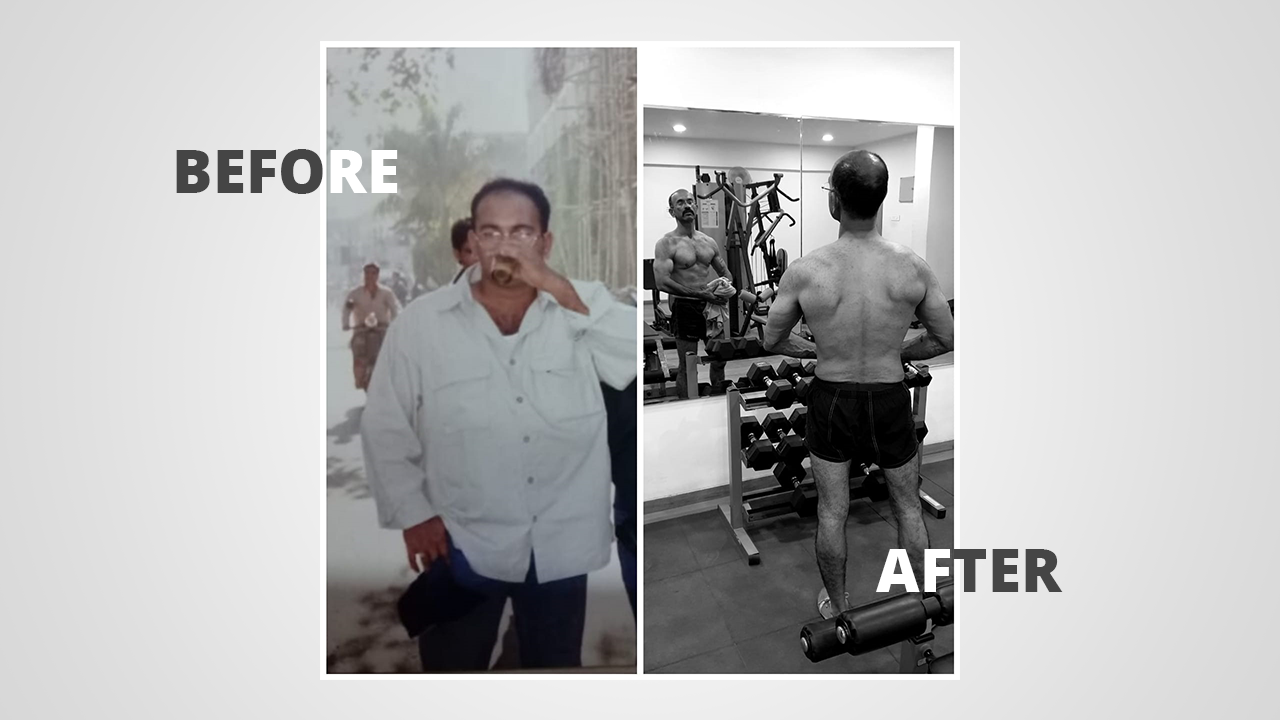
Shripavan Radhakrishnan (23) led a lifestyle which most would define as an unhealthy one. Since childhood, he has been an avid foodie who was extremely fond of chocolates, ice creams, and other dairy products. Not surprising at all, who doesn’t like chocolates and ice cream right? We feel you Shri. The problem occurred when he carried his childhood eating habits to the later years of his life. By the time he was in college, Shri had an unfortunate gift which most foodies carry around, a pot belly.

BEFORE/AFTER

Before/After

Weighing about 72 kgs with a waistline of 36 inches, Shri was totally uncomfortable in his skin. This might not sound like an extreme situation but who are we to define that? The only thing that mattered was how much it was affecting him emotionally and the results were drastic. He was constantly made fun of in college because of his physique and this put forth many barriers for him to move forward confidently. Taking the health aspect into consideration, Shri was dealing with vomiting and diarrhea on a daily basis.

Nothing changed until Shripavan became an employee and started working for a private organization. This is when he was first introduced to GOQii by a colleague, in April 2018.  Shri was immediately impressed by the cause GOQii stood for. He further researched the brand and soon ordered a GOQii band for himself. He has been a GOQii player for the past three months and the changes have turned his life around.

When asked about his experience with GOQii this is what he had to say:

“I joined the GOQii team about 4 months ago, my colleague/friend Ranjith is the one who introduced me to this amazing platform and I still thank him for it. He explained to me how the band works and how it helps you track your daily activities and eating habits. I soon ordered one for myself.

Looking back in time, I’ve had many unpleasant experiences because of my physique. I remember a time when I used to look at myself in the mirror and constantly criticize myself for my habits. Ah! Those were indeed the dark days. I weighed about 72 kgs and my waistline was 36 inches. My health was also going down the drain, literally! I was forced to accept Vomiting and Diarrhoea as a part of my life, that’s how bad it was.

Now, my life as a GOQii player has been somewhat different. With the help of my coach Hima Gupta, who has been a powerhouse of motivation for me, we addressed problems at the very basic level and to my surprise, this made a big difference in my life. Today, I’ve brought down my weight to 62 kgs, losing nearly 10 kgs and my waistline is 32 inches which were about 36 earlier. From my diet to exercise everything was specially designed to extract the best out of me to bring out the best in me. I reduced my sugar intake and started working out regularly. Various types of planks, crunches and cycling exercises were the major components of my workout. The karma point system served as a major incentive during the course of my journey, it felt good to know that every time I exerted the best of myself out there, I was also supporting a cause for the greater good of the society.

GOQii arena was another platform that made this entire journey much more fun, meeting like-minded people who share the same interests as you do was truly an amazing experience.

My hard work has paid and I have managed to get my body back in shape and my coach deserves the greater portion of the credits. She has been so patient with me the entire time, providing me with the support in times of need. I regularly record everything I eat into the food log and hope to continue on this path of a healthy living.”

Coach Hima was very enthusiastic to talk about her player.

“Shripavan has been really cooperating and full of spirit from the very beginning. He was excited to try new things in his workout and never complained. His major goal was to shed some inches around his belly and to make this possible we started slow, with brisk walking and planks. We also focused on his daily meals and infused more healthy food items into it. This helped him a lot with his metabolism and once he was used to this routine, I also added detox drinks and some core workouts into his regime, which he followed diligently. His dedication and high spirits helped him achieve his goals in a remarkable time. I’m really happy to see his progress and proud to be his Coach. I wish him all the best in life” she added.

August 29, 2018 By Divya Thampi 2 Comments

Empowering Ourselves Against Hopelessness – I

What makes life meaningful?

Divya blog image 1-part 1

News about a school child who just called it quits or a financially troubled couple who decided to give it all up or then a 70-year old who reached the dismal decision to end her life seems to be commonplace these days. It doesn’t surprise us anymore to know that yet another person has resorted to suicide. The ever-increasing number of deaths due to suicide is not just alarming and confounding but also calls for immediate action from individuals, families, organisations and societies at large because it is starting to look like we as a society has lost our moorings.

So what drives people to the brink of such hopelessness? Why do people conclude that only death can save them from their misery? The reasons expressed by the people, before they take this step, are hugely varied; from not scoring high enough marks to feeling like a misfit, to being overcome by a general sense of meaninglessness, the reasons are many. But is there something more fundamental we may be missing? Let’s delve a little deeper…

We know for sure that anyone who decides to end their lives has to be deeply unhappy. Instead of looking at all the reasons why a person may be unhappy, let’s start by looking at what makes people happy. Here, by using the term “happiness” I am not referring to momentary feelings of pleasure but to a sustained sense of well-being despite the challenges that life throws at you.

There are 3 significant contributors to our overall sense of wellbeing and to our feeling of engagement in life. In his book “Drive”, the well-known author Daniel Pink talks about three factors which have a significant impact on an individual’s intrinsic motivation. They are:

  1. Autonomy
  2. Purpose and
  3. Mastery

Divya-Image 2-Part 1

  1. Autonomy – This refers to the freedom to live life on one’s own terms. It is having the ability to make choices as per one’s will (Whether this choice is real or imagined is irrelevant). To understand “Autonomy” better, let’s look at some examples. Autonomy is about the freedom to make significant life choices like what job to take up, whom to marry, where to reside, where to invest one’s money, but it is not limited to these choices. Enjoying the liberty to take day to day and moment to moment decisions like what to wear, what to have for breakfast, whether to exercise or not, how to spend our leisure time etc., goes a long way in establishing our sense of autonomy. The need for autonomy is hardwired in humans and whenever we feel forced to do something against our will, we feel oppressed. This sense of coercion that makes us unhappy may be external or even internal. For instance, when we do things out of a sense of guilt, that feels like a lack of autonomy too and lack of autonomy is one of the most important factors leading to dissatisfaction and unhappiness. Life, of course, doesn’t allow us to live a completely autonomous life because each of us is part of a larger community and compromises are an integral part of community living. However, when we feel that we are largely in charge of our lives, it gives us a sense of satisfaction and happiness, while the lack of it leaves us feeling deeply dissatisfied.
  1. Purpose – When we have a purpose in life we have something to believe in and work towards, which is larger and more important than ourselves. Purpose drives us to persist even in the face of what may seem like an insurmountable challenge and keeps us grounded. When our sense of purpose is strong we often willingly surrender our autonomy and do things we do not enjoy, to progress towards that purpose. Parents may be willing to keep their preferences aside to help move towards their own purpose of helping their child have a better life or an actor may sacrifice opportunities to make money, so as to work towards her purpose of doing great work.

divya-image 3-part 1

  1. Mastery – Mastery is the desire to improve. When we work towards improving a skill through learning and practising, we are working towards mastery. Mastery again requires us to be committed, to overcome obstacles, to practice perseverance and consciously correct our course and practice a skill. For an athlete who is working towards becoming a better runner, her daily improvement gives her a higher sense of fulfilment that does the appreciation and recognition from others. Mastery in itself motivates people to do well and as the mastery in any area of one’s life goes up, it has a knock-on effect on the other parts of their lives and raises their self-esteem. It goes without saying that self-esteem is at the heart of a meaningful and well-lived life.

There’s a fourth aspect which is critical to our happiness, especially when we live as part of a community and that is the connection we have with others.

  1. Relationship with others – A 75 year-long Harvard study on Human happiness, that involved studying the lives of 724 men from the time they were in their early teens up until the time that they reached the ripe old age of 80s and 90s, threw up a very interesting statistic, with regards to happiness. The study established that the single most important factor when it comes to happiness and health is the relationships in our lives. The study found that people who were more socially connected to friends, family and community were happier, physically healthier and lived longer. So, it is not about how many friends you have or whether you are in a committed relationship but about the quality of the close relationships in your life.

As you can see, all these four factors namely Autonomy, Purpose, Mastery and Relationships are interconnected and each has a significant role in contributing to our overall sense of balance and well-being. The absence of any of these factors may foster feelings of oppression, aimlessness, disconnection or a sense of inadequacy or then a combination of all/some of these. These missing pieces leave people feeling like rudderless boats and drive one to take extreme steps to end the feeling of desolation.

(But there is hope and we talk about the steps we can take to live more meaningful lives in Part II of this blog.)


August 22, 2018 By Payal Choudhury Leave a Comment

“Binge Eating”- Its effects on our health

how-to-stop-binge-eating

Nothing Feels as “Good as being healthy!!!”.

We all overeat from time to time—taking an extra helping at an ‘Anniversary or Birthday’ dinner or having dessert when you’re already full. But, for binge eaters, overeating is regular and uncontrollable. We use food to cope with stress and other negative emotions, soon after a while we feel worse for overeating. With the right help and support, one can learn to control their eating and develop a healthy relationship with food.

Eating disorders are associated with a wide range of adverse psychological, physical, and social consequences. A person with an eating disorder may start out just eating smaller or larger amounts of food, but at some point, their urge to eat less or more spirals out of control. Severe distress or concern about body weight or shape, or extreme efforts to manage weight or food intake, also characterizes an eating disorder.

Binge eating disorder (BED) is an eating disorder characterized by binge eating without subsequent purging episodes.

One of the most common reasons for binge eating is an attempt to manage unpleasant emotions such as stress, depression, loneliness, fear, and anxiety. When you have a bad day, it can seem like food is your only friend. Binge eating can temporarily make feelings such as stress, sadness; anxiety, depression, and boredom evaporate into thin air. But, the relief is only very fleeting.

Binge Eating Disorder can be physical, psychological and behavioural. It is possible for someone with Binge Eating Disorder to display a combination of these symptoms.

Physical signs:

  • Feeling tired and not sleeping well

Psychological Signs:

  • Pre-occupation with eating, food, body shape and weight
  • Depression, anxiety or irritability

Behavioural Signs:

  • Increased isolation and withdrawal from activities previously enjoyed
  • Self harm, substance abuse or suicide attempts

Here are the four reasons why we binge?

  1. We skip meals or restrict our calories.
  2. We deprive ourselves of what we really want to eat.
  3. We eat mindlessly to avoid situations.
  4. We turn to food when strong emotions and uncomfortable feelings arise.

Binge eating disorder is characterized by compulsive eating in which people consume huge amounts of food while feeling out of control and powerless to stop. The symptoms of binge eating disorder usually begin in late adolescence or early adulthood, often after a major diet.

Binge eating disorder, as the name implies, is characterized by uncontrollable, excessive eating, followed by feelings of shame and guilt. Unlike those with bulimia, teenagers with binge-eating disorder typically do not purge their food. However, many teenagers who have bulimia also have binge-eating disorder.

Teenagers with binge-eating disorder typically are overweight or obese and most victimized. Teenagers feel like they have no control over their behaviour, and eat in secret and when they are not hungry. Teenagers may hide food. Excessive amounts of food containers and wrappers are also evidence of binging. There are some other signs like

  • Eating in secret
  • “Grazing” continuously without feeling satiated
  • Eating when stressed or when feeling uncertain how to cope
  • Feeling unable to control how much they eat
  • Experimenting with different diets.

Binge eating disorder can be successfully treated in therapy. These therapies helps in teaching us how to fight the compulsion to binge, exchange unhealthy habits for newer healthy ones , monitor our eating and moods, and develop effective stress-busting skills.

Breaking the old pattern of binge eating is hard. This is where the support of others can really come in handy. Family, friends, and therapists can all be part of the support team. We may also find that joining a group for binge eaters is helpful. Sharing one’s experience with other compulsive eaters can go a long way towards reducing the stigma and loneliness one feels.

Binge eating may be comforting for a brief moment, but then reality sets back in, along with regret and self-loathing. Binge eating often leads to weight gain and obesity, which only reinforces compulsive eating. It becomes a vicious cycle: eating to feel better, feeling even worse, and then turning back to food for relief.

  • « Previous Page
  • 1
  • …
  • 150
  • 151
  • 152
  • 153
  • 154
  • …
  • 210
  • Next Page »

Search

Recent Posts

  • 10 Everyday Habits That Could Be Hurting Your Health
  • Why Good Nutrition Matters: Benefits of Healthy Eating for a Healthy Life
  • Monsoon Health Tips: How to Boost Your Immunity During Seasonal Changes
  • Yoga for Healthy Ageing: Simple Practices to Add Life to Your Years
  • Calming Your Mind: Breathing Techniques for ADHD

Stay Updated

Archives

  • June 2026 (22)
  • May 2026 (20)
  • April 2026 (24)
  • March 2026 (18)
  • February 2026 (14)
  • January 2026 (14)
  • December 2025 (19)
  • November 2025 (15)
  • October 2025 (20)
  • September 2025 (6)
  • August 2025 (6)
  • July 2025 (11)
  • June 2025 (18)
  • May 2025 (16)
  • April 2025 (22)
  • March 2025 (27)
  • February 2025 (21)
  • January 2025 (25)
  • December 2024 (22)
  • November 2024 (23)
  • October 2024 (20)
  • September 2024 (23)
  • August 2024 (29)
  • July 2024 (20)
  • June 2024 (25)
  • May 2024 (26)
  • April 2024 (27)
  • March 2024 (27)
  • February 2024 (23)
  • January 2024 (21)
  • December 2023 (14)
  • November 2023 (10)
  • October 2023 (19)
  • September 2023 (22)
  • August 2023 (18)
  • July 2023 (21)
  • June 2023 (23)
  • May 2023 (20)
  • April 2023 (19)
  • March 2023 (23)
  • February 2023 (19)
  • January 2023 (15)
  • December 2022 (11)
  • November 2022 (15)
  • October 2022 (15)
  • September 2022 (12)
  • August 2022 (10)
  • July 2022 (17)
  • June 2022 (11)
  • May 2022 (10)
  • April 2022 (6)
  • March 2022 (6)
  • February 2022 (13)
  • January 2022 (11)
  • December 2021 (7)
  • November 2021 (3)
  • October 2021 (6)
  • September 2021 (3)
  • August 2021 (8)
  • July 2021 (7)
  • June 2021 (15)
  • May 2021 (16)
  • April 2021 (10)
  • March 2021 (7)
  • February 2021 (4)
  • January 2021 (4)
  • December 2020 (3)
  • November 2020 (4)
  • October 2020 (10)
  • September 2020 (3)
  • August 2020 (3)
  • July 2020 (2)
  • June 2020 (4)
  • May 2020 (10)
  • April 2020 (12)
  • March 2020 (10)
  • February 2020 (4)
  • January 2020 (4)
  • December 2019 (3)
  • November 2019 (7)
  • October 2019 (5)
  • September 2019 (4)
  • August 2019 (9)
  • July 2019 (9)
  • June 2019 (11)
  • May 2019 (4)
  • April 2019 (8)
  • March 2019 (8)
  • February 2019 (9)
  • January 2019 (8)
  • December 2018 (9)
  • November 2018 (3)
  • October 2018 (3)
  • September 2018 (5)
  • August 2018 (10)
  • July 2018 (6)
  • June 2018 (13)
  • May 2018 (8)
  • April 2018 (18)
  • March 2018 (9)
  • February 2018 (8)
  • January 2018 (15)
  • December 2017 (12)
  • November 2017 (19)
  • October 2017 (13)
  • September 2017 (15)
  • August 2017 (4)
  • July 2017 (8)
  • June 2017 (7)
  • May 2017 (6)
  • April 2017 (8)
  • March 2017 (6)
  • February 2017 (7)
  • January 2017 (9)
  • December 2016 (10)
  • November 2016 (7)
  • October 2016 (7)
  • September 2016 (7)
  • August 2016 (11)
  • July 2016 (9)
  • June 2016 (9)
  • May 2016 (12)
  • April 2016 (17)
  • March 2016 (17)
  • February 2016 (8)
  • January 2016 (6)
  • December 2015 (2)
  • November 2015 (9)
  • October 2015 (7)
  • September 2015 (9)
  • August 2015 (11)
  • July 2015 (9)
  • June 2015 (11)
  • May 2015 (9)
  • April 2015 (13)
  • March 2015 (8)
  • February 2015 (5)
  • January 2015 (12)
  • December 2014 (14)
  • November 2014 (11)
  • October 2014 (6)
  • September 2014 (13)
  • August 2014 (12)
  • July 2014 (6)
  • June 2014 (2)
  • May 2014 (7)
  • April 2014 (4)

From Shimla’s Slopes to Chandigarh’s Sidewalks: Surinder Kaur Bhalla’s Journey from Chaos to Control

Some journeys start with a plan. Others begin with a stumble literally. Surinder Bhalla, a government professional, born and raised in the scenic hill town of Shimla, had always lived a life of movement. “In Shimla, you walked everywhere,” she reflects. … [Read More...]

From “Laddu Nawin” to Fit and Fierce: How a 25-Year-Old Insurance Advisor Shed 20 Kilos and Gained His Life Back

When 25-year-old Nawin Yadav from Hyderabad walked into his office every morning, he carried more than just his files and policy papers. He had the weight of fatigue, sluggish energy, and an ever-growing belly that was becoming the butt of jokes. “People had even started calling me Laddu Nawin,” he says with a laugh, but […]

From Burnout to Balance: How Dr. Ranjit Reclaimed His Health

Dr Ranjit Bhatt has spent years tending to others. A practising doctor in Odisha, his days were packed with patients, surgeries, and emergencies. From the outside, it looked like a life lived in service. But on the inside, something wasn’t right. “I had no control over my schedule. I’d sleep late, eat at odd hours, […]

Ananda Mukherjee Health Story

From Terminal Illness To Complete Wellness! Ananda Mukherjee Health Story

As we observe World Cancer Day under the powerful theme ‘United by Unique’ (2025-2027)**, we are reminded that every individual’s journey with cancer is distinct, yet united by shared resilience, hope, and the collective fight against this disease. This theme places people at the centre of care and their stories at the heart of the […]

  • HOME
  • HEALTHY LIVING
  • FITNESS
  • HEALTHY RECIPES
  • USER STORIES
  • KARMA
  • BUY GOQii

Copyright ©2016 GOQii