GOQii

Blog

  • HOME
  • HEALTHY LIVING
  • FITNESS
  • HEALTHY RECIPES
  • USER STORIES
  • KARMA
  • BUY GOQii

Search Results for: stress

June 29, 2024 By Luke Coutinho 3 Comments

All you want to know about Inflammation

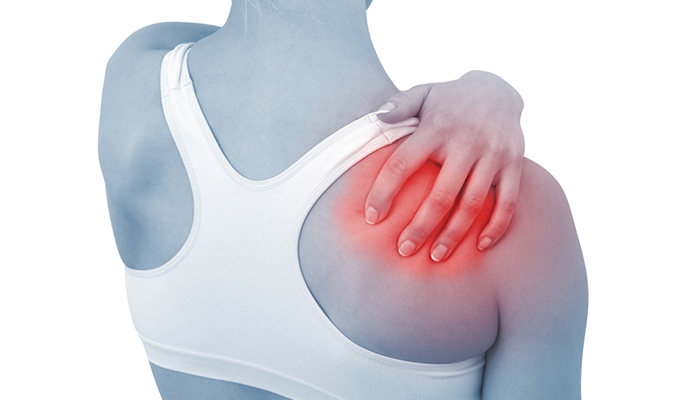
When you think pain, think inflammation.
 
Inflammation is a good thing. It’s your body’s way of rising up to fight out germs/bacteria/infections, heal bruises when you fall, heal torn ligaments/tissues/tendons etc.
 Once it does its job of fighting out these invaders or foreign organisms, the inflammation should reduce back down to normal.
 The problem arises when that does not happen.

Have a torn ligament or muscle pull that you are struggling to heal? Seen the best doctors, therapists, etc. and still not fixed? Struggling with arthritis and joint pain? 
Check your CRP (C-Reactive protein) levels and focus on reducing inflammation. The cure is in reducing inflammation.

Many of us live with chronic inflammation and that’s dangerous. It’s also one of the reason people struggle to lose weight, experience excruciating joint pains,
 age faster than normal, 
feel tired through the day, 
higher chances of cancer and heart disease, suffer from 
Fibromalgia/Headaches/Migraines, 
have higher chances of Alzheimer’s/Dementia, struggle with diabetes,
 feel depressed and low.

Silent inflammation like the ones described above can destroy your nerves and cellular health, suppressing and weakening your immune system, leading to deadly diseases like cancer, etc.


What’s scary is the fact that you can be extremely healthy and fit, but silent inflammation could be eating into you from inside, which is one of the many explainable reasons why cancer or heart attacks can strike down a healthy and young human being.
 Checking cholesterol levels, Vitamin D3, B12, SGOT, and SGTP is imperative, but what most people miss out on is checking their CRP levels (C-Reactive protein). This is an important protein level to check, and a simple blood test will cover that for you. This level will tell you volumes about the amount of inflammation you have in your body.

In my years of experience, what stands out in a cancer report of a person is an increase in CRP levels and white blood cells, and the immediate action is to reduce inflammation through food and lifestyle change.
 Diseases breathe in inflamed environments, in environments that are acidic, and in environments where there is less oxygen supply to the cells.

Overtraining causes inflammation.
 Vigorous exercise, inconsistent exercise, and high-intensity training that is not planned for your body type will make your CRP levels soar and kill your immunity, which is why many trainers ask their clients to take a Vitamin C and E post workouts.

Running marathons without proper nutrition causes massive inflammation.
 Stress causes inflammation (chronic stress).
 Improper nutrition (high-fat foods, sugar, artificial sweeteners, doughnuts, white sugar, aerated drinks, salty foods, packaged foods), and smoking causes inflammation. (I’ve seen CRP levels fall in a smoker’s blood report within 10 days of kicking the butt)

. 

How to keep your inflammation in check:

Smart and moderate exercise such as meditation and controlling your stress and BP levels, nuts and seeds, 
green leafy veggies and fruits,
 good fats (like nuts, olive oil, coconut oil) helps in keeping your inflammation under check. Finally, I should not be saying this, but it has been proven that a small amount of alcohol can actually lower CRP levels. Vitamin D3
 and Curcumin (turmeric extract) are some of the best spice-based inflammation fighters.

Understanding and managing inflammation is crucial for maintaining good health and preventing chronic diseases. By incorporating anti-inflammatory foods, regular exercise, and stress management into your routine, you can significantly reduce inflammation and improve your overall well-being.

We hope this article helps you. For further information or guidance, reach out to our certified experts by subscribing to GOQii’s Personalised Health Coaching here.

#BeTheForce 

Disclaimer: The information provided in this blog is for general awareness and educational purposes only. It is not intended to replace professional medical advice, diagnosis, or treatment. Always consult a qualified healthcare provider for personalised medical guidance or concerns related to your health.
June 23, 2024 By Geetika Patni 3 Comments

Mindful Eating: Mind your Mood – part 4

emotional-eating

My previous three blogs discussed the concept of Mindful eating and how mindless eating can be harmful. In my second blog, I talked about why you should eat slowly to enjoy your meal and shared some tips on how to do so here. The third blog covered portion control and how to be wise with it here. Continuing in this 5 part series on Mindful Eating, today, I will take you through how stress eating can be harmful and should be avoided.

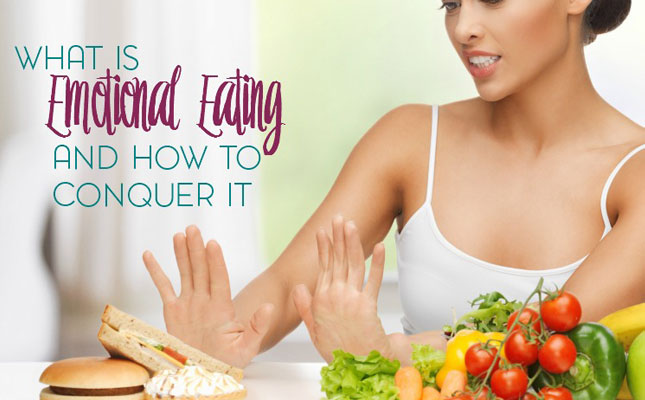
Have you noticed why buttered popcorn sells out quickly during a movie intermission? Or why you might empty an entire packet of Oreos or chips when you’re feeling emotional? That’s because certain foods can be emotionally comforting. In most cases, these comfort foods are high in fat and sugar and low in nutrition. They are comforting because they trigger neurons in the brain that create a false perception of well-being.

Turning to food to make you feel better is ‘Emotional eating’.

emotional-vs-plysical-hunger

It’s not necessarily bad to eat food from time to time as a pick-me-up meal, a reward treat, or a celebration feast. However, if food becomes your primary coping mechanism for anxiety, loneliness, boredom, anger, frustration, or exhaustion, and your first impulse when upset is to dig into a tub of ice cream, it calls for your attention. Feeding your emotion with food may feel good at the moment but doesn’t resolve the underlying problem. Often, you may end up feeling worse later due to unnecessary calorie bingeing and the physical havoc it wreaks on your metabolism.

The guilt, feeling powerless over emotions, and impulse eating leads to an unhealthy cycle, causing physical and emotional turmoil. Despite the difficulty, it is possible to make a positive change. All it requires is some effort on your part.

To help you break this cycle and mindless eating habit, here are a few pointers that work best when followed in order:

  1. Be Aware: Acknowledge your habit of emotional eating. If your near or dear ones have pointed it out or you know it by yourself, take it seriously! Awareness is the first positive step. Identify the emotions that lead to binge eating. Are they positive like exhilaration, victory, or success? Or negative like frustration, loneliness, anxiety, depression, anger, or boredom? Know your comfort foods, whether sweets, chocolates, ice creams or salty ones like chips, fries or some junk food like pizza, burger, maggi etc. that drive your emotional cravings. You may come up with multiple choices for multiple emotions and it is absolutely okay. You may also notice that your choice of comfort food is entirely different from others. So accept your unique patterns.

Tip: Maintain a food journal to help identify your emotions and associated foods, or use the food log feature in the GOQii app.

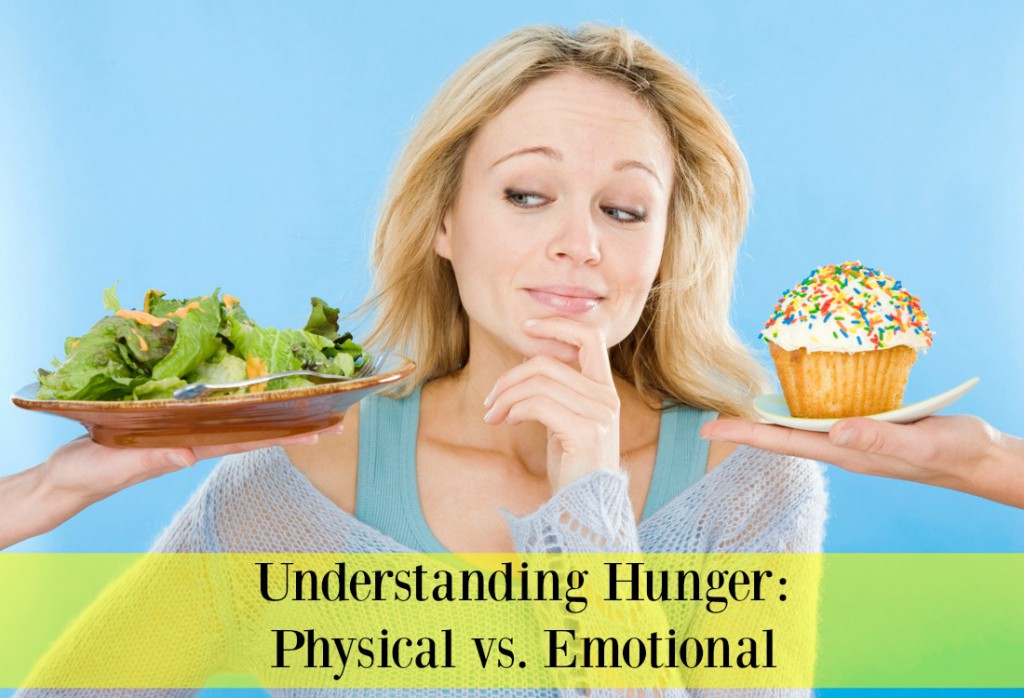
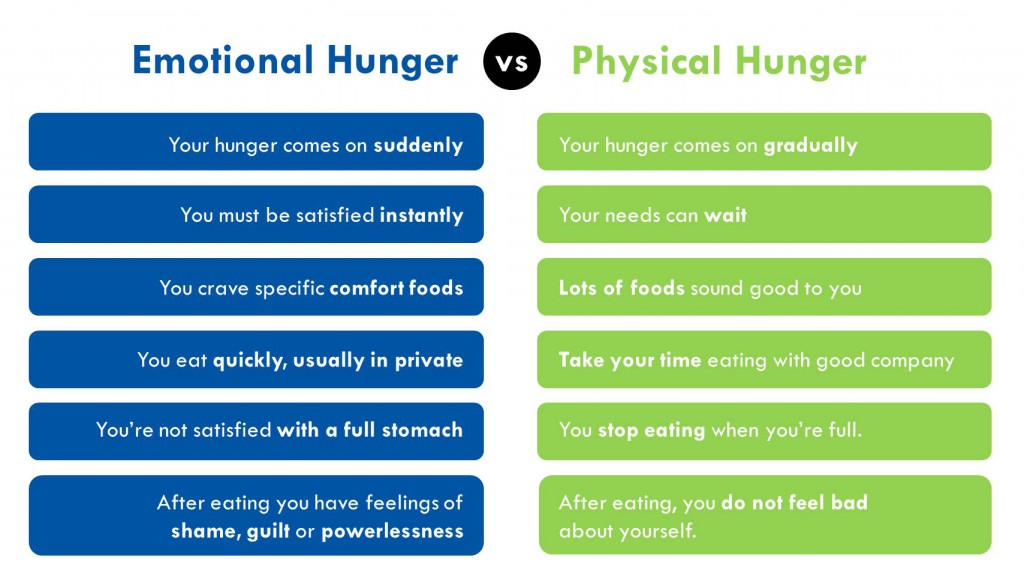
  1. Know your Hunger cues: Identify why you wish to eat. Hunger cues can be physical or emotional. If your stomach is growling and it’s been a few hours since your last meal, eating a salad or any other meal will suffice. But if you can postpone your hunger, you are likely to stop once you feel full, without guilt. This is true physical hunger.

Contrarily, if your hunger is sudden, urgent, and you crave specific foods like cookies or chips, or specific types of foods like sweets and fried foods and you are likely to over consume, feeling guilty later, you are about to be snacking out of false hunger, then the head hunger is generated out of emotional cues.

Tip: Next time you reach out for a snack, check if it’s driven by physical or emotional hunger.

  1. Cross check: Once you’ve identified your hunger cue, ask yourself why you are eating. Take a deep breath and get a clear answer. This helps put a check before the binge. If you’re reaching for a snack and unsure if it’s emotional, just ask yourself, “Why am I eating this?” Pause and reflect.

Tip: If it’s justified hunger, grab something healthy-roasted or steamed. If  it’s emotional, respectfully place the dish aside.

  1. Distract: Change your location once you put the dish aside. Go to another room or head outdoors. Find an alternative to food to fulfill your emotions. If lonely, talk to someone. If depressed or frustrated, watch a comic movie. For exhaustion, get a foot massage or take a warm bath. For anger, let it out or write it out. For anxiety, listen to your favorite music. If happy and wanting to reward yourself, indulge in your hobby.

Tip: You can also do some window shopping, reading, walking, exercising, meditating, or taking a nap which will give time to pass off the emotional storm and make you a stronger self- one who has more willpower to cope up with his/her feelings.

  1. Giving In: Emotional eating is an automatic and mindless habit. Sometimes, before you know it, you’ve eaten half a tub of ice cream. If you can pause for a moment when hit with a craving, you can make a different decision next time.

Tip: When you feel the urge to give in, pause and reflect. Don’t shut out the craving. Wait and consider what’s going on in your head and how you feel. Even if you eat afterward, this reflection helps you understand why and prepares you for a better response next time.


Understanding-Hunger-Physical-vs-Emotional
If you approach your feelings with kindness, reining in emotions is not a difficult task.

Listen to your emotions, accept them even if they are negative and when you do so, your body will understand that it doesn’t need to overeat to comfort itself and/or protect itself from powerful feelings.

Learning to mind your mood this way enables you to repair your emotional responses and physical fitness. Seeking help from experts or a personal coach can bring a turning point. Reach out if you need help to enjoy a better physical and mental health.

In the last blog of the 5 part series, I will discuss connecting with your meals and share tips on transforming your relationship with food for the better.

To be continued……………

#BeTheForce

June 22, 2024 By Jyoti Kumawat 1 Comment

Heal yourself with the magic of “MUSIC THERAPY”

musik

There is nothing more soothing than music. If you’re stressed, tired or unable to sleep, listening to music can make you feel better almost immediately. This effect is a type of Music Therapy.

The concept of music therapy is not new, especially in India. Music has long been an integral part of Ayurveda, the holistic science promoting a happy and healthy lifestyle. The Vedas, particularly the Samveda, are rich in music mantras and ragas.

Great composers of Indian classical music have practiced music therapy for centuries. It is even said that the classical music maestro Thyagaraja brought a dead person back to life with his composition.

How does it work?

Music stimulates the pituitary gland, which in turn affects the nervous system and the blood flow. Healing with music is believed to work by vibrating the cells of the body, which can effectively change a person’s consciousness and promote health.

Personally, I love music and have always considered it my medicine. Whether I am stressed or confused, music always gives me the right direction. Having experienced a lot of positivity through Music, I wanted to share how music can be a positive healer.

The Power of Music Therapy

Music therapy uses music and sounds to:

  • Help express emotions
  • Cope with symptoms of a disease and its treatment
  • Improve emotional and physical well being
  • Develop self-confidence and self-esteem
  • Re-kindle a sense of creativity
  • Help relax and feel comfortable

You don’t need to have musical expertise to benefit from music therapy. The technique consists of various interventions and planned programs that vary depending on the situation. The type of music is important—soothing music, ragas, relaxing music, and motivational music all have different effects.

Types of Interventions:

A typical music therapy session may include different interventions, which can be grouped into four types:

  1. Performing/Playing: This can include singing or playing an instrument
  2. Composing: This includes any group or individual songwriting process, which can be simple or complex as needed
  3. Improvising: Creating music on the spot or in the moment
  4. Receiving/Listening: This can include a music and relaxation experience, a lyric analysis intervention, or a “moving to music” experience, such as gait training

A “typical” music therapy session may incorporate multiple interventions or just one long, in-depth one. The key is that each intervention is designed to target a specific therapeutic goal and objective.

Benefits of Music Therapy :

The right kind of music helps one relax and refresh. Even while working, light music can improve efficiency. It helps control negative aspects of our personalities like worry, bias, and anger, and can help cure headaches, abdominal pain, and tension. Music therapy is one of the most effective ways of controlling emotions, blood pressure, and restoring liver function. It can also reduce insomnia, schizophrenia, and epilepsy.

Here are some additional benefits:

  1. Coping with work-related stress
  2. Enhancing social skills in children with autism
  3. Symptom management in cancer care
  4. Treatment of tension headaches
  5. Promoting health and wellness
  6. Helping people undergoing chemotherapy and radiotherapy
  7. Providing physical and psychological support for people with cancer
  8. Assisting people at the end of life
  9. Alleviating cancer pain
  10. Supporting children and young people
  11. Reducing stress
  12. Improving parent-child interactions
  13. Encouraging conversation among people with middle to late-stage Alzheimer’s disease

Music therapy is a powerful tool for healing and improving well-being. Whether you are dealing with stress, health issues, or just need a way to relax, music can be a wonderful companion and healer.

I would like to end this blog with a quote:

“If I should ever die, God forbid, let this be my epitaph:
THE ONLY PROOF HE NEEDED
FOR THE EXISTENCE OF GOD
WAS MUSIC”

― Kurt Vonnegut

We hope this article has enlightened you on the incredible healing power of music therapy. If you have any personal experiences with music therapy or have questions, please feel free to share your thoughts in the comments below.

#BeTheForce

June 18, 2024 By Mitali Ambekar 7 Comments

Cashew Nuts & it’s benefits

cashew-nuts

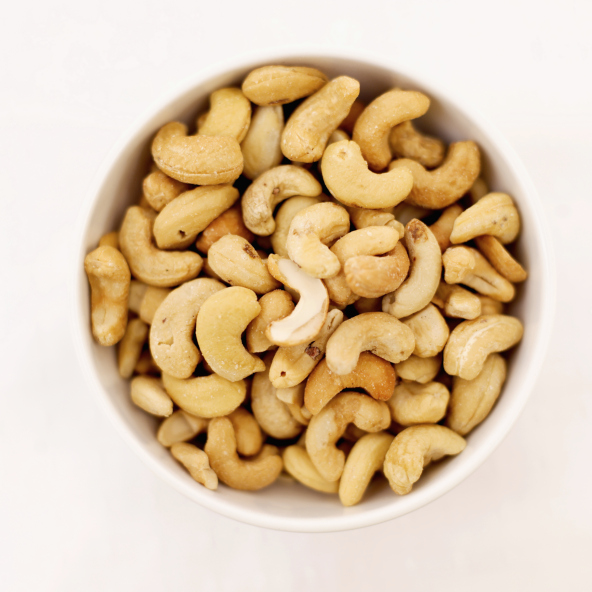
Cashew nuts are a favourite among all. These nuts are easily available and versatile, fitting perfectly into various occasions. They can be carried in your pocket and enjoyed on the go, as their fat content keeps you full for a longer time and helps you avoid snacking on unhealthy refined foods.

Originally native to Brazil, cashew nuts were brought to India by Portuguese explorers and now are widely grown in the coastal areas.

Despite being a healthy food, cashews are often avoided because they are perceived as high in fats and thus deemed unsuitable for frequent consumption, especially by those with heart conditions. However, these concerns are based on myths. Cashew are safe and healthy to consume. They contain monounsaturated fatty acid, Oleic acid which helps  lower bad cholesterol (LDL) and increase good cholesterol (HDL).

Cashew nuts also contain several B-complex vitamins like Pyridoxine, Pantothenic Acid, Riboflavin & Niacin. These vitamins play a major role in the metabolism of Carbohydrates, Proteins & Fats. Each has specific health benefits: Pyridoxine helps protect the heart by inhibiting cholesterol deposits, Niacin combats Dermatitis (a skin infection), Pantothenic acid relieves stress and promotes good skin & hair, and Riboflavin prevents acne and supports healthy eyes.

Given the numerous benefits of cashew nuts, there’s no reason to avoid them. While they are high in calories, moderation and proper timing can allow you to reap their benefits, including a healthy heart, good skin, healthy eyes, and anti-stress properties.

Cashews are best enjoyed as a snack. Roast them and have about a fistful between meals, pre- or post-workout, during or after a trek or game.

If you found this article on the benefits of cashew nuts helpful and would like to share your thoughts or have more questions, please feel free to leave a comment below. For further insights and tips on maintaining a nutritious diet, checkout Healthy Reads or speak to a certified expert by subscribing to GOQii’s Personalised Health Coaching here.

#BeTheForce

  • « Previous Page
  • 1
  • …
  • 42
  • 43
  • 44
  • 45
  • 46
  • …
  • 145
  • Next Page »

Search

Recent Posts

  • Our Kidneys, Our Planet: How Environmental Health Impacts Your Body
  • Caution: Smoking is Injurious to health!!
  • The Sleep-Metabolism Connection: Why Rest is Your Best GLP-1 Partner
  • Accelerate Action for Your Health: Why Self-Care Matters This International Women’s Day
  • 4 Reasons Why Affirmations Are Not Working For You

Stay Updated

Archives

  • March 2026 (5)
  • February 2026 (14)
  • January 2026 (14)
  • December 2025 (19)
  • November 2025 (15)
  • October 2025 (20)
  • September 2025 (6)
  • August 2025 (6)
  • July 2025 (12)
  • June 2025 (18)
  • May 2025 (16)
  • April 2025 (22)
  • March 2025 (23)
  • February 2025 (22)
  • January 2025 (25)
  • December 2024 (22)
  • November 2024 (23)
  • October 2024 (21)
  • September 2024 (24)
  • August 2024 (30)
  • July 2024 (21)
  • June 2024 (26)
  • May 2024 (31)
  • April 2024 (27)
  • March 2024 (29)
  • February 2024 (25)
  • January 2024 (21)
  • December 2023 (15)
  • November 2023 (11)
  • October 2023 (19)
  • September 2023 (22)
  • August 2023 (18)
  • July 2023 (22)
  • June 2023 (24)
  • May 2023 (24)
  • April 2023 (23)
  • March 2023 (23)
  • February 2023 (19)
  • January 2023 (15)
  • December 2022 (11)
  • November 2022 (15)
  • October 2022 (15)
  • September 2022 (12)
  • August 2022 (10)
  • July 2022 (17)
  • June 2022 (11)
  • May 2022 (10)
  • April 2022 (6)
  • March 2022 (6)
  • February 2022 (13)
  • January 2022 (11)
  • December 2021 (7)
  • November 2021 (3)
  • October 2021 (6)
  • September 2021 (3)
  • August 2021 (8)
  • July 2021 (7)
  • June 2021 (15)
  • May 2021 (16)
  • April 2021 (10)
  • March 2021 (7)
  • February 2021 (4)
  • January 2021 (4)
  • December 2020 (3)
  • November 2020 (4)
  • October 2020 (10)
  • September 2020 (3)
  • August 2020 (3)
  • July 2020 (2)
  • June 2020 (4)
  • May 2020 (10)
  • April 2020 (12)
  • March 2020 (10)
  • February 2020 (4)
  • January 2020 (4)
  • December 2019 (3)
  • November 2019 (7)
  • October 2019 (5)
  • September 2019 (4)
  • August 2019 (9)
  • July 2019 (9)
  • June 2019 (11)
  • May 2019 (4)
  • April 2019 (8)
  • March 2019 (8)
  • February 2019 (9)
  • January 2019 (8)
  • December 2018 (9)
  • November 2018 (3)
  • October 2018 (3)
  • September 2018 (5)
  • August 2018 (10)
  • July 2018 (6)
  • June 2018 (13)
  • May 2018 (8)
  • April 2018 (18)
  • March 2018 (9)
  • February 2018 (8)
  • January 2018 (15)
  • December 2017 (12)
  • November 2017 (19)
  • October 2017 (13)
  • September 2017 (15)
  • August 2017 (4)
  • July 2017 (8)
  • June 2017 (7)
  • May 2017 (6)
  • April 2017 (8)
  • March 2017 (6)
  • February 2017 (7)
  • January 2017 (9)
  • December 2016 (10)
  • November 2016 (7)
  • October 2016 (7)
  • September 2016 (7)
  • August 2016 (11)
  • July 2016 (9)
  • June 2016 (9)
  • May 2016 (12)
  • April 2016 (17)
  • March 2016 (17)
  • February 2016 (8)
  • January 2016 (6)
  • December 2015 (2)
  • November 2015 (9)
  • October 2015 (7)
  • September 2015 (9)
  • August 2015 (11)
  • July 2015 (9)
  • June 2015 (12)
  • May 2015 (9)
  • April 2015 (13)
  • March 2015 (8)
  • February 2015 (5)
  • January 2015 (12)
  • December 2014 (14)
  • November 2014 (11)
  • October 2014 (6)
  • September 2014 (13)
  • August 2014 (12)
  • July 2014 (6)
  • June 2014 (2)
  • May 2014 (7)
  • April 2014 (4)

From “Laddu Nawin” to Fit and Fierce: How a 25-Year-Old Insurance Advisor Shed 20 Kilos and Gained His Life Back

When 25-year-old Nawin Yadav from Hyderabad walked into his office every morning, he carried more than just his files and policy papers. He had the weight of fatigue, sluggish energy, and an ever-growing belly that was becoming the butt of jokes. “People … [Read More...]

“I’ve Challenged Myself to Live 100 Years” – The Story of Chandubhai Savani’s Second Chance at Life

At 67, most people start slowing down. Not Chandubhai Savani. A resident of Surat, Chandubhai, thought life was on track. “My life was going well till I had my bypass surgery,” he says. That surgery, back in 2021, was a wake-up call.  Medication was routine, but exercise wasn’t. His diet? What he calls ‘normal.’ “I […]

From Shimla’s Slopes to Chandigarh’s Sidewalks: Surinder Kaur Bhalla’s Journey from Chaos to Control

Some journeys start with a plan. Others begin with a stumble literally. Surinder Bhalla, a government professional, born and raised in the scenic hill town of Shimla, had always lived a life of movement. “In Shimla, you walked everywhere,” she reflects. “Walking was never an exercise. It was just life.” But after shifting to Chandigarh, […]

Ananda Mukherjee Health Story

From Terminal Illness To Complete Wellness! Ananda Mukherjee Health Story

As we observe World Cancer Day under the powerful theme ‘United by Unique’ (2025-2027)**, we are reminded that every individual’s journey with cancer is distinct, yet united by shared resilience, hope, and the collective fight against this disease. This theme places people at the centre of care and their stories at the heart of the […]

  • HOME
  • HEALTHY LIVING
  • FITNESS
  • HEALTHY RECIPES
  • USER STORIES
  • KARMA
  • BUY GOQii

Copyright ©2016 GOQii