 Picture yourself about to deliver a crucial presentation at work. Standing before your colleagues, you feel your heart racing, your hands slightly sweaty, and your mind zeroing in on every word you’re about to say. That surge you feel? It’s stress at work—a natural response gearing you up to perform at your best. In this moment, stress isn’t a barrier; it’s a boost, keeping you sharp, focused, and ready to engage.
Stress plays a crucial role in many areas of our lives, whether it’s the drive to excel in an exam, perform well in a major game, or stay alert in a risky situation. However, like a double-edged sword, while stress can provide a helpful boost, excessive stress can start to hold us back. By understanding what stress is and how it impacts us, we can learn to harness it when it’s useful and manage it when it starts to feel overwhelming.
Let us understand what is Stress?
Stress is the body’s natural reaction to any demand or threat. When we sense danger—whether it’s real or perceived—the body triggers an automatic “stress response” designed to protect us, keeping us focused, energized, and alert. In emergencies, stress can even be life-saving, providing extra strength and heightened awareness to face the challenge.
However, stress isn’t always a negative force. It can serve as a motivator, helping us rise to challenges. For example, stress can keep us sharp during a work presentation, boost our focus in a game, or push us to study for an exam rather than indulge in distractions. In this way, stress can empower us to exceed our limits and achieve our goals. But when stress becomes chronic, it can start to affect our health, making it essential to manage it well.
What happens when you’re stressed?
When you experience stress, your nervous system releases a surge of stress hormones, including adrenaline and cortisol, priming your body for action. Your heart beats faster, muscles tense, blood pressure rises, breathing quickens, and your senses sharpen. However, after a certain point, stress ceases to be helpful and can begin to harm your health, mood, productivity, relationships, and overall quality of life.
Common symptoms of stress-
Cognitive symptoms
- Memory problems- Inability to concentrate
- Constant worrying
- Mood swings, irritability, anger
Physical symptoms
- Chest pain, rapid heart rate
- Frequent colds or flu
- Aches and pains
- Dark circles, skin pigmentation
Behavioral symptoms
- Eating more or less
- Sleeping too much or too little
- Withdrawing from others
- Procrastinating or neglecting responsibilities
- consuming alcohol, smoking, or drugs to relax, Nervous habits (e.g. nail biting)
Health Problems Related to Stress:
Diabetes
Stress can worsen diabetes in two ways. Hormones like cortisol, cortisone, and hydrocortisone play a major role in the body’s response to stress. Under the influence of cortisol, blood sugar levels are maintained and can even rise during stressful times. These hormones are responsible for converting glycogen into glucose. Any type of stress increases cortisol levels in the blood. Additionally, stress raises the likelihood of unhealthy behaviours, such as poor eating habits and excessive drinking.
Hypertension and Heart Disease
People who are stressed have a higher risk of high blood pressure and heart problems. Stress can directly increase heart rate and blood flow, causing the release of cholesterol and triglycerides into the bloodstream. It’s also possible that stress is linked to other issues—like an increased likelihood of smoking or obesity—that indirectly elevate heart risks.
Things to do to effectively manage stress:
- Eat a well-balanced diet, food rich in important vitamins and minerals that help in managing stress (we will discuss the food helping in managing stress in PART 2)
- Yoga is a popular physical and mental health enhancer
- Exercise can be a great stress reliever. It changes one’s outlook and the day will seem far less tense.
- Massage is a form of enforced physical relaxation and mental relaxation to reduce stress.
- Being assertive. Assertive people tend to have less conflicts, and are understanding.
- Cultivate the power of patience, it will do you a lot of good.
- Keep yourself occupied so that your mind doesn’t think of those matter that hurt you. (example if watching news that make you sad .. try not to watch it and watch something funny and light.).
- Read books that motivate you.
- Try doing things that make you happy. For instance playing your favourite sport, going on a long drive, hanging out with friends or calling them home.
This concludes Part 1 of our comprehensive guide to stress management. We hope this article provided valuable insights into understanding and managing stress effectively. Stay tuned for Part 2, where we’ll delve into the role of nutrition and advanced strategies in stress management.
For more informative articles on health and well-being, explore Healthy Reads. For further guidance on managing stress and lifestyle, speak to a certified expert by subscribing to GOQii’s Personalised Health Coaching here.
#BeTheForce
Disclaimer: The information provided in this blog is for general awareness and educational purposes only. It is not intended to replace professional medical advice, diagnosis, or treatment. Always consult a qualified healthcare provider for personalised medical guidance or concerns related to your health.
 Men often ask me, how much sex should we be having? Can there be a number answer to it? Like thrice a week, once a week, and so on. Sex works for different people in different ways. It’s the classic chicken and egg dilemma. What comes first – happiness or frequent sex? For some people, frequent sex is what makes them happier in the relationship, whereas for others, happiness and the connection is a precondition to feeling desirous of having sex.
 You may have often come across the term ‘Diabetes Reversal’. But can the condition actually be ‘reversed’? “The word ‘reversal’ is a misnomer, as the dictionary defines it as a change in an opposite direction, position, or course of action or back to a former state. Of late, this seems to be used very loosely next to diabetes, and that’s not an accurate way to look at it.
 Fact
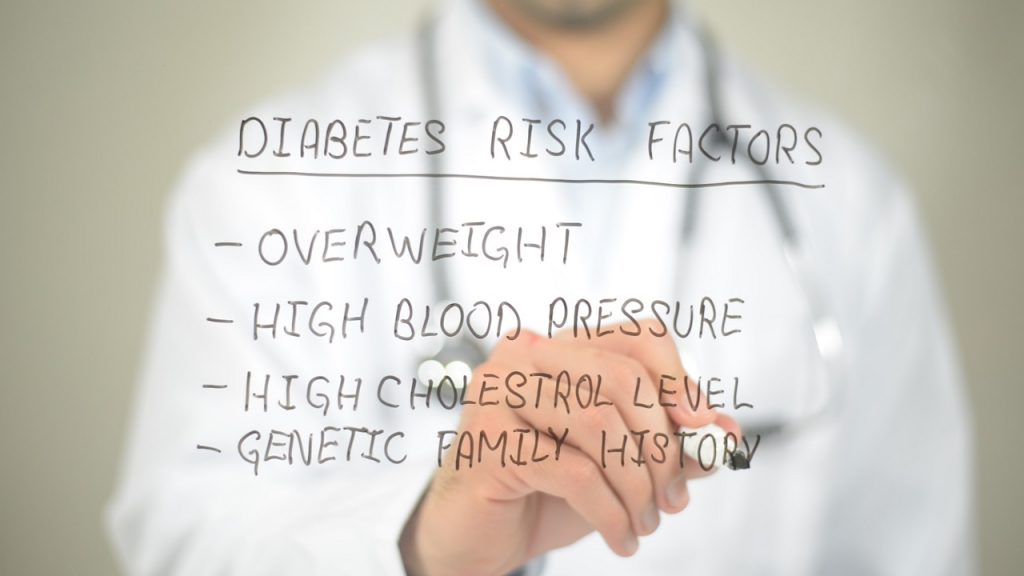
Fact By this point, we are all well aware of the silent killer known as Diabetes. It is the leading cause of blindness, kidney failure, neurological and cardiovascular disorders. Diabetes Mellitus is a condition in which our body’s ability to utilize glucose from the blood lowers down. It is a disorder of carbohydrate metabolism characterized by impaired ability of the body to produce or respond to insulin. Glucose is the main source of energy to the body’s cells and insulin is a hormone (which is produced by pancreas) that controls the level of glucose in the blood.


