
GOQii

Blog

  • HOME
  • HEALTHY LIVING
  • FITNESS
  • HEALTHY RECIPES
  • USER STORIES
  • KARMA
  • BUY GOQii

Search Results for: mindful eating

March 21, 2026 By GOQii Leave a Comment

The Future of Longevity in India: Why Healthspan is the New Lifespan

For decades, the ultimate goal of modern medicine was simple: help people live longer. And by most metrics, we have succeeded. Thanks to advancements in medical science and technology, the average life expectancy in India has surged over the past few decades. But as we celebrate these extra years on our calendars, a new, more urgent question has emerged: Are we actually living better, or are we just taking longer to die?

This question is actively reshaping the landscape of Longevity in India. The conversation is no longer just about adding years to our lives; it is about adding life to our years. Welcome to the era where Healthspan is the new Lifespan.

The Lifespan Paradox in India

Lifespan refers to the total number of years a person is alive. Healthspan, on the other hand, refers to the period of life spent in good health, free from chronic diseases and debilitating age-related conditions.

Currently, India is facing a “Lifespan Paradox.” While we are living longer, a significant portion of our later years is often spent battling lifestyle conditions like Type 2 diabetes, cardiovascular diseases, and declining mobility. If a person lives to be 85 but spends the last 15 years managing severe chronic illnesses, their lifespan is long, but their healthspan is critically compromised.

Why Healthspan is the New Focus

The future of healthcare is shifting from reactive (treating you when you get sick) to preventive (optimizing your health so you don’t get sick in the first place). Here is why focusing on healthspan is the ultimate longevity strategy:

  • Quality over Quantity: A high healthspan means you retain your independence, cognitive function, and physical mobility well into your 70s, 80s, and beyond. It means playing with your grandchildren, traveling, and living actively, rather than being confined to hospital visits.
  • Economic Impact: Chronic disease management takes a massive financial toll on families. Maximizing healthspan reduces long-term medical costs and reliance on the healthcare system.
  • Mental and Emotional Wellbeing: Physical decline takes a heavy toll on mental health. Maintaining vitality protects against age-related depression and cognitive decline.

The Future of Longevity in India: Proactive, Not Reactive

The longevity landscape in India is undergoing a massive transformation, driven by technology and a growing awareness of preventive wellness:

  • Wearable Technology & Data: Devices like GOQii smart trackers are putting the power of continuous monitoring into the hands of the consumer. Tracking your sleep architecture, resting heart rate, and daily movement is the first step in extending your healthspan.
  • Personalised Nutrition: The one-size-fits-all diet is dead. The future is about understanding how your unique biology responds to food, focusing on blood sugar management, and preventing metabolic syndrome.
  • Focus on Muscle Mass: Sarcopenia (the age-related loss of muscle mass) is a silent healthspan killer. The fitness narrative in India is successfully shifting from just “losing weight” to building lean muscle and improving bone density through strength training.

4 Ways to Maximize Your Healthspan Today

You do not need to wait for futuristic anti-aging pills to start increasing your healthspan. The foundation is built on daily habits:

  1. Prioritize Metabolic Health: Limit refined sugars and processed foods. A stable blood sugar level is one of the strongest predictors of a long, disease-free life.
  2. Move for Mobility, Not Just Calorie Burn: Incorporate strength training to protect your joints and maintain muscle mass, alongside daily steps for cardiovascular health.
  3. Protect Your Sleep: Deep sleep is when your brain clears out toxins and your cells repair themselves. Chronic sleep deprivation directly accelerates biological aging.
  4. Manage Chronic Stress: Prolonged cortisol exposure creates systemic inflammation in the body, which is the root cause of almost all age-related diseases. Daily meditation or mindfulness is a non-negotiable longevity tool.

Frequently Asked Questions (FAQs)

What is the difference between lifespan and healthspan?
Lifespan is the total number of years you live, regardless of your health condition. Healthspan is the number of years you live in optimal health, free from chronic disease and physical decline.

Can you increase your healthspan at any age?
Yes. Whether you are 30 or 60, adopting preventive lifestyle habits such as strength training, a nutrient-dense diet, and stress managementcan immediately begin to improve your metabolic health and increase your functional years.

How is longevity tracking changing in India?
With the rise of preventive healthcare ecosystems and smart wearables, Indians can now track their biological age, heart health, and sleep quality in real-time, allowing for early interventions long before chronic diseases develop.

Are you ready to optimize your healthspan and take control of your future? For personalized guidance on nutrition, fitness, and healthy aging, consult a certified expert by subscribing to GOQii’s Personalised Health Coaching here.

#BeTheForce

Disclaimer: The information provided in this blog is for general awareness and educational purposes only. It is not intended to replace professional medical advice, diagnosis, or treatment. Always consult a qualified healthcare provider for personalised medical guidance or concerns related to your health. Images shown are for representation purposes only and may not depict the exact recommendations or outcomes.

March 13, 2026 By GOQii Leave a Comment

Sleep Well, Live Better: Lifestyle Habits That Improve Sleep Quality

Sleep is one of the most important pillars of preventive health. Good sleep improves energy levels, supports metabolism, strengthens immunity and enhances mental clarity. Yet in today’s fast-paced lifestyle, sleep is often the first thing we sacrifice. Late-night work, excessive screen time and irregular schedules disrupt the body’s natural sleep rhythm. Over time, poor sleep can increase the risk of lifestyle diseases such as obesity, diabetes, hypertension and heart disease. This is why World Sleep Day 2026 highlights the theme “Sleep Well, Live Better.” The message is simple: when you prioritise sleep, you improve not just your rest but your overall quality of life. The good news is that improving sleep often does not require drastic changes. In many cases, small lifestyle habits can significantly improve sleep quality. Sleep is one of the most important pillars of preventive health. Good sleep improves energy levels, supports metabolism, strengthens immunity and enhances mental clarity. Yet in today’s fast-paced lifestyle, sleep is often the first thing we sacrifice.

Late-night work, excessive screen time and irregular schedules disrupt the body’s natural sleep rhythm. Over time, poor sleep can increase the risk of lifestyle diseases such as obesity, diabetes, hypertension and heart disease.

This is why World Sleep Day 2026 highlights the theme “Sleep Well, Live Better.” The message is simple: when you prioritise sleep, you improve not just your rest but your overall quality of life.

The good news is that improving sleep often does not require drastic changes. In many cases, small lifestyle habits can significantly improve sleep quality.

How Can You Improve Sleep Quality Naturally?

You can improve sleep quality naturally by maintaining a consistent sleep schedule, limiting screen exposure before bedtime, creating a relaxing night routine, optimising your bedroom environment and paying attention to what you eat and drink in the evening.

These lifestyle habits help regulate your circadian rhythm, allowing the body to enter deeper and more restorative sleep cycles. If your body clock feels constantly out of sync, understanding how the circadian rhythm affects sleep patterns can help restore balance.

Why Good Sleep Matters for Your Health

Sleep is not simply a period of rest. During sleep, the body performs essential biological processes that support long-term health.

These include:

  • cellular repair and tissue recovery
  • hormone regulation
  • memory consolidation
  • immune system strengthening
  • metabolic balance

When sleep quality is poor, these processes are disrupted. Studies have shown that chronic sleep deprivation can contribute to:

  • increased stress hormone levels
  • poor blood sugar regulation
  • weakened immunity
  • reduced concentration and productivity

Lack of sleep can also influence food choices. Research shows that sleep deprivation may lead to cravings for calorie-dense foods and unhealthy eating habits.

According to sleep health guidelines, most adults require 7–9 hours of sleep per night for optimal physical and mental health.

Lifestyle Habits That Improve Sleep Quality

Instead of relying on medication, improving daily habits can naturally support better sleep.

Maintain a Consistent Sleep Schedule

Your body operates on an internal clock known as the circadian rhythm. Going to bed and waking up at different times each day disrupts this rhythm.

Try to:

  • go to bed at the same time each night
  • wake up at the same time each morning
  • maintain this schedule even on weekends

Consistency helps train your body to recognise when it is time to sleep.

If you’re looking to improve your daily sleep habits, incorporating simple rituals for better sleep can make a significant difference.

Limit Screen Exposure Before Bed

Smartphones, laptops and tablets emit blue light, which suppresses melatonin — the hormone that regulates sleep.

To improve sleep quality:

  • avoid screens at least one hour before bedtime
  • dim the lights in your home during the evening
  • switch devices to night mode if screen use is necessary

Reducing screen exposure before bedtime allows the body to prepare naturally for sleep. If you want to explore practical ways to sleep better without gadgets interfering with your routine, check out this guide.

Create a Relaxing Night Routine

Your mind needs time to transition from daily activity to rest.

Develop a relaxing routine before bedtime, such as:

  • reading a book
  • practising meditation or deep breathing
  • light stretching or yoga
  • taking a warm shower

Over time, these small habits train the brain to associate specific behaviours with sleep, making it easier to fall asleep naturally.

Be Mindful of Evening Food and Drinks

What you eat and drink before bedtime can influence sleep quality.

Avoid the following close to bedtime:

  • caffeine
  • alcohol
  • heavy meals
  • sugary snacks

Instead, choose lighter options if you feel hungry, such as:

  • warm milk
  • bananas
  • nuts
  • herbal tea

Certain foods naturally support relaxation and sleep. You can explore a list of foods that help promote better sleep here.

Optimise Your Sleep Environment

Your bedroom environment plays an important role in sleep quality.

To create a sleep-friendly space:

  • keep the room cool and dark
  • minimise noise and distractions
  • use comfortable bedding
  • avoid keeping electronic devices nearby

Prioritising sleep as an essential component of health rather than something to compromise on is one of the most powerful lifestyle shifts you can make.

Key Takeaways for Better Sleep

  • Sleep is a critical pillar of preventive health.
  • Adults should aim for 7–9 hours of quality sleep each night.
  • Consistent sleep schedules support the body’s circadian rhythm.
  • Reducing screen exposure before bedtime improves sleep onset.
  • A relaxing nighttime routine can help the body prepare for rest.
  • Good sleep habits improve energy, metabolism and overall wellbeing.

Small lifestyle changes can lead to meaningful improvements in sleep quality over time.

Sleep Well, Live Better

The theme of World Sleep Day 2026 – “Sleep Well, Live Better” reminds us that quality sleep is essential for overall wellbeing.

When you prioritise sleep, you support your body’s ability to recover, regulate hormones, maintain energy levels and protect long-term health.

Start by making small changes today. Over time, these habits can help you experience deeper sleep, improved energy and better overall health.

Because when you sleep well, you truly live better.

Take charge of your sleep health today. If you are struggling with sleep issues, speak with your GOQii Coach for personalised lifestyle strategies that help improve sleep quality and overall wellbeing.

#BeTheForce

Frequently Asked Questions

How many hours of sleep do adults need?
Most adults require between 7 and 9 hours of sleep per night for optimal physical and mental health.

What is the fastest way to improve sleep quality?
Maintaining a consistent sleep schedule and reducing screen exposure before bedtime are two of the most effective ways to improve sleep quality.

Can lifestyle changes improve sleep naturally?
Yes. Habits such as regular exercise, good nutrition, stress management and proper sleep hygiene can significantly improve sleep quality over time.

Disclaimer: GOQii is committed to providing accurate, up-to-date and comprehensive health information. This article is intended for informational purposes only and should not be used as a substitute for professional medical advice, diagnosis or treatment. Always consult a qualified healthcare professional before making changes to your health routine. Individual responses may vary.

December 29, 2025 By GOQii Leave a Comment

Beyond the Injection: Building Healthy Habits That Work with GLP-1

A calm walking path symbolising everyday habits that support long-term health.Starting a GLP-1 medication can feel like turning a new page in your health journey. For many people, hunger feels more manageable, weight loss becomes possible, and the risk of long-term health conditions may begin to shift. But the benefits don’t come from the injection or pill alone.

Lasting health is built through the habits that surround treatment. The way you eat, move, rest, and respond to stress all shape whether early progress turns into long-term change.

GLP-1 can support the journey — but habits are what help it last.

Nourish, Don’t Just Eat

GLP-1 medications slow digestion and influence appetite, which means food choices matter even more. Heavy or greasy meals may feel uncomfortable, especially in the early weeks.

Lighter, balanced meals tend to work better. Including protein at every meal such as lentils, eggs, paneer, fish, or lean meats can help you feel fuller for longer and support muscle health. Fibre from vegetables, fruits, and whole grains supports digestion and helps keep energy levels steadier.

Staying well hydrated is equally important. Drinking enough water can support digestion and may help reduce side effects such as constipation as your body adjusts.

Move in Ways You Enjoy

While GLP-1 may support weight loss, strength, stamina, and resilience come from movement.

The most effective activity is the one you’ll return to consistently, whether that’s a brisk morning walk, yoga, cycling, swimming, or strength training at home. Movement supports metabolism, heart health, and muscle mass, and it plays an important role in how the body adapts to weight change.

It’s not about intensity or perfection. Even 30 minutes of movement most days can make a meaningful difference.

Respect Sleep

Sleep is often underestimated, yet it plays a critical role in appetite regulation, recovery, and emotional balance.

Aim for 7–8 hours of quality sleep each night. Creating simple routines, going to bed at similar times, keeping the room dark and quiet, and limiting screen use before sleep can support deeper rest.

When sleep improves, hunger hormones tend to stabilise, and the body is better able to repair and reset.

Mindfulness and Stress

Stress can quietly undermine progress, often driving emotional or mindless eating.

Simple practices such as deep breathing, journaling, or short moments of guided meditation can help bring awareness back into daily routines. Even pausing briefly before meals to check in with hunger and fullness cues can begin to change your relationship with food.

Mindfulness isn’t about control; it’s about awareness.

Where GOQii Fits In

Habits tend to stick better when there’s support.

GOQii brings personalised coaching into the picture not just to track steps or meals, but to help you understand how your body responds and how habits evolve over time. Coaches provide encouragement during slow phases, celebrate progress, and offer practical guidance when motivation dips.

Many members share that it’s not just the app it’s the presence of a real human who understands their journey that makes the difference.

The GOQii ecosystem brings together movement, nutrition, mindfulness, and preventive health, tailoring habits to individual lives and goals rather than offering one-size-fits-all advice.

The Bigger Picture

GLP-1 medication can be a powerful ally, but it’s not the whole story. Daily choices shape how far and how well the journey goes.

When nourishment, movement, rest, and mindfulness come together, medication has the best chance to support lasting change. And with the right guidance, you don’t have to navigate that journey alone.

Health isn’t just about reducing risk it’s about rebuilding energy, balance, and trust in your body. Beyond the injection lies the opportunity to create a life that feels healthier, steadier, and more sustainable.

#BeTheForce

Disclaimer: GOQii is committed to providing accurate, up-to-date, and comprehensive health information. This article is intended for informational purposes only and should not be used as a substitute for professional medical advice, diagnosis, or treatment. Always consult a qualified healthcare professional before starting or changing any medication. Individual responses to treatment may vary.

December 24, 2025 By Pritika Saraogi 4 Comments

12 Tips For a Healthy Christmas Week

Tips for Healthy Christmas WeekWant to avoid looking like Santa this festive season? You’re sailing on eating right and exercising daily, then boom — the holidays are here, just waiting to put a kink in your routine! Food is everywhere. Spare time is nowhere. Add this to the emotions and stress of the season, and you’re sure to have a recipe for disastrous weight gain. Here are some tips to help you stay on course of your health goals and celebrate a Healthy Christmas Week!


Tips For a Healthy Christmas Week 

  1. Quality Over Quantity: Learn to avoid mindlessly accepting whatever is offered and instead hold out for the snack you value the most, and have just a few. If possible, opt for something baked instead of going for something deep-fried.
  2. Eat Slowly. Enjoy. Move away: If your weakness is salted nuts, you can easily eat double the prescribed quantity without noticing. While the fat in nuts is the healthy unsaturated type that doesn’t clog up your arteries, when it comes to your waistline, calories are still calories. Solution? Have a taste, eat it slowly and really enjoy it. “Try to chew your food well, concentrate on the flavour you’re experiencing and appreciate the goodness”. Then, move away from the source so you can’t keep eating more than your fill.
  3. Beware of the Buffet: People often look at a buffet as though it’s their last meal on earth. The smartest thing to do when surrounded by so much temptation is to walk around and eye everything first. Then go back and take a bit of what you really like. Before doing so, ask yourself, “Do I really want this?” Avoid the trap of thinking you have to get your money’s worth. If you don’t let it go to waste, it will end up around your waist.
  4. Watch Your Drinks: Alcohol plays a big part in Christmas weight gain. Sometimes, when surrounded by family and friends, you might not realize when 1 drink turns into 10. Your best bet is to put a cap on the amount of drinks you’ll have. Limit yourself to 3 drinks and space them out. In fact, if you can dilute your drink with water or ice, go for it! Opting to be the nominated driver might just give you the excuse to not drink at all!
  5. Keep Up Some Activity: Did you know that dancing can help you burn off calories. It’s a great way to shake a leg and shake off some extra calories as well. If dancing is not your thing, try brisk walking in the cool early morning breeze. Should work as a good start to the day. Don’t skip a post-dinner stroll with family, friends or your loved one. It can be magical!
  6. Make Sure You Log: Logging food, water intake and exercise can keep you accountable. Don’t look at it as a burden. This will help you stay on track and keep an account of what you’ve been eating and drinking. Be honest and log exactly what you eat!
  7. Earn Your Treats Before You Indulge: Treats aren’t really enjoyable if they leave you feeling guilty afterward. Eat healthy the day before heading out to a holiday party or work up a sweat before sitting down for a big holiday meal. This will help you feel less guilty and enjoy the movement.
  8. Listen to Your Tummy: The human body has an amazing ability to regulate food intake…if we actually listen to it! If you overindulge at a holiday feast, hold off on eating until you truly feel hungry again. Don’t eat just because there’s only one slice of pie left on the table, or because your Christmas Brunch begins at 10 AM. If you’re not hungry, sip on some tea or coffee while everyone else digs in, and make yourself a small plate later. It’ll still be there when your tummy grumbles!
  9. Just Say NO to Food Pushers: Food pushers are the people who seem to believe that their holiday celebration isn’t complete until you give in to their food offerings. You know them — the co-worker with a jar of candies, mom with her apple pie, or the friend who won’t let you leave without a plate of cookies. It’s OK to politely say, “No! Thank you!” It won’t hurt your relationship.
  10. Just Do It: Schedule your exercise time. Not only will you feel better about the indulgences that come with the holidays, but exercise will also will help relieve holiday stress. Take something out of your schedule if you need to, but not exercise. The endorphins from working out will only boost your holiday spirit!
  11. Share the Love: When going to a holiday gathering, bring a healthy dish that everyone can enjoy without feeling guilty.
  12. Snack before the party: Avoid going to holiday parties on an empty stomach. Eat a light and healthy snack, such as one with protein, to keep you feeling full before heading out. This will help you avoid overindulging later. Try a protein bar or some nuts and seeds.

We hope you try these tips and tricks to Level Up your holidays! Here’s to a happy and healthier you! If you’re keen on forming healthier resolutions and need motivation to push you through the coming year, subscribe to GOQii’s Personalised Health Coaching here and get the best advice from a certified expert.

Merry Christmas and a Happy New Year!

#BeTheForce 

Disclaimer: The information provided in this blog is for general awareness and educational purposes only. It is not intended to replace professional medical advice, diagnosis, or treatment. Always consult a qualified healthcare provider for personalised medical guidance or concerns related to your health. Images shown are for representation purposes only and may not depict the exact recommendations or outcomes.

  • « Previous Page
  • 1
  • …
  • 18
  • 19
  • 20
  • 21
  • 22
  • …
  • 35
  • Next Page »

Search

Recent Posts

  • Foods to Manage Blood Sugar Naturally: A Complete Guide to Better Blood Sugar Control
  • The Lazy Person’s Guide to Staying Healthy: 5 Micro-Habits That Take Less Than 2 Minutes
  • Healthy Eating: Comforting Chilli Bean Soup Recipe for the Monsoon
  • The Truth About the ‘Beer Belly’: What Alcohol Really Does to Your Metabolism
  • Benefits of Meditation: How One Daily Habit Can Transform Your Mental Wellbeing

Stay Updated

Archives

  • August 2026 (7)
  • July 2026 (25)
  • June 2026 (22)
  • May 2026 (20)
  • April 2026 (24)
  • March 2026 (18)
  • February 2026 (14)
  • January 2026 (14)
  • December 2025 (19)
  • November 2025 (15)
  • October 2025 (20)
  • September 2025 (6)
  • August 2025 (6)
  • July 2025 (9)
  • June 2025 (18)
  • May 2025 (16)
  • April 2025 (22)
  • March 2025 (26)
  • February 2025 (21)
  • January 2025 (25)
  • December 2024 (22)
  • November 2024 (22)
  • October 2024 (20)
  • September 2024 (22)
  • August 2024 (28)
  • July 2024 (15)
  • June 2024 (23)
  • May 2024 (26)
  • April 2024 (27)
  • March 2024 (27)
  • February 2024 (23)
  • January 2024 (21)
  • December 2023 (14)
  • November 2023 (10)
  • October 2023 (19)
  • September 2023 (21)
  • August 2023 (16)
  • July 2023 (16)
  • June 2023 (21)
  • May 2023 (20)
  • April 2023 (19)
  • March 2023 (23)
  • February 2023 (19)
  • January 2023 (15)
  • December 2022 (11)
  • November 2022 (15)
  • October 2022 (15)
  • September 2022 (12)
  • August 2022 (9)
  • July 2022 (17)
  • June 2022 (11)
  • May 2022 (10)
  • April 2022 (6)
  • March 2022 (6)
  • February 2022 (13)
  • January 2022 (11)
  • December 2021 (7)
  • November 2021 (3)
  • October 2021 (6)
  • September 2021 (3)
  • August 2021 (8)
  • July 2021 (7)
  • June 2021 (15)
  • May 2021 (16)
  • April 2021 (10)
  • March 2021 (7)
  • February 2021 (4)
  • January 2021 (4)
  • December 2020 (3)
  • November 2020 (4)
  • October 2020 (10)
  • September 2020 (3)
  • August 2020 (3)
  • July 2020 (2)
  • June 2020 (4)
  • May 2020 (10)
  • April 2020 (12)
  • March 2020 (10)
  • February 2020 (4)
  • January 2020 (4)
  • December 2019 (3)
  • November 2019 (7)
  • October 2019 (5)
  • September 2019 (4)
  • August 2019 (9)
  • July 2019 (9)
  • June 2019 (11)
  • May 2019 (4)
  • April 2019 (8)
  • March 2019 (8)
  • February 2019 (9)
  • January 2019 (8)
  • December 2018 (9)
  • November 2018 (3)
  • October 2018 (3)
  • September 2018 (5)
  • August 2018 (10)
  • July 2018 (6)
  • June 2018 (13)
  • May 2018 (8)
  • April 2018 (18)
  • March 2018 (9)
  • February 2018 (8)
  • January 2018 (15)
  • December 2017 (12)
  • November 2017 (19)
  • October 2017 (13)
  • September 2017 (15)
  • August 2017 (4)
  • July 2017 (8)
  • June 2017 (7)
  • May 2017 (6)
  • April 2017 (8)
  • March 2017 (6)
  • February 2017 (7)
  • January 2017 (9)
  • December 2016 (10)
  • November 2016 (7)
  • October 2016 (7)
  • September 2016 (7)
  • August 2016 (11)
  • July 2016 (9)
  • June 2016 (9)
  • May 2016 (12)
  • April 2016 (17)
  • March 2016 (17)
  • February 2016 (8)
  • January 2016 (6)
  • December 2015 (2)
  • November 2015 (9)
  • October 2015 (7)
  • September 2015 (9)
  • August 2015 (11)
  • July 2015 (9)
  • June 2015 (11)
  • May 2015 (9)
  • April 2015 (13)
  • March 2015 (8)
  • February 2015 (5)
  • January 2015 (12)
  • December 2014 (14)
  • November 2014 (11)
  • October 2014 (6)
  • September 2014 (13)
  • August 2014 (12)
  • July 2014 (6)
  • June 2014 (2)
  • May 2014 (7)
  • April 2014 (4)

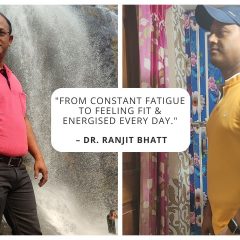
From Burnout to Balance: How Dr. Ranjit Reclaimed His Health

Dr Ranjit Bhatt has spent years tending to others. A practising doctor in Odisha, his days were packed with patients, surgeries, and emergencies. From the outside, it looked like a life lived in service. But on the inside, something wasn’t right. “I had no … [Read More...]

From Shimla’s Slopes to Chandigarh’s Sidewalks: Surinder Kaur Bhalla’s Journey from Chaos to Control

Some journeys start with a plan. Others begin with a stumble literally. Surinder Bhalla, a government professional, born and raised in the scenic hill town of Shimla, had always lived a life of movement. “In Shimla, you walked everywhere,” she reflects. “Walking was never an exercise. It was just life.” But after shifting to Chandigarh, […]

“I’ve Challenged Myself to Live 100 Years” – The Story of Chandubhai Savani’s Second Chance at Life

At 67, most people start slowing down. Not Chandubhai Savani. A resident of Surat, Chandubhai, thought life was on track. “My life was going well till I had my bypass surgery,” he says. That surgery, back in 2021, was a wake-up call.  Medication was routine, but exercise wasn’t. His diet? What he calls ‘normal.’ “I […]

Ananda Mukherjee Health Story

From Terminal Illness To Complete Wellness! Ananda Mukherjee Health Story

As we observe World Cancer Day under the powerful theme ‘United by Unique’ (2025-2027)**, we are reminded that every individual’s journey with cancer is distinct, yet united by shared resilience, hope, and the collective fight against this disease. This theme places people at the centre of care and their stories at the heart of the […]

  • HOME
  • HEALTHY LIVING
  • FITNESS
  • HEALTHY RECIPES
  • USER STORIES
  • KARMA
  • BUY GOQii

Copyright ©2016 GOQii
