GOQii

Blog

  • HOME
  • HEALTHY LIVING
  • FITNESS
  • HEALTHY RECIPES
  • USER STORIES
  • KARMA
  • BUY GOQii

Search Results for: mental health

July 7, 2025 By GOQii Leave a Comment

Reframing Obesity as a Disease: From Blame to Biology

“Just eat less and move more.” It’s a phrase people living with obesity have heard far too often. It sounds simple. And that’s the problem.

This outdated, oversimplified narrative continues to frame obesity as a failure of willpower, a personal shortcoming, a lifestyle choice. But science tells us a very different story, one that calls for a global shift in mindset, medicine, and policy.

Obesity Isn’t a Choice. It’s a Chronic Disease.

Obesity is not about laziness or lack of discipline. It’s a complex, chronic condition shaped by biology, environment, genetics, metabolism, hormones, and more. And like any other disease, it requires medical attention, structured care, and above all, empathy.

Way back in 2011, The Lancet laid out five clear messages to tackle the obesity crisis:

  1. Government leadership is non-negotiable.
  2. Business as usual will lead to rising costs and falling health.
  3. Quick-fix weight loss assumptions are deeply flawed.
  4. Accurate monitoring and evaluation are critical.
  5. A multi-sectoral, systemic response is the only way forward.

A decade later, not much has changed, except the numbers. They’ve only grown worse.

A Global Crisis with Unequal Burden

Today, over 1 billion people are living with obesity, and the numbers are rising fast, not just in high-income countries, but across India, Brazil, China, and Sub-Saharan Africa. Often, those hardest hit are also the ones with the least access to healthcare, support, or treatment.

The 2013 Global Burden of Disease Study showed a 28% rise in obesity among adults and a staggering 47% rise among children since 1980. And this trend hasn’t slowed.

Obesity isn’t just a weight issue. It’s a health time bomb, closely linked to:

  • Type 2 diabetes
  • Hypertension
  • Cardiovascular disease
  • Certain cancers
  • Depression and anxiety

Despite this, many health systems still don’t officially classify obesity as a disease, an omission with real consequences for diagnosis, insurance coverage, and stigma.

Why Defining Obesity as a Disease Matters

When we call obesity a disease, we shift the narrative:

  • From shame to science
  • From blame to biology
  • From “try harder” to evidence-based treatment

This means acknowledging that:

  • Weight gain isn’t always voluntary.
  • Weight loss is often biologically resisted.
  • Genetics and environment play a major role.
  • Medical interventions—like GLP-1 receptor agonists, nutrition therapy, behavioural counselling, and even bariatric surgery—must be on the table.

And yet, even in clinical settings, people with obesity face discrimination. Studies show they often receive less time, less empathy, and less evidence-based care from healthcare providers.

From Individual Burden to Systemic Action

If obesity is a disease, the solution cannot rest solely on the individual. We need:

  • Urban design that encourages active living
  • Policy reform to restrict junk food marketing to children
  • Inclusive school programs that promote health without body shaming
    Affordable access to obesity care, mental health support, and treatment, regardless of postcode or income

We also need to stop equating weight with worth. Health is more than a number on a scale.

A Matter of Equity

Obesity disproportionately affects:

  • Low- and middle-income populations
  • Women and girls
  • Communities experiencing food insecurity

Reframing obesity as a disease is not just a medical imperative; it’s a moral and equity imperative. It pushes systems to deliver care, not judgment. It ensures that treatment becomes a right, not a luxury.

We don’t tell people with cancer to “try harder.”
We don’t shame people with asthma for needing medication.
So why do we still treat obesity with blame instead of care?

The Time for Change Is Now

We need to reframe obesity not just in our medical textbooks, but in our minds, our policies, and our everyday conversations.

-It’s time to stop shaming and start treating.

– To move from bias to biology.

– To recognise that no one should have to fight a disease and a stigma.

Only when we treat obesity like a chronic disease, it is can we begin to build a world that heals.

#BeTheForce

Disclaimer: The information provided in this blog is for general awareness and educational purposes only. It is not intended to replace professional medical advice, diagnosis, or treatment. Always consult a qualified healthcare provider for personalised medical guidance or concerns related to your health. Images shown are for representation purposes only and may not depict the exact recommendations or outcomes.

April 4, 2025 By GOQii Leave a Comment

Everyday Fitness Made Easy: Walk More, Move Better with the 3–5 Method

Exercise—it’s not a bad word, and it certainly doesn’t need to be complicated or time-consuming. In fact, some of the simplest movements can deliver the greatest benefits.

By weaving daily walking and the 3–5 doorway push–pull–squat routine into your week, you can improve strength, boost energy, and enhance your overall well-being—no gym, no equipment, no excuses.

Why Walking Matters

Walking is often overlooked, but it’s one of the most effective and sustainable forms of movement. Just 20 to 30 minutes of brisk walking a day can make a world of difference to both your physical and mental health.

💡 Tip: A good walking pace is one where you’re slightly breathless but still able to hold a full conversation.

Benefits of Daily Walking:

  • Supports heart health
  • Improves mood and helps manage stress
  • Aids in weight management
  • Keeps joints mobile and muscles active
  • Promotes better sleep and digestion

Whether it’s a lap around your block, a stroll in the park, or a few laps indoors on a rainy day—it all counts. The goal is to move, not be perfect.

The 3–5 Doorway Regime: Simple Strength at Home

Fancy workout routines aren’t always necessary. The 3–5 doorway method gives you an easy, adaptable strength training solution using just your body weight and a doorway.

It’s designed around the core functional movements—push, pull, squat—the essential building blocks of strength and mobility.

This method is perfect for:

  • Beginners easing into strength training
  • Busy professionals who need a quick workout
  • Older adults looking for low-impact strength work
  • Anyone wanting to stay active at home

The 3–5 Method, Simplified:

  • Choose 3 to 5 exercises (push, pull, squat, or a mix)
  • Do 3 to 5 reps of each per set
  • Complete 3 to 5 sets in total
  • Rest for 3 to 5 minutes between sets
  • Repeat this routine 3 to 5 times a week

Feeling energetic? Push for the full 5. Low on energy? A quick 3-round session still keeps your habit going.

Suggested Doorway Exercises

✅ Push:

Doorway Push-Ups – Stand facing the doorframe, place your hands on either side, and push away from the frame as if performing a standing push-up.

✅ Pull:

Doorway Rows – Use a towel looped around a doorknob or resistance band. Hold both ends, lean back, and pull towards the door.

✅ Squat:

Bodyweight Squats – Use the doorframe for support and balance as you squat down slowly and rise back up.

These exercises are functional, joint-friendly, and easily modified based on your strength level.

Why Consistency Beats Intensity

The magic isn’t in how hard you go—it’s in how often. The real key to lifelong fitness is regularity.

✔ You don’t need 60-minute sweat sessions.
✔ You don’t need expensive gear.
✔ You just need to keep moving—most days of the week.

By starting gently and being consistent, you’ll build strength, stamina, and energy without overwhelming your body.

Movement is one of the most powerful prescriptions for long-term health. And it doesn’t have to be complicated.

By committing to daily walking and including a few minutes of strength training using the 3–5 method, you’re building a foundation for a healthier, more resilient you.

So, grab your trainers, open that doorway, and move your way to better health—one step, one rep at a time.

💬 Do you walk regularly or have a favourite home exercise? Share your routine or tips in the comments below!

#BeTheForce

March 5, 2025 By GOQii Leave a Comment

The Difference Between Emotional Eating & Binge Eating Disorder

Many people use food as a coping mechanism, but when does it cross the line into something more serious like Binge Eating Disorder (BED)? Let’s explore the key differences.
What is Emotional Eating?

Emotional eating is when we eat in response to feelings rather than physical hunger. It is often triggered by stress, boredom, sadness, or even happiness.

Signs of Emotional Eating:

  • Eating in response to stress, sadness, boredom, or anxiety.
  • Craving specific comfort foods (e.g., sweets, crisps, or junk food).
  • Eating even when not physically hungry.
  • Feeling temporarily better after eating, but then experiencing guilt or regret.
  • Occurs occasionally and in smaller portions.

While emotional eating is a common behaviour, it becomes a concern when it happens frequently and disrupts your relationship with food.

What is Binge Eating Disorder (BED)?

Binge Eating Disorder (BED) is a serious mental health condition characterised by frequent, uncontrollable episodes of eating large quantities of food. Unlike emotional eating, BED involves a sense of loss of control and distress around food.

Signs of Binge Eating Disorder:

  • Frequent episodes of eating large amounts of food within a short time.
  • Eating even when uncomfortably full or not hungry.
  • Feeling out of control during eating episodes.
  • Eating very quickly and secretly, due to shame or embarrassment.
  • Feeling distressed, ashamed, or guilty after binge episodes.
  • Episodes occur at least once a week for three months (as per clinical diagnosis).

Unlike emotional eating, BED is a compulsive disorder that can have serious long-term effects on both physical and mental health.

Key Differences Between Emotional Eating & Binge Eating Disorder

Factor

Emotional Eating

Binge Eating Disorder (BED)

Triggers

Stress, boredom, sadness

Can be emotional or compulsive without a clear trigger

Portion Size

Small to moderate

Large amounts of food in one sitting

Control Over Eating

Some level of control

Complete loss of control

Frequency

Occasional

Recurring (at least once a week for 3+ months)

Aftermath Feelings

Mild guilt or regret

Intense guilt, shame, distress

Eating Speed

Normal

Very fast, often secretive

Physical Consequences

Rare

Can lead to obesity, diabetes, heart issues

How to Manage Emotional Eating & Binge Eating Disorder

Whether you struggle with occasional emotional eating or suspect you may have BED, there are steps you can take to regain control of your eating habits.

  1. Recognise Your Triggers

Keep a food and mood journal to identify what emotions drive your eating habits. Do you eat when you’re stressed? Lonely? Bored? Understanding your triggers is the first step to making changes.

  1. Find Healthier Coping Mechanisms

Instead of turning to food, try activities like:

    • Exercise – A natural mood booster.
    • Journaling – Helps process emotions.
    • Meditation or Deep Breathing – Reduces stress and anxiety.
    • Social Connection – Call a friend or spend time with loved ones.
  1. Eat Mindfully
    • Pay attention to hunger cues – eat when you’re physically hungry, not emotionally hungry.
    • Practise portion control – serve food on a plate rather than eating straight from a packet.
    • Slow down while eating – chew properly and enjoy your food.
  1. Professional Help for BED
    • Cognitive Behavioural Therapy (CBT) – A proven method to change binge-eating behaviours.
    • Mindful Eating Therapy – Helps individuals reconnect with hunger and fullness cues.
    • Support Groups & Counselling – Having a support system makes recovery easier.
    • Medical Interventions – In some cases, doctors may prescribe medication to help manage BED.

Occasionally turning to food for comfort is normal, but when it becomes a frequent coping mechanism or involves loss of control, it’s important to take action. Understanding the difference between emotional eating and Binge Eating Disorder is the first step toward a healthier relationship with food.

Have you ever struggled with emotional eating? What strategies have helped you? Share in the comments!

#BeTheForce

Disclaimer: The information provided in this blog is for general awareness and educational purposes only. It is not intended to replace professional medical advice, diagnosis, or treatment. Always consult a qualified healthcare provider for personalised medical guidance or concerns related to your health.

March 1, 2025 By Dr Ashwin Nanda 2 Comments

Tension or HYPERTENSION

hypertensionI can’t count how many times in my 12 years of medical practice a patient with just a headache has eventually been diagnosed with high blood pressure (hypertension). Whenever a patient complains of a headache, I always make it a point to check their blood pressure (BP), as it is a very common symptom of fluctuating BP. This often presents around the temples but can also be felt at the back of the head (occipital region).
What is Blood Pressure?

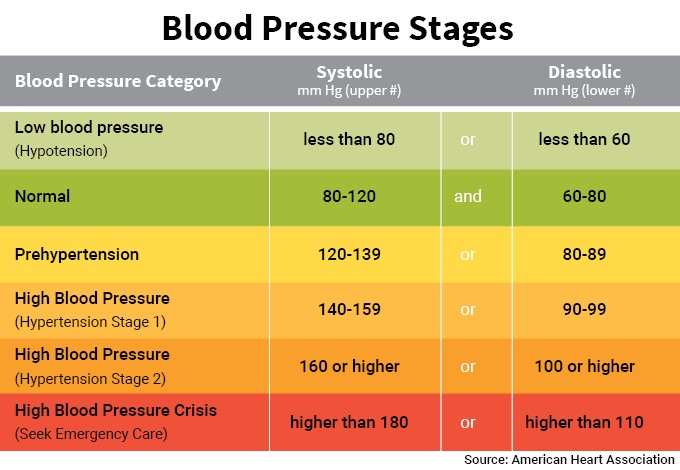
The pressure exerted by the column of blood flowing in the arteries once it has been pumped by the heart is called systolic (higher value) blood pressure. Diastolic (lower value) BP refers to the resistance in the arteries, which is always present due to their elastic tone.

Blood Pressure Categories:

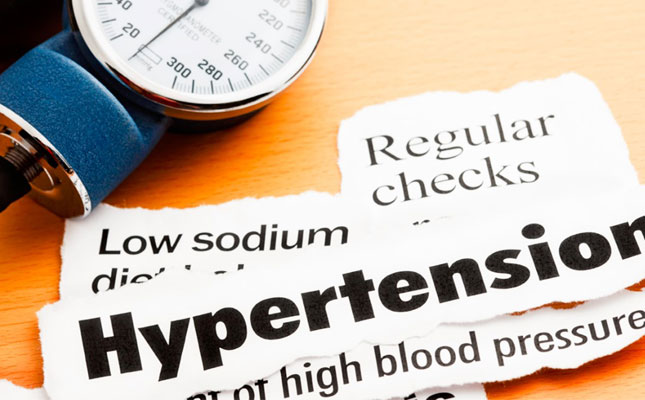
  • Normal: Up to 120/80 mmHg
  • Pre-Hypertensive: 130/90 to 140/90 mmHg
  • Hypertension: Above 140/90 mmHg

A person is diagnosed with high BP if three readings taken on separate days are consistently high.

BP - HypertensionSigns & Symptoms of Hypertension

If I have to look for signs of high BP, these symptoms should raise suspicion

  1. Headache
  2. Feeling of tiredness.
  3. Difficulty breathing
  4. Heaviness in the eyes / blurred vision.
  5. Irritability
  6. Severe cases: Heart attack or haemorrhagic stroke

What Causes High BP?

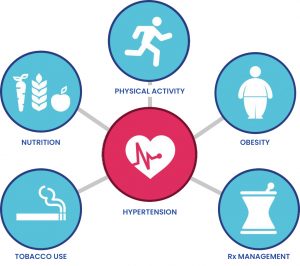
High BP is common in adults over 50 but is increasingly being diagnosed in younger people due to poor lifestyle choices, such as:

  • Lack of sleep—Irregular sleep cycles disrupt the circadian rhythm.
  • High salt intake—Excess salt from processed foods, snacks, pickles, and sauces.
  • Smoking—Nicotine constricts blood vessels, increasing BP.
  • Obesity—Being overweight adds strain to the heart.
  • Lack of exercise—Sedentary lifestyle leads to poor heart health.
  • Stress—From chaotic city traffic, financial strain, and work pressure.
  • Other Causes: BP can also rise due to secondary conditions like thyroid disorders and narrowing of arteries supplying the kidneys (Renal Artery Stenosis).

Why is it Important to Maintain Normal BP?

Persistently high BP damages the internal lining of blood vessels, gradually affecting the brain, kidneys, and eyes. This can lead to serious complications such as:

  • Stroke (brain damage due to reduced blood flow)
  • Kidney failure
  • Hypertensive retinopathy (damage to the eyes)

All of these complications can be prevented by keeping BP within the normal range.

Managing High BP Naturally

Since lifestyle choices are the single most important factor in controlling BP, here’s how you can manage hypertension without medication:

  • Sleep Better:
    • Aim to sleep by 11 PM and wake up by 6-7 AM to regulate your circadian rhythm.
    • Avoid using screens before bedtime to improve sleep quality.
  • Diet Adjustments:
    • Reduce salty foods such as crisps, salted nuts, pickles, and processed sauces.
    • Eat more potassium-rich foods like bananas, spinach, and lentils.
  • Exercise Regularly:
    • Engage in 45 minutes of brisk walking, 30 minutes of swimming or cycling, or 30 minutes of aerobics at least 5 days a week.
    • Strength training also helps improve circulation and heart health.
  • Manage Your Weight: 
    • If overweight, aim to lose 1-2 kg per month until you reach a healthy BMI (Body Mass Index) of 25.
  • Reduce Stress: 
    • Practise deep breathing or meditation daily.
    • Set realistic personal and professional goals to avoid unnecessary stress.
  • Stay Socially Connected:
    • Engage in social activities and maintain a healthy support system. A positive social life can improve mental health and reduce stress-induced BP spikes.

When to Consider Medication?

If lifestyle modifications do not lower BP within 6 months, it’s time to consult a doctor to explore medical options.

Additionally, if hypertension is caused by an underlying condition (such as thyroid disease or renal artery stenosis), treating the root cause can help normalise BP.

Even the word HyperTENSION (high BP) has ‘TENSION’ in it! Managing stress and adopting healthier lifestyle choices can significantly improve your heart health.

Have you successfully managed your BP through lifestyle changes? Share your experiences in the comments below!

#BeTheForce

Disclaimer: The information provided in this blog is for general awareness and educational purposes only. It is not intended to replace professional medical advice, diagnosis, or treatment. Always consult a qualified healthcare provider for personalised medical guidance or concerns related to your health.

  • « Previous Page
  • 1
  • …
  • 31
  • 32
  • 33
  • 34
  • 35
  • …
  • 101
  • Next Page »

Search

Recent Posts

  • 6 Health Benefits of Playing Sports
  • Foods to Manage Blood Sugar Naturally: A Complete Guide to Better Blood Sugar Control
  • The Lazy Person’s Guide to Staying Healthy: 5 Micro-Habits That Take Less Than 2 Minutes
  • Healthy Eating: Comforting Chilli Bean Soup Recipe for the Monsoon
  • The Truth About the ‘Beer Belly’: What Alcohol Really Does to Your Metabolism

Stay Updated

Archives

  • August 2026 (8)
  • July 2026 (25)
  • June 2026 (22)
  • May 2026 (20)
  • April 2026 (24)
  • March 2026 (18)
  • February 2026 (14)
  • January 2026 (14)
  • December 2025 (19)
  • November 2025 (15)
  • October 2025 (20)
  • September 2025 (6)
  • August 2025 (6)
  • July 2025 (9)
  • June 2025 (18)
  • May 2025 (16)
  • April 2025 (22)
  • March 2025 (26)
  • February 2025 (21)
  • January 2025 (25)
  • December 2024 (22)
  • November 2024 (22)
  • October 2024 (20)
  • September 2024 (22)
  • August 2024 (27)
  • July 2024 (15)
  • June 2024 (23)
  • May 2024 (26)
  • April 2024 (27)
  • March 2024 (27)
  • February 2024 (23)
  • January 2024 (21)
  • December 2023 (14)
  • November 2023 (10)
  • October 2023 (19)
  • September 2023 (21)
  • August 2023 (16)
  • July 2023 (16)
  • June 2023 (21)
  • May 2023 (20)
  • April 2023 (19)
  • March 2023 (23)
  • February 2023 (19)
  • January 2023 (15)
  • December 2022 (11)
  • November 2022 (15)
  • October 2022 (15)
  • September 2022 (12)
  • August 2022 (9)
  • July 2022 (17)
  • June 2022 (11)
  • May 2022 (10)
  • April 2022 (6)
  • March 2022 (6)
  • February 2022 (13)
  • January 2022 (11)
  • December 2021 (7)
  • November 2021 (3)
  • October 2021 (6)
  • September 2021 (3)
  • August 2021 (8)
  • July 2021 (7)
  • June 2021 (15)
  • May 2021 (16)
  • April 2021 (10)
  • March 2021 (7)
  • February 2021 (4)
  • January 2021 (4)
  • December 2020 (3)
  • November 2020 (4)
  • October 2020 (10)
  • September 2020 (3)
  • August 2020 (3)
  • July 2020 (2)
  • June 2020 (4)
  • May 2020 (10)
  • April 2020 (12)
  • March 2020 (10)
  • February 2020 (4)
  • January 2020 (4)
  • December 2019 (3)
  • November 2019 (7)
  • October 2019 (5)
  • September 2019 (4)
  • August 2019 (9)
  • July 2019 (9)
  • June 2019 (11)
  • May 2019 (4)
  • April 2019 (8)
  • March 2019 (8)
  • February 2019 (9)
  • January 2019 (8)
  • December 2018 (9)
  • November 2018 (3)
  • October 2018 (3)
  • September 2018 (5)
  • August 2018 (10)
  • July 2018 (6)
  • June 2018 (13)
  • May 2018 (8)
  • April 2018 (17)
  • March 2018 (9)
  • February 2018 (8)
  • January 2018 (15)
  • December 2017 (12)
  • November 2017 (19)
  • October 2017 (13)
  • September 2017 (15)
  • August 2017 (4)
  • July 2017 (8)
  • June 2017 (7)
  • May 2017 (6)
  • April 2017 (8)
  • March 2017 (6)
  • February 2017 (7)
  • January 2017 (9)
  • December 2016 (10)
  • November 2016 (7)
  • October 2016 (7)
  • September 2016 (7)
  • August 2016 (11)
  • July 2016 (9)
  • June 2016 (9)
  • May 2016 (12)
  • April 2016 (17)
  • March 2016 (17)
  • February 2016 (8)
  • January 2016 (6)
  • December 2015 (2)
  • November 2015 (9)
  • October 2015 (7)
  • September 2015 (9)
  • August 2015 (11)
  • July 2015 (9)
  • June 2015 (11)
  • May 2015 (9)
  • April 2015 (13)
  • March 2015 (8)
  • February 2015 (5)
  • January 2015 (12)
  • December 2014 (14)
  • November 2014 (11)
  • October 2014 (6)
  • September 2014 (13)
  • August 2014 (12)
  • July 2014 (6)
  • June 2014 (2)
  • May 2014 (7)
  • April 2014 (4)

From Burnout to Balance: How Dr. Ranjit Reclaimed His Health

Dr Ranjit Bhatt has spent years tending to others. A practising doctor in Odisha, his days were packed with patients, surgeries, and emergencies. From the outside, it looked like a life lived in service. But on the inside, something wasn’t right. “I had no … [Read More...]

From Shimla’s Slopes to Chandigarh’s Sidewalks: Surinder Kaur Bhalla’s Journey from Chaos to Control

Some journeys start with a plan. Others begin with a stumble literally. Surinder Bhalla, a government professional, born and raised in the scenic hill town of Shimla, had always lived a life of movement. “In Shimla, you walked everywhere,” she reflects. “Walking was never an exercise. It was just life.” But after shifting to Chandigarh, […]

“I’ve Challenged Myself to Live 100 Years” – The Story of Chandubhai Savani’s Second Chance at Life

At 67, most people start slowing down. Not Chandubhai Savani. A resident of Surat, Chandubhai, thought life was on track. “My life was going well till I had my bypass surgery,” he says. That surgery, back in 2021, was a wake-up call.  Medication was routine, but exercise wasn’t. His diet? What he calls ‘normal.’ “I […]

Ananda Mukherjee Health Story

From Terminal Illness To Complete Wellness! Ananda Mukherjee Health Story

As we observe World Cancer Day under the powerful theme ‘United by Unique’ (2025-2027)**, we are reminded that every individual’s journey with cancer is distinct, yet united by shared resilience, hope, and the collective fight against this disease. This theme places people at the centre of care and their stories at the heart of the […]

  • HOME
  • HEALTHY LIVING
  • FITNESS
  • HEALTHY RECIPES
  • USER STORIES
  • KARMA
  • BUY GOQii

Copyright ©2016 GOQii