GOQii

Blog

  • HOME
  • HEALTHY LIVING
  • FITNESS
  • HEALTHY RECIPES
  • USER STORIES
  • KARMA
  • BUY GOQii

Search Results for: menstrual

July 11, 2016 By Aditi Save 7 Comments

Is Acne just a skin problem or a diet problem?

1b

Acne is a common problem that we have all had while growing up or continue to have it. It’s irritating, we hate it and have also tried to beat it with the numerous types of skin care treatments. For a few these treatments have proved good but, for many the acne burst returns back may be at the same spot as before even after taking the utmost care.

One tends to wonder what is the cause for acne to keep occurring and re-occurring? The heightened cause of acne is a complex interaction of changing hormones, sebum, overgrowth of bacteria and inflammation.

To get a better understanding of this, let’s get deep into the skin structure,

We all individuals have a small sebaceous glands which lie just under the skin surface. These glands make the oil (sebum) that keeps the skin supple and smooth. Tiny pores on the skin allow the sebum to come on to the skin surface. Some of these pores get blocked due to the skin on top of the pores get thicker by combining with the dead skin cells that are shed into the pores. Thereafter, we notice tiny spots known as blackheads and whiteheads that block the pores.

As a rule, the more sebum that you create, the greasier your skin feels and the worse acne is likely to be trapped and this is an ideal situation for a germ (bacterium) to live and multiply on that. If a large number develop in the trapped sebum, the immune system may react and cause inflammation.

Often in women, the acne will break out in the exact same area mostly around their menstrual cycle. This may be related to hormones. This may be called as ‘stress’ area – a certain area on your face where whenever your immune system is compromised due to stress or illness, acne occurs. That pore may be damaged from picking or squeezing it in the past or a ‘natural’ weakness in the pore walls. It is unable to keep oil and infection out as easily and inflammation takes place frequently. Sometimes, a recurring pimple is because there is inflammation still very deep within the skin. While the surface may disappear temporarily, it is still there under the surface.

We can’t do much when it comes to the hormonal changes but, the other causes of acne is food intake. Certain foods like bad fats in fast foods and junk foods, processed and refined foods especially sugar, white bread, processed breakfast cereals, white rice, chips, cookies and cakes, full fat dairy products causes spike in blood sugar levels and lead to acne.

The key is to eat foods that keep your blood sugar and body pH alkaline steady. Here are few tips…

*Vegetables namely cucumbers, peas, cauliflower,beetroot, broccoli, lemons, leafy vegetables. The more vegetables you have the clearer skin you get.

*Omega 3 oils namely walnuts, flaxseeds, chia seeds, sesame seeds, fish and fish oils.

*Antioxidants mainly like VitA, Vit E and zinc like pumpkins, sweet potatoes, carrots, papaya, nuts like almonds, peanuts, shellfish, avocados and mushrooms.

*Water and High Fiber Foods for adequate hydration and detoxifying the body.

It never happens that one plan suits all, so you can experiment to find a perfect balance between the skin and body changes, maintain a diary, observe the changes, track them and carve out the best suitable food plan for a healthy and clear skin.

There are many factors that contribute to acne and diet is just one of them. Along with eating clean and avoiding acne triggers, a good skin care routine like using correct face wash, sporting a sunscreen daily and moisturizing your skin  is vital to maintaining a clear complexion.
October 1, 2015 By Payal Choudhury 10 Comments

15 things you did not know about Fenugreek “Methi’

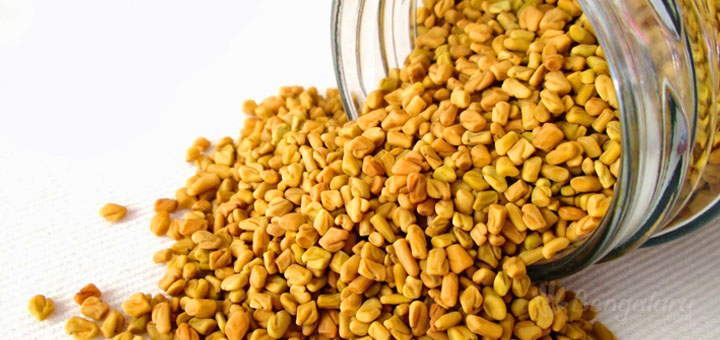
fenugreek

We are all aware Fenugreek right? Wondering what is Fenugreek? It’s nothing but, Methi in Hindi Fenugreek (Trigonella foenum graecum) is native to southern Europe and Asia and is an erect annual herb with white flowers and hard, yellowish brown and angular seeds.

Fenugreek seeds and leaves are strongly aromatic and flavourful. Seeds are bitter in taste but lose their bitterness if roasted slightly. They are rich in vitamins such as thiamine, folic acid, riboflavin, niacin, vitamins A, B6, and C, and are a storehouse of minerals such as copper, potassium, calcium, iron, selenium, zinc, manganese, and magnesium. Fenugreek leaves are a rich source of vitamin K as well.

Several human intervention trials have also shown that fenugreek seeds positively affect metabolic health. Fenugreek seeds have a slightly bitter taste when raw, but when they are sprouted, the flavour becomes pungently sweet, adding a unique taste to salads and other foods.

Methi or fenugreek seeds and leaves form an important ingredient in Indian households. It is used in almost every Indian preparation like dal, paratha or curry. But, what we might not know is that methi is a rich reservoir of medicinal properties that imparts many health benefits. Here are some ways which reflects the benefits of fenugreek.

  1. Lowers blood cholesterol

Fenugreek helps to reduce cholesterol level, especially that of low density lipoprotein (LDL). They are known to be rich source of steroidal saponins that prevent the absorption of cholesterol and triglycerides.

  1. Reduces risk of heart disease

Due to the presence of galactomannan, fenugreek plays a key role in maintaining a good heart. It also contains high amount of potassium that counters the action of sodium to help control heart rate and blood pressure.

  1. Controls blood sugar levels

A Diabetic must include methi (either in the form of seeds or leaves) in their diet. Because galactomannan, a natural soluble fibre present in fenugreek slows down the rate of sugar absorption into blood. It also contains amino acid responsible for inducing the production of insulin.

  1. Aids digestion

As fenugreek is rich in fibre and antioxidants, it helps in flushing out harmful toxins from the body and thus, aids digestion. In some cases, fenugreek tea is used to relieve indigestion and stomach pain.

  1. Helps counter acid reflux or heartburn

One teaspoon of fenugreek seeds in our food can be an effective remedy for acid reflux or heartburn. Mucilage of fenugreek seeds coat the lining of the stomach and intestine and soothe irritated gastrointestinal tissues. Before consuming, we can soak the methi seeds in water to make their outer coat mucilaginous.

  1. Helps you lose weight

Include fenugreek in our weight loss diet by chewing soaked methi seeds in the morning on an empty stomach. The natural soluble fibre in the fenugreek can swell and fill the stomach thereby suppressing our appetite and aiding in weight loss goals.

  1. Remedy for fever and sore throat

Fenugreek when taken with a teaspoon of lemon and honey can work wonders to reduce fever by nourishing the body. The soothing effect of mucilage in fenugreek also helps in relieving cough and pain from sore throat.

  1. Increases breast milk production in lactating women

Fenugreek ranks high among the ‘must haves’ for nursing mothers. This is due to the presence of diosgenin in the spice which increases milk production in lactating mothers. Fenugreek is used as a galactagogue by nursing mothers to increase inadequate breast milk supply.

9. Induces and eases child birth

Fenugreek has been known to be helpful in inducing childbirth by stimulating uterine contractions. It also reduces labour pain. But, here’s a word of caution. Excess intake of fenugreek seeds during pregnancy could be a reason of miscarriage or premature childbirth.

  1. Helps reduce menstrual discomfort

Fenugreek contains compounds like diosgenin and isoflavones with oestrogen-like properties which helps reduce symptoms like discomfort and menstrual cramps associated with PMS. These compounds also ease menopausal symptoms like hot flashes and mood fluctuations. Women are more prone to iron deficiency during adolescence (initiation of menstrual periods), during pregnancy and breastfeeding. Therefore including green leafy veggies like fenugreek (methi) in their diet can supply a good amount of iron. But, make sure to add tomatoes or potatoes to the preparations to enhance the iron absorption.

  1. Helps prevent colon cancer

The fibre content (saponins, mucilage, etc.) of fenugreek binds to toxins in the food and flush them out. This in turn helps to protect the mucus membrane of the colon from cancer.

  1. Helps soothe skin inflammation and reduce scars

While Vitamin C acts as a powerful antioxidant, fenugreek also contains anti-inflammatory compounds that aid in the treatment of various skin problems like burns, boils and eczema. The seeds are known to help in getting rid of scars.

14 Helps treat skin problems

Fenugreek or methi can be used in face packs to help prevent blackheads, pimples, wrinkles, etc. Washing your face with water boiled with fenugreek seeds or applying a paste of fresh fenugreek leaves for twenty minutes on your face can work wonders for your skin.

15 Can resolve hair problems

Using fenugreek as a part of your diet or as a paste to directly apply on your hair makes your hair shiny and black. Massaging your head everyday with boiled fenugreek seeds soaked overnight in coconut oil can be an excellent remedy for thinning of hair and hair fall.

To de-stress, here is a homemade remedy:

Fenugreek Seed Tea

1. Lightly crush a teaspoon of fenugreek seeds.

2. Soak them in a cup of freshly boiled water and steep it for 1 to 3 hours. (The longer you steep, higher the benefits).

3. Strain the tea, add honey and lemon to taste and drink it hot or cold. You can add tea leaves or other herbs too for different flavour.


September 25, 2015 By Nidhi Sarvaiya 5 Comments

All you wanted to know about Thyroid

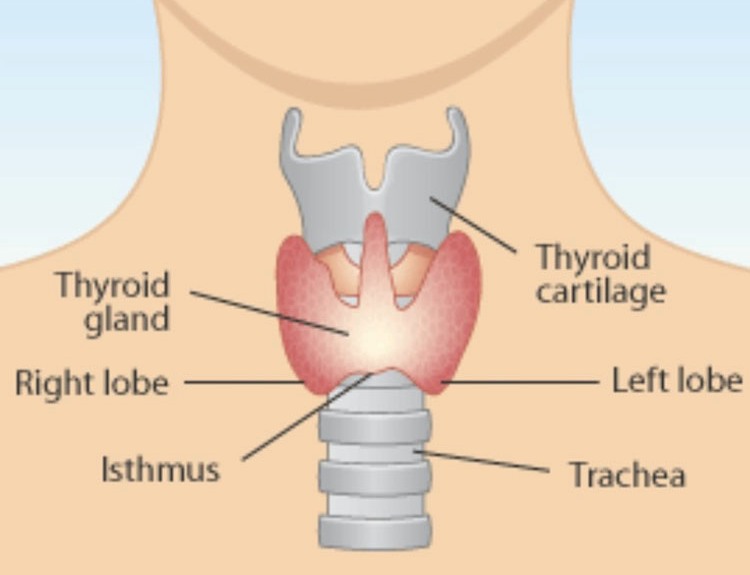
Thyroid-Gland-958x1024

How often have we come across friends or others whom we know are suffering from Thyroid? Many a time but, largely we are unaware of what Thyroid is except that many of us associate this medical condition with weight gain. It’s not just the weight gain. The purpose of writing this blog is to give you an idea about a lifestyle related condition (Thyroid ) and learn more about the fads and facts surrounding the same.

What is Thyroid Gland?

The thyroid gland is a butterfly-shaped endocrine gland that is normally located in the lower front of the neck. The thyroid’s job is to make thyroid hormones, which are secreted into the blood and then carried to every tissue in the body. Thyroid hormone helps the body use energy, stay warm and keep the brain, heart, muscles, and other organs working as they should.

Let’s take a look at the relationship between Thyroid, Body Weight and Metabolism. Thyroid hormones are responsible for regulating Metabolism in Humans. Metabolism refers to the biochemical processes that occur in living organism to maintain life. Metabolism is determined by the amount of Oxygen used by the body over a period of time. When measurement is made at rest it is referred to as Basal Metabolic Rate (BMR). Measurement of BMR was the earliest test used to determine functioning of Thyroid. Patients with overactive thyroid gland had high BMR and those with underactive thyroid gland had lower BMR.

Later on measurement of Thyroid Hormones came into picture and it showed that low thyroid hormone levels were associated with low BMRs and high thyroid hormone levels were associated with high BMRs.

Te thyroid hormones, triiodothyromine (T3) and its prohormone-Thyroxine (T4) are produced by thyroid gland that is primarily responsible for regulating metabolism. The most important component for the production of T3 and T4 is Iodine. Deficiency of iodine leads to decreased production of T3 and T4, enlarges thyroid tissue and leads to a condition known as Goitre. Thyroid hormones are also responsible for proper differentiation and development of cells. They regulate protein, fat, carbohydrate and vitamin metabolism providing compounds to human cells.

The two main conditions associated with thyroid are hyperthyroidism and hypothyroidism.

Hyperthyroidism :-  It is the condition were thyroid is extremely overactive and individual’s BMR increases which leads to increased caloric requirements to maintain weight. Person has to increase the caloric intake to match the calories burnt, otherwise weight loss will persist.

Thyroid Stimulating Hormone (TSH) will be decreased in Hypothyroidism. Diagnosis of Hyperthyroidism is associated with Low (supressed) TSH level.

Thyroid hormones themselves (T3, T4) will be increased. Most of the people with Hyperthyroidism will have their Thyroid Hormone measuring High.

Symptoms Include: Sudden weight loss, even when your appetite and the amount and type of food you eat remain the same or even increase,Rapid heartbeat (tachycardia), Increased appetite, Nervousness, anxiety and irritability, Sweating, Change in menstrual patterns, Increased sensitivity to heat, Changes in bowel patterns, especially more frequent bowel movements, An enlarged thyroid gland (goiter), which may appear as a swelling at the base of your neck, Fatigue, muscle weakness, Difficulty sleeping, Skin thinning, Fine, brittle hair

Tests:-Hyperthyroidism is diagnosed using: Medical History and physical exam, Blood tests, Radioactive Iodine uptake test, Thyroid Scan.

Foods to avoid:- High Glycemic Carbs like Processed grains, such as white flour, sugary sweets, juices, low-fiber cereals, rice and instant potatoes have a high-glycemic value, Goitrogenic Foods like Cruciferous vegetables — such as cauliflower, broccoli and cabbage, soy and millet, a gluten-free grain — contain goitrogens, Unhealthy fats :-  Eat fewer red, fried and processed meats and high-fat dairy products, which contain saturated fat, Alcohol and caffeinated products, such as soft drinks, coffee and  tea.

Exercises:-Aerobic exercises like dancing, swimming can be included, resistance exercises like pushups and situps are also beneficial. Yoga and Meditation can also be included for calmness and ease anxiety.

Hypothyroididsm:-  Due to decrease in BMR, there in increase in weight of an individual.

The cause of weight gain in hypothyroid individuals is also complex, and not always related to excess fat accumulation. Most of the extra weight gained in hypothyroid individuals is due to excess accumulation of salt and water.

Because the body is expecting a certain amount of thyroid hormone the pituitary will make additional thyroid stimulating hormone (TSH) in an attempt to entice the thyroid to produce more hormone. This constant bombardment with high levels of TSH may cause the thyroid gland to become enlarged and form a Goiter

Symptoms:- Fatigue, Increased sensitivity to cold, Constipation, Dry skin, Unexplained weight gain, Puffy face, Hoarseness, Muscle weakness, Elevated blood cholesterol level, Muscle aches, tenderness and stiffness, Pain, stiffness or swelling in your joints, Heavier than normal or irregular menstrual periods, Thinning hair, Slowed heart rate, Depression, Impaired memory.

Tests:-TSH (Thyroid stimulating Hormone) Testing, T4 Testing, Anti-thyroid Microsomal Antibodies Testing.

Foods to avoid:– Soy, Cruciferous Veggies, Fatty Foods, Sugary Foods, Processed Foods, Excess Fiber, Caffeine, Alcohol.

Fats are an important part to your hormone health, as hormones are produced using good fats. Coconut oil is amazing for hormone health. It provides the required building blocks for hormone production. Coconut oil when taken with Balanced Diet helps lower cholesterol by assisting its conversion to pregnenolone, the precusrsorto many hormones. If pregnenolone increased in diet would be very helpful for those with hormonal imbalances.

Cold pressed Virgin Coconut oil :- Coconut Oil is a saturated fat mainly made up of medium chain triglycerides (MCT). MCT’s are known to increase metabolism and promote weight loss. It is very beneficial as it helps in boosting metabolism and also has stimulatory effect on the thyroid. Because thyroid manages metabolism and also causes wide range of symptoms like weight gain, impaired immune function, fatigue, slow healing, cold intolerance etc.

Exercise :- Best Exercises for Hypothyroidism would include One-legged dead lift, Squats, Overhead press or similar vertical push move, Push-up, Lap pull-down or similar vertical pull move, Rowing or similar horizontal pull move.

August 27, 2015 By Ami Shah 1 Comment

Simple Ways to reduce water retention

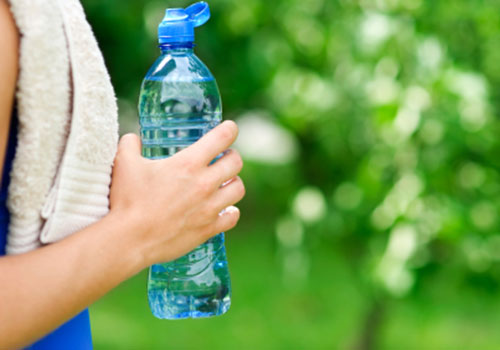
water-hydated

Water retention is one of the common problems faced by woman. There can be various reasons for it such as PMS (premenstrual syndrome), menopause, erratic eating habits, diet high in sodium and protein deficit. However, this problem of water retention can be knocked off by certain ways. Let’s have a look at few ways in which we can get rid of the same.

Reduction in sodium intake– Kidneys are responsible for maintaining the balance between sodium and water. When the sodium level rises in the system, kidneys hold back the water in order to dilute the sodium and this also leads to high blood pressure. Hence, sodium rich foods such as packaged foods, cold cuts and table salt needs to be avoided. Healthy alternative is to choose rock salt, lemon, tamrind, spices to make the food more palatable.

Stay Hydrated: It might sound strange to drink more water when your body already has water. However, the more water you drink, the more will be flushed out. Hence, it is recommended to drink at least 3-3.5liters of water. You can choose plain water, green tea, coconut water, lemon water, barley water, coriander seeds water. Avoid caffeinated beverages like coffee, sugary drink, colas which will dehydrate your body. Here are few home remedies:

1) Have barley water:

Take, Barley- 3 tbsp and Water- 1 glass

How to make:

Add barley to water.

Leave it to soak overnight

Strain and drink the water in morning.

Again soak barley in water and have it in the evening.

Drink 2 glasses of soaked barley water everyday.

2) Take, Coriander seeds- 3 tbsp, Water- 1 glass

How to make:

Add coriander seeds to water.

Boil it till the time it remains half of its original quantity.

Strain and let it cool down before drinking

Repeat it once more. Drink this coriander seeds water twice a day.

Include high potassium foods– Lack of potassium is also one of the causes for water retention in body. It is an important mineral which is needed for proper functioning of body cells, tissues and organs. Potassium along with sodium maintains normal water balance in body. Potassium also helps stimulate the kidneys so that they may flush out waste along with excessive salt out of the body. So have foods rich in potassium too. Most of the fruits are rich in potassium as also certain vegetables. Potassium rich foods are: banana., coconut water, dry fruits etc.

Include natural diuretics: Diuretics helps in release of more urine. When urine is released, it not only flushes out toxins but also flushes out sodium, thereby reducing water retention. Few natural diuretics are cranberries, cranberry juice, lemon, cucumber, pineapple, cabbage.

  • « Previous Page
  • 1
  • …
  • 12
  • 13
  • 14
  • 15
  • 16
  • Next Page »

Search

Recent Posts

  • 10 Everyday Habits That Could Be Hurting Your Health
  • Why Good Nutrition Matters: Benefits of Healthy Eating for a Healthy Life
  • Monsoon Health Tips: How to Boost Your Immunity During Seasonal Changes
  • Yoga for Healthy Ageing: Simple Practices to Add Life to Your Years
  • Calming Your Mind: Breathing Techniques for ADHD

Stay Updated

Archives

  • June 2026 (22)
  • May 2026 (20)
  • April 2026 (24)
  • March 2026 (18)
  • February 2026 (14)
  • January 2026 (14)
  • December 2025 (19)
  • November 2025 (15)
  • October 2025 (20)
  • September 2025 (6)
  • August 2025 (6)
  • July 2025 (11)
  • June 2025 (18)
  • May 2025 (16)
  • April 2025 (22)
  • March 2025 (27)
  • February 2025 (21)
  • January 2025 (25)
  • December 2024 (22)
  • November 2024 (23)
  • October 2024 (20)
  • September 2024 (23)
  • August 2024 (29)
  • July 2024 (20)
  • June 2024 (25)
  • May 2024 (26)
  • April 2024 (27)
  • March 2024 (27)
  • February 2024 (23)
  • January 2024 (21)
  • December 2023 (14)
  • November 2023 (10)
  • October 2023 (19)
  • September 2023 (22)
  • August 2023 (18)
  • July 2023 (21)
  • June 2023 (23)
  • May 2023 (20)
  • April 2023 (19)
  • March 2023 (23)
  • February 2023 (19)
  • January 2023 (15)
  • December 2022 (11)
  • November 2022 (15)
  • October 2022 (15)
  • September 2022 (12)
  • August 2022 (10)
  • July 2022 (17)
  • June 2022 (11)
  • May 2022 (10)
  • April 2022 (6)
  • March 2022 (6)
  • February 2022 (13)
  • January 2022 (11)
  • December 2021 (7)
  • November 2021 (3)
  • October 2021 (6)
  • September 2021 (3)
  • August 2021 (8)
  • July 2021 (7)
  • June 2021 (15)
  • May 2021 (16)
  • April 2021 (10)
  • March 2021 (7)
  • February 2021 (4)
  • January 2021 (4)
  • December 2020 (3)
  • November 2020 (4)
  • October 2020 (10)
  • September 2020 (3)
  • August 2020 (3)
  • July 2020 (2)
  • June 2020 (4)
  • May 2020 (10)
  • April 2020 (12)
  • March 2020 (10)
  • February 2020 (4)
  • January 2020 (4)
  • December 2019 (3)
  • November 2019 (7)
  • October 2019 (5)
  • September 2019 (4)
  • August 2019 (9)
  • July 2019 (9)
  • June 2019 (11)
  • May 2019 (4)
  • April 2019 (8)
  • March 2019 (8)
  • February 2019 (9)
  • January 2019 (8)
  • December 2018 (9)
  • November 2018 (3)
  • October 2018 (3)
  • September 2018 (5)
  • August 2018 (10)
  • July 2018 (6)
  • June 2018 (13)
  • May 2018 (8)
  • April 2018 (18)
  • March 2018 (9)
  • February 2018 (8)
  • January 2018 (15)
  • December 2017 (12)
  • November 2017 (19)
  • October 2017 (13)
  • September 2017 (15)
  • August 2017 (4)
  • July 2017 (8)
  • June 2017 (7)
  • May 2017 (6)
  • April 2017 (8)
  • March 2017 (6)
  • February 2017 (7)
  • January 2017 (9)
  • December 2016 (10)
  • November 2016 (7)
  • October 2016 (7)
  • September 2016 (7)
  • August 2016 (11)
  • July 2016 (9)
  • June 2016 (9)
  • May 2016 (12)
  • April 2016 (17)
  • March 2016 (17)
  • February 2016 (8)
  • January 2016 (6)
  • December 2015 (2)
  • November 2015 (9)
  • October 2015 (7)
  • September 2015 (9)
  • August 2015 (11)
  • July 2015 (9)
  • June 2015 (11)
  • May 2015 (9)
  • April 2015 (13)
  • March 2015 (8)
  • February 2015 (5)
  • January 2015 (12)
  • December 2014 (14)
  • November 2014 (11)
  • October 2014 (6)
  • September 2014 (13)
  • August 2014 (12)
  • July 2014 (6)
  • June 2014 (2)
  • May 2014 (7)
  • April 2014 (4)

From Shimla’s Slopes to Chandigarh’s Sidewalks: Surinder Kaur Bhalla’s Journey from Chaos to Control

Some journeys start with a plan. Others begin with a stumble literally. Surinder Bhalla, a government professional, born and raised in the scenic hill town of Shimla, had always lived a life of movement. “In Shimla, you walked everywhere,” she reflects. … [Read More...]

From “Laddu Nawin” to Fit and Fierce: How a 25-Year-Old Insurance Advisor Shed 20 Kilos and Gained His Life Back

When 25-year-old Nawin Yadav from Hyderabad walked into his office every morning, he carried more than just his files and policy papers. He had the weight of fatigue, sluggish energy, and an ever-growing belly that was becoming the butt of jokes. “People had even started calling me Laddu Nawin,” he says with a laugh, but […]

From Burnout to Balance: How Dr. Ranjit Reclaimed His Health

Dr Ranjit Bhatt has spent years tending to others. A practising doctor in Odisha, his days were packed with patients, surgeries, and emergencies. From the outside, it looked like a life lived in service. But on the inside, something wasn’t right. “I had no control over my schedule. I’d sleep late, eat at odd hours, […]

Ananda Mukherjee Health Story

From Terminal Illness To Complete Wellness! Ananda Mukherjee Health Story

As we observe World Cancer Day under the powerful theme ‘United by Unique’ (2025-2027)**, we are reminded that every individual’s journey with cancer is distinct, yet united by shared resilience, hope, and the collective fight against this disease. This theme places people at the centre of care and their stories at the heart of the […]

  • HOME
  • HEALTHY LIVING
  • FITNESS
  • HEALTHY RECIPES
  • USER STORIES
  • KARMA
  • BUY GOQii

Copyright ©2016 GOQii