GOQii

Blog

  • HOME
  • HEALTHY LIVING
  • FITNESS
  • HEALTHY RECIPES
  • USER STORIES
  • KARMA
  • BUY GOQii

Search Results for: kidney

August 27, 2015 By Ami Shah 1 Comment

Simple Ways to reduce water retention

water-hydated

Water retention is one of the common problems faced by woman. There can be various reasons for it such as PMS (premenstrual syndrome), menopause, erratic eating habits, diet high in sodium and protein deficit. However, this problem of water retention can be knocked off by certain ways. Let’s have a look at few ways in which we can get rid of the same.

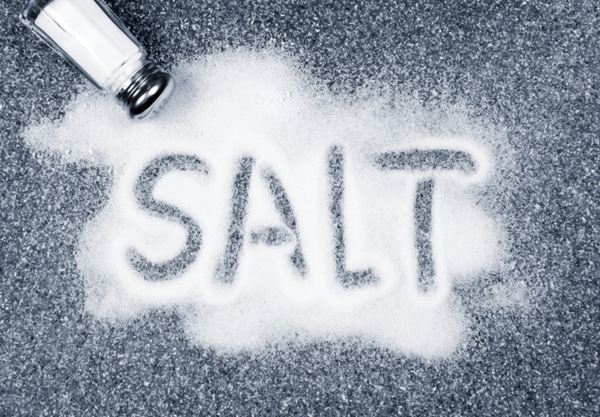
Reduction in sodium intake– Kidneys are responsible for maintaining the balance between sodium and water. When the sodium level rises in the system, kidneys hold back the water in order to dilute the sodium and this also leads to high blood pressure. Hence, sodium rich foods such as packaged foods, cold cuts and table salt needs to be avoided. Healthy alternative is to choose rock salt, lemon, tamrind, spices to make the food more palatable.

Stay Hydrated: It might sound strange to drink more water when your body already has water. However, the more water you drink, the more will be flushed out. Hence, it is recommended to drink at least 3-3.5liters of water. You can choose plain water, green tea, coconut water, lemon water, barley water, coriander seeds water. Avoid caffeinated beverages like coffee, sugary drink, colas which will dehydrate your body. Here are few home remedies:

1) Have barley water:

Take, Barley- 3 tbsp and Water- 1 glass

How to make:

Add barley to water.

Leave it to soak overnight

Strain and drink the water in morning.

Again soak barley in water and have it in the evening.

Drink 2 glasses of soaked barley water everyday.

2) Take, Coriander seeds- 3 tbsp, Water- 1 glass

How to make:

Add coriander seeds to water.

Boil it till the time it remains half of its original quantity.

Strain and let it cool down before drinking

Repeat it once more. Drink this coriander seeds water twice a day.

Include high potassium foods– Lack of potassium is also one of the causes for water retention in body. It is an important mineral which is needed for proper functioning of body cells, tissues and organs. Potassium along with sodium maintains normal water balance in body. Potassium also helps stimulate the kidneys so that they may flush out waste along with excessive salt out of the body. So have foods rich in potassium too. Most of the fruits are rich in potassium as also certain vegetables. Potassium rich foods are: banana., coconut water, dry fruits etc.

Include natural diuretics: Diuretics helps in release of more urine. When urine is released, it not only flushes out toxins but also flushes out sodium, thereby reducing water retention. Few natural diuretics are cranberries, cranberry juice, lemon, cucumber, pineapple, cabbage.

July 14, 2015 By Hardika Vira 1 Comment

Rickets: Types, symptoms and treatments

It’s natural that most mothers want their child to grow and be normal and in this process keenly observe every little change that occurs in their child. I am a mother too and therefore I felt the need to write a blog on the issue commonly faced by children –Rickets

It is a deficiency of Vit D, calcium or phosphorus also known as Osteomalacia. It involves softening and weakening of bones in children due to deficiency of Vit D. The softening occurs due to loss of Calcium in the skeleton as a result of which bones become flexible and gradually are moulded by forces such as bearing weight, that are exerted on them thus leading to deformities of the body structure.

There are various types of rickets:

  1. Nutritional Rickets- Due to dietary deficiency of calcium, Vit D. You can correct it with including good sources of Calcium, Vit D, phosphorus.

Sources of Vit D include sunlight, fatty fish, milk, mushrooms

Sources of Calcium include Milk and products, gingelly seeds, Ragi, tofu, soy milk, figs, rajgeera (Amaranth seeds), Almonds, figs etc.

Sources of phosphorus include milk and products, ricebran, pulses and legumes, rajgeera(amaranth seeds), pumpkin seeds, colocasia leaves, gingelly seeds, carrot , bajra, maize etc.

  1. Hypophosphatemic Rickets- As the name suggests this particular form of Rickets is caused due to low levels of phosphate. Bones become painfully soft and pliable. It is caused by a genetic dominant X-linked defect in the ability for the kidneys to control the amount of phosphate excreted in urine. It is not caused by Vit D Deficiency. Children suffering from this type of Ricket show obvious symptoms by the time they are 1 year of age. Treatment is generally through nutritional supplementation of phosphate and active form of Vit D.
  2. Renal Rickets- Caused by a number of kidney disorders. Persons suffering from kidney disorder have decreased ability to regulate amounts of electrolytes lost in urine which includes electrolytes like calcium and phosphate. Thus, these individuals develop symptoms similar to those of rickets

Treatment includes correcting the leading cause of renal disorder

Symptoms include

  1. Bone pain/tenderness
  2. Dental deformity
  3. Delayed formation of teeth
  4. Decreased muscle strength
  5. Impaired growth
  6. Short stature
  7. Skeletal deformities- bow legs
  8. rachitic rosary(rib cage abnormalities)
  9. Tetany i.e. involuntary muscle contraction) or seizures in severe cases

Treatment/ Prevention:

For Nutritional Deficiency Rickets

  1. Correcting nutritional deficiencies by incorporating more of Calcium, phosphorus and Vit D 3 sources
  2. New mothers have to be advised Vit D supplementation to their new borns as breast milk is low in Vit D especially with regards to low birth weight infants
  3. Gradual administration of oral doses of Vit D after consulting a doctor

For hypophosphatemic rickets and kidney/renal Rickets

Need to consult doctors and get the underlying cause corrected.

1) Skeletal deformities- bow legs

ricketsbone

2) rachitic rosary(rib cage abnormalities)

ricket


June 11, 2015 By Neha Morche Leave a Comment

QUINOA SUPERGRAIN of 21st CENTURY


Quinoa

Quinoa is a grain like any other grains or cereals that we consume on a daily basis and is definitely a better option to include and to avoid monotony in our daily routine. It is obtained from plant which tastes like spinach. Although it is mostly eaten in Northern America, it is now getting worldwide recognition. Quinoa is a whole grain which has striking health benefits.

Quinoa is a very good source of manganese, phosphorus, copper, magnesium, dietary fibre, folate , and zinc, protein, antioxidants than any other grain including Vitamin B6, thiamin, niacin, potassium, and riboflavin, vitamin E and MUFA(mono unsaturated fatty acids)..Quinoa is a perfect food to include on a gluten-free diet, since it lacks gluten.

It is available in red, light yellow and black colour in market. It is a very interesting grain as it expands than its original size on cooking, here we will have an idea of cooking:

Uses:

Always rinse Quinoa till soapy texture gets washed away (as it has saponin ; a toxic chemical substance) also it has bitter taste after repetitive wash. If the soapy texture does not go then rubbing it may help. Mixture of Quinoa and water should be 1:2 ratio, boil it, approximately it takes 15 minutes to cook. Once it gets cooked the germ gets detached and it looks translucent. If roasted on low heat before cooking it gives it a nuttier flavor. It can be refrigerated for 3 to 6 months.

It can be used as sprouts, in soups, porridge for breakfast; cooked Quinoa can be used in sandwiches and tossed over pasta. Quinoa can be mixed with brown rice and vegetables…and also you can make yummy Quinoa pudding. It can be popped like popcorn which children enjoy.

Pros :

  • It has good amount proteins for wear and tear of the tissues.
  • Good for hypertension (low in cholesterol and sodium ), breathing problems and migraine pain as it relaxes blood vessels.
  • It has abundance of fibre which improves digestion, hinders excess secretion of bile.
  • It is good sources of calcium for bones.
  • It is gluten free, which is good cereal option for people having gluten allergy.
  • Manganese and copper acts as an antioxidant which prevents from free radicals produced in the body.
  • It reduces triglycerides compared to gluten free breads and pastas.

We have seen the benefits of Quinoa but, let me tell you it does have oxalates which should be avoided in oxalate restricted diets (kidney stones).

So let’s try and inculcate some new stuff in your diet to become more healthy.

May 25, 2015 By Anushree Ashtekar Leave a Comment

Red Signal to Excess-Part 2 – Moderation is key to Good health

eat in moderation

In Part 1, we saw how good things in excess can adversely affect our health. In this follow up blog, I talk of bad things in excess, which is also not right.

Let’s take a look at some of these bad things in excess and how it could be detrimental to our health.

1) Excessive consumption of junk/processed foods: Fast food means food that can be made and served quickly. These junk foods are mostly processed, containing large amounts of refined carbohydrates, added refined sugars, added salt (sodium) and bad quality fats. They are high on calories but, minimal on nutritional value. Eating junk/processed foods instead of fresh, whole, nutritious food has many adverse effects on the body. Junk foods and drinks are packed with refined sugars which cause insulin spike gradually leading to insulin resistance and Type- 2 diabetes.

The empty calories just go easily go into the body fat store leading to obesity which can further give rise to severe health issues like heart problems, respiratory problems, etc. The trans fats in the junk foods, increase the LDL cholesterol levels and subsequently decrease the HDL cholesterol levels. Lot of salt (sodium) causes water retention, high blood pressure and enlarged heart muscle. Too much sugars cause acidity which destroy the tooth enamel causing dental cavities. MSG (Monosodium Glutamate) found in processed foods create stomach distress. Some of the artificial colors and preservatives used in processed foods are found to be carcinogenic (cancer causing). Drinking too much of soda can leach calcium out of the bones making them soft and brittle. Also, the aluminium soda cans are inwardly lined with an epoxy resin called bisphenol A (BPA) which protects the metal can from the reaction of acids in the sodas. This BPA is found to be disrupting normal hormone functioning that can lead to obesity, diabetes and reproductive cancers.

2) Excessive alcohol consumption: It is no big secret that alcohol consumption has no good effects but, chronic heavy drinking has many bad effects. Researchers have found alcohol to be linked to more than 60 diseases. Alcohol can cause liver cirrhosis. Alcohol is empty calories so, can cause unwanted fat storage in the body. Alcohol disturbs the working of the sympathetic nervous system leading to high blood pressure, heart problems, stroke and kidney disease. Heavy drinking can cause gastritis (stomach irritation), inflammation of pancreas, decrease in immunity, nerve damage (alcoholic neuropathy). As people age, their brains shrink but, heavy drinking can cause faster brain shrinking leading to memory loss and other symptoms of dementia. Depressed people drink to ‘feel good’ but, in fact, drinking leads to further depression. Alcohol can aggravate the condition of gout. It can worsen the condition of an epileptic and cause seizures even in non-epileptic individuals. Chronic heavy drinking can lead to cancer of the mouth, esophagus, liver, breast, and colorectal region.

3) Excessive cigarette smoking/tobacco chewing: Nicotine is a highly addictive drug that alters the brain chemistry making it both, physically and psychologically addictive. According to AHA (American Heart Association), nicotine causes short-term rise in heart-rate, blood flow and blood pressure which, in a long term, can cause cardiovascular complications. Carbon monoxide in cigarette smoke causes fat buildup in arteries leading to hardening of the arterial walls (atherosclerosis). Tobacco smoking and chewing, both, can lead to oral and lung cancers. Smoking/chewing tobacco can also cause tissue damage in various organs of the body and dental diseases.

4) Excessive Tea/Coffee drinking: We all wish to have a cup of tea/coffee to kick-start our day. It’s not too bad to drink tea and coffee. It is the too much drinking that is the concern.

Caffeine is a natural stimulant found in coffee, tea, chocolate, yerba mate and certain herbal teas. Caffeine is generally a very safe stimulant. It improves alertness and is a mood enhancer. Usually, it is 200-300 mg of coffee that can be safely consumed per day (roughly 3 cups) but, this differs from person to person, depending on their own ‘caffeine sensitivity’. Too much coffee consumption can lead to symptoms like irritability, nervousness, headache, dizziness, insomnia, fever, increased heart-rate, increased thirst, stomach upset and muscle tremors. Same is the case with teas. A cup of hot tea in the morning will boost your energy for the day where as a cup of herbal tea at night will help you relax. Tea contains lesser amount of caffeine than coffee but, there are side effects of having too much of it.

Drinking too many cups of tea in a day can lead to symptoms like restlessness, anxiety, disturbed sleep, skeletal fluorosis (a painful bone condition), yellow pigmentation of the teeth. Green tea is no less. Though healthy, if had too much, it can worsen the condition in people suffering from high blood pressure, anxiety and stomach ulcers.

5) Excessive stress: In this fast paced world, stress is become an inevitable part of our lifestyle. Our body reacts/adjusts to outward changes with physical, mental and emotional responses. This response amounts to stress. Stress is a part of our daily, normal lives. Our body is designed to feel and react to 2 kinds of stress; positive and negative stress. Positive stress is the one where the body prepares itself for a ‘fight or flight’ mode. Negative stress is the one in which the body is continuously facing challenges, without time for rest and recovery. As a result, stress related tensions build up. A person going through stress for a very long time without relief, can enter a stage called as ‘distress’. This distress is indicated by many physical symptoms like fatigue, headache, dizziness, disturbed sleep patterns, high blood pressure, stomach upsets. Stress plays a role in aggravating medical conditions like diabetes, blood pressure, heart problems, depression, asthma, anxiety, skin problems, gastrointestinal disorders, Obesity, Alzheimer’s disease. In many cases, chronic, untreated stress can also lead to accelerated ageing and premature death.

Lastly, I would like to end by saying, “too much of anything, is good for nothing”.

  • « Previous Page
  • 1
  • …
  • 34
  • 35
  • 36
  • 37
  • 38
  • 39
  • Next Page »

Search

Recent Posts

  • Why Good Nutrition Matters: Benefits of Healthy Eating for a Healthy Life
  • Monsoon Health Tips: How to Boost Your Immunity During Seasonal Changes
  • Yoga for Healthy Ageing: Simple Practices to Add Life to Your Years
  • Calming Your Mind: Breathing Techniques for ADHD
  • Healthy Oats & Besan Pancake Recipe for a Nutritious Breakfast

Stay Updated

Archives

  • June 2026 (21)
  • May 2026 (20)
  • April 2026 (24)
  • March 2026 (18)
  • February 2026 (14)
  • January 2026 (14)
  • December 2025 (19)
  • November 2025 (15)
  • October 2025 (20)
  • September 2025 (6)
  • August 2025 (6)
  • July 2025 (11)
  • June 2025 (18)
  • May 2025 (16)
  • April 2025 (22)
  • March 2025 (27)
  • February 2025 (21)
  • January 2025 (25)
  • December 2024 (22)
  • November 2024 (23)
  • October 2024 (20)
  • September 2024 (23)
  • August 2024 (29)
  • July 2024 (20)
  • June 2024 (25)
  • May 2024 (27)
  • April 2024 (27)
  • March 2024 (27)
  • February 2024 (23)
  • January 2024 (21)
  • December 2023 (14)
  • November 2023 (10)
  • October 2023 (19)
  • September 2023 (22)
  • August 2023 (18)
  • July 2023 (21)
  • June 2023 (23)
  • May 2023 (20)
  • April 2023 (19)
  • March 2023 (23)
  • February 2023 (19)
  • January 2023 (15)
  • December 2022 (11)
  • November 2022 (15)
  • October 2022 (15)
  • September 2022 (12)
  • August 2022 (10)
  • July 2022 (17)
  • June 2022 (11)
  • May 2022 (10)
  • April 2022 (6)
  • March 2022 (6)
  • February 2022 (13)
  • January 2022 (11)
  • December 2021 (7)
  • November 2021 (3)
  • October 2021 (6)
  • September 2021 (3)
  • August 2021 (8)
  • July 2021 (7)
  • June 2021 (15)
  • May 2021 (16)
  • April 2021 (10)
  • March 2021 (7)
  • February 2021 (4)
  • January 2021 (4)
  • December 2020 (3)
  • November 2020 (4)
  • October 2020 (10)
  • September 2020 (3)
  • August 2020 (3)
  • July 2020 (2)
  • June 2020 (4)
  • May 2020 (10)
  • April 2020 (12)
  • March 2020 (10)
  • February 2020 (4)
  • January 2020 (4)
  • December 2019 (3)
  • November 2019 (7)
  • October 2019 (5)
  • September 2019 (4)
  • August 2019 (9)
  • July 2019 (9)
  • June 2019 (11)
  • May 2019 (4)
  • April 2019 (8)
  • March 2019 (8)
  • February 2019 (9)
  • January 2019 (8)
  • December 2018 (9)
  • November 2018 (3)
  • October 2018 (3)
  • September 2018 (5)
  • August 2018 (10)
  • July 2018 (6)
  • June 2018 (13)
  • May 2018 (8)
  • April 2018 (18)
  • March 2018 (9)
  • February 2018 (8)
  • January 2018 (15)
  • December 2017 (12)
  • November 2017 (19)
  • October 2017 (13)
  • September 2017 (15)
  • August 2017 (4)
  • July 2017 (8)
  • June 2017 (7)
  • May 2017 (6)
  • April 2017 (8)
  • March 2017 (6)
  • February 2017 (7)
  • January 2017 (9)
  • December 2016 (10)
  • November 2016 (7)
  • October 2016 (7)
  • September 2016 (7)
  • August 2016 (11)
  • July 2016 (9)
  • June 2016 (9)
  • May 2016 (12)
  • April 2016 (17)
  • March 2016 (17)
  • February 2016 (8)
  • January 2016 (6)
  • December 2015 (2)
  • November 2015 (9)
  • October 2015 (7)
  • September 2015 (9)
  • August 2015 (11)
  • July 2015 (9)
  • June 2015 (11)
  • May 2015 (9)
  • April 2015 (13)
  • March 2015 (8)
  • February 2015 (5)
  • January 2015 (12)
  • December 2014 (14)
  • November 2014 (11)
  • October 2014 (6)
  • September 2014 (13)
  • August 2014 (12)
  • July 2014 (6)
  • June 2014 (2)
  • May 2014 (7)
  • April 2014 (4)

From Shimla’s Slopes to Chandigarh’s Sidewalks: Surinder Kaur Bhalla’s Journey from Chaos to Control

Some journeys start with a plan. Others begin with a stumble literally. Surinder Bhalla, a government professional, born and raised in the scenic hill town of Shimla, had always lived a life of movement. “In Shimla, you walked everywhere,” she reflects. … [Read More...]

From “Laddu Nawin” to Fit and Fierce: How a 25-Year-Old Insurance Advisor Shed 20 Kilos and Gained His Life Back

When 25-year-old Nawin Yadav from Hyderabad walked into his office every morning, he carried more than just his files and policy papers. He had the weight of fatigue, sluggish energy, and an ever-growing belly that was becoming the butt of jokes. “People had even started calling me Laddu Nawin,” he says with a laugh, but […]

From Burnout to Balance: How Dr. Ranjit Reclaimed His Health

Dr Ranjit Bhatt has spent years tending to others. A practising doctor in Odisha, his days were packed with patients, surgeries, and emergencies. From the outside, it looked like a life lived in service. But on the inside, something wasn’t right. “I had no control over my schedule. I’d sleep late, eat at odd hours, […]

Ananda Mukherjee Health Story

From Terminal Illness To Complete Wellness! Ananda Mukherjee Health Story

As we observe World Cancer Day under the powerful theme ‘United by Unique’ (2025-2027)**, we are reminded that every individual’s journey with cancer is distinct, yet united by shared resilience, hope, and the collective fight against this disease. This theme places people at the centre of care and their stories at the heart of the […]

  • HOME
  • HEALTHY LIVING
  • FITNESS
  • HEALTHY RECIPES
  • USER STORIES
  • KARMA
  • BUY GOQii

Copyright ©2016 GOQii