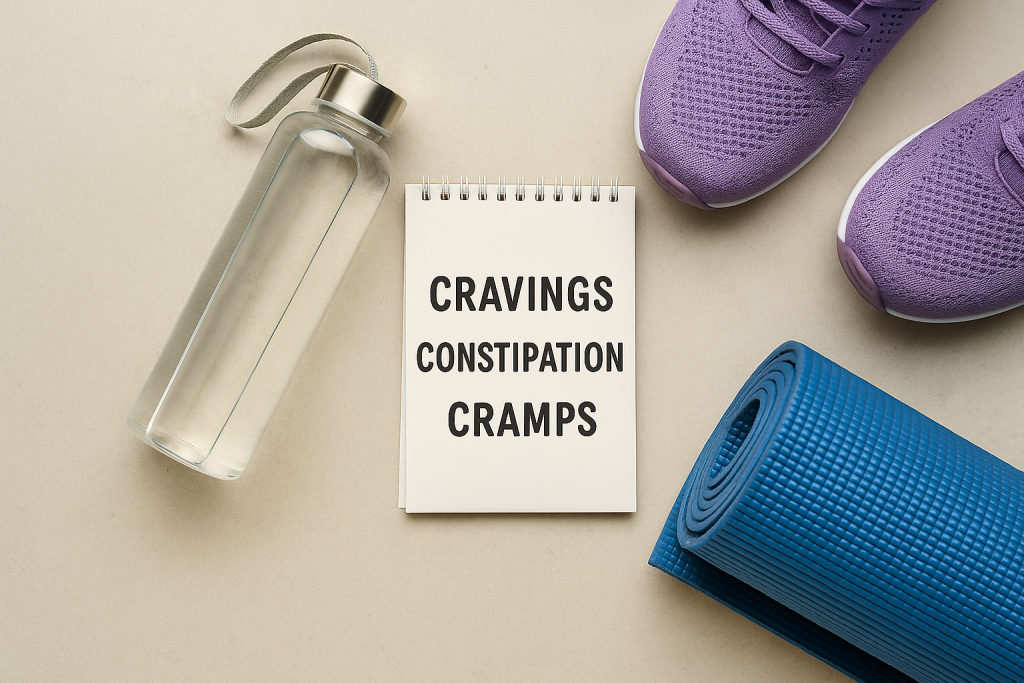
 Starting a low-carb diet can be a transformative step — especially if you’re aiming to reverse diabetes, improve metabolic health, or simply feel better overall. But the transition isn’t always smooth.
In the early days, it’s common to face a few challenges. Chief among them are cravings, constipation, and cramps — the “3 Cs” that often accompany your body’s adjustment to this new way of eating.
These symptoms are temporary, and they’re not a sign that something’s gone wrong. They simply reflect how your body is adapting. The good news? Each one can be managed effectively with a few simple strategies.
-
Cravings
What’s happening:
When you cut down on carbohydrates — especially refined sugars and processed starches — your body initially struggles. It’s used to relying on quick sugars for energy, so when that source is removed, it signals hunger more aggressively. This can lead to strong cravings, particularly for high-carb comfort foods.
What helps:
- Increase healthy fats: Include good fats like avocado, coconut, olive oil, and nuts in your meals. They promote satiety and help control hunger.
- Eat balanced meals: Ensure your meals include a mix of protein, fibre, and fat. This helps stabilise blood sugar levels and reduces sudden hunger pangs.
- Hydrate regularly: Often, what feels like a craving is actually dehydration. Aim to drink plenty of water throughout the day.
Distract and reset: A short walk, chewing gum, or even brushing your teeth can help shift your focus away from cravings.
-
Constipation
What’s happening:
As your carbohydrate intake drops, you may also be eating less fibre — particularly if you’ve eliminated whole grains and haven’t replaced them with fibrous vegetables. This can slow down digestion.
What helps:
- Prioritise vegetables: Load up on non-starchy vegetables like spinach, broccoli, cucumbers, and courgettes to boost fibre intake.
- Add natural fibre sources: Chia seeds or ground flaxseeds (1–2 tablespoons a day) are excellent for digestive health.
- Stay hydrated: Water supports smooth digestion and helps fibre do its job properly.
- Keep moving: Gentle physical activity, like a daily walk, stimulates bowel movements and supports gut motility.
-
Cramps
What’s happening:
Low-carb diets lead to reduced insulin levels, which cause the kidneys to excrete more water and, along with it, essential electrolytes like sodium, potassium, and magnesium. This can result in muscle cramps, especially at night. Also, cutting out processed foods often reduces sodium intake, leading to deficiency.
What helps:
- Salt your food mindfully: A pinch of good-quality salt (sea salt or Himalayan salt) can help restore sodium levels. Aim for around 2 teaspoons per day (unless advised otherwise by your doctor).
- Replenish magnesium: Include magnesium-rich foods like leafy greens, almonds, and pumpkin seeds. In some cases, a supplement may be useful — consult your doctor.
- Boost potassium intake: Avocados, mushrooms, and spinach are excellent low-carb sources of potassium.
- Hydration remains key: Continue drinking adequate fluids throughout the day to support overall electrolyte balance.
Stay the Course
These early side effects are not permanent. They’re part of your body’s natural shift from relying on carbohydrates to using fat as a primary energy source. With a little patience and the right nutritional adjustments, most people notice these symptoms ease within the first two weeks.
Once past this transition, many experience improved energy levels, reduced cravings, better digestion, and overall enhanced well-being.
So if you’re facing the 3 Cs right now — know that it’s temporary. Stay informed, take care of your body, and lean on the DIP principles. You’re on the right track.
#BeTheForce
Disclaimer: The information provided in this blog is for general awareness and educational purposes only. It is not intended to replace professional medical advice, diagnosis, or treatment. Always consult a qualified healthcare provider for personalised medical guidance or concerns related to your health.
 Obesity is often seen as just a number on the scales, but in reality, it’s far more than that. It’s a complex health condition that affects every aspect of your well-being, from your heart to your mental health. In a world where fast food is abundant, sedentary lifestyles are the norm, and stress levels are constantly high, obesity has become a growing global concern.
 In today’s fast-paced world, sleep often takes a backseat to work, social life, and screen time. But did you know that sleep is just as vital to your health as diet and exercise? Poor sleep can affect everything from mental well-being to heart health, making it crucial to prioritise good sleep habits.
 A well-balanced lunch isn’t just about filling your plate—it’s about fueling your body for sustained energy, focus, and vitality throughout the day. These nutritious, low-carb, and flavour-packed recipes are designed to keep you feeling light, satisfied, and energised without the post-lunch sluggishness.