GOQii

Blog

  • HOME
  • HEALTHY LIVING
  • FITNESS
  • HEALTHY RECIPES
  • USER STORIES
  • KARMA
  • BUY GOQii

Search Results for: hunger

August 20, 2024 By Rashmi Deshpande 8 Comments

5 Hormones That Have a Big Impact on Your Health

hormones that affect healthEver experienced a sudden mood swing? Or, have you been dealing with a lot of fatigue or sleepless nights? Your body undergoes many changes from birth to adolescence and into adulthood. Most of these changes, both physical and mental, are regulated by the hormones present in our body.

Hormones are the chemical messengers of our body. They travel through our bloodstream and hold the key to optimum health. In essence, they affect metabolism, sexual function, reproduction, growth and development and even our mood.

A better understanding of the hormones that influence our well-being and how to activate them will help us live better and healthier lives.

Let’s take a closer look!

1. Thyroid Stimulating Hormone (TSH)

We are quite familiar with this hormone nowadays! It is a pituitary hormone that stimulates the thyroid gland to produce thyroxine T4 and triiodothyronine T3, which stimulate the metabolism of almost every tissue in our body.

Abnormalities in this hormone can manifest as sudden weight gain, weight loss, dry skin, mood swings, severe sensitivity to cold or heat, depression with weak metabolism, and even an enlarged gland in the form of goiter.

The abnormalities in this hormone can be effectively managed with lifestyle modification, medication, yoga, exercises, and regular checkups of hormone. It has mainly two types: Hypo & Hyper. The Normal range is:

  • TSH: 0.5 – 4.15 mU/L
  • T4: 6 – 12 ug/dL
  • T3: 240 – 280 ug/dL

2. Insulin

“Hey! I am on insulin!”

At some point, we have all heard this from a diabetic person. Insulin is released by the pancreas, a leaf-like gland situated in the abdominal cavity behind the stomach. It regulates the body’s glucose or sugar levels, which are derived from carbohydrates.

It also allows the body to store and utilize glucose for energy. When insulin is released into the bloodstream, it can cause either hyper or hypo glycemia.

Abnormalities in insulin levels can lead to weight gain or weight loss, frequent urination, constant hunger, fatigue, wounds taking longer to heal, etc. These changes are due to insulin either not being produced in sufficient quantity or not functioning properly.

The most effective treatment include lifestyle modifications, healthy eating habits, staying active, managing stress and medication. The referred range is:

  • Random blood glucose: 70 – 100 mg/dl
  • Fasting: 70 – 110 mg/dl
  • After meals: <140 mg/dl

3. Cortisol (Stress Hormone)

There’s a fair chance that every second person you meet might be stressed! The stress hormone, called Cortisol, is produced by the adrenal gland. It helps us stay healthy and energetic. Its main role is to control physical and psychological stress.

Excess secretion of cortisol causes a number of side effects such as increased heart rate, blood pressure, respiration, sweating, and shivering. At stressful times, the body secretes cortisol to help cope with the situation. High level of cortisol consistently can lead to ulcers, high blood pressure, anxiety, high levels of cholesterol, etc.

Similarly, low levels of cortisol in the body causes weakness, fatigue and low blood pressure. This can be managed by sharing your feelings, meditating, pursuing hobbies, listening to music, spending time with  family, going on vacations, prayers, and, if necessary, psychiatric treatment with medication.

4. Sex Hormones

This hormone are categorized into male and female hormones:

  • Testosterone: This is the primary male sex hormone. An anabolic steroid by nature, it helps in building body muscles. In males, it plays an important role in the development of male reproductive tissues like the testes and prostate. It also promotes secondary sexual characteristics like increased  muscle and bone mass, body hair growth, etc. If testosterone secretion is insufficient in men, then it may lead to abnormalities, including frailty and bone loss. This can be treated with medication.
  • Progesterone: This hormone is produced in the ovaries, the placenta and the adrenal glands when a woman gets pregnant. It stimulates and regulates various functions. Progesterone plays an important role in maintaining pregnancy by helping the body prepare for conception, pregnancy and regulating the monthly cycle. When pregnancy doesn’t occur, progesterone levels drop, and menstrual cycle occurs. It also plays a role in sexual desire. Any abnormalities can be treated with home remedies and medication.

5. Serotonin

We all need this happy hormone during stressful days! It is associated with learning and memory, sleep regulation, digestion, mood regulation, some muscular functions, etc. An imbalance in this hormone may affect the brain’s ability to control stress levels and mood effectively.

Low level of serotonin can lead to depression, migraines, weight gain, insomnia, carbohydrate cravings, etc. Excess levels of serotonin in the body causes agitation, stage of confusion, sedation, etc.

After learning about the 5 hormones which are essential for good health, it is clear that the key to keeping them in balance is healthy eating, an active lifestyle, and good rest with meditation. Make sure to check with your doctor for any imbalances or irregularities in your hormones and take the necessary actions as suggested by your doctor. For further information or guidance, reach out to our certified experts by subscribing to GOQii’s Personalised Health Coaching here.

Do share your thoughts and queries in the comments below!

Be balanced! Be happy! #BeTheForce!  
August 11, 2024 By Farzana Chauhan 1 Comment

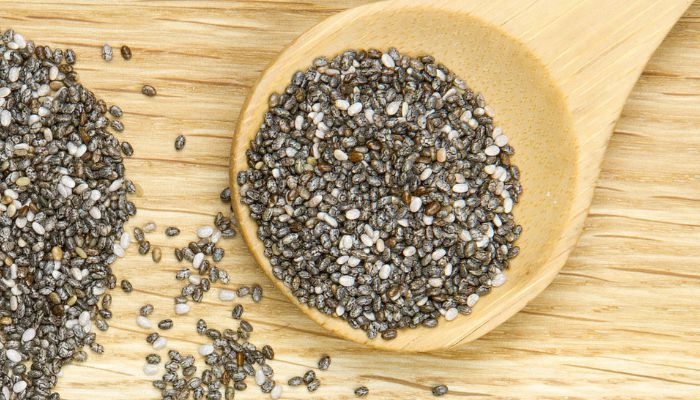
6 Health Benefits of Chia Seeds

966-chia-seeds-for-fitness

Chia seeds, derived from Salvia Hispanica, a desert plant native to Mexico, are tiny edible seeds that are rich in fiber, omega-3 fatty acids, protein, calcium, carbohydrates, minerals and antioxidants. These small black and white seeds are especially beneficial for heart patients, individuals suffering from arthritis and those with Type 2 diabetes.

However, it is important to consume these seeds in the right manner. When consumed with milk, water or other liquids these seeds make you feel satiated and help in curbing food craving that in turn helps in maintaining weight. Rich in several micronutrients, Chia seeds also serve as a energy booster and offer numerous health benefits. As Dr. Mehmet Oz from the Oprah show puts it, “They just may be one of the healthiest things around.”

Let’s explore the detailed health benefits of these nutritious seeds:

  1. Lower the risk of heart disease

Chia seeds are considered good for your heart as they help in lowering the bad cholesterol. As per a study published in the British Journal of Nutrition, Chia seeds help in reducing triglycerides and LDL cholesterol levels and increasing HDL, the good cholesterol. These are thus good for your heart health. The study further revealed that alpha linolenic acid, better known as ALA, present in these seeds prevents high triglyceride levels thereby lowering central obesity.

  1. Reduce Inflammation

Chia seeds are one of the richest sources of omega-3 fatty acids. These are particularly rich in alpha linolenic acid. The presence of these fatty acids helps in reducing inflammation. It is especially good for people suffering from arthritis as high levels of Omega-3 fatty acids in these seeds helps in lubricating various joints and keeping them supple. Omega-3 fatty acids are also converted into prostaglandins that help in relieving pain. These are a good source of fiber too which again is known for reducing inflammation.

  1. Stabilize the blood sugar level

Studies reveal that Chia seeds play an important role in regulating your insulin levels. These seeds lower the rate at which carbohydrates are digested and absorbed in the body. The soluble fiber present in Chia seeds helps stabilize blood glucose level. As per a study conducted by Dr.Vladamir Vuksan from St. Michael’s Hospital in Toronto, the blood of diabetic patients who consumed Chia seeds regularly for three months was thinner and thus less prone to clotting. It also helped in controlling high blood pressure.

  1. Regulate Bowel Movement

These healthy seeds are rich in fiber that helps in regulating the bowel function efficiently. So next time you experience indigestion or poor bowel movement you know what to have. Merely two tablespoons of Chia seeds contain 10 grams of fiber which is one third of the daily recommended fiber intake.

  1. Control Aging

Antioxidants help in controlling aging and Chia seeds are rich in these. Consuming these regularly thus helps in keeping you healthy and controls aging.

      6. Reduce weight

The consumption of Chia seeds can help in reducing weight especially when these seeds are consumed with water or other liquid as the fiber present in these seeds absorbs water and expands inside the stomach making you feel full. This helps in controlling appetite. Chia is also rich in proteins that again help in reducing hunger.

However, though helpful in reducing weight, the consumption of Chia seeds alone may not have as much impact. Your total calorie intake during a day as well as your overall lifestyle determines your weight.

How to consume Chia seeds?

Chia seeds have a mild nutty flavour and are almost tasteless. You need not necessarily have to ground these seeds as these can be digested whole. Chia seeds can be enjoyed as toppings on different dishes such as cereals, vegetables, rice, puddings and baked deserts. You may even add these to smoothies, yogurt, shakes and soups, mix these with peanut butter or sprout them. However, it is best to have Chia seeds mixed in a glass of plain water, coconut water or cranberry juice.

Chia seeds have emerged as a super food over the last few years. Talking about these seeds, Dr. Andrew Thomas Weil said, “You will begin to see Chia being added to more and more commercial products, such as prepared baby foods, nutrition bars, and baked goods.”

Having talked of all the positives of Chia Seeds, it is important to understand if there is any downside to Chia?  Researcher Catherine Ulbricht, PharmD, cautions that if you have food allergies (especially to Sesame and Mustard seeds) or are on high BP medications or blood thinners you should ask your doctor before adding Chia to your diet.

We hope this article inspires you to incorporate chia seeds into your diet for better health. If you found this information valuable, share your thoughts in the comments below. For more health tips and personalised guidance, consider subscribing to GOQii’s Personalised Health Coaching here.

#BeTheForce

Disclaimer: The information provided in this blog is for general awareness and educational purposes only. It is not intended to replace professional medical advice, diagnosis, or treatment. Always consult a qualified healthcare provider for personalised medical guidance or concerns related to your health.

July 23, 2024 By Disti Shah 7 Comments

Why You Should Exercise To Manage Diabetes

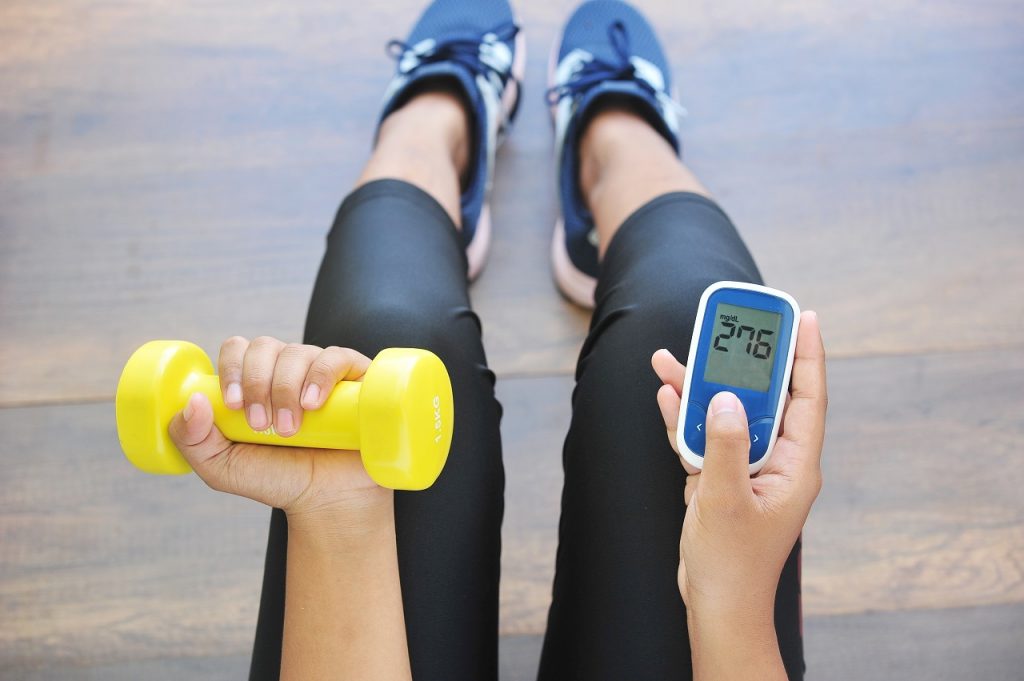
exercise to manage diabetesThe facts and myths about diabetes are plenty, especially on the kind of foods one should have or not have, whether one should exercise to manage diabetes, etc. But, it’s when I saw my dad exercising one day, a thought struck me – is it not important to test a diabetic before exercise? Is diet all that one needs to focus on?

What if he exercises vigorously and his sugar levels drop down? At what sugar levels should we allow or not allow a person to exercise? What should be the intensity and frequency of the exercise? What type of exercise should a diabetic do?

These questions obviously led me to explore and research more about diabetes and exercise. I would like to share some information about what Diabetes is, what are its types and how regular exercise can control your Diabetes.

What is Diabetes?

Diabetes is a chronic disease where there’s a high level of sugar in the blood, either due to less insulin sensitivity or because of low insulin secretion or no insulin levels in the body.

There are three major types of diabetes. The causes and risk factors are different for each type:

  • Type 1 diabetes: can occur at any age, but it is most often diagnosed in children, teens, or young adults. In this type, the body makes little or no insulin. Daily injections of insulin are needed. The exact cause is unknown.
  • Type 2 diabetes: makes up for most of the diabetes cases. It often occurs in adulthood, but teens and young adults are now being diagnosed because of high obesity rates. In such cases, either the body becomes less sensitive to insulin or insulin secretion decreases.
  • Gestational diabetes: is high blood sugar that develops at any time during pregnancy in a woman who does not have diabetes, and disappears once the pregnancy is over.

Can You Exercise To Manage Diabetes? 

We all know that exercise provides multiple benefits but does it help diabetics as well? In fact, it does! Here are some of the changes you can experience if you exercise to manage diabetes:

  • Exercise helps lower blood sugar levels
  • It helps you feel better
  • Helps maintain proper body weight
  • Keeps the heart rate and blood pressure lower
  • Keeps blood fat levels normal
  • Improves insulin sensitivity
  • Helps in maintaining normal blood circulation in the feet

Now that we know a few of many reasons why exercise is important for a person with diabetes, let’s see which exercises can benefit diabetics.

Which kinds Of Exercise Are Best For Diabetics?

To help manage diabetes, you can try:

  1. 30 minutes of “moderate intensity” aerobic activity – 5 days a week.
  2. “Vigorous intense” aerobic activity for 20 minutes or more a day – 3-5 days a week.

In addition, you should add flexibility and strength training to your routine.

  1. Flexibility activities 5-7 days a week.
  2. Strength training 8-10 exercises, 10-15 repetitions of each exercise, 2-3 days a week.

Calories Per hour and the types of moderate and vigorous exercises

Moderate physical activity for one hour Calorie burnt per hour
Hiking 370
Light gardening / Yard work 330
Dancing 330
Golf (walking and carrying clubs) 330
Bicycling (<10mph) 290
Walking  (3.5mph) 280
Weight lifting (light workout) 220
Stretching 180
Vigorous physical activity for one hour 
Running / Jogging (5mph) 590
Bicycling (>10mph) 590
Swimming (Slow freestyle laps) 510
Aerobics 480
Walking (4-5 mph) 460
Heavy Yard work (chopping wood) 440
Weight lifting (vigorous effort) 440
Basket ball (vigorous) 440

Source – Dietary Guidelines for Americans – 2005 *(These values are derived from American journals and may not be specific to other populations).

When Should One Exercise?

The best time to exercise will vary with the schedule. Preferably, one should pick the same time for exercise each day so that if one is on insulin, the adjustment of insulin dosage is manageable.

  1. Morning exercise may cause your blood glucose to drop less than if you exercised later.
  2. If you are on insulin or taking pills that work by making more insulin, evening exercise may result in low blood glucose while you sleep.

Remember – Your Diabetes Management can be adjusted to suit your lifestyle. Your lifestyle does not have to be adjusted to fit your diabetes.

After knowing what kind of exercise and at what time we should do them, let’s see what precautions should be taken while doing them.

Safety Tips for Active Diabetics

1. Get your doctor’s okay before you start exercising.
This is especially important if you are older than age 35, have had diabetes for more than 10 years, have any complications of diabetes, have not exercised in a long time, or have heart disease. Exercise has the same effect on blood glucose as insulin. It lowers blood glucose, making you more sensitive to insulin. This is a benefit of exercise that can also pose a problem if it lowers your blood glucose too much.

2. Avoid low blood sugar levels
Low blood sugar levels are when the glucose levels dip below <70mg/dl. Common symptoms include shakiness, weakness, abnormal sweating, and anxiety, tingling of mouth and hunger, headache, visual disturbance, confusion, seizures, coma. Monitor your blood glucose before and after working out, especially when beginning or modifying the exercise program. Always keep a 15g of fast-acting carbohydrate (powdered sugar/Glucose tablets 3-4) with you to treat Hypoglycemia.

3. Check your blood glucose levels pre and post workout
If you blood glucose is below 70 –

  1. Take 5g of carbohydrate right away
  2. Wait for 15 minutes
  3. Check again – if still below 70, then have another 15 grams.

It should work now.

If the blood glucose is high – Fasting is>250 and ketosis is present.

Or >300 with or without ketosis. Avoid exercise with such high blood sugar levels.

4. Eat before heavy exercise
If you’re going to exercise around mealtime, you should eat the meal first. When possible, allow half an hour for digestion. Solid foods, such as whole grains, vegetables, etc. are digested slowly than liquids. They provide protection for at least 2-3 hours. When it is possible to choose the exercise time, try to begin the exercise 30-60 minutes after a meal or snack.

Remember – Nothing works better than experience and frequent blood glucose testing. 

5. Diabetic complications 

  • Retinopathy: Patients with retinopathy are at risk for retinal detachment and vitreous hemorrhage associated with vigorous-intensity exercise. For those with retinopathy, vigorous aerobic and resistance, weight-bearing exercises should be avoided.
  • Nephropathy: Should not indulge in vigorous-intensity exercise as protein excretion increases post-exercise.
  • Peripheral Neuropathy: Should take proper care of feet to prevent foot ulcers. Feet should be kept dry. Avoid the wrong type of socks and shoes. Avoid tight elastic bands and ill-fitted shoes (they reduce circulation). Avoid wearing thick or bulky socks (they can fit poorly and irritate the skin). Rather wear light colored cotton socks that dissipate heat faster. Moisturize your feet – but not between your toes- that could encourage a fungal infection. Use a moisturizer daily to keep dry skin from itching or cracking. Consider non-weight bearing activities as they may be better tolerated and aid healing.

6. Stay hydrated
Proper hydration is essential during exercise. Exercising during hot weather requires special attention. Drinking extra fluids should begin an hour or two before you begin exercise to manage diabetes. A general rule is to drink 8 ounces of fluid for every 30 minutes of vigorous activity. 

7. Check your pulse rate
It’s important to check the pulse periodically to see if you are exercising within your target zone. Right after you exercise, take your pulse – count your pulse for 10 secs and multiply the no by 6.

Compare the numbers on the right grouping in the table below.

Age Target Heart range zone
20 years 100-150 beats/min
25 years 98-146 beats/min
30 years 95-142 beats / min
35 years 93-138 beats/ min
40 years 90-135 beats/min
45 years 88-131 beats/min
50 years 85-127 beats/ min
55 years 83-123 beats/min
60 years 80-120 beats/min
65 years 78-116 beats/ min
70 years 75-113 beats / min

Source: Exercise and Your Heart, National Heart, Lung, and Blood Institute/American Heart Association, NIH Publication No. 93-1677.

The good news is that if someone regularly exercises, these benefits can be permanent, and for someone with diabetes, it can mean reducing medication. If younger members of families with a predisposition to diabetes exercise regularly, they could avoid diabetes altogether.

A single bout of exercise can benefit the body’s sensitivity to insulin for 16-18 hours and have positive effects on blood glucose control (glucose absorption) for 24-48hours.

But these effects wear off between 60-72 hours. Hence, staying active most of the time is imperative.

I just want to convey that Diabetes cannot take your hope, faith, attitude, courage and happiness away from you. We are the authors of our own health. Let’s overcome it, no matter what type or what level of disease it is.

Now that you know why you should exercise to manage diabetes, get out there and begin your journey! To read more on Diabetes, check out Healthy Reads.

For further guidance and motivation by certified experts, join the GOQii Diabetes Care program. It’s India’s only diabetes program that is driven by Smart Science and Personal Coaching to improve Fasting Blood Sugar (FBS), Postprandial Blood Sugar (PP), reduce HbA1c levels and let you win gold! You can subscribe here: https://store.goqii.com/diabetescare.

#BeTheForce

June 23, 2024 By Geetika Patni 3 Comments

Mindful Eating: Mind your Mood – part 4

emotional-eating

My previous three blogs discussed the concept of Mindful eating and how mindless eating can be harmful. In my second blog, I talked about why you should eat slowly to enjoy your meal and shared some tips on how to do so here. The third blog covered portion control and how to be wise with it here. Continuing in this 5 part series on Mindful Eating, today, I will take you through how stress eating can be harmful and should be avoided.

Have you noticed why buttered popcorn sells out quickly during a movie intermission? Or why you might empty an entire packet of Oreos or chips when you’re feeling emotional? That’s because certain foods can be emotionally comforting. In most cases, these comfort foods are high in fat and sugar and low in nutrition. They are comforting because they trigger neurons in the brain that create a false perception of well-being.

Turning to food to make you feel better is ‘Emotional eating’.

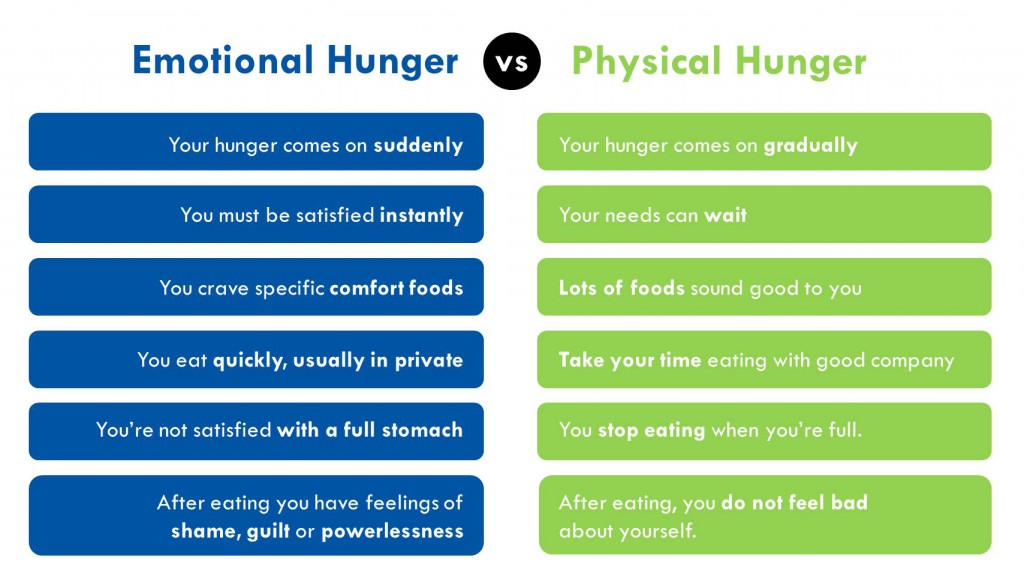
emotional-vs-plysical-hunger

It’s not necessarily bad to eat food from time to time as a pick-me-up meal, a reward treat, or a celebration feast. However, if food becomes your primary coping mechanism for anxiety, loneliness, boredom, anger, frustration, or exhaustion, and your first impulse when upset is to dig into a tub of ice cream, it calls for your attention. Feeding your emotion with food may feel good at the moment but doesn’t resolve the underlying problem. Often, you may end up feeling worse later due to unnecessary calorie bingeing and the physical havoc it wreaks on your metabolism.

The guilt, feeling powerless over emotions, and impulse eating leads to an unhealthy cycle, causing physical and emotional turmoil. Despite the difficulty, it is possible to make a positive change. All it requires is some effort on your part.

To help you break this cycle and mindless eating habit, here are a few pointers that work best when followed in order:

  1. Be Aware: Acknowledge your habit of emotional eating. If your near or dear ones have pointed it out or you know it by yourself, take it seriously! Awareness is the first positive step. Identify the emotions that lead to binge eating. Are they positive like exhilaration, victory, or success? Or negative like frustration, loneliness, anxiety, depression, anger, or boredom? Know your comfort foods, whether sweets, chocolates, ice creams or salty ones like chips, fries or some junk food like pizza, burger, maggi etc. that drive your emotional cravings. You may come up with multiple choices for multiple emotions and it is absolutely okay. You may also notice that your choice of comfort food is entirely different from others. So accept your unique patterns.

Tip: Maintain a food journal to help identify your emotions and associated foods, or use the food log feature in the GOQii app.

  1. Know your Hunger cues: Identify why you wish to eat. Hunger cues can be physical or emotional. If your stomach is growling and it’s been a few hours since your last meal, eating a salad or any other meal will suffice. But if you can postpone your hunger, you are likely to stop once you feel full, without guilt. This is true physical hunger.

Contrarily, if your hunger is sudden, urgent, and you crave specific foods like cookies or chips, or specific types of foods like sweets and fried foods and you are likely to over consume, feeling guilty later, you are about to be snacking out of false hunger, then the head hunger is generated out of emotional cues.

Tip: Next time you reach out for a snack, check if it’s driven by physical or emotional hunger.

  1. Cross check: Once you’ve identified your hunger cue, ask yourself why you are eating. Take a deep breath and get a clear answer. This helps put a check before the binge. If you’re reaching for a snack and unsure if it’s emotional, just ask yourself, “Why am I eating this?” Pause and reflect.

Tip: If it’s justified hunger, grab something healthy-roasted or steamed. If  it’s emotional, respectfully place the dish aside.

  1. Distract: Change your location once you put the dish aside. Go to another room or head outdoors. Find an alternative to food to fulfill your emotions. If lonely, talk to someone. If depressed or frustrated, watch a comic movie. For exhaustion, get a foot massage or take a warm bath. For anger, let it out or write it out. For anxiety, listen to your favorite music. If happy and wanting to reward yourself, indulge in your hobby.

Tip: You can also do some window shopping, reading, walking, exercising, meditating, or taking a nap which will give time to pass off the emotional storm and make you a stronger self- one who has more willpower to cope up with his/her feelings.

  1. Giving In: Emotional eating is an automatic and mindless habit. Sometimes, before you know it, you’ve eaten half a tub of ice cream. If you can pause for a moment when hit with a craving, you can make a different decision next time.

Tip: When you feel the urge to give in, pause and reflect. Don’t shut out the craving. Wait and consider what’s going on in your head and how you feel. Even if you eat afterward, this reflection helps you understand why and prepares you for a better response next time.


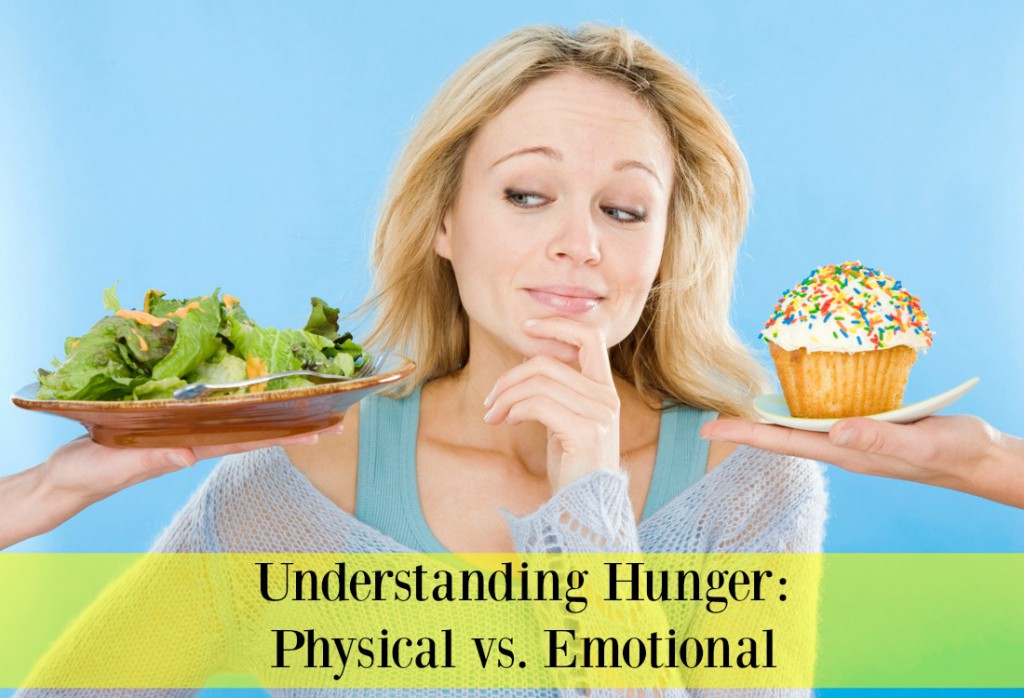
Understanding-Hunger-Physical-vs-Emotional
If you approach your feelings with kindness, reining in emotions is not a difficult task.

Listen to your emotions, accept them even if they are negative and when you do so, your body will understand that it doesn’t need to overeat to comfort itself and/or protect itself from powerful feelings.

Learning to mind your mood this way enables you to repair your emotional responses and physical fitness. Seeking help from experts or a personal coach can bring a turning point. Reach out if you need help to enjoy a better physical and mental health.

In the last blog of the 5 part series, I will discuss connecting with your meals and share tips on transforming your relationship with food for the better.

To be continued……………

#BeTheForce

  • « Previous Page
  • 1
  • …
  • 9
  • 10
  • 11
  • 12
  • 13
  • …
  • 31
  • Next Page »

Search

Recent Posts

  • Best Foods To Alleviate Irritable Bowel Syndrome
  • ALL ABOUT VERTIGO!
  • PCOS and Anxiety: Discover Relief with the 54321 Technique
  • Navigating the Maze of Nutrition: Finding Clarity Amidst Confusion
  • Get children active and keep them healthy

Stay Updated

Archives

  • December 2025 (6)
  • November 2025 (15)
  • October 2025 (20)
  • September 2025 (6)
  • August 2025 (6)
  • July 2025 (12)
  • June 2025 (18)
  • May 2025 (16)
  • April 2025 (23)
  • March 2025 (23)
  • February 2025 (22)
  • January 2025 (26)
  • December 2024 (26)
  • November 2024 (25)
  • October 2024 (22)
  • September 2024 (24)
  • August 2024 (31)
  • July 2024 (21)
  • June 2024 (26)
  • May 2024 (31)
  • April 2024 (27)
  • March 2024 (29)
  • February 2024 (26)
  • January 2024 (25)
  • December 2023 (15)
  • November 2023 (11)
  • October 2023 (20)
  • September 2023 (22)
  • August 2023 (20)
  • July 2023 (22)
  • June 2023 (24)
  • May 2023 (24)
  • April 2023 (24)
  • March 2023 (23)
  • February 2023 (20)
  • January 2023 (16)
  • December 2022 (12)
  • November 2022 (15)
  • October 2022 (15)
  • September 2022 (12)
  • August 2022 (10)
  • July 2022 (17)
  • June 2022 (11)
  • May 2022 (10)
  • April 2022 (6)
  • March 2022 (6)
  • February 2022 (13)
  • January 2022 (12)
  • December 2021 (7)
  • November 2021 (3)
  • October 2021 (6)
  • September 2021 (3)
  • August 2021 (8)
  • July 2021 (7)
  • June 2021 (15)
  • May 2021 (16)
  • April 2021 (10)
  • March 2021 (7)
  • February 2021 (4)
  • January 2021 (4)
  • December 2020 (3)
  • November 2020 (4)
  • October 2020 (10)
  • September 2020 (3)
  • August 2020 (3)
  • July 2020 (2)
  • June 2020 (4)
  • May 2020 (10)
  • April 2020 (12)
  • March 2020 (10)
  • February 2020 (4)
  • January 2020 (4)
  • December 2019 (3)
  • November 2019 (7)
  • October 2019 (5)
  • September 2019 (4)
  • August 2019 (9)
  • July 2019 (9)
  • June 2019 (11)
  • May 2019 (4)
  • April 2019 (9)
  • March 2019 (8)
  • February 2019 (9)
  • January 2019 (8)
  • December 2018 (9)
  • November 2018 (3)
  • October 2018 (3)
  • September 2018 (5)
  • August 2018 (10)
  • July 2018 (6)
  • June 2018 (13)
  • May 2018 (8)
  • April 2018 (18)
  • March 2018 (9)
  • February 2018 (8)
  • January 2018 (15)
  • December 2017 (12)
  • November 2017 (19)
  • October 2017 (13)
  • September 2017 (15)
  • August 2017 (4)
  • July 2017 (8)
  • June 2017 (7)
  • May 2017 (6)
  • April 2017 (8)
  • March 2017 (6)
  • February 2017 (7)
  • January 2017 (9)
  • December 2016 (10)
  • November 2016 (7)
  • October 2016 (7)
  • September 2016 (7)
  • August 2016 (11)
  • July 2016 (9)
  • June 2016 (9)
  • May 2016 (12)
  • April 2016 (17)
  • March 2016 (17)
  • February 2016 (8)
  • January 2016 (6)
  • December 2015 (2)
  • November 2015 (9)
  • October 2015 (7)
  • September 2015 (9)
  • August 2015 (11)
  • July 2015 (9)
  • June 2015 (12)
  • May 2015 (9)
  • April 2015 (13)
  • March 2015 (8)
  • February 2015 (5)
  • January 2015 (12)
  • December 2014 (14)
  • November 2014 (11)
  • October 2014 (6)
  • September 2014 (13)
  • August 2014 (12)
  • July 2014 (6)
  • June 2014 (2)
  • May 2014 (7)
  • April 2014 (5)

From “Laddu Nawin” to Fit and Fierce: How a 25-Year-Old Insurance Advisor Shed 20 Kilos and Gained His Life Back

When 25-year-old Nawin Yadav from Hyderabad walked into his office every morning, he carried more than just his files and policy papers. He had the weight of fatigue, sluggish energy, and an ever-growing belly that was becoming the butt of jokes. “People … [Read More...]

“I’ve Challenged Myself to Live 100 Years” – The Story of Chandubhai Savani’s Second Chance at Life

At 67, most people start slowing down. Not Chandubhai Savani. A resident of Surat, Chandubhai, thought life was on track. “My life was going well till I had my bypass surgery,” he says. That surgery, back in 2021, was a wake-up call.  Medication was routine, but exercise wasn’t. His diet? What he calls ‘normal.’ “I […]

From Shimla’s Slopes to Chandigarh’s Sidewalks: Surinder Kaur Bhalla’s Journey from Chaos to Control

Some journeys start with a plan. Others begin with a stumble literally. Surinder Bhalla, a government professional, born and raised in the scenic hill town of Shimla, had always lived a life of movement. “In Shimla, you walked everywhere,” she reflects. “Walking was never an exercise. It was just life.” But after shifting to Chandigarh, […]

Ananda Mukherjee Health Story

From Terminal Illness To Complete Wellness! Ananda Mukherjee Health Story

As we observe World Cancer Day under the powerful theme ‘United by Unique’ (2025-2027)**, we are reminded that every individual’s journey with cancer is distinct, yet united by shared resilience, hope, and the collective fight against this disease. This theme places people at the centre of care and their stories at the heart of the […]

  • HOME
  • HEALTHY LIVING
  • FITNESS
  • HEALTHY RECIPES
  • USER STORIES
  • KARMA
  • BUY GOQii

Copyright ©2016 GOQii