
GOQii

Blog

  • HOME
  • HEALTHY LIVING
  • FITNESS
  • HEALTHY RECIPES
  • USER STORIES
  • KARMA
  • BUY GOQii

Search Results for: hormone

May 2, 2023 By Sonal Pradhan 3 Comments

All You Need to Know About Asthma

World Asthma Day

Asthma is a chronic disease that affects the airways that transport air to and from the lungs. Asthma is a condition in which your airways narrow and swells and produce extra mucus. This can make breathing difficult and trigger coughing, wheezing and shortness of breath. Asthma can’t be cured, but its symptoms can be controlled.

Types of Asthma

Many different aspects of a person’s environment and genetic makeup can contribute to the development of asthma.

  1. Extrinsic: This type is associated with and triggered by allergens. Sometimes known as allergic asthma, it is more common and typically develops in childhood. Your immune system reacts to what would normally be a harmless substance by increasing antibodies, increasing mucous and thereby, making airways narrow and inflamed. It can be associated with
    • Pollens
    • Dust mites
    • Pet dander
    • Certain foods like Nuts
  2. Intrinsic Asthma: This is a non-allergic, non-seasonal form. Usually, it first occurs during adulthood. Intrinsic asthma represents a small amount of all cases. It usually develops after the age of 30 and is not typically associated with allergies. Intrinsic asthma can be difficult to treat and symptoms are often chronic and year-round. Substances irritate the airways. It is associated with:
    • Chemicals such as cleaning products, aerosols, air fresheners
    • Exercise-induced
    • Environmental pollution or cigarette smoke
    • Extremes of cold or very hot weather
    • Emotional extremes – such as laughing, stress

What Causes Asthma? 

Many different aspects of a person’s environment and genetic makeup can contribute to the development of asthma.

  • Genetics: It is widely accepted that asthma is a disease that can be inherited. If there’s asthma, eczema, hay fever or other allergies in family, it makes asthma more likely.
  • Persons with allergies can develop asthma. A strong link exists between allergies and asthma.
  • Smoking increases the risk of developing asthma. It has a part to play in adult-onset asthma. Smoking during pregnancy or passive smoking may also increase the risk of developing asthma in children.
  • Exposure to triggers at work: Sometimes asthma triggers present at the workplace which is a reason for causing asthma.
  • Female hormones: Hormones can play a part in triggering late onset asthma and some women first develop asthma during or after the menopause.
  • Pollution plays a part in causing asthma. Environmental pollution, including traffic fumes and chemicals from power plants, can make asthma symptoms worse and may play a part in causing asthma.
  • Childhood Development: The early months and years of a child’s life are critical times during which a baby can develop or become susceptible to developing asthma. The abnormal development and growth of the lungs can increase a person’s risk for developing asthma.

Asthma Triggers

Exposure to various irritants and substances that trigger allergies (allergens), can trigger signs and symptoms of asthma:

  • Airborne substances, such as pollen, dust mites, mold spores, pet dander or particles of cockroach waste
  • Strong emotions and stress
  • Respiratory infections, such as the common cold
  • Physical activity (exercise-induced asthma)
  • Cold air
  • Certain medications, including beta blockers, aspirin, ibuprofen (Advil, Motrin IB, others) and naproxen (Aleve)
  • Sulfites and preservatives added to some types of foods and beverages, including shrimp, dried fruit, processed potatoes, beer and wine
  • Air pollutants and irritants, such as smoke

What Are The Risk Factors Involved?

  • Having a family history with asthma
  • Exposure to occupational triggers, such as chemicals used in farming, hairdressing and manufacturing
  • Having another allergic condition, such as atopic dermatitis or allergic rhinitis (hay fever)
  • Being overweight
  • Exposure to exhaust fumes or other types of pollution
  • Being a smoker
  • Exposure to secondhand smoke

Symptoms Of Asthma

The classic signs and symptoms of asthma are shortness of breath, cough (often worse at night), and wheezing (high-pitched whistling sound produced by turbulent airflow through narrow airways, typically with exhalation). Many patients also report chest tightness. It is important to note that these symptoms are episodic, and individuals with asthma can go long periods of time without any symptoms.

It’s not necessary that every person with asthma shows all of these symptoms. For instance, some people may have disturbed sleep at night due to excessive coughing, while others may experience breathlessness while exercising.

Can It Be Prevented? 

Avoidance of triggers is a key component of improving control and preventing attacks of Asthma. It’s vital to learn to identify your asthma triggers and take steps to avoid them. If you have allergies and asthma, it’s important to minimize your exposure to allergens (substances to which you are allergic). Minimize exposure to all sources of smoke, including tobacco, incense, candles, fires, and fireworks.

Avoid close contact with people who have a cold or the flu, because your asthma symptoms may worsen if you catch the infection from them. Early pet exposure may be useful. Coping with stress can help prevent and control your asthma. Meditation helps a person reduce stress.

Exercise is beneficial in people with stable asthma. Yoga could provide small improvements in quality of life and symptoms in people with asthma. With proper management and prevention of asthma you can minimize your symptoms and enjoy a better quality of life.

If this article helped you, let us know in the comments below! You can find more informative articles here or you can speak directly to a GOQii Coach by subscribing for Personalised Health Coaching here.

#BeTheForce

April 20, 2023 By GOQii Leave a Comment

Good Gut Health: Why It Matters

Good gut health - why it matters

Our gut, or digestive system, is a complex network of organs and tissues that work together to break down food and absorb nutrients. But did you know that the health of your gut can impact much more than just your digestion? 

Why Does Good Gut Health Matter? 

As per the GOQii India Fit Report 2022 – 2023, we found that 23% of Seniors suffered from acidity and indigestion issues. 27% older adults reported facing issues with constipation. We also noticed that acidity issues among women have increased from 12% in 2021 to 20% in 2022.

Maintaining good gut health can help combat the aforementioned issues. It is essential for overall health and well-being. Here are a few more reasons why good gut health is necessary. 

  • Digestion: The most obvious role of the gut is in digestion. When we eat, food is broken down into smaller molecules that can be absorbed into the bloodstream and used by our body for energy and other functions. A healthy gut can break food down more efficiently, leading to better nutrient absorption and improved overall health.
  • Immune function: Did you know that the gut is home to a large portion of the body’s immune system? This is because the gut is exposed to a wide range of harmful pathogens and bacteria that can cause illness. A healthy gut can help protect against these invaders, keeping the body healthy and disease-free.
  • Mental health: Recent research has suggested that the gut and brain are closely connected and that the health of the gut can impact mental health and well-being. The gut produces many of the same neurotransmitters that are involved in mood regulation, such as serotonin and dopamine. In fact, some studies have even shown that certain probiotics can improve symptoms of anxiety and depression.
  • Hormone regulation: The gut is also involved in hormone regulation, which can impact many aspects of our health. For example, the gut produces hormones that regulate appetite, metabolism, and energy balance. A healthy gut can help ensure that these hormones are balanced, leading to better overall health.
  • Energy production: The gut is also involved in the production of energy. Specifically, the gut microbiota (the community of microorganisms that live in the gut) produce short-chain fatty acids that can be used as a source of energy by the body. A healthy gut can produce more of these beneficial fatty acids, leading to increased energy and better overall health.

What Can You Do To Improve Your Gut Health? 

  1. Eat a balanced diet that is high in fiber and low in processed foods
  2. Avoid foods that can damage the gut, such as sugar and refined carbohydrates
  3. Exercise regularly to support a healthy gut
  4. Take a high-quality probiotic supplement to support the gut microbiota
  5. Reduce stress, as chronic stress can damage the gut and impact overall health.

By taking care of your gut through eating the right meals, exercising and reducing stress, you can improve your digestion, immune function, mental health, hormone regulation, and energy production. So take care of your gut and your body will thank you for it! 

If this article helped you, let us know in the comments below. You can browse through more articles on Gut Health here. To get this information directly from an expert, speak to a GOQii Coach by subscribing for Personalised Health Coaching here. 

#BeTheForce 
April 19, 2023 By Tabassum Parveen 2 Comments

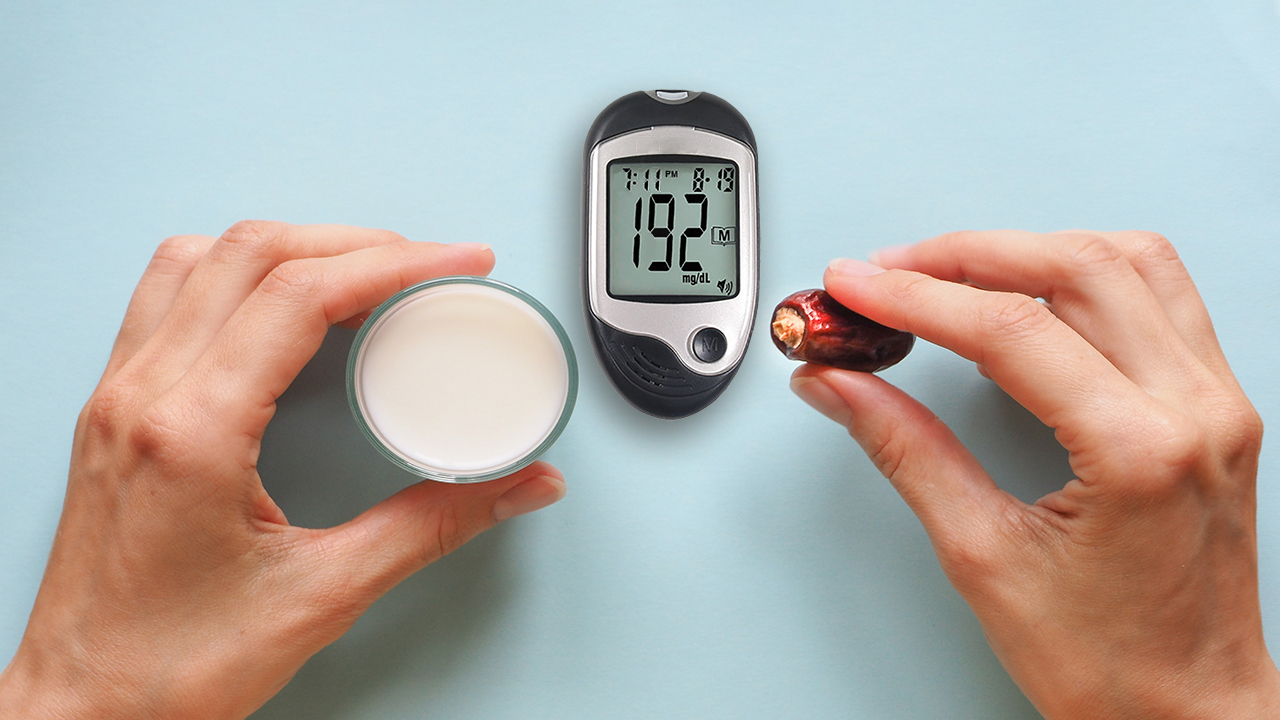
Should You Fast During Ramadan if You Are Diabetic?

diabetes and ramadan

Just a few days back, I was walking down a lane when I came across a person who fainted and fell before me. I got curious and learned that the man was fasting and he had recently been diagnosed with diabetes. He was given immediate medical support and revived.

This incident primarily occurred because he was unaware about the disease. He fell unconscious because the blood glucose levels of his body spiked up while fasting due to the change in medical timings and improper meals. It got me thinking if it is really safe for a diabetic to fast during Ramadan.

What Is Diabetes?

To keep it short, Diabetes is a condition where the blood sugar level is high due to the lack of Insulin – a hormone produced by the Pancreas. Insulin converts glucose into energy and supplies it to every single cell present in the body. The 3 main type of Diabetes include Type 1, Type 2 and Gestational.

In Type 1, the Pancreas stop working and in Type 2, the body produces a little Insulin or does not use it properly. This results in several health problems. Gestational Diabetes often occurs during pregnancy and it generally goes away after delivery.

Should You Fast During Ramadan If You’re Diabetic? 

During this holy month, the Muslim community observes a fast, eating only before sunrise (Suhoor) and after sunset (Iftar). They are not allowed to eat or drink anything in between. However, there is an exception towards people with medical ailments.

Diabetics and those at lower or moderate risks may choose to fast but there certainly isn’t a choice for those at higher risks. If you do choose to fast, keep an eye over blood sugar levels throughout the day. Most importantly, consult a doctor before fasting to avoid medical emergencies.

What Happens To Diabetics When They Fast?

Monitoring your blood glucose level while fasting is crucial for a diabetic. When healthy individuals consume food, Insulin is released by the Pancreas and it stores Glucose in the Liver and Glycogen in the Muscles which balance out the Blood Glucose Levels and maintain it at optimal range.

This process tends to malfunction during fasting which results in lack of Insulin in the blood, leading to either of the two conditions called Hyperglycemia or Hypoglycemia.

  • Hypoglycemia: This is a serious health condition where blood glucose levels drop below 70mg/dl. It requires immediate medical attention. If a person who is fasting feels shakiness or experiences headaches, sweating or lack of concentration, they must break their fast immediately to avoid any severe complications. Complications may range from seizures, coma to death. A bar of chocolate, a sugary drink or a small bowl of curd rice with sugar must be consumed if Blood Sugar Levels are exceptionally low. If a person breaks their fast on such an emergency, visit a doctor immediately.
  • Hyperglycemia: This occurs when your sugar levels are as high as or more than 200mg/dl.  Common symptoms include extreme thirst, tiredness, and frequent urination. In such a situation, take advice from your doctor if you should continue your fast or not. Hyperglycemia affects each part of your body. If larger blood vessels are affected, you may face risks of stroke or a heart attack. On the contrary, if smaller blood vessels are affected, then you may face issues with your eyes, nerves and kidneys.
  • Diabetic Ketoacidosis: This is a condition where Blood Glucose Levels go extremely high and a person experiences abdominal pain, rapid breathing, nausea and vomiting. It requires immediate medical attention. In such situations, it is best to consult with a doctor.
  • Dehydration: While fasting, one may experience dehydration, especially those who work outdoors under the scorching heat of the sun. Due to lack of fluids, sugar may accumulate in the system, resulting in high blood sugar levels which can make you pass urine frequently. To overcome such dehydration during Ramadan, try to drink plenty of water after Iftar till Suhoor.

Managing Diabetes While Fasting During Ramadan

Fasting during the holy month of Ramadan is an individual’s decision. It can be managed with lifestyle changes, advice from a doctor and frequent monitoring. A few things you should consider are:

1. Pre-Diabetic Health Checkup: A Health checkup and monitoring your glucose levels before the month of Ramadan is necessary. You can also try fasting before Ramadan to see if you can manage it. Check your medication timings and discuss it with your doctor if you choose to fast.

If you consume medicines at Suhoor and keep a fast the entire day, chances are that your blood glucose levels might drop. Your blood glucose levels might even spike in the evening when you break your fast due to the intake of meals. Hence, discuss your medication timings and keep a glucometer handy to avoid medical emergencies.

2. Nutrition: If you are diabetic, ensure that both your meals are balanced. Opt for low Glycemic Index foods and Complex Carbs which digest slowly. Go for high fiber foods at Suhoor to manage blood glucose levels during fasts. Foods such as oats, Talbina (barley-based dish), brown rice, pasta and a bowl of vegetable salads work best.

Sorghum (Jowar) or Pearl Millet (Bajra) flattened bread (rotis) with Curd Raita is the best choice. A glass of buttermilk is also a good option. You can have Basil Seeds Water during Suhoor as it is rich in antioxidants, protein, good fats and fiber, all of which help in controlling diabetes.

A little protein in the form of chicken, fish, beans and legumes can also be included as they keep you full for a longer period of time and get absorbed slowly. However, people with kidney problems should take extra care to increase protein intake.

During Iftar, break your fast slowly. Chew properly and consume small amounts of food at different intervals as glucose levels may spike up if you consume a large meal at once. Have a small bowl of fruit salad or a glass of lassi (yogurt based drink) before heavy meals. Choose baked or grilled foods as compared to something fried and oily.

Sprouted salads, boiled chickpeas, or fruits are good options to include before you begin your meal. Don’t forget to hydrate yourself. Avoid sugary drinks or caffeinated beverages and choose fresh fruit juices such as beetroot juice or herbal iced tea.

We hope this article helps you stay healthy and maintain a fast without any complications or medical emergencies. If a medical emergency should arise, visit your doctor immediately.

If you found this article to be helpful, let us know your thoughts in the comments below. You can browse through more articles related to diabetes here.

If you need help or support managing Diabetes, join GOQii’s Diabetes Care Program. It’s India’s only diabetes program that is driven by Smart Science and Personal Coaching to improve Fasting Blood Sugar (FBS), Postprandial Blood Sugar (PP), and reduce HbA1c levels. You can subscribe here.

#BeTheForce

April 7, 2023 By Akshay Karlawar 2 Comments

5 Simple Activities To Maintain Good Health

Maintain good health

What really comprises good health? A textbook definition would be that it is a state of complete physical, mental and social well-being, not merely the absence of disease or infirmity. So by this definition, is there a sound strategy to maintain good health? Well, thankfully, it is not as difficult as it sounds like. 

5 Simple Activities To Help You Maintain Good Health 

By simply following these 5 simple activities, you’ll see a good change in yourself and well-being. Remember that consistency is key.

1. 10k Steps A Day

All of us know that being active and exercising regulates our hormones, immune system, mental health and increases our life span. We’re also aware that the 21st century lifestyle is becoming increasingly sedentary. Hitting the gym or getting a good workout every day is close to impossible. Here’s where trying to clock in 10k steps a day can do a lot for your life.

There is no magic beyond this number. It is just enough to get a need to be active throughout the day. It will keep a target in front of your eyes and can be performed any time during the day. Basically, it helps you with your progress and consistency. Moreover, most people enjoy walking and also they stick to it long term and they can benefit from this activity every single day.

One more special thing it offers is it makes you sort of active throughout the day in addition to whatever workout you do. Plus, it can be done in installments throughout the day, for instance post meal walks (walking at least 10-15mins after each meal), walking while attending calls, using stairs instead of lift and not using vehicles for short distances.

2. Sleep

A good night’s sleep of 7-8 hours is extremely important for the body (especially when you are training). Sleep maintains your mental and physical health and helps your body recover. Hormones like prolactin, luteinizing hormones and growth hormones increase during sleep and secretion of cortisol (stress hormone) is inhibited.

Your body uses tryptophan and turns it into a B vitamin called niacin which plays a key role in creating serotonin, a neurotransmitter that is associated with sleep and melatonin levels (a hormone that controls your sleep-wake cycle). Foods like sweet potato, turmeric powder, chicken, eggs and milk etc. are high in tryptophan and help you sleep. 

3. Nutrition

It’s an important aspect for living organisms. The beauty of mother nature is it can nourish all kinds of living organisms, no matter vegetarians or non-vegetarians and nutritional requirements vary from individual to individual, sports to sports and competition to competition.

To live a healthy life, make water as your drink of choice (first priority), and include eating plant-based foods more often and choose highly-processed or ultra-processed foods, less often. Choose recipes with plenty of vegetables and fruit. Your goal is to fill half your plate with vegetables and fruits at every meal. Choose bright, coloured fruits and vegetables each day, especially orange and dark green vegetables.

4. NEAT(Non-Exercise Activity Thermogenesis)

NEAT is any activity you do, which doesn’t count as exercise because it is not as intense as exercise but counts as moments that burn calories. Walking to the kitchen or the bathroom or moving your hands around, all come under NEAT. So, the more you move throughout the day, the higher your NEAT.

NEAT expenditure can vary massively, that’s why some people seem to burn more calories. Just because generally, they move a lot more. Even when they are sitting, they are not just sitting, they continuously move their legs and hands and that burns calories. 

5. Monitor Progress

Always monitor your progress, that will help you to know where exactly you are in your journey. How can you monitor your progress? If you’re a person who runs or jogs, time yourself and see if you get quicker each time you do it. And when it comes to food, at the end of the day, just write down everything you have consumed and figure out what and all unnecessary foods you are consuming and start avoiding those. You can do your food and activity logging via the GOQii App as well. Monitoring your progress will help you stay disciplined and consistent. 

These 5 simple steps will definitely help you maintain good health. Just ensure that your goal is realistic and doable. So, according to your time, schedule, fix a goal and go after it!

If this article helped you, let us know in the comments below! You can read more articles with all the necessary healthy tips here. If you want to switch to a healthier lifestyle but don’t know how, speak to an expert and get the right guidance, tailor-made for your health goals by subscribing for GOQii’s Personalised Health Coaching here.

#BeTheForce 

  • « Previous Page
  • 1
  • …
  • 37
  • 38
  • 39
  • 40
  • 41
  • …
  • 64
  • Next Page »

Search

Recent Posts

  • Water Intake Pre, During and Post Workout
  • India Leads in Longevity: GOQii Sanjeevini Named Top 40 in $101M XPRIZE
  • The Importance Of Knowing If You’re Thirsty Or Hungry
  • Best Foods To Alleviate Irritable Bowel Syndrome
  • ALL ABOUT VERTIGO!

Stay Updated

Archives

  • December 2025 (9)
  • November 2025 (15)
  • October 2025 (20)
  • September 2025 (6)
  • August 2025 (6)
  • July 2025 (12)
  • June 2025 (18)
  • May 2025 (16)
  • April 2025 (23)
  • March 2025 (23)
  • February 2025 (22)
  • January 2025 (26)
  • December 2024 (26)
  • November 2024 (25)
  • October 2024 (22)
  • September 2024 (24)
  • August 2024 (31)
  • July 2024 (21)
  • June 2024 (26)
  • May 2024 (31)
  • April 2024 (27)
  • March 2024 (29)
  • February 2024 (26)
  • January 2024 (25)
  • December 2023 (15)
  • November 2023 (11)
  • October 2023 (20)
  • September 2023 (22)
  • August 2023 (20)
  • July 2023 (22)
  • June 2023 (24)
  • May 2023 (24)
  • April 2023 (24)
  • March 2023 (23)
  • February 2023 (20)
  • January 2023 (16)
  • December 2022 (12)
  • November 2022 (15)
  • October 2022 (15)
  • September 2022 (12)
  • August 2022 (10)
  • July 2022 (17)
  • June 2022 (11)
  • May 2022 (10)
  • April 2022 (6)
  • March 2022 (6)
  • February 2022 (13)
  • January 2022 (12)
  • December 2021 (7)
  • November 2021 (3)
  • October 2021 (6)
  • September 2021 (3)
  • August 2021 (8)
  • July 2021 (7)
  • June 2021 (15)
  • May 2021 (16)
  • April 2021 (10)
  • March 2021 (7)
  • February 2021 (4)
  • January 2021 (4)
  • December 2020 (3)
  • November 2020 (4)
  • October 2020 (10)
  • September 2020 (3)
  • August 2020 (3)
  • July 2020 (2)
  • June 2020 (4)
  • May 2020 (10)
  • April 2020 (12)
  • March 2020 (10)
  • February 2020 (4)
  • January 2020 (4)
  • December 2019 (3)
  • November 2019 (7)
  • October 2019 (5)
  • September 2019 (4)
  • August 2019 (9)
  • July 2019 (9)
  • June 2019 (11)
  • May 2019 (4)
  • April 2019 (9)
  • March 2019 (8)
  • February 2019 (9)
  • January 2019 (8)
  • December 2018 (9)
  • November 2018 (3)
  • October 2018 (3)
  • September 2018 (5)
  • August 2018 (10)
  • July 2018 (6)
  • June 2018 (13)
  • May 2018 (8)
  • April 2018 (18)
  • March 2018 (9)
  • February 2018 (8)
  • January 2018 (15)
  • December 2017 (12)
  • November 2017 (19)
  • October 2017 (13)
  • September 2017 (15)
  • August 2017 (4)
  • July 2017 (8)
  • June 2017 (7)
  • May 2017 (6)
  • April 2017 (8)
  • March 2017 (6)
  • February 2017 (7)
  • January 2017 (9)
  • December 2016 (10)
  • November 2016 (7)
  • October 2016 (7)
  • September 2016 (7)
  • August 2016 (11)
  • July 2016 (9)
  • June 2016 (9)
  • May 2016 (12)
  • April 2016 (17)
  • March 2016 (17)
  • February 2016 (8)
  • January 2016 (6)
  • December 2015 (2)
  • November 2015 (9)
  • October 2015 (7)
  • September 2015 (9)
  • August 2015 (11)
  • July 2015 (9)
  • June 2015 (12)
  • May 2015 (9)
  • April 2015 (13)
  • March 2015 (8)
  • February 2015 (5)
  • January 2015 (12)
  • December 2014 (14)
  • November 2014 (11)
  • October 2014 (6)
  • September 2014 (13)
  • August 2014 (12)
  • July 2014 (6)
  • June 2014 (2)
  • May 2014 (7)
  • April 2014 (5)

From “Laddu Nawin” to Fit and Fierce: How a 25-Year-Old Insurance Advisor Shed 20 Kilos and Gained His Life Back

When 25-year-old Nawin Yadav from Hyderabad walked into his office every morning, he carried more than just his files and policy papers. He had the weight of fatigue, sluggish energy, and an ever-growing belly that was becoming the butt of jokes. “People … [Read More...]

“I’ve Challenged Myself to Live 100 Years” – The Story of Chandubhai Savani’s Second Chance at Life

At 67, most people start slowing down. Not Chandubhai Savani. A resident of Surat, Chandubhai, thought life was on track. “My life was going well till I had my bypass surgery,” he says. That surgery, back in 2021, was a wake-up call.  Medication was routine, but exercise wasn’t. His diet? What he calls ‘normal.’ “I […]

From Shimla’s Slopes to Chandigarh’s Sidewalks: Surinder Kaur Bhalla’s Journey from Chaos to Control

Some journeys start with a plan. Others begin with a stumble literally. Surinder Bhalla, a government professional, born and raised in the scenic hill town of Shimla, had always lived a life of movement. “In Shimla, you walked everywhere,” she reflects. “Walking was never an exercise. It was just life.” But after shifting to Chandigarh, […]

Ananda Mukherjee Health Story

From Terminal Illness To Complete Wellness! Ananda Mukherjee Health Story

As we observe World Cancer Day under the powerful theme ‘United by Unique’ (2025-2027)**, we are reminded that every individual’s journey with cancer is distinct, yet united by shared resilience, hope, and the collective fight against this disease. This theme places people at the centre of care and their stories at the heart of the […]

  • HOME
  • HEALTHY LIVING
  • FITNESS
  • HEALTHY RECIPES
  • USER STORIES
  • KARMA
  • BUY GOQii

Copyright ©2016 GOQii



