
GOQii

Blog

  • HOME
  • HEALTHY LIVING
  • FITNESS
  • HEALTHY RECIPES
  • USER STORIES
  • KARMA
  • BUY GOQii

Search Results for: hormone

July 14, 2023 By Prachi More Leave a Comment

Nourishing Women’s Health: Essential Nutrients for Every Stage of Life

Nourishing Women's Health: Essential Nutrients for Every Stage of Life

A woman’s journey through life is marked by remarkable milestones and transformative changes, from the onset of puberty to the joys of pregnancy, the nurturing of new life through lactation, and the transition into menopause. Throughout these stages, the female body undergoes significant hormonal fluctuations, making proper nutrition a vital aspect of maintaining optimal health. By ensuring the intake of essential nutrients, women can support their overall well-being and safeguard against potential deficiencies.

Essential Nutrients For A Healthy Diet In Women 

Let’s explore key nutrients crucial for women, including iron, folic acid, calcium, vitamin D, choline, and magnesium. By understanding the importance of these nutrients and incorporating them into a well-balanced diet, women can empower themselves to thrive at every phase of their extraordinary journey.

  1. Iron: It plays a vital role in the formation of red blood cells, transport of oxygen to different parts of the body, building immunity, etc. but is unfortunately most commonly deficient in women worldwide. This deficiency is due to poor nutrition consumption and loss of iron during menstruation which can lead to anemia. To avoid the same, its important to include Iron rich foods like green leafy vegetables, legumes, organ meat, chicken, nuts, tofu, etc. Iron gets effectively absorbed in the body when combined with Vitamin C, hence, adding citrus fruits, broccoli, and bell peppers to meals will be of great help.
  2. Folic acid: This vitamin has a special role to play during the child bearing age of women. During pregnancy, Folic Acid helps in the development of the neural tube that will develop into your baby’s brain and spinal cord. Apart from this, it also plays an important role in the formation of red blood cells, deficiency of which can lead to anemia. We can include green leafy vegetables, nuts, beans, and broccoli to ensure you’re getting a good amount of this vitamin!
  3. Calcium: During adulthood, adequate calcium consumption is necessary to ensure good bone and muscle health, sending & receiving nerve signals, releasing hormones & other chemicals but  after menopause, the fall in estrogen levels causes decreased calcium absorption. This can lead to fragile bones. Hence, its advised to further increase calcium consumption after menopause. We can do so by including dairy products, green leafy vegetables, tofu, nuts like almonds , chia & sesame seeds.
  4. Vitamin D: This sunshine vitamin is necessary for absorption of calcium & phosphorus in body. It also helps to build immunity, cell growth & reduce inflammation. If not absorbed in the body adequately through sunlight and diet, it can cause symptoms like bone pain, low mood, poor muscle strength, constant tiredness, frequent infections, and weight gain. Exposure to sunlight, adding food rich in Vitamin D like fatty fish, egg yolks, fortified cereals, and fortified milk helps when deficiency is minor. In case of severe deficiency, its advisable to take supplements.
  5. Choline: It is one of the necessary nutrients for women during the phase of pregnancy and breastfeeding as it plays an important role in the child’s growth . It also helps to maintain good  brain health & nervous system, muscle control, and cell formation. Including whole eggs, organ meats, fish, Soyabean, wheat germ, chicken, almonds, kidney beans, quinoa, and cottage cheese is a good way to keep its deficiency away.
  6. Magnesium: This is a mineral which is necessary to ensure proper functioning of muscles & nerves. It helps in protein production but its deficiency during pregnancy can lead to serious complications like gestational diabetes, restricted fetal growth, preterm labor, and pre-eclampsia. Eating a diet which includes nuts, pumpkin seeds, green leafy vegetables, beans, legumes and peas will help.

All in all, a well balanced diet rich in all food groups is the key to good health. If this article helped you, let us know in the comments below and share it with your friends and family too!

Find more articles on Women’s Health here. For further information or guidance, reach out to our certified experts by subscribing to GOQii’s Personalised Health Coaching here. 

#BeTheForce 
July 5, 2023 By Neha Sharma Leave a Comment

Healthy Heart Diet: 8 Steps to Prevent Heart Disease

Prevent Heart Disease 2The heart plays a very vital role in the well-being of an individual. It supplies oxygenated blood to all organs of the body and also carries nutrients, fuel, hormones, and other components.
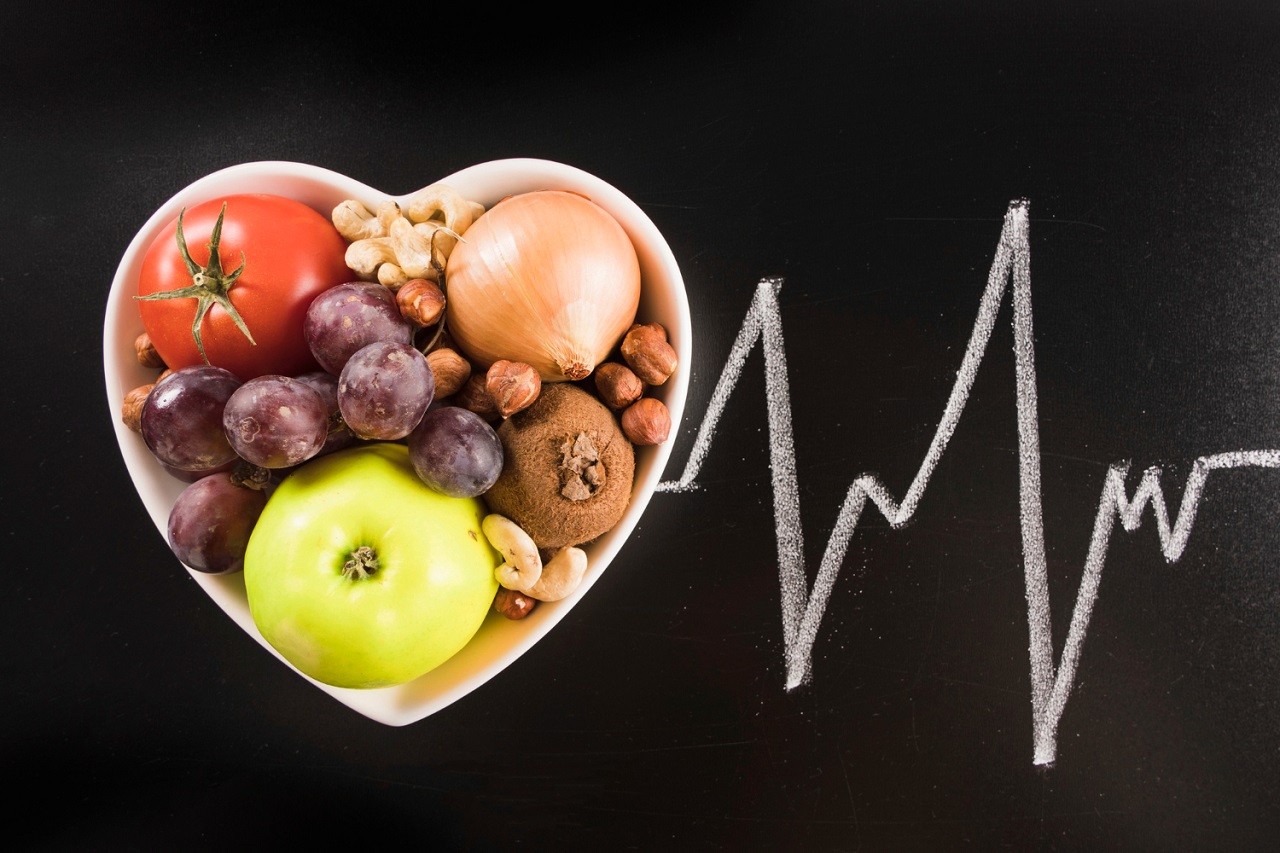
Its tremendous work pressure is never-ending but meritorious. But sometimes, just because of negligence and ignorance, we cannot pay attention to the well-being of our hearts. Lack of proper diet, eating fried foods, inactive lifestyle, smoking, and infection give rise to malfunctioning of the heart.

How Can You Prevent Heart Disease?

Changes in lifestyle and modification of diet are the key factors in improving the functioning of the heart and its long life. By following these 8 simple steps, you can have a healthy heart to lead a healthy life!

1. Include more Fruits, Vegetables and Whole grains

Prevent Heart DiseaseFruits & vegetables are rich in vitamins & minerals and low in calories. They also keep a check on cholesterol levels as they are very rich in dietary fiber. A diet rich in dietary fiber maintains weight as well as the gut. You need to select whole grains over refined grains as whole grains are rich in complex carbohydrates and control blood pressure and are good for the heart. Include quinoa, broken wheat, barley, oats, and whole wheat flour.

2. Keep a Check on Foods Containing Sodium

Sodium plays an important role in elevating blood pressure, increasing the risk of heart disease. Limiting salt intake is very important as in every meal, sodium is introduced and the total count increases unknowingly.

Canned food, pickles, chutneys, sauces, soups, and market mixtures are all loaded with salt and increase the total intake of salt. It’s always advised to keep an eye on evening snacks too, which are generally filled with biscuits, cookies, and mixtures.

Salads and fruits should be taken without salt and as these are rich in potassium – which can help to keep sodium on the lower front. The habit of table salt should be discouraged.

3. Choose Healthy Fats

Healthy fats should be an integral part of a heart-healthy diet. One should limit fat intake to 2-3 tsp per day including visible and non-visible fats. Butter, mayonnaise, and cheese can be replaced with homemade healthy spreads.

Poly and mono-unsaturated fats are good choices over saturated fats but all should be taken in limited amounts as all fats are high in calories. Nuts, seeds, and olive oil are good choices.

4. Make Portion Control a Habit

Portion ControlQuality and quantity both are important while having meals. Portion control is very important as it maintains and controls calories and weight. Utensils are selected for portion control and all food groups should be included to make it a balanced diet.
5. Never Skip Breakfast

Skipping breakfast and having unhealthy foods for breakfast is not at all good. As breakfast is the first meal of the day, it should be healthy and should contain a combination of proteins & complex carbohydrates. Skipping breakfast lowers the metabolism and makes the next meal heavier.  A healthy breakfast makes a healthy heart and mind too.

6. Choose Low-Fat Sources of Protein

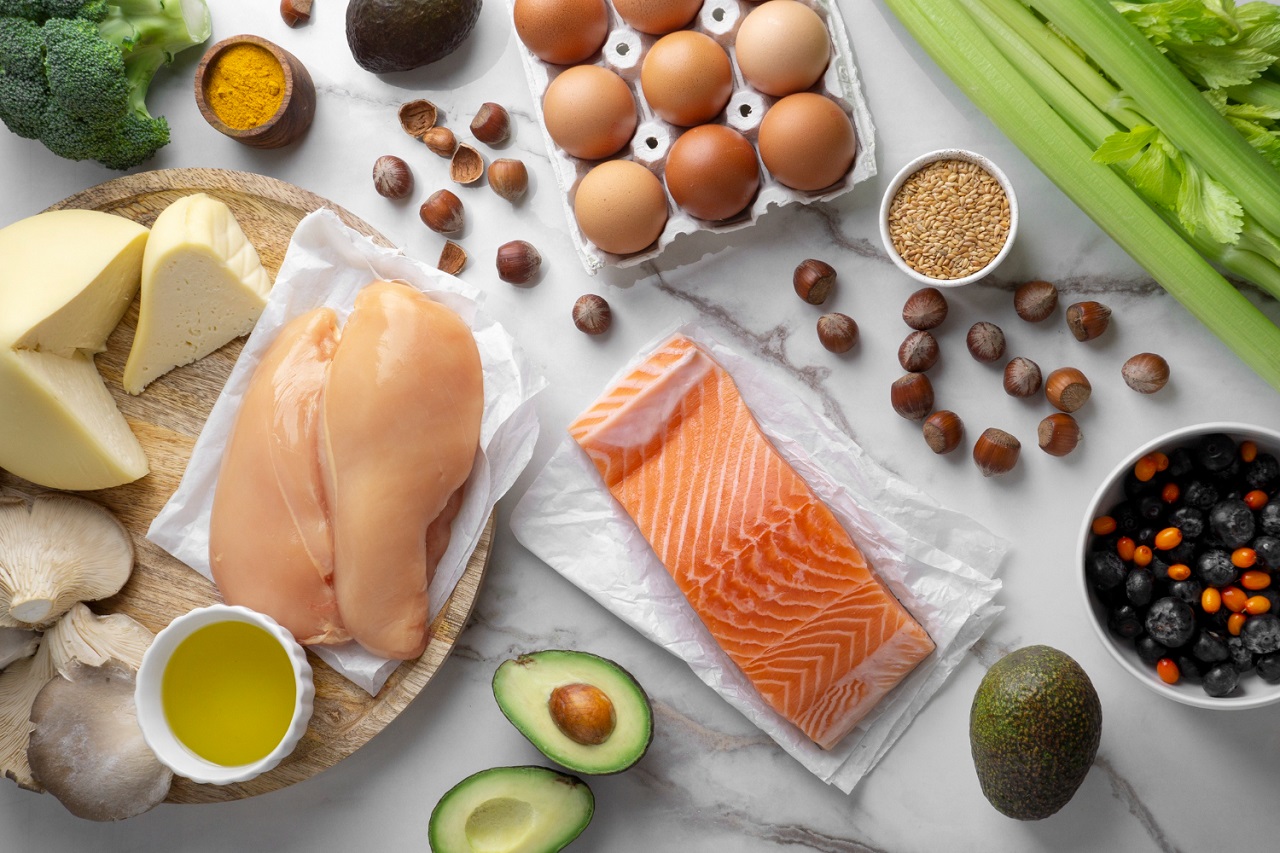
Try to incorporate protein in every meal as it maintains weight and as the body is made up of protein, the requirement of protein is more. Pulses, seeds, and nuts are good low-fat sources of protein and should be included in daily routines.

Toned milk & milk products are preferred over whole-fat milk to keep a check on cholesterol levels. Lean meat, poultry, fish & eggs are also some of the best sources of protein that can be taken.

7. Menu Planning Should Be Done Prior & Keep One Day for a Treat

A menu can be made so that all options are at your doorstep and you don’t need to think daily about what to have in meals. Include all veggies, fruits, pulses, grains, nuts, seeds, milk & milk products.

Any one day, you can add a little cheat meal so that overindulgence will not happen and your taste buds will get satisfied as a little fun is important as well.

8. Set a 30 min Physical Activity Goal

To maintain proper functioning of the heart, one should do daily 30 min of physical activity that could be anything including brisk walking, yoga, cardio, or strength training. Walking is an overall exercise that improves blood supply, improves lung capacity and is also good for the gut. Take out 30 min of time for walking either in the evening or morning.

The above points, if kept in accordance with daily routine, will make the heart stronger and happier for a long period of time. If your heart is happy, you are happy!

If this article helped you, let us know in the comments below! Find more tips on living a healthy life here. If you want to make these habits a part of your daily life and need help, reach out to a GOQii Coach by subscribing to Personalised Health Coaching here.

#BeTheForce 

June 30, 2023 By Palak Mittal 11 Comments

How To Break a Weight Loss Plateau

weight loss plateau

You have been working hard on your weight loss journey by following a healthy, low-calorie diet and improving your exercise habits. Your reward has been watching your weight go down on the weighing scale. Now, at some point, your weight stops decreasing! The weighing scale doesn’t tip in your favor anymore and you’re left frustrated! Don’t worry. You’ve just hit a weight loss plateau.

It’s pretty common and nothing to get discouraged about. It is normal for weight loss to slow down and even stall. But, by understanding what causes a weight loss plateau, you can decide how to respond and avoid backsliding on your new healthy habits.

Here are some ways you can overcome a weight loss plateau to stay on track and keep going!

How Can You Overcome a Weight Loss Plateau?

When you reach a plateau, you may have lost all of the weight you can on your current diet and exercise plan. Ask yourself if you’re satisfied with your current weight or if you want to lose more. In which case, you’ll need to adjust your weight loss program.

If you’re committed to lose more weight, try these tips for getting past the plateau:

1. Drop Your Calorie Intake

To cut down fat, a calorie deficit diet is needed. Consume fewer calories than you burn per day. Maintain a food journal to track your calories. Then slowly reduce your calorie intake by 500 calories per day to boost fat loss. Fat percentage can be measured either by using callipers or with the BCA machine.

2. Rotate Your Workout Routine

Have you been addicted to the treadmill and cross training for the past 4 months? It’s time to switch! Once your muscles become familiar with the same old workout, it makes your regular routine less effective. To see a change in body fat, you have to get outside your fitness comfort zone. Introduce High Intensity Interval Training (HIIT) to burn body fat effectively. Try a total-body circuit. Instead of a basic sprint interval, you’ll work your entire body which will boost your metabolism. Also note that you need to progress slowly and deliberately when incorporating high-intensity exercise into your routine. Doing too much too fast can leave you too sore, tired or even injured.

3. Eat More Protein

Weight Loss Plateau - Eat more proteinProtein is essential to fat loss, as it maintains your muscle during a calorie deficit. It keeps you satiated, which prevents overeating and snacking on junk food. Also, it boosts your calorie burn throughout the day because takes more energy to digest as compared to carbs or fat. Eat at least one gram of protein per pound of bodyweight every day and get your protein from whole sources like nuts, eggs, lean meats, yogurts, and quality protein powders.

4. Eat More Healthy Fats

To lose more fat, eat more fat. This might seem absurd but healthy fats such as animal fats, real butter, coconut oil, nuts, and avocados actually make you leaner and more muscular—they keep you full & maintain your good testosterone levels. Eating healthy fats force you to lower your carbohydrate intake. Get at least 30 percent of your calories from good sources of fat and never consume artificial fats, which can cause health problems like heart disease.

5. Stay Hydrated

Hydration is important as your body often craves food even when you are mildly dehydrated. We are often confused whether we are thirsty or hungry because the symptoms of hunger and thirst are similar. Aim to drink 2-3L of water per day plus additional fluids lost during activity.

6. Try Intermittent Fasting

Intermittent fasting increases fat oxidation, which promotes more fat loss. Also, fasting along with exercise boosts the insulin sensitivity, helping your body send nutrients to muscle rather than fat. Fasting during a calorie-restricted diet can lead to weight loss.

7. Get Plenty of Sleep

Insufficient sleep can interfere with weight loss by reducing your metabolic rate and shifting your hormone levels to promote hunger and fat storage. Hence, have at least 7-8hrs of good quality sleep.

8. Eat Your Veggies

Breaking weight loss - Eat more veggiesVegetables are loaded with important nutrients and are low in calories and carbs. The fiber in your greens aids digestion and also provide your body the essential antioxidants it needs. Including them might help you break through the weight loss plateau.


9. Don’t Rely on a Weighing Scale

The numbers flashing on your weighing scale might be misleading because it does not reflect the loss of body fat. Instead, focus on how you feel, whether your old clothes fit you or if your measurements have changed.

10. Check for Medical Conditions

If you’re still stuck on the weight loss plateau despite all your efforts, then you might need to check for a medical condition. Check your thyroid levels, hormonal imbalance, PCOD, or for Vitamin deficiencies such as Vitamin D or B12. You will first need to correct a medical issue to lose more weight.

Stress also plays a part in weight loss as it raises the level of cortisol in the body which in turn increases weight. Most important of all, don’t get demotivated and work towards your goals. The weight loss plateau is a part of the journey and with the right direction, you can overcome it!

If this article helped you, let us know your thoughts in the comments below! You can also find more articles on weight loss here. If you want to overcome a weight loss plateau and need some advice or guidance, reach out to our experts by subscribing to GOQii’s Personalised Health Coaching here.

#BeTheForce

June 9, 2023 By Mamta Joshi 4 Comments

What Is The Circadian Rhythm Diet & How Does It Help?

circadian rhythm diet

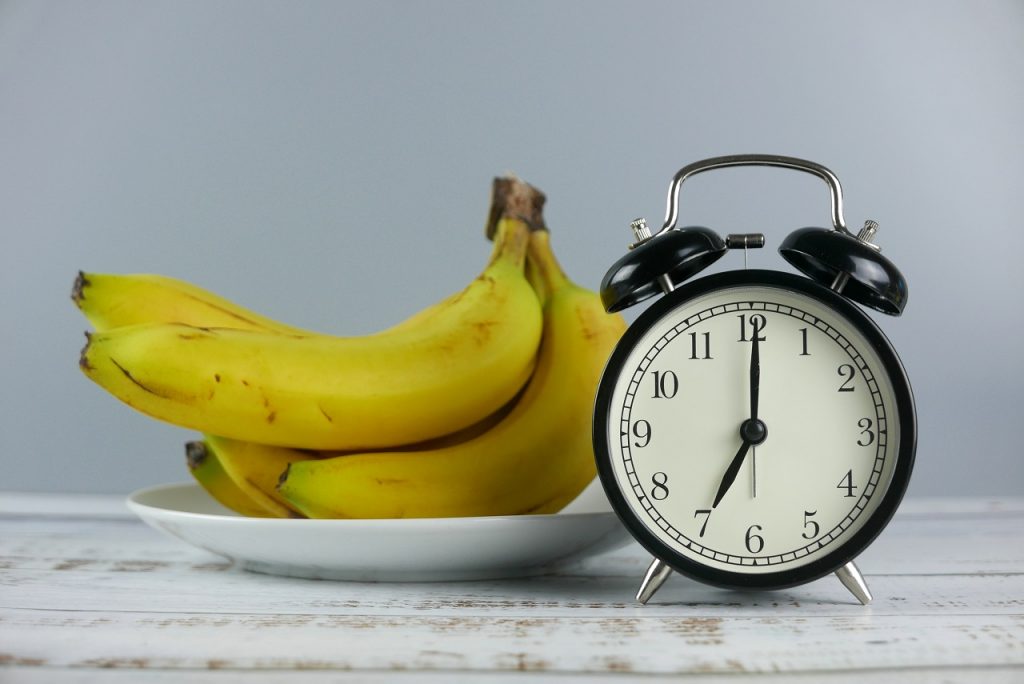
Have you heard about the Circadian Rhythm Diet or the 7am to 7pm diet and the recommended dietary habits & restrictions it involves? Surprisingly, there are no dos and don’ts on eating. It’s  all about when you should eat. The basic idea of this diet is to reset meal timings to the same one as our ancestors i.e. between sunrise and sunset – basically scheduling meals during daylight hours. 

Circadian Rhythm Diet also known as Body Clock Diet is basically a form of time restricted eating plan where we eat in sync with the body’s internal clock which gets regulated by change within the environment, mainly, light and darkness, and are controlled by a small area in the middle of the brain. This can affect metabolism, hunger, sleep, body temperature and other bodily functions.

The hormone cortisol, also known as the “get up and go” hormone is linked with body metabolism and hence weight. It rises and falls during the course of the day.  If someone eats when metabolism is at peak, calories consumed would be utilized well and not deposited as fat. On the other hand, food eaten at the wrong time may lead to weight gain.

Circadian rhythm is a natural, internal process that regulates the sleep-wake cycle and repeats every 24 hours and can be divided into 2 phases:

  1. Eating and metabolizing phase: Metabolism is high when cortisol is at its peak and slow when cortisol levels are down. The body releases cortisol naturally twice per day: once in the early morning and later in the evening and at that time, the stomach too is ready with the right amount of hormones and digestive enzymes and even good gut microbes to digest the food. So for health benefits eat with the Sun. In response to daylight, cortisol rises, insulin sensitivity increases and melatonin decreases, making one feel active and energized. Cortisol supports thyroid function and metabolism, and contributes to the energy needed  to complete daily tasks.
  2. Resting  and healing phase: When the sun sets, the body naturally wants to wind up and prepare for sleep. The sleep inducing hormone melatonin rises up, while cortisol and insulin sensitivity reduces. So food consumed later at night when cortisol levels are decreasing is more likely to be stored as fat.

As soon as one finishes dinner, the body slowly gets slow on metabolism, the body clock resets, going into repair and rejuvenation mode so that damaged cells can be repaired and replaced with healthy new cells and allergy causing chemicals or pathogens cannot attack the body. Thus, late night munching leads to weight gain and it disrupts the body’s natural healing mechanism too. 

Highlights Of The Circadian Rhythm Diet 

  1. Eat during daylight.
  2. Have breakfast and lunch as the biggest meals of the day, and dinner, the smallest.
  3. Have about 75% of nutrition before 3 pm
  4. Do not eat anything post dinner.

Benefits Of This Diet 

  1. Helps maximize weight loss efforts
  2. Reduces the risk of obesity
  3. Improves digestive health
  4. Improves metabolism
  5. Improves sleep, mood and energy levels
  6. Reduces inflammation in the body
  7. Lowers the risk of type-2 diabetes and cardiovascular disease
  8. Promotes longevity 

Those who schedule their meals between 12 hours (7 am to 7 pm) might have a much better circadian rhythm and health unlike those who delay dinner and eat within 15-16 hours (7am to 11pm or more). After 12-16 hours of fasting when we have the next meal i.e. breakfast – the body gets enough time to heal/repair as required. Don’t eat anything post dinner as the body enters the healing and rejuvenation mode. Compounds that encourage the inflammatory response rise at night. This is likely because the body is better at fighting infections while it is at rest, and energy can be poured into the effort, rather than into other functions like metabolism.

Even if the food choice & calorie consumed is the same, those who eat during daylight have better health than those who delay. Food at the wrong time can disturb the internal clock and break the metabolic balance in our body, and that can push us towards disease. Biological rhythms are meant to protect us. Disturbing this rhythm can lead to weight gain, hormonal issues, mental health issues, metabolic diseases like type -2 diabetes and heart problems. 

So do give this Circadian Rhythm Diet a go and let us know what you feel in the comments below! We hope this article helps you. For more informative articles such as this, check out Healthy Reads or you can get this information directly from a GOQii Coach by subscribing for personalized health coaching here.

#BeTheForce 

  • « Previous Page
  • 1
  • …
  • 34
  • 35
  • 36
  • 37
  • 38
  • …
  • 64
  • Next Page »

Search

Recent Posts

  • Water Intake Pre, During and Post Workout
  • India Leads in Longevity: GOQii Sanjeevini Named Top 40 in $101M XPRIZE
  • The Importance Of Knowing If You’re Thirsty Or Hungry
  • Best Foods To Alleviate Irritable Bowel Syndrome
  • ALL ABOUT VERTIGO!

Stay Updated

Archives

  • December 2025 (9)
  • November 2025 (15)
  • October 2025 (20)
  • September 2025 (6)
  • August 2025 (6)
  • July 2025 (12)
  • June 2025 (18)
  • May 2025 (16)
  • April 2025 (23)
  • March 2025 (23)
  • February 2025 (22)
  • January 2025 (26)
  • December 2024 (26)
  • November 2024 (25)
  • October 2024 (22)
  • September 2024 (24)
  • August 2024 (31)
  • July 2024 (21)
  • June 2024 (26)
  • May 2024 (31)
  • April 2024 (27)
  • March 2024 (29)
  • February 2024 (26)
  • January 2024 (25)
  • December 2023 (15)
  • November 2023 (11)
  • October 2023 (20)
  • September 2023 (22)
  • August 2023 (20)
  • July 2023 (22)
  • June 2023 (24)
  • May 2023 (24)
  • April 2023 (24)
  • March 2023 (23)
  • February 2023 (20)
  • January 2023 (16)
  • December 2022 (12)
  • November 2022 (15)
  • October 2022 (15)
  • September 2022 (12)
  • August 2022 (10)
  • July 2022 (17)
  • June 2022 (11)
  • May 2022 (10)
  • April 2022 (6)
  • March 2022 (6)
  • February 2022 (13)
  • January 2022 (12)
  • December 2021 (7)
  • November 2021 (3)
  • October 2021 (6)
  • September 2021 (3)
  • August 2021 (8)
  • July 2021 (7)
  • June 2021 (15)
  • May 2021 (16)
  • April 2021 (10)
  • March 2021 (7)
  • February 2021 (4)
  • January 2021 (4)
  • December 2020 (3)
  • November 2020 (4)
  • October 2020 (10)
  • September 2020 (3)
  • August 2020 (3)
  • July 2020 (2)
  • June 2020 (4)
  • May 2020 (10)
  • April 2020 (12)
  • March 2020 (10)
  • February 2020 (4)
  • January 2020 (4)
  • December 2019 (3)
  • November 2019 (7)
  • October 2019 (5)
  • September 2019 (4)
  • August 2019 (9)
  • July 2019 (9)
  • June 2019 (11)
  • May 2019 (4)
  • April 2019 (9)
  • March 2019 (8)
  • February 2019 (9)
  • January 2019 (8)
  • December 2018 (9)
  • November 2018 (3)
  • October 2018 (3)
  • September 2018 (5)
  • August 2018 (10)
  • July 2018 (6)
  • June 2018 (13)
  • May 2018 (8)
  • April 2018 (18)
  • March 2018 (9)
  • February 2018 (8)
  • January 2018 (15)
  • December 2017 (12)
  • November 2017 (19)
  • October 2017 (13)
  • September 2017 (15)
  • August 2017 (4)
  • July 2017 (8)
  • June 2017 (7)
  • May 2017 (6)
  • April 2017 (8)
  • March 2017 (6)
  • February 2017 (7)
  • January 2017 (9)
  • December 2016 (10)
  • November 2016 (7)
  • October 2016 (7)
  • September 2016 (7)
  • August 2016 (11)
  • July 2016 (9)
  • June 2016 (9)
  • May 2016 (12)
  • April 2016 (17)
  • March 2016 (17)
  • February 2016 (8)
  • January 2016 (6)
  • December 2015 (2)
  • November 2015 (9)
  • October 2015 (7)
  • September 2015 (9)
  • August 2015 (11)
  • July 2015 (9)
  • June 2015 (12)
  • May 2015 (9)
  • April 2015 (13)
  • March 2015 (8)
  • February 2015 (5)
  • January 2015 (12)
  • December 2014 (14)
  • November 2014 (11)
  • October 2014 (6)
  • September 2014 (13)
  • August 2014 (12)
  • July 2014 (6)
  • June 2014 (2)
  • May 2014 (7)
  • April 2014 (5)

From “Laddu Nawin” to Fit and Fierce: How a 25-Year-Old Insurance Advisor Shed 20 Kilos and Gained His Life Back

When 25-year-old Nawin Yadav from Hyderabad walked into his office every morning, he carried more than just his files and policy papers. He had the weight of fatigue, sluggish energy, and an ever-growing belly that was becoming the butt of jokes. “People … [Read More...]

“I’ve Challenged Myself to Live 100 Years” – The Story of Chandubhai Savani’s Second Chance at Life

At 67, most people start slowing down. Not Chandubhai Savani. A resident of Surat, Chandubhai, thought life was on track. “My life was going well till I had my bypass surgery,” he says. That surgery, back in 2021, was a wake-up call.  Medication was routine, but exercise wasn’t. His diet? What he calls ‘normal.’ “I […]

From Shimla’s Slopes to Chandigarh’s Sidewalks: Surinder Kaur Bhalla’s Journey from Chaos to Control

Some journeys start with a plan. Others begin with a stumble literally. Surinder Bhalla, a government professional, born and raised in the scenic hill town of Shimla, had always lived a life of movement. “In Shimla, you walked everywhere,” she reflects. “Walking was never an exercise. It was just life.” But after shifting to Chandigarh, […]

Ananda Mukherjee Health Story

From Terminal Illness To Complete Wellness! Ananda Mukherjee Health Story

As we observe World Cancer Day under the powerful theme ‘United by Unique’ (2025-2027)**, we are reminded that every individual’s journey with cancer is distinct, yet united by shared resilience, hope, and the collective fight against this disease. This theme places people at the centre of care and their stories at the heart of the […]

  • HOME
  • HEALTHY LIVING
  • FITNESS
  • HEALTHY RECIPES
  • USER STORIES
  • KARMA
  • BUY GOQii

Copyright ©2016 GOQii

