GOQii

Blog

  • HOME
  • HEALTHY LIVING
  • FITNESS
  • HEALTHY RECIPES
  • USER STORIES
  • KARMA
  • BUY GOQii

Search Results for: hormone

March 14, 2025 By GOQii Leave a Comment

Make Sleep Health a Priority

In today’s fast-paced world, sleep often takes a backseat to work, social life, and screen time. But did you know that sleep is just as vital to your health as diet and exercise? Poor sleep can affect everything from mental well-being to heart health, making it crucial to prioritise good sleep habits.

On World Sleep Day 2025, the theme “Make Sleep Health a Priority” reminds us that quality sleep is not a luxury—it’s a necessity. Let’s explore why sleep health matters and how you can build habits to ensure you get the rest your body truly need.

Why Sleep Should Be a Health Priority

Many people underestimate the power of sleep. Chronic sleep deprivation has been linked to:

✔ Weakened immune function – Making you more prone to illnesses.
✔ Increased risk of heart disease & high blood pressure – Poor sleep disrupts cardiovascular health.
✔ Weight gain & metabolic disorders – Sleep deprivation affects hunger hormones, leading to overeating.
✔ Mental health issues – Increased risk of anxiety, depression, and mood swings.
✔ Impaired focus & memory loss – Poor sleep affects cognitive function and decision-making.
✔ Higher risk of diabetes – Sleep deprivation impacts insulin sensitivity.

By making sleep a priority, you can enhance overall well-being, longevity, and daily performance.

Tips to Improve Sleep Health

Adopting healthy sleep habits can significantly improve the quality of your rest. Here’s how:

  1. Stick to a Sleep Schedule 🕰️

Go to bed and wake up at the same time every day, even on weekends. This helps regulate your body’s internal clock (circadian rhythm) and improves sleep consistency.

  1. Create a Relaxing Night Routine 🌙

Avoid screens at least an hour before bed. Blue light from phones and laptops can disrupt melatonin production, making it harder to fall asleep. Instead:

  • Read a book 📖
  • Practice meditation 🧘‍♀️
  • Take a warm bath 🛁
  • Listen to calming music 🎶
  1. Optimise Your Sleep Environment 🛏️

Your bedroom should be cool, dark, and quiet. Small adjustments can make a big difference:

  • Use blackout curtains to block light.
  • Keep electronics away to minimise distractions.
  • Invest in a comfortable mattress & pillows for better support.
  • Maintain room temperature at around 16-18°C for optimal sleep.
  1. Watch Your Diet & Caffeine Intake ☕🍽️
  • Avoid heavy meals close to bedtime.
  • Limit caffeine after 2 PM, as it can stay in your system for 6-8 hours.
  • Reduce alcohol consumption—it may make you drowsy but disrupts deep sleep.
  • Try a light, sleep-friendly snack like almonds, chamomile tea, or bananas.
  1. Exercise, but Not Too Late 🏃‍♂️

Regular physical activity helps you fall asleep faster and improves sleep quality. However, avoid intense workouts right before bedtime, as they may increase alertness.

  1. Manage Stress & Overthinking 🧠

High stress and anxiety can keep your mind racing at night. Try:

  • Journaling to clear thoughts ✍️
  • Deep breathing exercises 🌬️
  • Practising gratitude 🙏
  • Doing light stretching or yoga 🧘
  1. Take Power Naps (But Not Too Late!) 😴

Short naps of 15-20 minutes can boost energy and focus. However, avoid napping after 4 PM to prevent disruption to your night sleep.

Making sleep health a priority isn’t just about avoiding fatigue—it’s about safeguarding your long-term physical and mental well-being. This World Sleep Day, take a step towards better health by committing to quality sleep. Small changes in your lifestyle, habits, and sleep environment can lead to profound benefits.

💬 What sleep habit has helped you the most? Share your experience in the comments!

#BeTheForce

Disclaimer: The information provided in this blog is for general awareness and educational purposes only. It is not intended to replace professional medical advice, diagnosis, or treatment. Always consult a qualified healthcare provider for personalised medical guidance or concerns related to your health.
March 1, 2025 By GOQii Leave a Comment

YOUR FOOD GUIDE – Small food changes can make your journey with USEMA smooth and successful.

How USEMA works and why diet matters?
USEMA contains semaglutide, a GLP-1 receptor agonist used to manage type 2 diabetes with obesity.

  • It works by mimicking a natural hormone (GLP-1) in the body that helps control blood sugar levels.
  • It reduces appetite and helps you feel full sooner, which supports healthy weight loss.
  • This also contributes to better metabolic control.
  • Because GLP-1 RA therapy can change how much and how often you eat, proper nutrition becomes important during treatment.

USEMA helps you:

  • Feel full faster
  • Feel full with smaller food portions
  • Stay full for longer time
  • Reduce hunger and cravings
  • Control blood sugar levels

Why nutrition matters when you are on USEMA

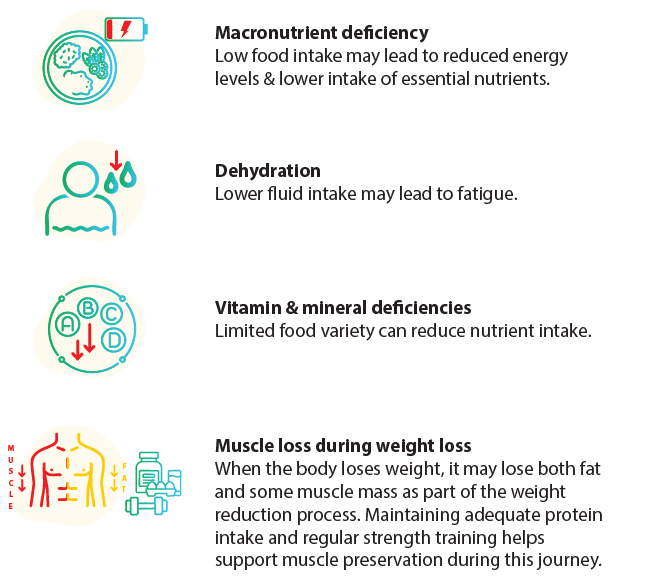
When you begin to feel full more quickly and stay satisfied for longer, it’s natural to eat less than you did before and in smaller portions. If these meals are not balanced nutritionally, you may not get all the nutrients you need.

This may lead to:

This may lead to

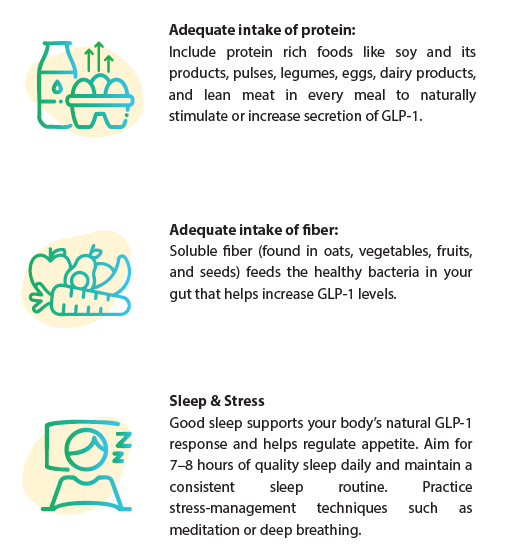
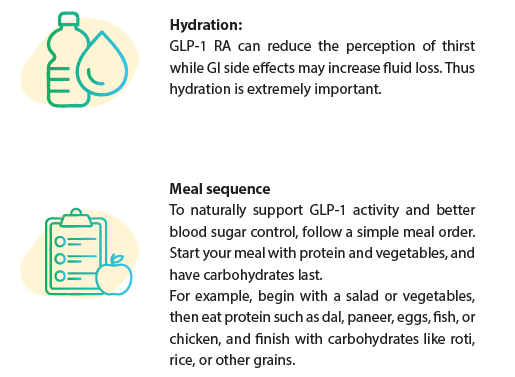
Smart habits to get the best results with USEMA


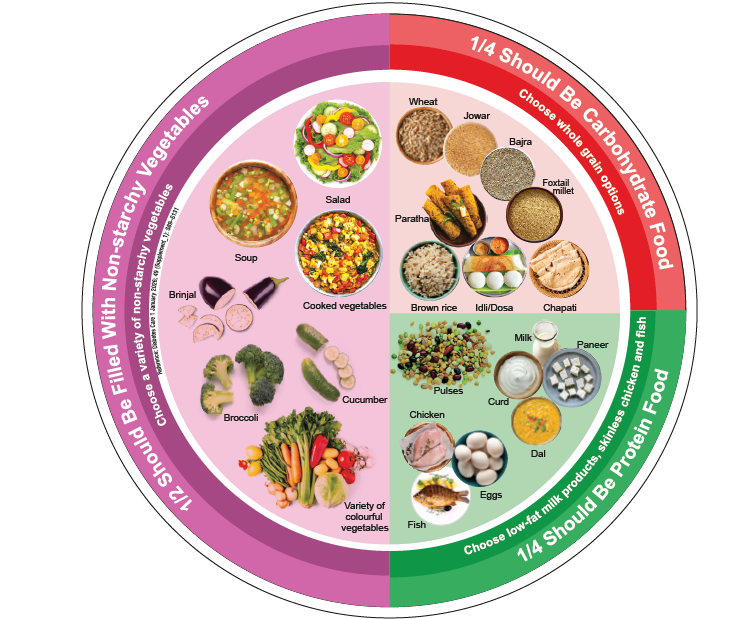
What is a healthy plate?

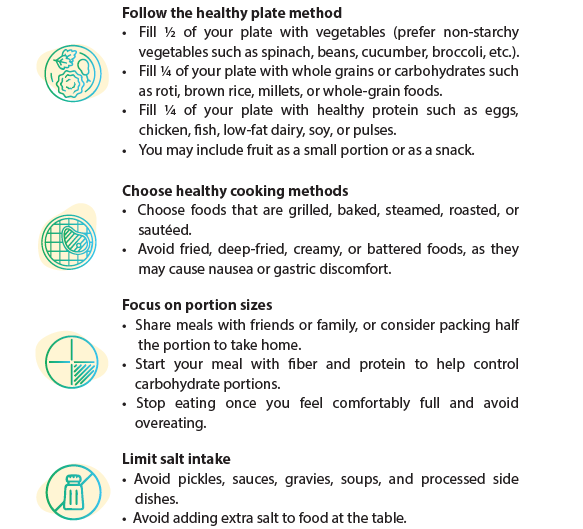
Healthy plate is a simple and practical way to plan meals that supports your overall health, energy levels, and better blood sugar control. Instead of focusing on strict calorie counting, it focuses on a well-balanced diet with the right proportions of different types of food.

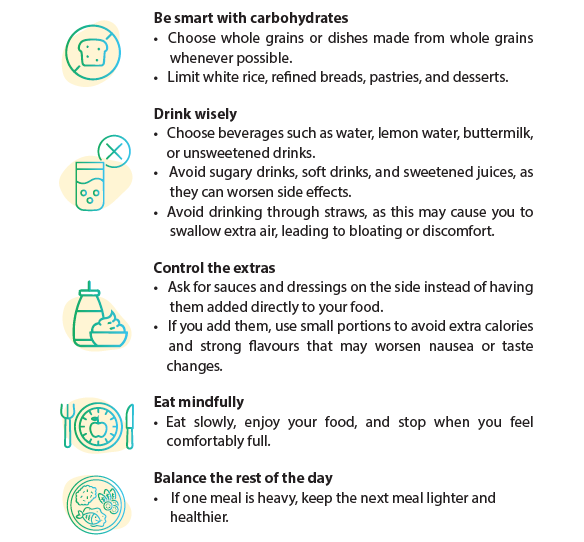
Meal tips when on USEMA : (Do’s and Don’ts)

Do’s Don’ts
Consume well-balanced meals at regular intervals. Avoid fried, oily, and very spicy foods.
Drink adequate water throughout the day. Limit alcohol intake.
Limit consumption of processed foods. Avoid eating fruit with lunch or dinner.
Eat slowly and chew food thoroughly. Avoid lying down immediately after meals.
Choose fruit as a mid-morning or evening snack. Avoid heavy exercise immediately after meals.
Keep a record of your food and water intake. Do not eat in a hurry.
Choose healthier cooking methods like steaming, stir-frying, or baking rather than frying.

Importance of nutrition to protect muscle and bone health during weight loss

Protect muscle during weight loss

When you lose weight, your body loses not only fat but also some muscle mass. Muscle loss can account for about 10–25% of total weight loss. This is a natural change in the body, but it can be minimized by eating enough protein by staying physcially active and strength training.

You may have a higher risk of muscle loss if you:

  •  have inadequate protein intake
  •  are older in age
  •  are a post-menopausal woman
  •  do not perform strength or resistance exercises regularly

To protect your muscles and improve strength:

  • Eat adequate protein (about 60–75 g/day or up to 1.5 g/kg body weight per day).
  • Include high-quality protein sources such as soy products, pulses, dals, sprouts, and dairy for vegetarian options, and eggs, chicken, and fish for non-vegetarian options.
  • Include strength or resistance exercises regularly to maintain muscle mass.

Protecting bone health during weight loss

Rapid and significant weight loss (around 14% or more within 3–4 months) may also lead to some bone loss, especially in women and older adults.

Bone loss during weight reduction may depend on:

  •  How quickly you lose weight
  •  Your protein intake
  •  Your level of physical activity
  •  Your starting body weight

Loss of bone density can increase the risk of fractures and affect long-term bone health.

To keep your bones strong:

  • Ensure adequate protein intake.
  • Include nutrients important for bone health, such as calcium and vitamin D.
  • Stay physically active, especially with weight-bearing and strength exercises.

Healthy dining-out tips

Socialising and eating away from home are part of everyday life. With a few mindful choices and portion control, you can enjoy dining out occasionally. The following tips can help you make healthier and more comfortable choices while eating out.

#BeTheForce

References:

  1. Collins L, Costello RA. Glucagon-like peptide-1 receptor agonists. StatPearls [Internet]. Treasure Island (FL): StatPearls Publishing; 2024.
  2. Mozaffarian D, Agarwal M, Aggarwal M, et Nutritional priorities to support GLP-1 therapy for obesity: A joint Advisory from the American College of Lifestyle Medicine, the American Society for Nutrition, the Obesity Medicine Association, and The Obesity Society. Obesity (Silver Spring). 2025;33(8):1475-1503. doi:10.1002/oby.24336
  3. Almandoz JP, Wadden TA, Tewksbury C, et Nutritional considerations with antiobesity medications. Obesity (Silver Spring). 2024;32(9):1613-1631. doi:10.1002/oby.24067
  4. van der Klaauw AA, Keogh JM, Henning E, et al. High protein intake stimulates postprandial GLP1 and PYY release. Obesity (Silver Spring). 2013;21(8):1602-1607. doi:10.1002/oby.20154
  5. Leidy HJ, Armstrong CL, Tang M, Mattes RD, Campbell WW. The influence of higher protein intake and greater eating frequency on appetite control in overweight and obese men. Obesity (Silver Spring). 2010;18(9):1725-1732. doi:10.1038/oby.2010.45
  6. Bodnaruc, M., Prud’homme, D., Blanchet, R. et al. Nutritional modulation of endogenous glucagon-like peptide-1 secretion: a review. Nutr Metab (Lond) 13, 92 (2016). https://doi.org/10.1186/s12986-016-0153-3
  7. How to Activate GLP-1 Ohio State University. (2025 July 1). Accessed February 21, 2026.
  8. Joslin Diabetes Healthy Plate Method. Joslin Diabetes Center. Accessed December 29, 2025.
  9. Gentinetta S, Sottotetti F, Manuelli M, Cena H. Dietary Recommendations for the Management of Gastrointestinal Symptoms in Patients Treated with GLP-1 Receptor Agonist. Diabetes Metab Syndr 2024;17:4817-4824. Published 2024 Dec 19. doi:10.2147/DMSO.S494919
  10. Pamela Kushner, Carlos Campos, Aaron King, Davida Kruger, Javier Morales; Clinician Guidance on the Benefits of Healthy Nutrition and Increased Physical Activity for People With Type 2 Diabetes Following Glucagon-Like Peptide 1 Receptor Agonist Initiation. Clin Diabetes 15 December 2025; 43 (5): 681–695
  11. Figueiredo VC. Revisiting the roles of protein synthesis during skeletal muscle hypertrophy induced by Am J Physiol Regul Integr Comp Physiol. 2019;317(5):R709-R718. doi:10.1152/ajpregu.00162.2019
  12. American Diabetes Association. What can I eat? Healthy eating away from home (WCIE Participant Guide, Class               3)

.https://professional.diabetes.org/sites/default/files/media/wcie_participant_guide_class_3_lr.pdf

Disclaimer: The information provided herein is prepared based on articles provided under reference and reviewed by a qualied dietitian intended for bringing general awareness and are/is not intended to replace professional medical advice. Seek advice from the qualied health care professional before adopting the suggestions or if you have a doubt regarding your health condition. USV Private Ltd., (“USV”) disclaims all liabilities or damages arising directly or indirectly from the advisory services. Copying, circulation and distribution of this content is strictly prohibited.

February 26, 2025 By GOQii Leave a Comment

The Rise of Recovery: How Prioritising Rest Can Boost Your Fitness Goals

4 Reasons Why Rest Is As Important As TrainingThe Modern Fitness Paradigm: More is Not Always Better

In today’s fitness culture, there’s an unspoken belief that the harder you push, the better your results. High-intensity workouts, back-to-back training sessions, and relentless progress tracking have become the norm. But as more athletes, trainers, and wellness experts start to shift their approach, a new reality is emerging: recovery isn’t just important—it’s essential.

The era of glorifying overtraining is fading, making way for a smarter, more holistic approach to fitness that values recovery as much as the workout itself. It’s time to stop seeing rest as a break from training and start viewing it as a fundamental part of progress.

Why Recovery is the Secret to Better Performance

Many people associate ‘rest days’ with laziness, but true fitness gains happen during recovery, not just during training. Every time you push your body through a challenging workout, you create tiny tears in your muscle fibres. It’s not the workout that makes you stronger—it’s the repair process that follows. Without proper recovery, you’re not allowing your body to rebuild, which can actually make you weaker over time.

Let’s break it down:

  1. Prevents Injury and Overtraining

Neglecting recovery can lead to chronic fatigue, burnout, and overuse injuries such as tendonitis, stress fractures, and muscle strains. When you allow your body time to heal, you reduce inflammation and strengthen tissues, lowering your risk of long-term setbacks.

  1. Boosts Performance and Strength

Think of your body as a battery—if you’re always running on low charge, you’ll never reach your full potential. Rest days allow your muscles to restore glycogen levels, helping you come back stronger, faster, and more energised for your next session.

  1. Supports Mental Well-being

The mind and body are deeply connected. Overtraining can lead to mood swings, increased anxiety, and even depression. Taking time to rest allows your nervous system to reset, improving mental clarity, focus, and motivation.

What Happens to Your Body During Recovery?

When you prioritise rest, your body initiates several key processes to optimise performance:

  • Muscle Repair & Growth – Tiny tears in muscle fibres rebuild stronger, leading to increased strength and endurance.
  • Hormonal Balance – Rest days regulate cortisol (the stress hormone) and boost testosterone and growth hormone for better muscle repair.
  • Improved Sleep Quality – Recovery lowers stress levels and helps you achieve deeper, more restorative sleep.
  • Reduced Inflammation – A well-rested body processes inflammation more efficiently, decreasing soreness and stiffness.

The Right Kind of Recovery: Passive vs. Active

Not all recovery looks the same, and finding the right balance is key to maximising results.

  1. Passive Recovery (Complete Rest)

Sometimes, doing absolutely nothing is the best thing you can do for your body. This type of recovery is ideal after intense training sessions, competitions, or when dealing with extreme fatigue.

  • Full rest days
  • Deep sleep
  • Massage therapy
  • Cold therapy (ice baths)
  • Sauna & heat therapy
  1. Active Recovery (Gentle Movement)

On lighter training days, low-impact movement can help reduce stiffness and promote circulation without overloading your muscles.

  • Walking or gentle hiking
  • Yoga & stretching
  • Swimming
  • Light mobility work
  • Foam rolling

How to Optimise Recovery for Maximum Gains

1. Listen to Your Body –
If you’re experiencing extreme soreness, chronic fatigue, or lack of motivation, your body is asking for rest. Ignoring these signs can lead to burnout.

2. Prioritise Sleep –
Sleep is the most effective natural recovery tool. Aim for 7-9 hours of high-quality sleep to support muscle repair, mental clarity, and overall health.

3. Fuel Properly –
Nutrition plays a vital role in recovery. Ensure your diet includes:

  • High-quality protein for muscle repair
  • Healthy fats to reduce inflammation
  • Complex carbohydrates to replenish glycogen stores
  • Hydration to flush out toxins and aid muscle function

4. Schedule Recovery Days –
Make recovery a planned part of your training, not an afterthought. At least one to two rest days per week should be non-negotiable, based on your training intensity.

5. Incorporate Mobility Work –
Stretching, foam rolling, and yoga can keep muscles flexible and improve range of motion, helping prevent injuries.

The Future of Fitness: Smarter, Not Harder

The fitness industry is evolving. More professionals are now embracing the concept of working smarter, not harder—and it’s paying off. Recovery is no longer seen as a luxury but a necessity for sustainable progress.

Instead of pushing through exhaustion, start recognising that rest is an essential component of success. By giving your body the recovery it deserves, you’re not only preventing injuries—you’re unlocking the full potential of your strength, endurance, and mental well-being.

Next time you’re tempted to skip a rest day, remember: rest isn’t weakness—it’s strategy. Prioritise recovery, and watch your performance soar.

Do you prioritise recovery in your fitness routine? Share your thoughts in the comments below!

#BeTheForce

February 8, 2025 By Monika Raj Leave a Comment

Foods for Better Sleep: Natural Remedies for a Restful Night

foods for sleepHow many hours do you spend in bed, tossing and turning, unable to fall asleep? You close your eyes, but peaceful, quality sleep seems to evade you every time. Sound familiar? We’ve all been there. While factors like stress and lifestyle play a role, the solution might be simpler than you think—your diet. Let’s explore some foods that can help you achieve the restful sleep you’ve been dreaming of.

Why Food Matters for Sleep

What you eat can significantly impact your sleep quality. Certain foods contain nutrients that promote relaxation, regulate sleep hormones, and help you fall asleep faster. By incorporating these foods into your evening routine, you can create the perfect environment for a good night’s rest.

Top Foods For Better Sleep

  1. Warm Milk
    Warm milk in general, contains ingredients that are known to help people sleep. For instance, milk contains tryptophan – an amino acid that can help the human body produce serotonin – a brain chemical which can induce deeper and more restful sleep by creating melatonin. If you have sleep issues, some warm milk with a little bit of jaggery and turmeric 15-30 minutes before going to bed should do the trick.

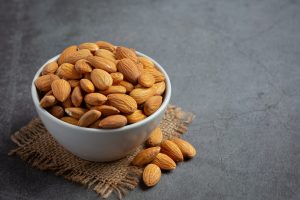
  2. AlmondsHealth Benefits Of AlmondsAlmonds contain high doses of melatonin, a hormone that helps regulate the sleeping and waking cycle. Around 5-6 whole almonds contain a good amount of magnesium and of calcium – two minerals that help promote muscle relaxation and sleep especially in people who lose sound sleep due to muscle tetany or leg pain. These can be consumed in the evening or even before bedtime. It’s great for people who sleep late as they can munch on these for a good night’s rest.

  3. Chamomile Tea:
    For years, chamomile tea has been used as a natural remedy to reduce inflammation, anxiety and treat insomnia as well. In fact, chamomile is commonly regarded as a mild tranquilizer or sleep inducer. Chamomile tea contains an antioxidant called apigenin, which may help initiate sleep. You can brew 1 tea bag/ fresh chamomile tea with hot water and drink it before bed or late evening.

  4. Walnuts
    Walnuts contain a few compounds that promote and regulate sleep, including melatonin and serotonin. Each serving of walnuts also contains other nutrients that can help induce sleep such as magnesium. You can munch them along with almonds for combined benefits late in the evening for snacks.  
Foods to Avoid Before Bed

While some foods can help you sleep, others can disrupt your rest. Avoid these before bedtime:

  • Caffeinated Beverages: Tea, coffee, and energy drinks can keep you awake and cause acidity.
  • Spicy or Heavy Meals: These can lead to indigestion and discomfort, making it harder to fall asleep.
  • Sugary Snacks: High sugar intake can cause energy spikes and crashes, disrupting your sleep cycle.

Achieving restful sleep doesn’t have to be complicated. By incorporating sleep-friendly foods like warm milk, almonds, chamomile tea, and walnuts into your evening routine, you can create the perfect environment for a good night’s rest. Remember, consistency is key—make these foods a regular part of your diet for long-term benefits.

Have you tried any of these foods for better sleep? Share your experiences in the comments below! For more tips on improving sleep and overall wellness, explore our Healthy Reads or consult a GOQii Coach for personalised health advice. Subscribe now to start your wellness journey!

#BeTheForce

  • « Previous Page
  • 1
  • …
  • 20
  • 21
  • 22
  • 23
  • 24
  • …
  • 72
  • Next Page »

Search

Recent Posts

  • Foods to Manage Blood Sugar Naturally: A Complete Guide to Better Blood Sugar Control
  • The Lazy Person’s Guide to Staying Healthy: 5 Micro-Habits That Take Less Than 2 Minutes
  • Healthy Eating: Comforting Chilli Bean Soup Recipe for the Monsoon
  • The Truth About the ‘Beer Belly’: What Alcohol Really Does to Your Metabolism
  • Benefits of Meditation: How One Daily Habit Can Transform Your Mental Wellbeing

Stay Updated

Archives

  • August 2026 (7)
  • July 2026 (25)
  • June 2026 (22)
  • May 2026 (20)
  • April 2026 (24)
  • March 2026 (18)
  • February 2026 (14)
  • January 2026 (14)
  • December 2025 (19)
  • November 2025 (15)
  • October 2025 (20)
  • September 2025 (6)
  • August 2025 (6)
  • July 2025 (9)
  • June 2025 (18)
  • May 2025 (16)
  • April 2025 (22)
  • March 2025 (26)
  • February 2025 (21)
  • January 2025 (25)
  • December 2024 (22)
  • November 2024 (22)
  • October 2024 (20)
  • September 2024 (22)
  • August 2024 (28)
  • July 2024 (15)
  • June 2024 (23)
  • May 2024 (26)
  • April 2024 (27)
  • March 2024 (27)
  • February 2024 (23)
  • January 2024 (21)
  • December 2023 (14)
  • November 2023 (10)
  • October 2023 (19)
  • September 2023 (21)
  • August 2023 (16)
  • July 2023 (16)
  • June 2023 (21)
  • May 2023 (20)
  • April 2023 (19)
  • March 2023 (23)
  • February 2023 (19)
  • January 2023 (15)
  • December 2022 (11)
  • November 2022 (15)
  • October 2022 (15)
  • September 2022 (12)
  • August 2022 (9)
  • July 2022 (17)
  • June 2022 (11)
  • May 2022 (10)
  • April 2022 (6)
  • March 2022 (6)
  • February 2022 (13)
  • January 2022 (11)
  • December 2021 (7)
  • November 2021 (3)
  • October 2021 (6)
  • September 2021 (3)
  • August 2021 (8)
  • July 2021 (7)
  • June 2021 (15)
  • May 2021 (16)
  • April 2021 (10)
  • March 2021 (7)
  • February 2021 (4)
  • January 2021 (4)
  • December 2020 (3)
  • November 2020 (4)
  • October 2020 (10)
  • September 2020 (3)
  • August 2020 (3)
  • July 2020 (2)
  • June 2020 (4)
  • May 2020 (10)
  • April 2020 (12)
  • March 2020 (10)
  • February 2020 (4)
  • January 2020 (4)
  • December 2019 (3)
  • November 2019 (7)
  • October 2019 (5)
  • September 2019 (4)
  • August 2019 (9)
  • July 2019 (9)
  • June 2019 (11)
  • May 2019 (4)
  • April 2019 (8)
  • March 2019 (8)
  • February 2019 (9)
  • January 2019 (8)
  • December 2018 (9)
  • November 2018 (3)
  • October 2018 (3)
  • September 2018 (5)
  • August 2018 (10)
  • July 2018 (6)
  • June 2018 (13)
  • May 2018 (8)
  • April 2018 (18)
  • March 2018 (9)
  • February 2018 (8)
  • January 2018 (15)
  • December 2017 (12)
  • November 2017 (19)
  • October 2017 (13)
  • September 2017 (15)
  • August 2017 (4)
  • July 2017 (8)
  • June 2017 (7)
  • May 2017 (6)
  • April 2017 (8)
  • March 2017 (6)
  • February 2017 (7)
  • January 2017 (9)
  • December 2016 (10)
  • November 2016 (7)
  • October 2016 (7)
  • September 2016 (7)
  • August 2016 (11)
  • July 2016 (9)
  • June 2016 (9)
  • May 2016 (12)
  • April 2016 (17)
  • March 2016 (17)
  • February 2016 (8)
  • January 2016 (6)
  • December 2015 (2)
  • November 2015 (9)
  • October 2015 (7)
  • September 2015 (9)
  • August 2015 (11)
  • July 2015 (9)
  • June 2015 (11)
  • May 2015 (9)
  • April 2015 (13)
  • March 2015 (8)
  • February 2015 (5)
  • January 2015 (12)
  • December 2014 (14)
  • November 2014 (11)
  • October 2014 (6)
  • September 2014 (13)
  • August 2014 (12)
  • July 2014 (6)
  • June 2014 (2)
  • May 2014 (7)
  • April 2014 (4)

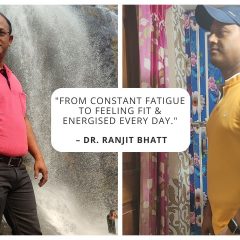
From Burnout to Balance: How Dr. Ranjit Reclaimed His Health

Dr Ranjit Bhatt has spent years tending to others. A practising doctor in Odisha, his days were packed with patients, surgeries, and emergencies. From the outside, it looked like a life lived in service. But on the inside, something wasn’t right. “I had no … [Read More...]

From Shimla’s Slopes to Chandigarh’s Sidewalks: Surinder Kaur Bhalla’s Journey from Chaos to Control

Some journeys start with a plan. Others begin with a stumble literally. Surinder Bhalla, a government professional, born and raised in the scenic hill town of Shimla, had always lived a life of movement. “In Shimla, you walked everywhere,” she reflects. “Walking was never an exercise. It was just life.” But after shifting to Chandigarh, […]

“I’ve Challenged Myself to Live 100 Years” – The Story of Chandubhai Savani’s Second Chance at Life

At 67, most people start slowing down. Not Chandubhai Savani. A resident of Surat, Chandubhai, thought life was on track. “My life was going well till I had my bypass surgery,” he says. That surgery, back in 2021, was a wake-up call.  Medication was routine, but exercise wasn’t. His diet? What he calls ‘normal.’ “I […]

Ananda Mukherjee Health Story

From Terminal Illness To Complete Wellness! Ananda Mukherjee Health Story

As we observe World Cancer Day under the powerful theme ‘United by Unique’ (2025-2027)**, we are reminded that every individual’s journey with cancer is distinct, yet united by shared resilience, hope, and the collective fight against this disease. This theme places people at the centre of care and their stories at the heart of the […]

  • HOME
  • HEALTHY LIVING
  • FITNESS
  • HEALTHY RECIPES
  • USER STORIES
  • KARMA
  • BUY GOQii

Copyright ©2016 GOQii