
GOQii

Blog

  • HOME
  • HEALTHY LIVING
  • FITNESS
  • HEALTHY RECIPES
  • USER STORIES
  • KARMA
  • BUY GOQii

Search Results for: heart

July 15, 2026 By Asmita Maredia 4 Comments

Sitting for Hours? Try These Simple Office Workouts to Stay Active!

office workoutHow many hours do you spend sitting each day? If you work a desk job, the answer is probably too many! The average office worker sits for 6-10 hours daily, which can lead to back pain, fatigue, poor posture, and increased health risks such as obesity and heart disease. But don’t worry—staying active at your desk is easier than you think!

Even if you go to the gym, prolonged sitting can still take a toll on your body. These simple office workouts will help you keep your body moving and your mind refreshed without leaving your desk.

Office Workouts You Can Do at Your Desk

1.Walk & Move More

  • Set an alarm every 45 minutes to stand up and move. Aim for at least 1-2 minutes of movement during each break.
  • Walk to fill your water bottle, use the printer, or take a quick break.
  • Take the stairs instead of the lift – two at a time for extra burn!
  • If possible, pace around while on phone calls.

2. Neck & Shoulder Stretches

  • Neck Stretch: Tilt your head to one side and hold for 5 seconds. Repeat 5 times on each side.
  • Head Rotation: Slowly roll your head clockwise and anti-clockwise 5 times.
  • Shoulder Shrug: Raise your shoulders as high as possible, hold for 5 seconds, then relax.

3. Arm & Wrist Exercises

  • Arm Stretch: Cross one arm over your body and pull it towards you with the other hand.
  • Triceps Stretch: Place one hand behind your neck and pull your elbow with the other hand.
  • Wrist Rotations: Roll your wrists 10 times clockwise and anti-clockwise.
  • Finger Stretch: Extend fingers as far as possible, hold for 5 seconds, then make a tight fist and hold for another 5 seconds. Repeat 5 times.

4. Back & Posture Fixers

  • Seated Back Stretch: Place your hands on the edge of your desk and push your chair back until your head is between your arms, looking at the floor. Hold for 10 seconds and repeat 5 times.
  • Overhead Stretch: Interlock your fingers, stretch your arms towards the ceiling, and hold for 5 seconds. Repeat 5 times.

5.  Leg & Lower Body Movements

  • Seated Leg Raises: Straighten one leg, hold for 5 seconds, lower halfway and hold again, then relax. Repeat with the other leg 5 times each.
  • Thigh Stretch: Stand, grab your ankle and pull it towards your buttocks. Keep your back straight and hold for 10 seconds. Repeat 5 times on each leg.
  • Calf Stretch: Place one foot on a chair and bend forward until you feel the stretch. Hold for 5 seconds and switch legs.

More Office Workout Tips To Keep You Active! 

  • Use a standing desk if available to reduce prolonged sitting.
  • Maintain good posture—sit with your back straight and feet flat on the floor.
  • Consider an exercise ball instead of a chair for better core engagement.
  • Park further away from the office entrance to increase your walking time.
  • When you can—stand rather than sit, and walk rather than stand!

These simple office workouts help reduce muscular stress, improve posture, and keep you active throughout the day. Even small movements can make a big difference to your health and productivity.

💡 Try to avoid long sitting hours by taking short breaks and staying active! If you experience any pain, here’s what you can do to prevent further injuries.

💬 How do you stay active at work? Share your tips in the comments!

#BeTheForce 

Disclaimer: The information provided in this blog is for general awareness and educational purposes only. It is not intended to replace professional medical advice, diagnosis, or treatment. Always consult a qualified healthcare provider for personalised medical guidance or concerns related to your health. Images shown are for representation purposes only and may not depict the exact recommendations or outcomes.
July 7, 2026 By GOQii Leave a Comment

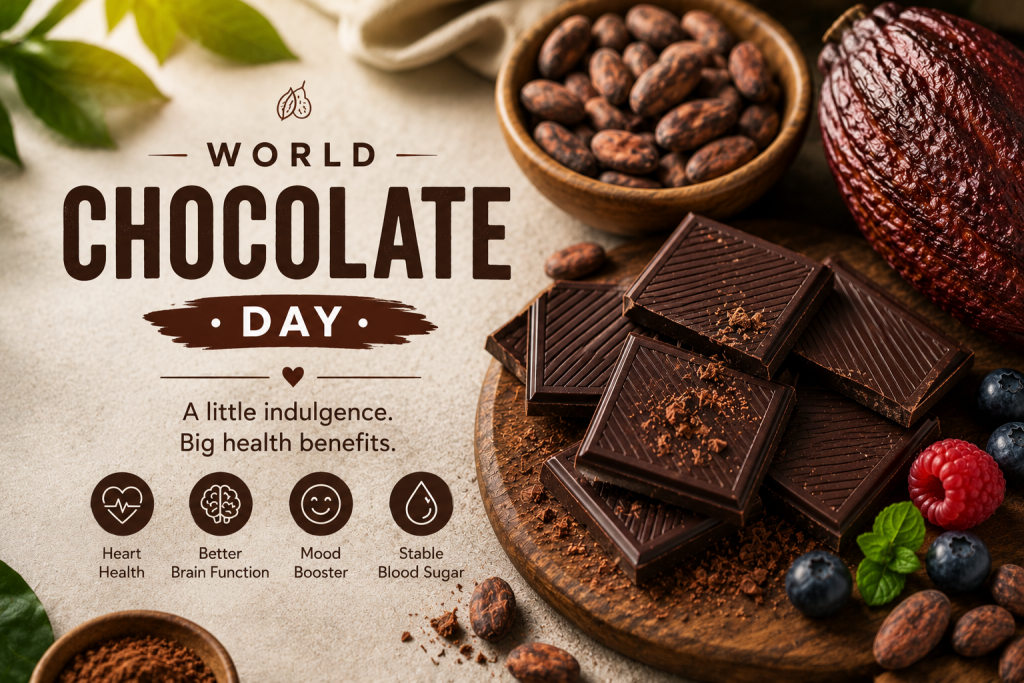
World Chocolate Day: Dark Chocolate Benefits & Why It’s the Healthier Choice

The Big Question: Can one of the world’s most beloved indulgence habits actually be transformed into a powerful tool for cardiovascular, cognitive, and metabolic protection?
Chocolate is one of the world’s most loved treats. Whether it’s a small post-meal indulgence or a festive gift, it’s hard to resist its rich flavor and comforting appeal. But did you know that not all chocolate is created equal? While chocolates loaded with sugar and unhealthy fats should be enjoyed occasionally, high-quality dark chocolate—made with a high percentage of cocoa—offers several health benefits when eaten in moderation.

This World Chocolate Day, celebrate mindfully by learning why dark chocolate can be a smarter choice for your heart, brain, and overall well-being.

What Makes Dark Chocolate Different?

The biggest difference between dark chocolate and regular milk chocolate lies in its core cocoa content. Dark chocolate typically contains 70% or more cocoa solids, making it exceptionally rich in naturally occurring plant compounds called flavanols. These unique antioxidants help protect your cells from oxidative stress and support several important vascular and neurological functions in the body.

  • The Mindful Cacao Loop: ≥ 70% Dark Cacao ⇒ Stimulates Nitric Oxide Production ⇒ Dilates Arteries ⇒ Lowers Blood Pressure naturally.
  • The Destructive Sugar Loop: Refined Sugar Confection ⇒ Spikes Insulin Levels ⇒ Elevates Cortisol Release ⇒ Promotes Visceral Fat Storage.

Milk chocolate, on the other hand, usually contains very low amounts of cocoa and is diluted with high levels of refined sugar, milk solids, and added processed fats. This combination significantly reduces or eliminates many of the structural health benefits found in raw cocoa. The higher the cocoa percentage, the lower the added sugar, and the greater the potential health benefits.

4 Main Health Benefits of Dark Chocolate

  1. Supports Heart Health and Circulation

Dark chocolate is rich in flavanols that help support healthy blood circulation by encouraging blood vessels to relax. Research suggests that regularly consuming small amounts of flavanol-rich dark chocolate as part of a balanced diet can help maintain healthy blood pressure and support general cardiovascular health.

Additionally, these active antioxidants help protect LDL (“bad”) cholesterol from oxidation—a primary chemical factor linked to arterial plaque formation and heart disease.

  1. Improves Blood Flow and Brain Function

Your brain depends on a steady, high-volume supply of oxygen and nutrients to perform at its best. Clinical studies suggest that the flavanols found in cocoa improve blood flow directly to the brain, which supports memory, focus, and overall mental performance.

Dark chocolate also contains small amounts of natural stimulants like caffeine and theobromine. Theobromine acts as a gentle stimulant that expands blood vessels rather than constricting them, providing a smooth, lasting boost in daytime alertness without the sudden jitters or intense energy crashes associated with strong coffee.

  1. Can Help Boost Your Mood Naturally

Ever wondered why a square of chocolate provides instant comfort during a stressful day? Dark chocolate contains naturally occurring compounds that stimulate the release of feel-good neurotransmitters in the brain, including endorphins (the body’s natural pain relievers).

It also serves as an excellent source of magnesium, an essential mineral that regulates normal nerve function, balances cortisol production, and supports muscle relaxation, creating a deeply satisfying and mindful eating experience.

  1. Supports Healthy Blood Sugar and Weight Management

Although chocolate is traditionally associated with weight gain, high-cocoa dark chocolate is vastly different from sugary confectionery items. Because it contains minimal sugar and a surprisingly high amount of dietary fiber, a small serving is highly satiating.

The natural polyphenols in dark cacao help enhance insulin sensitivity, allowing your cells to clear glucose efficiently out of your bloodstream. When enjoyed as part of a balanced lifestyle, dark chocolate satisfies sweet cravings very quickly, preventing the impulsive overeating triggered by blood sugar crashes.

The Cacao vs. Confection Metabolic Matrix

Chocolate Variant Type    Core Cacao Percentage    Primary Endocrine Focus            Long-Term Health Outcome
High-Quality Dark 70% to 90% Cacao Stimulates nitric oxide; enhances cellular insulin sensitivity. Lowers arterial blood pressure and supports cognitive function.
Standard Milk 10% to 30% Cacao Causes steep blood glucose spikes; promotes insulin resistance. Accelerates visceral fat storage and triggers systemic inflammation.
Commercial White 0% Cacao Solids Delivers empty calories from refined sugar and industrial fats. Stalls weight loss efforts and increases tooth decay risks.

How Much Dark Chocolate Is Healthy?

When it comes to dark chocolate, more is not automatically better. For most healthy adults, a daily portion of 20–30 grams (around 2–3 small squares) is the ideal therapeutic dose to enjoy as part of a balanced diet.

When reviewing options, select chocolate bars that feature:

  • At least 70% cocoa solids or higher.
  • Cacao, cocoa mass, or cocoa liquor listed as the very first ingredient on the label.
  • Minimal added sugars and no artificial preservatives or industrial trans-fats.

Simple and Healthy Ways to Use Dark Chocolate

You do not have to eat dark chocolate exclusively on its own. Boost its fiber and protein content by pairing a melted or grated square with these nutritious whole foods:

  • Shaved over high-fiber overnight oats or healthy millets.
  • Swirled into a bowl of probiotic-rich Greek yogurt or fresh curd.
  • Paired with a handful of raw almonds or walnuts for an anti-inflammatory snack.
  • Dipped alongside fresh, antioxidant-dense berries or banana slices.
  • Blended smoothly into your home-cooked breakfast smoothies or chia puddings.

Who Should Limit Chocolate Consumption?

While dark chocolate is safe and health-promoting for the vast majority of people, certain individuals should modify or limit their intake:

  • Migraine Sufferers: Chocolate contains tyramine and beta-phenylethylamine, which can serve as a trigger for specific individual migraines.
  • GERD / Severe Acid Reflux: Cacao can relax the lower esophageal sphincter, potentially worsening nighttime acid reflux symptoms.
  • Caffeine Sensitivity: Those with extreme sensitivities to stimulant compounds should monitor their evening intake to protect their sleep cycles.

Chocolate does not have to be off-limits to live a vibrant, healthy lifestyle. Choosing a small portion of high-quality dark chocolate instead of highly processed sugary treats allows you to enjoy a delicious indulgence while benefiting from naturally occurring antioxidants, magnesium, and active plant flavanols. This World Chocolate Day, celebrate mindfully. Savor every bite, choose quality over quantity, and remember that healthy eating is about smart balance—not total deprivation!

Pro Tip: Successfully incorporating mindfully portioned treats into your health routine is easy when you track your daily choices. Use the GOQii App to log your meals, balance your macronutrient distributions, and monitor your physical activity. You can share this baseline health overview with your GOQii Personalised Health Coach to design a customized lifestyle plan that satisfies your cravings while keeping you cleanly on the path toward your weight loss and longevity goals!

Frequently Asked Questions (FAQs)

  1. Is dark chocolate genuinely healthier than standard milk chocolate?

Yes, absolutely. Dark chocolate contains a much higher percentage of raw cocoa solids, meaning it delivers a dense volume of health-boosting flavanols and magnesium with very little sugar. Milk chocolate is largely made of refined sugars, milk powders, and processed fats, which cause rapid insulin spikes and lack the beneficial plant compounds.

  1. How much dark chocolate can I safely consume on a daily basis?

A serving of 20–30 grams (roughly 2–3 small squares) is generally considered the optimal moderate portion for most healthy adults. Since chocolate is structurally calorie-dense due to its natural cocoa butter fats, keeping your portion controlled allows you to gain the antioxidant benefits without creating a caloric surplus.

  1. What specific percentage of cocoa should I look for on the ingredient label?

Always look for dark chocolate with 70% cocoa or higher. Choosing bars in the 70% to 85% range ensures that you maximize the active plant polyphenols and cardiovascular benefits while keeping the added refined sugar content to an absolute minimum.

  1. Can dark chocolate actively help improve my heart health?

Yes. Clinical evidence indicates that the abundant flavanols in dark chocolate support healthy blood circulation by encouraging the endothelial lining of your blood vessels to relax and dilate. When consumed in moderation as part of an active lifestyle, it helps maintain healthy blood pressure and protects circulating cholesterol from inflammatory oxidation.

#BeTheForce

Disclaimer: This article is intended for educational and informational purposes only. It is not intended to replace professional medical advice, clinical diagnosis, or personalized dietary treatment. Always consult your primary care physician or a registered dietitian before making alterations to your regular nutrition plan, especially if you manage an underlying gastrointestinal issue, severe migraines, or chronic metabolic disorders.

July 4, 2026 By GOQii 3 Comments

Why High-Fibre Foods Are Essential for Better Health

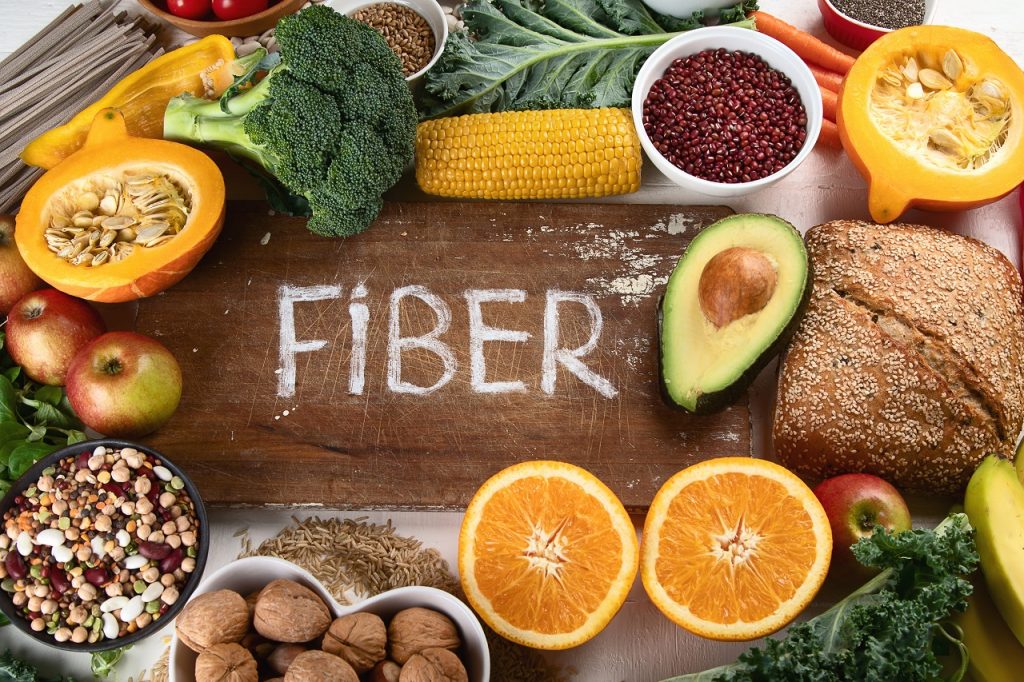
high fiber mealsThe Big Question: Why should we view dietary fibre not merely as an optional remedy for constipation, but as a crucial biological manager that regulates our metabolic, cardiovascular, and immune health?

When you think of dietary fibre, constipation relief is probably the first thing that comes to mind. While fibre certainly supports healthy digestion, its benefits go far beyond keeping your bowel movements regular. A fibre-rich diet can help maintain healthy blood sugar levels, support heart health, improve gut health, aid weight management, and even strengthen your immune system.

Unfortunately, modern diets filled with refined grains, sugary snacks, and ultra-processed foods often fall short of the fibre our bodies need. The good news? Adding more fibre-rich foods to your meals doesn’t require a complete diet overhaul. A few simple changes can make a significant difference to your overall health. Let’s explore why fibre deserves a place on every plate.

What Is Dietary Fibre?

Dietary fibre is a type of carbohydrate found naturally in plant-based foods. Unlike other carbohydrates, fibre isn’t completely digested by the body. Instead, it passes through the digestive system, supporting several important functions along the way.

There are two main types of fibre:

Soluble Fibre

Soluble fibre dissolves in water to form a thick, gel-like substance that slows digestion. This helps regulate blood sugar levels, lowers bad cholesterol, and keeps you feeling full for longer.

  • Good sources include: Oats, apples, citrus fruits, barley, beans, lentils, flaxseeds, and chia seeds.

Insoluble Fibre

Insoluble fibre does not dissolve in water. Instead, it adds physical bulk to your stool and helps food move more efficiently through the digestive tract, promoting regular bowel movements.

  • Good sources include: Whole wheat, brown rice, wheat bran, broccoli, cauliflower, carrots, green beans, and nuts.

Both types of fibre are essential, and eating a colorful variety of plant-based foods helps ensure your body receives the right biological balance.

5 Critical Benefits of Eating High-Fibre Foods

  1. Supports Healthy Digestion and Peristalsis

One of fibre’s most well-known benefits is keeping your digestive system functioning smoothly. Insoluble fibre acts as a natural bulking agent, drawing moisture into the large intestine to soften and add structure to the stool. This mechanical action stimulates regular contraction waves (peristalsis), making bowel movements easier and helping prevent chronic constipation. A healthy digestive system also creates the ideal environment for optimal nutrient absorption.

  1. Helps Manage Blood Sugar Levels and Prevents Insulin Spikes

When you consume refined, stripped carbohydrates, your digestive system breaks them down almost instantly. This rapid absorption floods your bloodstream with glucose, forcing your pancreas to release massive amounts of insulin.

  • The Destructive Autopilot Loop: Refined Grains ⇒ Rapid Glucose Surge ⇒ Insulin Spike ⇒ Fat Storage & Energy Crash.
  • The Mindful Alternative Loop: High-Fibre Whole Foods ⇒ Gel Matrix Formation ⇒ Delayed Glucose Release ⇒ Stable Energy & Metabolic Protection.

Soluble fibre creates a gel-like barrier in the intestines that slows the digestion and absorption of carbohydrates, helping prevent sudden spikes in blood sugar after meals. This is especially helpful for people living with diabetes or those looking to reduce their risk of developing Type 2 diabetes.

  1. Supports Healthy Weight Management and Natural Satiety

Achieving a balanced body composition is much easier when you work with your body’s natural fullness signals. It takes your digestive tract roughly 20 minutes to synthesize and send chemical satiety signals to the brain’s hypothalamus.

Because high-fibre foods require significant mechanical chewing and take longer to digest, they naturally slow your eating pace, giving your brain enough time to register that you are full. This can naturally reduce unnecessary snacking and overeating without making you feel deprived.

  1. Promotes Heart Health and Lowers LDL Cholesterol

Soluble fibre plays a direct, protective role in your cardiovascular system. As it moves through your small intestine, it binds to cholesterol-rich bile acids, trapping them within its gel matrix so they can be eliminated from the body through the stool.

To replace these lost bile acids, your liver pulls circulating LDL (“bad”) cholesterol out of your bloodstream, naturally lowering your total cholesterol profile. A diet rich in fibre has also been associated with better blood pressure management, significantly lowering long-term cardiovascular risks.

  1. Nourishes Your Gut Microbiome and Boosts Immunity

Your digestive system is home to trillions of beneficial bacteria that play an important role in digestion, immunity, and overall health. Many fibre-rich foods act as prebiotics, providing mandatory nourishment for these beneficial gut bacteria.

When these friendly microbes ferment soluble fibre in your colon, they produce health-boosting metabolites called Short-Chain Fatty Acids (SCFAs), like butyrate. These SCFAs help maintain the structural integrity of the intestinal barrier, prevent harmful pathogens from entering the bloodstream, and contribute to overall immune system resilience.

The High-Fibre Nutrient Synergy Matrix

Food Group Component Primary Fiber Type Key Biological Target Preventative Health Outcome
Beans & Lentils Soluble Fibre Intestinal Lining & Liver Lowers circulating LDL cholesterol and supports muscle repair.
Millets & Oats Soluble & Insoluble Blood Glucose Curves Slows down carbohydrate digestion and provides steady energy.
Cruciferous Vegetables Insoluble Fibre Digestive Motility & Colon Softens stool structure to naturally prevent chronic constipation.
Flax & Chia Seeds Soluble (Mucilage) Gut Microbiome & Vascular Feeds beneficial bacteria to synthesize anti-inflammatory SCFAs.

How Much Fibre Do You Need?

Most adults living in urban environments consume less than half of their recommended daily fibre needs. As a general clinical guide:

  • Women: Around 25 grams of fibre per day
  • Men: Around 30–38 grams of fibre per day

Rather than focusing on strict numbers alone, aim to build a colorful, varied plate that naturally includes whole grains, legumes, fruits, vegetables, nuts, and seeds throughout the day.

Simple Ways to Eat More Fibre Every Day

Increasing your daily fibre intake should be a gradual, consistent process to allow your digestive tract time to adapt comfortably. Try these practical lifestyle tips:

  • Start your day with whole oats, millets, or whole-grain breakfast cereals.
  • Replace white rice with brown rice, red rice, or ancient grains occasionally.
  • Include a generous serving of lightly cooked or steamed vegetables with lunch and dinner.
  • Snack on whole seasonal fruits, raw nuts, or roasted chana (chickpeas) instead of packaged, processed snacks.
  • Add beans, sprouts, or lentils to your daily soups, salads, and curries.
  • Sprinkle ground flaxseeds or chia seeds over yogurt or healthy smoothies.
  • Choose whole fruits instead of drinking strained fruit juices, as juicing strips away the essential fiber matrix.

Dietary fibre is one of the most important nutrients for long-term health, yet it’s often overlooked in modern, convenience-driven diets. From supporting healthy digestion and maintaining stable blood sugar levels to promoting heart health, weight management, and a thriving gut microbiome, fibre plays a vital role in keeping your body functioning at its best.

The best part? Getting more fibre doesn’t require expensive supplements or complicated diets. By choosing more unrefined whole grains, fruits, vegetables, legumes, nuts, and seeds, you can naturally increase your fibre intake and enjoy lasting health benefits. Every fibre-rich meal is a step towards better health!

Pro Tip: Building healthier eating habits becomes easier when you monitor your daily nutrition. Use the GOQii App to track your meals, macro balance, and daily water intake. You can seamlessly share this health data with your GOQii Personalised Health Coach to receive customized meal plans, fiber-rich recipes, and expert lifestyle guidance tailored perfectly to help you include more whole foods in your everyday diet!

Frequently Asked Questions (FAQs)

  1. What are the best high-fibre foods to add to my daily diet?

Some of the most nutrient-dense high-fibre foods include steel-cut oats, black beans, lentils, chickpeas, apples, pears, guavas, broccoli, carrots, flaxseeds, chia seeds, raw almonds, walnuts, brown rice, and ancient millets.

  1. How exactly does dietary fibre help with weight management?

Fibre slows down the physical rate of digestion and expands within your stomach, which triggers mechanical stretch receptors that signal fullness to your brain. This naturally prolongs satiety, stabilizes blood glucose curves, and reduces unnecessary snacking and overeating without making you feel restricted.

  1. Can eating more fibre improve chronic digestion and bloating issues?

Yes. Fibre adds necessary bulk and softness to the stool, promoting regular bowel movements and preventing constipation. However, to avoid temporary gas or bloating when increasing your intake, you must add fibre to your diet gradually and accompany it with adequate fluid intake.

  1. Should I explicitly drink more water when increasing my daily fibre intake?

Yes, absolutely. Fibre acts like a natural sponge inside your digestive tract. Insoluble fibre requires water to soften stool structure, while soluble fibre needs fluids to form its protective, gel-like matrix. Increasing your fibre intake without drinking enough water can cause the waste to harden in your colon, leading to bloating, gas, and worsening constipation. Aim for 2 to 3 liters of water daily.

#BeTheForce

Disclaimer: This article is intended for educational and informational purposes only. It is not intended to replace professional medical advice, clinical nutrition diagnosis, or personalized dietary treatment. Always consult your primary care physician or a registered dietitian before making major changes to your eating habits, especially if you manage an underlying gastrointestinal condition or chronic metabolic disorder.

July 1, 2026 By GOQii Leave a Comment

National Doctor’s Day: Celebrating Doctors and the Power of Preventive Healthcare

The Big Question: In an era dominated by rapid lifestyle changes and rising chronic health conditions, how can we transform our partnership with medical professionals from reactive treatment to proactive prevention?



Every year on July 1, India celebrates National Doctor’s Day to honour the unwavering dedication, compassion, and service of medical professionals who work tirelessly to protect and improve our health. From diagnosing illnesses and performing life-saving procedures to providing reassurance during difficult times, doctors play an indispensable role in our lives. Whether it’s a routine consultation or a medical emergency, they are often the first people we turn to when our health is at risk.

National Doctor’s Day is not only an opportunity to thank doctors for their commitment but also a reminder that good health is a shared responsibility. While doctors guide us with their expertise, each of us has a role to play by making healthier lifestyle choices and embracing preventive healthcare.

Why is National Doctor’s Day Celebrated in India?

National Doctor’s Day is observed every year on July 1 to commemorate the birth and death anniversary of Dr. Bidhan Chandra Roy (Dr. B.C. Roy) one of India’s most respected physicians, educators, freedom fighters, and former Chief Minister of West Bengal.

Dr. Roy devoted his life to advancing healthcare in India and played a pivotal role in establishing several renowned medical institutions, including Chittaranjan Seva Sadan, Jadavpur TB Hospital, and the Indian Medical Association (IMA). His remarkable service to medicine and society earned him India’s highest civilian honour, the Bharat Ratna, in 1961. His legacy continues to inspire generations of healthcare professionals who dedicate their lives to healing others.

Doctors Do More Than Treat Illness

The role of a doctor extends far beyond prescribing medicines or treating acute diseases. Modern clinical professionals act as complete guardians of public health.

Doctors help us:

  • Detect Health Issues Early: Catching silent metabolic markers through structured, routine screenings.
  • Manage Chronic Conditions: Keeping lifestyle disorders such as diabetes, hypertension, and heart disease well-regulated.
  • Guide Preventive Healthcare: Providing a biological framework to block diseases before they manifest.
  • Support Complete Well-being: Balancing physical, emotional, and mental health targets.
  • Encourage Healthier Choices: Offering evidence-based counseling on daily nutrition and activity.

Every single medical consultation is a valuable opportunity not only to treat current illness but also to prevent future health problems.

The Growing Importance of Preventive Healthcare

Today’s healthcare challenges are rapidly changing. Lifestyle-related conditions such as Type 2 diabetes, obesity, hypertension, fatty liver disease, and cardiovascular conditions are becoming increasingly common. Many of these conditions develop gradually over time and are heavily influenced by cumulative everyday habits such as poor nutrition, lack of physical activity, inadequate sleep, and chronic stress.

While doctors play a critical role in clinical diagnosis and treatment, the initial line of prevention begins with us. Simple daily choices can significantly reduce the risk of many chronic illnesses and improve our overall quality of life.

5 Ways You Can Support Your Health and Your Doctor’s Efforts

One of the most meaningful ways to honour our doctors is by taking our own health seriously and practicing proactive preventive lifestyle habits.

  1. Schedule Regular Health Check-ups

Don’t wait until you’re feeling deeply unwell to visit your doctor. Routine health screenings can help detect silent conditions such as high blood pressure, elevated fasting blood glucose, thyroid disorders, and high cholesterol long before external symptoms appear. Early detection often leads to much better health outcomes and lighter treatment protocols.

  1. Follow Medical Advice Consistently

Prescribed medicines and lifestyle treatment plans work best when followed exactly as directed. If you have questions or concerns about your treatment, speak openly with your doctor instead of discontinuing medications abruptly on your own. Healthcare works most efficiently when doctors and patients operate with complete alignment.

  1. Adopt Healthy Lifestyle Habits

Many chronic diseases can be prevented—or their progression drastically slowed—through healthier daily choices.

  • The Destructive Autopilot Loop: Unbalanced Processing à Insulin Resistance à High Cortisol à Metabolic Strain.
  • The Mindful Alternative Loop: Nutrient-Dense Whole Foods à Balanced Glucose à Regular Activity à Lasting Vitality.

Incorporate simple, non-negotiable habits like eating a balanced, nutrient-rich diet, staying physically active hourly, sleeping 7–9 hours every night, and managing chronic stress through mindfulness.

  1. Be Honest During Consultations

Your physician can only make the best clinical decisions when they have complete, accurate biological information. During your next routine consultation, share transparent details about your symptoms, current supplements or self-prescribed medications, sleep patterns, stress levels, and family medical history. Open communication leads to highly personalized, effective care.

  1. Take Ownership of Your Health

Doctors provide the expert medical roadmap—but your everyday personal choices determine much of your long-term healthspan. Monitor your blood pressure numbers, log your post-meal blood sugar levels (if advised), and keep an eye on your physical activity and nutrition. Building healthy habits today is your best defense against lifestyle diseases tomorrow. Prevention will always be superior to a cure.

The Preventive Partnership Matrix

The Clinical Marker The Traditional Reactive Approach The Proactive Preventative Solution
Elevated Fasting Glucose Continuous clinical pharmaceutical management. Nutritional Shift: Prioritize high-protein, low-GI whole foods and complex fibers.
Endothelial Hypertension Long-term blood pressure control medications. Vascular Care: Maintain a low-salt diet, keep hydration high, and log active steps.
Chronic Neuro-Stress Clinical treatment for insomnia and secondary anxiety. Mindfulness Routine: Protect 7-9 hours of sleep and introduce box breathing.

A Partnership for Better Health

Healthcare is most effective when doctors and patients work together as a cohesive team. Doctors bring years of rigorous medical knowledge, clinical expertise, and compassionate care to the table. Patients contribute by following treatment plans, attending regular check-ups, and making healthier lifestyle choices every single day. Together, this mutual partnership creates stronger, more resilient communities.

This National Doctor’s Day, let’s go beyond simply saying “Thank you.” Let’s honor our doctors by taking better care of ourselves. By eating nutritious food, staying active, managing stress, getting regular health check-ups, and following evidence-based medical advice, we not only improve our own well-being but also support a healthier society. Every healthy choice you make today is the highest tribute to the medical professionals who dedicate their lives to keeping us healthy!

Pro Tip: Maintaining consistent wellness choices is effortless when you track your daily parameters accurately. Use the GOQii App to log your daily activity, track your meals, monitor hydration, and record your sleep stages. You can seamlessly share this health data with your GOQii Personalised Health Coach to build a customized wellness plan that complements your doctor’s medical advice and helps you stay cleanly on the path to better health!

Frequently Asked Questions (FAQs)

  1. Why is National Doctor’s Day celebrated on July 1 in India?

National Doctor’s Day is observed on July 1 across India to commemorate the birth and death anniversary of Dr. Bidhan Chandra Roy, one of the country’s most respected physicians, visionary educators, and a Bharat Ratna awardee who made pioneering contributions to public healthcare and medical infrastructure.

  1. How can I meaningfully celebrate National Doctor’s Day?

While sending a message of appreciation to your doctor is a wonderful gesture, the most impactful way to celebrate is by scheduling any overdue health check-ups, committing to healthier daily eating and hydration habits, and encouraging preventive healthcare awareness within your family.

  1. Why is preventive healthcare considered so important for long-term well-being?

Preventive healthcare focuses on lowering the baseline risk of chronic disease before it can physically develop. Practicing nutrient-dense eating, consistent physical activity, quality sleep, stress management, and receiving regular screenings all work together to reduce systemic inflammation and optimize metabolic function.

  1. How often should I realistically get a routine health check-up?

The frequency of your health check-ups depends entirely on your current age, personal medical history, family history, and existing risk factors. As a general clinical guideline, most healthy adults benefit from comprehensive annual health check-ups as advised by their primary healthcare provider to monitor shifts in metabolic markers.

#BeTheForce

Disclaimer: This article is intended for educational and informational purposes only. It is not intended to replace professional medical advice, clinical diagnosis, or personalized treatment plans from a qualified healthcare provider. Always consult your physician before making major alterations to your diet, supplement intake, or exercise routine, especially if you have an underlying chronic health condition.

  • « Previous Page
  • 1
  • …
  • 5
  • 6
  • 7
  • 8
  • 9
  • …
  • 150
  • Next Page »

Search

Recent Posts

  • 6 Health Benefits of Playing Sports
  • Foods to Manage Blood Sugar Naturally: A Complete Guide to Better Blood Sugar Control
  • The Lazy Person’s Guide to Staying Healthy: 5 Micro-Habits That Take Less Than 2 Minutes
  • Healthy Eating: Comforting Chilli Bean Soup Recipe for the Monsoon
  • The Truth About the ‘Beer Belly’: What Alcohol Really Does to Your Metabolism

Stay Updated

Archives

  • August 2026 (8)
  • July 2026 (25)
  • June 2026 (22)
  • May 2026 (20)
  • April 2026 (24)
  • March 2026 (18)
  • February 2026 (14)
  • January 2026 (14)
  • December 2025 (19)
  • November 2025 (15)
  • October 2025 (20)
  • September 2025 (6)
  • August 2025 (6)
  • July 2025 (9)
  • June 2025 (18)
  • May 2025 (16)
  • April 2025 (22)
  • March 2025 (26)
  • February 2025 (21)
  • January 2025 (25)
  • December 2024 (22)
  • November 2024 (22)
  • October 2024 (20)
  • September 2024 (22)
  • August 2024 (27)
  • July 2024 (15)
  • June 2024 (23)
  • May 2024 (26)
  • April 2024 (27)
  • March 2024 (27)
  • February 2024 (23)
  • January 2024 (21)
  • December 2023 (14)
  • November 2023 (10)
  • October 2023 (19)
  • September 2023 (21)
  • August 2023 (16)
  • July 2023 (16)
  • June 2023 (21)
  • May 2023 (20)
  • April 2023 (19)
  • March 2023 (23)
  • February 2023 (19)
  • January 2023 (15)
  • December 2022 (11)
  • November 2022 (15)
  • October 2022 (15)
  • September 2022 (12)
  • August 2022 (9)
  • July 2022 (17)
  • June 2022 (11)
  • May 2022 (10)
  • April 2022 (6)
  • March 2022 (6)
  • February 2022 (13)
  • January 2022 (11)
  • December 2021 (7)
  • November 2021 (3)
  • October 2021 (6)
  • September 2021 (3)
  • August 2021 (8)
  • July 2021 (7)
  • June 2021 (15)
  • May 2021 (16)
  • April 2021 (10)
  • March 2021 (7)
  • February 2021 (4)
  • January 2021 (4)
  • December 2020 (3)
  • November 2020 (4)
  • October 2020 (10)
  • September 2020 (3)
  • August 2020 (3)
  • July 2020 (2)
  • June 2020 (4)
  • May 2020 (10)
  • April 2020 (12)
  • March 2020 (10)
  • February 2020 (4)
  • January 2020 (4)
  • December 2019 (3)
  • November 2019 (7)
  • October 2019 (5)
  • September 2019 (4)
  • August 2019 (9)
  • July 2019 (9)
  • June 2019 (11)
  • May 2019 (4)
  • April 2019 (8)
  • March 2019 (8)
  • February 2019 (9)
  • January 2019 (8)
  • December 2018 (9)
  • November 2018 (3)
  • October 2018 (3)
  • September 2018 (5)
  • August 2018 (10)
  • July 2018 (6)
  • June 2018 (13)
  • May 2018 (8)
  • April 2018 (17)
  • March 2018 (9)
  • February 2018 (8)
  • January 2018 (15)
  • December 2017 (12)
  • November 2017 (19)
  • October 2017 (13)
  • September 2017 (15)
  • August 2017 (4)
  • July 2017 (8)
  • June 2017 (7)
  • May 2017 (6)
  • April 2017 (8)
  • March 2017 (6)
  • February 2017 (7)
  • January 2017 (9)
  • December 2016 (10)
  • November 2016 (7)
  • October 2016 (7)
  • September 2016 (7)
  • August 2016 (11)
  • July 2016 (9)
  • June 2016 (9)
  • May 2016 (12)
  • April 2016 (17)
  • March 2016 (17)
  • February 2016 (8)
  • January 2016 (6)
  • December 2015 (2)
  • November 2015 (9)
  • October 2015 (7)
  • September 2015 (9)
  • August 2015 (11)
  • July 2015 (9)
  • June 2015 (11)
  • May 2015 (9)
  • April 2015 (13)
  • March 2015 (8)
  • February 2015 (5)
  • January 2015 (12)
  • December 2014 (14)
  • November 2014 (11)
  • October 2014 (6)
  • September 2014 (13)
  • August 2014 (12)
  • July 2014 (6)
  • June 2014 (2)
  • May 2014 (7)
  • April 2014 (4)

From Burnout to Balance: How Dr. Ranjit Reclaimed His Health

Dr Ranjit Bhatt has spent years tending to others. A practising doctor in Odisha, his days were packed with patients, surgeries, and emergencies. From the outside, it looked like a life lived in service. But on the inside, something wasn’t right. “I had no … [Read More...]

From Shimla’s Slopes to Chandigarh’s Sidewalks: Surinder Kaur Bhalla’s Journey from Chaos to Control

Some journeys start with a plan. Others begin with a stumble literally. Surinder Bhalla, a government professional, born and raised in the scenic hill town of Shimla, had always lived a life of movement. “In Shimla, you walked everywhere,” she reflects. “Walking was never an exercise. It was just life.” But after shifting to Chandigarh, […]

“I’ve Challenged Myself to Live 100 Years” – The Story of Chandubhai Savani’s Second Chance at Life

At 67, most people start slowing down. Not Chandubhai Savani. A resident of Surat, Chandubhai, thought life was on track. “My life was going well till I had my bypass surgery,” he says. That surgery, back in 2021, was a wake-up call.  Medication was routine, but exercise wasn’t. His diet? What he calls ‘normal.’ “I […]

Ananda Mukherjee Health Story

From Terminal Illness To Complete Wellness! Ananda Mukherjee Health Story

As we observe World Cancer Day under the powerful theme ‘United by Unique’ (2025-2027)**, we are reminded that every individual’s journey with cancer is distinct, yet united by shared resilience, hope, and the collective fight against this disease. This theme places people at the centre of care and their stories at the heart of the […]

  • HOME
  • HEALTHY LIVING
  • FITNESS
  • HEALTHY RECIPES
  • USER STORIES
  • KARMA
  • BUY GOQii

Copyright ©2016 GOQii
