GOQii

Blog

  • HOME
  • HEALTHY LIVING
  • FITNESS
  • HEALTHY RECIPES
  • USER STORIES
  • KARMA
  • BUY GOQii

Search Results for: food

August 6, 2018 By Anusha Subramanian Leave a Comment

6 Effective DIY Techniques to Clean Pesticides of Fruits & Vegetables


70582

This is the second blog in the series of Hazardous chemicals in our food products. In today’s blog, we take you through some DIY ( do it on your own) techniques to clean your fruits and vegetables. Read part 1 here: https://goqii.com/blog/invisible-health-hazards-lurking-in-your-kitchen/

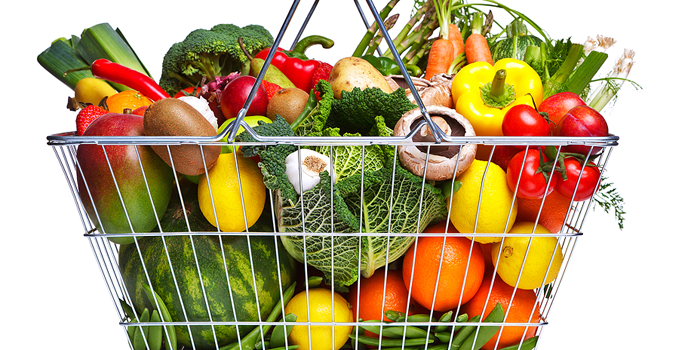
Fruits and Vegetables are irreplaceable ingredients of our everyday diet. Apart from the fact that they’re delicious, they are also packed with various nutrients and minerals. The paradox here is that these health powerhouses are coated with various disinfectants and pesticides which are extremely hazardous for health. It’s almost impossible to list the pesticides found in vegetables and fruits as there are over 1000 different varieties which are used to grow crops.

Even though minor amounts of pesticide residue on food doesn’t really pose a great health hazard, you should be careful of what you buy and also where you buy them from. There are many simple and effective ways to remove these toxic chemicals from your food which can be done at home.

  1. Salt Water Wash

IMG-5860

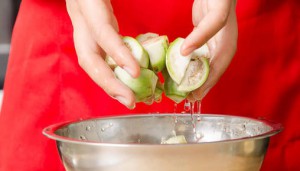
 Saltwater wash is one of the easiest technique of washing your food. The Saltwater solution will remove most contact pesticides that are present in your food. All you need to do to make the solution is to add 1tbsp sea salt into a bowl which is half filled with water. Hand scrub your fruits and veggies in the solution and ensure to rinse thoroughly before consumption.

  1. Vinegar Soak

IMG-5861

 Create a solution adding 90% water and 10% white vinegar and let the fruits/vegetables soak in the mixture. Stir your fruits and veggies in the solution and leave them for about 10 minutes, rinse thoroughly with cold water before using. You must be careful while washing fruits with thin skin as the solution might damage their porous outer skin.

  1. Lemon Juice Spray

IMG-5862

Lemon juice spray has proven to be a very effective way of removing pesticides from your food. The citric acid in lemon juice not only helps in removing pesticides but also helps in killing the microorganisms on the outer surface. To create the spray, mix 1 tbsp of lemon juice, 2 tbsp of baking soda and 1 cup of water. After making sure that the baking soda is properly dissolved, pour the mixture into a clean spray bottle. Leave the spray on your fruits and veggies for about 5-10 minutes before you rinse it off with water.

  1. Trim the Edges

IMG-5864

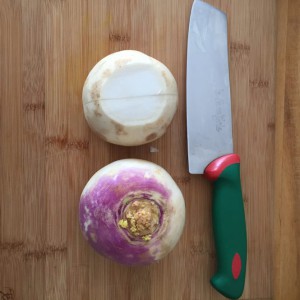
 Many vegetables, mainly the leafy ones like lettuce, cabbage, celery etc tend to have an abundant amount of micro-organisms and pesticide residue on their outer surface. Even though washing them under running water helps remove some of them, chopping the top and outer layers of these veggies will ensure more cleanliness.

  1. Peeling

IMG-5863

We are no strangers to peeling, it is one of the most basic methods used in households to discard those harmful microbes and pesticides. Most fruit peels contain many essential nutrients, hence it isn’t always the best way to clean your food but peeling of the outer surface of your food will ensure a cleaner, pesticide-free produce.

  1. Baking Soda Scrub

IMG-5865


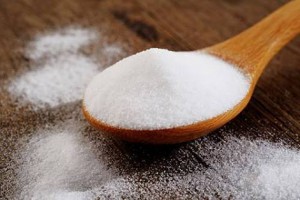
It is important to know that this method only works with foods which have a hard skin and don’t easily wear off. All this technique requires you to do is sprinkle some baking soda over your eatables and rub them together gently. Ensure to wash them off thoroughly before use.

In our busy daily lives, going an extra mile to clean your eatables is almost deemed impossible but it is important to understand that health is our most prized possession and spending 10 minutes to clean your food properly can avoid many serious diseases and illnesses.
August 3, 2018 By GOQii Editor 1 Comment

Invisible Health Hazards Lurking In Your Kitchen

health hazards in your kitchen

Intro:

Two months ago, we had a suggestion from one of our players on how the pesticide residues in food products can cause harm to our health including diseases like cancer, over a period of time. “From food grains to vegetables to fruits, everything is grown and ripened with the help of chemicals. Even so-called organic foodstuff is not 100% trustworthy. Moreover, organic food is not available everywhere and for every food item, and is very expensive. Having a pesticide-free diet is impossible in today’s India – it’s the bitter truth of current times,” he said. According to him, despite consuming a healthy diet, we have also been unknowingly consuming harmful chemicals with it. This also includes some cooking aids (like non-stick cookware, and cooking techniques like over grilling/ charring of meat in barbeques/ fire). Given that we encounter these hazards on a daily basis, it has become imperative for each one of us to be cautious. We need to be aware of which food and food parts (eg peels) are most likely to be laced with pesticides or harmful chemicals (just an example being mangoes ripened with calcium carbide or apples polished with wax) and how best to remove these. 

GOQii’s content team has come up with 3 blogs around these issues. Today, we publish the first of the blog in this series- ‘Invisible Health Hazards Lurking In Your Kitchen’. 

  Invisible Health Hazards Lurking In Your Kitchen

The kitchen is, in fact, the most sanitary zone in our houses. It is so because the food is prepared in the kitchen and none of us wants to consume food which is prepared under unhygienic conditions. When you read the title, you might think to yourself that it can’t be possible because I always keep my kitchen clean. Unfortunately, the health hazards mentioned in this blog doesn’t revolve around hygiene but focuses on the invisible dangers that lurk in your kitchen, which on a normal day does not meet your eye or cross your mind.

Is your kitchenware poisoning you?

Yes, you read that right. Did you know that certain utensils in your kitchen might be discharging toxic fumes and chemicals into your food? Over a period of time, these substances sediment in your body, posing a great threat to your health.

  1. Non-Stick Pans

IMG-5845

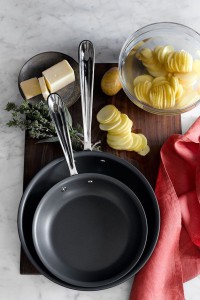
Teflon is also known as PTFE is the name of that special coating on your pan which makes it Non-Sticky. When these pans are overheated or left on the stove for too long, PTFE releases fumes which are toxic, causing symptoms like flu in human beings. The chemical perfluorooctanoic acid, also known as PFOA used in the production of PTFE has been condemned by experts for its carcinogenic properties.

 2. Plastic Food Containers

IMG-5847

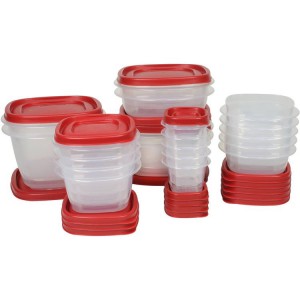
Despite the recent ban of plastic in some parts of the country, Plastic still plays an important role in most people’s everyday life. From wrappers to containers, plastic is all over. Plastic contains chemicals like Bisphenol A and Polyvinyl Chloride (PVC) that can infiltrate your food. When you carry hot edibles in these plastic containers or microwave your food in them, the heat accelerates the emission of these chemicals, serving you a toxic delicacy.

3. Plastic Cutting Boards

IMG-5849

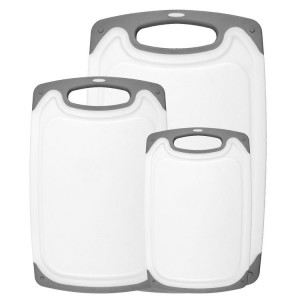
While, the debate over what kind of cutting boards are the safest to use continues, plastic definitely should not be your choice. After all the slicing and dicing carried out on your cutting board, you might notice little cuts and nicks across the surface like a soldier’s battle scars. Those cuts and fissures are the breeding grounds of many a dangerous bacteria, mainly E.Coli and Salmonella. Ever wondered where those fractions of plastic from the crevices disappeared? Think no more, they were in the food you chopped and later on consumed.

Is your cooking technique making the food toxic?

That might probably be the truth. In today’s world where there’s not enough time for anything, fast cooking has definitely claimed a spot for itself. Here’s how your technique maybe poisoning your food:

  1. Charring Food

charred-roasted-roots-spinach-hot-winter-salad-1

This process not only takes away almost every nutrient present in your food but also adds toxins to fill the gaps. One should always try to grill your food lightly to avoid charring. Grilling should only be done to an extent where the outsides of the foods are barely brown in texture and the insides are grilled to a minimum.

  1. Deep Frying

IMG-5854

Fried food is undeniably delicious but it is important to know that deep frying the food makes it bathe in oxidized fats, denatured proteins, and glycated sugars. The high temperature involved in deep frying creates toxic compounds which lead to cancer. Think twice before pouncing on to those French Fries next time.

  1. Frequent Microwaving

Microwave

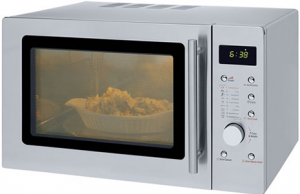
In today’s fast-paced life that we all lead, Microwave could be considered as a boon. But, did you know that the food loses most of the nutrients after it’s put into the microwave? It is advised to stay use them only when it’s very necessary and not as a matter of convenience on a daily basis. It is also advised to stay away from the microwave while it is working as the device emits electromagnetic radiations which over time can have very adverse effects on human health. Long-term exposure might considerably increase your chances of developing illnesses like cancer.


July 12, 2018 By Luke Coutinho 18 Comments

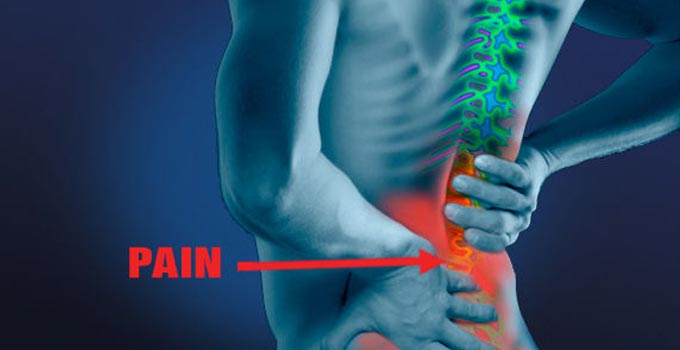
Suffering from Lower back pain? could be lack of calcium and D3


back-pain

Lower back pain?

Degeneration of the spine?

Lumbar disc problems?

Joint pain?

Body aches?

The common solution for all of the above problems is to pop a calcium or D3 supplement. It’s true though, a  deficiency of these vitamins can cause all of the above, but there are many ways of looking at this.

You can be popping the best brand of supplements, but remember, it just does not work that way. For Calcium to get absorbed into the bones, your D3 levels have to be adequate. If it’s not, your calcium supplement is being wasted, so are the foods rich in calcium that you are consuming.

Furthermore, Vitamin K is such an ignored vitamin. You should know that Vitamin K is needed for the bones to absorb Calcium. Vitamin K is found in dairy products and green leafy veggies.

Here’s how it works – For strong and healthy bones, joints and a super strong spine, you need sufficient calcium, D3 and Vitamin K for it to work effectively. I should add in B12 as B12 is necessary for healthy bone marrow and for the body and spine to grow stung and healthy.

Calcium, Vitamin K, Vitamin B12 and Vitamin D3

A balanced diet should give you all of the above. Apart from nutrition, there are few other tips

– Regular and smart exercise.
– Stretching, warm up and cooldowns.
– Knowing your tight muscles and working on flexibility.
– DO NOT SIT IN ONE PLACE FOR MORE THAN 30-45 MINUTES-
This is too much strain and stress on your lower back/sacrum and it leads to lower back, sciatica and lower body aches and pains.

Look for nutrition in fresh and real foods. Supplement only if you have to and if you have a deficiency. The choice of preventing or healing yourself from pains is up to you and how you want to deal with it. But, make sure you keep up with nutrition, exercise, rest and have a positive attitude.

July 9, 2018 By Jyoti Sawant 7 Comments

Confused about eating healthy? Follow these 13 Strategies to eat healthy

eat-healthy

Healthy eating is not about strict dietary limitations, staying unrealistically thin, or depriving yourself of the foods you love. Rather, it’s about feeling great, having more energy, and stabilizing your mood. There are loads of information and dietary advice floating out there where if an expert tells you that certain food is good for you, you’ll find another one saying exactly the opposite thus confusing you totally. But, let me give you some simple tips by which you can cut through the confusion and learn how to create a tasty, varied, and healthy food habit at work.

A healthy diet is good but, a key foundation for any healthy diet is moderation. What is moderation? In essence, it means eating only as much food as your body needs. You should feel satisfied at the end of a meal and not stuffed. Moderation is also about a balance of carbohydrates, protein, fat, fibre, vitamins, and minerals to sustain a healthy body.

  1. Simplify: Measure portion size and do not be concerned about counting calories. Think of your healthy meal in terms of colour, variety, and freshness. This way it should be easier to make a healthy choice. Focus on finding foods you love and easy recipes that incorporate a few fresh ingredients. Gradually, your food will become healthier and more delicious.
  2.  Start slow and make changes to your eating habits over time. Trying to make your food healthy overnight isn’t realistic or smart. Changing everything at once usually leads to cheating or giving up on your new eating plan. Make small steps, like adding a salad (full of different colour vegetables) to your daily routine once a day or switching from peanut butter to olive oil when cooking. As this small change becomes a habit, you can continue to add more healthy choices to your lifestyle.
  3. Every change you make matters. You don’t have to be perfect and you don’t have to completely eliminate the foods you enjoy in order to have a healthy diet. Your long-term goal should be to feel good, have more energy, and reduce the risk of lifestyle diseases. Don’t let your missteps derail you—every healthy food choice you make counts.
  4. Think Smaller Portions. Serving sizes have ballooned recently, particularly in restaurants. When dining out, choose a starter instead of an entire plate, split a dish with a friend, and don’t order supersized anything. At home, use smaller plates, think about serving sizes in realistic terms, and start small. In case you are not satisfied at the end of the meal try adding more leafy green vegetables or rounding off the meal with some fresh salad. Visual cues can help with portion sizes–your serving of Egg, fish, or chicken should be the size of a deck of cards and half a cup of mashed potato, rice, or pasta is about the size of the small bowl.
  5. Take time to chew your food and enjoy mealtimes. Chew your food slowly, savouring every bite. We tend to rush through our meals thereby forgetting to actually taste the flavours and feel the texture of our food. Reconnect with the joy of eating.
  6. Listen to your body. Ask yourself if you are really hungry, or have a glass of water to see if you are thirsty or hungry. During a meal, stop eating before you feel full. It actually takes a few minutes for your brain to tell your body that it has had enough food, so eat slowly.
  7. Eat breakfast, and eat smaller meals throughout the day. A healthy breakfast can jumpstart your metabolism, and eating small, healthy meals throughout the day (rather than the standard three large meals) keeps your energy up and your metabolism going.
  8. Avoid eating at night. Try to eat dinner earlier in the day and then fast for 10-12 hours until breakfast the next morning. These simple dietary adjustments such as eating only when you’re most active and giving your digestive system a long break each day will only help to regulate your weight. After-dinner snacks tend to be high in fat and calories, but some healthy options like mixed vegetable soup, salad, and buttermilk is good.
  9.  Most of us consume too much salt in our diets. Eating too much salt can cause high blood pressure and lead to other health problems. Try to limit sodium intake to 1,500 to 2,300 mg per day which is equivalent to one teaspoon of salt.
  10.  Avoid processed or pre-packaged foods. Processed foods like canned soups or frozen dinners contain hidden sodium that quickly surpasses the recommended limit.
  11.  Be careful when eating out. Most restaurant and fast food meals are loaded with sodium. Some offer lower-sodium choices or you can ask for your meal to be made without salt. Most gravy and sauces are loaded with salt, so ask for it to be served on the side. Opt for fresh or frozen vegetables instead of canned vegetables. Cut back on salty snacks such as potato chips, and nuts. Check labels and choose low-salt or reduced-sodium products, including breakfast cereals.
  12. Slowly reduce the salt in your diet to give your taste buds some time to adjust.
  13. Go high on Fibre – In general, the more natural and unprocessed the food, the higher it is in fibre. Good sources of fibre include whole grains, wheat cereals, barley, oatmeal, beans, nuts, vegetables such as carrots, celery, and tomatoes, and fruits such as apples, berries, citrus fruits, and pears—all the more reason to add more fruit and vegetables to your diet. There is no fibre in meat, dairy, or sugar. Refined or “white” foods, such as white bread, white rice, and pastries, have had all or most of their fibre removed. An easy way to add more fibre to your diet is to start your day with a whole grain cereal, such as Fibre-One or All-Bran, or by adding unprocessed wheat bran to your favourite cereal.
  • « Previous Page
  • 1
  • …
  • 182
  • 183
  • 184
  • 185
  • 186
  • …
  • 255
  • Next Page »

Search

Recent Posts

  • Why Mitochondrial Health Determines How Well You Age
  • World IBD Day 2026: Why IBD Is More Than Just a Gut Problem
  • World Hypertension Day 2026: The Silent Killer & 5 Natural Ways to Lower Your Blood Pressure
  • Eat Healthy At Work: Quick & Easy Snacks You Can Eat In The Office
  • The Great Summer Mango Debate: Can You Eat Mangoes While Trying to Lose Weight?

Stay Updated

Archives

  • May 2026 (16)
  • April 2026 (24)
  • March 2026 (18)
  • February 2026 (14)
  • January 2026 (14)
  • December 2025 (19)
  • November 2025 (15)
  • October 2025 (20)
  • September 2025 (6)
  • August 2025 (6)
  • July 2025 (12)
  • June 2025 (18)
  • May 2025 (16)
  • April 2025 (22)
  • March 2025 (27)
  • February 2025 (21)
  • January 2025 (25)
  • December 2024 (22)
  • November 2024 (23)
  • October 2024 (21)
  • September 2024 (23)
  • August 2024 (30)
  • July 2024 (21)
  • June 2024 (25)
  • May 2024 (28)
  • April 2024 (27)
  • March 2024 (27)
  • February 2024 (24)
  • January 2024 (21)
  • December 2023 (14)
  • November 2023 (10)
  • October 2023 (19)
  • September 2023 (22)
  • August 2023 (18)
  • July 2023 (22)
  • June 2023 (23)
  • May 2023 (22)
  • April 2023 (19)
  • March 2023 (23)
  • February 2023 (19)
  • January 2023 (15)
  • December 2022 (11)
  • November 2022 (15)
  • October 2022 (15)
  • September 2022 (12)
  • August 2022 (10)
  • July 2022 (17)
  • June 2022 (11)
  • May 2022 (10)
  • April 2022 (6)
  • March 2022 (6)
  • February 2022 (13)
  • January 2022 (11)
  • December 2021 (7)
  • November 2021 (3)
  • October 2021 (6)
  • September 2021 (3)
  • August 2021 (8)
  • July 2021 (7)
  • June 2021 (15)
  • May 2021 (16)
  • April 2021 (10)
  • March 2021 (7)
  • February 2021 (4)
  • January 2021 (4)
  • December 2020 (3)
  • November 2020 (4)
  • October 2020 (10)
  • September 2020 (3)
  • August 2020 (3)
  • July 2020 (2)
  • June 2020 (4)
  • May 2020 (10)
  • April 2020 (12)
  • March 2020 (10)
  • February 2020 (4)
  • January 2020 (4)
  • December 2019 (3)
  • November 2019 (7)
  • October 2019 (5)
  • September 2019 (4)
  • August 2019 (9)
  • July 2019 (9)
  • June 2019 (11)
  • May 2019 (4)
  • April 2019 (8)
  • March 2019 (8)
  • February 2019 (9)
  • January 2019 (8)
  • December 2018 (9)
  • November 2018 (3)
  • October 2018 (3)
  • September 2018 (5)
  • August 2018 (10)
  • July 2018 (6)
  • June 2018 (13)
  • May 2018 (8)
  • April 2018 (18)
  • March 2018 (9)
  • February 2018 (8)
  • January 2018 (15)
  • December 2017 (12)
  • November 2017 (19)
  • October 2017 (13)
  • September 2017 (15)
  • August 2017 (4)
  • July 2017 (8)
  • June 2017 (7)
  • May 2017 (6)
  • April 2017 (8)
  • March 2017 (6)
  • February 2017 (7)
  • January 2017 (9)
  • December 2016 (10)
  • November 2016 (7)
  • October 2016 (7)
  • September 2016 (7)
  • August 2016 (11)
  • July 2016 (9)
  • June 2016 (9)
  • May 2016 (12)
  • April 2016 (17)
  • March 2016 (17)
  • February 2016 (8)
  • January 2016 (6)
  • December 2015 (2)
  • November 2015 (9)
  • October 2015 (7)
  • September 2015 (9)
  • August 2015 (11)
  • July 2015 (9)
  • June 2015 (11)
  • May 2015 (9)
  • April 2015 (13)
  • March 2015 (8)
  • February 2015 (5)
  • January 2015 (12)
  • December 2014 (14)
  • November 2014 (11)
  • October 2014 (6)
  • September 2014 (13)
  • August 2014 (12)
  • July 2014 (6)
  • June 2014 (2)
  • May 2014 (7)
  • April 2014 (4)

From “Laddu Nawin” to Fit and Fierce: How a 25-Year-Old Insurance Advisor Shed 20 Kilos and Gained His Life Back

When 25-year-old Nawin Yadav from Hyderabad walked into his office every morning, he carried more than just his files and policy papers. He had the weight of fatigue, sluggish energy, and an ever-growing belly that was becoming the butt of jokes. “People … [Read More...]

“I’ve Challenged Myself to Live 100 Years” – The Story of Chandubhai Savani’s Second Chance at Life

At 67, most people start slowing down. Not Chandubhai Savani. A resident of Surat, Chandubhai, thought life was on track. “My life was going well till I had my bypass surgery,” he says. That surgery, back in 2021, was a wake-up call.  Medication was routine, but exercise wasn’t. His diet? What he calls ‘normal.’ “I […]

From Shimla’s Slopes to Chandigarh’s Sidewalks: Surinder Kaur Bhalla’s Journey from Chaos to Control

Some journeys start with a plan. Others begin with a stumble literally. Surinder Bhalla, a government professional, born and raised in the scenic hill town of Shimla, had always lived a life of movement. “In Shimla, you walked everywhere,” she reflects. “Walking was never an exercise. It was just life.” But after shifting to Chandigarh, […]

Ananda Mukherjee Health Story

From Terminal Illness To Complete Wellness! Ananda Mukherjee Health Story

As we observe World Cancer Day under the powerful theme ‘United by Unique’ (2025-2027)**, we are reminded that every individual’s journey with cancer is distinct, yet united by shared resilience, hope, and the collective fight against this disease. This theme places people at the centre of care and their stories at the heart of the […]

  • HOME
  • HEALTHY LIVING
  • FITNESS
  • HEALTHY RECIPES
  • USER STORIES
  • KARMA
  • BUY GOQii

Copyright ©2016 GOQii