GOQii

Blog

  • HOME
  • HEALTHY LIVING
  • FITNESS
  • HEALTHY RECIPES
  • USER STORIES
  • KARMA
  • BUY GOQii

Search Results for: food

February 10, 2018 By Hardika Vira Leave a Comment

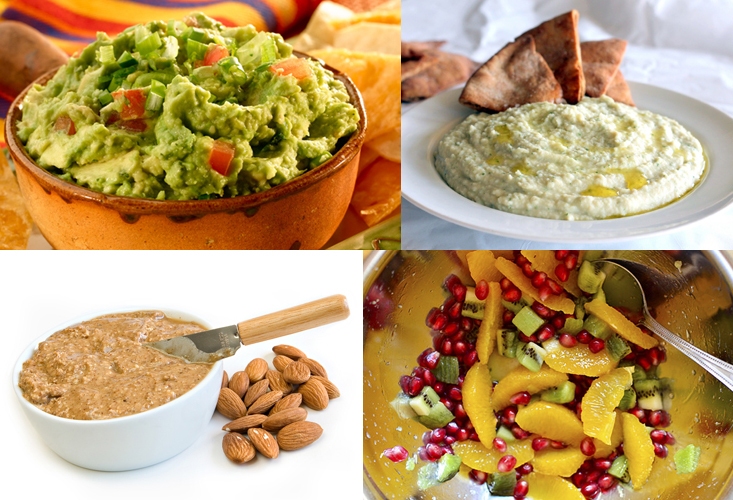
Healthy Dips and Sauces

to

We always want our main course that we eat to be healthy. Would you like some side dishes to make your meals more interesting? Have you ever thought of side dishes that you could have along with your main course which are equally healthy as your main dish and can be had as fillers in the mid meals?

There are many such alternatives available in the market which is not only full of preservatives but also loaded with sugar, fats and are way too costly.

This thought led me to write this blog on healthy dips and sauces which are not only easy to make but are pocket friendly. To add to the benefits – ‘No added preservatives’. All your family members especially children would love indulging into these dips and sauces with various food items. Don’t be shocked if you see your child’s plate clean after this.

Let us have a look at some of the yummy healthy dips and sauces which serve to be an excellent side dish

  1. Avocado Yoghurt Dip
Ingredients Amount
Low fat Greek Yoghurt/ hung curd ½ cup
Avocados (ripe) 2 no
Garlic Ginger (minced) 1 tsp
Fresh Coriander leaves 3-4 TBSP
Mint leaves Few sprigs
Bell pepper 1 no
Lime Juice of 1 no
Red chilli powder ¼ tsp
Salt To taste
Pepper powder To taste

METHOD:

  1. Mix all the above ingredients in a blender. Mix until smooth paste.
  2. Serve with vegetable sticks or whole grain chips.
  3. You can use it as a base for your sandwiches and rolls

BENEFITS

Rich in healthy fats,proteins, loaded with vitamins, minerals, good for digestive and gut health

  1. Mix fruit Salsa
Ingredients Amount
Pineapple (diced) ½ cup
Mango (ripe) (diced) ½ cup
Strawberries(diced) ½ cup
Fresh mint leaves 2-3 TBSP
Ginger ½ inch
Bell pepper 1 no
Lime (big) 1 no
Red chilli powder ¼ tsp
Salt To taste

METHOD:

  1. In a saucepan, mix pineapple, mango and strawberries, bellpepper, ginger, chopped fresh mint leaves, red chilli powder, lime juice and salt. Mix well until well blended.
  2. Enjoy this sweet, tangy, spicy salsa with pita chips/ wheat bread

BENEFITS

Super antioxidant rich. A blend of various vitamins, minerals and helps improve immunity

  1. Beans Basil Hummus
Ingredients Amount
Fresh kidney beans (cooked) 2 cup
Chick peas (soaked and drained) 2/3 cup
Garlic cloves 4-5 no
Ginger ½ inch piece
Fresh basil leaves/ tulsi leaves ½ cup
Mint leaves Few sprigs
Onion 1 no
Lime (big) 2-3 no
Green chilly 1-2 no
Salt To taste
Pepper powder To taste
Low fat yoghurt As required

METHOD

  1. In a blender, add 2 cups of cooked fresh kidney beans(not the dried one), overnight soaked and drained 2/3 cup of chick peas, ginger, garlic, basil leaves, mint leaves, onion, lime juice, green chillies, salt, pepper powder. Grind it well until it becomes a smooth paste. If required you can add low fat yoghurt to get the required consistency
  2. Serve with veggie sticks, chips or crackers
  3. You can even use it as a base for any rolls/ frankies

BENEFITS:

Rich in proteins and probiotic. Excellent for gut health and immunity boosting

  1. Tahini Recipe
Ingredients Amount
Roasted sesame seeds 2 TBSP
Olive oil 2 TBSP
Lemon juice 1 ½ TBSP
Garlic clove 1-2 no
Hung curd 1 cup
Salt to taste

METHOD:

1 Take roasted sesame seeds, olive oil, garlic cloves and lemon juice in a blender

  1. Blend until smooth paste
  2. Mix the above tahini paste with hung curd. Mix well and serve chilled with flat breads/ khakhras/ veggie sticks

BENEFITS:

Great source of Calcium, probiotics and healthy fats

  1. Healthy mayo
Ingredients Amount
Grated cucumber ½ cup
Grated carrot ½ cup
Hung curd 1 cup
Oregano, ½ tsp
Parsley, Basil leaves, Chilli flakes ½ tsp
Salt to taste
Freshly ground Pepper powder ¼ tsp

METHOD:

  1. In a bowl, mix all the above ingredients
  2. Serve chilled with flat breads/ khakhras/ homemade tortilla/ nachos/filling in wheat breads

BENEFITS:

Alkaline in nature, coolant, good source of fiber too

  1. Peanut/ Almond butter
Ingredients Amount
Roasted peanuts/ almonds (salted/ unsalted) 200 gms
Olive oil/ Ricebran oil As required
Organic honey Optional
Salt to taste

METHOD:

  1. In a blender jar, take roasted salted/ unsalted peanuts or almonds and grind till finely coarse
  2. Add a few drops of olive oil
  3. Blenderize until smooth paste.
  4. Add salt and organic honey if required
  5. Peanut butter/ almond butter is ready to serve with khakhras/ whole grain bread/ sandwiches/ fruits/ vegetable sticks

BENEFITS:

Healthy fats. Serves as a great pre and post workout meal option

  1. Guacamole
Ingredients Amount
Avocados (ripe) peeled, pitted 2 no
Tomatoes, ripe 1 no
Fresh Coriander leaves 3 TBSP
Onion, finely chopped ¼ cup
Garlic, minced ½  tsp
Lime (big) 1 no
cumin powder ½  tsp
Salt To taste
cayenne pepper (optional) 1 pinch

METHOD:

  1. In a medium bowl, mash together the avocados, lime juice, and salt.
  2. Mix in onion, cilantro, tomatoes, and garlic.
  3. Stir in cayenne pepper, cumin seed powder
  4. Refrigerate 1 hour for best flavour, or serve immediately.

BENEFITS:

Rich in healthy unsaturated fats. Antioxidants, vitamins and minerals

If you have been making some interesting dips and sauces then do share the recipes with us. Share your feedback on these dips and sauces when you make.

Enjoy!!!


January 26, 2018 By Luke Coutinho Leave a Comment

Nutrient Absorption and Metabolism: A Catch-22?

Nutrient-Absorption
Optimal digestive function means we’re breaking down food properly, absorbing enough of the right nutrients and eliminating the waste that we don’t need. It’s a very organized, efficient and meticulous process.

But we need energy to perform these tasks, and much of that energy comes from nutrients we digest. It seems like a bit of a catch-22: We need energy in order for our digestive system to break down food, but we get much of that energy from food. If digestion is sluggish, we can’t break down nutrients properly to get more energy. This creates a vicious cycle that leads to a type of malnutrition in our cells, tissues and organs.


(adsbygoogle = window.adsbygoogle || []).push({});

Wastes build up, you retain water and your body converts excess calories to fat, since the body isn’t digesting them properly. Usually, this cycle starts with unhealthy dietary habits: eating too many processed foods that hinder digestive function by depleting our enzymes, probiotics and other factors critical for strong digestion. Unhealthy foods, particularly refined sugars, also spike glucose and insulin. The result is inflammation — another major culprit in weight gain and slow metabolism.

Essentially, a nutritious diet has a direct relationship to healthy body weight — not just because we’re avoiding inflammatory, fat-fueling foods like sugar and hydrogenated oils, but also because nutritious foods give our digestive system the building blocks it needs to function efficiently. Our mitochondria, the tiny cellular engines that create energy for the body, are a central part of our metabolism and digestion.

How quickly and efficiently the mitochondria can turn nutrients such as glucose into energy reflects metabolic health. If our mitochondria are inefficient, we store glucose as fat.

Where does digestion come into play?

When we’re not digesting properly, mitochondria don’t get their nutrients to produce energy, and excess waste creates inflammation and toxic buildup. As a result, we feel sluggish, tired and bloated. It’s all part of a complex, interrelated system where metabolism and digestion rely on one another to keep all the body’s systems fully energized and functioning at peak capacity.

January 25, 2018 By Palak Mittal Leave a Comment

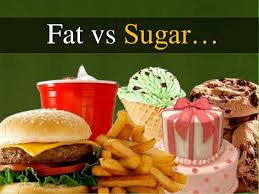
Fat or sugars- which is more harmful

fat vs sugar

You may have heard that carbohydrates can lead to weight gain (and this very statement might cause you to think that sugar is worse) but, you probably have also heard that fat can lead to weight gain (and this statement may force you to think fat is worse). With these two different thoughts in your head, you find yourself hopping from a low-fat diet to a low-carb diet and then back to a low-fat diet.

Well, if you are confused as to which one is worse (Fat or Sugar), you are not the only one. This ‘fat v/s. sugar’ debate has been on for a long time and has created lots of dialogues and articles – none of which however come up with a clear picture.

Here is the truth: While there is actually no good sugar that you can include in your everyday diet, fat can be good or bad (depending on the kind you pick).

Excessive Sugar Equals Fat:

Excessive sugar converts to fat in your body; as you eat something sugary or drink a soda, your body does not use all the energy that is produced by sugar. The extra sugar that you consumed, is stored by your body and eventually, is turned into fats. Therefore, an intake of too much sugar has no nutritional value other than it getting stored in the body and converting to fat. Sugar is present in common snacks like biscuits and cakes, cereals, fruits, aerated drinks, smoothies and ready meals. Limiting the sugar intake should be a priority for you to maintain a healthy body. There are many negatives of a high sugar diet.

  • High sugar diets can lead to resistance to insulin resulting in diabetes.
  • The main reason for causing caries in teeth.
  • Sugar-rich diet raises Low Dietary Lipoprotein (LDL) (bad cholesterol), blood glucose and insulin levels. These are all major risk factors for heart disease.
  • Sugar is addictive and causes the release of dopamine in the brain. The pleasure sensation that the brain gets when dopamine levels are elevated creates an addiction.
  • Excess sugar is not used up by the body and is stored as fat for future use. It is a major cause of obesity.
  • However, fruits contain a small amount of fructose. Humans can easily tolerate the small amounts of fructose found in fruit. Reduce the added table sugar in your diet.

Fat Depends – there are good fats and bad fats:

  • Fat is considered deleterious to health and the root cause of high cholesterol. However, there are different kinds of dietary fats
  • Saturated – Animal fats and dairy
  • Monounsaturated – Olive oil, avocado, ground nuts and
  • Polyunsaturated – Omega-3 and Omega-6 fats in fish, walnut and flax seeds.
  • Eating a moderate amount of saturated fats, such those found in butter and meats, coconut oil along with seed oils such as olive and avocado are okay.

Foods with good fats are vital for good health:

  1. Essential for absorption of fat soluble vitamins like Vitamin A (vision), Vitamin D (strong bones), Vitamin K (blood clotting), and Vitamin E (healthy skin). These vitamins are vital for brain health.
  2. Saturated fats found in butter and coconut oil play a role in improving immunity. The saturated fats are present in white blood cells and their loss can reduce the ability of white blood cells (WBC’s) to kill germs.
  3. Less fat in the diet can lead to skin becoming dry and chapped.
  4. Fats provide twice the caloric energy as sugars. A fat rich meal helps to keep the body satisfied. A diet rich in walnuts, salmon, olive oil, and butter aids in weight maintenance.
  5. Omega-3 and Omega-6 fats raise the levels of High-density lipoprotein  (HDL or good cholesterol) in the blood.

In conclusion, I would say both sugar and fat cause equal damage and cause us serious medical problems and especially when bad fats are combined with sugar in a meal. You need to come up with a diet plan that avoids sugar completely and uses only good fats. Also, avoid processed foods and eat whole natural foods along with regular exercise.


January 23, 2018 By Dr. Viral Thakkar 74 Comments

Hair loss: Causes and Prevention

Everyone loves a beautiful mane, be it, men or women. You could be having hair fall due to androgenic or non-androgenic causes. Androgenic causes are genetic in nature. Take Andre Agassi for instance, who starts losing his hair as early as when he was 19 and soon after, endorsed the ‘baldness’ proudly! If the causes of your hair fall are androgenic, it is best to accept your hair as they are! In case if your hair fall is due to a disease, it might continue with the disease or even after the disease is cured. A lot depends on the way you have treated the disease and the capacity of your body to jump back to a healthy state. Some of the diseases which lead to hair loss are Lupus, thyroid problems, cancer, muscular dystrophy or any severe chronic illness.

hairfall image 1

Prevent Hair Loss

  1. Nothing beats the intake of nutritious foods & regular exercise– Make sure you are consuming enough proteins in your diet as these are the building blocks of tissues and hair. You can include milk, egg whites, pulses and fish; use Omega-3 fatty acids—such as salmon and mackerel— or sprinkle a tablespoon or two of freshly ground flaxseed on to salads or cereal each day.

     2. Vitamin A is crucial for healthy hair because it works with the fat synthesis. Food products rich in vitamin A include leafy greens, carrots, eggs and cow’s ghee.

      3. Vitamin B12 creates red blood cells, which ultimately provides more oxygen to your body! Eggs, milk, cheese, milk products, meat, fish, shellfish and poultry. Some soy and rice beverages, as well as soy-based meat substitutes, are fortified with vitamin B12.

      4. Vitamin C and Iron are good for your hair. Lemon a top source of Vitamin C goes great with iron-rich foods such as spinach, quinoa, chia seeds, lentils, oatmeal, spirulina, soybeans and tomato paste. Oranges, strawberries, sweet potatoes, blueberries, raspberries, blackberries, almost all leafy greens, apples, limes, broccoli, papaya, pineapple, gooseberries, and kiwi are also all great sources of Vitamin C.

       5. Vitamin E also encourages circulation in the body and helps grow new blood vessels, which helps hair to grow. Almonds, sweet potatoes, spinach, peanuts amongst others.

Some of the most important minerals for hair health are — calcium, copper, iron, magnesium and zinc which are found in vegetables and fruits.

  1. Regular exercise allows sweat to clean out and unclog your hair pores. The exercise will also make you healthier overall which will help you grow longer, stronger locks.
  1. Stay hydrated. The hair shaft itself is largely made up of water. Drink 8-10 glasses of water every day, along with fruits and juices.
  1. Check if you have a hormonal imbalance. If you do, look into natural supplements for hormone regulation and foods that promote healthy hormone levels.
  1. Health conditions which might lead to hair loss include stress, thyroid disease, anaemia, and medications for heart disease. Read the article on basic tests which you must consider.
  1. Break your habit of smoking. Apart from a number of diseases, it reduces circulation, and this includes blood flow to the scalp. Drinking alcohol and caffeine hampers the immune system and cause further hair fallout.
  1. Oil Scalp Massages stimulate the hair follicles to increase hair growth! Take any natural oil – olive, coconut, almond and massage gently into your scalp. Leave it for ½ hr to 1 hour and wash.
  1. Home remedies: Unless sure, avoid the use of chemical treatments on your hair. Use shikakai soap at least once a week instead of shampoo with aloe vera pulp/curd. Instead of hair gels- use a pinch of brihangraj or coconut oil to settle your hair.

If you have dandruff/ itchy scalp, massage neem oil to your scalp, keep it for 1 hour before rinsing with shikakai soap. Repeat every week till you see an improvement. (if your scalp is sensitive, then neem oil may be diluted with an equal amount of coconut oil to prevent irritation). Neem is antibacterial and antifungal and works wonders for your scalp. Above all, listen to what your hair is telling you. All the treatments, even though natural might not suit your skin type. So try and find what suits you best and use it.

Use henna, to colour your hair if it suits your skin. In case if you use hair colours ensure to hydrate your skin post the treatment. The above remedies would suffice.

  1. Yoga and Pranayam: Lazy bums out there should never give up on yoga and pranayamas they promote an overall wellbeing. While the below-given asanas aid hair growth, these are also beneficial numerous other body functions.

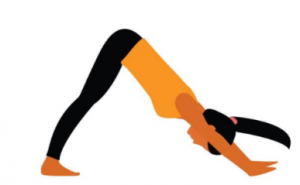
                                                                  Adho Mukha Savasana (downward dog pose)


downward dog pose


Uttahanasana (standing forward pose)


standing fowardd pose


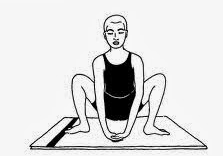
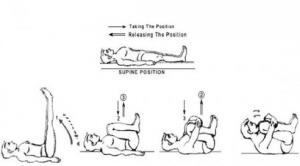
Pavanmukthasana ( Wind-relieving pose)

wind releaving pose


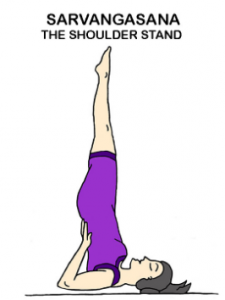
Sarvangasana  Shoulder Stand)

shoulder stand


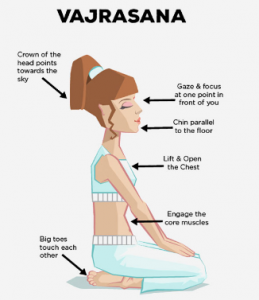
Vajrasana (Adamantine Pose)

vajrasana


  • « Previous Page
  • 1
  • …
  • 182
  • 183
  • 184
  • 185
  • 186
  • …
  • 245
  • Next Page »

Search

Recent Posts

  • Mounjaro Diet Plan: What to Eat While on Mounjaro
  • 4 Healthy Recipes For Christmas & New Year Celebrations!
  • 12 Tips For a Healthy Christmas Week
  • How to Survive Festive Celebrations Without the Extra Pounds: A Low-Carb Guide for Healthier Living
  • How to Use Mounjaro: Essential Guidelines for Your Weekly Dose

Stay Updated

Archives

  • December 2025 (14)
  • November 2025 (15)
  • October 2025 (20)
  • September 2025 (6)
  • August 2025 (6)
  • July 2025 (12)
  • June 2025 (18)
  • May 2025 (16)
  • April 2025 (22)
  • March 2025 (23)
  • February 2025 (22)
  • January 2025 (26)
  • December 2024 (23)
  • November 2024 (25)
  • October 2024 (22)
  • September 2024 (24)
  • August 2024 (31)
  • July 2024 (21)
  • June 2024 (26)
  • May 2024 (31)
  • April 2024 (27)
  • March 2024 (29)
  • February 2024 (26)
  • January 2024 (25)
  • December 2023 (15)
  • November 2023 (11)
  • October 2023 (20)
  • September 2023 (22)
  • August 2023 (20)
  • July 2023 (22)
  • June 2023 (24)
  • May 2023 (24)
  • April 2023 (24)
  • March 2023 (23)
  • February 2023 (20)
  • January 2023 (16)
  • December 2022 (12)
  • November 2022 (15)
  • October 2022 (15)
  • September 2022 (12)
  • August 2022 (10)
  • July 2022 (17)
  • June 2022 (11)
  • May 2022 (10)
  • April 2022 (6)
  • March 2022 (6)
  • February 2022 (13)
  • January 2022 (12)
  • December 2021 (7)
  • November 2021 (3)
  • October 2021 (6)
  • September 2021 (3)
  • August 2021 (8)
  • July 2021 (7)
  • June 2021 (15)
  • May 2021 (16)
  • April 2021 (10)
  • March 2021 (7)
  • February 2021 (4)
  • January 2021 (4)
  • December 2020 (3)
  • November 2020 (4)
  • October 2020 (10)
  • September 2020 (3)
  • August 2020 (3)
  • July 2020 (2)
  • June 2020 (4)
  • May 2020 (10)
  • April 2020 (12)
  • March 2020 (10)
  • February 2020 (4)
  • January 2020 (4)
  • December 2019 (3)
  • November 2019 (7)
  • October 2019 (5)
  • September 2019 (4)
  • August 2019 (9)
  • July 2019 (9)
  • June 2019 (11)
  • May 2019 (4)
  • April 2019 (9)
  • March 2019 (8)
  • February 2019 (9)
  • January 2019 (8)
  • December 2018 (9)
  • November 2018 (3)
  • October 2018 (3)
  • September 2018 (5)
  • August 2018 (10)
  • July 2018 (6)
  • June 2018 (13)
  • May 2018 (8)
  • April 2018 (18)
  • March 2018 (9)
  • February 2018 (8)
  • January 2018 (15)
  • December 2017 (12)
  • November 2017 (19)
  • October 2017 (13)
  • September 2017 (15)
  • August 2017 (4)
  • July 2017 (8)
  • June 2017 (7)
  • May 2017 (6)
  • April 2017 (8)
  • March 2017 (6)
  • February 2017 (7)
  • January 2017 (9)
  • December 2016 (10)
  • November 2016 (7)
  • October 2016 (7)
  • September 2016 (7)
  • August 2016 (11)
  • July 2016 (9)
  • June 2016 (9)
  • May 2016 (12)
  • April 2016 (17)
  • March 2016 (17)
  • February 2016 (8)
  • January 2016 (6)
  • December 2015 (2)
  • November 2015 (9)
  • October 2015 (7)
  • September 2015 (9)
  • August 2015 (11)
  • July 2015 (9)
  • June 2015 (12)
  • May 2015 (9)
  • April 2015 (13)
  • March 2015 (8)
  • February 2015 (5)
  • January 2015 (12)
  • December 2014 (14)
  • November 2014 (11)
  • October 2014 (6)
  • September 2014 (13)
  • August 2014 (12)
  • July 2014 (6)
  • June 2014 (2)
  • May 2014 (7)
  • April 2014 (5)

From “Laddu Nawin” to Fit and Fierce: How a 25-Year-Old Insurance Advisor Shed 20 Kilos and Gained His Life Back

When 25-year-old Nawin Yadav from Hyderabad walked into his office every morning, he carried more than just his files and policy papers. He had the weight of fatigue, sluggish energy, and an ever-growing belly that was becoming the butt of jokes. “People … [Read More...]

“I’ve Challenged Myself to Live 100 Years” – The Story of Chandubhai Savani’s Second Chance at Life

At 67, most people start slowing down. Not Chandubhai Savani. A resident of Surat, Chandubhai, thought life was on track. “My life was going well till I had my bypass surgery,” he says. That surgery, back in 2021, was a wake-up call.  Medication was routine, but exercise wasn’t. His diet? What he calls ‘normal.’ “I […]

From Shimla’s Slopes to Chandigarh’s Sidewalks: Surinder Kaur Bhalla’s Journey from Chaos to Control

Some journeys start with a plan. Others begin with a stumble literally. Surinder Bhalla, a government professional, born and raised in the scenic hill town of Shimla, had always lived a life of movement. “In Shimla, you walked everywhere,” she reflects. “Walking was never an exercise. It was just life.” But after shifting to Chandigarh, […]

Ananda Mukherjee Health Story

From Terminal Illness To Complete Wellness! Ananda Mukherjee Health Story

As we observe World Cancer Day under the powerful theme ‘United by Unique’ (2025-2027)**, we are reminded that every individual’s journey with cancer is distinct, yet united by shared resilience, hope, and the collective fight against this disease. This theme places people at the centre of care and their stories at the heart of the […]

  • HOME
  • HEALTHY LIVING
  • FITNESS
  • HEALTHY RECIPES
  • USER STORIES
  • KARMA
  • BUY GOQii

Copyright ©2016 GOQii