GOQii

Blog

  • HOME
  • HEALTHY LIVING
  • FITNESS
  • HEALTHY RECIPES
  • USER STORIES
  • KARMA
  • BUY GOQii

Search Results for: food

September 26, 2023 By Dr. Pragati Godara 1 Comment

Importance of good food for the human body to be healthy

preliminary step to weight loss

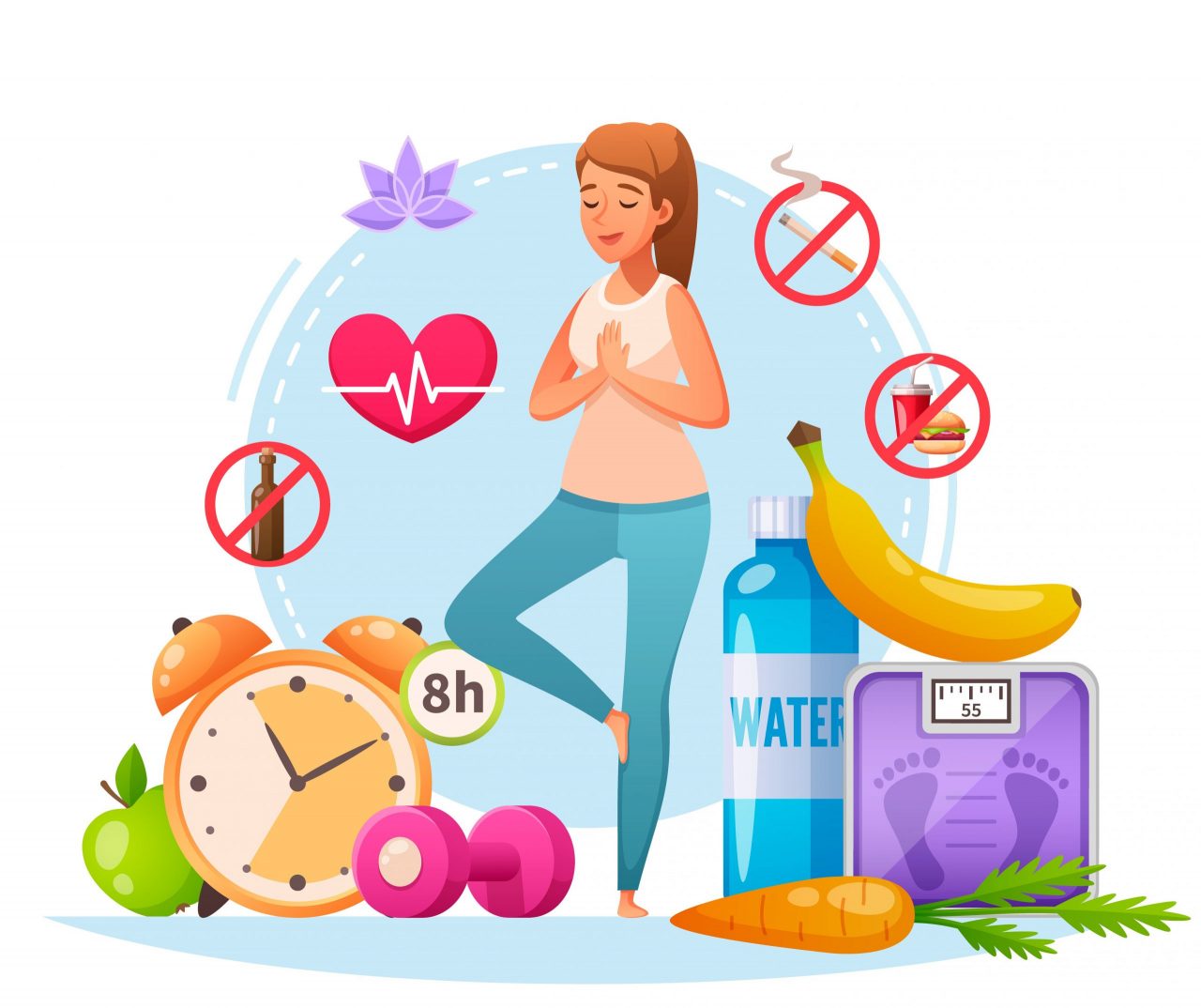
In today’s fast-paced world, maintaining a healthy body has become more crucial than ever. Good food is the cornerstone of a healthy lifestyle and plays a vital role in promoting overall well-being. The food we consume provides essential nutrients, energy, and nourishment to our bodies. In this article, we will explore the significance of good food in maintaining a healthy body and the positive impact it has on our physical and mental well-being.

  1. Essential Nutrients for Optimal Functioning

Good food provides our bodies with the necessary nutrients required for optimal functioning. These nutrients include carbohydrates, fats, protein, minerals, vitamins, and water. Carbohydrates are the primary source of energy, while proteins are essential for growth, repair, and maintenance of body tissues. Fats play a significant role in hormone production, brain function, and absorption of fat-soluble vitamins.

Vitamins and minerals are necessary for numerous bodily functions, including immune system support, energy production, bone health, and protection against oxidative stress. Additionally, water is essential for maintaining proper hydration and facilitating various physiological processes.

  1. Disease Prevention and Management

Consuming a balanced and nutritious diet significantly reduces the risk of developing chronic diseases such as obesity, heart disease, type 2 diabetes, and certain types of cancer. A diet rich in fruits, vegetables, whole grains, lean proteins, and healthy fats provides the body with essential antioxidants, phytochemicals, and fiber that help combat inflammation, boost the immune system, and protect against cellular damage.

  1. Weight Management

Maintaining a healthy weight is crucial for overall health. Good food choices, combined with regular physical activity, help manage body weight effectively. A balanced diet with adequate portions ensures that our bodies receive the necessary nutrients without excess calories. High-fiber foods, such as fruits, vegetables, and whole grains, provide a feeling of fullness, reducing the likelihood of overeating. In contrast, processed foods high in sugar, unhealthy fats, and empty calories contribute to weight gain and various associated health problems.

  1. Mental Well-being

The impact of good food extends beyond physical health; it also influences mental well-being. Several studies have shown a strong connection between diet and mental health conditions such as depression and anxiety. Nutrient deficiencies, particularly omega-3 fatty acids, B vitamins, and minerals like zinc and magnesium, have been linked to an increased risk of mental health disorders.

Conversely, a nutrient-rich diet, including whole foods, fruits, vegetables, legumes, and healthy fats, has been associated with improved mood, cognitive function, and overall mental well-being. Healthy eating habits can also enhance sleep quality, energy levels, and brain performance, thereby promoting a positive mindset and reducing stress.

  1. Longevity and Quality of Life

Good food choices and a healthy lifestyle contribute to a longer, healthier life. Studies have consistently shown that individuals who adhere to a nutrient-dense diet have a lower risk of premature death and age-related chronic diseases. The combined effects of proper nutrition, regular physical activity, and other healthy lifestyle factors can improve vitality, increase longevity, and enhance the overall quality of life.

The importance of good food for a healthy body cannot be overstated. A well-balanced and nutritious diet provides the essential nutrients, energy, and protection necessary for optimal bodily functions. It not only prevents diseases and helps manage weight but also supports mental well-being, promotes longevity, and enhances overall quality of life. By making conscious choices to incorporate whole, unprocessed foods into our diets, we empower ourselves to lead healthier, happier lives. Remember, food is not just fuel; it is the foundation of our well-being.

We trust you’ve found this article informative and beneficial, please let us know in the comments below. You can discover more articles on enhancing your lifestyle here. To get personalized guidance and expert advice consider subscribing to GOQii’s Personalised Health Coaching here.

#BeTheForce
September 10, 2023 By Rashmi Deshpande Leave a Comment

Foods To Manage Blood Sugar Naturally

manage blood sugar

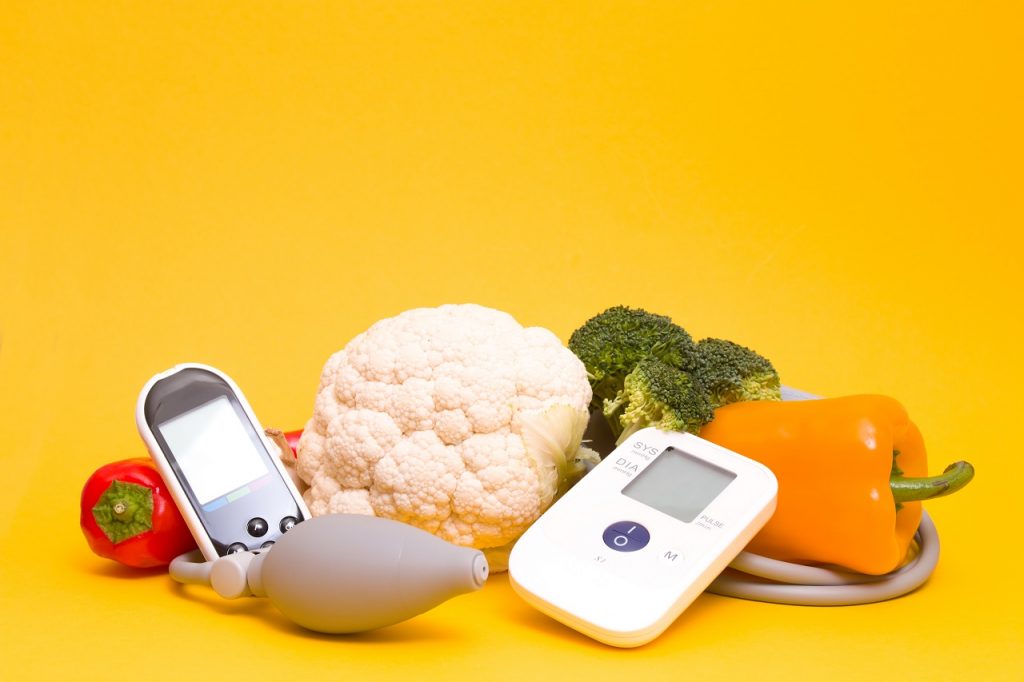
By now, we’re all aware that Diabetes is a condition in which the body is unable to control the glucose entering the bloodstream. Along with medicines, food is key to controlling it. As it is a slow progressive disorder, it makes our organs weak and affects their functioning like a slow poison. Hence, it is really important to keep our blood sugar levels under control. Let’s see how we can manage blood sugar naturally with food. 

Foods That Manage Blood Sugar Naturally 

High blood sugar occurs when your body can’t effectively transport sugar from blood into cells. If sugar levels go high, you need to add the following food to your diet. 

1. Eat More Green Leafy Veggies
Leafy green vegetables are extremely nutritious and low in calories. They’re also very low in digestible carbs, so they won’t significantly affect blood sugar levels. Spinach, kale, methi, bathua and other leafy greens are good sources of many vitamins and minerals, including vitamin C. People with diabetes have a greater requirement of vit C as it acts as a potent antioxidant and also has anti-inflammatory qualities. Increasing dietary intake of vitamin C-rich foods can help people with diabetes increase their serum vitamin C levels while reducing inflammation and cellular damage. In addition, leafy greens are good sources of the antioxidants – lutein, zeaxanthin. These antioxidants protect your eyes from macular degeneration and cataracts, which are common diabetes complications. Leafy green vegetables are rich in nutrients like Vitamin C, as well as antioxidants that protect your heart and eye health. You can add these veggies in all meals in different forms like sabji, soup, salads, in roti , paratha, chutneys etc.

2. Addition of Micronutrients
Chromium is involved in carb and fat metabolism. It also helps control blood sugar levels. Lack of chromium may predispose you to carb intolerance. Chromium rich foods include egg yolks, whole-grain products like millets, coffee, nuts, green beans, broccoli and meat (in moderation).

Magnesium-rich foods include dark leafy greens, whole grains, fish, dark chocolate, bananas, avocados and beans (not matured).

3. Reduce Carb Intake
Reduction in carb intake not more than 100grams per day, avoiding simple carbs like maida products and packet atta as well. Try to get coarse atta which has wheat husk, add isabgol in roti to reduce the spike in sugar levels after meals. Add whole grains like millets, jawar, chana, chia seeds and quinoa to your daily meals.

4. Add a Good Amount of Nuts
All types of nuts contain fiber and are low in net carbs, high in essential oils and protein to regulate sugar levels and provide nutrients.

  • Almonds: 2.6 grams
  • Brazil nuts: 1.4 grams
  • Cashews: 7.7 grams
  • Hazelnuts: 2 grams
  • Macadamia: 1.5 grams
  • Pecans: 1.2 grams
  • Pistachios: 5 grams
  • Walnuts: 2 grams

5. Add Seeds To Your Diet
These are rich in good fats, protein, dietary fibers and have the ability to reduce hunger pangs and craving for sugar. They also provide constant energy supply to diabetics.

  • Flax seeds – 1 to 2tbps per day 
  • Sunflower seeds – 2tbs per day
  • Pumpkin seeds – 2tbps per day
  • Sesame seeds – 1tbps per day
  • Methi seeds – 1 to 2tsp soaked.

Nuts and seeds can be easily added as evening snacks, in salads and to your morning breakfast too.

People with diabetes often experience low blood sugar levels. Certain medications, excessive alcohol consumption, some critical illnesses and hormone deficiencies can also cause hypoglycemia without diabetes. To fix this, you can have:

  • A small apple, banana, or orange
  • 15 grapes
  • A few prunes
  • 2 tablespoons of raisins or dates
  • 1/2 cup of juice or regular (not diet) soda
  • 1 tablespoon of honey or sugar
  • Hard candy, jellybeans, or gummy candy check on ingredients before consuming.
  • Glucose tablets or Lemon sharbat with sugar but without salt. 

These are a few foods we need to add to our diet to manage blood sugar naturally – this along with exercise for approx 30 mins a day. For more on managing blood sugar, check out Healthy Reads or consult a GOQii Coach by subscribing for Personalised Health Coaching here.

#BeTheForce 
July 30, 2023 By GOQii 4 Comments

12 Foods You Have Been Consuming The WRONG WAY

foods

With all the sessions on GOQii Play and interactions within the app, most of us have understood “what to eat” in order to get the necessary nutrition for our body. But, have you ever wondered “how to eat”? Sounds silly? But it is not. It’s a valid question. The way we eat says a lot about how the nutrients will be best available to our body. However, it could get tricky here. While some vitamins can be destroyed during the cooking process, a little bit of heating enhances the absorption of certain nutrients.

12 Foods You’ve Been Consuming The Wrong Way

You must have also heard your coach or diet expert say that eating foods in certain combinations enhances the absorption of various nutrients. To help you out, we’ve made a list of proper ways to consume these top 12 foods and beverages!

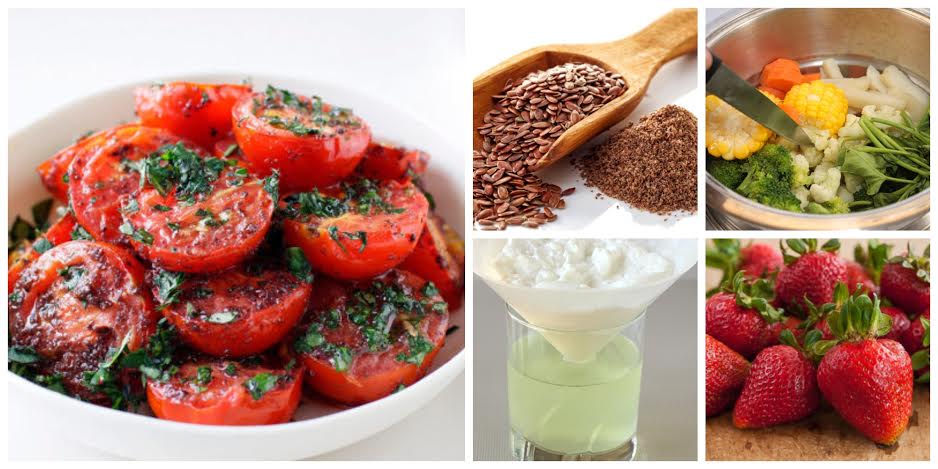
1. Tomatoes: Cooking tomatoes makes them more nutritious and the longer you cook them, the better it is. Heat changes the “lycopene” present in them to a form our bodies can readily absorb. So you can either soup it up or cook tomatoes into pasta sauce and omelettes to benefit from its antioxidant, cancer fighting, bad cholesterol lowering properties in a full blown way.

2. Boiling Vegetables: Boiling vegetables is a no-no because water soluble vitamins like Vitamin C leach out and drain into the water. Moreover, it reduces the antioxidant content. This phenomenon is especially noticeable in Spinach. Of course, if you are going to consume the liquid when making soups, it’s a different thing. Steaming, roasting, sautéing methods of cooking result in more nutritious vegetables on your plate.

3. Going Absolutely FAT-FREE with Vegetable Juices/Salads: You can absorb more nutrients from your salads/green juices when you consume them with a wee-bit of fat because most nutrients in them are fat-soluble (Vitamin A, D, E, K). But, the type of fat can make a difference. For salads skip the mayo and instead, add cold pressed coconut oil, olive oil, avocados, egg yolks, nuts and seeds. For green juices, add a teaspoon of coconut oil for enhanced absorption.

4. Garlic: Unlike Vitamin C, Allicin is an enzyme found in garlic that benefits from exposure to air. If you mince it and quickly throw it in a pan, you are doing it wrong! This enzyme is not activated unless the cell walls are ruptured. Crush/Press those garlic pods instead of mincing. Let it sit for 10 minutes before exposing it to heat so that your finished dish contains maximum amount. With activated Allicin, you get to benefit from its anti-inflammatory, anti-fungal , anti-viral , anti-bacterial and cholesterol lowering properties.

5. Whole Grains, Beans & Pulses: Have you ever noticed how cloudy and dull the water gets once you soak your grains, beans or pulses in it? Well, it’s because of the presence of Phytates – the compound that binds the vitamins/minerals in the food and prevents them from being absorbed by the body. Soaking them overnight releases the phytates and you get the maximum amount of iron and zinc. Not only that! Soaking them overnight in warm water and then cold for 24 hours followed by cooking them negates the effect of gas formation. So you don’t end up feeling “gassy”.

6. Flaxseeds: If you have been sprinkling a spoonful of these into your morning smoothie or onto your yogurt snack, you have been doing it wrong! Our bodies are not capable of digesting “whole” flaxseeds and excrete them as it is. In order to reap benefits from these pods, chew them properly. You can either consume them raw or immediately after slightly roasting them. Even flaxseed meal (powdered) works, but make sure its consumption is immediate.

7. Yogurt : There are 2 points to consider:

i. If you have been draining away the watery fluid floating atop your yogurt, you’re actually draining away all your whey protein. Apart form Whey, it also contains Vitamin B12, Calcium and Phosphorus. Give your yogurt a quick stir to retain all its benefits .

ii. If you think you are going to get “probiotic” benefits out of yogurt by cooking a hot dish that involves yogurt based gravy or marination, you’re not going to. Most live/active cultures (the “healthy bacteria” in them) can’t stand heat and will be destroyed in the cooking process. While you will be getting the Protein, Calcium and Vitamin D, “probiotic” benefit is something that will be missed out .

8. Carrots: Cook, then cut. Cooking whole carrots and cutting them after they are cooked keeps more nutrients intact. Carrot is one vegetable (tomato is a fruit) that is better if cooked as heat breaks down its cell walls.

9. Broccoli: If you have been boiling, frying, overcooking or even over-steaming broccoli florets, then we have some bad news for you. Too much cooking destroys the enzyme that turns a chemical called glucosinolates into cancer fighting agents. Even if you are steaming them, make sure you do it only for 2-3 minutes.

10. Strawberries: Just 1 serving of these berries takes care of half of your daily Vitamin C requirement. However, if you have been cutting your berries prior to eating them, you’re missing out on your Vitamin C. The vitamins in strawberries begin to breakdown when exposed to light and oxygen (unlike Allicin). So eat them whole and if you want to store them, deep freeze! Cool temperatures help them retain their Vitamin C.

11. Citrus Fruits: Do you throw away the lemon or orange peels? These citrus peels contain 4 times more fibre and disease fighting flavonoids than the fruit itself. If you’re thinking how you can consume the peels, here’s what you do:

  • Grate peels just like you do with cheese and store in the freezer. Use them for recipes that call for lemon ‘zest’.
  • Add peels to a pitcher of water for an effective detox.
  • Marinate your meats, cottage cheese, fish with your own citrus rub.

12. Tea: Now, we have been drinking tea more than ever. Do you enjoy your tea with milk? There’s a downside to this. Milk proteins bind with Catechin in tea, making it difficult for your body to absorb this beneficial compound. So, tea no longer turns out to be a heart healthy drink. Plus, the excess amount of sugar which some people add only makes things worse. So just sip on some nice black or herbal tea without adding anything to it!

We hope these tips help you extract the most amount of vitamins and minerals from your food. Which one of these facts left you surprised? Leave your thoughts in the comments below!

To understand more about these foods and to get proper nutritional advice, speak to a GOQii Coach by subscribing to Personalised Health Coaching here.

Find more articles on nutrition here.

#BeTheForce 

July 16, 2023 By Neha Kapoor 6 Comments

The Right Way To Include Superfoods In Your Soup

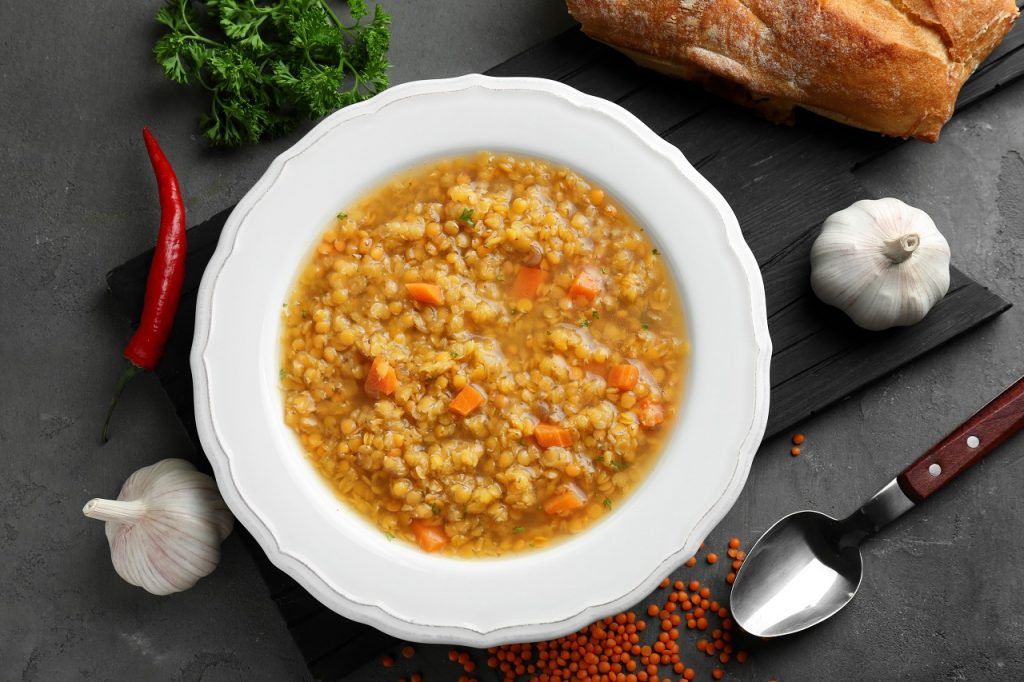
soupWhether you’re a confident cook or a kitchen newbie, a little advice is always helpful. So, here I am with these need-to-know soup-making tips and techniques to make your soup healthy and nutritious. Soups make an excellent choice for snacking, a light dinner recipe or post workout meal. You can easily fit it in your meals in various ways.

Homemade Soup vs Packed Soups

Canned or dried instant soups contain lots of salt, hidden sugars, fillers, and preservatives to increase shelf life of the product. As with almost anything, home-made is better. Making your own soup takes time, but it gives you complete control over the ingredients and how you prepare them.

Know Your “Superfoods”

Superfoods are all around us but we seldom take note of them. Incorporating superfoods into your bowl of soup can load your meals with nutrition, antioxidant properties and low amount of calories. Some of the popular choices of super foods to consider are Moringa, Drumstick, Pumpkin, Barley, Bell pepper, Sprouted legumes and pulses, Broccoli, Mushroom, Spinach, Sweet Potato and all herbs and spices. Cinnamon, Cayenne peppers, Pepper, Rosemary, Oregano, Lemon grass, Basil, Thyme, Parsley are a boon for our digestive and Immune system.

How Do You Use Superfoods? 

  • Garlic is used widely as a flavouring in cooking soups, but also has been used as a medicine to treat various ailments. Add 5-6 peeled, cracked garlic cloves and cook, tossing them around occasionally, until they are golden brown.
  • Basil is well known for its medicinal properties. The most commonly known pairing of basil is with tomato, broccoli, parsley, oregano, rosemary and thyme. The best way is to puree it into the soup.
  • Oregano is an effective natural antibiotic and antifungal. It may also help you lose weight and lower your cholesterol levels. Half teaspoon is good to go.
  • Rosemary/Thyme is traditionally used to help alleviate muscle pain, improve memory, boost the immune and circulatory system, and promote digestive health. 1 teaspoon is enough to avail its benefits.
  • Cinnamon is one of the most delicious and healthiest spices on the planet. It can lower blood sugar levels, reduce heart disease risk factors and has a plethora of other impressive health benefits. Add ½ teaspoon depending on the quantity of soup. Ceylon cinnamon is better quality.
  • Vegetables are packed with fibre, vitamins, minerals and antioxidants. The recommended daily amount of vegetables for men is at least 3 cups a day and for women at least 2 1/2 cups.  Adding them to soups increases the serving of vegetables in a diet. Steaming and boiling caused a 22% to 34 % loss of vitamin C. Pressure-cooked vegetables retain 90% of their vitamin C.

 NOTE: Add fresh herbs towards the end as the flavour diminishes with heat.

Tips To Choose Your Ingredients

  1. Include seasonal Superfoods that are readily available in the market and your own kitchen. Refer to the above list.
  2. Good Fats: Choose fats that your body needs such as Virgin Coconut oil, homemade pure ghee and olive oil are preferable options to add taste and enhance absorption of fat soluble Vitamins from your vegetables.
  3. Right Base: In order to cut saturated fats like cream, you can replace your creamy base with vegetable broth, tomato puree, coconut milk, tomato puree or vegetable puree.
  4. Pick Seasonal Veggies: Pumpkin, tomato, spinach, onion, beetroot, moringa, mushroom, sweet potato, or mixing three or four vegetables not only enhances the taste but also increases the nutritive value. Garlic is common. Use whatever you like from what is available.
  5. Herbs & Spices: Sea salt and black peppers are your two most basic spices. You can experiment with various herbs as all are beneficial for your gut health. Popular flavour combinations are Basil and oregano pair well with tomato-based soups, Parsley, and rosemary go well with potato-based soups, Parsley and thyme are a nice addition to cream soups.
  6. New Age Superfoods: Handful of boiled barley, quinoa, oats, microgreens, boiled sprouts, Tofu, cooked lentils and legumes adds proteins as well as increases the satiety value and health quotient of the soup. They are perfect because it thickens the soup as it cooks; creating an irresistible, slightly sticky broth that coats your spoon beautifully.

Simple Technique To Cook Any Type Of Soup 

  1. Take vegetables of your choice. Wash it and chop in big pieces.
  2. Take a pressure cooker and add 1 teaspoon of extra virgin or unrefined coconut oil/ olive oil. Add chopped vegetables and mix well.
  3. Add 1 glass of water and give a whistle.
  4. After cooling, separate vegetables from water (vegetable broth) and grind them with a handful of boiled quinoa/ sprouted dal or any other protein source to get a thick paste.
  5. Mix it again in the same vegetable broth and give it a boil adding sea salt and herbs at the end. 
  6. Optional: add coconut milk to give a nice colour, pieces of tofu or beans/ bell peppers for crunchiness.
  7. Serve it hot! Your healthy protein rich, immunity boosting soup is ready!

That’s it!  You can make any soup using the ingredients you have at hand with the flavours you prefer, without any recipe. Some examples of healthy soups are tomato basil soup, bell pepper soup, red pumpkin soup, broccoli soup, moringa soup and sprouted soup.

Do try your own variation and let us know your recipe in the comments below. You can find more articles on nutrition and superfoods here. You can also get these tips or recipes directly from a GOQii Coach by subscribing to Personalised Health Coaching here.

#BeTheForce 
  • « Previous Page
  • 1
  • …
  • 10
  • 11
  • 12
  • 13
  • 14
  • …
  • 252
  • Next Page »

Search

Recent Posts

  • International Dance Day: Why Dancing is the Ultimate Workout for Your Body and Mind
  • Summer Health Hazards You Need To Be Aware Of (And How to Prevent Them)
  • Sitting Too Much? Here’s How It’s Shortening Your Life
  • Everything You Need to Know About Malaria
  • 3 Super Simple Ways to Overcome Anxiety Induced Procrastination

Stay Updated

Archives

  • April 2026 (23)
  • March 2026 (18)
  • February 2026 (14)
  • January 2026 (14)
  • December 2025 (19)
  • November 2025 (15)
  • October 2025 (20)
  • September 2025 (6)
  • August 2025 (6)
  • July 2025 (12)
  • June 2025 (18)
  • May 2025 (16)
  • April 2025 (22)
  • March 2025 (28)
  • February 2025 (21)
  • January 2025 (25)
  • December 2024 (22)
  • November 2024 (23)
  • October 2024 (21)
  • September 2024 (23)
  • August 2024 (30)
  • July 2024 (21)
  • June 2024 (25)
  • May 2024 (28)
  • April 2024 (27)
  • March 2024 (27)
  • February 2024 (24)
  • January 2024 (21)
  • December 2023 (14)
  • November 2023 (10)
  • October 2023 (19)
  • September 2023 (22)
  • August 2023 (18)
  • July 2023 (22)
  • June 2023 (23)
  • May 2023 (24)
  • April 2023 (19)
  • March 2023 (23)
  • February 2023 (19)
  • January 2023 (15)
  • December 2022 (11)
  • November 2022 (15)
  • October 2022 (15)
  • September 2022 (12)
  • August 2022 (10)
  • July 2022 (17)
  • June 2022 (11)
  • May 2022 (10)
  • April 2022 (6)
  • March 2022 (6)
  • February 2022 (13)
  • January 2022 (11)
  • December 2021 (7)
  • November 2021 (3)
  • October 2021 (6)
  • September 2021 (3)
  • August 2021 (8)
  • July 2021 (7)
  • June 2021 (15)
  • May 2021 (16)
  • April 2021 (10)
  • March 2021 (7)
  • February 2021 (4)
  • January 2021 (4)
  • December 2020 (3)
  • November 2020 (4)
  • October 2020 (10)
  • September 2020 (3)
  • August 2020 (3)
  • July 2020 (2)
  • June 2020 (4)
  • May 2020 (10)
  • April 2020 (12)
  • March 2020 (10)
  • February 2020 (4)
  • January 2020 (4)
  • December 2019 (3)
  • November 2019 (7)
  • October 2019 (5)
  • September 2019 (4)
  • August 2019 (9)
  • July 2019 (9)
  • June 2019 (11)
  • May 2019 (4)
  • April 2019 (8)
  • March 2019 (8)
  • February 2019 (9)
  • January 2019 (8)
  • December 2018 (9)
  • November 2018 (3)
  • October 2018 (3)
  • September 2018 (5)
  • August 2018 (10)
  • July 2018 (6)
  • June 2018 (13)
  • May 2018 (8)
  • April 2018 (18)
  • March 2018 (9)
  • February 2018 (8)
  • January 2018 (15)
  • December 2017 (12)
  • November 2017 (19)
  • October 2017 (13)
  • September 2017 (15)
  • August 2017 (4)
  • July 2017 (8)
  • June 2017 (7)
  • May 2017 (6)
  • April 2017 (8)
  • March 2017 (6)
  • February 2017 (7)
  • January 2017 (9)
  • December 2016 (10)
  • November 2016 (7)
  • October 2016 (7)
  • September 2016 (7)
  • August 2016 (11)
  • July 2016 (9)
  • June 2016 (9)
  • May 2016 (12)
  • April 2016 (17)
  • March 2016 (17)
  • February 2016 (8)
  • January 2016 (6)
  • December 2015 (2)
  • November 2015 (9)
  • October 2015 (7)
  • September 2015 (9)
  • August 2015 (11)
  • July 2015 (9)
  • June 2015 (11)
  • May 2015 (9)
  • April 2015 (13)
  • March 2015 (8)
  • February 2015 (5)
  • January 2015 (12)
  • December 2014 (14)
  • November 2014 (11)
  • October 2014 (6)
  • September 2014 (13)
  • August 2014 (12)
  • July 2014 (6)
  • June 2014 (2)
  • May 2014 (7)
  • April 2014 (4)

From “Laddu Nawin” to Fit and Fierce: How a 25-Year-Old Insurance Advisor Shed 20 Kilos and Gained His Life Back

When 25-year-old Nawin Yadav from Hyderabad walked into his office every morning, he carried more than just his files and policy papers. He had the weight of fatigue, sluggish energy, and an ever-growing belly that was becoming the butt of jokes. “People … [Read More...]

“I’ve Challenged Myself to Live 100 Years” – The Story of Chandubhai Savani’s Second Chance at Life

At 67, most people start slowing down. Not Chandubhai Savani. A resident of Surat, Chandubhai, thought life was on track. “My life was going well till I had my bypass surgery,” he says. That surgery, back in 2021, was a wake-up call.  Medication was routine, but exercise wasn’t. His diet? What he calls ‘normal.’ “I […]

From Shimla’s Slopes to Chandigarh’s Sidewalks: Surinder Kaur Bhalla’s Journey from Chaos to Control

Some journeys start with a plan. Others begin with a stumble literally. Surinder Bhalla, a government professional, born and raised in the scenic hill town of Shimla, had always lived a life of movement. “In Shimla, you walked everywhere,” she reflects. “Walking was never an exercise. It was just life.” But after shifting to Chandigarh, […]

Ananda Mukherjee Health Story

From Terminal Illness To Complete Wellness! Ananda Mukherjee Health Story

As we observe World Cancer Day under the powerful theme ‘United by Unique’ (2025-2027)**, we are reminded that every individual’s journey with cancer is distinct, yet united by shared resilience, hope, and the collective fight against this disease. This theme places people at the centre of care and their stories at the heart of the […]

  • HOME
  • HEALTHY LIVING
  • FITNESS
  • HEALTHY RECIPES
  • USER STORIES
  • KARMA
  • BUY GOQii

Copyright ©2016 GOQii



