GOQii

Blog

  • HOME
  • HEALTHY LIVING
  • FITNESS
  • HEALTHY RECIPES
  • USER STORIES
  • KARMA
  • BUY GOQii

Search Results for: food

January 29, 2023 By Neha Morche 5 Comments

Your Guide To Organic Food

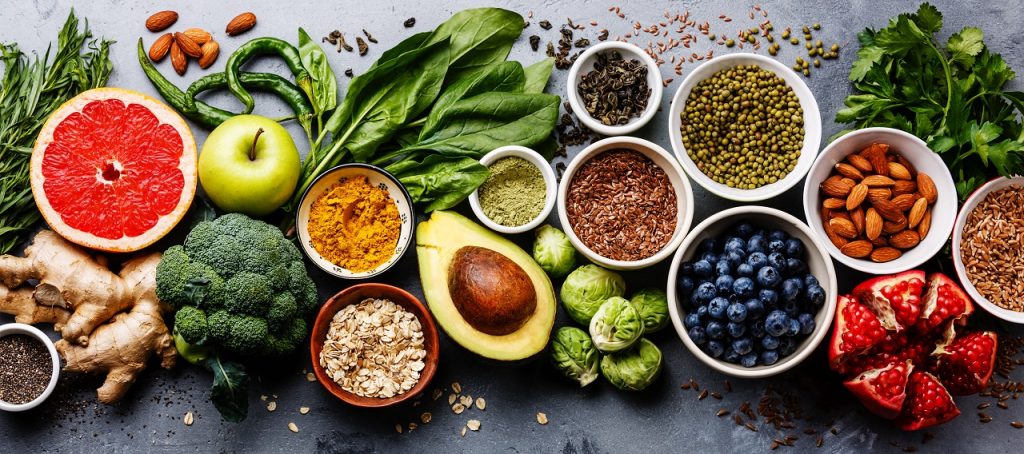
Your Guide To Organic FoodWith fitness and healthy lifestyle taking the world by a storm, Organic Food has become a common phrase associated with this storm. Everyone is talking about buying and consuming organic food over processed food but what exactly constitutes organic food?

Basically, organic food is the usual edible food but is produced, processed and packaged in a different way without using chemicals, pesticides, insecticides, non-organic fertilizers, antibiotics or any artificial hormones which are used otherwise. Organic food meets strict standards and is thus, safe to eat.

Advantages of Organic Food

  • Retains at least 50% more natural nutrients like vitamins and minerals than artificially grown food
  • Not hazardous for health as they contain no chemicals
  • Tastes more natural and delicious as there are no added sweeteners, coloring, flavors and preservatives
  • Organic food protects one from cancer and other diseases
  • Organic agriculture keeps our oceans, lakes, rivers and water supplies clean

Disadvantages of Organic Food

  • It is an expensive proposition
  • Not easily available everywhere
  • Lack in variety
  • Short shelf life because of no added preservatives

What Types of Foods Are Available as Organic?

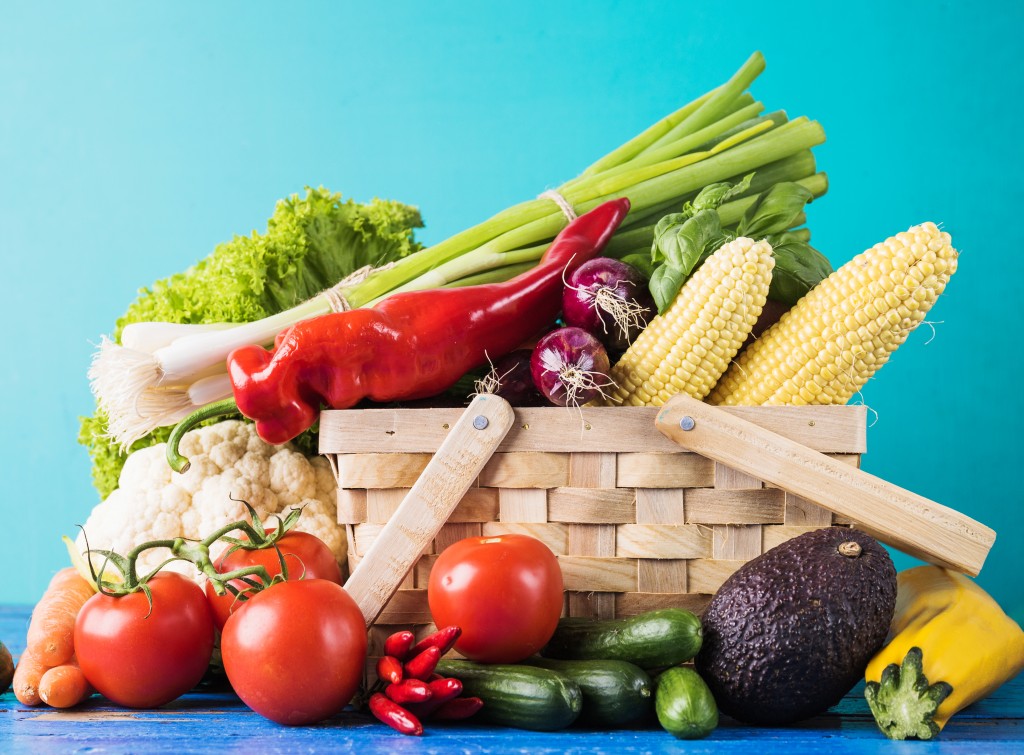
Most consumers think of fruits and vegetables when they think of organic food but there are many other organic foods which include pastas, sauces, frozen juices, cereals, soups, chocolate, cookies, meat, poultry, dairy and even wine.

Not only the vegetarian food items but even poultry and meat have gone organic. Isn’t that interesting for non-vegetarians? But how does it work? It is because poultry and animals are fed only organic feeds and that puts them in the category of organic non-vegetarian food. Also, the animal and birds are not given any growth hormones for their mass production.

Tips to Buy Organic Food

  • Look for the label or logo that has approved the production of the food as “organic”
  • Remain informed about the organization that is an authorized seller of organic food
  • Pay attention on the expiry date. As no preservatives are added to the food, their natural shelf life is less

People may mistake Natural Food as Organic Food as it has not reached many areas in the world due to support from the government, proper authentication, etc. So there is a difference between Natural Food and Organic Food

What is the Difference Between “Organic” and “Natural”?

“Natural” is often misrepresented in product labeling as “healthy” but “natural” only means that the product has undergone minimal processing, no certification or inspection system. Also, “natural” does not necessarily relate to growing methods or the use of preservatives.

As we all know, eating unhealthy creates health issues whereas eating healthy and organic not only helps you get healthier and live better but most importantly, it develops the good habit of eating right.

Was this article helpful? Let us know in the comments below. For more on eating healthy and nutrition, click here or speak to an expert by subscribing for GOQii’s Personalised Health Coaching.

#BeTheForce
October 11, 2022 By Arooshi Garg Leave a Comment

Cardiac Diet: Foods To Eat, Avoid & Other Tips

Cardiac Diet: Foods To Eat, Avoid & Other Tips

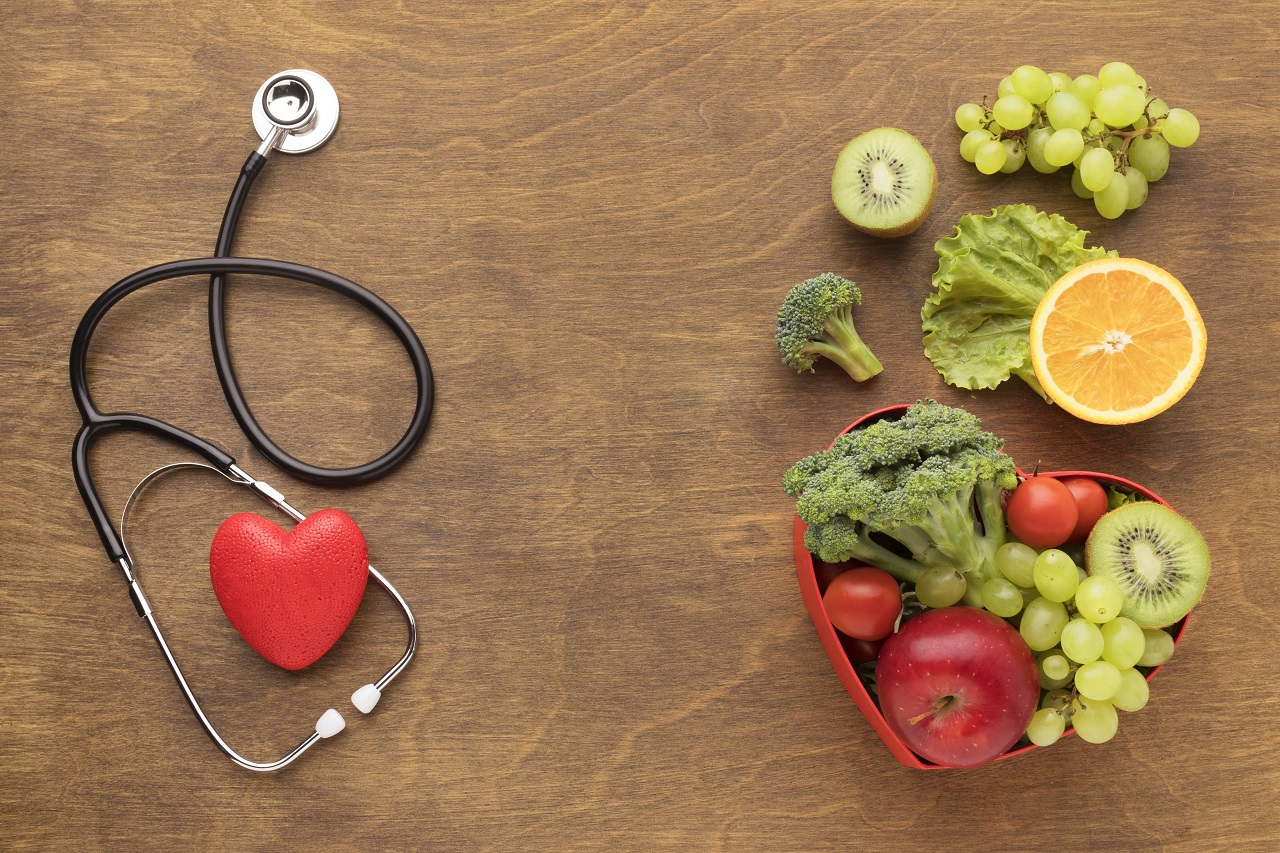
Whether you want to lose weight, manage cardiovascular issues or simply avoid any health complications, a healthy, clean eating pattern can help you move towards it. Understanding what foods are good or bad and taking small steps to include or avoid different foods can be game changer. While eating habits are formed slowly and changing them can be overwhelming, here’s your guide to a Cardiac Diet which includes foods and eating habits that can help you maintain a healthy heart.

The Cardiac Diet – Foods & Habits For A Healthy Heart 

  1. Control portions: Eyeballing your food to check the estimated calories is the easiest way to avoid overeating and over consumption. Even healthy foods like nuts, when taken in excess, are harmful! Always choose low calorie and high fiber foods to fill yourself like raw fruits and vegetables. Take smaller portions of calorie dense and high salt foods for a healthy heart. Another tip is to choose a smaller plate when eating.
  2. Choose raw vegetables: Having at least 3-4 servings of fresh and local vegetables is very essential to get a good supply of heart healthy antioxidants. Choose bright coloured vegetables to get maximum benefit. Fiber, which is present in vegetables, helps in controlling high BP, fat deposition in arteries and also eases digestion.
  3. Include whole grains, millets: Grains are naturally high in fiber and nutrients. Avoid refined and processed cereals like all-purpose flour, breads and bakery products. Instead, choose locally available native millets like barley, ragi, bajra, quinoa, and farro.
  4. Consume salt mindfully: Having too much salt can worsen cardiac health and cause hypertension. Adding no table salt and reducing salt while you cook is the first step. Reducing hidden salt from foods like cornflakes, muesli, breads, biscuits, sauces, and pickles is the next step. Choose less refined salts like Rock salt or Himalayan salt. Be wary if you have thyroid, as you might need regular iodized salt. Flavor your dishes using dill, coriander, mint, lemon, and oregano instead!
  5. Choose low-fat high protein sources: Avoid animal products that are high in fat such as full fat milk, cheese, etc. Go for low fat/toned milk, choose leaner cuts, fish, and eggs to meet your protein requirement. Certain types of fish are rich in omega-3 fatty acids, which can lower blood fats called triglycerides. Products like soya granules, sprouts, powdered pulses are good, low-fat sources of protein and contain no cholesterol. They can be easily added to the diet to increase protein intake.
  6. Control the intake of nuts and seeds: Nuts and seeds when consumed in moderation are extremely beneficial. Nuts and seeds like walnuts, almonds, Brazil nuts, chia seeds, sabja seeds, sunflower seeds, and flax seeds are rich in heart healthy fats known as omega 3 fatty acids. These help in increasing the good cholesterol component essential for limiting inflammation in heart patients. However, excess of these nuts and seeds can also lead to increased fat intake which is not ideal.
  7. Engage in cardio activities: As the name suggests, any type of physical activity which affects the heart activity is considered good for cardiovascular health. If you cannot go to the gym, ensure that you at least go for a walk. A quick 30-minute fast walk can help you get good cardio activity to reduce cholesterol levels, blood pressure and improve energy levels. It can also help you fight weight gain to improve overall cardiac health. If you are still unable to find time for dedicated exercise, make it a habit to walk for 10 minutes post every meal. Finding small pockets of time for cardiovascular fitness in the form of walking can be really helpful. Choose any activity like jogging, running, cycling, swimming, Zumba, or aerobics, etc.
  8. Say no to smoking and alcohol: Limit your alcohol intake. Smoking is a major risk factor for heart disease. The chemicals you inhale when you smoke, damage your heart and blood vessels.

A mild indulgence should not hamper your heart healthy journey, so an occasional favorite meal or a piece of cookie won’t harm you. However, balancing your choices and changing your eating habits in the long run is the key to better heart health.

We hope this Cardiac Diet and the subsequent tips help you make a positive lifestyle change. Let us know your thoughts in the comments below. 

For more on Heart Health, check out Healthy Reads or ask an expert by subscribing for personalised health coaching here: https://goqiiapp.page.link/bsr

#BeTheForce 

September 7, 2022 By Dr. Naina Sudarshan 4 Comments

Are Superfoods Super Good or Super Fad?

superfoodsAnything that sounds fancy won’t necessarily benefit our health. Lately, the word “Superfoods” must have appealed to you all. Well, what exactly are Superfoods? Why do we call them Superfoods? Though there’s no scientific definition, as per the dictionary, the definition of superfoods is “a food considered exceptionally good for one’s health and for boosting the immune system owing to its naturally high content of vitamins, minerals, fiber, antioxidants, or omega-3 fatty acids”. So basically, superfoods offer a dense concentration of nutrients with small quantities of food. 

Are Superfoods a Fad? 

Superfoods are largely plant based and the high amount of vitamins, minerals and antioxidants found in them can prevent many chronic diseases, autoimmune diseases, ward off inflammation and have huge health benefits. It can be taken by everyone including children. However, there is no specific list of superfoods yet, it includes a wide variety of food and every now and then, there is a new addition to the list. Though Superfoods are coined by marketers, as they are all natural and incorporated just as a supplement to our daily balanced diet, they cannot be considered as a fad. But always and as with everything else, superfoods need to be consumed in moderation. Anything that’s healthy can work against our body if it is taken in large quantities. Do not over do with any one variety of superfoods. It is good to take in varieties for maximum benefits while getting a wide array of vitamins and minerals too. Researching or consulting a nutrition expert or health coach would be ideal before trying any new superfood you come across. 

What Are The Best Ones? 

  • Nuts and Seeds like almonds, walnuts, pistachios, flax seeds, chia seeds, pumpkin seeds, sunflower seeds, watermelon seeds, etc. provide proteins, fibers and unsaturated fat
  • Quinoa: is an ancient grain, a very good alternative for animal protein especially for vegetarians and also good source of iron, zinc, vitamin E, and selenium
  • Avocados: are a rich source of monounsaturated fat (Good fat) with 20 different vitamins, minerals, fiber, and phytonutrients too. They can be made as a healthy spread on sandwiches instead of mayonnaise. 
  • Olives and extra virgin olive oil: Both Olives and Olive oil are very high in vitamin E and other powerful antioxidants. They are also rich in monounsaturated healthy fats that can protect our heart, prevent cancer and osteoporosis
  • Moringa: Moringa leaves are rich in antioxidants and iron. Apart from these, they have 15 times more potassium than bananas and 7 times more Vitamin C than oranges! They are also packed with many vitamins and minerals and protect cell damage and boost immunity.  
  • Dark Leafy greens: Spinach, Amaranth, beet greens, Dill, Fenugreek, Kale, Mustard, etc. are excellent sources of minerals like iron, magnesium, calcium, folate, zinc. They are also rich in Vitamin A, C, K and folate with a lot of fiber
  • Broccoli: Having high calcium and collagen content, broccoli helps in making strong bones. 
  • Seafood especially salmon: provides Omega 3 fatty acids
  • Berries: All type of berries including strawberries, blueberry, black berries, cherries are robust in antioxidants along with vitamins and minerals
  • Beans and Legumes: are loaded with fibers, vitamins, minerals, including B-vitamins, iron, zinc, calcium and magnesium. 

How to Choose Superfoods? 

If you observe the list of superfoods, most of them are least processed and plant based. Keeping this point in mind, make sure you avoid food that is processed and marketed as superfoods. It is better to look at the food label before you buy and read the label for its nutritional facts, ingredients like sugar content, sodium and other chemicals which can do more harm than good. Choose something that is natural and least processed but remember, just adding superfoods to your diet may not make you healthy. Having them in the right quantity, with a balanced meal, right exercise and healthy lifestyle habits are equally important. 

Certain superfoods may not be suitable to everyone due to allergies, such as allergies towards nuts or seeds. People with any acute or chronic health conditions need to consult their dietitian before they try any new food. Healthy people can always include one or two superfoods daily to enjoy optimum health! 

We hope this article helps you. For more on nutrition, check out Healthy Reads. To get more information on superfoods, how to choose them and what to eat, speak to a GOQii Coach by subscribing for personalised health coaching here: https://goqiiapp.page.link/bsr 

#BeTheForce 

August 12, 2022 By Tahurah Muqeem 1 Comment

Food is Your Fountain of Youth! Healthy Eating Tips for the Elderly

Healthy Eating Tips for the ElderlyAs we mentioned in our IndiaFit Report 2020: India’s Ikigai – The Secret to Longevity, there are some folks who manage to live long and healthy lives thanks to their discipline, but most people usually find their health crumbling. In old age, a human either becomes disinterested in eating or can’t manage their meals due to medical conditions which make eating difficult. There is a loss of appetite as anxiety, depression, irritability or gastric trouble become commonplace.

The body of the elderly needs to be cared for and fed with good food so that it helps in combating stress, depression, fight inflammation and pain. With the growing rate of diabetes in the mid-40s, by the time a person reaches 70-80 years of age, the damage done to the organs by diabetes or any other lifestyle disease is unpredictable.

Healthy Eating Tips for the Elderly

It is important that the elderly eat small meals at frequent intervals. The diet should be a balance of carbohydrates, proteins, fats, vitamins and minerals. In fact, the food should be appealing. Let’s see how we can incorporate all of this:

  • The diet of the elderly should contain complex carbohydrates like Wheat, Oats, Ragi, Jowar, Brown rice and should avoid refined cereals like white bread and maida.
  • Protein is a very important nutrient because there is a lot of muscle wastage that occurs in old age. Loss of skin tone, loss of skin elasticity is profound. The diet should include good sources of proteins such as lentils, dals, soybean, milk and milk products. For non-vegetarians, boiled egg whites every day is recommended. Opt for skinless chicken which can be grilled, roasted or used in soups. 
  • Healthy fats are essential to protect the heart and provide essential vitamins such as vitamin E which protects the body organs and nourishes the skin. Include soaked almonds, walnuts, dates, dried figs in the diet in the form of morning snacks. Fish like Salmon provides Omega 3 fatty acids which help fight against cancers. 
  • As we age our digestive system slows down. Many face a problem digesting fiber. While it is easy to consume salads or raw veggies, for some, it is difficult and leads to constipating, bloating or gassiness. In this case, it is better to consume vegetables which are boiled or steamed. Unstrained vegetable soups and vegetable smoothies are good options as well. 
  • Including 1-2 servings of fruits every day is crucial. Fruits not only regulate blood sugar but also provide essential minerals and vitamins to the body. 
  • The most important thing is to hydrate, hydrate, hydrate and hydrate! Especially at old age, it is more important to consume 2-3 liters of water every day. Having 1 glass of warm water immediately after waking up stimulates the body cells. For improving digestion, consuming 1 glass of warm water half an hour before and half and hour after meals is a must. 
  • Don’t forget to include anti-inflammatory foods like turmeric, ginger and cinnamon. They will help protect against bone disease and reduce joint pains while protecting the heart. Consuming ginger water in the day helps treat various digestion related issues as well. 

What’s an Ideal Meal Plan? 

If you need a roadmap or an ideal plan, here it is: 

  1. Start the day with a glass of warm water, lemon water or ginger water with half tsp of honey. 
  2. Eat a healthy breakfast consisting of oats porridge, khichdi, vegetable idli, paneer dosa or poha with a glass of milk or boiled egg white. 
  3. Mid morning should contain a fruit which can be an apple, guava, watermelon, pears, banana, papaya or you can have a mixed fruit bowl as well.
  4. Lunch should include roti or rice with 1 bowl dal, a bowl of vegetable curry, 1 salad and 1 bowl of curd. 
  5. Dinner should be the same as lunch, although, it should be lighter. Cut down the quantity of rice/roti. Eat dinner at least 2-3 hours before bed to ensure proper digestion. 
  6. Before bed, drink low fat milk to ensure good sleep and provide your body with calcium for strong bones. You can also add turmeric to it for extra benefits! 

Before you undertake this meal plan or decide to follow it religiously, you need to consult your doctor or nutritionist to check how it may affect any existing medical condition you may have. Along with all kinds of fruits, veggies and healthy foods, don’t forget to stay active! 

We hope these healthy eating tips for the elderly help you. Do share your thoughts in the comments below. To subscribe for GOQii’s personalised health coaching and get more of these tips from a GOQii Coach, click here: https://goqiiapp.page.link/bsr 

#BeTheForce 

  • « Previous Page
  • 1
  • …
  • 12
  • 13
  • 14
  • 15
  • 16
  • …
  • 252
  • Next Page »

Search

Recent Posts

  • International Dance Day: Why Dancing is the Ultimate Workout for Your Body and Mind
  • Summer Health Hazards You Need To Be Aware Of (And How to Prevent Them)
  • Sitting Too Much? Here’s How It’s Shortening Your Life
  • Everything You Need to Know About Malaria
  • 3 Super Simple Ways to Overcome Anxiety Induced Procrastination

Stay Updated

Archives

  • April 2026 (23)
  • March 2026 (18)
  • February 2026 (14)
  • January 2026 (14)
  • December 2025 (19)
  • November 2025 (15)
  • October 2025 (20)
  • September 2025 (6)
  • August 2025 (6)
  • July 2025 (12)
  • June 2025 (18)
  • May 2025 (16)
  • April 2025 (22)
  • March 2025 (28)
  • February 2025 (21)
  • January 2025 (25)
  • December 2024 (22)
  • November 2024 (23)
  • October 2024 (21)
  • September 2024 (23)
  • August 2024 (30)
  • July 2024 (21)
  • June 2024 (25)
  • May 2024 (28)
  • April 2024 (27)
  • March 2024 (27)
  • February 2024 (24)
  • January 2024 (21)
  • December 2023 (14)
  • November 2023 (10)
  • October 2023 (19)
  • September 2023 (22)
  • August 2023 (18)
  • July 2023 (22)
  • June 2023 (23)
  • May 2023 (24)
  • April 2023 (19)
  • March 2023 (23)
  • February 2023 (19)
  • January 2023 (15)
  • December 2022 (11)
  • November 2022 (15)
  • October 2022 (15)
  • September 2022 (12)
  • August 2022 (10)
  • July 2022 (17)
  • June 2022 (11)
  • May 2022 (10)
  • April 2022 (6)
  • March 2022 (6)
  • February 2022 (13)
  • January 2022 (11)
  • December 2021 (7)
  • November 2021 (3)
  • October 2021 (6)
  • September 2021 (3)
  • August 2021 (8)
  • July 2021 (7)
  • June 2021 (15)
  • May 2021 (16)
  • April 2021 (10)
  • March 2021 (7)
  • February 2021 (4)
  • January 2021 (4)
  • December 2020 (3)
  • November 2020 (4)
  • October 2020 (10)
  • September 2020 (3)
  • August 2020 (3)
  • July 2020 (2)
  • June 2020 (4)
  • May 2020 (10)
  • April 2020 (12)
  • March 2020 (10)
  • February 2020 (4)
  • January 2020 (4)
  • December 2019 (3)
  • November 2019 (7)
  • October 2019 (5)
  • September 2019 (4)
  • August 2019 (9)
  • July 2019 (9)
  • June 2019 (11)
  • May 2019 (4)
  • April 2019 (8)
  • March 2019 (8)
  • February 2019 (9)
  • January 2019 (8)
  • December 2018 (9)
  • November 2018 (3)
  • October 2018 (3)
  • September 2018 (5)
  • August 2018 (10)
  • July 2018 (6)
  • June 2018 (13)
  • May 2018 (8)
  • April 2018 (18)
  • March 2018 (9)
  • February 2018 (8)
  • January 2018 (15)
  • December 2017 (12)
  • November 2017 (19)
  • October 2017 (13)
  • September 2017 (15)
  • August 2017 (4)
  • July 2017 (8)
  • June 2017 (7)
  • May 2017 (6)
  • April 2017 (8)
  • March 2017 (6)
  • February 2017 (7)
  • January 2017 (9)
  • December 2016 (10)
  • November 2016 (7)
  • October 2016 (7)
  • September 2016 (7)
  • August 2016 (11)
  • July 2016 (9)
  • June 2016 (9)
  • May 2016 (12)
  • April 2016 (17)
  • March 2016 (17)
  • February 2016 (8)
  • January 2016 (6)
  • December 2015 (2)
  • November 2015 (9)
  • October 2015 (7)
  • September 2015 (9)
  • August 2015 (11)
  • July 2015 (9)
  • June 2015 (11)
  • May 2015 (9)
  • April 2015 (13)
  • March 2015 (8)
  • February 2015 (5)
  • January 2015 (12)
  • December 2014 (14)
  • November 2014 (11)
  • October 2014 (6)
  • September 2014 (13)
  • August 2014 (12)
  • July 2014 (6)
  • June 2014 (2)
  • May 2014 (7)
  • April 2014 (4)

From “Laddu Nawin” to Fit and Fierce: How a 25-Year-Old Insurance Advisor Shed 20 Kilos and Gained His Life Back

When 25-year-old Nawin Yadav from Hyderabad walked into his office every morning, he carried more than just his files and policy papers. He had the weight of fatigue, sluggish energy, and an ever-growing belly that was becoming the butt of jokes. “People … [Read More...]

“I’ve Challenged Myself to Live 100 Years” – The Story of Chandubhai Savani’s Second Chance at Life

At 67, most people start slowing down. Not Chandubhai Savani. A resident of Surat, Chandubhai, thought life was on track. “My life was going well till I had my bypass surgery,” he says. That surgery, back in 2021, was a wake-up call.  Medication was routine, but exercise wasn’t. His diet? What he calls ‘normal.’ “I […]

From Shimla’s Slopes to Chandigarh’s Sidewalks: Surinder Kaur Bhalla’s Journey from Chaos to Control

Some journeys start with a plan. Others begin with a stumble literally. Surinder Bhalla, a government professional, born and raised in the scenic hill town of Shimla, had always lived a life of movement. “In Shimla, you walked everywhere,” she reflects. “Walking was never an exercise. It was just life.” But after shifting to Chandigarh, […]

Ananda Mukherjee Health Story

From Terminal Illness To Complete Wellness! Ananda Mukherjee Health Story

As we observe World Cancer Day under the powerful theme ‘United by Unique’ (2025-2027)**, we are reminded that every individual’s journey with cancer is distinct, yet united by shared resilience, hope, and the collective fight against this disease. This theme places people at the centre of care and their stories at the heart of the […]

  • HOME
  • HEALTHY LIVING
  • FITNESS
  • HEALTHY RECIPES
  • USER STORIES
  • KARMA
  • BUY GOQii

Copyright ©2016 GOQii