GOQii

Blog

  • HOME
  • HEALTHY LIVING
  • FITNESS
  • HEALTHY RECIPES
  • USER STORIES
  • KARMA
  • BUY GOQii

Search Results for: doctor

December 9, 2024 By Neha Goyal 2 Comments

Pistachios – Your Powerful Nutritional Punch!

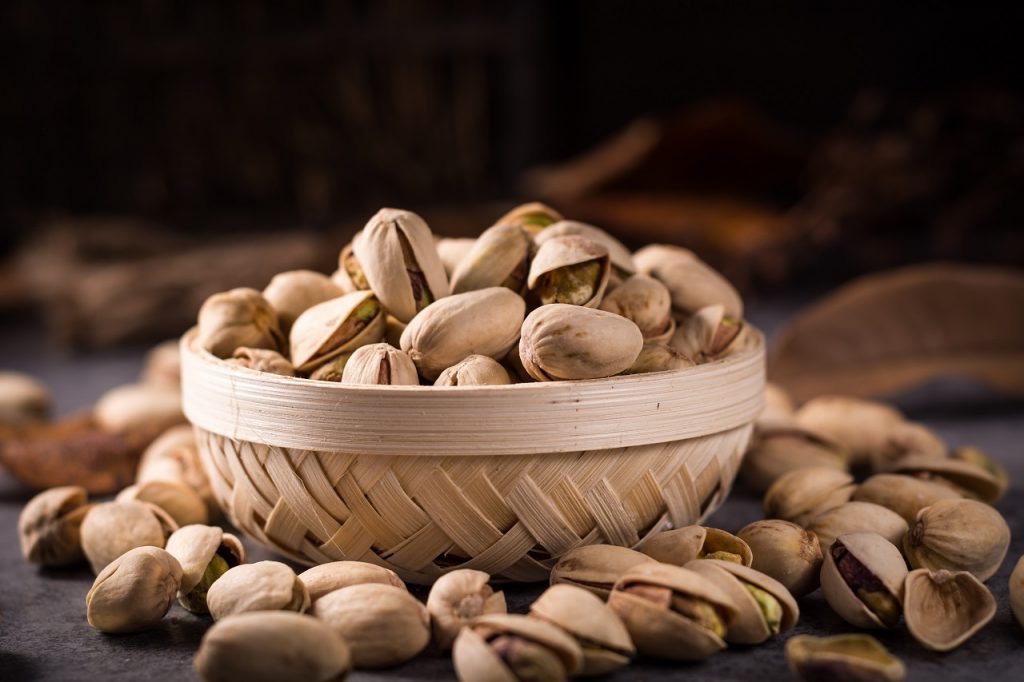
Pistachios - Your Powerful Nutritional Punch!Pistachios are edible seeds of the pistachio tree, member of the cashew family. They are nutrient-packed nuts that can be enjoyed both as a healthy snack or as part of a delicious recipe. Available both in the shell (in-shell) or with their shell already removed (shelled), they’re typically sold roasted and salted, although unsalted options are available, as well as some flavoured varieties, too.

How Does It Give a Powerful Nutritional Punch?

  • Loaded with Vitamins and Minerals: Pistachios are a rich source of protein, dietary fibre, several minerals such as phosphorus, potassium, calcium, iron, magnesium, manganese, zinc, copper, sodium and selenium. It is also a good source of vitamins like vitamin A, K, C, E, B6, B1, B2, B3, B9, and B5.
  • Good Source of Antioxidants: They contain more antioxidants than most nuts and seeds, second only to walnuts and pecans. You can literally “see” the nutrients through the various colours in pistachio. The green and yellow colour of the actual nut comes from lutein and zeaxanthin. The thin purple skin surrounding the nut is loaded with anthocyanins, the same type of antioxidants found in grapes and cranberries.
  • Lowest in Fat: A serving of pistachios has 13 grams of fat, of which about 1.7 grams are saturated, 3.5 grams are polyunsaturated, and 7 grams are monounsaturated fats. Compared to most other tree nuts, pistachios are one of the lowest in fat.
  • Cholesterol-Free: Pistachios have the highest phytosterol content (214 milligrams per 100 grams) amongst nuts. Phytosterols come from plants and because they have a similar structure to cholesterol, they compete with cholesterol for absorption by the body, ultimately limiting the amount of cholesterol absorbed.
  • Compared to other tree nuts, pistachios have a higher essential amino acid ratio and the highest percentage of branched-chain amino acids. Pistachios are a great plant-based protein option for everyone, but especially those eating a vegetarian or vegan diet.

Health Benefits of Eating Pistachios

  1. Heart Health: A number of studies have shown that pistachios significantly reduced total cholesterol and the “bad” LDL-cholesterol levels while increasing the “good” HDL-cholesterol level. They may increase antioxidant concentrations, which is linked to improved dilation of blood vessels as a result of a reduction in inflammation.
  2. Weight Management: It may seem counterintuitive but eating pistachios—a high-fat, calorie-dense food—has actually been associated with weight management. Pistachios are rich in fiber and protein, both of which increase satiety by helping you feel full and eat less .
  3. Gut Health: Pistachios are high in fiber, which moves through our digestive system mostly undigested. But some types of fiber are digested by the good bacteria in your gut, acting as prebiotics. Gut bacteria then ferment the fiber and convert it into inflammation-fighting short-chain fatty acids, & also results in decreased the number of lactic acid bacteria. It also increases the number of butyrate-producing bacteria in the gut more than eating almonds does.
  4. Blood Sugar Control: Despite having a higher carb content than most nuts, pistachios have a low glycemic index, meaning they don’t cause a large spike in your blood sugar. Also rich in fiber and healthy fats, antioxidants, magnesium, carotenoids and phenolic compounds, which are beneficial for blood sugar control.
  5. Good For Eye Health: Pistachios are rich in antioxidants lutein and zeaxanthin, which are essential for eye health, as they reduce the chances of developing eye conditions, including age-related macular degeneration (AMD) and cataracts.
  6. Prevents Cellular Damage: As our cells grow older, they accumulate oxidative damage due to the presence of free radicals, which can cause considerable damage to cells. Pistachios, being rich in antioxidants, including lutein, beta-carotene, and gamma-tocopherol, has oxidative damage-fighting benefits which also play a key role in reducing the risk of disease, such as cancer.

How to Include Pistachios in Your Diet?

One of the simplest ways to enjoy pistachios is as a snack on their own. You can also throw chopped pistachios on your yogurt or morning oatmeal or use them as a crunchy topping for your salads. Pair pistachios with a piece of fruit for your afternoon snack, their fiber, fat and protein will keep you satisfied.

Takeaway

Pistachios are very nutritious. Regularly eating pistachios may be a good way to improve health and wellbeing. But stick to plain, unsalted pistachio nuts in their shells and avoid eating more than 30gm a day. Before you begin eating them, do consult with your doctor, nutritionist or dietitian.

For more on nutrition and healthy eating, check out Healthy Reads or speak to an expert by subscribing for GOQii’s Personalised Health Coaching here.

#BeTheForce 

December 6, 2024 By Dr. Viral Thakkar 3 Comments

MIGRAINE – AN EXPLOSION IN YOUR HEAD

brain-headache-migraine“I don’t want that explosion in my head that my father used to have,” said Ramesh N., an 18-year-old engineering student, during his visit to my clinic. He was distressed by a severe headache that had lasted 5-6 hours, especially with exams around the corner. The throbbing pain made it impossible for him to concentrate.


Headaches are a common reason for visits to physicians, with migraine being the second most common cause of headache globally. Despite its prevalence, migraine often goes unnoticed or misunderstood, especially in childhood and adolescence. Many parents and teachers dismiss it as an excuse to avoid studying or working.

Migraine is a benign, episodic syndrome characterized by headache and accompanying neurological symptoms. A positive family history of migraines is common in those affected.

What Is Migraine?

A migraine attack can last anywhere from 4 to 72 hours. While predicting when an attack will occur is challenging, the pattern of each attack can often be identified. Understanding the stages of a migraine and sharing a detailed history with a doctor can help in diagnosis and treatment, reducing the intensity or frequency of attacks.

Stages of Migraine

Prodormal Phase: This phase includes subtle physical or mental changes like mood swings, thirst, or tiredness. It may last for minutes or hours.

Aura Phase: Neurological symptoms appear during this phase, such as:

    • Visual disturbances (dark spots, colored spots, or zigzag lines)
    • Numbness or weakness
    • Dizziness or vertigo
    • Speech changes or confusion

Attack Phase: The headache begins, often behind the eyes. It is typically severe, throbbing, and unilateral but can sometimes be bilateral. This stage is often accompanied by nausea, vomiting, and sensitivity to light (photophobia) or sound (phonophobia).

Postdromal Phase: After the headache subsides, many experience lingering effects like fatigue or a “hangover” feeling, which can take hours or even days to resolve.

Diagnosing Migraine: A simplified diagnostic criterion includes repeated headaches lasting 4-72 hours with no underlying physical or neurological causes. Migraine symptoms include:

  • Unilateral pain
  • Throbbing sensation
  • Worsening with movement
  • Nausea or vomiting
  • Sensitivity to light and sound

While the exact timing of an episode is unpredictable, lifestyle changes and triggers management can reduce the frequency or severity of attacks.

  1. Identifying and avoiding triggers is one of the most important ways to avoid an attack.
  2. Research shows that foods like nuts, cheese, citrus foods, chocolates, hot and spicy food, fermented, sour foods, alcohol and smoking can trigger a migraine attack.
  3. Untimely meals, irregular sleeping patterns which result in lack of sleep, excessive intake of processed or junk food, overthinking, extended exposure to laptops, mobile phones can all be responsible for triggering an attack.
  4. Increased exposure to direct sunlight is known to cause an attack. If sun exposure cannot be decreased or stopped, one must wear glasses and have to protect oneself. One must also be aware of strong odours and changes in weather.
  5. Being constantly acidic or constipated will always make you prone for repeated attacks.

A lifestyle change with proper sleeping hours, adequate water and the right food intake along with minimum 30minutes exercise will cause wonders in the management of Migraine.

  1. Certain yoga postures are extremely beneficial for migraine. Some of these are moon salutation, boat pose, bow pose (dhanurasan), spinal twist (matsyendrassana), tree pose and standing on toes.
  2. Meditation puts your mind at ease and reduces stress levels which brings a balance in one’s being.
  3. Pranayam (breathing exercises) has a long term impact in maintaining good health.
  4. 5 drops of brahmi ghee in each nostrils sometimes helps relieve the pain.
  5. During an attack it is best that you confine yourself to a closed dark room to avoid any loud sounds and excess light.
  6. You can also try tying a scarf or dupatta around your head if the pain is too much. Place some eye cubes wrapped in a towel on your eyes.
  7. Medicines are available to halt the progression of aura to a full-blown attack or to manage pain during the headache phase. However, always seek a doctor’s advice before taking any medication.

Migraines often improve over time, with many experiencing reduced severity and frequency after early adulthood. Adopting a healthy lifestyle can bring long-term benefits, making migraine episodes less frequent and more manageable.

If this article helped you understand migraines better, share your thoughts in the comments below! For further information or guidance, reach out to our certified experts by subscribing to GOQii’s Personalised Health Coaching here.

#BeTheForce

December 3, 2024 By Sunita Arora 3 Comments

Lower Blood Pressure Naturally With Dietary Changes

lower blood pressure naturallyHypertension, known as a silent killer, is simply the elevation of your blood pressure levels. It is majorly developed due to factors like a sedentary lifestyle, high salt intake due to processed and packaged food. But, the good news is that you can control it. You can manage to lower blood pressure naturally by making dietary and other lifestyle changes after consulting with your doctor. 

Foods That Help Lower Blood Pressure Naturally 

Let’s take a look at foods which are healthy and can help with the condition! 

  1. Green Tea: is associated with numerous health benefits. It is rich in polyphenols and catechins, which act as antioxidants to prevent cell damage, reduce inflammation, and protect heart health. Intake of green tea is associated with significantly lower levels of LDL, triglycerides, total cholesterol, and blood pressure. You can have 1-2 cups of green tea daily one hour after a meal to maintain your blood pressure and to improve insulin sensitivity.
  2. Olive Oil: is packed with antioxidants like tocopherols, β-carotene, lutein which helps in relieving inflammation and decreases the risk of cardiovascular diseases. It is rich in MUFA which promotes heart health and is linked with lowering blood pressure. In Indian cooking, you can safely use 1-2 teaspoon of extra virgin olive oil daily to sauté veggies, make salad dressings, etc.
  3. Fatty Fish: like salmon and tuna are rich with omega-3 fatty acids which aid in improving heart health. These fatty fishes and fish oil supplements are beneficial for lowering blood pressure, sugar levels and triglycerides. Consumption of fatty fish 2-3 times a week is good for heart health.
  4. Nuts: like walnuts, almonds are a rich source of monounsaturated fatty acids which lower total cholesterol, LDL (bad) cholesterol and blood pressure. It has minerals like magnesium and copper, Vitamin E, MUFA which protects against various heart diseases by reducing plaque formation and keeps your arteries clear. You can include 5-6 soaked almonds and 2-3 walnuts in your diet.
  5. Seeds: are the powerhouse of various nutrients, rich in Omega-3 and Omega-6 fatty acids which improve many heart disease risk factors including blood pressure, cholesterol, and triglycerides. Include flax seeds, chia seeds, sunflower seeds and hemp seeds in your diet. Just make a mixture of these seeds and have 1-2 tsp daily by mixing them with nuts or adding them to your smoothies or salads. 
  6. Berries: are packed with antioxidants like anthocyanins which protect the heart from oxidative stress and help in maintaining normal blood pressure. It also has polyphenols which improve blood pressure, insulin resistance and systemic inflammation. You can add a handful of strawberries, blackberries and raspberries in your diet.
  7. Banana: The American Heart Association encourages people to increase the consumption of foods that contain potassium. Eating foods that are rich in potassium helps in lowering blood pressure levels better than taking supplements. You can slice a banana in your favourite cereal or oatmeal, make a smoothie or a shake for a potassium-rich addition.
  8. Pomegranate: is rich in fibre, vitamins and minerals. Drinking a cup of pomegranate juice daily for four weeks can help lower blood pressure naturally. Early research suggests that drinking pomegranate juice helps to keep the arteries in the neck clear of the build-up of fatty deposits and improve blood flow to the heart.
  9. Tomato: is one of the important ingredients in our Indian cuisine which enhances the flavour and colour of dishes. Tomatoes are loaded with lycopene which reduces the risk of heart attack and stroke. New research claims that drinking a glass of unsalted tomato juice daily is a simple way to lower blood pressure and reduce the risk of heart disease. It also removes excess cholesterol, plaque from arteries and increases the level of HDL Cholesterol.
  10. Garlic: is a pearl for Hypertension patients. Daily consumption of garlic for an extended period can reduce LDL Cholesterol, triglycerides, and blood pressure significantly. It has allicin, allyl mercaptan, and diallyl disulphide which are very effective in controlling cholesterol and blood pressure. Eating 1-2 fresh, raw garlic is one among the herbal remedies for controlling high blood pressure.
  11. Oats: are a rich source of soluble and insoluble fiber. They are low in fat, low in sodium and contain beta-glucan, a type of fiber which lowers blood pressure. A review of 28 trials concluded that higher consumption of beta-glucan fiber may lower both systolic and diastolic blood pressure. Eating oats for breakfast/snacks in the form of oats porridge, oats upma, oats chila, is a great way to fuel up for the day.
  12. Beetroot: Drinking one glass of beetroot juice daily can significantly reduce blood pressure in people with hypertension. Due to the high concentration of nitrates, it relaxes blood vessels and dilates them, which helps the blood flow more easily and lowers blood pressure. Both raw beet juice and cooked beets are effective to lower blood pressure and decrease inflammation. 

Apart from the above food options, you need to  control what you eat. Avoid sauces, pickles, coffee, packaged food, etc. and cut your salt intake to half a teaspoon daily. Avoid smoking and consuming alcohol in excess as well. Before making any massive dietary changes, consult your doctor first!

We hope this article helps you! For more on hypertension and tips to lower blood pressure, tune in to live sessions by experts on GOQii Play or ask your GOQii Coach directly by subscribing to Personalised Health Coaching here.

To know how simple lifestyle changes can help your reverse high blood pressure, listen to our player Digvijay Singh’s journey as he discusses the lifestyle changes he made with our Founder & CEO Vishal Gondal.

#BeTheForce 

November 27, 2024 By Saba Mirza Leave a Comment

Effective Home Remedies For Sinus Congestion

sinus congestion If you’ve suffered from sinus congestion at any point in your life, you’re well aware of how painful an experience it can be. Let’s deep dive into what it exactly is as well as learn some home remedies for sinus congestion.

What is Sinus Congestion?

Sinus congestion is a condition in which the cavities around your nasal passage get inflamed and congested. Symptoms appear in the form of a stuffy nose, pain around the nose, cheeks, jaw or forehead. One may even experience swollen or watery eyes and a sore throat. There’s a surge in sinus congestion cases during winters primarily due to the dry, cold weather accompanied by an increase in pollutants and allergens in the environment. If there are no obstructive pathologies for the sinus blockage like polyps or deviated nasal septum, then a few home remedies for sinus congestion can help us soothe the inflamed nasal passage and reduce the intensity of the symptoms.

Effective Home Remedies You Should Try

1. Maintain Humidity: Dryness in cold weather is amplified when you are using a room heater. Dry air makes the mucus thick. This clogs sinus cavities and causes pain and pressure on the surrounding tissues. Using a humidifier while running a room heater and keeping yourself hydrated can help in reducing the viscosity of the mucus, making it easy to drain it out and open the cavities up.

2. Drink Warm Fluids: Warming your body with hot soups, curries and teas is an ancient measure, followed traditionally and ritually for ages! This is found to be quite effective in alleviating the symptoms of sinus congestion. Here are a few simple remedies which can be easily prepared at home:

  • Ginger-Turmeric Tea: Boil one-quarter teaspoon of dry ginger and turmeric in one cup of water and have that tea by adding lemon and pepper. It is very effective in soothing the sore respiratory mucosa and boosting immunity levels.
  • Immunity Booster: Take 2 black peppers, 2 cloves, 2 cardamoms, a small piece of cinnamon, small piece of ginger, Tulsi leaves, 2 garlic cloves and ½ teaspoon of ajwain. Boil it till the water becomes half in quantity, strain it and then have it hot with honey (preferably organic). Have this immunity booster drink two to three times a day. It will help you fight off various bacterial and viral infections.
  • Whole Leaves Green Tea: Being rich in antioxidants and polyphenols, green tea is found to be one of the most effective immunity booster and detox drink!

3. Warm Compresses: Apply warm compresses by covering your face with a clean, warm and wet cloth which will moisten the nasal passages, thin out the mucus plug and help in easing its drain, thus opening the cavities up!

4. Steam Inhalation: Steam inhalation is found to be quite effective in moistening the air passages and reducing the congestion by loosening the mucus. Use a bowl of hot water, add a few drops of an essential oil like menthol, eucalyptus or lemon juice and cover yourself with a thick towel to trap the steam inside!

5. Nasal Irrigation: Nasal irrigation simply means flushing out the nasal pathway with a saline solution. It helps remove allergens, irritants and excess mucus! You can use a nasal irrigation system like a Neti Pot, squeeze bottle or bulb syringes filled with saline solution, which you can get at a medical store. You can also make a saline solution at home by mixing 3 teaspoons of salt and 1 teaspoon of baking soda. Use sea salt or pickling salt and not iodized salt or table salt which is added with additives. Store it in airtight container!

  • How to Do Saline Irrigation: Put the above mixture into a clean Neti Pot or bulb syringe and stand near a sink. Place the spout in the top nostril and pour or gently spray a liberal amount of solution into one nostril, while tilting the head at 45 degrees, so that it flows through the nasal cavity and out of the other nostril! Blow your nose to get rid of any remaining water. Repeat the process on the other nostril.

6. Eliminate the Causative Factors: Factors which can aggravate the symptoms are allergens like smoke, dust particles, perfumes, hair spray, cleaning products and anything which releases fumes! Try to keep the air around you clean from all these irritants!

While these home remedies for sinus congestion are effective, they only tackle the symptoms. If the issue persists, you should consult your doctor. For more home remedies, you can check out Healthy Reads or ask a GOQii Coach by subscribing for Personalised Health Coaching here.

#BeTheForce 

  • « Previous Page
  • 1
  • …
  • 14
  • 15
  • 16
  • 17
  • 18
  • …
  • 85
  • Next Page »

Search

Recent Posts

  • ALL ABOUT VERTIGO!
  • PCOS and Anxiety: Discover Relief with the 54321 Technique
  • Navigating the Maze of Nutrition: Finding Clarity Amidst Confusion
  • Get children active and keep them healthy
  • What Gestational Diabetes Can Do To You & Your Unborn Child

Stay Updated

Archives

  • December 2025 (5)
  • November 2025 (15)
  • October 2025 (20)
  • September 2025 (6)
  • August 2025 (6)
  • July 2025 (12)
  • June 2025 (18)
  • May 2025 (16)
  • April 2025 (23)
  • March 2025 (23)
  • February 2025 (22)
  • January 2025 (26)
  • December 2024 (26)
  • November 2024 (25)
  • October 2024 (22)
  • September 2024 (24)
  • August 2024 (31)
  • July 2024 (21)
  • June 2024 (26)
  • May 2024 (31)
  • April 2024 (27)
  • March 2024 (29)
  • February 2024 (26)
  • January 2024 (25)
  • December 2023 (15)
  • November 2023 (11)
  • October 2023 (22)
  • September 2023 (22)
  • August 2023 (20)
  • July 2023 (22)
  • June 2023 (24)
  • May 2023 (24)
  • April 2023 (24)
  • March 2023 (23)
  • February 2023 (20)
  • January 2023 (16)
  • December 2022 (12)
  • November 2022 (15)
  • October 2022 (15)
  • September 2022 (12)
  • August 2022 (10)
  • July 2022 (17)
  • June 2022 (11)
  • May 2022 (10)
  • April 2022 (6)
  • March 2022 (6)
  • February 2022 (13)
  • January 2022 (12)
  • December 2021 (7)
  • November 2021 (3)
  • October 2021 (6)
  • September 2021 (3)
  • August 2021 (8)
  • July 2021 (7)
  • June 2021 (15)
  • May 2021 (16)
  • April 2021 (10)
  • March 2021 (7)
  • February 2021 (4)
  • January 2021 (4)
  • December 2020 (3)
  • November 2020 (4)
  • October 2020 (10)
  • September 2020 (3)
  • August 2020 (3)
  • July 2020 (2)
  • June 2020 (4)
  • May 2020 (10)
  • April 2020 (12)
  • March 2020 (10)
  • February 2020 (4)
  • January 2020 (4)
  • December 2019 (3)
  • November 2019 (7)
  • October 2019 (5)
  • September 2019 (4)
  • August 2019 (9)
  • July 2019 (9)
  • June 2019 (11)
  • May 2019 (4)
  • April 2019 (9)
  • March 2019 (8)
  • February 2019 (9)
  • January 2019 (8)
  • December 2018 (9)
  • November 2018 (3)
  • October 2018 (3)
  • September 2018 (5)
  • August 2018 (10)
  • July 2018 (6)
  • June 2018 (13)
  • May 2018 (8)
  • April 2018 (18)
  • March 2018 (9)
  • February 2018 (8)
  • January 2018 (15)
  • December 2017 (12)
  • November 2017 (19)
  • October 2017 (13)
  • September 2017 (15)
  • August 2017 (4)
  • July 2017 (8)
  • June 2017 (7)
  • May 2017 (6)
  • April 2017 (8)
  • March 2017 (6)
  • February 2017 (7)
  • January 2017 (9)
  • December 2016 (10)
  • November 2016 (7)
  • October 2016 (7)
  • September 2016 (7)
  • August 2016 (11)
  • July 2016 (9)
  • June 2016 (9)
  • May 2016 (12)
  • April 2016 (17)
  • March 2016 (17)
  • February 2016 (8)
  • January 2016 (6)
  • December 2015 (2)
  • November 2015 (9)
  • October 2015 (7)
  • September 2015 (9)
  • August 2015 (11)
  • July 2015 (9)
  • June 2015 (12)
  • May 2015 (9)
  • April 2015 (13)
  • March 2015 (8)
  • February 2015 (5)
  • January 2015 (12)
  • December 2014 (14)
  • November 2014 (11)
  • October 2014 (6)
  • September 2014 (13)
  • August 2014 (12)
  • July 2014 (6)
  • June 2014 (2)
  • May 2014 (7)
  • April 2014 (5)

From “Laddu Nawin” to Fit and Fierce: How a 25-Year-Old Insurance Advisor Shed 20 Kilos and Gained His Life Back

When 25-year-old Nawin Yadav from Hyderabad walked into his office every morning, he carried more than just his files and policy papers. He had the weight of fatigue, sluggish energy, and an ever-growing belly that was becoming the butt of jokes. “People … [Read More...]

“I’ve Challenged Myself to Live 100 Years” – The Story of Chandubhai Savani’s Second Chance at Life

At 67, most people start slowing down. Not Chandubhai Savani. A resident of Surat, Chandubhai, thought life was on track. “My life was going well till I had my bypass surgery,” he says. That surgery, back in 2021, was a wake-up call.  Medication was routine, but exercise wasn’t. His diet? What he calls ‘normal.’ “I […]

From Shimla’s Slopes to Chandigarh’s Sidewalks: Surinder Kaur Bhalla’s Journey from Chaos to Control

Some journeys start with a plan. Others begin with a stumble literally. Surinder Bhalla, a government professional, born and raised in the scenic hill town of Shimla, had always lived a life of movement. “In Shimla, you walked everywhere,” she reflects. “Walking was never an exercise. It was just life.” But after shifting to Chandigarh, […]

Ananda Mukherjee Health Story

From Terminal Illness To Complete Wellness! Ananda Mukherjee Health Story

As we observe World Cancer Day under the powerful theme ‘United by Unique’ (2025-2027)**, we are reminded that every individual’s journey with cancer is distinct, yet united by shared resilience, hope, and the collective fight against this disease. This theme places people at the centre of care and their stories at the heart of the […]

  • HOME
  • HEALTHY LIVING
  • FITNESS
  • HEALTHY RECIPES
  • USER STORIES
  • KARMA
  • BUY GOQii

Copyright ©2016 GOQii


