GOQii

Blog

  • HOME
  • HEALTHY LIVING
  • FITNESS
  • HEALTHY RECIPES
  • USER STORIES
  • KARMA
  • BUY GOQii

Search Results for: carb

October 11, 2025 By Anushree Ashtekar 6 Comments

How Much Water Should You Consume Before, During & After A Workout?

waterWater is an indispensable part of our daily diet. It makes up about 70% of our total body weight. It is also a component that is very easily taken for granted. Staying well hydrated is one of our body’s basic needs. Thirst is a late indicator of dehydration. When thirsty, our body is already dehydrated at a cellular level. The color of the urine can also determine our hydration status. Dark yellow urine indicates dehydration whereas clear urine indicates a well hydrated body. Along with the diet, we must also pay attention to what and how much water we drink, especially before, during and after a workout.

Why Is Water Intake Important? 

1. Pre-Workout Water Intake
If we start our workout in a dehydrated state, it will adversely affect our performance. We would feel low on energy, stiff muscles and also get cramps easily. That is essentially because water forms a major part of our muscles and also helps in keeping the joints well lubricated. Intake must start well 2-3 hours before a workout. The water intake also depends upon the intensity of activity and the individual’s own body condition.

If a person sweats too much, at least 500-600ml of water 2-3 hours prior to exercise is a must. This will ensure good hydration status. If the workout lasts for a longer time, like over an hour, then it would be advisable to consume a carbohydrate drink (up to 8% concentration). This will help to prevent fatigue and dehydration.

2. Water Intake During a Workout
The consumption here depends on the duration of the activity. If the exercise or sport event lasts for less than an hour, then there won’t be a chance to ingest too much fluid within the duration of the activity. Here, we can consume 1 small glass (180-200 ml) of plain cold water every 15-20 minutes. Cold water would make a better choice over water at room temperature because cold water has a faster gastric emptying time. Also, if the person has consumed enough dietary carbohydrates, the glycogen stores in his muscles and liver will suffice for providing energy to sustain the activity. In the case of a high intensity workout or sport event (marathon, game of football, etc), that goes for over 1 hour, the individual is at a risk of decreased performance due to dehydration, fatigue and hypoglycemia. Their fluid intake must include carbohydrates and electrolytes. Carbohydrate will prevent hypoglycemia. The electrolytes like sodium and chloride need to be replenished due to sweating. Also, sodium will help in water retention.

3. Post-Workout Intake
We need to pay good attention to eating and drinking right post any workout or exercise. There arises a need to replenish the carbohydrates, salts and water that are lost during the activity. Immediately after a workout, for the next few hours, work on improving your hydration levels. Do not start with any new activity without attaining good hydration levels. Replenishing the salt reserves must be your top priority as sodium has good fluid retention capacity which keeps up the urge to drink water. Fluid consumption, containing carbohydrates, salts and water, must continue up to 5-6 hours after the activity. The best way to ensure that you are hydrating yourself well is, to weigh yourself before and after the exercise/event and drink at least 400-500 ml of water for every 1 pound lost. Fluid intake needs to be planned and distributed at regular intervals.

It would always be better to carry a bottle of water with you wherever you go and sip on it regularly. Many a times, your performance during a workout can be improved only with optimum hydration. We hope this article helps you. Do leave your thoughts in the comments below.

For more tips on workouts, hydration and being fit, check out Healthy Reads or ask your GOQii Coach directly by subscribing for personalised health coaching here.

#BeTheForce 

Disclaimer: The information provided in this blog is for general awareness and educational purposes only. It is not intended to replace professional medical advice, diagnosis, or treatment. Always consult a qualified healthcare provider for personalised medical guidance or concerns related to your health. Images shown are for representation purposes only and may not depict the exact recommendations or outcomes.

October 2, 2025 By Navnee Garg 2 Comments

10 Ways to Add Vegetables to Your Breakfast

vegetables to your breakfastYou’ve come across the saying “Eat breakfast like a king and dinner like a pauper”… being a nutritionist, I strongly believe in this. Yes, one should definitely eat a nutritionally lavish meal in the morning. Breakfast needs to be a combination of simple and complex carbs along with some high biological value sources of protein. But is it enough? Does it make a complete meal?

We often tend to forget to add fibres and other micronutrients in the first meal of the day, keeping it for later meals, and we miss on achieving the daily requirement.  Adding vegetables to your breakfast can help you improve your health in numerous ways and make it a complete meal. Let’s see how we can do that.

Ideas to Add Vegetables to Your Breakfast

  1. Try adding sautéed spinach to an open-faced egg or paneer sandwich. Spinach is a rich source of Vitamin A, C and K.  
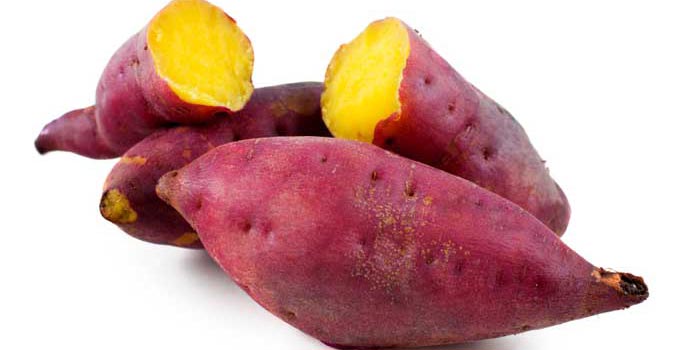
  2. Replace other root vegetables besides potatoes in your basic recipes. Try sweet potatoes, turnips, and even beetroot to get some extra vitamin boosts from these colourful root veggies.
  3. Cook a quinoa, veggie and egg scramble. A perfectly balanced breakfast for lazy mornings.
  4. Add spinach to your savoury oatmeal. Fibres in all together.
  5. Try shifting your salad to breakfast and add some grain along. Try Pizza crust waffle with a breakfast salad. A great way to indulge guilt-free.
  6. Avocado can be used as a spread on breads. To enhance the nutritional value, chopped veggies, salt and pepper can be added as a treat to your taste buds.
  7. Try skipping the toast along with omelette or scrambled eggs. Instead, replace it with Sauté greens. Whether you can add cream or simply cook them with garlic, is up to you.
  8. Add sautéed vegetables and mashed paneer/eggs to the pancakes/cheela you make at home. This would make it more filling and add an extra boost of protein as well.
  9. Busy enough to cook every morning? Drink it up then! Just blend up greens or vegetables into your morning smoothie and sip it on the way to the office.
  10. And the Easiest: Add vegetables in everything you cook, be it poha, vermicelli, and even upma!  

We hope this article helps you add more vegetables to your breakfast for a power-packed start to your day! Do try them all out and let us know in the comments below. 

Get more healthy recipes here or ask a GOQii Coach by subscribing for Personalised Health Coaching here.

#BeTheForce 

Disclaimer: The information provided in this blog is for general awareness and educational purposes only. It is not intended to replace professional medical advice, diagnosis, or treatment. Always consult a qualified healthcare provider for personalised medical guidance or concerns related to your health. Images shown are for representation purposes only and may not depict the exact recommendations or outcomes.

August 7, 2025 By GOQii Leave a Comment

Hypertension and Obesity: Connecting the dots

Hypertension and Obesity: Connecting the dotsYou’ve been taking your blood pressure tablets for years. You rarely miss a dose. Yet, every time you check, those numbers stubbornly stay high.

Ideally, an individual’s blood pressure should be around 120/80 mmHg. But yours? It hovers around 140/90 mmHg or higher. Some days, it’s only within a normal range because of the medication. Sounds familiar?

Now, imagine this: You visit your doctor, expecting yet another tweak in your prescription, but instead, they ask about something else, your weight. You sigh, thinking, Not again. But what if your weight is playing a bigger role in your hypertension than you realise?

Many of us focus on treating hypertension with medication alone, but what if the missing link is something else something closer to home, like the extra pounds we carry? Let’s connect the dots between hypertension and obesity and uncover why tackling this could be the key to managing both conditions.

What is Hypertension? And Its Biggest Triggers

Hypertension occurs when the pressure inside your blood vessels runs too high, putting extra strain on your heart. It’s often called the silent killer because, most of the time, there are no obvious symptoms until you check your blood pressure. And if left unchecked? It can quietly pave the way for heart disease, stroke, and kidney problems.

What causes it? Some factors, like genetics and ageing, are beyond our control. But others such as lack of exercise, too much salt, excessive alcohol consumption, and obesity are within our reach.

Here’s the game-changer: while you can’t turn back time or change your genetics, you can take charge of your weight. Obesity and hypertension are deeply connected and tackling one can be the key to controlling the other.

Are You Obese? Here’s How to Find Out

We often associate obesity with being “overweight”, but not all extra weight is a problem. A few extra kilos won’t necessarily harm you. However, when excess fat starts affecting your health, that’s when it turns into obesity a condition that raises the risk of hypertension, heart disease, diabetes, and more.

How to Check If You’re Obese

  • Body Mass Index (BMI):

✔ BMI = Weight (kg) ÷ Height (m²)

✔ A BMI over 30 is classified as obese.

  • Waist Circumference:

✔ Men: Over 102 cm (40 inches)

✔ Women: Over 88 cm (35 inches)

Note: For people of Middle Eastern or Asian descent, some health experts recommend lower cutoff points (e.g., >90 cm for men, >80 cm for women) due to different body compositions. It’s best to discuss your personal risk with your doctor.

If you fall into these categories, it’s time to take action.

How Obesity Raises Your Blood Pressure

Obesity isn’t just about carrying extra weight it puts your entire cardiovascular system under strain, making it harder for your heart to function properly. Here’s how:

  • Clogged Arteries & Increased Pressure: Excess weight raises cholesterol levels, leading to plaque build-up in the arteries. This narrows blood vessels, forcing the heart to work harder resulting in high blood pressure.
  • More Weight = More Work for Your Heart: Your heart has to pump blood for your entire body. The more weight you carry, the harder it has to work, increasing blood pressure levels.
  • Insulin Resistance & Nerve Overload: Obesity can lead to insulin resistance, which raises insulin levels in your blood. This triggers nerve activity in the brain, causing blood pressure to rise.
  • Kidneys Under Pressure: Excess belly fat compresses your kidneys, making it harder for them to flush out waste and excess fluid. More fluid = higher blood pressure.
  • Stress Hormones & Water Retention: Being overweight often raises cortisol (the stress hormone). High cortisol leads to more salt and water retention, which in turn leads to higher blood pressure.
  • Inflammation & Poor Heart Health: Obesity fuels chronic inflammation, which damages blood vessels and increases oxidative stress one of the main drivers of high blood pressure.

The bottom line? Obesity is a major driver of hypertension, affecting your entire body. But here’s the good news—you can take control and reduce your risk!

How to Control Hypertension & Lose Weight Naturally

Eat Smart, Stay Healthy

The key to weight loss? Burn more calories than you consume. This is called a calorie deficit.

  • Control Your Portions: Eating smaller meals helps keep calorie intake in check.
  • Choose Low-Calorie Foods: Load up on vegetables, lean protein, and whole grains.

Boost Your Metabolism with Protein

Protein is one of the most essential nutrients for weight loss because it helps burn more calories and keeps you full for longer.

  • Include lean meats, fish, eggs, dairy, soy, lentils, and legumes.
  • Reduce refined carbohydrates like white flour and sugary foods, which lead to fat accumulation.

Ditch the Sugar Trap

Fast food and sugary snacks contribute to insulin resistance, a major factor in high blood pressure.

  • Processed foods contain hidden sugars, so check labels and choose whole, natural foods.

Less Salt, Less Weight, Better Blood Pressure

Reducing salt intake can help with weight loss and blood pressure control.

  • Processed foods, ready meals, and salty snacks add excess sodium, leading to bloating and water retention.
  • Opt for fresh, home-cooked meals whenever possible.

Finding the Right Diet for You

Intermittent fasting, keto, low-carb, or plant-based diets can all be effective—but not every diet suits everyone.

  • Consult a nutritionist or your doctor before making major dietary changes to find what works best for your body.

Get Moving – Exercise Regularly

One of the best ways to lose weight and lower blood pressure is simple: move more!

    • Aim for at least 30 minutes of activity per day.
    • Try brisk walking, cycling, swimming, dancing, or strength training.
    • Start small, stay consistent – every little movement counts!

Think of it like this: Imagine carrying a 10-pound backpack all the time sounds exhausting, right? That’s what obesity does to your body. At first, moving more might feel tough, but your stamina will build, and every step will get easier. One pound at a time.

Manage Stress & Sleep Well

Lack of sleep and high stress levels contribute to weight gain & high blood pressure.

  • Prioritise 7-9 hours of quality sleep.
  • Practise mindfulness, deep breathing, or yoga.
  • Limit screen time before bed.

Take Charge of Your Health Today

Now you know the secret: losing weight is one of the most effective ways to manage blood pressure. The best part? It all starts with two things eating better and moving more. Set your target weight, make a plan, and start today. Your future self will thank you! 

If you’re currently on blood pressure medication, don’t stop it abruptly.Instead, use this blog as a guide to complement your medical care, and talk to your doctor before making any major lifestyle or diet changes.

#BeTheForce

Disclaimer: The information provided in this blog is for general awareness and educational purposes only. It is not intended to replace professional medical advice, diagnosis, or treatment. Always consult a qualified healthcare provider for personalised medical guidance or concerns related to your health. Images shown are for representation purposes only and may not depict the exact recommendations or outcomes.

July 31, 2025 By GOQii 6 Comments

Common Myths About Exercise & Nutrition

Nutrition and Exercise myths and factsIn the quest to lead a healthier and fitter life, we do end up reading and talking a lot about it. While exchanging information is good, the kind of information you exchange also matters. Are we following the right advice? Is this correct? Can this be verified? Is this information about nutrition and exercise coming from a trusted source?

There is no harm in reading about nutrition and exercise and following through, provided that it comes from a reliable source. Doing your own research on a topic can save you from following myths and sabotaging your own journey.

Keeping that in mind, let’s explore some common myths around exercise and nutrition.

Myth #1: Some Fruits Shouldn’t Be Given to Diabetic & Weight Loss Cases

Fact: Mango, Grapes, Chikoo and Bananas are often considered as enemies for diabetics and weight loss cases, considering their natural sugar content. Yes, I agree they are naturally loaded with sugar content, although best in class when it comes to nutrients. One should always consider the nutrients in a food rather than the natural sugar content or calories.

These food, when consumed at the right time and right quantity, provide fruitful benefits! For instance, Mango being high on Fiber, when consumed as an in-between meal gives you fullness and makes you not munch on the otherwise unhealthy stuff. Studies have proven that Mangoes have anti-inflammatory & antioxidant properties, which help obese people lose weight and in turn is helpful to diabetics. Bananas‘ high levels of B6 helps Type 2 Diabetics due to its anti-glycatic properties.

Myth #2: Rice is Fattening

Fact: Rice is high on carbohydrates and not high on Fat. When taken in right quantities and timing, it will get utilized by the body and will not end up being stored in the form of Fat. Again, rice is not responsible for weight gain. It is how our body processes food and reacts to excessive food, irrespective of whether that food is Rice, Quinoa, Oats, Whole Wheat or even Protein.

The best way to eat rice is to combine it with some protein source or fiber. For instance, Rice + Dal or Rice+ Fish Curry. Timing is equally important. You can have rice post a workout for your lunch, wherein your body can burn it off during the rest of the day. We can enjoy it for dinner too, provided the dinner is around 7-7.30pm.

Myth #3: Spot Reduction

Fact: There is nothing like spot reduction! As and when we lose or gain weight, it happens overall and not in one place. When we lose, it is as per the fat cells in the specific area which may have a tendency to lose more or gain more, depending upon your genes. When we train our muscles to be stronger, body burns more to repair and maintain them. While doing so, it does not take fat from the local area, it will take fat from all over to burn.

Myth #4: Ghee (Homemade Butter) Makes One Fat

Fact: Homemade Cow’s Milk Butter (Ghee) contains CLA (Conjugated Linoleic Acid) which helps you mobilize the stubborn fat in your body to help you energize. It has added benefits like anti-ageing, sexual vitality, healthy skin and eyes, etc. Want to lose weight? Add a spoon of homemade ghee to the plate.

Myth #5: Multigrain Biscuits and Fat-Free Snacks Are Healthy

Fact: We often get fooled with the marketing gimmicks that Multigrain is healthy, fat-free is the best snack, etc. If we get into more details, we can clearly see the facts. Just turn the packet of these foods around and read the label. The ingredient list goes in a descending order of the content of the food and the first ingredient is wheat, which we end up thinking to be whole wheat, where as it is the processed form of wheat which is Maida.

Majority of the contents are not healthy, it is just that they are given fancy names to fool us like Demerara Sugar, which is actually just normal sugar. The marketing names used are often the least in the percentage in the food, like Ragi, Multigrain, Oats, etc.

Myth #6: More Cups of Green Tea = More Fat Burned

Fact: Green tea, when taken in the right quantity and at the right time, can help you burn fat. This is due to its caffeine content. When people have it in larger amounts like 6-8 cups or more in a day, it ends up making them dehydrated and acidic. Rather than increasing the metabolism, it slows it down.  Thus, there is no extra ‘burning’ that will happen if one has it more. As we always say, anything in excess is not good, even if it is healthy.

Myth #7: Skipping Meals Helps One Lose Fat

Fact: Skipping meals will make you lose weight for sure. Although there is a difference between weight loss and fat loss. What do we do when our mom is not at home to give us food and we are very hungry and you cannot place an order for food?  We look for easy options at home to kill the hunger, right?

Our body does the same when we skip meals. It will look out for options within the body. The easiest one is the muscle glycogen storage, it will opt for that first and when one loses muscle content, there is a loss in body weight too, as muscle weighs a lot naturally. Although, metabolism goes down and fat content remains the same or increases. Skipping meals helps you lose precious muscle content while the fat still sticks around, in fact, increases too at times. 

Myth #8: Only Running Helps in Weight Loss & Maintenance

Fact: Running is a great sport/exercise. It has its own high due to the endorphin rush it gives you, especially when running outside. No doubt it gives you great results with regards to weight loss, although it is majorly muscle loss that happens if the pre and post run meal is not taken care of.

If one keeps running for a long time without strengthening workouts, they are bound to lose more and more muscle. Thus, weight loss will surely be seen but not in a healthy way. Later, when one stops running, they will gain all that weight quickly as the metabolism is low. Running will help one lose fat only when combined with strengthening workouts over the week.

Myth #9: Eating Extra Protein Helps Build Muscles

Fact: Given the fact that muscles need protein to survive, everyone assumes if you have extra protein, the body will keep it only for the muscles. This is not the case. At any given point, our body will take as much as required and the rest goes in to excess. Let that be Carbohydrates, Proteins or Fats. Whatever is excess and that which the body doesn’t require will go to storage, which is fat.

Myth #10: Lifting Weights Isn’t a Good Way to Lose Weight Because It’ll Make Me Bulk Up

Fact: Weight training will break your muscle and repair it back to be a little stronger and denser than the last time. Yes! This process will add up on your body weight but not fat.  You will start adding bulk depending upon the type of training you take and the type of nutrition support you have. The bulk up can happen only if you aim at it and train accordingly. If we are not looking at bulking up, one can train as per that. For instance, lesser weights and basic reps of 15-20.

Myth #11: Physical Activity Only Counts If I Do It for Longer Periods of Time

Fact: Workouts done the right way, at the right time, give us the right benefits! Some have a notion that if one trains for longer hours, the results will be better and faster. When one trains for longer hours, our body starts secreting Cortisol, which is a stress hormone. Due to excess cortisol, the body will store more fat and start losing muscle. This will in turn make metabolism slower. Thus, the quality of workout matters rather than the timings.

Myth #12: People Who Are Thin Don’t Need Exercise

Fact: One exercises because they want to be healthy and fit, not to lose weight. Majority think only those who want to lose weight need to workout. Everyone needs to workout. However, the type of exercise and its intensity will vary depending upon the person’s health and fitness goals. Thin people need to aim at gaining muscles. Often, thin people have the same percentage of fat as the person who actually looks fat. This is because the person who looks thin usually has least amount of muscles and thus, the body weight is lesser (as muscles are very dense).

Myth #13: If You Binge and Detox Later, It Nullifies The Binging.

Fact: This is like punishing your body! First you eat a lot and then you make it starve by detox methods or working out for hours. Rather than doing this, while eating out, one can practice mindful eating. Mindful eating involves chewing well and enjoying the food. It will end up in portion control too as your mind knows where to stop. If you binge, you eat fast. You eat the food with guilt and later punish it. Which is completely wrong! By practicing mindful eating we can eat out and not punish the body. We do need a detox at times to cleanse toxins but not as a punishment for binging.

If this article helped you identify myths and clear all your doubts on nutrition and exercise with facts, let us know in the comments below! You can find more articles on making a healthier lifestyle change here.

To bust more myths and get the right information from a certified expert, speak to a GOQii Coach by subscribing for Personalised Health Coaching here.

#BeTheForce

Disclaimer: The information provided in this blog is for general awareness and educational purposes only. It is not intended to replace professional medical advice, diagnosis, or treatment. Always consult a qualified healthcare provider for personalised medical guidance or concerns related to your health. Images shown are for representation purposes only and may not depict the exact recommendations or outcomes.

  • « Previous Page
  • 1
  • …
  • 7
  • 8
  • 9
  • 10
  • 11
  • …
  • 95
  • Next Page »

Search

Recent Posts

  • Best Foods To Alleviate Irritable Bowel Syndrome
  • ALL ABOUT VERTIGO!
  • PCOS and Anxiety: Discover Relief with the 54321 Technique
  • Navigating the Maze of Nutrition: Finding Clarity Amidst Confusion
  • Get children active and keep them healthy

Stay Updated

Archives

  • December 2025 (6)
  • November 2025 (15)
  • October 2025 (20)
  • September 2025 (6)
  • August 2025 (6)
  • July 2025 (12)
  • June 2025 (18)
  • May 2025 (16)
  • April 2025 (23)
  • March 2025 (23)
  • February 2025 (22)
  • January 2025 (26)
  • December 2024 (26)
  • November 2024 (25)
  • October 2024 (22)
  • September 2024 (24)
  • August 2024 (31)
  • July 2024 (21)
  • June 2024 (26)
  • May 2024 (31)
  • April 2024 (27)
  • March 2024 (29)
  • February 2024 (26)
  • January 2024 (25)
  • December 2023 (15)
  • November 2023 (11)
  • October 2023 (22)
  • September 2023 (22)
  • August 2023 (20)
  • July 2023 (22)
  • June 2023 (24)
  • May 2023 (24)
  • April 2023 (24)
  • March 2023 (23)
  • February 2023 (20)
  • January 2023 (16)
  • December 2022 (12)
  • November 2022 (15)
  • October 2022 (15)
  • September 2022 (12)
  • August 2022 (10)
  • July 2022 (17)
  • June 2022 (11)
  • May 2022 (10)
  • April 2022 (6)
  • March 2022 (6)
  • February 2022 (13)
  • January 2022 (12)
  • December 2021 (7)
  • November 2021 (3)
  • October 2021 (6)
  • September 2021 (3)
  • August 2021 (8)
  • July 2021 (7)
  • June 2021 (15)
  • May 2021 (16)
  • April 2021 (10)
  • March 2021 (7)
  • February 2021 (4)
  • January 2021 (4)
  • December 2020 (3)
  • November 2020 (4)
  • October 2020 (10)
  • September 2020 (3)
  • August 2020 (3)
  • July 2020 (2)
  • June 2020 (4)
  • May 2020 (10)
  • April 2020 (12)
  • March 2020 (10)
  • February 2020 (4)
  • January 2020 (4)
  • December 2019 (3)
  • November 2019 (7)
  • October 2019 (5)
  • September 2019 (4)
  • August 2019 (9)
  • July 2019 (9)
  • June 2019 (11)
  • May 2019 (4)
  • April 2019 (9)
  • March 2019 (8)
  • February 2019 (9)
  • January 2019 (8)
  • December 2018 (9)
  • November 2018 (3)
  • October 2018 (3)
  • September 2018 (5)
  • August 2018 (10)
  • July 2018 (6)
  • June 2018 (13)
  • May 2018 (8)
  • April 2018 (18)
  • March 2018 (9)
  • February 2018 (8)
  • January 2018 (15)
  • December 2017 (12)
  • November 2017 (19)
  • October 2017 (13)
  • September 2017 (15)
  • August 2017 (4)
  • July 2017 (8)
  • June 2017 (7)
  • May 2017 (6)
  • April 2017 (8)
  • March 2017 (6)
  • February 2017 (7)
  • January 2017 (9)
  • December 2016 (10)
  • November 2016 (7)
  • October 2016 (7)
  • September 2016 (7)
  • August 2016 (11)
  • July 2016 (9)
  • June 2016 (9)
  • May 2016 (12)
  • April 2016 (17)
  • March 2016 (17)
  • February 2016 (8)
  • January 2016 (6)
  • December 2015 (2)
  • November 2015 (9)
  • October 2015 (7)
  • September 2015 (9)
  • August 2015 (11)
  • July 2015 (9)
  • June 2015 (12)
  • May 2015 (9)
  • April 2015 (13)
  • March 2015 (8)
  • February 2015 (5)
  • January 2015 (12)
  • December 2014 (14)
  • November 2014 (11)
  • October 2014 (6)
  • September 2014 (13)
  • August 2014 (12)
  • July 2014 (6)
  • June 2014 (2)
  • May 2014 (7)
  • April 2014 (5)

From “Laddu Nawin” to Fit and Fierce: How a 25-Year-Old Insurance Advisor Shed 20 Kilos and Gained His Life Back

When 25-year-old Nawin Yadav from Hyderabad walked into his office every morning, he carried more than just his files and policy papers. He had the weight of fatigue, sluggish energy, and an ever-growing belly that was becoming the butt of jokes. “People … [Read More...]

“I’ve Challenged Myself to Live 100 Years” – The Story of Chandubhai Savani’s Second Chance at Life

At 67, most people start slowing down. Not Chandubhai Savani. A resident of Surat, Chandubhai, thought life was on track. “My life was going well till I had my bypass surgery,” he says. That surgery, back in 2021, was a wake-up call.  Medication was routine, but exercise wasn’t. His diet? What he calls ‘normal.’ “I […]

From Shimla’s Slopes to Chandigarh’s Sidewalks: Surinder Kaur Bhalla’s Journey from Chaos to Control

Some journeys start with a plan. Others begin with a stumble literally. Surinder Bhalla, a government professional, born and raised in the scenic hill town of Shimla, had always lived a life of movement. “In Shimla, you walked everywhere,” she reflects. “Walking was never an exercise. It was just life.” But after shifting to Chandigarh, […]

Ananda Mukherjee Health Story

From Terminal Illness To Complete Wellness! Ananda Mukherjee Health Story

As we observe World Cancer Day under the powerful theme ‘United by Unique’ (2025-2027)**, we are reminded that every individual’s journey with cancer is distinct, yet united by shared resilience, hope, and the collective fight against this disease. This theme places people at the centre of care and their stories at the heart of the […]

  • HOME
  • HEALTHY LIVING
  • FITNESS
  • HEALTHY RECIPES
  • USER STORIES
  • KARMA
  • BUY GOQii

Copyright ©2016 GOQii