GOQii

Blog

  • HOME
  • HEALTHY LIVING
  • FITNESS
  • HEALTHY RECIPES
  • USER STORIES
  • KARMA
  • BUY GOQii

Search Results for: carb

April 19, 2025 By GOQii Leave a Comment

Your Liver, Your Lifeline: How Food Can Be Your Best Medicine

How often do we acknowledge the silent hero inside us—our liver? On World Liver Day, it’s time to give this powerhouse organ the attention it deserves. Quietly working 24/7, your liver keeps you healthy, energised, and toxin-free—yet we often notice it only when something goes wrong.

A healthy liver is the cornerstone of a healthy life. Every sip and every bite you take impacts this vital organ. It metabolises nutrients, filters toxins, stores essential vitamins, and supports countless bodily functions.

But your liver also reflects your lifestyle. Poor nutrition, stress, pollution, alcohol, and inactivity can slowly take a toll. The good news? Even years of damage can be reversed. Studies show that adopting healthier habits today can reduce your risk of liver disease by up to 50%.

Whether you’re 25 or 55, it’s never too early—or too late—to start. This World Liver Day, the theme “Food as Medicine” reminds us that the path to prevention starts in the kitchen. You can help your liver heal, regenerate, and thrive with the right nutrition. Small changes on your plate can spark powerful transformations, starting with your liver.

The Liver: Your Body’s Natural Detox Lab

Your liver performs more than 500 functions—from breaking down fats to filtering out toxins. Here’s what it does every single day:

  • Processes nutrients from the food you eat, converting them into energy or storing them for future use.
  • Filters toxins from alcohol, medications, and harmful chemicals.
  • Stores essential vitamins and minerals like A, D, E, K, iron, and copper.
  • Produces bile, which helps digest fats and eliminate waste.
  • Regulates blood sugar, cholesterol levels, and protein metabolism.

In short, a healthy liver is non-negotiable for a healthy you. However, there is also a growing threat of lifestyle-linked liver disease. It’s not rocket science, research has proved that diet is key to a healthy you. But our modern diets—laden with processed foods, refined sugars, and unhealthy fats—are placing an increasing burden on our liver. Also, thanks to high-stress lifestyles and sedentary habits, liver diseases are on the rise—even among those who don’t drink alcohol. The consequences are becoming alarmingly visible:

  • Non-Alcoholic Fatty Liver Disease (NAFLD) now affects over 25% of the global population. It’s linked to diets high in sugar, trans fats, and refined carbs.
  • Alcoholic Liver Disease progresses faster when combined with poor nutrition.
  • Hepatitis, though viral, worsens when the liver is nutritionally compromised.

Research shows that targeted dietary changes can not only reduce liver fat but also reverse early damage. But just like any sophisticated machine, the liver requires the right inputs—nutrients, not toxins—to function optimally.

A poor diet can act as a silent saboteur, slowly impairing liver function long before symptoms arise.

Healing from the Inside: Food as Preventive Medicine

Science is catching up with what many traditional systems of medicine have long believed: nutrition is a powerful tool in preventing and managing liver diseases.

According to the Journal of Hepatology, nutritional interventions, like lowering sugar and fat intake and increasing antioxidants, can help prevent or slow the progression of liver conditions.

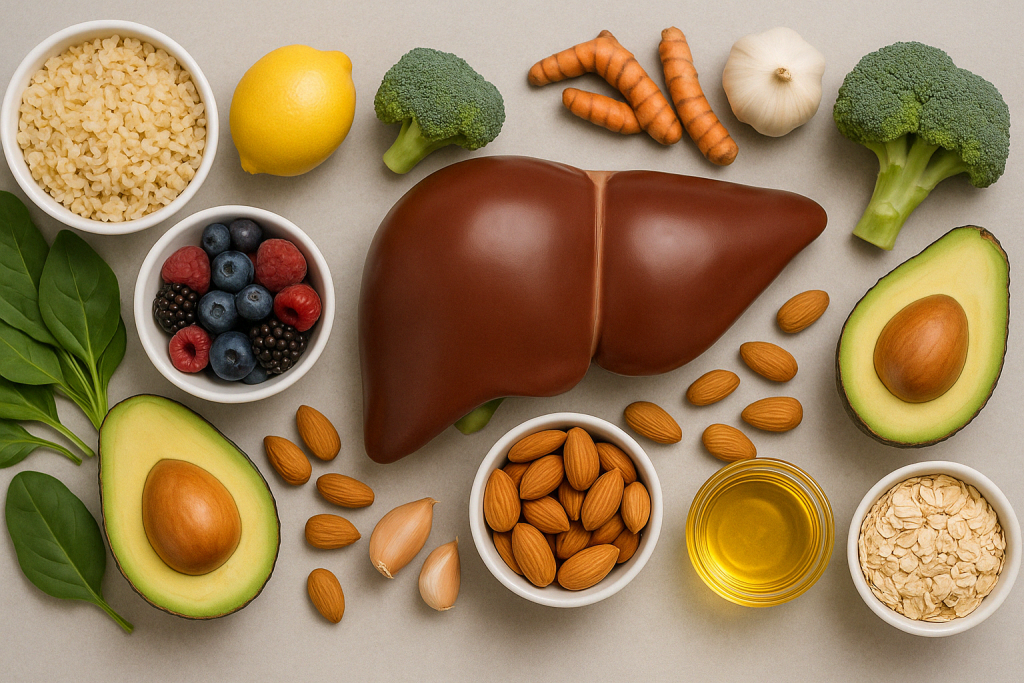
Here’s what a liver-loving plate should include:

  • Leafy greens: Spinach, kale, and arugula help neutralise heavy metals and support bile production.
  • Cruciferous vegetables: Broccoli, cauliflower, and Brussels sprouts boost detox enzymes.
  • Turmeric: Curcumin, its active compound, has anti-inflammatory and antioxidant properties.
  • Garlic: Helps activate liver detox enzymes and reduce fat accumulation.
  • Berries: Packed with antioxidants that reduce oxidative stress and inflammation.
  • Healthy fats: Nuts, seeds, avocados, and olive oil help reduce fatty build-up.
  • Whole grains: Oats, brown rice, and millets help maintain insulin sensitivity, important for liver health.

5 Simple Habits to Protect Your Liver Every Day

  1. Cut down on sugar and refined carbs
  2. Avoid excessive alcohol and processed foods
  3. Eat more fibre and antioxidant-rich foods
  4. Stay physically active
  5. Get regular liver check-ups, especially if you’re at risk

Nourish to Flourish

On this World Liver Day, let’s move beyond reactive healthcare. By embracing the “Food as Medicine” philosophy, we can actively support our liver, not just avoid harming it.

Your liver doesn’t ask for much—just a little love at the dining table. So the next time you plan a meal, ask yourself: Is this helping or hurting my liver? Because every bite counts.

#BeTheForce

Disclaimer: The information provided in this blog is for general awareness and educational purposes only. It is not intended to replace professional medical advice, diagnosis, or treatment. Always consult a qualified healthcare provider for personalised medical guidance or concerns related to your health.

April 12, 2025 By GOQii Leave a Comment

The Importance of Keeping a Food Diary for Diabetes Control

Managing diabetes goes beyond just watching your sugar intake—it requires a deeper understanding of how different foods affect your blood sugar levels. One of the most effective and simple tools to gain this insight is keeping a food diary.

By consistently tracking what you eat and drink, you become more aware of your habits, make better dietary choices, and stay committed to a low-carb lifestyle. Whether your goal is to stabilise blood glucose levels or reverse type 2 diabetes, a food diary can be a true game-changer.

Why Keep a Food Diary?

  1. Increases Awareness
    A food diary helps you become more mindful of your eating patterns. When you pause to write down or record your meals, it strengthens the connection between what you eat and how you feel—mentally and physically.
  1. Identifies Hidden Carbs
    Packaged or processed foods often contain hidden sugars or carbs that can spike blood sugar levels. Logging your food intake allows you to spot these culprits, helping you make more informed, low-carb choices.
  1. Tracks Carb Intake
    If you’re following a low-carb diet (60–130g per day), keeping count matters. A food diary ensures you stay within your daily carb targets, making it easier to keep your glucose levels in check.
  1. Reveals Patterns and Triggers
    A food diary can highlight emotional eating, late-night snacking, or certain foods that cause unexpected glucose spikes. By recognising these patterns, you’re better equipped to manage cravings or avoid setbacks.
  1. Measures Progress
    Seeing how your food choices affect your energy, mood, and glucose readings over time can be incredibly motivating. It’s proof that your effort is working—even if the changes are slow and steady.
  1. Boosts Accountability
    Knowing you’ll be logging your meals encourages better choices. Whether you’re tracking meals for yourself or sharing them with a health professional, food diaries bring a sense of ownership to your journey.

How to Maintain a Food Diary

It doesn’t need to be complicated. Choose a method that suits your lifestyle and comfort:

  • ✍️ Handwritten Journal – Use a simple notebook to jot down what you eat, when you eat, and portion sizes. It’s a classic but effective approach.
  • 📲 Nutrigenius on the GOQii App – Snap a photo of your meal and upload it directly. This visual log is quick, intuitive, and allows your coach to give you targeted guidance based on what you’re actually eating.

The key is consistency, not perfection. Whether you prefer pen and paper or digital tracking, stick with what works for you.

Following a low-carb diet is one of the most effective strategies for managing—and in many cases, reversing—type 2 diabetes. But success depends on staying aware and accountable, and that’s where a food diary truly shines.

By tracking your meals, identifying patterns, and monitoring your progress, you gain control over your health in a very real, empowering way. Remember—small steps every day add up to big changes over time.

So grab your journal or open the app. Every meal you track is a step towards a healthier, more balanced you.

#BeTheForce

April 9, 2025 By GOQii Leave a Comment

Sunlight & Vitamin D: Nature’s Feel-Good Formula for Health

When you think of the sun, what comes to mind? Warmth on your skin? A beautiful morning walk? Or perhaps the occasional sunburn?
What if we told you the sun is also one of the most powerful natural healers available to us?

Sunlight, in moderation, is essential—not just for mood and energy—but because it helps our bodies make Vitamin D, a key nutrient that supports your bones, immune system, and even blood sugar control. Let’s break down how you can harness the power of the sun to boost your overall health (and yes, without getting sunburnt!).

☀️ How the Sun Helps Make Vitamin D

When sunlight hits your skin, it triggers a reaction that produces vitamin D. About 80% of the vitamin D your body needs comes from this process, making sun exposure the most effective natural source.

But it’s all about balance. Too much sun can cause damage, while 10 to 30 minutes of sunlight, especially in the early morning or late afternoon, can do wonders—depending on your skin type and where you live.

✨ Bonus: Early morning light also helps regulate your body clock, which means better sleep and improved mental clarity.

🧠 Why Vitamin D Matters

Here’s what happens when your body gets enough Vitamin D:

✔️ Your immune system gets a boost – Helps fight infections more effectively
✔️ Your bones and muscles stay strong – Supports calcium absorption and muscle repair
✔️ Your mood improves – Low vitamin D has been linked to depression and low energy
✔️ You sleep better – Supports your natural sleep-wake cycle
✔️ Your blood sugar stays steadier – May improve insulin sensitivity, especially helpful for those managing diabetes

🚶‍♀️ Sun + Movement = Double the Benefits

If you’re exercising outdoors, you’re getting both physical and nutritional benefits. Walking, jogging, cycling, gardening—even 20 minutes of light activity outside can help lift your spirits while supporting vitamin D production.

So yes, that peaceful walk in the park? It’s not just good for your heart—it’s good for your bones, mood, and immunity too.

🥦 Foods That Help Top Up Vitamin D

While sunlight is your best source, some foods can help too—especially when sunshine is in short supply.

✅ Oily fish – salmon, sardines, mackerel
✅ Eggs – particularly the yolk
✅ Nuts – a great on-the-go snack
✅ Leafy greens – spinach, kale, and similar
✅ Fortified foods – plant milks, cereals (check labels)

These are nutrient-packed choices that often fit well into low-carb or blood sugar-friendly meal plans.

💊 Should You Take a Supplement?

If you live in a region with limited sunlight (especially in winter), or you spend most of your time indoors, you may struggle to get enough vitamin D naturally.

That’s where supplements can help.

Many people find that 1000 IU per day is a safe and effective amount—but always speak with your doctor or nutritionist first, especially if you have any health conditions.

🧴 A Quick Note on Safe Sun Habits

  • Start with short exposure in the morning
  • Let your skin absorb some sun without sunscreen for the first 10 minutes
  • After that, apply sunscreen, especially if staying out longer
  • Dark skin tones may need more exposure to produce the same amount of vitamin D

Vitamin D isn’t just about stronger bones or fighting colds. It’s about helping your body and mind work at their best—from better mood to stronger immunity, steadier sleep, and balanced hormones.

So, step outside. Stretch. Breathe deeply. And soak in a little bit of nature’s original health supplement.

Just 20 minutes a day could make a world of difference.

#BeTheForce

March 25, 2025 By GOQii Leave a Comment

Understanding PCOS: Symptoms & Solutions

Polycystic Ovary Syndrome (PCOS) is more common than you might think. Affecting 1 in 10 women of reproductive age globally, it’s a hormonal condition that can often go undiagnosed for years—leaving many to silently struggle with irregular periods, weight gain, acne, or mood swings, without truly knowing why.



If you’ve ever felt that your body is working against you, or if your health concerns have been dismissed as “normal” or “just stress,” you’re not alone. PCOS can be complex, but with the right knowledge, support, and lifestyle changes, it is manageable—and many women go on to live healthy, balanced lives.

Let’s break it down together and explore what PCOS really is, its symptoms, and the steps you can take to regain control of your health.

What Is PCOS?

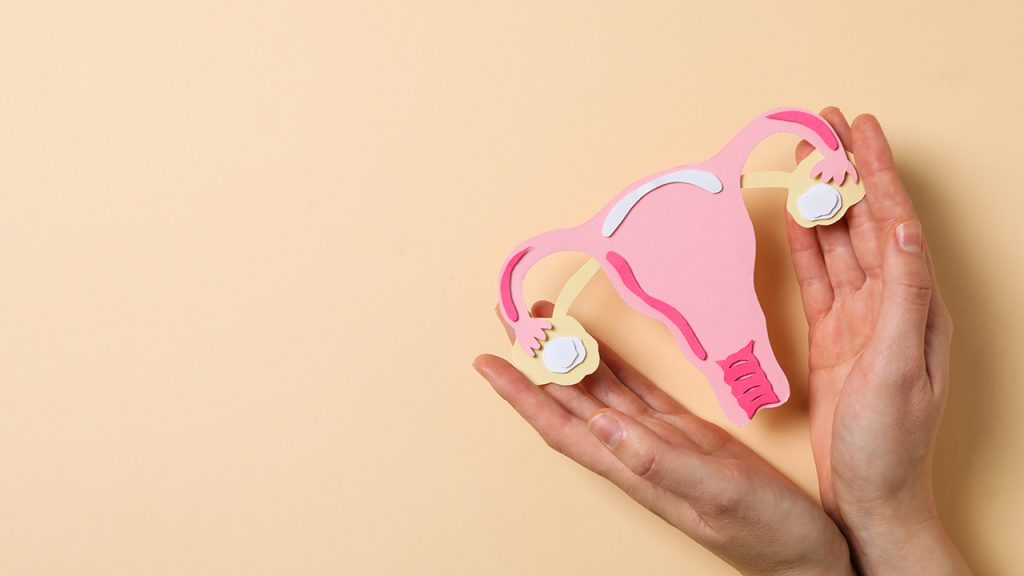
PCOS is a hormonal imbalance that affects how the ovaries work. It’s called “polycystic” because many women with PCOS have multiple small cysts on their ovaries—but not always.

At its core, PCOS involves excess androgen levels (male hormones like testosterone), insulin resistance, and irregular ovulation. These disrupt your menstrual cycle, metabolism, and can even impact fertility.

Common Symptoms of PCOS

PCOS affects each woman differently, but here are some common signs to look out for:

  • Irregular periods or no periods at all
  • Excessive hair growth on the face, chest, or back (hirsutism)
  • Acne that’s hard to control
  • Thinning hair or hair loss from the scalp
  • Weight gain, particularly around the abdomen
  • Difficulty losing weight
  • Mood swings, anxiety, or depression
  • Fatigue and low energy levels
  • Fertility challenges

If you identify with some of these symptoms, it’s worth consulting a GP or gynaecologist who can carry out blood tests and scans to confirm a diagnosis.

What Causes PCOS?

The exact cause of PCOS isn’t fully understood, but several factors are believed to play a role:

  • Genetics – If your mother or sister has PCOS, your chances increase.
  • Insulin resistance – When the body’s cells become resistant to insulin, blood sugar levels rise, triggering the ovaries to produce more androgens.
  • Inflammation – Chronic low-grade inflammation can increase androgen production.
  • Lifestyle factors – Sedentary living, poor diet, and stress can aggravate symptoms.

How PCOS Can Affect Long-Term Health

If left unmanaged, PCOS can increase the risk of:

  • Type 2 Diabetes
  • High blood pressure
  • Heart disease
  • Endometrial cancer
  • Sleep apnoea
  • Anxiety and depression

The good news? Early diagnosis and lifestyle changes can significantly reduce these risks and help you take back control of your health.

Natural Solutions for Managing PCOS

There’s no one-size-fits-all cure, but small, sustainable changes can make a big difference. Here’s how you can manage PCOS naturally:

  1. Nourish Your Body with the Right Foods

Focus on a balanced, low-GI diet to regulate blood sugar and manage insulin levels:

  • Whole grains (quinoa, oats, brown rice)
  • Lean proteins (fish, chicken, tofu, lentils)
  • Healthy fats (avocados, nuts, olive oil)
  • Plenty of vegetables and berries
  • Limit refined carbs, sugars, and processed foods

Tip: Don’t skip meals—this can cause blood sugar crashes and worsen fatigue.

  1. Stay Active, Your Way

Regular exercise helps manage weight, insulin resistance, and boosts mood:

  • Aim for 30 minutes of movement, 5 days a week
  • Mix it up—try walking, cycling, yoga, strength training, or dancing

Tip: Start small and stay consistent. Even daily walks make a difference.

  1. Prioritise Stress Management

Chronic stress affects hormones and can worsen symptoms. Try:

  • Deep breathing or meditation
  • Journaling or gratitude practice
  • Spending time in nature
  • Mindful movement like yoga or tai chi
  1. Improve Sleep Quality

PCOS can disrupt sleep, but quality rest is essential for hormone balance:

  • Stick to a regular sleep schedule
  • Limit screens before bed
  • Create a calm, dark sleep environment
  1. Seek Medical Support

Depending on your symptoms, a doctor may recommend medications like:

  • Metformin for insulin resistance
  • Hormonal birth control for regulating cycles
  • Fertility treatments, if needed

Note: Lifestyle changes can often reduce the need for medication over time.

PCOS may feel overwhelming, but you’re not alone. With the right approach and support, you can manage symptoms, boost your energy, improve your mood, and reclaim your well-being.

Small steps matter. Whether it’s preparing a nourishing meal, taking a walk, or simply resting when needed, every choice adds up to better health.

💬 Have you been managing PCOS? Share your tips and journey in the comments—we’d love to hear from you!

#BeTheForce

Disclaimer: The information provided in this blog is for general awareness and educational purposes only. It is not intended to replace professional medical advice, diagnosis, or treatment. Always consult a qualified healthcare provider for personalised medical guidance or concerns related to your health.

  • « Previous Page
  • 1
  • …
  • 14
  • 15
  • 16
  • 17
  • 18
  • …
  • 95
  • Next Page »

Search

Recent Posts

  • 4 Reasons Why Affirmations Are Not Working For You
  • The Social Side of GLP-1: Navigating “Food Culture” and Peer Pressure
  • Leaky Gut: Symptoms and Causes
  • Muscle Is Your Insurance Policy: Why Strength Predicts Lifespan More Than Cardio
  • The Fiber Gap: Managing Digestion on GLP-1 Therapy

Stay Updated

Archives

  • March 2026 (1)
  • February 2026 (14)
  • January 2026 (14)
  • December 2025 (19)
  • November 2025 (15)
  • October 2025 (20)
  • September 2025 (6)
  • August 2025 (6)
  • July 2025 (12)
  • June 2025 (18)
  • May 2025 (16)
  • April 2025 (22)
  • March 2025 (23)
  • February 2025 (22)
  • January 2025 (25)
  • December 2024 (22)
  • November 2024 (23)
  • October 2024 (21)
  • September 2024 (24)
  • August 2024 (30)
  • July 2024 (21)
  • June 2024 (26)
  • May 2024 (31)
  • April 2024 (27)
  • March 2024 (29)
  • February 2024 (25)
  • January 2024 (21)
  • December 2023 (15)
  • November 2023 (11)
  • October 2023 (19)
  • September 2023 (22)
  • August 2023 (18)
  • July 2023 (22)
  • June 2023 (24)
  • May 2023 (24)
  • April 2023 (23)
  • March 2023 (23)
  • February 2023 (19)
  • January 2023 (15)
  • December 2022 (11)
  • November 2022 (15)
  • October 2022 (15)
  • September 2022 (12)
  • August 2022 (10)
  • July 2022 (17)
  • June 2022 (11)
  • May 2022 (10)
  • April 2022 (6)
  • March 2022 (6)
  • February 2022 (13)
  • January 2022 (11)
  • December 2021 (7)
  • November 2021 (3)
  • October 2021 (6)
  • September 2021 (3)
  • August 2021 (8)
  • July 2021 (7)
  • June 2021 (15)
  • May 2021 (16)
  • April 2021 (10)
  • March 2021 (7)
  • February 2021 (4)
  • January 2021 (4)
  • December 2020 (3)
  • November 2020 (4)
  • October 2020 (10)
  • September 2020 (3)
  • August 2020 (3)
  • July 2020 (2)
  • June 2020 (4)
  • May 2020 (10)
  • April 2020 (12)
  • March 2020 (10)
  • February 2020 (4)
  • January 2020 (4)
  • December 2019 (3)
  • November 2019 (7)
  • October 2019 (5)
  • September 2019 (4)
  • August 2019 (9)
  • July 2019 (9)
  • June 2019 (11)
  • May 2019 (4)
  • April 2019 (8)
  • March 2019 (8)
  • February 2019 (9)
  • January 2019 (8)
  • December 2018 (9)
  • November 2018 (3)
  • October 2018 (3)
  • September 2018 (5)
  • August 2018 (10)
  • July 2018 (6)
  • June 2018 (13)
  • May 2018 (8)
  • April 2018 (18)
  • March 2018 (9)
  • February 2018 (8)
  • January 2018 (15)
  • December 2017 (12)
  • November 2017 (19)
  • October 2017 (13)
  • September 2017 (15)
  • August 2017 (4)
  • July 2017 (8)
  • June 2017 (7)
  • May 2017 (6)
  • April 2017 (8)
  • March 2017 (6)
  • February 2017 (7)
  • January 2017 (9)
  • December 2016 (10)
  • November 2016 (7)
  • October 2016 (7)
  • September 2016 (7)
  • August 2016 (11)
  • July 2016 (9)
  • June 2016 (9)
  • May 2016 (12)
  • April 2016 (17)
  • March 2016 (17)
  • February 2016 (8)
  • January 2016 (6)
  • December 2015 (2)
  • November 2015 (9)
  • October 2015 (7)
  • September 2015 (9)
  • August 2015 (11)
  • July 2015 (9)
  • June 2015 (12)
  • May 2015 (9)
  • April 2015 (13)
  • March 2015 (8)
  • February 2015 (5)
  • January 2015 (12)
  • December 2014 (14)
  • November 2014 (11)
  • October 2014 (6)
  • September 2014 (13)
  • August 2014 (12)
  • July 2014 (6)
  • June 2014 (2)
  • May 2014 (7)
  • April 2014 (5)

From “Laddu Nawin” to Fit and Fierce: How a 25-Year-Old Insurance Advisor Shed 20 Kilos and Gained His Life Back

When 25-year-old Nawin Yadav from Hyderabad walked into his office every morning, he carried more than just his files and policy papers. He had the weight of fatigue, sluggish energy, and an ever-growing belly that was becoming the butt of jokes. “People … [Read More...]

“I’ve Challenged Myself to Live 100 Years” – The Story of Chandubhai Savani’s Second Chance at Life

At 67, most people start slowing down. Not Chandubhai Savani. A resident of Surat, Chandubhai, thought life was on track. “My life was going well till I had my bypass surgery,” he says. That surgery, back in 2021, was a wake-up call.  Medication was routine, but exercise wasn’t. His diet? What he calls ‘normal.’ “I […]

From Shimla’s Slopes to Chandigarh’s Sidewalks: Surinder Kaur Bhalla’s Journey from Chaos to Control

Some journeys start with a plan. Others begin with a stumble literally. Surinder Bhalla, a government professional, born and raised in the scenic hill town of Shimla, had always lived a life of movement. “In Shimla, you walked everywhere,” she reflects. “Walking was never an exercise. It was just life.” But after shifting to Chandigarh, […]

Ananda Mukherjee Health Story

From Terminal Illness To Complete Wellness! Ananda Mukherjee Health Story

As we observe World Cancer Day under the powerful theme ‘United by Unique’ (2025-2027)**, we are reminded that every individual’s journey with cancer is distinct, yet united by shared resilience, hope, and the collective fight against this disease. This theme places people at the centre of care and their stories at the heart of the […]

  • HOME
  • HEALTHY LIVING
  • FITNESS
  • HEALTHY RECIPES
  • USER STORIES
  • KARMA
  • BUY GOQii

Copyright ©2016 GOQii
