GOQii

Blog

  • HOME
  • HEALTHY LIVING
  • FITNESS
  • HEALTHY RECIPES
  • USER STORIES
  • KARMA
  • BUY GOQii

April 27, 2024 By Swati Savla 1 Comment

Top Foods to Increase Hemoglobin Naturally

hemoglobin

Hemoglobin and Iron are two terms that go hand in hand and there’s a simple understanding behind this. 70% of the body’s iron is found in hemoglobin and myoglobin. Hemoglobin is the red colored pigment present in red blood cells which carries oxygen from the lungs to the rest of our body. This released oxygen then permits aerobic respiration to provide energy to power the functions of our body in the process called metabolism. 

That’s not where it’s role ends. It is also a part of other cells which are found in some major organs like lungs, kidneys and the skin. Here, it’s function is that of an antioxidant and regulator of iron metabolism. Finally, it also transports carbon dioxide out of the cells and back to the lungs to be blown out of our body. The expected normal range of Hemoglobin in men is above 13 gm/dL and women is above 12 gm/dL, typically which is not difficult to maintain but still is of major concern if goes below the desired levels, creating a condition called Anemia.

Lack of Folate or B-12, blood loss post surgery, heavy menstrual bleeding or internal bleeding due to ulcers or even inadequate intake are some possible causes of low Hemoglobin levels. All of this explains our symptoms of Anemia like exhaustion, skin paleness, headache to abnormal or rapid heartbeat and chest pain. We’ve read and heard of varied iron supplements which can be taken to replenish extremely low Hemoglobin levels but eating the right kind of foods in the correct combinations can help increase hemoglobin naturally and quickly also. 

What Can You Eat to Increase Hemoglobin? 

When thinking about Hemoglobin, the 1st mineral coming to our mind is Iron but here’s the catch – Iron alone cannot increase your Hb. It has to be in combination with Folate or Vit B12 (depending on the deficiency) and Vit. A & C which act as carriers for it’s better absorption. Combining all the above elements finally gives us this list of foods which can help increase hemoglobin naturally. 

  1. Foods like Shellfish, Sardines, Tuna, Mackerel, Eggs and Meat are high on Heme Iron which is easily absorbed in the body and do not require carriers.
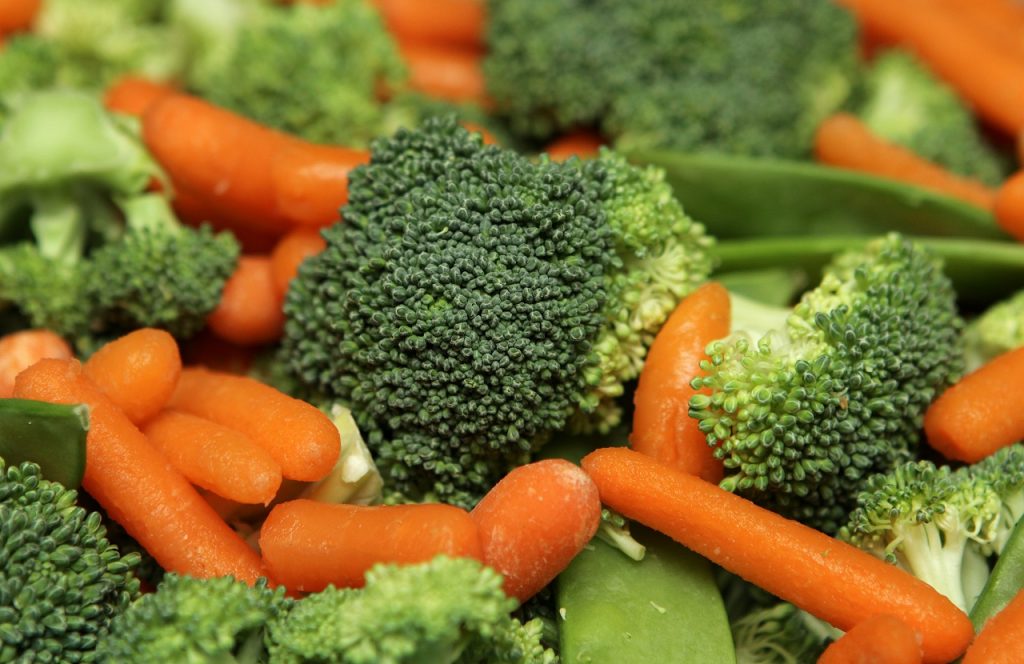
  2. Plant foods like Spinach, Kale, Broccoli, Beetroot, Pumpkin Seeds, and legumes like Soybeans, Chickpeas, Peas, etc. can help as well. 
  3. Vit. A & C rich foods like Tomatoes, Carrots, Lemon, Red Peppers, Oranges, Pomegranates, etc. should be used in combination with above mentioned foods.
  4. Fortified cereals also help as they are high in Folate.

While some elements are carriers, some can act as an hindrance. Phytic acid and Calcium are 2 such elements which make Iron absorption harder. Hence, avoid taking Calcium supplements or very high calcium rich foods along with Iron rich foods or supplements. Before making any changes to your diet, do consult a doctor, nutritionist or your dietitian. 

We hope this article to increase hemoglobin naturally helps you. Do leave your thoughts in the comments below! For more useful information on Hemoglobin and other health-related queries, check out Healthy Reads or speak to a certified expert by subscribing to GOQii’s Personalised Health Coaching here.

#BeTheForce 
April 23, 2024 By Neha Goyal Leave a Comment

Is Lactose Free Milk The Same As Dairy Free Milk?

lactose free milk

Many of you must have heard about lactose intolerance. When somebody has this condition, milk falls in the list of “don’t” for them. It is a very common digestive problem where the body is unable to digest lactose, a sugar mainly found in milk & most dairy products. What it means is that your body does not have sufficient amounts of the digestive enzyme ‘Lactase’ to break down milk sugar. Lactose free milk is free of these carbs that cause discomfort while providing all the benefits of regular milk.

What is Lactose Free Milk? 

Lactose free milk is commercially produced in such a way that it is free of lactose. For this, 3 methods are used:

  • Addition of lactase enzyme in the milk which pre digests or breaks lactose into simpler sugars. Thereafter, milk is pasteurized to deactivate lactase to increase milk’s shelf life.
  • Passing milk over lactase which is bound to a carrier. Using this method produces the same effect as above, but the enzyme is not present in the milk.
  • Mechanical removal of lactose through membrane fractionation & other ultrafiltration techniques while preserving normal flavor of milk.

With the first two methods, breakdown of lactose into simpler sugars gives milk a sweeter taste (as perceived by your taste receptors). But ultra-pasteurized milk tastes different (cooked flavor) due to heat applied during preparation. 

What Are the Pros and Cons? 

Now that you know what lactose free milk is, you might be wondering if it is good for you. Some reported benefits include: 

  • Prevents symptoms of lactose intolerance
  • Easy to digest
  • A little sweeter than regular milk
  • Good for bones as calcium & Vit D is the same as before. In fact, some manufacturers fortify it with extra calcium & Vit D
  • Low fat versions are good for heart health
  • Complete protein profile

Despite its benefits, there are also some cons to it:

  • Not suitable for people with dairy allergy
  • Not suitable for vegans
  • Technically it is a processed food as it is treated with heat & chemicals to make it safe for use
  • Sometimes sweeteners may be added by manufacturers
  • Presence of simpler sugars due to breakdown of lactose might increase the glycemic index of the product

Difference Between Lactose Free and Dairy Free Milk 

While these two sound similar, they actually aren’t. Despite being different from regular milk, lactose free milk is prepared from regular cow milk. Basically, it’s an animal product which still has proteins like whey & casein in it after removing lactose. On the other hand, dairy free milk is a plant based product, made using nuts, seeds, grains & legumes. These milk options are very popular among vegans or people with dairy allergy (immune system’s reaction to proteins in milk) to replace regular milk in different recipes. There is a wide array of dairy free alternatives available in the market these days such as rice milk, almond milk, coconut milk, oat milk, flax milk & soy milk.

So the final take away from lactose free vs dairy free is that something dairy free is automatically lactose free but not vice versa. Now that you know the difference, your choice will be dependent on your health and body! We hope this information helps you. If you have any queries, leave them in the comments section below! 

For more information and topics like these, check out Healthy Reads or speak to a certified expert by subscribing to GOQii’s Personalised Health Coaching here.

#BeTheForce 
April 11, 2024 By GOQii 9 Comments

Have You Tried The Raw Detox Diet? Try It Now!

raw detox dietI’ve always wondered what a raw detox diet is and how does one eat raw vegetables. Then, I found that a raw food detox diet is the dietary practice of eating only uncooked, unprocessed, and often organic foods. It can include raw fruits, vegetables, nuts, seeds, sprouts, organic milk and organic milk yogurt. In India, most may not be comfortable with a long-term raw diet. However, including raw food in your diet as often as you can, definitely helps in detoxifying the system.

What is Detoxification?

It’s a way to recharge, rejuvenate, and renew your body. Detoxification can help you jump-start your body for a more active and healthier life. In our body, there is an ongoing process to remove the toxins which have been formed by the food we eat and also through the environment we are exposed to. Our body system is naturally designed to transform the toxins and excrete them out of the body. In order for this to happen naturally, our body should get a break from the regular exposure to processed foods, heavy diets, and environmental pollution.

Raw food is low in calories but contain good amounts of nutrients like vitamins, minerals and antioxidants. It also has high fiber content which eliminates toxins by managing bowel movement. The unhealthy diet has been the leading cause of headaches, fatigue, lack of concentration, feeling bloated, indigestion, bad breath, etc.

Including a raw diet will surely make you feel more fresh and energetic.

Remember to drink plenty of water when you are on a raw diet. It is the best detox food that you can have. Raw diet helps maintain your weight as well, it also saves your cooking time.

What Does a Raw Detox Diet Include? 

  1. Sprouts Salad: Sprouts provide good nutritious value and are easily digestible. They increase the vitamin and mineral content of the grain and decrease the carbohydrate and calorie content. Basically, any whole legume or grains can be sprouted. Some sprouts have a change in flavor after sprouting.
  1. Avocado Salad: Avocado is a complete food with lots of nutrients. It is a very versatile fruit as it takes on both, sweet and savory taste, perfectly. It’s got a buttery texture and hence, can be used as a healthy substitute for butter with bread. This salad is very refreshing as an evening snack or as a side with roti. For those people under diet, this makes for a wonderful meal by itself.
  1. Beetroot Pomegranate Juice: Pomegranates and beetroots, both contain good amounts of antioxidants and nutrients and are also rich in Vitamin C. This colorful root vegetable contains powerful nutrient compounds that help protect against heart disease, birth defects, and certain cancers, especially colon cancer. Beetroot is well known for its blood purifying properties. Due to the rich iron content, it is said to be an indispensable cure for anemia.
  1. Tricolour Fruit Salad (Orange/ Papaya + Kiwi/ Dragon Fruit/ Berries/Tomato’s + Cucumber/Litchi/ Honeydew): These fruits and vegetables are rich in fiber and loaded with vitamins, minerals and water. It will help you to feel fresh and prevent any deficiencies of the same.
  1. Cranberry Curds Salad: The possible health benefits of consuming cranberries include lowered risk of urinary tract infections, prevention of certain types of cancer, improved immune function, and decreased blood pressure.
  1. Tender Coconut Smoothie: Tender coconut water is a natural, nutrient-rich isotonic drink. It is high in electrolytes, chlorides, potassium, and magnesium and has a moderate amount of sugar, sodium and protein. It’s also a good source of dietary fiber, manganese, calcium, riboflavin and vitamin C.
  1. Cucumber Juice: Cucumbers contain multiple B vitamins, including vitamin B1, vitamin B5, and vitamin B7 (biotin). B vitamins are known to help ease feelings of anxiety and buffer some of the damaging effects of stress. Cucumbers are rich in two of the most basic elements needed for healthy digestion: water and fiber
  1. Fresh Tomato Salads: As an excellent source of the strong antioxidant called Lycopene, Vitamin C, and other antioxidants, tomatoes can help combat the formation of free radicals known to cause cancer.
  1. Fresh Fig Salads: Figs are high in natural sugars, minerals, and soluble fiber. They are rich in minerals including potassium, calcium, magnesium, iron and copper and are a good source of antioxidant Vitamins A, E and K that contribute to health and wellness.

If you have never tried a raw food detox diet, now is the time. Give it a go and do let us know how it helps you! Before you begin any diet plan or try any of the above, do check with your doctor, nutritionist or dietitian in case you have any allergies. For more tips, guidance and queries on nutrition, speak to a certified expert by subscribing to GOQii’s Personalised Health Coaching here.

#BeTheForce!

April 2, 2024 By Mamta Joshi 2 Comments

Is it Safe to Include Grains in Your Diet?

grainsCan you imagine a plate of food without grains? It has been a staple for us since forever! There’s always that crushing sense of dissatisfaction if grain-based foods are missing from our plates even for a single day. As a large component of our diet for the longest time, why is it that most people are now moving towards a ‘no grains’ diet or keeping it to a minimum? One of the reasons people avoid grains is due to digestive issues – common ones being acid reflux, bloating, gas, abdominal cramps, flatulence, etc.

Are Grain Really Hard to Digest?  

Studies and various researches have revealed that there are some factors listed here which make grains hard to digest.

  • Fiber: Insoluble Fiber is that part of the grain that the body can’t break down and digest into a simpler form. Instead, it passes through the body undigested. On one hand, insoluble fibers are good for us as they work as cleaning agents of our digestive system and on the other, they may cause gastrointestinal discomfort in some with weak digestive health.
  • Anti-Nutrients: Grains also contain anti-nutrients like Phytic acid and lectins which reduce the absorption of minerals like calcium, iron, magnesium, copper and zinc from a meal and may cause mineral deficiency. Humans need minerals to perform various functions, from building bones to transmitting nerve impulses, to make hormones and maintain a normal heartbeat.
  • Enzyme Inhibitors: Various types of enzyme inhibitors are found in grains including protease inhibitors and amylase inhibitors. Enzyme inhibitors can block enzymes action. Enzymes kick-start the digestion process. Presence of enzyme inhibitors confines the digestion process to act properly and timely. This results in rotting of such food which further leads to situations such as bloating, gas trouble and cramps.
  • Disaccharides: Simple sugars or monosaccharides are directly absorbed into the bloodstream, while disaccharides are two single sugars that are linked together. Grains contain disaccharide that needs to be broken down first before being absorbed in the bloodstream. Disaccharide is broken down into monosaccharide by enzymes called disaccharidases which are present in the brush like border called villi of the small intestine wall. Any kind of inflammatory damage to the cells in the small intestine lead to disaccharidase enzyme not being produced and lead to disaccharide intolerance. Disaccharide intolerance is the inability to break apart the disaccharide into two single sugars and absorb them. This often leads to uncomfortable digestive symptoms.
  • Complex Protein: Grains contain the complex protein Gluten that the body can’t easily break down. The human body needs food to be in the simplest form in order to absorb and use it. While most people won’t have much difficulty digesting whole grains, some with conditions such as gluten intolerance may experience adverse effects when eating gluten-containing grains. Gluten intolerance causes digestive issues such as bloating, gas and diarrhoea. Celiac disease is a more serious condition in which gluten causes the immune system to attack the small intestine. Gluten is also known to cause Leaky Gut. Gluten is present in barley, rye and wheat.

Tips to Make Grains Digestion Friendly

  1. Fiber absorbs water. One should drink plenty of liquids to ensure that the fiber absorbs enough water to pass through the system easily.
  2. Most of the anti-nutrients are found in the skin and anti-nutrients are water-soluble. Hence, soaking grains reduces the anti-nutrients effect. It’s recommended that grains must be soaked in water and should be washed before cooking (e.g. rice) so that the anti-nutrients are separated.
  3. Sprouting or germination reduces phytate in grains and degrades lectins and protease inhibitors.
  4. Fermentation of grains leads to a significant reduction in phytate and lectins (idli, sourdough bread). Fermenting helps break down the tough outer cover of a grain, making it easier to digest and reinforce the gut flora with pro-digestive microbes.
  5. Incorporate probiotics like yogurt, kimchi, kombucha and kefir along with grain-based foods to improve overall digestion and heal the gut.
  6. Chewing is the first step of digestion. The more you chew, the more saliva gets secreted that has digestive enzyme amylase present in it which makes digestion easier. Chewing makes food small enough for the digestive juices in the stomach to further digest it effectively.
  7. In case of gluten sensitivity, avoid gluten-containing grains such as wheat, barley and rye. Go for gluten-free grains like oats, quinoa, rice and sorghum to subside the symptoms. When the gut heals, the symptoms subside. 

While you may experience issues with some grains, that doesn’t mean you should avoid the entire food group. Maintaining a diet diary can help find the trigger and then you can consult a medical professional, dietician, a nutritionist for changes or speak to a certified expert by subscribing to GOQii’s Personalised Health Coaching here.

We hope this article helps you make a positive change in your eating habits.

#BeTheForce 

  • « Previous Page
  • 1
  • …
  • 12
  • 13
  • 14
  • 15
  • 16
  • …
  • 68
  • Next Page »

Search

Recent Posts

  • PCOS and Anxiety: Discover Relief with the 54321 Technique
  • Navigating the Maze of Nutrition: Finding Clarity Amidst Confusion
  • Get children active and keep them healthy
  • What Gestational Diabetes Can Do To You & Your Unborn Child
  • Breathing – A Forgotten Art

Stay Updated

Archives

  • December 2025 (4)
  • November 2025 (15)
  • October 2025 (20)
  • September 2025 (6)
  • August 2025 (6)
  • July 2025 (12)
  • June 2025 (18)
  • May 2025 (16)
  • April 2025 (23)
  • March 2025 (23)
  • February 2025 (22)
  • January 2025 (26)
  • December 2024 (26)
  • November 2024 (25)
  • October 2024 (22)
  • September 2024 (24)
  • August 2024 (31)
  • July 2024 (21)
  • June 2024 (26)
  • May 2024 (31)
  • April 2024 (27)
  • March 2024 (29)
  • February 2024 (26)
  • January 2024 (25)
  • December 2023 (15)
  • November 2023 (11)
  • October 2023 (22)
  • September 2023 (22)
  • August 2023 (20)
  • July 2023 (22)
  • June 2023 (24)
  • May 2023 (24)
  • April 2023 (24)
  • March 2023 (23)
  • February 2023 (20)
  • January 2023 (16)
  • December 2022 (12)
  • November 2022 (15)
  • October 2022 (15)
  • September 2022 (12)
  • August 2022 (10)
  • July 2022 (17)
  • June 2022 (11)
  • May 2022 (10)
  • April 2022 (6)
  • March 2022 (6)
  • February 2022 (13)
  • January 2022 (12)
  • December 2021 (7)
  • November 2021 (3)
  • October 2021 (6)
  • September 2021 (3)
  • August 2021 (8)
  • July 2021 (7)
  • June 2021 (15)
  • May 2021 (16)
  • April 2021 (10)
  • March 2021 (7)
  • February 2021 (4)
  • January 2021 (4)
  • December 2020 (3)
  • November 2020 (4)
  • October 2020 (10)
  • September 2020 (3)
  • August 2020 (3)
  • July 2020 (2)
  • June 2020 (4)
  • May 2020 (10)
  • April 2020 (12)
  • March 2020 (10)
  • February 2020 (4)
  • January 2020 (4)
  • December 2019 (3)
  • November 2019 (7)
  • October 2019 (5)
  • September 2019 (4)
  • August 2019 (9)
  • July 2019 (9)
  • June 2019 (11)
  • May 2019 (4)
  • April 2019 (9)
  • March 2019 (8)
  • February 2019 (9)
  • January 2019 (8)
  • December 2018 (9)
  • November 2018 (3)
  • October 2018 (3)
  • September 2018 (5)
  • August 2018 (10)
  • July 2018 (6)
  • June 2018 (13)
  • May 2018 (8)
  • April 2018 (18)
  • March 2018 (9)
  • February 2018 (8)
  • January 2018 (15)
  • December 2017 (12)
  • November 2017 (19)
  • October 2017 (13)
  • September 2017 (15)
  • August 2017 (4)
  • July 2017 (8)
  • June 2017 (7)
  • May 2017 (6)
  • April 2017 (8)
  • March 2017 (6)
  • February 2017 (7)
  • January 2017 (9)
  • December 2016 (10)
  • November 2016 (7)
  • October 2016 (7)
  • September 2016 (7)
  • August 2016 (11)
  • July 2016 (9)
  • June 2016 (9)
  • May 2016 (12)
  • April 2016 (17)
  • March 2016 (17)
  • February 2016 (8)
  • January 2016 (6)
  • December 2015 (2)
  • November 2015 (9)
  • October 2015 (7)
  • September 2015 (9)
  • August 2015 (11)
  • July 2015 (9)
  • June 2015 (12)
  • May 2015 (9)
  • April 2015 (13)
  • March 2015 (8)
  • February 2015 (5)
  • January 2015 (12)
  • December 2014 (14)
  • November 2014 (11)
  • October 2014 (6)
  • September 2014 (13)
  • August 2014 (12)
  • July 2014 (6)
  • June 2014 (2)
  • May 2014 (7)
  • April 2014 (5)

From “Laddu Nawin” to Fit and Fierce: How a 25-Year-Old Insurance Advisor Shed 20 Kilos and Gained His Life Back

When 25-year-old Nawin Yadav from Hyderabad walked into his office every morning, he carried more than just his files and policy papers. He had the weight of fatigue, sluggish energy, and an ever-growing belly that was becoming the butt of jokes. “People … [Read More...]

“I’ve Challenged Myself to Live 100 Years” – The Story of Chandubhai Savani’s Second Chance at Life

At 67, most people start slowing down. Not Chandubhai Savani. A resident of Surat, Chandubhai, thought life was on track. “My life was going well till I had my bypass surgery,” he says. That surgery, back in 2021, was a wake-up call.  Medication was routine, but exercise wasn’t. His diet? What he calls ‘normal.’ “I […]

From Shimla’s Slopes to Chandigarh’s Sidewalks: Surinder Kaur Bhalla’s Journey from Chaos to Control

Some journeys start with a plan. Others begin with a stumble literally. Surinder Bhalla, a government professional, born and raised in the scenic hill town of Shimla, had always lived a life of movement. “In Shimla, you walked everywhere,” she reflects. “Walking was never an exercise. It was just life.” But after shifting to Chandigarh, […]

Ananda Mukherjee Health Story

From Terminal Illness To Complete Wellness! Ananda Mukherjee Health Story

As we observe World Cancer Day under the powerful theme ‘United by Unique’ (2025-2027)**, we are reminded that every individual’s journey with cancer is distinct, yet united by shared resilience, hope, and the collective fight against this disease. This theme places people at the centre of care and their stories at the heart of the […]

  • HOME
  • HEALTHY LIVING
  • FITNESS
  • HEALTHY RECIPES
  • USER STORIES
  • KARMA
  • BUY GOQii

Copyright ©2016 GOQii