GOQii

Blog

  • HOME
  • HEALTHY LIVING
  • FITNESS
  • HEALTHY RECIPES
  • USER STORIES
  • KARMA
  • BUY GOQii

October 5, 2024 By Dr Manali Rao 4 Comments

The 3 S of Breast Cancer: Signs, Symptoms and Self Examination

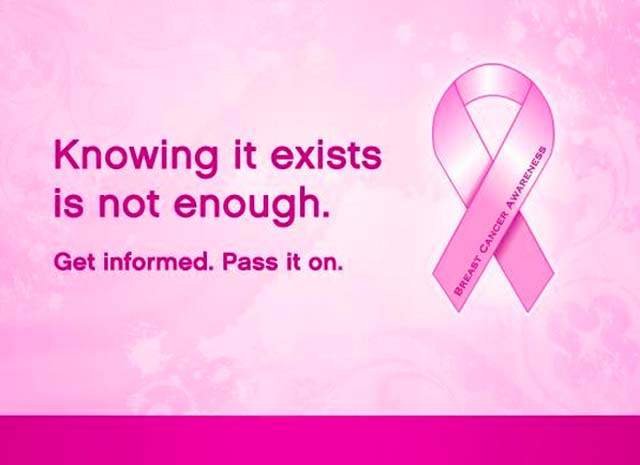
breast-cancer-awareness-month-memes-inspirational-quotes-4CANCER!!! The word itself is feared and dreaded by everyone around the globe. Many people who are diagnosed with this illness feel like it’s a death sentence, but it doesn’t have to be. There are ways to fight and overcome cancer.

Before learning how to overcome cancer, it is important to understand what it is. Cancer is a group of diseases involving abnormal cell growth, which may or may not spread to other parts of the body. Not all tumors are cancerous; only malignant ones spread throughout the body, while benign ones do not.

One of the most common invasive cancers in the world today is ‘BREAST CANCER’. It is more frequently seen in developed countries, but outcomes in these regions tend to be better due to advanced healthcare.

Who is at Risk for Developing Breast Cancer?

While breast cancer is more common in Females, men can also develop it (though cases in men are rare). Risk factors include:

  • Obesity
  • Lack of exercise
  • Sedentary lifestyle
  • Hormone replacement therapy
  • Early menarche
  • Late pregnancy
  • Nulliparous women
  • Family history
  • Alcohol consumption
  • Smoking

Let me now take you through the 3S of Breast Cancer- Signs Symptoms and Self Examination

Look out for these Signs and Symptoms:

  • The most common first symptom is a lump in the breast that feels different from the rest of the tissue.
  • Dimpling or puckering of the skin on or around the nipple.
  • A change in the position or shape of the nipple, which may become inverted.
  • Orangish discoloration of the skin around the breast or a texture resembling an orange peel (peau d’orange).
  • Nipple discharge, which could be watery, milky, yellow, or even bloody.
  • One breast appearing larger than the other.
  • Constant pain in the breast or armpit area.
  • Swelling in the armpits or around the collarbone.
  • Redness, itching, increased sensitivity, or a burning sensation.

It’s important to note that some people may not experience any symptoms until the cancer has progressed, which is why regular check-ups are vital.

How to self-examine?

The best way to be aware of breast cancer is through self-detection. Follow these steps:

Step 1: Stand in front of a mirror with your shoulders straight and your hands on your hips.

  • Look at the size, shape, and color of your breasts.
  • Check for dimpling, puckering, or bulging skin.
  • Look for any changes in the position of your nipples or signs of inversion (a nipple that is pushed inward).
  • Watch for redness, soreness, rash, or swelling.

Step 2: Raise your arms and check for the same changes.

Step 3: While standing in front of the mirror, check for any fluid discharge from the nipples, which could appear watery, milky, yellow, or even bloody.

Step 4: Lie down and feel your breasts. Use your right hand to examine your left breast and your left hand for your right breast. Apply a firm, smooth touch using the pads of your fingers in a circular motion. Cover the entire breast, from top to bottom and side to side, including from the collarbone to the top of the abdomen, and from your armpit to your cleavage.

Start at the nipple and move outward in larger circles until you reach the edge of the breast. Be sure to feel all the tissue, from the front to the back of your breasts.

Step 5: Finally, feel your breasts while standing or sitting. Many women find that it’s easiest to feel their breasts when their skin is wet and slippery, such as during a shower. Use the same hand movements as described in Step 4.

Breast Cancer Support Groups:

Support groups play a crucial role in helping patients fight cancer. These groups provide an opportunity to learn from others who have faced the same disease. Seeing other survivors can give patients the strength and hope they need to fight their own battles. Remember, hope is everything.

We hope this article helped you understand the signs, symptoms, and steps to perform a self-examination for breast cancer. Regular check-ups and self-awareness can make all the difference in early detection and treatment. Have any questions or experiences to share? Let us know in the comments below! You can also find more articles on Women’s Health here. Stay informed, stay healthy!

#BeTheForce

Disclaimer: The information provided in this blog is for general awareness and educational purposes only. It is not intended to replace professional medical advice, diagnosis, or treatment. Always consult a qualified healthcare provider for personalised medical guidance or concerns related to your health.
October 4, 2024 By Anusha Subramanian Leave a Comment

A ‘Smile’ a day keeps the ‘Blues’ away

The benefit of smiling is a subject which isn’t discussed much. You might be wondering, how a smile can have an impact on your health, considering that it is just an expression you make. Today, we are going to find out how a smile can bring about a change in our lives and how it contributes to our well being.
  1. Mood Enhancer:

Did you know that smiling releases endorphins into the brain? Endorphins fight pain and stress just like morphine and other painkillers. They boost your mood and take your mind away from whatever it is that’s distracting you. The best part is that it is totally free of cost, nobody can charge for cracking a smile. So stop investing in drugs and smile more often, for a free of cost mood enhancer.

  1. Heart Friendly:

Are you someone who has a history of heart diseases? Is your blood pressure high? If yes, smiling is an excellent companion for you. Studies show that smiling reduces the heart rate and helps the body to relax. This enables the heart to work without putting much strain. So smile more often and be the proud owner of a healthy heart.

  1. Productivity Accelerator:

Ever wondered why those silly internet memes or funny videos between work, helps you relax and work faster later on? You smile when you see them and it accelerates your productivity. Smiling more often is believed to increase your productivity at work or any other areas of life. Are you someone who enjoys whistling while you work? This is very similar. Now you know what to do when you feel like you are slowing down.

  1. Induces Empathy:

We find ourselves in embarrassing situations on a regular basis. Whether you are at home or work, these situations are always lurking in every corner. The first response to an embarrassing moment is a smile. This helps in breaking the ice and makes others be more lenient about what they think of you, thereby inducing a sense of empathy in them.

  1. Natural Painkiller:

As I mentioned earlier, smiling releases endorphins into the brain which helps in reducing the sensation of pain and also lifting our mood. The next time you hurt yourself, try to keep a smile on your face and the pain will start reducing.

  1. Builds Immunity:

Smiling helps the body to relax and this helps the immune system to react better when invaders come knocking at the door. Add some smile to your daily dose of proteins and vitamins, for a strong immunity system.

  1. Lasting Longevity:

Taking all the above factors into consideration, we can easily conclude that people who smile more, live longer because it reduces stress, helps your heart and does much more in keeping you healthier for a longer time. Smile more and live longer!

In summary, the impact of a smile is truly remarkable. It serves as a natural mood enhancer, contributes to heart health, boosts productivity, fosters empathy, acts as a natural painkiller, strengthens immunity, and even promotes longevity. So, make it a daily practice to curve those lips upwards. A smile a day not only keeps the blues at bay but could also be your recipe for a healthier, happier life!

#BeTheForce

Disclaimer: The information provided in this blog is for general awareness and educational purposes only. It is not intended to replace professional medical advice, diagnosis, or treatment. Always consult a qualified healthcare provider for personalised medical guidance or concerns related to your health.

September 30, 2024 By Dr. Viral Thakkar Leave a Comment

Your Heart and You 2: Habits for a Healthy Heart

heart healthAakash wondered why every Hollywood and Bollywood movie stressed the “heart”. Some dialogues bothered him:
“My heart aches at the way you have treated your friends.”

“Don’t you feel anything? Are you heartless?”

What Affects Heart Health?

It is interesting to note that a heart attack is usually the result of an emotional outburst or a very emotionally charged situation. While many of us have similar experiences, some are potent to handle such sudden shocks that the heart receives. This depends on the emotional and mental health of a person, dietary habits, sleep quality, the capability of handling stress, faulty habits, etc.

The heart, apart from pumping blood and ensuring every cell receives blood and oxygen, governs largely the emotional and physical well-being of a person (it also overlaps with the Anahat or Hridaya chakra in Indian Vedic understanding). So, a healthy heart depends largely on the emotional and mental well-being of a person as well as nutrition.

It is now a known fact that feelings of stress, anxiety, etc. adversely impact the overall health of a person, especially the heart. As stress increases, the cortisol levels (stress hormone) impacts all the hormones and organs, affecting basic  physiology, including the cardiovascular system.

These emotions create a chain reaction in the body — stress hormone levels increase, blood vessels constrict, blood pressure rises, and the immune system is weakened. If we consistently experience these emotions, it can put a strain on the heart and other organs, and eventually lead to serious health problems.

In my previous article, I spoke about the signs of heart disease to watch out for. Here, let us look at healthy habits for a healthy heart!

Do the Following to Ensure a Healthy Heart

  1. Be happy: If you cannot feel positive and good, simply recall a time when you felt sincere appreciation and try to recreate that feeling. Look at photographs of happier times, keep a diary where you record your positive events and feelings from your life.
  2. Exercise: Get regular with yoga, especially pranayama and exercise. Exercising helps heart muscles become more efficient at pumping blood throughout the body. It allows the body’s tissue (including the heart) to do a better job of pulling oxygen from the blood. This allows your heart to work effectively under stress. It also helps the body make more branches and connections between these blood vessels (collaterals), so there are other routes for the blood to travel if the usual path is blocked by narrow arteries or fatty deposits. Instead of a 45-minute workout, it is best that the body is moving every half an hour! A small 2-minute walk every half an hour is also helpful as, along with the cardiovascular system, it also keeps our lymphatic system active. However, if you have a heart condition, please take the advice of your doctor before taking strenuous exercises or pranayama.
  3. Do what you like doing and stop what you don’t! It will help you keep your stress levels in check and be happy!
  4. Take care of what you eat: Have a good portion of breakfast, followed by small meals, lunch and dinner 2-4 hours before you sleep. Follow the advice of your nutritionist/doctor, if something special has been designed for you!
  5. Vegetarian food is easily digested by the body. It will also help you cut back on higher-calorie foods such as meat, cheese and snack foods. Whole grains play a role in regulating blood pressure and heart health. Add flaxseeds to your diet as they are rich in fiber and omega-3 fatty acids.
  6. Limit unhealthy choices: Reduce or stop refined oils, refined sugar and aerated drinks.
  7. Choose low-fat protein sources like flaxseed, walnuts, soybeans and canola oil. Legumes, beans, peas and lentils are good sources of protein and contain less fat and no cholesterol, making them good substitutes for meat.
  8. Reduce the sodium in your food: You can replace your normal salt with rock salt or pink salt.
  9. Quality is better than quantity: If your body feels fresh and charged after 4-5 hours of sleep, it implies quality sleep. But tiredness even after 6-8 hours of sleep is worrisome. Usually deep breathing before sleep and dinner 4 hours prior to sleep helps one sleep better.

The heart is the biggest miracle which works every moment to keep you alive! Cherish it by living healthy. For more on heart health, check out Healthy Reads or speak to a certified expert by subscribing to GOQii’s Personalised Health Coaching here.

#BeTheForce

Disclaimer: The information provided in this blog is for general awareness and educational purposes only. It is not intended to replace professional medical advice, diagnosis, or treatment. Always consult a qualified healthcare provider for personalised medical guidance or concerns related to your health.

September 29, 2024 By Dr. Viral Thakkar 2 Comments

Your Heart and You: Signs of Heart Disease to Watch Out For

heart diseaseMishita, 55 years old, had been feeling low and depressed for a few months. For the past 2 days, she began experiencing slight restlessness, palpitations, and a suffocating feeling followed by mild chest pain radiating to her left shoulder. Being alone, she called her daughter to share these symptoms. Her daughter immediately alerted a neighbour who had basic knowledge about heart symptoms and helped save Mishita from a major heart attack. Early signs of arteriosclerosis were detected, and with lifestyle changes, Mishita is now happy, healthy, and almost off medication!



How & When Does Heart Disease Develop?

Heart disease often develops over time due to an unhealthy lifestyle. Early signs or symptoms can manifest long before a serious heart issue arises. In my practice, I have seen that the body, including the heart, will give several signs before it deteriorates. It’s up to you how much you listen to your body.

Heart disease describes a range of conditions affecting the heart. It could relate to blood vessels, such as coronary artery disease—especially arteriosclerosis (narrowing of the arteries that supply blood to the heart, which can lead to myocardial infarction)—or arrhythmias (irregular heartbeats due to issues with the heart’s electrical system). Some people are born with heart conditions, such as congenital heart defects. Two major factors that affect heart health are a person’s physiological and emotional constitution.

Psychoneuroimmunology has proven that individuals who are sad, depressed, unhealthy, or unhappy are at greater risk for heart attacks and other diseases. Emotional, mental, and physical well-being are key to leading a healthy life.

Signs To Watch Out For

I’ll be discussing common symptoms of a heart attack, as the number of people affected continues to rise. If you experience any of the following symptoms at any age, it’s crucial to seek medical advice:

  • Chest Pain: Discomfort or pain in the chest, which can be felt on the left, center, or sometimes even the right side, and may radiate to the left shoulder, upper back, jaw, or chin. There are many causes of chest pain unrelated to the heart, but it remains the most common symptom of poor blood flow to the heart cells, leading to a heart attack (myocardial infarction).
  • It can feel like crushing pain or mild discomfort.
  • It might feel heavy, or like the heart is being squeezed. Some may feel a sharp, burning sensation in the chest or upper stomach area.
  • Chest pain may occur during activity, after emotional experiences, or at rest, and may improve with rest or nitroglycerin.
  • Bad indigestion can also cause chest pain, but it doesn’t necessarily indicate heart trouble. However, any symptoms are the body’s way of communicating, so do not ignore them.

Additional symptoms to be aware of include extreme anxiety, fainting, dizziness, nausea, vomiting, palpitations (feeling like your heart is beating too fast or irregularly), shortness of breath, and heavy sweating.

For individuals with comorbidities such as diabetes, hypertension, or high cholesterol, symptoms may include fatigue, shortness of breath, general weakness, or changes in skin color.

Symptoms That Need Cardiac Attention

  1. Shortness of Breath: When the heart can’t pump blood as well as it should, blood backs up in the veins that go from the lungs to the heart. Fluid leaks into the lungs and causes shortness of breath. This is a symptom of heart failure. One may notice shortness of breath during activity, while resting or when lying flat on the back – it might wake you up from sleep.
  2. Continuous coughing or wheezing could be a sign that the fluid is building up in the lungs. One may also cough up mucus that is pink or bloody.
  3. Swelling in the Legs, Ankles, or Feet: because the blood flow slows and backs up in the veins in the legs. This causes fluid to build up in the tissues. One may also experience swelling in the stomach or notice some weight gain. This is mostly seen in congestive cardiac failure.
  4. Narrowed Blood Vessels could mean a higher risk of a heart attack & can occur when cholesterol and other fatty material (plaque) builds upon the walls of the arteries. It is also the cause of hypertension.
  5. Fatigue: Tiredness can have many causes. It could be a sign of heart trouble when one feels so tired that regular activities are not conducted or when the feeling is sudden and leads to severe weakness
  6. Palpitations: If the heart can’t pump blood normally, it may beat faster to try to keep up. It might feel that the heart is racing or throbbing. A fast or uneven heartbeat can also be a sign of arrhythmia. This is a problem with your heart rate or rhythm.

The heart is an organ that never rests until you do. Maintaining a healthy lifestyle is essential for maintaining heart health. Your diet, sleep, stress levels, emotional state, and physical activity all play key roles in your heart’s well-being. If you experience any of the symptoms mentioned above, seek medical attention immediately.

Don’t let the rhythm of your heart be disturbed. In most heart-related cases, prevention is the only cure!

Watch out for Part 2 of this article. For more on heart health, check out Healthy Reads or speak to a certified expert by subscribing to GOQii’s Personalised Health Coaching here.

#BeTheForce

Disclaimer: The information provided in this blog is for general awareness and educational purposes only. It is not intended to replace professional medical advice, diagnosis, or treatment. Always consult a qualified healthcare provider for personalised medical guidance or concerns related to your health.

  • « Previous Page
  • 1
  • …
  • 32
  • 33
  • 34
  • 35
  • 36
  • …
  • 46
  • Next Page »

Search

Recent Posts

  • Healthy & Refreshing Summer Coolers!
  • The Science of Staying Healthy During Extreme Summer Heat
  • Why Movement Is the Closest Thing We Have to Anti-Ageing Medicine
  • Why Mitochondrial Health Determines How Well You Age
  • World IBD Day 2026: Why IBD Is More Than Just a Gut Problem

Stay Updated

Archives

  • May 2026 (19)
  • April 2026 (24)
  • March 2026 (18)
  • February 2026 (14)
  • January 2026 (14)
  • December 2025 (19)
  • November 2025 (15)
  • October 2025 (20)
  • September 2025 (6)
  • August 2025 (6)
  • July 2025 (12)
  • June 2025 (18)
  • May 2025 (16)
  • April 2025 (22)
  • March 2025 (27)
  • February 2025 (21)
  • January 2025 (25)
  • December 2024 (22)
  • November 2024 (23)
  • October 2024 (21)
  • September 2024 (23)
  • August 2024 (30)
  • July 2024 (21)
  • June 2024 (25)
  • May 2024 (28)
  • April 2024 (27)
  • March 2024 (27)
  • February 2024 (24)
  • January 2024 (21)
  • December 2023 (14)
  • November 2023 (10)
  • October 2023 (19)
  • September 2023 (22)
  • August 2023 (18)
  • July 2023 (22)
  • June 2023 (23)
  • May 2023 (21)
  • April 2023 (19)
  • March 2023 (23)
  • February 2023 (19)
  • January 2023 (15)
  • December 2022 (11)
  • November 2022 (15)
  • October 2022 (15)
  • September 2022 (12)
  • August 2022 (10)
  • July 2022 (17)
  • June 2022 (11)
  • May 2022 (10)
  • April 2022 (6)
  • March 2022 (6)
  • February 2022 (13)
  • January 2022 (11)
  • December 2021 (7)
  • November 2021 (3)
  • October 2021 (6)
  • September 2021 (3)
  • August 2021 (8)
  • July 2021 (7)
  • June 2021 (15)
  • May 2021 (16)
  • April 2021 (10)
  • March 2021 (7)
  • February 2021 (4)
  • January 2021 (4)
  • December 2020 (3)
  • November 2020 (4)
  • October 2020 (10)
  • September 2020 (3)
  • August 2020 (3)
  • July 2020 (2)
  • June 2020 (4)
  • May 2020 (10)
  • April 2020 (12)
  • March 2020 (10)
  • February 2020 (4)
  • January 2020 (4)
  • December 2019 (3)
  • November 2019 (7)
  • October 2019 (5)
  • September 2019 (4)
  • August 2019 (9)
  • July 2019 (9)
  • June 2019 (11)
  • May 2019 (4)
  • April 2019 (8)
  • March 2019 (8)
  • February 2019 (9)
  • January 2019 (8)
  • December 2018 (9)
  • November 2018 (3)
  • October 2018 (3)
  • September 2018 (5)
  • August 2018 (10)
  • July 2018 (6)
  • June 2018 (13)
  • May 2018 (8)
  • April 2018 (18)
  • March 2018 (9)
  • February 2018 (8)
  • January 2018 (15)
  • December 2017 (12)
  • November 2017 (19)
  • October 2017 (13)
  • September 2017 (15)
  • August 2017 (4)
  • July 2017 (8)
  • June 2017 (7)
  • May 2017 (6)
  • April 2017 (8)
  • March 2017 (6)
  • February 2017 (7)
  • January 2017 (9)
  • December 2016 (10)
  • November 2016 (7)
  • October 2016 (7)
  • September 2016 (7)
  • August 2016 (11)
  • July 2016 (9)
  • June 2016 (9)
  • May 2016 (12)
  • April 2016 (17)
  • March 2016 (17)
  • February 2016 (8)
  • January 2016 (6)
  • December 2015 (2)
  • November 2015 (9)
  • October 2015 (7)
  • September 2015 (9)
  • August 2015 (11)
  • July 2015 (9)
  • June 2015 (11)
  • May 2015 (9)
  • April 2015 (13)
  • March 2015 (8)
  • February 2015 (5)
  • January 2015 (12)
  • December 2014 (14)
  • November 2014 (11)
  • October 2014 (6)
  • September 2014 (13)
  • August 2014 (12)
  • July 2014 (6)
  • June 2014 (2)
  • May 2014 (7)
  • April 2014 (4)

From “Laddu Nawin” to Fit and Fierce: How a 25-Year-Old Insurance Advisor Shed 20 Kilos and Gained His Life Back

When 25-year-old Nawin Yadav from Hyderabad walked into his office every morning, he carried more than just his files and policy papers. He had the weight of fatigue, sluggish energy, and an ever-growing belly that was becoming the butt of jokes. “People … [Read More...]

“I’ve Challenged Myself to Live 100 Years” – The Story of Chandubhai Savani’s Second Chance at Life

At 67, most people start slowing down. Not Chandubhai Savani. A resident of Surat, Chandubhai, thought life was on track. “My life was going well till I had my bypass surgery,” he says. That surgery, back in 2021, was a wake-up call.  Medication was routine, but exercise wasn’t. His diet? What he calls ‘normal.’ “I […]

From Shimla’s Slopes to Chandigarh’s Sidewalks: Surinder Kaur Bhalla’s Journey from Chaos to Control

Some journeys start with a plan. Others begin with a stumble literally. Surinder Bhalla, a government professional, born and raised in the scenic hill town of Shimla, had always lived a life of movement. “In Shimla, you walked everywhere,” she reflects. “Walking was never an exercise. It was just life.” But after shifting to Chandigarh, […]

Ananda Mukherjee Health Story

From Terminal Illness To Complete Wellness! Ananda Mukherjee Health Story

As we observe World Cancer Day under the powerful theme ‘United by Unique’ (2025-2027)**, we are reminded that every individual’s journey with cancer is distinct, yet united by shared resilience, hope, and the collective fight against this disease. This theme places people at the centre of care and their stories at the heart of the […]

  • HOME
  • HEALTHY LIVING
  • FITNESS
  • HEALTHY RECIPES
  • USER STORIES
  • KARMA
  • BUY GOQii

Copyright ©2016 GOQii
